
Mount Kilimanjaro
Meet the challenge – climb Kilimanjaro and stand on the Roof of Africa!
Meet the challenge – climb Kilimanjaro and stand on the Roof of Africa!
The vast, open landscape of the Serengeti feels like an endless carpet of grass. It is primarily known for the Great Migration, where wildebeest, zebras, and gazelles embark on a perilous journey. A true spectacle of nature – and a year-round hotspot for big cats and wildlife.
From €1,195 per person*
Inside a giant volcanic caldera lies a fascinating ecosystem: The Ngorongoro Crater is home to countless animal species – from lions and buffaloes to rare black rhinoceroses. The dense grasslands, small lakes, and hills make every game drive an exceptional nature experience.
From €495 per person*
To stand on the highest point in Africa – a lifelong dream for many. The majestic Kilimanjaro is not just a mountain, but an experience. Various routes offer suitable options for beginners and experienced hikers alike, accompanied by impressive landscapes and changing climate zones.
From EUR 2,095 p.p.*
Those looking for relaxation after a safari will find it on Zanzibar: turquoise waters, fine sand, and colonial history in Stone Town. Whether diving at colorful reefs or simply lounging in a hammock – your vacation can come to a wonderful close here.
From 295 EUR per person*
Those who love elephants will love Tarangire. Huge herds roam the landscape, characterized by impressive baobab trees and vast plains. Bird lovers will also get their money's worth with over 500 species.
From €495 per person*
Hidden between steep cliffs and hot springs lies a small but incredibly biodiverse national park. Thousands of flamingos gather seasonally on the alkaline Lake Manyara – a magical sight. Baboons, elephants, and tree-climbing lions are also not uncommon here.
From €495 per person*
Ruaha National Park in the heart of Tanzania impresses with its untouched nature and rich wildlife. Vast savannas, the mighty Ruaha River, and breathtaking landscapes offer ideal conditions for exciting safaris away from the hustle and bustle.
From €1,195 per person*
Arusha City in northern Tanzania is considered the gateway to the most famous national parks. Markets, cafes, and cultural centers characterize the vibrant cityscape between Kilimanjaro and the Serengeti. Its authentic atmosphere makes it unique.
Starting from 145 EUR per person*
Mafia Island lies off the southern coast of Tanzania and is a paradise for divers, those seeking tranquility, and nature lovers. The protected marine reserve, white beaches, and relaxed island life make the small island the ideal retreat after a safari.
From €1,295 per person*
Nyerere National Park in southern Tanzania is Africa's largest national park. The Rufiji River, miombo woodlands, and vast plains create perfect conditions for wildlife viewing away from the crowds. Its wild, untouched nature makes every visit unforgettable.
Starting from EUR 645 p.p.*
All prices listed are former prices for short and price-optimized trips. Current prices may be higher due to the respective season and inflation. Our terms and conditions apply.
Mount Kilimanjaro Climb: The Ultimate Guide – Routes, Costs, Preparation & Tips for Africa's Highest Peak
Climbing Mount Kilimanjaro, Africa's highest peak, is an ambitious goal for Mountain lovers worldwide. This comprehensive guide provides all the essential information on Planning and executing a successful expedition – from selecting the right Route from the necessary preparation to detailed cost aspects and Safety instructions. A carefully thought-out plan, adequate training, and sound Knowledge about the challenges of the mountain forms the basis for a safe and Successful summit experience on the „Roof of Africa“.
- Introduction: The Dream of Kilimanjaro – Why This Mountain Fascinates Climbers Worldwide
- Mount Kilimanjaro in Detail: Facts and Trivia About Africa's Giant
- The Perfect Planning for Your Kilimanjaro Climb: Step by Step to Summit Happiness
- Optimal Preparation for Kilimanjaro: Fit and Healthy to the Summit
- The Kilimanjaro Experience: Your Adventure on the Mountain – Day by Day
- Health and Safety on Kilimanjaro: Minimize Risks, Reach the Summit Safely
- After the Summit Success: What to Expect After Climbing Kilimanjaro
- Kilimanjaro for Special Target Groups and Interests
- Conclusion: Is Climbing Kilimanjaro the Right Adventure for You? A Summary
- Frequently Asked Questions (FAQ) about Climbing Kilimanjaro
Introduction: The Dream of Kilimanjaro – Why This Mountain Fascinates Climbers Worldwide
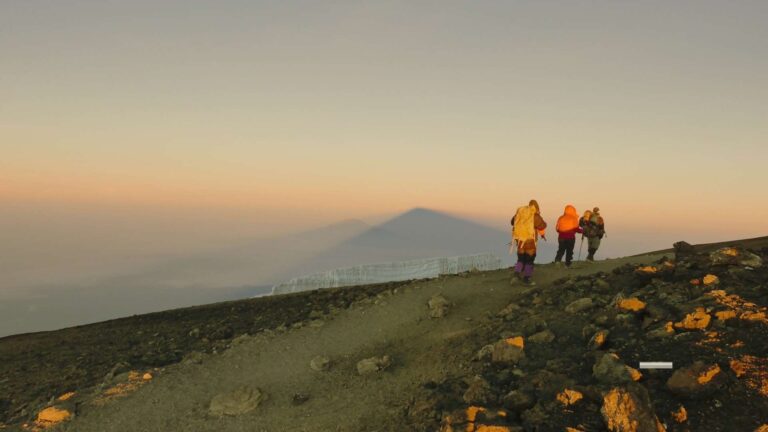
The Kilimanjaro has exerted an unparalleled attraction on people for generations from all over the world. With a height of 5,895 meters, it is not only the highest mountain in Africa, but also the highest freestanding mountain in the world. Its majestic appearance, which rises from the flat savanna, it gives it a special presence in the East African landscape.
The uniqueness of Kilimanjaro lies in its accessibility despite its impressive Height. Unlike other mountains of similar height, climbing it does not require technical climbing skills. This makes it an achievable dream for hikers with good fitness and stamina, which explains its popularity as a trekking destination.
The diversity of landscapes and climate zones during the ascent offers a unique Nature experience. Climbers traverse five different landscapes on their way to the summit. Vegetation and Climate Zones - from Tropical Rainforests to Heath and Moorlandschaften to the arctic summit zone. This hike is often combined with a trip from the equator to the North Pole.
Kilimanjaro is more than just a mountain – it's a symbol of personal challenge. and success. The climb represents an intense test, both physically and mentally, which provides a deep sense of satisfaction and pride.
passionate tour guide in Tanzania for 6 years
It fills me with pride to show guests the beauty of Tanzania and give them unforgettable moments. I love it when my guests see a lion in the wild for the first time or marvel at the savanna at sunset. It is important to me that my guests feel safe and well looked after – and return home with many beautiful stories.
My profession is not just a job for me, but something I'm passionate about."
2. Mount Kilimanjaro in Detail: Facts and Trivia about Africa's Giant
2.1. Geography: Where is Mount Kilimanjaro located? Height (5,895m), the three volcanoes (Kibo, Mawenzi, Shira) and formation
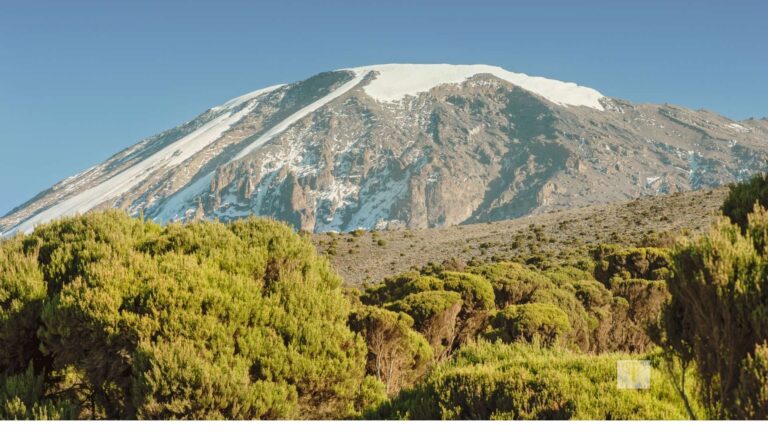
Kilimanjaro is located in northern Tanzania, near the border with Kenya. With a height of 5,895 meters, it is the highest point in Africa. Its geographical coordinates are 3° 3′ S, 37° 22′ E. The mountain is approximately 120 km from the international airport and is easily accessible from the city of Moshi.
The Kilimanjaro massif consists of three distinct volcanic cones: Kibo (5,895 m), Mawenzi (5,280 m), and Shira (4,269 m). Kibo is the highest and youngest of the three volcanoes and is currently dormant, while Mawenzi and Shira are extinct. The highest point of the mountain, Uhuru Peak, is located on the crater rim of Kibo and is also known as the "Roof of Africa.".
Kilimanjaro is a stratovolcano that began forming thousands of years ago. Kibo was last active 150,000 to 200,000 years ago and could theoretically erupt again in the future. Kilimanjaro is not part of a mountain range but rises as a freestanding mountain from the surrounding savanna.
At its base, the mountain has a diameter of approximately 70 kilometers. The impressive appearance of the mountain is recognizable even from a distance of more than 160 kilometers in clear visibility. Kilimanjaro significantly shapes the landscape of Northern Tanzania and forms a striking geographical landmark of the region.
2.2. Kilimanjaro National Park: UNESCO World Heritage Site and its Unique Significance
Kilimanjaro National Park was established in 1973 and covers an area of 1,668 square kilometers. It encloses the entire Kilimanjaro massif, with small portions also extending into the Arusha region. The park is managed by the Tanzania National Parks Authority (TANAPA).
In 1987, Kilimanjaro National Park was granted UNESCO World Heritage status in recognition of its exceptional natural beauty, unique geology, diverse vegetation zones, and remarkable flora and fauna. This distinction highlights the global significance of this natural treasure.
The national park is situated at an altitude between 1,800 and 5,895 meters above sea level. It borders several other protected areas, including Tsavo West National Park in Kenya to the east and Arusha National Park to the west. This proximity to other protected areas creates important ecological corridors for wildlife.
In addition to its natural significance, Kilimanjaro National Park also holds significant economic value for Tanzania. Park fees and tourism related to mountain climbing generate substantial revenue for the country. In 2024, fees for Kilimanjaro National Park are approximately $1,000 per person for a seven-day expedition.
2.3. Climate and Weather Zones on Kilimanjaro: From Tropical Rainforest to Arctic Summit Zone
Due to its considerable altitude difference, Kilimanjaro has five distinct climate zones that change dramatically with increasing height. This variety of climate zones makes the mountain a unique ecological system.
The lowest level forms the cultivation zone at the foot of the mountain (800-1,800 m). A tropical climate prevails here with average temperatures above 20°C. The fertile soils and regular rainfall allow for the cultivation of beans, sweet potatoes, bananas, corn, and potatoes.
The rainforest zone (1,800-2,800 m) extends above this. This zone is characterized by high rainfall (1,000-2,000 mm per year) and high humidity. The dense rainforest is home to about 140 tree species and numerous other plant species.
The heath and moorland zone (2,800-4,000 m) follows, with a drier climate and significant temperature differences between day and night. Annual precipitation here ranges from 500 to 1,300 mm.
The alpine desert zone (4,000-5,000 m) is characterized by a dry, alpine climate with only about 250 mm of precipitation per year. The sparse vegetation is adapted to the extreme conditions.
The Arctic summit zone (over 16,400 ft) features a dry, Arctic climate with minimal precipitation (around 4 inches annually). Temperatures rarely rise above freezing, even in the afternoons, and can drop significantly at night.
The climate in the Kilimanjaro region follows a distinct annual cycle with two rainy seasons (March to May, October to December) and two dry seasons. The short dry season in January and February can still be rainy in some years.
2.4. Flora and Fauna: The Amazing Animal and Plant Life of Kilimanjaro
The flora of Kilimanjaro comprises approximately 2,500 plant species that have adapted to the various altitude and climate zones. This remarkable diversity results from the different environmental conditions along the altitudinal gradient.
In the tropical rainforest at the foot of the mountain, numerous tree species, ferns, lianas, orchids, and various flowering plants thrive. Notable endemic plants include Impatiens Kilimanjari, an orchid-like plant, and Viola Eminii.
In the heath and moorland zone, heather bushes grow, which can reach up to 10 meters in height, as well as golden daisies, giant lobelias, and crossflowers. These plants have adapted to the variable weather with strong temperature fluctuations.
The alpine desert zone hosts cactus-like plants with papery blossoms as well as impressive giant groundsels (Dendrosenecio). In the arctic zone near the summit, vegetation is greatly reduced due to extreme conditions.
The fauna in Kilimanjaro National Park is also diverse. Elephants, leopards, buffalo, and various species of monkeys, including colobus monkeys (black and white colobus monkeys), live in the national park. Most of the larger wildlife is found mainly in the lower areas of the park.
The forest area of Kilimanjaro is also home to about 140 bird species, making the mountain an interesting destination for birdwatchers. The bird population contributes to the ecological balance of the mountain ecosystem.
2.5. History of the First Ascent and the Mountain's Cultural Significance
The history of Kilimanjaro is closely tied to local cultures. The Chagga people, who live at the foot of the mountain, venerated the mountain for centuries before converting to Christianity. According to a local legend, Kibo and Mawenzi represent petrified wives of the god Ruwa.
As early as 100 AD, the Greek astronomer and geographer Ptolemy reported a high, snow-covered mountain in the middle of Africa. However, the mountain only came to the attention of a broader European public when the German missionary Johannes Rebmann stood before Kilimanjaro on May 11, 1848, and reported the overwhelming sight of the snowy mountain to Europe.
The first documented ascent attempts were made by Karl Klaus von der Decken in 1861 and 1862, reaching an altitude of 4,280 m. In 1871, missionary Charles New reached the snow line but had to turn back.
The first ascent was finally achieved by the Leipzig mountaineer and geographer Hans Meyer and the Austrian alpinist Ludwig Purtscheller on October 6, 1889, after two failed attempts in 1887 and 1888. Muini Amani served as the local mountain guide. Meyer hoisted a small German flag at the highest point of the Kibo crater.
During the German colonial period in East Africa (1885-1918), Kilimanjaro was part of German East Africa and was called "Kaiser-Wilhelm-Spitze" or "Wilhelmskuppe." The mountain was considered the "highest mountain in Germany" in the German Empire and was a symbol of German colonial policy.
After Tanzania's independence, the mountain was given back its original name. Today, Kilimanjaro is an important national symbol for Tanzania and a significant factor in the country's tourism.