
14-Day Tanzania Safari: Route Comparison, Driving Times, Best Time to Go, Accommodations & Cost Breakdown
Overview
A 14-day safari in Tanzania is the ideal timeframe to immerse yourself in the wilderness without having to change accommodations every day. The most popular option combines about 7-9 days of safari on the „Northern Circuit“ (Serengeti, Ngorongoro) with a beach vacation in Zanzibar. Alternatively, the south (Ruaha) offers an exclusive, almost deserted wilderness experience for connoisseurs within two weeks.
Key Takeaways
- Perfect mix: 14 days allow for relaxed travel – usually as „Bush & Beach“ (e.g., 8 days safari + 6 days Zanzibar).
- Serengeti Depths Unlike short trips, here you can venture 3-5 days deep into the Serengeti (important for the migration).
- Season factor From January to March is the Ndutu Region (South Serengeti) the absolute highlight for the wildebeest calving.
- Ruaha as an alternative: Those wishing to avoid tourist crowds will find pure wild Africa in Ruaha National Park (south) – often logistically solved by fly-in.
- Travel times: Don't underestimate the distances in the north. A fly-in segment (e.g., Serengeti → Arusha/Zanzibar) often saves a full travel day.
- Costs: 14 days mean higher fixed costs for the Jeep/guide, but decreasing „stress costs.“ Lodges drive up the price more than camping.
- Luggage For domestic flights (Zanzibar/Serengeti/Ruaha), 15-20 kg in soft bags often applies.

14-Day Safari Routes from Arusha and Moshi (Kilimanjaro Airport)
14-Day Tanzania & Zanzibar Safari
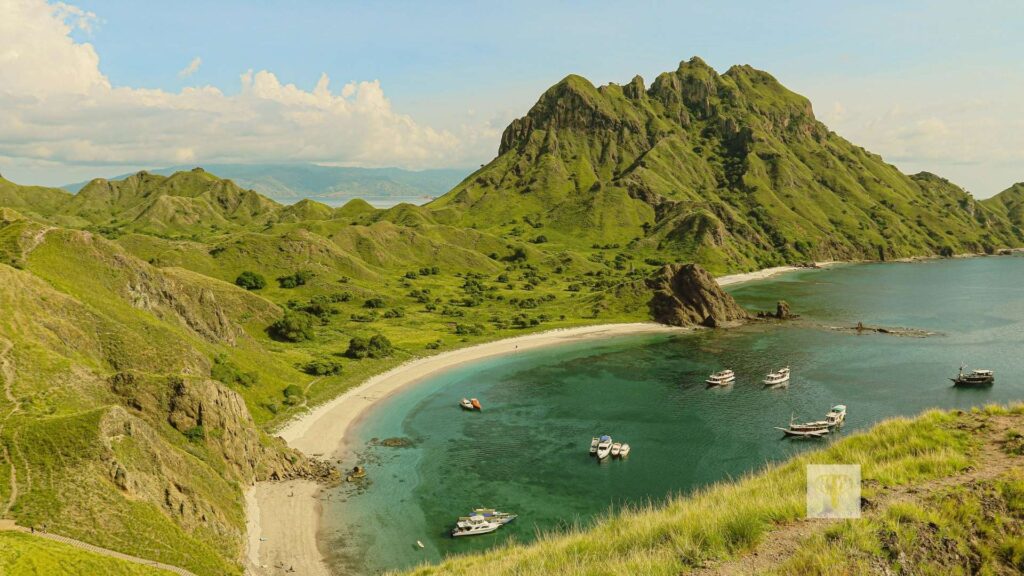
Character The perfect all-rounder combination of „Big Five“ adventure in the north and relaxation on the beach.
Typical daily logic
- Day 1: Arrival in Arusha – USA River
- Day 2: Safari at Lake Burunge and Tarangire National Park
- Days 3-4: Safari in the Serengeti (Seronera/Central)
- Day 5-6: Ngorongoro Region and Karatu
- Day 7-8: Flight to Zanzibar – Stone Town
- Days 9-14: Beach vacation in Jambiani
- Day 14: Return flight from Zanzibar
Note (Flight): Domestic flight Arusha/Serengeti → Zanzibar. Note baggage limit (usually 15-20 kg, soft bags).
All information about this classic safari including Zanzibar can be found here.
14-Day Tanzania Safari (Seasonal) During the Wildebeest Calving with Zanzibar
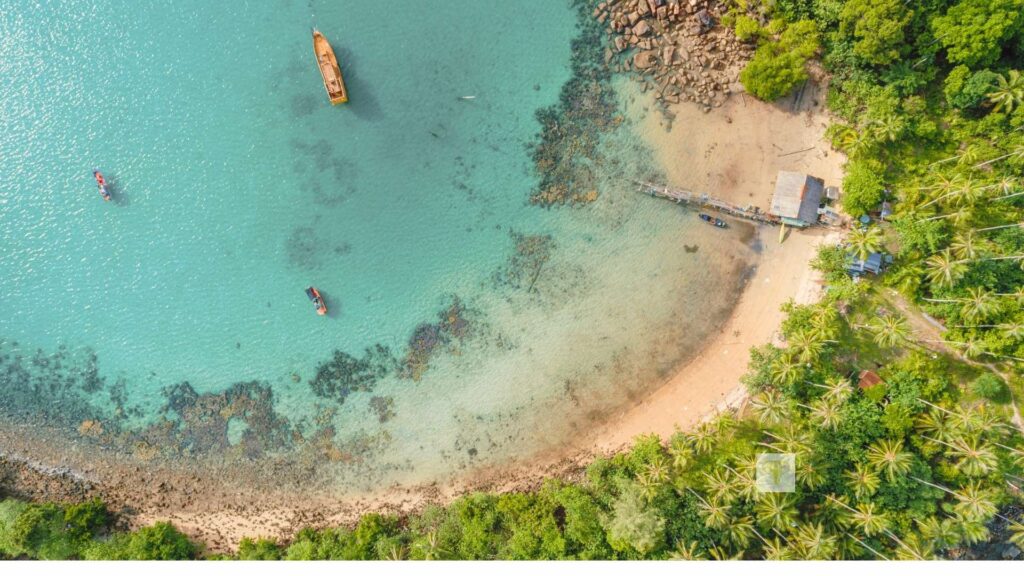
Character Seasonal focus (Dec-Apr) on the wildebeest calving in the Ndutu region, combined with Zanzibar.
Typical daily logic
- Day 1-2: Arrival at Kilimanjaro Airport and acclimatization in Arusha
- Day 3-4: Safari in the Ngorongoro Highlands
- Day 5-7: Wildebeest Calving in the Ndutu Area (Peak of the Migration)
- Day 8-9: Safari in Serengeti National Park
- Days 10-13: Flight to Zanzibar and Beach Vacation
- Day 14: Flight from Zanzibar International Airport
Note (Flight): Domestic flight → Zanzibar. Observe baggage limit (usually 15-20 kg, soft bags).
Further information about this safari during calving season plus Zanzibar can be found here.
14-Day Tanzania Safari | Honeymoon Trip
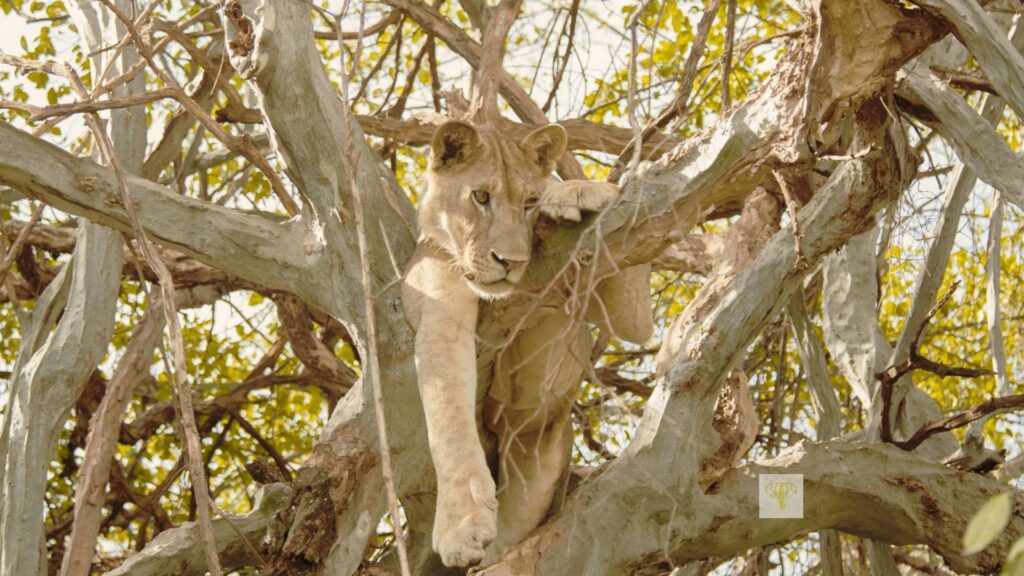
- Character Romantic „Slow Travel“ with Canoe Safari, Culture (Hadzabe), and plenty of time in the Serengeti.
- Typical daily logic
- Day 1: Arrival in Arusha
- Day 2: Safari in Arusha National Park with Canoe Safari
- Day 3-4: Safari in Tarangire National Park
- Day 5: Safari in Lake Manyara National Park
- Day 6: Cultural Experience at Lake Eyasi with the Hadzabe
- Day 7-11: Serengeti Safari (5 Full Days for Maximum Depth)
- Day 12: Drive from Serengeti to Ngorongoro Crater
- Day 13: Safari in the Ngorongoro Crater and return to Arusha
- Day 14: Transfer to Kilimanjaro Airport and Departure
All information about this honeymoon safari can be found here.
14-Day Safari Routes from Zanzibar and Dar es Salaam
These routes are particularly suitable if you want to avoid the more touristy north or are already on site.
14-Day Safari in Tanzania: Ruaha National Park
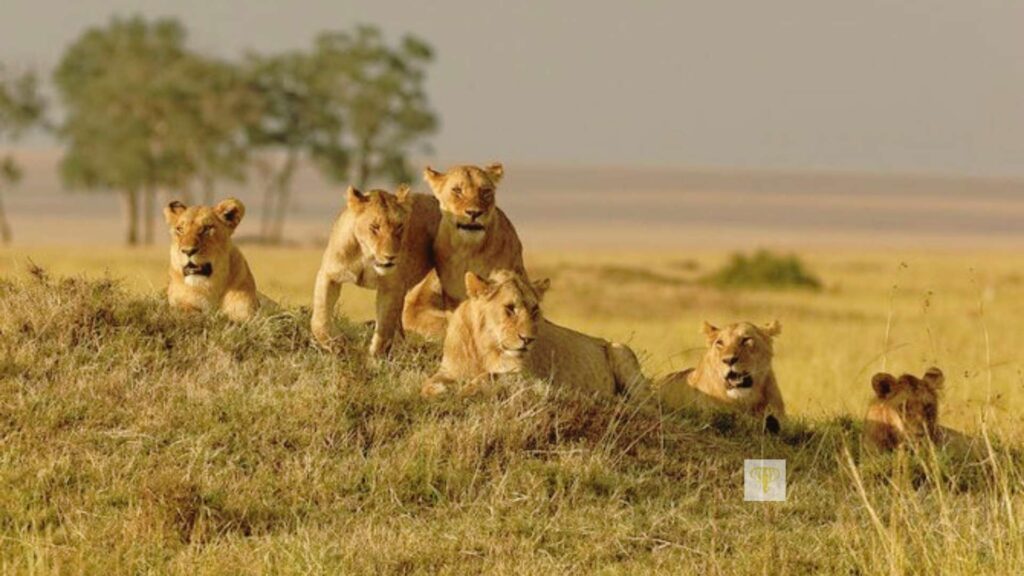
Character For adventurers and connoisseurs – enormous elephant herds, walking safaris, and absolute solitude in the country's largest park.
Typical daily logic
- Day 1: Iringa – Arrival in Ruaha National Park
- Day 2: Full Day Game Drive in Ruaha
- Tag 3: Safari on Foot in the Bush (Walking with a Ranger)
- Day 4: Morning and Evening Game Drive
- Tag 5: Trekking up Kilimatonge Hill
- Days 6-13: Exploring different regions of Ruaha (Mwagusi, Mdonya)
- Day 14: Last Safari and Return to Iringa
Note (Logistics): Travel is often by domestic flight from Dar es Salaam to Iringa/Msembe. Baggage limit on small aircraft: 15-20 kg, soft bags.
More information about this beautiful Southern Tanzania safari can be found here.
Customer testimonial
“Individual travel without the stress of online comparisons
We had a 5-day safari in Tanzania and are still absolutely thrilled. Everything was excellently organized and well thought out, from the airport pick-up to the final transfer back to the airport after the safari.
Safari Tanzania saved us hours of comparing providers online. They put together a customized trip, matched us with the best local operator, and ensured seamless organization through quick WhatsApp communication. More anticipation, less stress.
Hakan Evcek, a customer from Darmstadt


Which 14-day safari is objectively best for you? (2 Parks vs. 3 Parks vs. Fly-in)
With 14 days, the question isn't „can I do it?“, but „how do I focus?“.
Bush & Beach (Safari + Zanzibar)
Typical 7-8 day safari (Tarangire, Serengeti, Ngorongoro) + 6 days beach.
- Advantages: Perfect balance of adventure and relaxation. You see the highlights but have time to process the impressions by the sea.
- Disadvantages The safari part is intense; the flight to Zanzibar costs extra.
- For whom? First-time visitors, couples, families, and everyone who wants to experience „Africa complete.“.
2) The Pure North (Northern Circuit Intensive)
Typical 14 days of safari only (incl. Arusha NP, Eyasi, 4-5 days Serengeti).
- Advantages: Slow down („Slow Safari“). You can wait at waterholes for something to happen instead of having to move on. Culture (Hadzabe) can be integrated stress-free.
- Disadvantages 14 days in a Jeep can be tiring (dust, „African massage“ on dirt roads). Higher budget due to many park days.
- For whom? Photography enthusiasts, animal lovers, honeymooners.
3) The Wild South (Ruaha / Southern Circuit)
Typical 10-14 days Ruaha or Ruaha/Nyerere combo (often fly-in).
- Advantages: Exclusivity. You often share sightings with no one. Walking safaris are more feasible here than in the north.
- Disadvantages Less „Big Five“ focus (rhinos extremely rare). Logistics are more complex (flights required).
- For whom? Repeat visitors, Africa connoisseurs, peace seekers.
Realistic Driving Times & Trade-offs
Even with 14 days, you will spend time in the car. We are planning realistically:
Guidelines (without guarantee):
- Arusha to Tarangire: approx. 2-3 hours (asphalt).
- Tarangire to Karatu/Ngorongoro approx. 2-3 hours.
- Ngorongoro → Serengeti (Central): approx. 4-5 hours (bumpy road, but „Game Drive en route“).
- Dar es Salaam → Iringa/Ruaha: By car, very long (10h+), therefore almost always Fly-in Recommended (approx. 1-2 hour flight time).
What do you gain – what do you lose?
- With Zanzibar Combo: You gain rest, but lose about half a day for the transfer/flight to the beach.
- Fly-in from the Serengeti: If you fly directly from the Serengeti to Arusha/Zanzibar, you save yourself the 6-8 hour drive back over the bumpy road. This is often the best investment for 14-day trips.

What animals do you see in 14 days? (Expectations & Chances)
With two weeks, the chances of rare sightings increase massively, as you can be „in the right place at the right time.“.
Big Five & Specialties
- Lions & Elephants: In almost all 14-day routes (North & Ruaha) very safe to see.
- Rhinoceros Best chances in the Ngorongoro Crater (North). Extremely rare/unlikely in Ruaha (South).
- Leopard: With 3-5 days in the Serengeti or Ruaha, the chances of spotting leopards increase significantly (patience required).
- Wild Dogs The best chances you have are in Ruaha National Park (South). Very rare in the north.
The Great Migration
- December – March: The herds are in the south of the Serengeti/Ndutu. Perfect for 14 days.
- June – October: The herds are moving north (Mara River). Our tours can be adjusted to go further north (longer driving time).
- April – May: Rainy season, herds central.
Best time to travel for a 14-day safari in Tanzania
Dry season (June – October)
- Climate Dry, sunny, cooler nights.
- Safari Animals gather at watering holes (Tarangire River, Ruaha River). Vegetation is sparse = best visibility.
- Zanzibar: Perfect weather for a bath.
Green Season (November - May)
- January - March: The Calving season in the Ndutu region (South Serengeti). Fantastic for predator action and babies.
- Landscape Everything is emerald green, dust-free, dramatic cloud skies (great for photos).
- Price: Often a bit cheaper (except for Christmas).
Photography tip
In 14 days, you'll have time for atmospheric lighting. The „Golden Hour“ (morning/evening) is magical in both the north and south. During the dry season (dust), dramatic sunsets occur.
Costs & Prices: What drives the price of a 14-day safari?
14 days is an investment. Understand the leverage to compare offers:
- Accommodation class 13 nights in a lodge add up massively compared to camping. A mix (e.g., tented camp in the park + lodge on the beach) is often the „best value for money.“.
- Domestic flights The flight from Serengeti to Zanzibar or Dar es Salaam to Ruaha costs extra, but saves valuable vacation days.
- National Park Fees: The Serengeti and Ngorongoro Crater have high daily fees. A 14-day itinerary with 5 days in the Serengeti is more expensive than one with more days at the beach.
- Private vehicle: The fixed costs for the Jeep and guide are distributed differently for 2 people than for 6 people.
Accommodations in 14 days: camping, lodge, tented camp
A change in accommodation types is often exciting after 14 days.
Accommodation type | Comfort | Atmosphere | Pricing logic | Who is it suitable for |
Camping | Simple (sleeping bag/tent) | „In the thick of it, campfire, authentic | Cheapest option, but strenuous for over 14 days | Adventurer, budget-conscious |
Tented Camp | Mid-range to luxury (beds, en-suite bathrooms) | Pure safari feeling, fabric tent walls | Upscale (especially „Inside Park“) | Anyone looking for wilderness + comfort |
Lodge | High (solid walls, pool) | Hotel-like, often air-conditioned | Wide range, often more expensive than camping | Families, Comfort Travelers |
Inside Park notice: Accommodations inside the parks are more expensive (concession fees) but offer the experience of hearing lions at night. For 14 days, we recommend staying „inside the park“ in the Serengeti at least.
Starting points & Logistics: Arusha, Kilimanjaro Airport, Zanzibar
- Kilimanjaro Airport (JRO): The standard start for tours in Northern Tanzania with a transfer time to Arusha of approx. 1 hour.
- Dar es Salaam (DAR): The hub for the south, and also ideal for onward travel to Zanzibar.
- Zanzibar: If you're already there, we'll fly you in for a safari (fly-in to the Serengeti or Ruaha).
Inclusive / Exclusive (typical) - transparent at a glance
Typically including | Typically not included |
Private 4x4 Land Cruiser (window seat guaranteed) | International Flights to Tanzania |
Professional Safari Guide (German, subject to availability) | Visa (approx. 50 USD) |
All park and crater fees according to the route | Travel insurance |
Overnight stays & Full board (Safari) | Tips for the guide |
Domestic flights (if indicated on the route, e.g., to Zanzibar) | Alcoholic drinks (often extra at camps) |
Bottled water in the safari vehicle | Local tourist tax in Zanzibar (hotel) |
FAQ - 14-Day Tanzania Safari
Is a 14-day safari too exhausting?
No, if the route is planned cleverly. We avoid „racing driver stages.“ However, 14 days of pure „road safari“ without rest days can be tiring.
Is the surcharge for the Ngorongoro Crater worth it?
Yes. Even after 14 days, the crater remains unique due to the animal density. We usually plan it at the end or beginning as a highlight.
Do I need malaria prophylaxis for Zanzibar?
Tanzania is a malaria risk area. Please consult a travel medicine specialist in advance. Mosquito nets are available in the hotels/lodges.
Can I also reverse tours (beach first, then safari)?
Yes, that is possible. However, many guests prefer „adventure first, then relaxation“ to wash the dust of the savanna off in the ocean.
How much tip is customary for 14 days?
Since you'll spend 14 days closely with your guide, a rapport will develop. Many guests tip around $15-20 USD per day per group (not per person), but this is entirely voluntary and depends on performance.
Is there electricity in the camps?
Yes, almost all lodges and tented camps have solar power/generators for charging cameras and phones. In 14 days, you'll have enough power for your photos.
Plan your own trip to Tanzania
Plan your own trip to Tanzania
Get personal advice now

After this call, you have…
- a list of all trips that fit your budget and availability,
- Bookable tours with fixed prices
- and answers to your open questions
- ... and all in under 30 minutes.