
10-Day Tanzania Safari: Route Comparison, Calving Season, Zanzibar Combos & Cost Logic
Overview
One 10-day safari in Tanzania is the „sweet spot“ for travelers looking for more than just a quick glimpse. This timeframe allows you to either completely Northern Circuit to the Mara River traveling without time pressure, a relaxed Safari shower combination enjoying Zanzibar or intensively exploring the wild parks in the south (Selous/Ruaha). 10 days offer enough room for cultural depth (Hadzabe/Datoga) or special phenomena like the calving season.
Key Takeaways
- Time for depth: In 10 days, you'll reach remote regions like the Northern Serengeti (Mara River) or Lake Natron, which are often omitted on shorter safaris.
- Migration can be planned: With 10 days, you can specifically follow the Great Migration – whether it's the calving season (Ndutu) or the river crossings (North Serengeti).
- Bush & Beach: The „6-7 day safari + 3-4 day Zanzibar“ split is the absolute classic for first-time visitors.
- Cultural Integration: Only from about 8-10 days can visits to the Hadzabe (hunter-gatherers) or Datoga be meaningfully integrated without rushing.
- South as an alternative: Those who want to avoid tourist crowds will find a more exclusive, wilder experience in the south (Ruaha/Selous) in 10 days.
- Physical exertion Don't underestimate 10 days in a 4x4 („African Massage“). Dust and bumpy tracks are part of the experience.

10-Day Safari Routes from Arusha and Moshi (Kilimanjaro Airport)
The north of Tanzania is the stage for the most famous parks. The starting point is almost always Kilimanjaro Airport (JRO) with a transfer to Arusha.
10-Day Tanzania Safari: Calving Season & Culture
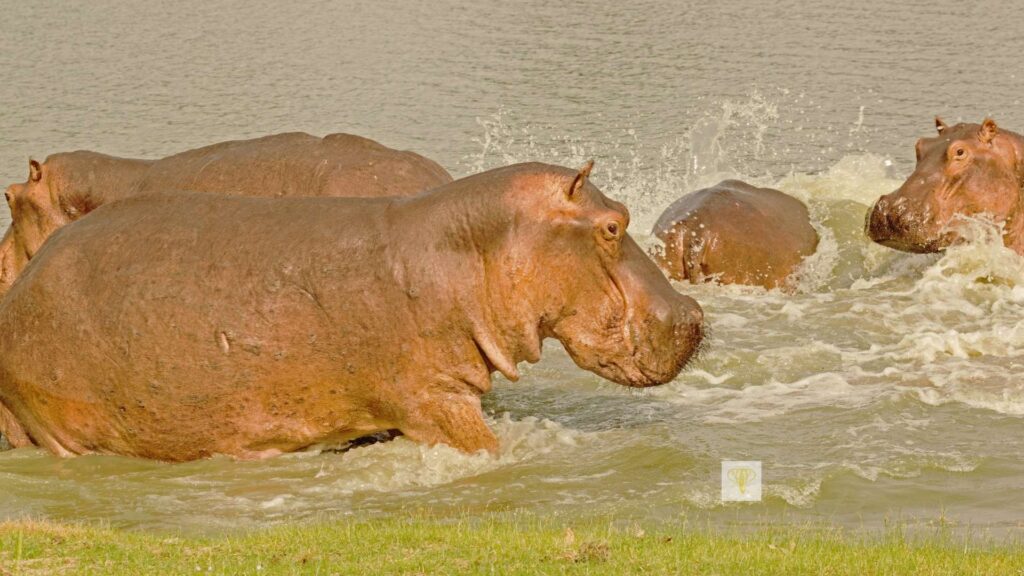
Character Focus on the natural spectacle of the birth of thousands of wildebeest (seasonally Jan-Mar ideal) combined with deep insights into the way of life of the Hadzabe and Datoga.
Typical daily logic
- Day 1: Arrival Arusha
- Day 2: Tarangire National Park (Elephants & Baobabs)
- Day 3: Lake Manyara & drive to Lake Eyasi
- Day 4: Cultural Experience (Hadzabe/Datoga) at Lake Eyasi
- Day 5: Drive to the Ndutu Area (Calving Grounds)
- Day 6: Game Drives Ndutu / Central Serengeti
- Day 7: Central Serengeti
- Day 8: Ngorongoro Crater (Big Five)
- Day 9: Mto wa Mbu Cultural Visit
- Day 10: Return trip from Arusha
All information about this culture safari during calving season can be found here.
10-Day Tanzania Safari: Great Migration & Lake Natron
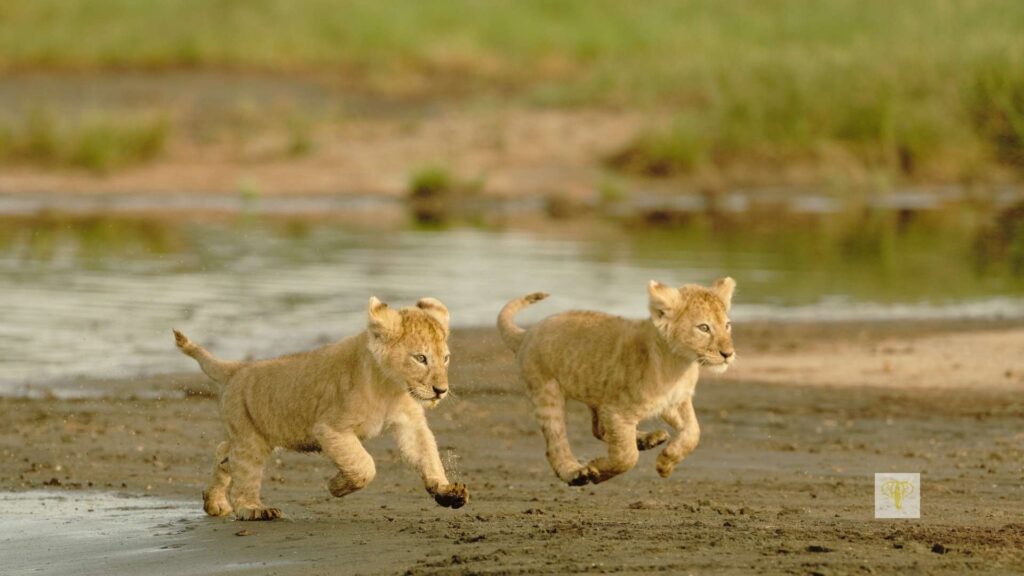
Character The ultimate „Grand Tour“ for landscape fans wanting to see the dramatic river crossings (seasonal) and the mystical Lake Natron.
Typical daily logic
- Day 1: Arrival Arusha
- Day 2: Tarangire National Park
- Tag 3: Drive into the Northern Serengeti
- Day 4: North Serengeti (Focus Migration / Mara River)
- Tag 5: Drive North to Central Serengeti
- Tag 6: Central Serengeti
- Day 7: Drive to the Ngorongoro Highlands
- Tag 8: Ngorongoro Crater
- Tag 9: Lake Manyara
- Day 10: Lake Natron, Maasai Village & Return Journey
All information about this safari during the Great Migration can be found here. here.
10-Day Safari in Tanzania: Northern Parks & Gombe
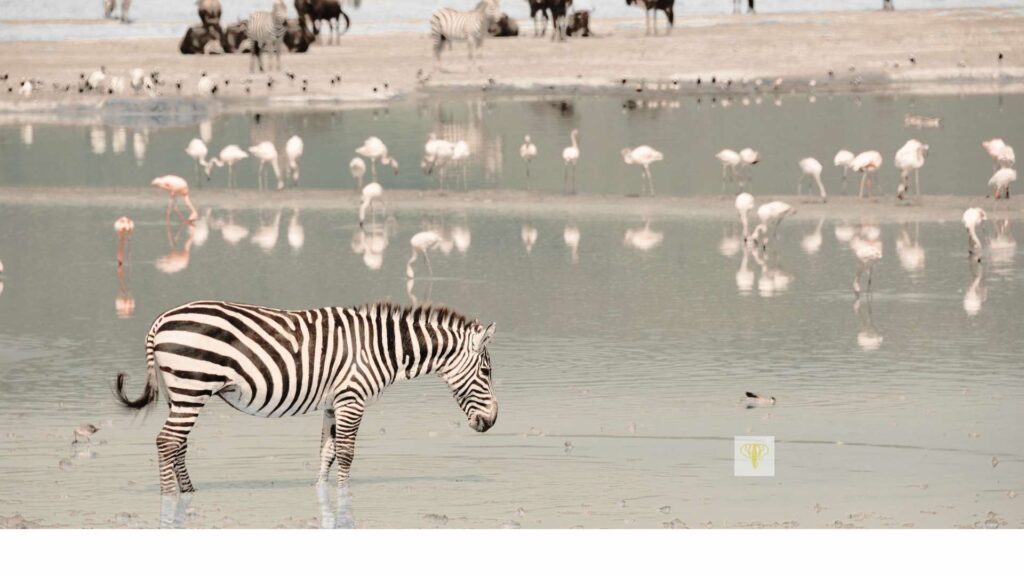
Character An exclusive niche route for primate lovers – connecting the „Big Five“ in the North with chimpanzee trekking in the remote Gombe Stream National Park.
Typical daily logic
- Day 1: Arusha & Materuni Waterfall
- Day 2: Tarangire National Park
- Tag 3-4: Serengeti National Park
- Tag 5: Ngorongoro Highlands & Maasai
- Day 6: Ngorongoro Crater
- Day 7: Lake Eyasi (Tribes) & Domestic Flight to Kigoma
- Day 8: Chimpanzee Trekking Gombe
- Tag 9: Gombe & Lake Tanganyika (Boat Safari)
- Day 10: Departure from Kigoma
Note: Includes domestic flights; note strict luggage limits (approx. 15-20 kg, soft bag).
All information about this safari in northern Tanzania can be found here.
10-Day Safari Itinerary from Zanzibar and Dar es Salaam
These routes are ideal if you're planning a beach extension or want to start directly in the south.
10 Day Tanzania & Zanzibar Safari
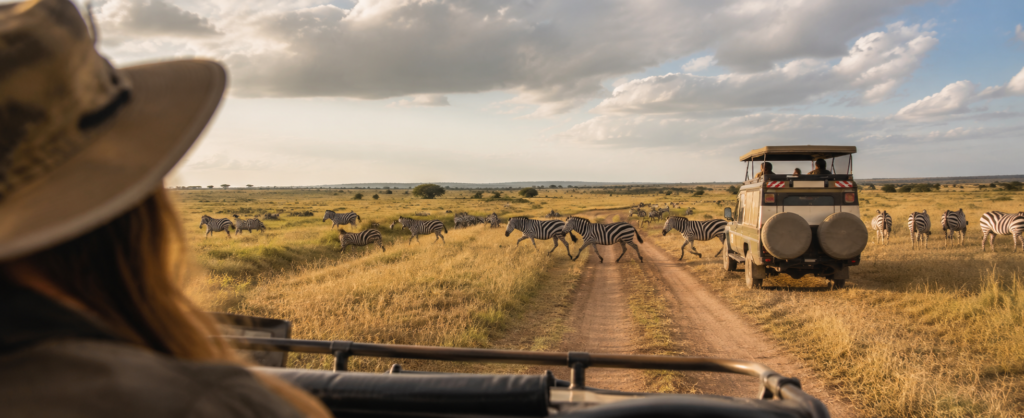
Character The bestseller for the perfect mix of adventure and relaxation – compact safari highlights followed by tropical beaches.
Typical daily logic
- Day 1: Arrival Kilimanjaro – Transfer Arusha
- Day 2: Tarangire National Park
- Day 3: Drive to the Serengeti
- Day 4: Full Day Safari Serengeti
- Day 5: Serengeti & Ngorongoro Crater
- Day 6: Lake Manyara & Return to Arusha
- Day 7: Flight to Zanzibar (Nungwi)
- Day 8-9: Zanzibar Beach Vacation
- Day 10: Departure Zanzibar
Note: Domestic flight Arusha-Zanzibar included (note luggage limit).
More information about this safari with a beach holiday can be found here.
10-Day Honeymoon Tanzania: Safari & Zanzibar
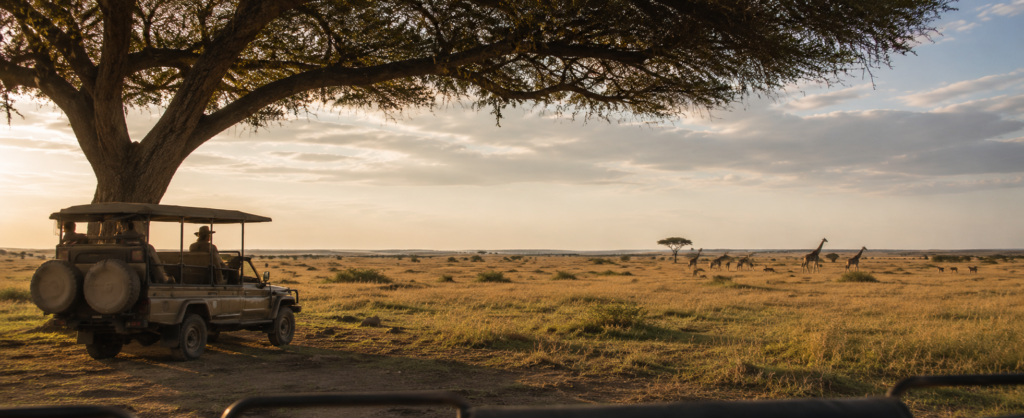
Character Similar to Tour 5, but with a special focus on romance, upscale accommodations, and a more relaxed pace for honeymooners.
Typical daily logic
- Day 1: Arrival & Welcome
- Days 2-6: Exclusive Safari in the Northern Circuit (Tarangire, Manyara, Ngorongoro, Serengeti) with a focus on special moments (sundowners, private dinners).
- Day 7: Flight to Zanzibar.
- Days 8-10: Romantic send-off on Zanzibar & Departure.
All information about this honeymoon safari, including Zanzibar, can be found here.
10-Day Safari in Tanzania (Selous, Mikumi, Ruaha)
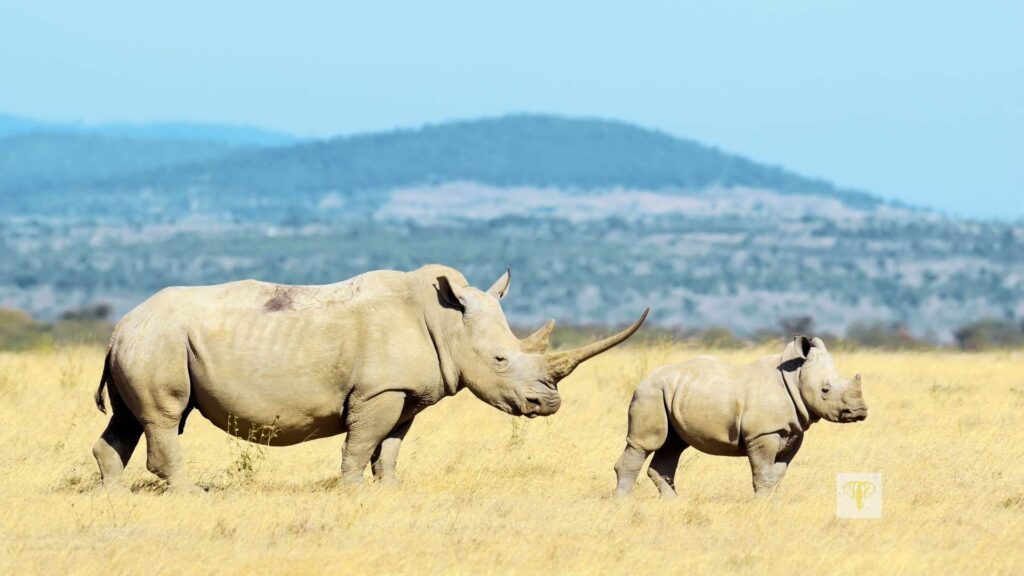
Character Off the beaten track. An intensive journey through the wild, less-visited parks of the South – rugged, authentic, and full of adventure.
Typical daily logic
- Day 1: Dar es Salaam – Selous Game Reserve (Nyerere NP)
- Days 2-3: Selous (Game Drives & Boat Safari)
- Day 4: Drive to Mikumi
- Tag 5-6: Mikumi National Park
- Day 7: Drive to Ruaha National Park
- Day 8: Ruaha National Park (Big Cat Focus)
- Day 9: Trip to the Udzungwa Mountains
- Day 10: Udzungwa Hike & Return Trip
You can find all the information about this safari in southern Tanzania here.
Customer testimonial
“Individual travel without the stress of online comparisons
We had a 5-day safari in Tanzania and are still absolutely thrilled. Everything was excellently organized and well thought out, from the airport pick-up to the final transfer back to the airport after the safari.
Safari Tanzania saved us hours of comparing providers online. They put together a customized trip, matched us with the best local operator, and ensured seamless organization through quick WhatsApp communication. More anticipation, less stress.
Hakan Evcek, a customer from Darmstadt


Which 10-day safari objectively suits you best?
The choice often depends on a fundamental decision: Maximum animal time or Relaxation Mix?
1) The „Deep Dive“ (10 days of pure safari in the north)
You spend the entire time in the parks (Serengeti, Ngorongoro, Tarangire, Natron/Eyasi).
- Advantages: You reach remote corners (e.g., Mara River in the north) that are inaccessible on short tours. You can truly seek out and enjoy phenomena like the migration, rather than just „checking them off.“ Cultural encounters don't feel rushed.
- Disadvantages 10 days in a jeep are physically demanding (dust, rough roads). Towards the end, a certain „safari fatigue“ can set in.
- For whom: Wildlife photographers, nature lovers, and anyone whose primary focus is migration (River Crossing or calving).
2) The „Classic“ (Safari & Zanzibar Combo)
Usually around 6 days safari + 4 days Zanzibar.
- Advantages: Perfect balance. After the early start and the dust of the safari (intensity of experiences), relaxation on the beach follows (processing of impressions). Logistically easily achievable by domestic flight.
- Disadvantages The safari time is more compact – the drive all the way to the north of the Serengeti (Mara River) is often too stressful in 6 days; people tend to focus more on Central Serengeti and the Crater.
- For whom: First-time visitors, couples, families, and honeymooners.
3) The „Wilderness Option“ (Southern Tanzania)
Focus on Selous (Nyerere) and Ruaha.
- Advantages: Far fewer tourist vehicles. The experience is more exclusive and „wilder.“ Boat safaris and walking safaris are easier to do here than in the north.
- Disadvantages You won't see the classic „migration“ of the wildebeest herds here. The „Big Five“ are harder to see completely (rhinos are rare). Logistics are often more complex (long drives or more expensive fly-ins).
- For whom: Africa connoisseurs, seekers of tranquility, and adventurers.
Realistic Driving Times & Trade-offs
With 10 days, time in the car plays a big role. Distances in Tanzania aren't measured in kilometers, but in hours.
Benchmark values (no guarantee, depending on road conditions & weather):
- Arusha to Tarangire: approx. 2-3 hours (asphalt).
- Tarangire/Manyara → Ngorongoro Gate: approx. 2-3 hours.
- Ngorongoro → Central Serengeti (Seronera): Approx. 3-4 hours (bumpy track, but already a game drive en route).
- Central Serengeti to North Serengeti (Mara River) Approx. 4-5 hours (challenging slope).
- Dar es Salaam → Selous/Mikumi: approx. 5-7 hours (often slow depending on traffic).
What do you gain – what do you lose?
- Fly-in Option: Those who fly instead of drive (e.g., Arusha directly to the Serengeti) gain 4-6 hours of pure game drive time per leg of the journey, but „pay“ for it with higher costs and miss out on landscape transitions as well as the cultural life along the roadside.
- Road Option: You see the „real“ country, villages, and changing landscapes, but you need to have „staying power.“.

What animals do you expect to see in 10 days? (Expectations & Chances)
The Migration (Great Animal Migration)
In 10 days, you'll have the best chance to truly see the migration, as we can adjust the route to the herds' position:
- January – March (South/Ndutu): Calving season. Thousands of babies, many big cats.
- July – October (Northern Sector/Mara River): Dramatic river crossings with crocodiles.
- April/May & November: The herds are moving through the central/western Serengeti („in-between season“).
The Big Five & Specialists
- Rhinoceros Best chance in the Ngorongoro Crater (very high). Possible in the Serengeti, but rare (Moru Kopjes).
- Leopard: Very good chances in Central Serengeti (Seronera Valley) and Ruaha.
- Chimpanzees Only in Mahale or Gombe – not found in the normal safari circuit.
- Wild Dogs Rare, but best chances in the south (Ruaha/Selous) or Tarangire.
Best time to travel for a 10-day safari
Dry season (June – October)
- Advantages: Best for wildlife viewing, as vegetation is low and animals come to waterholes. Pleasant temperatures, hardly any rain.
- Disadvantages Peak season prices, more visitors in the parks, dusty slopes.
Green Season (November - March)
- Advantages: The landscape is emerald green and dust-free. Calving season (Jan-Feb) in the South Serengeti. Many migratory birds (birdwatching).
- Disadvantages It can rain (mostly short showers). April/May (long rainy season) can make slopes difficult to traverse.
Photo clue
The light is often more dramatic in the „Green Season“ (thunderclouds, clear air) than in the hazy July. The dry season is ideal for dust action shots.
Costs & Pricing: What drives the price of a 10-day safari?
Since we will be traveling privately for 10 days, certain cost blocks will add up, which you should understand in order to compare offers fairly:
- Concession Fees (Overnight Stay in the Park): Sleep in In the Serengeti or on the crater rim, there are high additional fees per person per night (often $50–70+ extra (only for the bed permit). Sleeping outside is cheaper, but costs travel time.
- Ngorongoro Crater Fee: Each entry to the crater floor costs a high flat fee per vehicle (approx. $295) in addition to the per-person fees.
- Domestic flights Flights (e.g., Serengeti-Arusha or Arusha-Zanzibar) save days of travel time but are more expensive than the jeep transfer.
- Exclusivity (Private): You pay for the vehicle and the guide separately. For 2 people, the per-person price is higher than for 6 people in the same jeep.
Here's how to compare offers correctly:
- Are Domestic flights (Fly-in): is it already included in the final price or does it come „on top“?
- How many days do you really spend within the expensive park borders (Serengeti/Crater) vs. outside (Karatu/Arusha)?
- Is the Crater Service Included?
Accommodations in 10 days: Camping, Lodge, Tented Camp
A mix of accommodation types often makes a 10-day trip exciting.
Accommodation type | Comfort | Atmosphere | Pricing logic | Who is it suitable for |
Camping | Simple (tent on the ground, shared bathroom) | Maximum closeness to nature, campfire, „bush feeling“ | Budget-friendly, but personnel costs for cook/equipment will arise | Adventurers & Budget-Conscious |
Tented Camp | Mid-range to luxury (standing room, real beds, private bathroom) | „Glamping“ - you can hear nature through the tent wall, but sleep like in a hotel | Often more expensive than lodges, as it is logistically complex to be in the middle of the park | The authentic safari experience |
Lodge | House (solid walls, pool, often stone/wood) | Hotel comfort, air-conditioned, fixed protection | Wide range depending on location (in the park vs. outside) | Families, comfort lovers |
Note: „Inside Park“ doesn't necessarily mean less travel time, but a more intense experience (lion's roar at night).
Inclusive / Exclusive (typical) - transparent at a glance
Typically including | Typically not included |
Private 4x4 Safari Vehicle (Unlimited km on Game Drives) | International Flights to Tanzania |
Professional Safari Guide (German-speaking, subject to availability) | Visa (approx. 50 USD) |
All Park and Conservation Fees | Travel insurance |
Overnight stays with full board (on safari) | Tips (Guide/Accommodation) |
Bottled water in the safari vehicle | Alcoholic Beverages & Soft Drinks in Lodges |
Domestic flights (only if explicitly included in the itinerary, e.g., Zanzibar) | Optional excursions (balloon safari, Masai village if not listed) |
Flying Doctors Insurance (Evacuation) | Personal Expenses & Laundry Service |
FAQ - 10-Day Safari in Tanzania
Is a 10-day safari too strenuous for children?
Yes, for very young children (under 6). For school-aged children, we strongly recommend the Zanzibar option (Tour 5) or incorporating rest days with a pool (lodge instead of camping) to break up the long travel times.
Can you combine North and South Parks in 10 days?
Theoretically yes, practically we advise against it. Logistics (flights) consume too much budget and time. It's better to focus on one region (North OR South) for 10 days to truly experience it.
Do I need malaria prophylaxis for a 10-day safari?
Tanzania is a malaria risk area. We strongly recommend consulting a tropical medicine specialist. Long clothing in the evening and insect repellent are mandatory.
How much tip money should I plan for 10 days?
A guideline for the guide is approximately $15-20 USD per day per group (not per person), if you are satisfied. Lodges often have a „tip box.“.
What happens when it rains?
The roofs of the Jeeps are watertight. Animals are often more active after a shower. During the big rainy season (April), roads can be muddy – however, our guides are experienced off-road drivers.
Can I charge my phone/camera in the Jeep?
Yes, our private 4x4 Jeeps have charging stations (inverter/USB). Nevertheless, please bring enough batteries.
What is the baggage limit for Fly-in Safaris?
If your 10-day tour includes a flight (e.g., to Zanzibar or Gombe), strict limits apply: usually 15 kg in one lightweight travel bag (no hardside suitcases), plus carry-on baggage.
Am I guaranteed to see the river crossing?
No. Even in a perfect season, luck and patience are involved. Nature cannot be scripted.
Is Zanzibar really necessary after a safari?
Not necessary, but recommended. 10 days of „bush only“ create so many impressions that a few days of „doing nothing“ by the sea help to process the experience.
Where can I exchange money?
US Dollars (new notes from 2009) are accepted almost everywhere. Exchanging money into Tanzanian Shillings is advisable for small purchases (markets), but in lodges, you'll usually pay in USD or by card.
Plan your own trip to Tanzania
Plan your own trip to Tanzania
Get personal advice now

After this call, you have…
- a list of all trips that fit your budget and availability,
- Bookable tours with fixed prices
- and answers to your open questions
- ... and all in under 30 minutes.