
You have the choice between unforgettable and breathtaking
You have the choice between unforgettable and breathtaking
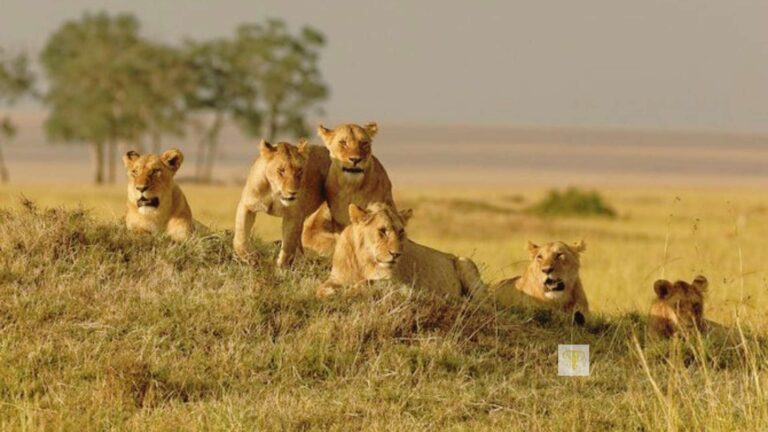
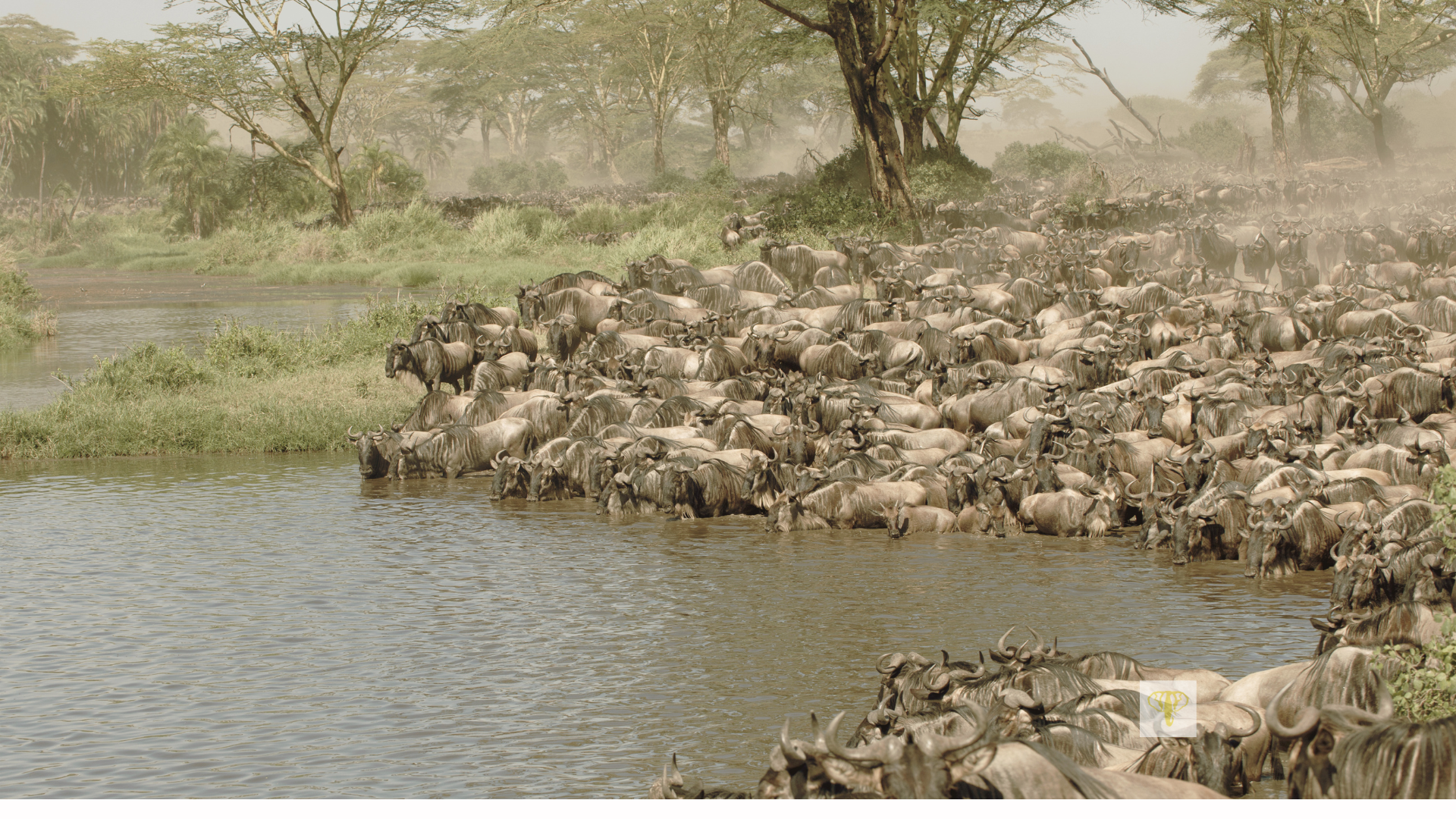
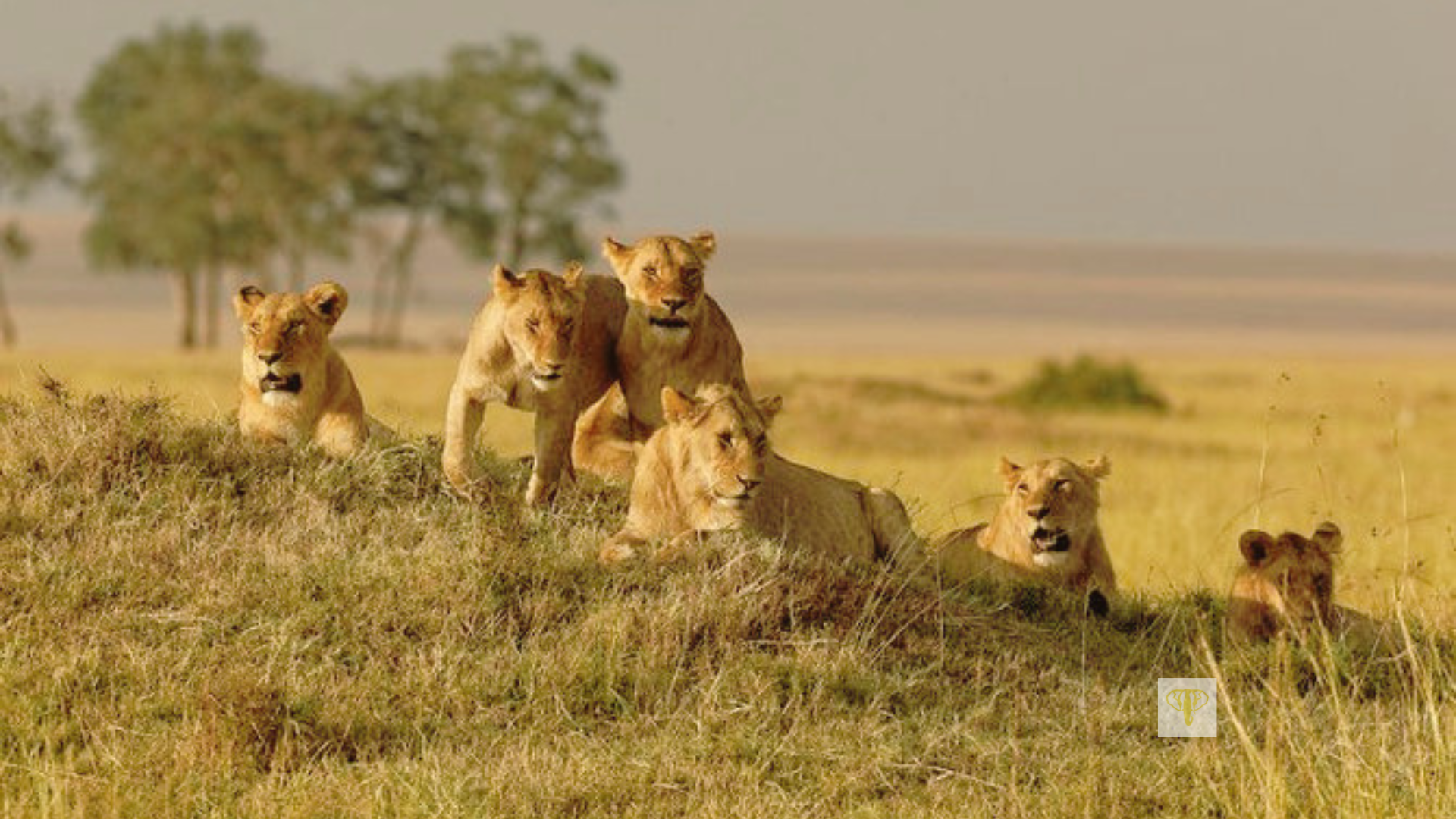
The vast, open landscape of the Serengeti feels like an endless carpet of grass. It is primarily known for the Great Migration, where wildebeest, zebras, and gazelles embark on a perilous journey. A true spectacle of nature – and a year-round hotspot for big cats and wildlife.
From €1,195 per person*
Inside a giant volcanic caldera lies a fascinating ecosystem: The Ngorongoro Crater is home to countless animal species – from lions and buffaloes to rare black rhinoceroses. The dense grasslands, small lakes, and hills make every game drive an exceptional nature experience.
From €495 per person*
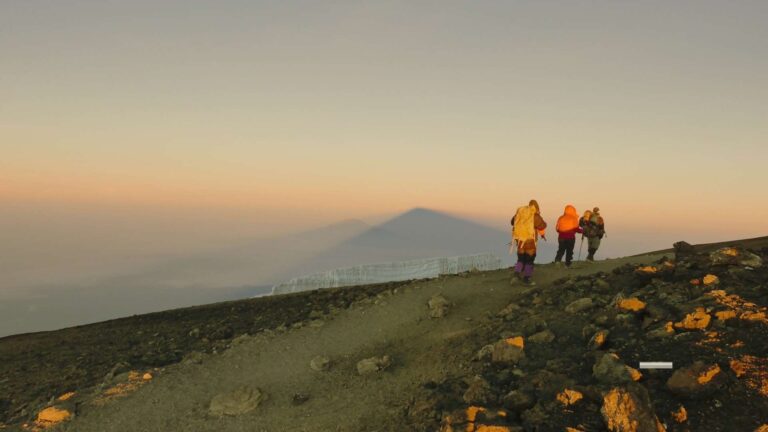
To stand on the highest point in Africa – a lifelong dream for many. The majestic Kilimanjaro is not just a mountain, but an experience. Various routes offer suitable options for beginners and experienced hikers alike, accompanied by impressive landscapes and changing climate zones.
From EUR 2,095 p.p.*
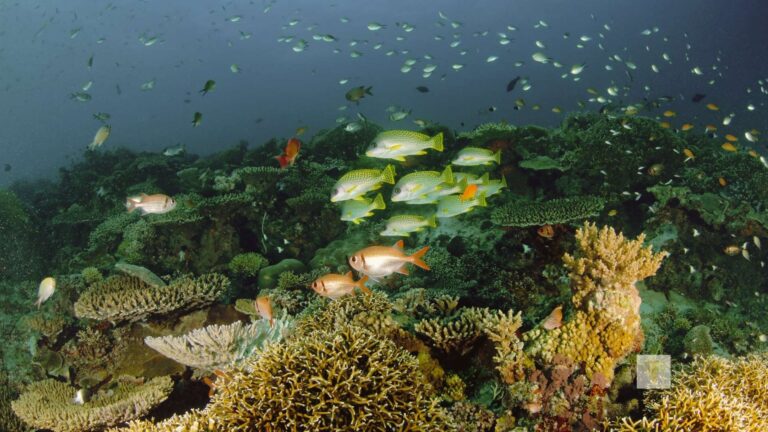
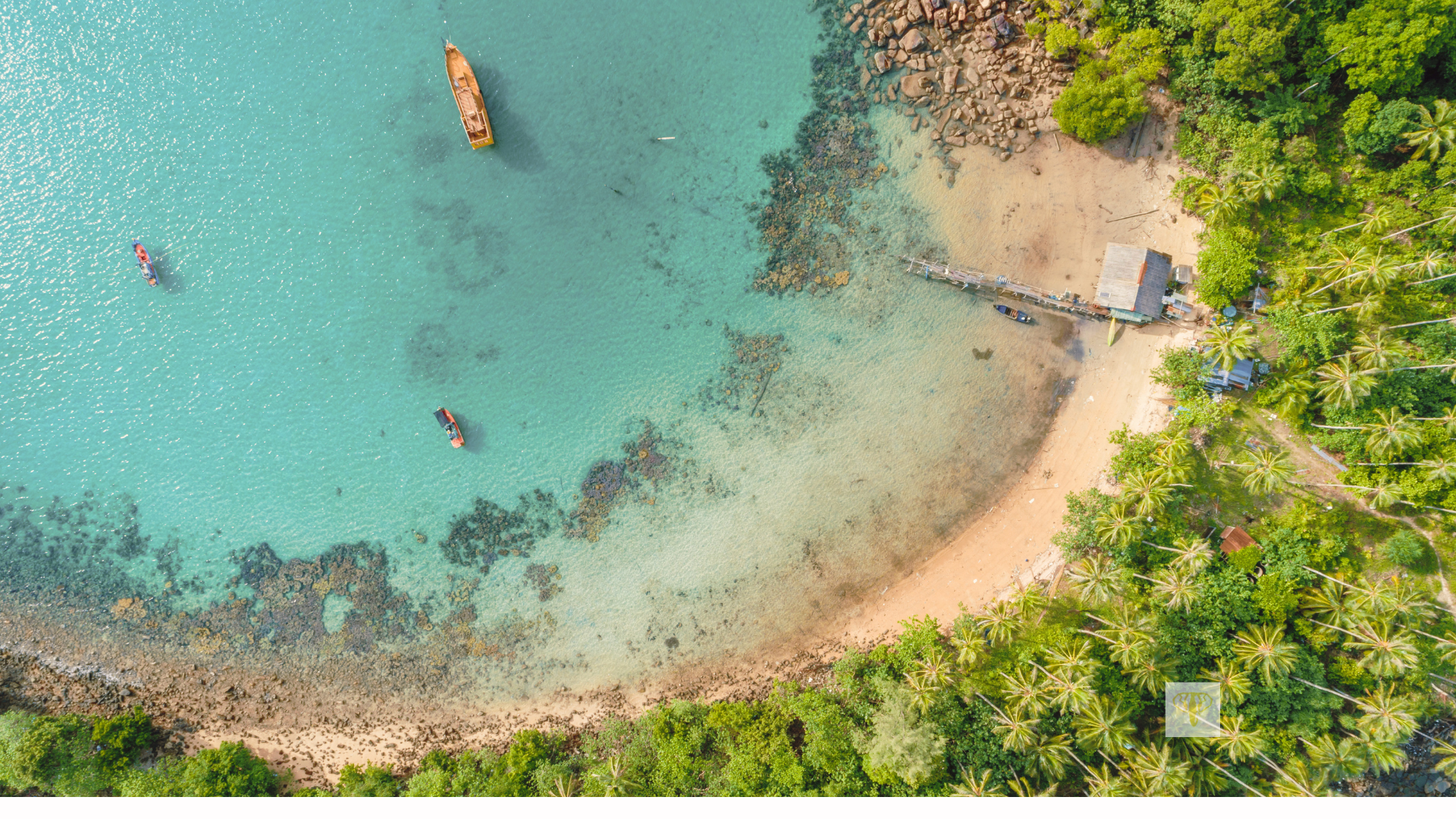
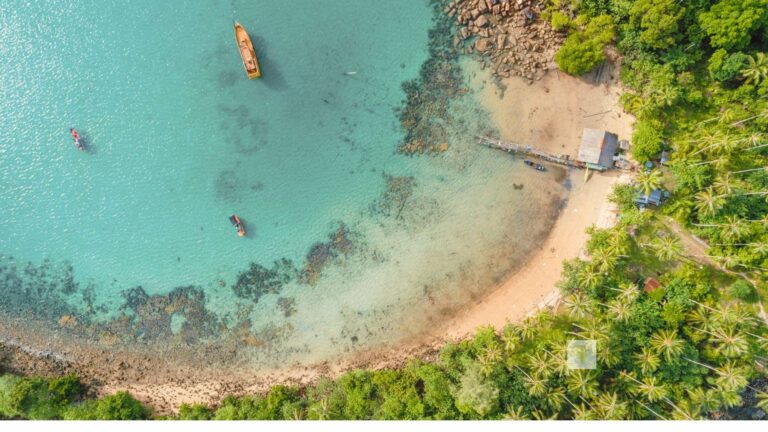
Those looking for relaxation after a safari will find it on Zanzibar: turquoise waters, fine sand, and colonial history in Stone Town. Whether diving at colorful reefs or simply lounging in a hammock – your vacation can come to a wonderful close here.
From 295 EUR per person*
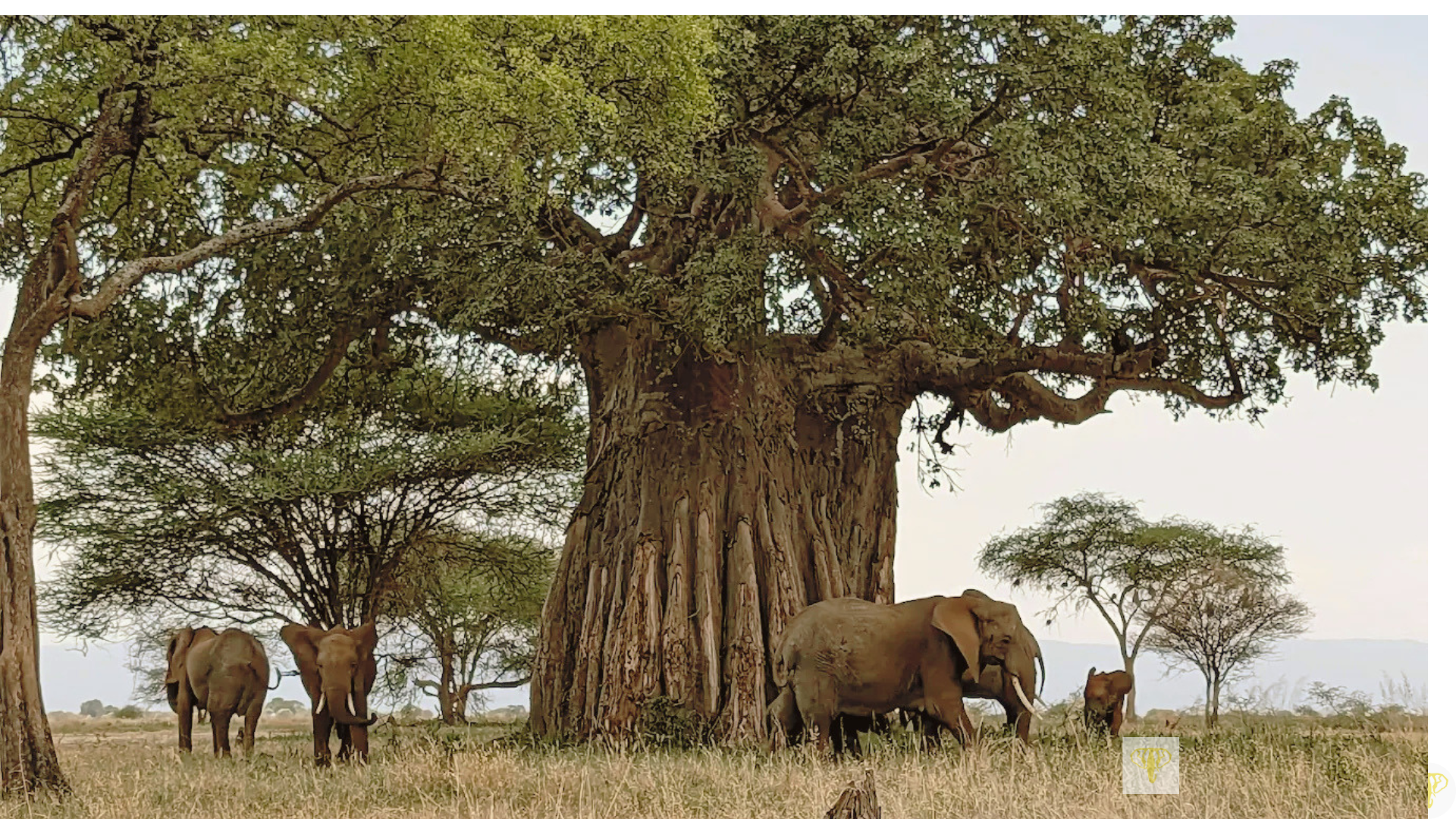
Those who love elephants will love Tarangire. Huge herds roam the landscape, characterized by impressive baobab trees and vast plains. Bird lovers will also get their money's worth with over 500 species.
From €495 per person*
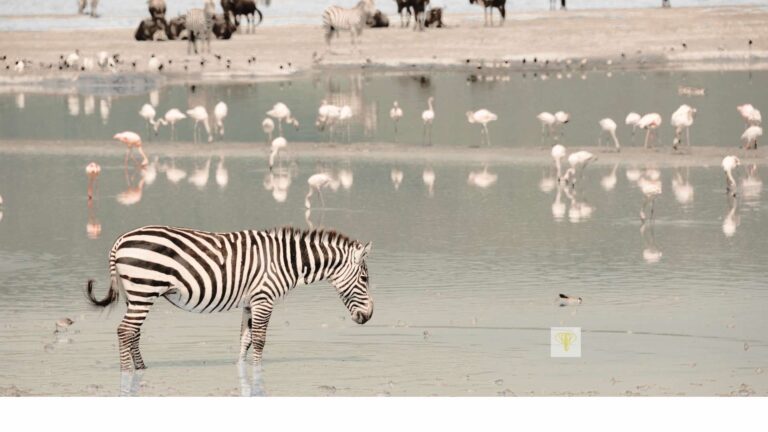
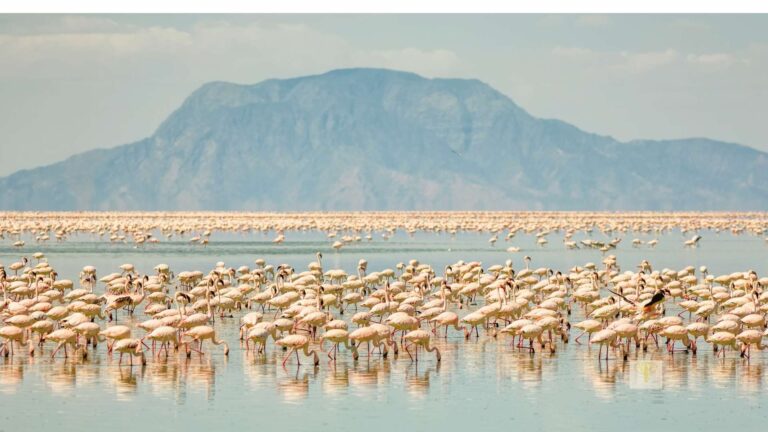
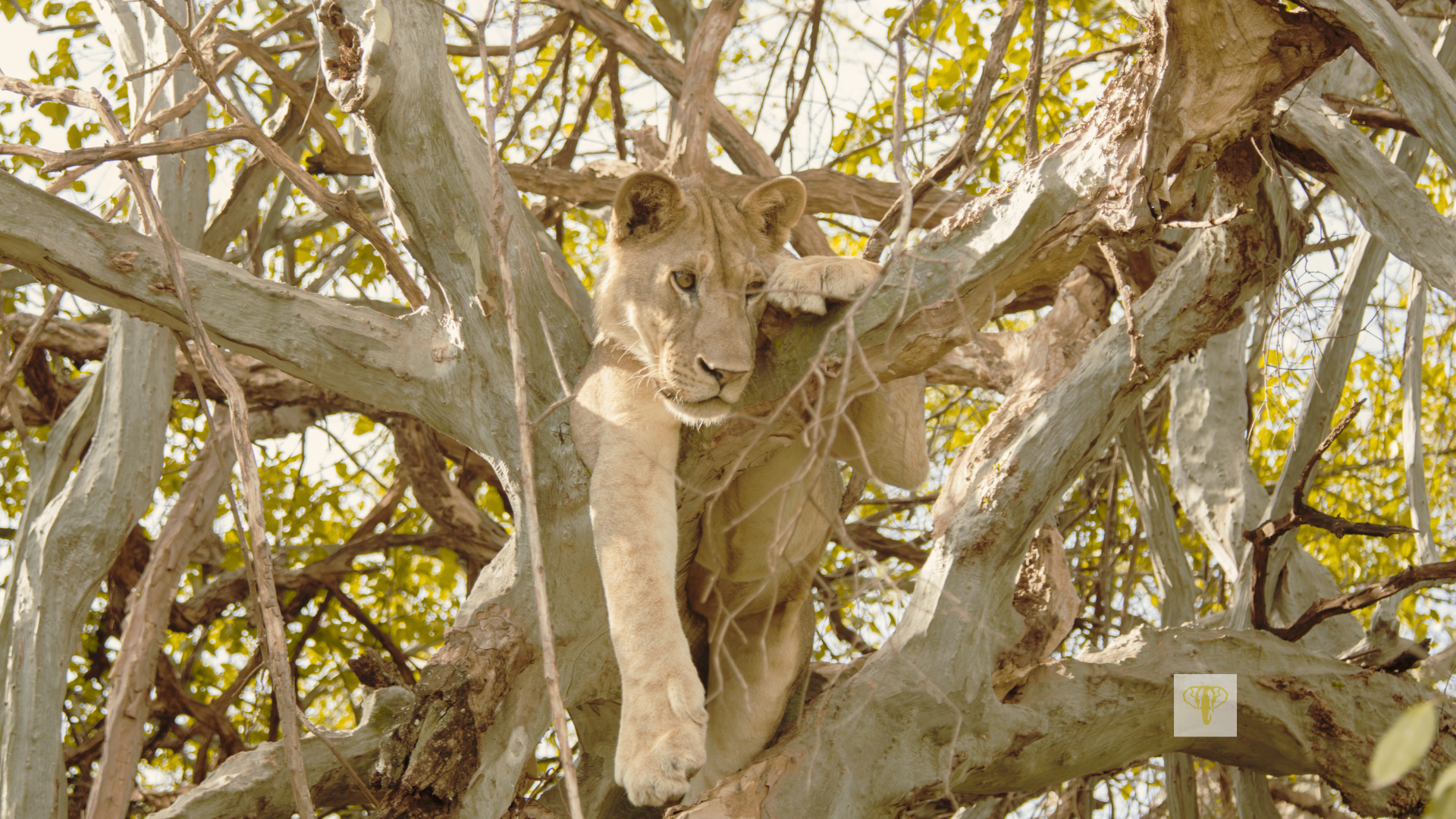
Hidden between steep cliffs and hot springs lies a small but incredibly biodiverse national park. Thousands of flamingos gather seasonally on the alkaline Lake Manyara – a magical sight. Baboons, elephants, and tree-climbing lions are also not uncommon here.
From €495 per person*
Ruaha National Park in the heart of Tanzania impresses with its untouched nature and rich wildlife. Vast savannas, the mighty Ruaha River, and breathtaking landscapes offer ideal conditions for exciting safaris away from the hustle and bustle.
From €1,195 per person*
Arusha City in northern Tanzania is considered the gateway to the most famous national parks. Markets, cafes, and cultural centers characterize the vibrant cityscape between Kilimanjaro and the Serengeti. Its authentic atmosphere makes it unique.
Starting from 145 EUR per person*
Mafia Island lies off the southern coast of Tanzania and is a paradise for divers, those seeking tranquility, and nature lovers. The protected marine reserve, white beaches, and relaxed island life make the small island the ideal retreat after a safari.
From €1,295 per person*
Nyerere National Park in southern Tanzania is Africa's largest national park. The Rufiji River, miombo woodlands, and vast plains create perfect conditions for wildlife viewing away from the crowds. Its wild, untouched nature makes every visit unforgettable.
Starting from EUR 645 p.p.*
All prices listed are former prices for short and price-optimized trips. Current prices may be higher due to the respective season and inflation. Our terms and conditions apply.
Tanzania Safari: The Ultimate 2025 Guide to Your Adventure – Planning, Parks, Routes & Best Time to Travel
A Tanzania safari promises unforgettable nature experiences and wildlife sightings amidst breathtaking landscapes. This comprehensive guide offers a detailed foundation for planning your adventure, from the compelling reasons for Tanzania as a safariDestination, including the selection of national parks and routes, to important aspects such as the best travel times and budget planning. The diversity of national parks, the abundance of wildlife and the possibility of combining a safari with a beach stay, make Tanzania one of the most popular safari destinations worldwide. With careful planning and understanding With all relevant factors in place, nothing stands in the way of an unforgettable experience.
- Why choose Tanzania as a destination for an unforgettable safari?
- Overview: The most important national parks and regions for safaris in Tanzania
- Typical Safari Routes in Tanzania: Focusing on the North and South
- Fundamentals for the Best Time for a Tanzania Safari
- Diversity of Safari Types in Tanzania: From Lodge to Camping Safaris
- Tanzania Safari and Zanzibar: Initial Thoughts on the Dream Combination
- Budget Planning Basics for Your Tanzania Safari
- Next Steps for Planning Your Tanzania Safari
- Frequently Asked Questions (FAQ) about General Tanzania Safari Planning
- Conclusion
Why choose Tanzania as a destination for an unforgettable safari?
Tanzania is considered one of the premier safari destinations on the African continent and offers an unparalleled variety of landscapes and wildlife. With approximately 30% of the country’s land area consisting of protected wildlife areas, Tanzania has the highest concentration of wildlife per square kilometer of any African country. This impressive biodiversity allows for exceptional wildlife viewing in a wide variety of habitats.
The famous Serengeti with its annual wildebeest migration, often called "the greatest show on Earth," represents one of the most spectacular natural events in the world. The Ngorongoro Crater, a UNESCO World Heritage Site, offers an incredible concentration of wildlife in a small area. Together with Kilimanjaro, Africa's highest mountain, these natural wonders form the basis for a unique safari experience.
Tanzania is characterized by its political stability and friendly population, which ensures a safe travel experience. Tourism is highly valued here, reflected in the good infrastructure and professional service. The opportunity to explore remote and less-visited areas also offers chances for authentic wilderness experiences off the beaten path.
Another compelling reason for Tanzania as a safari destination is the opportunity to combine different experiences. After an intense safari experience, your stay can ideally be combined with a relaxing beach vacation in Zanzibar. This combination of adventure and relaxation makes Tanzania a destination that fulfills diverse vacation wishes.
2. Overview: The Most Important National Parks and Regions for Safaris in Tanzania
Tanzania is home to an impressive number of national parks and protected areas, which can be divided into five main regions: Arusha, Northern Tanzania, Southern Tanzania, Western Tanzania, and the islands of Zanzibar & Mafia. Each region offers unique landscapes and wildlife experiences.
National Parks in Northern Tanzania
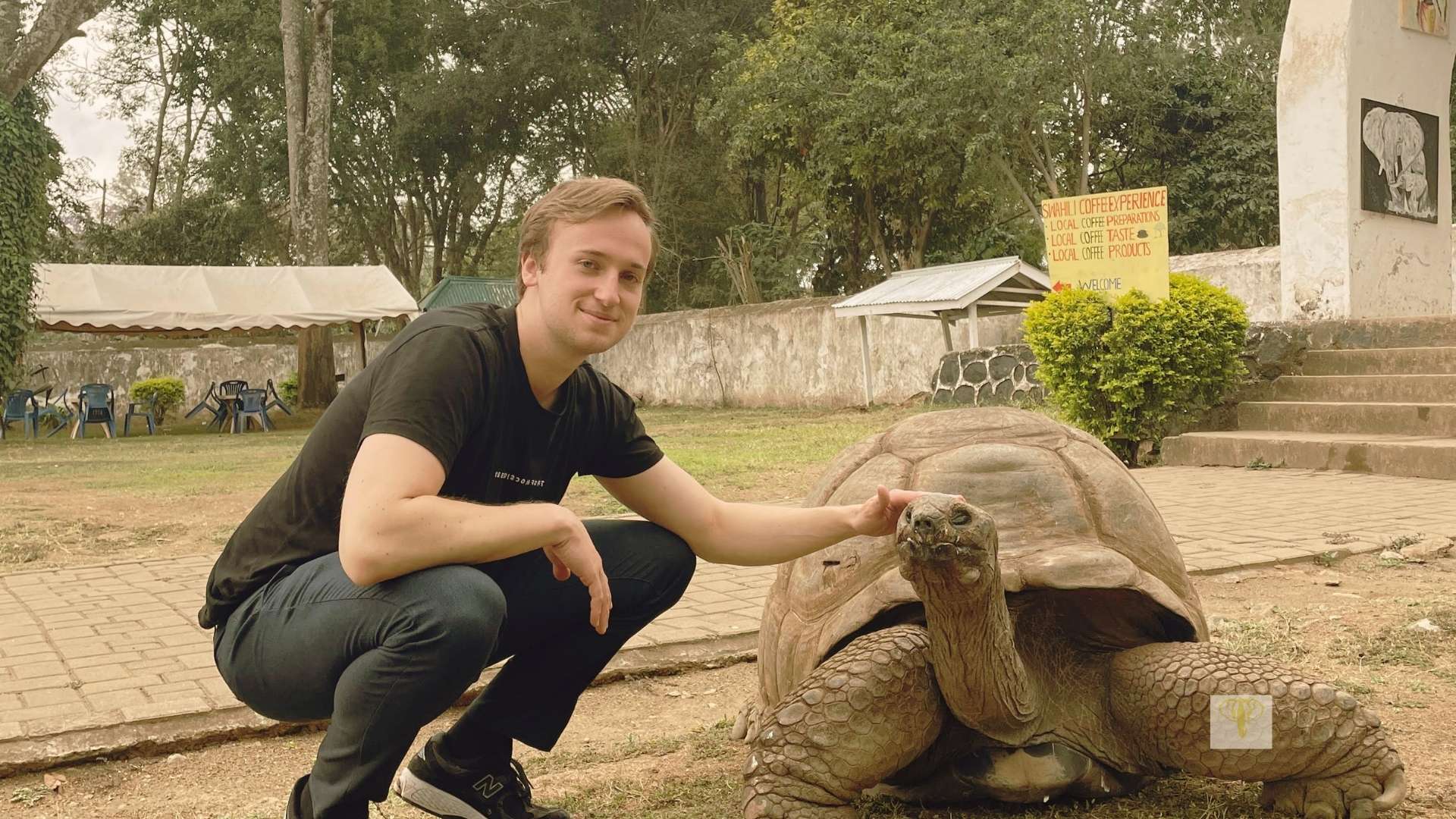
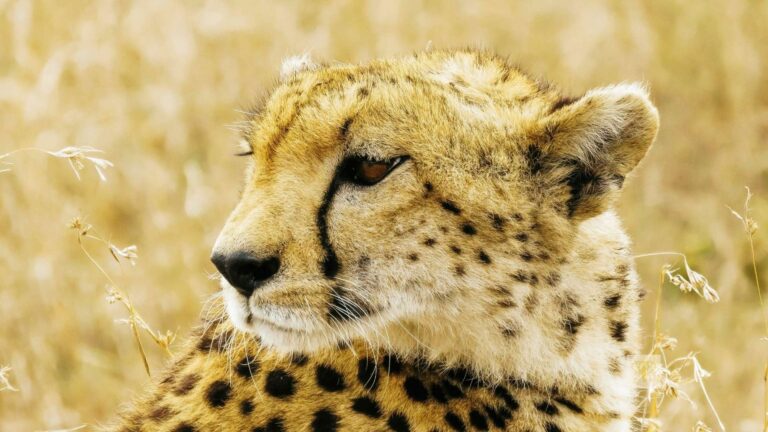
Serengeti National Park is undoubtedly the crown jewel of Tanzanian National Parks. Famous for the annual migration of over 1.5 million wildebeest and hundreds of thousands of zebras and gazelles, the Serengeti offers unparalleled wildlife density. The vast plains allow for excellent sightings of predators such as lions, leopards, and cheetahs.
The Ngorongoro Crater, a colossal, collapsed volcanic caldera, hosts a unique ecosystem on its floor with one of the highest concentrations of wildlife in the world. Within an area of approximately 260 square kilometers, nearly all East African animal species, including the rare black rhinoceros, live here.
Tarangire National Park is a magnet for wildlife, especially during the dry season, when large herds of elephants gather around the remaining water sources. The Silale Swamp becomes a hotspot for exceptional wildlife viewing during this time. The distinctive baobab trees shape the landscape and give the park its characteristic charm.
Lake Manyara National Park, though smaller in area, captivates with its diverse habitats – from dense forests to grasslands and the eponymous alkaline lake. The park is known for its tree-climbing lions and large flamingo populations.
National Parks in Southern Tanzania
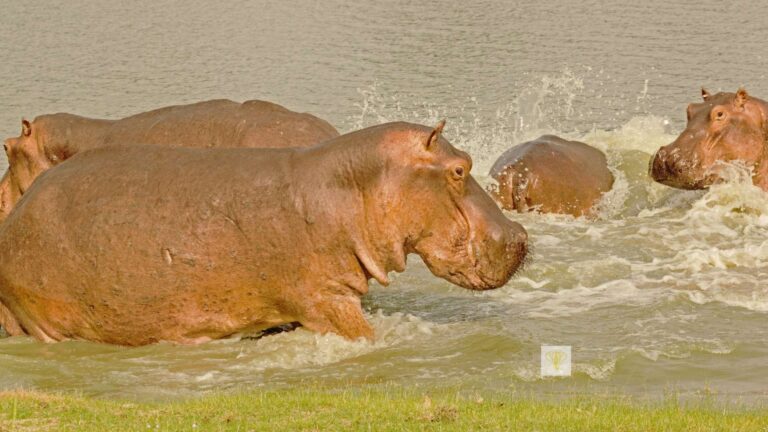
The Selous Game Reserve – today largely known as Nyerere National Park – is one of Africa's largest wildlife sanctuaries. With its vast, untouched areas, it offers ideal conditions for observing animals in nearly deserted natural surroundings. The region is particularly famous for boat safaris on the Rufiji River, where you can experience hippos, crocodiles, elephants, and numerous bird species up close.
Ruaha National Park, Tanzania's largest national park by area, impresses with its wild landscape, giant baobab trees, and a high population of big cats and elephants. During the dry season (June to October), many animals gather along the Ruaha River – perfect conditions for outstanding wildlife viewing in an authentic setting.
National Parks in Western Tanzania
The Mahale Mountains and Gombe Stream National Park offer rare opportunities to observe chimpanzees in their natural habitat. These remote regions promise authentic wilderness experiences and unique insights into the lives of our closest relatives in the animal kingdom.
Each of these national parks contributes its specific features and attractions to the exceptional diversity that defines a Tanzania safari. The choice of parks to visit depends on individual interests, available time, and travel season.
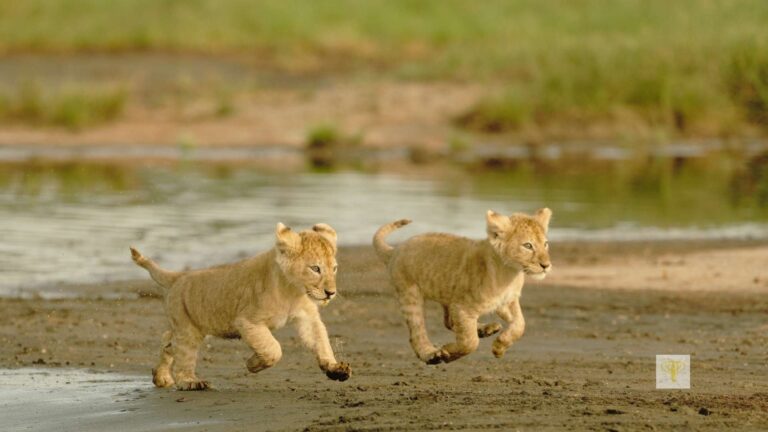
Super organization and great guide
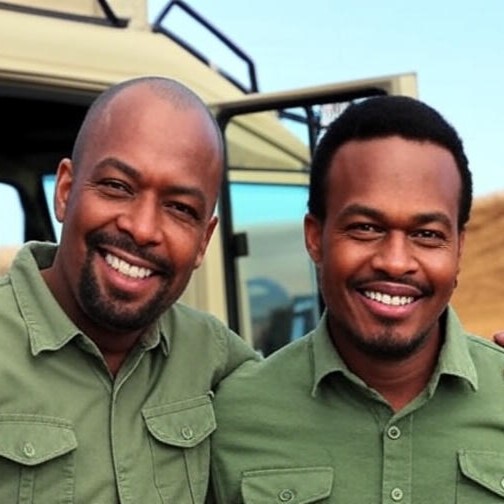
Super organized safari with a really great guide. Thank you Joseph for making this week an indescribable experience!
May 2025
Super organization and great guide
Communication via email and video call was straightforward. Mr. Justus was super friendly and patient, and I never felt like he was trying to „sell“ me something.
January 2024
Visa Support was amazing.
The Tansaina Safari team helped my family and me with our visas and found affordable flights from Nigeria that we wouldn't have found ourselves. Highly, highly recommendable for travelers from Africa!!
August 2024
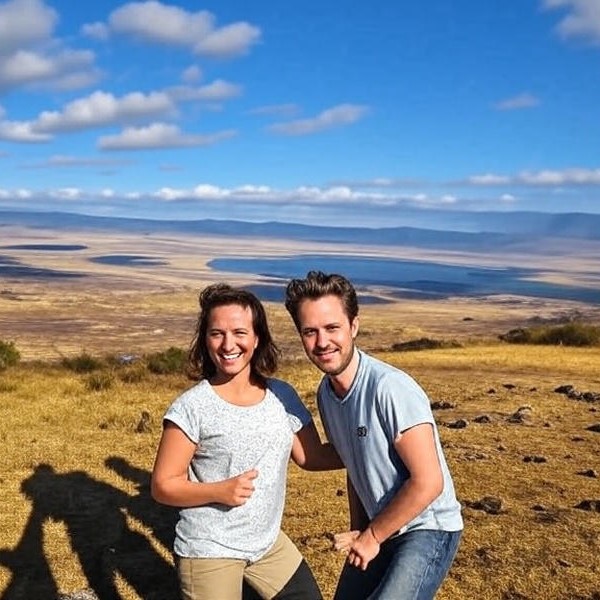
Fair prices
Mr. Justus provided us with excellent advice. He responded very quickly, took our wishes into account, and created an affordable route through the Serengeti. Thank you very much for the great service!
January 2024
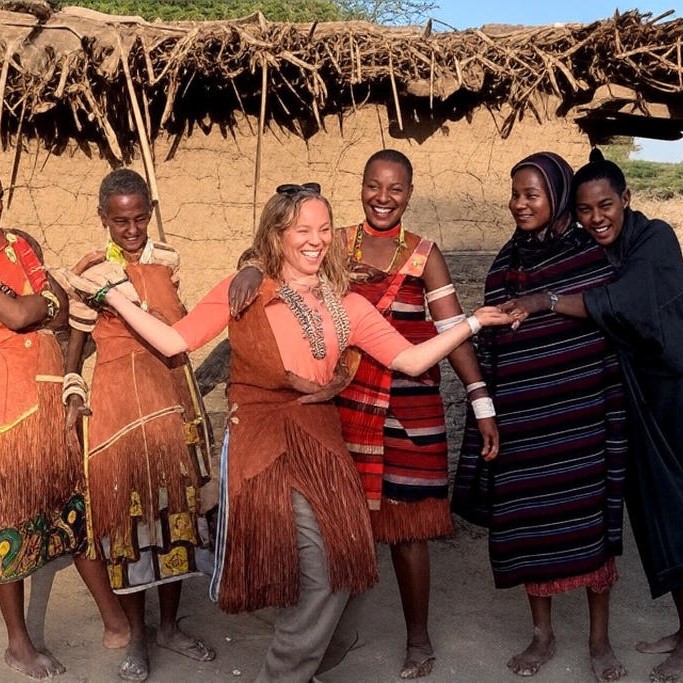
Competent contact persons
Travel advisor Dominic Dreiner advised us excellently, and it was evident that he enjoys his job. As we are experienced with life and travel, we can say: it doesn't get any better.
February 2025
3. Typical Safari Routes in Tanzania: The North and South in Focus
Planning a Tanzania safari involves deciding on a specific route, with two main routes having become established: the Northern Circuit and the Southern Circuit. These differ significantly in terms of accessibility, wildlife, and visitor numbers.
The Northern Circuit
The Northern Circuit is the classic and most visited safari route in Tanzania. The starting point is usually the city of Arusha, from where the famous northern national parks are visited: Serengeti, Ngorongoro, Tarangire, and Lake Manyara. This route offers a high concentration of wildlife and iconic landscapes within a relatively small area.
A typical Northern Circuit safari lasts between 5 and 7 days, with various park combinations possible depending on available time and budget. The well-developed infrastructure allows for convenient travel and a variety of accommodation options in different price ranges. However, due to the popularity of this route, higher tourist numbers should be expected, especially during peak season.
The Northern Circuit is excellent for first-time visitors, as it covers Tanzania's most famous highlights and offers a high probability of spectacular wildlife sightings. Additionally, this route can easily be combined with a climb up Kilimanjaro or a beach stay in Zanzibar.
The Southern Circuit
The Southern Circuit encompasses the less visited, but no less impressive, parks in southern Tanzania, primarily the Selous Game Reserve/Nyerere National Park and Ruaha National Park. This route promises a more authentic safari experience with significantly fewer tourists and more space for undisturbed nature encounters.
A safari in southern Tanzania requires a bit more planning and is generally more affordable than in the north. Travel is often by small plane from Dar es Salaam. Accommodations in the south tend to be smaller, more intimate camps and lodges, offering a more exclusive experience.
The Southern Circuit is particularly suitable for safari-experienced travelers who want to go off the beaten path, as well as for visitors seeking more time for wildlife viewing in a tranquil setting. The southern parks also offer a greater variety of safari activities, including boat safaris and walking safaris.
When choosing between the Northern and Southern Circuits, personal preferences, available budget, travel time, and previous safari experience play a crucial role. For a comprehensive impression of Tanzania's diversity, a combination of both routes is recommended, provided time and budget allow.
Get binding offers quickly
In Germany & Tanzania
Our team is at your side
4. Basics on the Best Time for a Tanzania Safari
The Ngorongoro Crater, a UNESCO World Heritage Site, is one of Earth's most amazing geological formations and offers a spectacular backdrop for a safari. This crater is the world's largest intact caldera and forms a unique ecosystem. Inside the crater, a vast array of animals live, including many lions, elephants, and rhinos. The crater is a true animal paradise, allowing safari guests to experience an incredible density of wildlife in a small area. Especially in the early morning hours, when mist still shrouds the crater, a mystical atmosphere is created, making the safari truly special.
The long dry season (June to October)
The long dry season is generally considered the best time for a safari in Tanzania. The days are mostly clear and sunny, with rare rainfall. Due to the dryness, animals tend to gather around the remaining water sources, which significantly facilitates wildlife viewing.
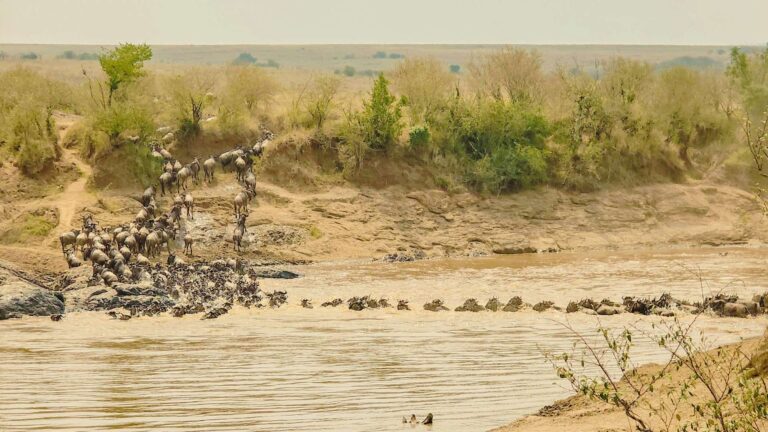
The vegetation is less dense, and sightings of wildlife are not obstructed by tall grass. During this period, particularly between August and September, the spectacular crossing of the Mara River by the wildebeest herds takes place – one of the most impressive natural spectacles in the world.
Tarangire National Park is at its best when large elephant herds visit the Silale Swamp.
These months mark the peak travel season with correspondingly higher visitor numbers and prices.
The short dry season (January and February)
The short dry season between January and February also offers excellent safari conditions. The landscape is lush green after the short rains, allowing for particularly photogenic shots. Birdwatching reaches its peak during this time as numerous migratory birds have arrived.
In the Serengeti, the wildebeest herds concentrate in the southern part during these months, where calving season takes place - a special experience for nature watchers. Visitor numbers are more moderate than in the peak season, allowing for a more relaxed safari experience.
The short rainy season (November and December)
The short rainy season varies considerably in intensity from year to year. It is characterized by short, heavy downpours, often in the afternoon, followed by sunshine. The landscape begins to turn green, and many animal species give birth to their young during this time.
A safari during the short rainy season can be worthwhile if you can deal with occasional rainfall. Accommodations often offer attractive prices during this low season, and the number of tourists is significantly lower.
The long rainy season (March to May)
The long rainy season brings the majority of the annual rainfall and presents the most challenging time for safaris. Heavy and continuous rainfall can make roads impassable and complicate wildlife viewing, as animals spread out widely in the lush vegetation.
Some accommodations close during these months, and travel times between parks increase considerably. Nevertheless, this time offers advantages for photographers due to dramatic light conditions and for budget-conscious visitors due to significantly reduced prices.
The choice of the optimal time to travel ultimately depends on individual priorities – be it observing specific wildlife or natural events, photographic ambitions, or budgetary considerations.
Travel Planner Hamburg & Frankfurt Office
- 10 years of customer service experience
- Contact person for rebookings, itinerary changes & emergencies
- Fluent in German & English
Berlin Travel Planner Office
- Traveled multiple times in Africa
- Contact person for risk prevention & travel preparation
- Fluent in German & English
Tour planner
- Contact person for travel from Africa
- Speaks English & Igbo
5. Diversity of Safari Types in Tanzania: From Lodge Safaris to Camping Safaris
Tanzania offers various safari formats that differ in comfort, price level, and experience. Choosing the right type of safari significantly contributes to shaping the overall experience.
Lodge Safari
The lodge safari is the most comfortable and.
An average lodge safari costs between 1,800 and 3,000 Euros per person for a mid-range comfort level. Luxury lodges can be significantly more expensive, but they offer exclusive experiences and first-class service. Lodge safaris are particularly suitable for travelers who value comfort and relaxation after a day of wildlife viewing.
Camping Safari
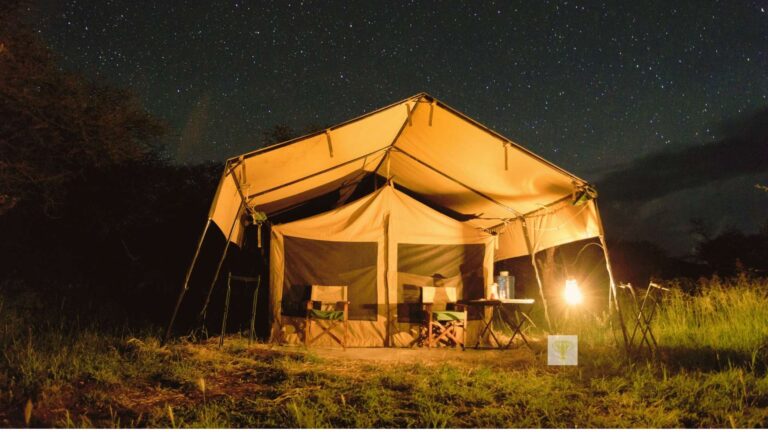
The camping safari provides a more authentic wilderness experience through overnight stays in tents amidst nature. Two main variants can be distinguished: the budget camping safari with simpler tents and shared sanitary facilities, and the more luxurious variant of "glamping" with spacious tents and, in some cases, private bathrooms.
A budget camping safari starts at around 1,000 to 1,500 Euros per person, making it the most affordable option. The nature experience here is particularly intense, as you can directly experience the sounds of the African night. This type of safari appeals primarily to adventurous travelers who are willing to forgo a certain level of comfort.
Mobile Safari
The mobile safari combines elements of lodge and camping safaris. A mobile camp is set up in different locations for a few days at a time, with all infrastructure being transported along. This allows for a comfortable camping experience in changing locations, often in particularly remote areas.
The special appeal of this safari variant lies in its flexibility and the opportunity to stay away from tourist centers. Mobile safaris are often privately guided, which allows for individual program design.
Fly-In Safari
In a fly-in safari, transportation between national parks is done by small aircraft instead of off-road vehicles. This significantly reduces travel time on often difficult roads and maximizes time for wildlife viewing.
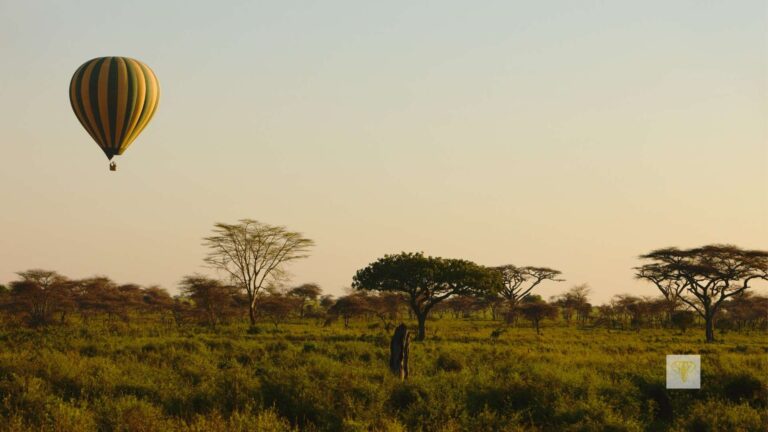
This premium option is correspondingly more expensive, but offers the advantage of being able to conveniently reach more remote areas such as Ruaha National Park or the Mahale Mountains. In addition, the flight allows for impressive bird's-eye views of the landscape.
Walking Safari
The walking safari offers a completely different perspective on the African wilderness. Accompanied by armed rangers, participants explore the terrain on foot, experiencing nature more intimately than from a vehicle.
The focus here is less on observing large mammals and more on understanding the ecosystem, reading animal tracks, and identifying smaller creatures. Walking safaris are often offered as a supplement to traditional vehicle safaris and provide a deeper understanding of the interconnectedness of nature.
The choice of safari type should be made carefully, considering personal comfort needs, available budget, and desired intensity of experience. Ideally, different formats can be combined to create a versatile overall experience.
Discover individual routes off the beaten path
Assistance with planning and booking
Personal support before, during, and after the trip
Starting from €1195 per person*
From €495 per person*
Starting from €2,095 per person*
Starting from €295*
From €495 per person*
From €495 per person*
Starting from €1195 per person*
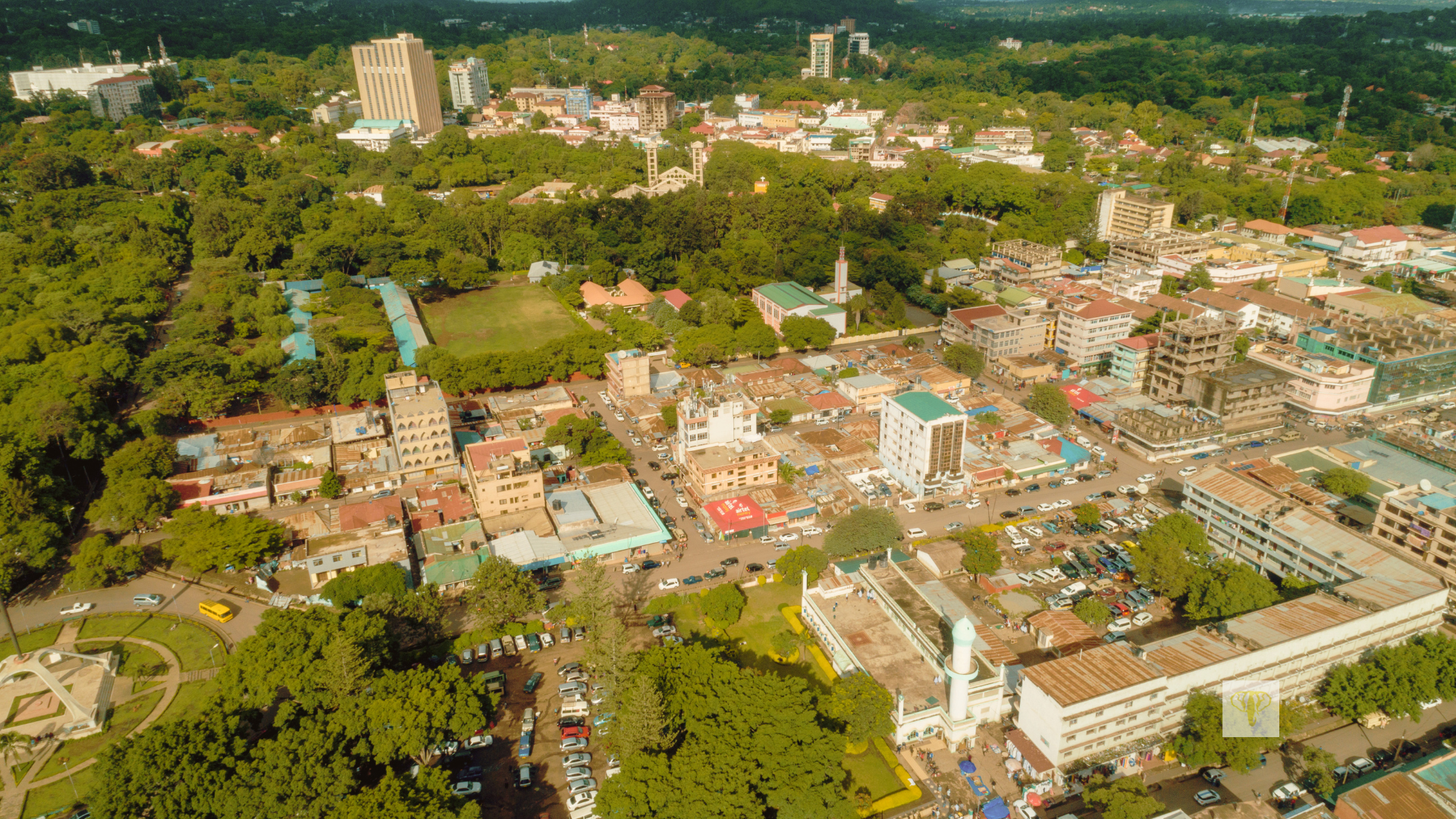
Starting from 145 EUR per person*
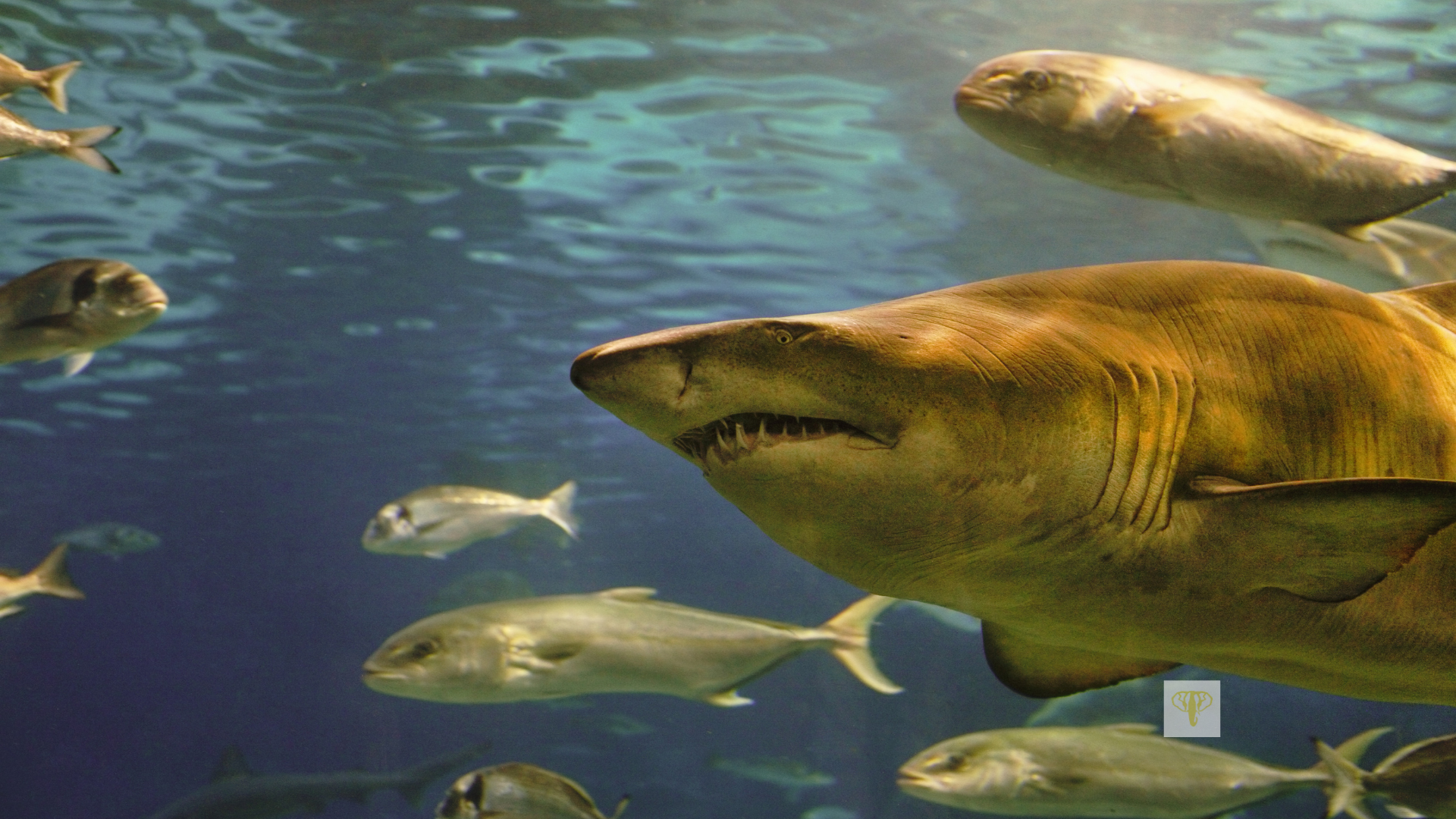
Starting from 1295 EUR*
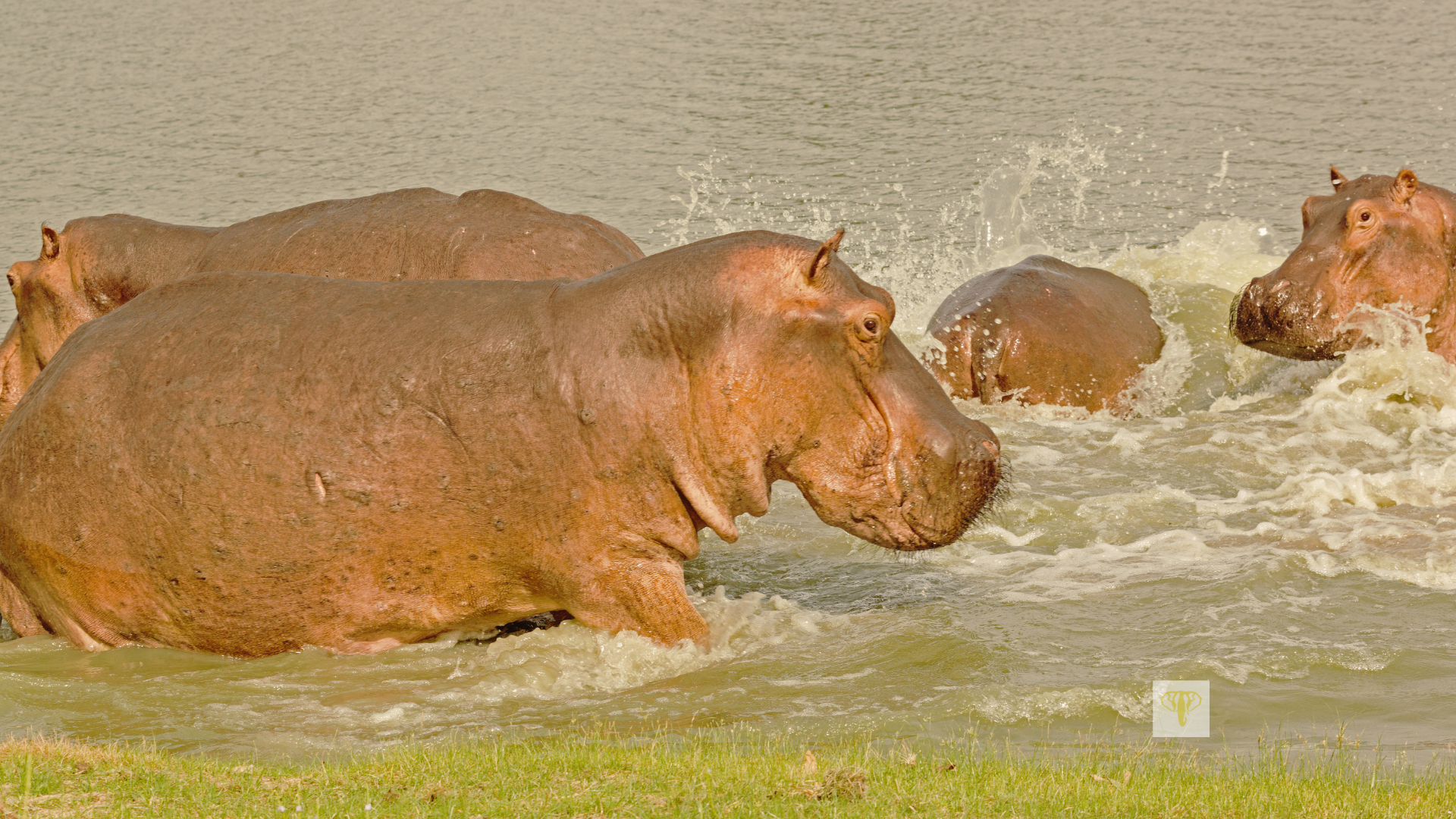
Starting from EUR 645 p.p.*
All prices listed are former prices for short and price-optimized trips. Current prices may be higher due to the respective season and inflation. Our terms and conditions apply.
6. Tanzania Safari and Zanzibar: Initial Thoughts on the Dream Combination
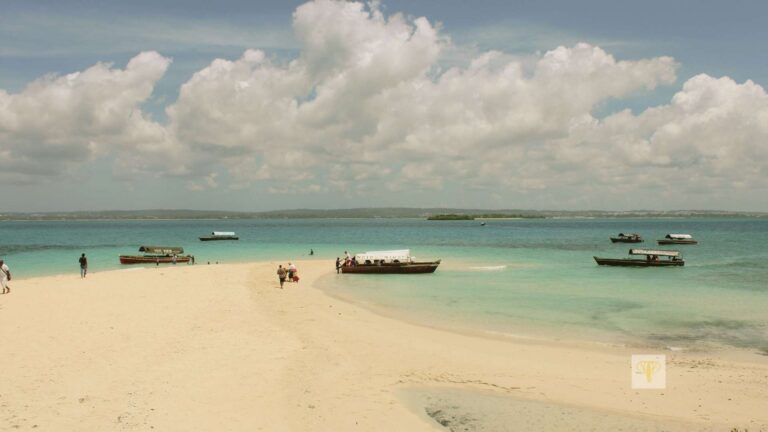
Combining an adventurous safari in Tanzania with a relaxing beach stay in Zanzibar makes for a popular and delightful combination. This division of the vacation allows for a balanced travel experience with intense impressions followed by recovery.
Geographic Overview and Logistical Aspects
Zanzibar is a semi-autonomous archipelago off the coast of Tanzania, consisting of the main islands of Unguja and Pemba, as well as numerous smaller islands. Travel from the mainland safari areas is usually by domestic flight from Arusha or Dar es Salaam to Zanzibar International Airport. Flight time is between 1 and 2 hours, depending on the departure location.
The ideal duration of stay in Zanzibar after a safari is 4 to 7 days, depending on the total travel time. This allows for both relaxation and exploration of the island's cultural and natural highlights.
Advantages of the combination
Combining safari and a beach stay offers several advantages. After early morning starts and intense days on safari, Zanzibar offers the perfect environment for relaxation. The dreamlike beaches with white sand and turquoise blue water invite you to linger and offer optimal conditions for snorkeling and diving in the coral reefs.
Besides relaxation, Zanzibar offers fascinating cultural insights with Stone Town, a UNESCO World Heritage site. The historic old town, with its narrow alleys, intricately carved wooden doors, and spice market, bears witness to the island's eventful history as an important trading post.
Schedule
In travel planning, it is recommended to do the safari first and then the beach stay. This allows for a period of relaxation after the active safari adventures before the journey home. Furthermore, it makes it easier to process the culture shock that some travelers experience when transitioning from the Western-influenced tourist infrastructure of the safari areas to the more Islamic culture of Zanzibar.
The best time to travel for this combination largely corresponds to the recommended safari periods, with Zanzibar offering pleasant temperatures year-round. The months of June to October, as well as January and February, are considered ideal for both parts of the trip.
Budgeting for the combination
Extending a Tanzania trip with a stay in Zanzibar naturally increases the overall budget. In addition to safari costs, domestic flights (approx. 150-300 Euros per person) and accommodation in Zanzibar must be factored in. The latter ranges from simple guesthouses starting at 50 Euros per night to luxurious beach resorts for several hundred Euros per night.
The combination of a safari and beach vacation offers a perfect balance between adventure and relaxation, harmoniously completing the Tanzania experience. Detailed planning should take individual preferences regarding accommodations, activities, and travel duration into account.
7. Budget Planning Essentials for Your Tanzania Safari
Budgeting for a Tanzania safari requires considering various cost factors. The total cost varies significantly depending on the duration of the trip, chosen accommodations, type of safari, and time of year.
Main cost factors of a safari
The cost of a safari in Tanzania is comprised of several components. The biggest expenses include entrance fees for national parks, accommodation, transportation and meals, as well as the costs for qualified guides.
National park fees are fixed and non-negotiable, but they do vary depending on the park. Parks like the Serengeti charge higher fees than less well-known reserves. These fees make up a significant portion of the overall budget.
Accommodation costs vary greatly depending on the level of comfort and location. Lodging within national parks, particularly in the northern Serengeti, tends to be more expensive than those outside the park boundaries. The more remote location and the logistical effort involved in supplying the lodges are reflected in the price.
Another significant cost factor is group size. On private safaris, the costs for the vehicle, driver, and guide are divided among fewer people, which increases the price per person. However, the customization options and exclusive attention justify this surcharge for many travelers.
Price ranges for different safari standards
A budget safari with simpler accommodations and camping starts at around 1,000 to 1,500 Euros per person for a 5- to 7-day stay. This option offers an authentic experience with all the essential safari components but omits luxurious amenities.
Mid-range safaris, which offer more comfortable accommodations and often a wider range of activities, typically fall between 1,800 and 3,000 Euros per person. This segment offers a good compromise between comfort and budget control.
Luxury safaris with exclusive accommodations, first-class service, and additional activities like hot air balloon rides or fly-in transfers can be significantly more expensive. Costs here start at around 3,000 Euros and are practically unlimited upwards.
Seasonal price differences
The time of year has a significant impact on costs. Prices are highest during the peak season (June through October and December through February), as demand is greatest during this time. During the off-season, especially during the long rainy season from March to May, many providers offer significant discounts, in some cases up to 30%.
Budget Optimization Tips
To get the best value for money, early planning and booking are recommended, ideally several months in advance. This not only secures preferred accommodations but also often allows for better rates.
Traveling during the off-season or at the fringes of the peak season can lead to significant savings without substantially compromising the quality of the safari experience.
Assembling a small group of 4-6 people optimizes the balance between cost and exclusivity. The fixed costs for the vehicle and guide are shared, while the group remains small enough to ensure a personalized experience.
When planning your budget, you should consider that a safari is a once-in-a-lifetime experience. Investing in high-quality offerings with experienced guides and well-located accommodations significantly contributes to the overall experience and should be viewed as an essential part of the journey.
passionate tour guide in Tanzania for 6 years
It fills me with pride to show guests the beauty of Tanzania and give them unforgettable moments. I love it when my guests see a lion in the wild for the first time or marvel at the savanna at sunset. It is important to me that my guests feel safe and well looked after – and return home with many beautiful stories.
My profession is not just a job for me, but something I'm passionate about."
8. Next Steps in Planning Your Tanzania Safari
After an initial orientation about the basic aspects of a Tanzania safari, here are concrete steps for detailed planning of the adventure. Careful preparation contributes significantly to the success of the trip.
Set timeline
The first step is to determine the optimal travel period, taking into account personal preferences regarding climate, wildlife sightings, and visitor numbers. Both the best time to travel for desired activities and possible holiday restrictions should be considered.
Determining the duration of the trip is another important aspect. A meaningful safari in Tanzania requires at least 5-7 days, excluding travel to and from your destination. For a more comprehensive experience or when combining with Zanzibar, 10-14 days should be planned.
Define budget and choose safari type
A realistic assessment of the available budget helps in selecting the suitable safari option. All cost factors should be considered, including flights, accommodation, meals, entrance fees, and additional activities.
Based on budget and personal preferences, the decision is made regarding the type of safari – be it a comfortable lodge safari, an adventurous camping tour, or an exclusive fly-in safari. This decision significantly influences the entire travel experience.
Plan route and select national parks
The selection of national parks to visit should be based on individual interests. Wildlife enthusiasts with a particular interest in elephants, for example, might prioritize Tarangire National Park, while the Great Migration in the Serengeti is a highlight at certain times.
Route planning must consider logistical aspects such as distances between parks and required overnight stays. A balanced mix of travel days and wildlife viewing days promotes a relaxed, unhurried experience.
Choose organizational form
The decision between an individually organized private safari and a small group tour with a fixed itinerary is another important aspect. Private safaris offer maximum flexibility and individual customization, while group tours are often more cost-effective and allow for social interaction with like-minded people.
When choosing a safari operator, factors such as experience, reviews from previous customers, sustainability, and transparency in pricing should be considered. Reputable operators will answer detailed questions about the planned itinerary and included services.
Make practical preparations
After the itinerary is set, practical preparations follow, such as booking international flights, ideally several months in advance for cheaper fares.
Organizing necessary travel documents includes checking passport validity (at least six months beyond the end of the trip), applying for a visa for Tanzania, and providing information on required vaccinations and health precautions.
Adequate travel insurance with sufficient coverage for medical emergencies and potential evacuations is an essential part of preparation.
The methodical execution of these planning steps allows for well-structured preparation for the safari adventure. It should always be borne in mind that a certain degree of flexibility on-site enhances the travel enjoyment, as wildlife observations are naturally not entirely predictable.
Discover other tours
All prices listed are former prices for short and price-optimized trips. Current prices may be higher due to the respective season and inflation. Our terms and conditions apply.
9. Frequently Asked QuestionsFAQ) on General Planning for a Tanzania Safari
How safe is a safari in Tanzania?
Tanzania is generally considered a safe travel destination for tourists, especially in established safari areas. The country is characterized by political stability, and tourism plays an important economic role. In national parks and lodges, experienced guides and security personnel ensure the protection of visitors. As with any trip, basic precautions are recommended, such as keeping valuables safe and following the instructions of safari guides regarding behavior around wildlife.
What vaccinations are recommended for a trip to Tanzania?
For entry into Tanzania from Germany, a yellow fever vaccination is currently only mandatory if arriving from a yellow fever endemic area. Nevertheless, travel physicians usually recommend vaccinations against Hepatitis A and B, Typhus, Rabies, as well as a booster of standard immunization (Tetanus, Diphtheria, Polio). Malaria prophylaxis is strongly recommended for safari areas, as are measures for mosquito protection. Individual travel medical advice should ideally be sought 4–6 weeks before the start of the trip.
How many days should one plan for a Tanzania safari at a minimum?
For a meaningful safari experience in Tanzania, at least 5–7 days should be planned, in addition to arrival and departure. This timeframe allows for visits to multiple national parks and provides ample opportunity for wildlife viewing without excessive time pressure. When combining a safari with a stay in Zanzibar, a total travel duration of 10–14 days is recommended for a balanced experience. Ultimately, the ideal duration of stay depends on individual factors such as available budget, personal interests, and the chosen itinerary.
Is it more recommendable to book a private safari or a group safari?
The decision between a private safari and a group safari depends on personal preferences. A private safari offers maximum flexibility in designing the daily itinerary and focusing on individual interests. Your own driver and guide can adjust the pace and linger longer on animal sightings. However, this exclusivity comes at a cost, as the expenses for the vehicle and guide are not shared with other travelers.
Group safaris are more cost-effective and allow for.
What equipment is absolutely essential for a Tanzania safari?
Essential safari gear includes lightweight, breathable clothing in muted colors (beige, khaki, olive green) that protects from the sun and insects. Long-sleeved shirts and long pants offer protection from UV rays and mosquitoes. A wide-brimmed hat, sunglasses with UV protection, and high-quality sunscreen are essential.
Für Tierbeobachtungen empfehlen sich ein Fernglas und eine Kamera mit Teleobjektiv. Eine kleine Tagesrucksack für persönliche Gegenstände während der Game Drives, eine wieder befüllbare Wasserflasche und grundlegende Medikamente komplettieren die Grundausstattung.
Für kühlere Morgen- und Abendstunden ist eine leichte Jacke ratsam. Bei Camping-Safaris sollte die Ausrüstungsliste mit dem Veranstalter abgestimmt werden, da zusätzliche Gegenstände wie ein Schlafsack erforderlich sein könnten.
Die sorgfältige Berücksichtigung dieser häufig gestellten Fragen trägt zu einer fundierten Vorbereitung auf das Safari-Abenteuer bei und hilft, typische Unsicherheiten im Vorfeld zu klären.
10. Conclusion
Eine Tansania Safari stellt ein außergewöhnliches Reiseerlebnis dar, das sorgfältige Planung und Vorbereitung erfordert. Die Vielfalt der Nationalparks von der ikonischen Serengeti bis zum abgelegenen Ruaha, die unterschiedlichen Safari-Routen im Norden und Süden sowie die verschiedenen Safari-Arten bieten für jeden Reisetyp passende Optionen. Die Wahl der optimalen Reisezeit, die realistische Budgetplanung und die Berücksichtigung individueller Vorlieben bei der Routenplanung bilden die Grundlage für ein unvergessliches Erlebnis.
Die Kombination einer Safari mit einem Strandaufenthalt auf Sansibar rundet das Tansania-Abenteuer harmonisch ab und verbindet intensive Wildniserlebnisse mit erholsamer Entspannung. Bei allen Planungsschritten sollte die Unterstützung durch erfahrene Safari-Anbieter in Anspruch genommen werden, die wertvolle Einblicke und praktische Unterstützung bieten können.
Eine gut geplante Tansania Safari verspricht einzigartige Naturerlebnisse und bleibende Eindrücke. Die Begegnung mit der faszinierenden Tierwelt in ihrem natürlichen Lebensraum, das Erleben atemberaubender Landschaften und das Eintauchen in eine andere Kultur schaffen Erinnerungen für ein Leben. Mit den in diesem Guide vermittelten Grundlagen steht der erfolgreichen Planung einer Tansania Safari nichts mehr im Wege.
Get personal advice now

After this call, you have…
- a list of all trips that fit your budget and availability,
- Bookable tours with fixed prices
- and answers to your open questions
- ... and all in under 30 minutes.