
11 Day Tanzania Safari: Route Comparison, Logistics & Cost Logic for Bush & Beach
Overview
11 days is the „sweet spot“ for a Tanzania trip: This timeframe allows for either a relaxed combination of Safari and Zanzibar (Bush & Beach) or an intensive pure safari, which leads deep into the Serengeti. Unlike shorter trips, you have to make fewer compromises on driving time here and can also meaningfully integrate more remote regions such as the Northern Serengeti (Mara River) or Southern Tanzania (Ruaha/Nyerere).
Key Takeaways
- Bush & Beach works: In 11 days, approximately 6-7 days of safari and 4-5 days in Zanzibar is the most popular split.
- The Serengeti is worth it: Unlike short trips, you have enough time to drive deep into the park (important for the Great Migration).
- Travel times remain a factor: Even in 11 days, the journeys are long. A domestic flight (fly-in/fly-out) often saves a whole day in the car.
- Crater Logic: A night at the crater rim is more expensive but allows for a head start before the day-trippers – crucial for good photos.
- Flexibility: As a private safari, you can decide whether to start at 6:00 AM or sleep in.
- Pay attention to your luggage: When combining with flights (Safari → Zanzibar), soft duffels often have weight limits (15-20 kg).

11-Day Safari Itineraries from Arusha and Moshi (Kilimanjaro Airport)
Here we present proven routes that make optimal use of your timeframe. All tours start privately from Arusha or Kilimanjaro Airport (JRO).
11-Day Tanzania and Zanzibar Safari
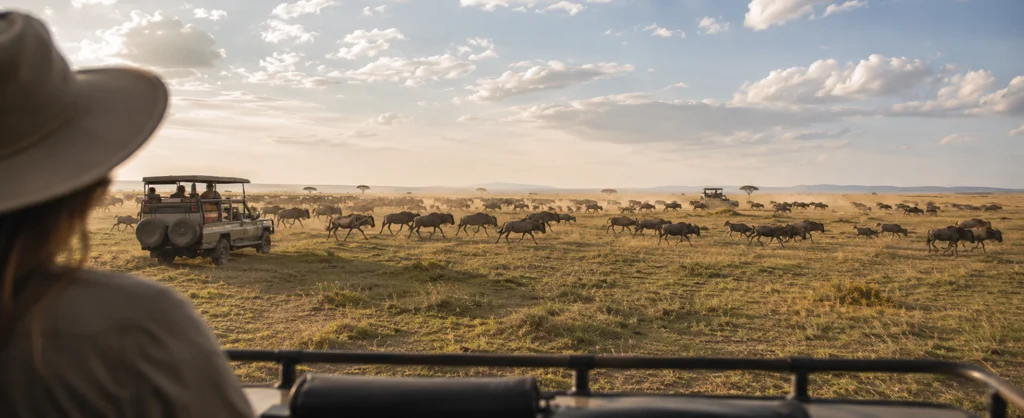
Character The perfect „Bush & Beach“ combination for first-time visitors who want to see all the Northern highlights and relax on the beach.
Typical daily logic
- Day 1: Arrival Arusha
- Day 2: Tarangire National Park (Elephants & Baobabs)
- Day 3 Safari to the Serengeti with game drive
- Day 4: All-day safari in the Serengeti
- Day 5: Serengeti – Journey to the Ngorongoro Crater
- Day 6: Safari in the Ngorongoro Crater – Return to Arusha
- Day 7: Flight to Zanzibar – Arrival Stone Town
- Day 8: Beach day (e.g. Nungwi Beach)
- Day 9: Exploring Stone Town (Culture/History)
- Day 10: Boat trip (Prison Island / Nakupenda)
- Day 11: Departure from Zanzibar
Luggage Notice: For the domestic flight (Day 7) mostly Soft travel bags (15-20 kg) required. Hard-shell suitcases can often be stored in Arusha when you return or will need to be repacked.
All information about this safari, including Zanzibar, can be found here.
11 Days Safari in Tanzania | Wildlife Photo Safari
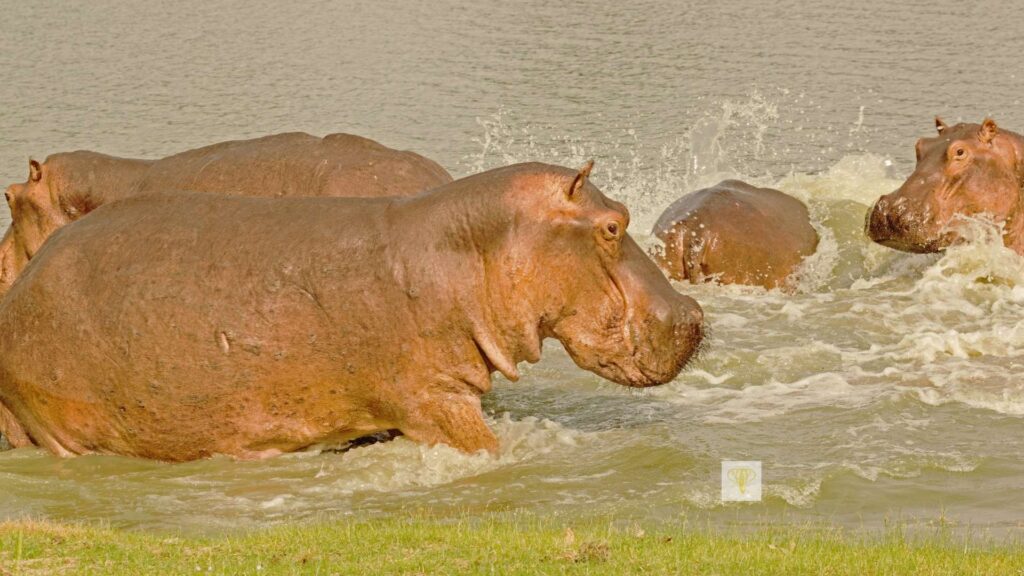
Character An active route for photographers and nature lovers with a focus on special perspectives (walking safari, night drive).
Typical daily logic
- Day 1: Kilimanjaro Airport Arrival
- Day 2: Walking Safari Arusha National Park (walking distance to giraffes/zebras)
- Day 3 Safari in Tarangire National Park
- Day 4: Drive to the Northern Serengeti (Focus on Migration)
- Day 5-6: Great Migration It's the Mara River (seasonal).
- Day 7: Safari in the Central Serengeti
- Day 8: Safari Central & East Serengeti
- Day 9: Safari in the Ngorongoro Crater
- Day 10: Safari in Lake Manyara (Tree-Climbing Lions)
- Day 11: Return trip or extension
All information about this safari in northern Tanzania for hobby photographers can be found here.
11-Day Safari Itinerary Focused on the Migration
This variant maximizes time with the large herds, ideal for the months of July to October.
11-Day Safari in Tanzania and Zanzibar (Migration Focus)
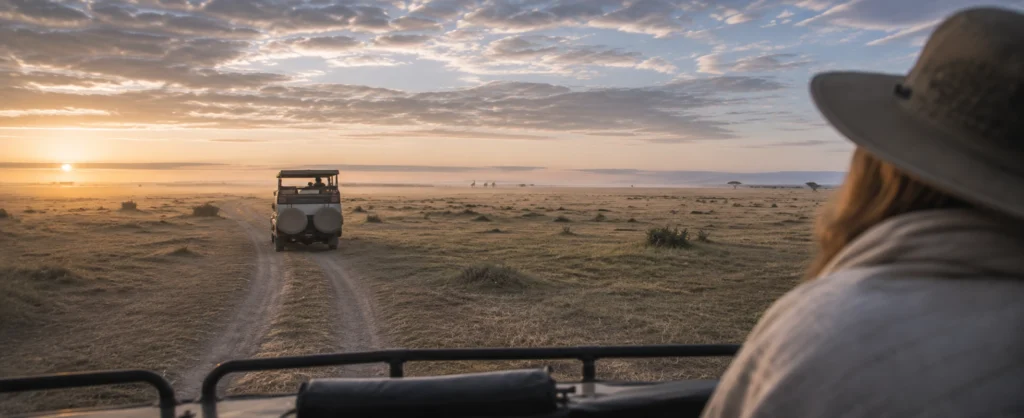
Character Similar to the classic combo, but with a stronger focus on the river crossings in the north (Mara River) before the beach section.
Typical daily logic
- Day 1: Arrival Arusha
- Day 2: Tarangire National Park
- Day 3 Trip to the Serengeti
- Day 4: Full-day safari (focus on animal migration)
- Day 5: Serengeti to the Ngorongoro Crater rim
- Day 6: Crater Safari and return to Arusha
- Day 7: Flight to Zanzibar
- Day 8-10: Strand, Stone Town, Prison Island
- Day 11: Departure
Special feature This route prioritizes the Serengeti compared to smaller parks like Lake Manyara, to increase the chances of seeing the migration.
Further information about this safari during the Great Migration can be found here.
Customer testimonial
“Individual travel without the stress of online comparisons
We had a 5-day safari in Tanzania and are still absolutely thrilled. Everything was excellently organized and well thought out, from the airport pick-up to the final transfer back to the airport after the safari.
Safari Tanzania saved us hours of comparing providers online. They put together a customized trip, matched us with the best local operator, and ensured seamless organization through quick WhatsApp communication. More anticipation, less stress.
Hakan Evcek, a customer from Darmstadt


Which 11-day safari objectively suits you best? (Combination vs. Intensive)
With an 11-day trip, you're usually faced with a fundamental decision: Do you want „everything“ (safari & beach) or „depth“ (safari only)?
The Combo: Bush & Beach (approx. 6+5 days)
- Advantages: High variety; Relaxation after dusty ski days; ideal for honeymoons.
- Disadvantages Safari time is „tight.“ With 6 safari days, there's often not enough time for the long drive north in the Serengeti (Mara River) if you don't want to fly.
- For whom: First-time visitors, families, gourmets.
2) The Intensive Safari: Mainland Only (10-11 Days Bush)
- Advantages: You reach remote sectors (e.g., Northern Serengeti, Mara River) without time pressure; you can stay in one place for 2-3 days (better photos, less packing).
- Disadvantages 11 days in a jeep are physically demanding („African massage“ on dirt roads); higher safari price (as there are more park fees/jeep days than beach days).
- For whom: Photographers, Wildlife Enthusiasts, Return Visitors.
3) The Fly-in Variant (Time Saver)
- Advantages: Replaces the long drive back (Serengeti → Arusha takes approx. 8-9 hours of pure driving) with a 60-minute flight.
- Disadvantages Strict baggage limits; higher costs.
- For whom: Everyone who has the budget to turn travel time into vacation time.
Realistic Driving Times & Trade-offs
Whoever has 11 days often underestimates the distances. Tanzania is huge.
(Guidelines without guarantee – dependent on weather/roads)
- Arusha to Tarangire: approx. 2-3 hours (asphalt, good).
- Tarangire → Serengeti (Gate): approx. 4-5 hours (from Karatu piste/gravel).
- Serengeti Central → Serengeti North (Mara River): approx. 3-5 hours of pure safari drive/transfer (depending on the tracks).
- Serengeti to Ngorongoro Crater Approx. 3-4 hours (very dusty, „corrugated iron“ track).
- Ngorongoro to Arusha About 3-4 hours.
What do you gain – what do you lose?
- With flight: You gain half to a full safari day. You lose luggage flexibility.
Without flight: You consciously experience the landscape transitions (highlands to savannah). You lose time and energy on long transits.

What animals do you see in 11 days? (Expectations & Chances)
In 11 days, your chances of seeing rarer animals will skyrocket, as you'll be spending more time in the areas.
The Big Five (Lion, Leopard, Buffalo, Elephant, Rhinoceros)
- Rhinoceros Best chance in Ngorongoro Crater begins. Very rare and shy in the Serengeti (Morio Kopjes).
- Leopard: With 11 days, a good guide in Central Serengeti (Seronera) or Tarangire makes it very possible. Patience is key here.
- Lions/Elephants/Buffalo: „Everyday life“ on our 11-day routes, so to speak.
The Great Migration
- An 11-day window allows you to drive specifically to where the herds are.
- July-Oct Norden (Mara River). Spectacular river crossings possible (patience required!).
- January-March South (Ndutu). Calving season.
- Apr-June / Nov: Central/West (Hiking).
Best time to travel for an 11-day safari in Tanzania
Dry season (June – October)
- Advantage Best animal viewing, low vegetation, animals at the waterhole. Migration in the north.
- Disadvantage Dusty, parks full, prices higher.
- Photography Harsh light at noon, but spectacular sunsets due to the dust.
Green Season (November - May)
- Advantage Emerald green landscapes, dramatic cloud skies, many young animals (Jan/Feb), fewer tourists, often better rates.
- Disadvantage Rain risk (mostly showers), some slopes more difficult to navigate. Grass is high (hinders visibility of small cats).
Costs & Prices: What Drives the Price of an 11-Day Safari?
Since safaris are calculated per day, an 11-day trip is a larger investment. Understand the cost drivers to compare offers fairly:
- Vehicle Logic (Private): The fixed costs for the Jeep and guide are divided by the number of fellow travelers. With two people, it is more expensive per person than with four.
- Parking Fees & Concessions: Every day in the national park costs an entrance fee (per person + per vehicle). An overnight stay I'm Parking (concession fee) is more expensive than outside.
- Tip: The Ngorongoro Crater has extremely high fees. A night there is a premium experience.
- Domestic flights Flights from the Serengeti to Zanzibar or Arusha save time but cost extra (approx. $250-400 USD pp depending on the route).
- Zanzibar Hotel Standard: Prices vary extremely here, from charming boutique hotels to 5-star all-inclusive resorts.
Here's how to compare offers correctly:
- Is the Flight to Zanzibar Included or extra?
- Are all parking fees (also crater service fee) included?
- Is it a real private safari or will you be transferred to buses?
Accommodations in 11 days: Camping, Lodge, Tented Camp
For 11 days, we recommend a mix to optimize the budget and vary the experience.
Accommodation type | Comfort | Atmosphere | Pricing logic | Who is it suitable for |
Camping | Simple (sleeping bag, mattress) | „In the thick of it,“ campfire, nature sounds | Cheapest option | Adventurer, Budget-Conscious |
Tented Camp | Moderate to luxury (beds, private bathroom) | Pure safari feeling, fabric tent walls | Medium to High (depending on location) | The authentic safari experience |
Lodge | High (solid walls, pool, AC) | Hotel comfort, often felt safer | Medium to Very High | Families, comfort-seekers |
Inside Park notice: Accommodations within the parks are often more expensive (concession fees), but they offer the advantage of not having to drive to the gate in the morning.
Starting Points & Logistics: Arusha, Kilimanjaro (JRO), Zanzibar
- Kilimanjaro Airport (JRO): The ideal arrival airport for all routes mentioned here. Transfer to Arusha approximately 1 hour.
- Arusha: Starting point of the safari jeeps. The first overnight stay usually takes place here to start acclimatized.
- Zanzibar: Often Endpoint. To start in Zanzibar, you must first fly to Arusha/JRO. This is doable but „eats“ up time on your arrival day.
- Dar es Salaam (DAR): Sensible use only for South safaris (Mikumi/Ruaha) or as an international hub for the journey home from Zanzibar.
Inclusive / Exclusive (typical) - transparent at a glance
Typically including | Typically not included |
Private 4x4 Safari Landcruiser (Window seat guarantee) | International Flights (Arrival Tanzania) |
Professional Safari Guide (German as available) | Visa (approx. 50 USD) |
All park and crater fees according to the program | Travel insurance |
Overnight stays & full board on safari | Tips for the guide |
Bottled water in the safari vehicle | Alcoholic Beverages & Soft Drinks in Lodges |
Domestic flights (if specified in the offer) | Optional activities (balloon safari, Masai village) |
FAQ - 11-Day Tanzania Safari
Are 11 days enough for safari and Zanzibar?
Yes, absolutely. A split of 6-7 days for safari and 4-5 days for Zanzibar is ideal for seeing the „Big Five“ and then relaxing without getting stressed.
Is a yellow fever vaccination necessary for a combination trip to Tanzania and Zanzibar?
Usually not for direct entry from Europe to Tanzania (mainland). For onward travel from the mainland to Zanzibar, proof is often not controlled, but officially it can be demanded (consult medical advice!).
Can you see the Great Migration in 11 days?
Yes, if you are in the right place at the right time. 11 days gives you enough time to also travel far north (July-Oct) or south (Jan-Mar) in the Serengeti.
When it rains on safari, several things can happen. The landscape quickly transforms, becoming lush and green. This new growth attracts herbivores, making them more visible as they emerge to graze. Birdlife also becomes more active, with the rain often stimulating breeding and feeding behaviors.However, rain can also present challenges. Some roads can become impassable, making it harder to reach certain areas. It can also lead to reduced visibility, which might make spotting animals more difficult. Game drives may be shortened or canceled altogether during heavy downpours. Despite this, many safari-goers find the experience of a rainy safari to be uniquely beautiful and rewarding due to the dramatic scenery and increased animal activity.
The roofs of the jeeps are closed. Rain is usually short and intense. Afterwards, the light is often spectacular for photography.
How strenuous is an 11-day safari?
Safari-only trips (without the beach) are physically demanding due to the long drives on unpaved roads. Therefore, for longer tours, we often plan for 2 nights in one location to allow for rest breaks.
Are domestic flights safe?
The airlines used (e.g., Auric Air, Coastal Aviation) are experienced and fly tourist routes daily. The planes are small (Cessna Caravan), which might be unusual for some, but it's a great experience.
Plan your own trip to Tanzania
Plan your own trip to Tanzania
Get personal advice now

After this call, you have…
- a list of all trips that fit your budget and availability,
- Bookable tours with fixed prices
- and answers to your open questions
- ... and all in under 30 minutes.