
Mount Kilimanjaro

Meet the challenge – climb Kilimanjaro and stand on the Roof of Africa!

Mount Kilimanjaro

Meet the challenge – climb Kilimanjaro and stand on the Roof of Africa!

All Tanzania Safari Trips at a Glance

All prices listed are former prices for short and price-optimized trips. Current prices may be higher due to the respective season and inflation. Our terms and conditions apply.

Mount Kilimanjaro Climb: The Ultimate Guide – Routes, Costs, Preparation & Tips for Africa's Highest Peak

Climbing Mount Kilimanjaro, Africa's highest peak, is an ambitious goal for Mountain lovers worldwide. This comprehensive guide provides all the essential information on Planning and executing a successful expedition – from selecting the right Route from the necessary preparation to detailed cost aspects and Safety instructions. A carefully thought-out plan, adequate training, and sound Knowledge about the challenges of the mountain forms the basis for a safe and Successful summit experience on the „Roof of Africa“.

Introduction: The Dream of Kilimanjaro – Why This Mountain Fascinates Climbers Worldwide
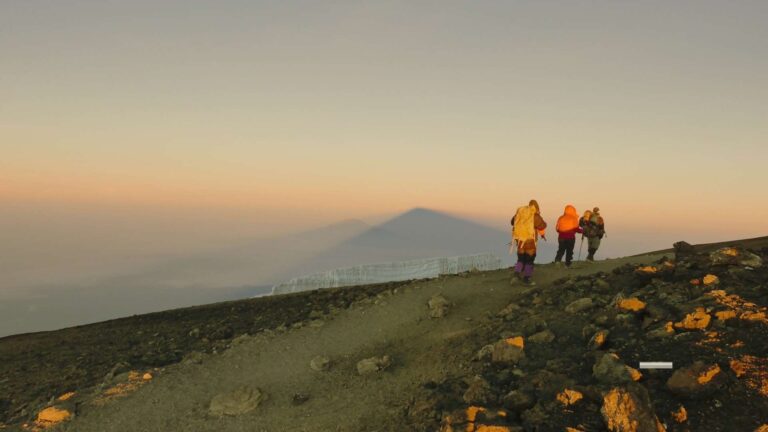
The Kilimanjaro has exerted an unparalleled attraction on people for generations from all over the world. With a height of 5,895 meters, it is not only the highest mountain in Africa, but also the highest freestanding mountain in the world. Its majestic appearance, which rises from the flat savanna, it gives it a special presence in the East African landscape.

The uniqueness of Kilimanjaro lies in its accessibility despite its impressive Height. Unlike other mountains of similar height, climbing it does not require technical climbing skills. This makes it an achievable dream for hikers with good fitness and stamina, which explains its popularity as a trekking destination.

The diversity of landscapes and climate zones during the ascent offers a unique Nature experience. Climbers traverse five different landscapes on their way to the summit. Vegetation and Climate Zones - from Tropical Rainforests to Heath and Moorlandschaften to the arctic summit zone. This hike is often combined with a trip from the equator to the North Pole.

Kilimanjaro is more than just a mountain – it's a symbol of personal challenge. and success. The climb represents an intense test, both physically and mentally, which provides a deep sense of satisfaction and pride.

Your local tour guide
Joseph Mongitta

passionate tour guide in Tanzania for 6 years

"Even as a child, I loved the animals and landscapes of my homeland – today I get to share them daily with people from all over the world.

It fills me with pride to show guests the beauty of Tanzania and give them unforgettable moments. I love it when my guests see a lion in the wild for the first time or marvel at the savanna at sunset. It is important to me that my guests feel safe and well looked after – and return home with many beautiful stories.

My profession is not just a job for me, but something I'm passionate about."

2. Mount Kilimanjaro in Detail: Facts and Trivia about Africa's Giant
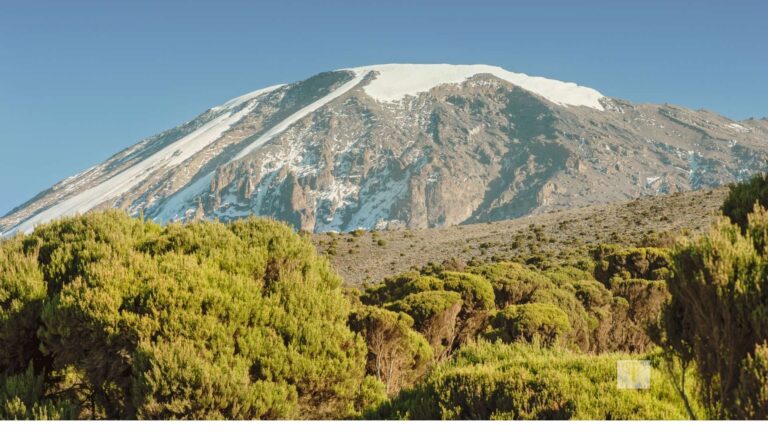
2.1. Geography: Where is Mount Kilimanjaro located? Height (5,895m), the three volcanoes (Kibo, Mawenzi, Shira) and formation

Kilimanjaro is located in northern Tanzania, near the border with Kenya. With a height of 5,895 meters, it is the highest point in Africa. Its geographical coordinates are 3° 3′ S, 37° 22′ E. The mountain is approximately 120 km from the international airport and is easily accessible from the city of Moshi.

The Kilimanjaro massif consists of three distinct volcanic cones: Kibo (5,895 m), Mawenzi (5,280 m), and Shira (4,269 m). Kibo is the highest and youngest of the three volcanoes and is currently dormant, while Mawenzi and Shira are extinct. The highest point of the mountain, Uhuru Peak, is located on the crater rim of Kibo and is also known as the "Roof of Africa.".

Kilimanjaro is a stratovolcano that began forming thousands of years ago. Kibo was last active 150,000 to 200,000 years ago and could theoretically erupt again in the future. Kilimanjaro is not part of a mountain range but rises as a freestanding mountain from the surrounding savanna.

At its base, the mountain has a diameter of approximately 70 kilometers. The impressive appearance of the mountain is recognizable even from a distance of more than 160 kilometers in clear visibility. Kilimanjaro significantly shapes the landscape of Northern Tanzania and forms a striking geographical landmark of the region.

2.2. Kilimanjaro National Park: UNESCO World Heritage Site and its Unique Significance

Kilimanjaro National Park was established in 1973 and covers an area of 1,668 square kilometers. It encloses the entire Kilimanjaro massif, with small portions also extending into the Arusha region. The park is managed by the Tanzania National Parks Authority (TANAPA).

In 1987, Kilimanjaro National Park was granted UNESCO World Heritage status in recognition of its exceptional natural beauty, unique geology, diverse vegetation zones, and remarkable flora and fauna. This distinction highlights the global significance of this natural treasure.

The national park is situated at an altitude between 1,800 and 5,895 meters above sea level. It borders several other protected areas, including Tsavo West National Park in Kenya to the east and Arusha National Park to the west. This proximity to other protected areas creates important ecological corridors for wildlife.

In addition to its natural significance, Kilimanjaro National Park also holds significant economic value for Tanzania. Park fees and tourism related to mountain climbing generate substantial revenue for the country. In 2024, fees for Kilimanjaro National Park are approximately $1,000 per person for a seven-day expedition.

2.3. Climate and Weather Zones on Kilimanjaro: From Tropical Rainforest to Arctic Summit Zone

Due to its considerable altitude difference, Kilimanjaro has five distinct climate zones that change dramatically with increasing height. This variety of climate zones makes the mountain a unique ecological system.

The lowest level forms the cultivation zone at the foot of the mountain (800-1,800 m). A tropical climate prevails here with average temperatures above 20°C. The fertile soils and regular rainfall allow for the cultivation of beans, sweet potatoes, bananas, corn, and potatoes.

The rainforest zone (1,800-2,800 m) extends above this. This zone is characterized by high rainfall (1,000-2,000 mm per year) and high humidity. The dense rainforest is home to about 140 tree species and numerous other plant species.

The heath and moorland zone (2,800-4,000 m) follows, with a drier climate and significant temperature differences between day and night. Annual precipitation here ranges from 500 to 1,300 mm.

The alpine desert zone (4,000-5,000 m) is characterized by a dry, alpine climate with only about 250 mm of precipitation per year. The sparse vegetation is adapted to the extreme conditions.

The Arctic summit zone (over 16,400 ft) features a dry, Arctic climate with minimal precipitation (around 4 inches annually). Temperatures rarely rise above freezing, even in the afternoons, and can drop significantly at night.

The climate in the Kilimanjaro region follows a distinct annual cycle with two rainy seasons (March to May, October to December) and two dry seasons. The short dry season in January and February can still be rainy in some years.

2.4. Flora and Fauna: The Amazing Animal and Plant Life of Kilimanjaro

The flora of Kilimanjaro comprises approximately 2,500 plant species that have adapted to the various altitude and climate zones. This remarkable diversity results from the different environmental conditions along the altitudinal gradient.

In the tropical rainforest at the foot of the mountain, numerous tree species, ferns, lianas, orchids, and various flowering plants thrive. Notable endemic plants include Impatiens Kilimanjari, an orchid-like plant, and Viola Eminii.

In the heath and moorland zone, heather bushes grow, which can reach up to 10 meters in height, as well as golden daisies, giant lobelias, and crossflowers. These plants have adapted to the variable weather with strong temperature fluctuations.

The alpine desert zone hosts cactus-like plants with papery blossoms as well as impressive giant groundsels (Dendrosenecio). In the arctic zone near the summit, vegetation is greatly reduced due to extreme conditions.

The fauna in Kilimanjaro National Park is also diverse. Elephants, leopards, buffalo, and various species of monkeys, including colobus monkeys (black and white colobus monkeys), live in the national park. Most of the larger wildlife is found mainly in the lower areas of the park.

The forest area of Kilimanjaro is also home to about 140 bird species, making the mountain an interesting destination for birdwatchers. The bird population contributes to the ecological balance of the mountain ecosystem.

2.5. History of the First Ascent and the Mountain's Cultural Significance

The history of Kilimanjaro is closely tied to local cultures. The Chagga people, who live at the foot of the mountain, venerated the mountain for centuries before converting to Christianity. According to a local legend, Kibo and Mawenzi represent petrified wives of the god Ruwa.

As early as 100 AD, the Greek astronomer and geographer Ptolemy reported a high, snow-covered mountain in the middle of Africa. However, the mountain only came to the attention of a broader European public when the German missionary Johannes Rebmann stood before Kilimanjaro on May 11, 1848, and reported the overwhelming sight of the snowy mountain to Europe.

The first documented ascent attempts were made by Karl Klaus von der Decken in 1861 and 1862, reaching an altitude of 4,280 m. In 1871, missionary Charles New reached the snow line but had to turn back.

The first ascent was finally achieved by the Leipzig mountaineer and geographer Hans Meyer and the Austrian alpinist Ludwig Purtscheller on October 6, 1889, after two failed attempts in 1887 and 1888. Muini Amani served as the local mountain guide. Meyer hoisted a small German flag at the highest point of the Kibo crater.

During the German colonial period in East Africa (1885-1918), Kilimanjaro was part of German East Africa and was called "Kaiser-Wilhelm-Spitze" or "Wilhelmskuppe." The mountain was considered the "highest mountain in Germany" in the German Empire and was a symbol of German colonial policy.

After Tanzania's independence, the mountain was given back its original name. Today, Kilimanjaro is an important national symbol for Tanzania and a significant factor in the country's tourism.

Show more

Discover other tours

All prices listed are former prices for short and price-optimized trips. Current prices may be higher due to the respective season and inflation. Our terms and conditions apply.


3. Perfectly planning your Mount Kilimanjaro climb: Step-by-step to summit success

3.1. Best Time to Visit Kilimanjaro: When is the Weather Ideal for the Climb? (incl. Dry & Rainy Seasons)

Climbing Kilimanjaro is possible year-round, but there are periods with optimal conditions. The best months for a climb are December to March and June to October, as the weather conditions are most stable during these times.

The main dry seasons on Kilimanjaro fall in the months of January to March and June to October. During these periods, the probability of clear visibility and dry hiking conditions is highest. Especially the months of June to October often offer cloudless views and pleasant temperatures for the ascent.

The two rainy seasons run from March to May (long rainy season) and from October to December (short rainy season). During these months, more frequent rainfall can be expected, which can make the trails slippery and climbing more arduous. Visibility is often limited by clouds.

For optimal photographic documentation of the ascent, a period with a high probability of clear visibility is recommended. During the dry seasons, unobstructed views of the surrounding landscape and the snow-capped summit are more frequent.

When scheduling, keep in mind that the weather on Kilimanjaro can be very unpredictable and can change quickly. Regardless of the chosen season, preparation for various weather conditions is essential.

3.2. Choosing the Right Route: A Detailed Kilimanjaro Route Comparison

Mount Kilimanjaro offers various ascent routes that differ in length, difficulty, scenery, and acclimatization opportunities. Choosing the right route is crucial for the success of the climb.

The Marangu Route is the only route with hut accommodation and is often called the "Coca-Cola Route" as it is considered the easiest. It can be completed in 5-6 days, but offers less optimal acclimatization opportunities. The success rate is correspondingly lower on the shorter variant.

The Machame Route, also known as the "Whiskey Route," is the second most popular choice and is technically not difficult but more challenging than the Marangu Route. It involves steep ascents and descents and requires good stamina. The Machame Route offers excellent acclimatization opportunities through the "climb high, sleep low" principle, and thus has a higher success rate.

The Lemosho route is the longest and least frequented route. It offers the best views and very good acclimatization opportunities, but it is also the most expensive option. The longer duration of 7-8 days contributes to a higher success rate.

The Rongai Route begins on the north side of Kilimanjaro near the Kenyan border and is the driest route. It is particularly suitable during the rainy season, as the north side receives less rainfall. The route is less frequented and offers a quieter experience.

The Northern Circuit Route is the longest route and circles the mountain mostly on the Northern Circuit. With a duration of 8-9 days, it offers optimal acclimatization opportunities and therefore the highest success rates.

When choosing a route, personal fitness, available time, budget, and desired probability of success should be considered. Longer routes generally offer better acclimatization opportunities and thus higher success rates, but are accordingly more expensive and time-consuming.

3.3. Cost of a Kilimanjaro Climb: What to Expect (Park Fees, Team, Equipment)

The costs of climbing Kilimanjaro vary depending on the operator, chosen route, and tour duration. For the 2024-2025 season, the average cost is approximately $2,700 per person. This amount covers participation in a safe expedition with comfortable equipment and a professional team.

Parking fees constitute a significant portion of the total cost. In 2024, fees in Kilimanjaro National Park will be approximately $1,000 per person for a seven-day expedition. These fees include camping fees, rescue fees, guide and porter entry fees, and conservation fees. Park fees are set by the National Park Authority and are typically increased by 10 to 15 percent every two to three years.

In addition to park fees, the costs go into organizing the trip itself. This includes the wages of the team (guides, porters, cook), the depreciation of equipment, the purchase of food and medication, transport, and fuel. Furthermore, in Tanzania, tour operators have been subject to value-added tax since 2016, which automatically increased the total cost of the trip by 18 percent.

Cheaper offers start around USD 2,100, while expeditions at the higher end of the price scale can cost USD 8,500 to USD 9,500. Caution is advised with very cheap offers, as they may not meet all necessary safety standards or could be from unregistered providers.

In addition to tour costs, climbers should budget for further expenses: personal equipment (if not provided by the outfitter), tips for the support team, travel insurance with mountain rescue coverage, and costs for vaccinations and malaria prophylaxis. These additional costs can range from several hundred to over a thousand dollars.

3.4. Choosing the Right Tour Operator: Reputable Providers, KPAP Certification, and Fair Conditions

Choosing a trustworthy and reliable tour operator is crucial for a safe and successful Kilimanjaro climb. Several criteria should be considered when selecting a provider.

A KPAP (Kilimanjaro Porters Assistance Project) certification is an important indicator of an ethically operating provider. KPAP advocates for fair working conditions and adequate pay for porters. Certified companies commit to adhering to specific standards, including weight restrictions for porter loads, appropriate accommodation and equipment, and fair wages.

The experience and professionalism of the provider are also crucial. Established companies with many years of experience in organizing Kilimanjaro climbs usually have well-trained guides and established safety protocols. The qualifications of the guides should include first-aid training and in-depth knowledge of altitude sickness.

Group size significantly influences the climbing experience. Smaller groups allow for more individual attention from the guides and a more flexible adjustment of the pace to the participants' needs. A good guide-to-participant ratio improves safety and service during the tour.

Transparent pricing is a hallmark of reputable providers. The price should cover all necessary components, including park fees, transport, pre- and post-tour accommodation, meals during the climb, professional guides, porters and cook, as well as the required group equipment. Hidden costs or unusually low prices may indicate poor quality or ethical concerns.

The provider's equipment policy should be clearly communicated. A good provider offers high-quality group equipment such as tents, kitchen and dining tents, as well as tables and chairs. Some providers also offer rentals of personal equipment such as sleeping bags or trekking poles.

3.5. Formal Preparations: Visa for Tanzania and appropriate travel insurance (including mountain rescue)

German citizens require a valid visa to enter Tanzania. This can be applied for either online before travel through the Tanzanian immigration authority's e-visa portal or upon arrival at the airport. The standard tourist visa costs approximately 50 USD and is usually valid for 90 days.

For the visa application, the following documents are required: a passport valid for at least six months beyond the end of your trip, a recent passport photo, and a return or onward ticket. For online applications, allow at least two weeks for processing to avoid delays.

Special travel insurance with mountain rescue coverage is essential for climbing Kilimanjaro. The insurance should explicitly cover mountain rescue and high-altitude medical evacuation (up to at least 6,000 meters) as regular travel insurance policies often exclude these services.

The insurance should also offer sufficient coverage for medical treatments and emergency repatriation. Policies with a coverage amount of at least 100,000 euros for medical costs and unlimited coverage for repatriation are recommended.

The insurance documents should be printed before departure and carried throughout the trip. Important contact numbers for the insurance company, especially for emergency services, should be readily available and also shared with the guide.

Besides the visa and insurance, further formal preparations must be made: checking the validity of the passport, verifying the required vaccinations according to current entry regulations, and informing your primary bank about the trip to avoid problems with credit cards or cash withdrawals.

Show more
Life is too short
Tailor-made

Discover individual routes off the beaten path

Expert advice

Assistance with planning and booking

All-round comfort

Personal support before, during, and after the trip

All Tanzania Safari Trips at a Glance

Starting from €1195 per person*

From €495 per person*

Starting from €2,095 per person*

Starting from €295*

From €495 per person*

From €495 per person*

Starting from €1195 per person*

Starting from 145 EUR per person*

Starting from 1295 EUR*

Starting from EUR 645 p.p.*

All prices listed are former prices for short and price-optimized trips. Current prices may be higher due to the respective season and inflation. Our terms and conditions apply.

4. Optimal Preparation for Kilimanjaro: Fit and Healthy to the Summit

4.1. Physical Fitness: How to Train for Climbing Kilimanjaro (Training Plan, Endurance, Strength)

Solid physical preparation is crucial for a successful Kilimanjaro climb. A structured training program should begin at least three months before the planned ascent and include both endurance and strength training.

Endurance training forms the basis of preparation. Effective activities include swimming, cycling, brisk walking on an inclined treadmill, or running on uneven terrain. Interval training, which involves alternating between different intensities, is particularly effective. Training sessions should be gradually increased in duration and intensity, starting with 30-45 minutes and increasing to 1-2 hours.

Strength training for the leg and core muscles optimally complements endurance training. Exercises such as squats, lunges, step-ups, and core exercises strengthen the muscle groups relevant for long hikes. Strength training should be performed 2-3 times per week, with adequate recovery periods between sessions.

Backpacking trips with increasing duration and elevation gain best simulate the conditions on Kilimanjaro. One- or two-day hikes with overnight stays are particularly valuable, as they also offer an opportunity to test equipment and mentally prepare for the conditions on the mountain.

The regularity of training is more crucial than individual intense sessions. At least three training sessions per week should be scheduled, with a mix of endurance and strength training. In the final weeks before departure, the intensity should be reduced to avoid overtraining and injuries.

In addition to targeted training, an overall increase in daily activity is also beneficial. Taking the stairs instead of the elevator, walking short distances, and similar measures improve general fitness and complement structured training.

4.2. Mental Strength: Mastering the Psychological Challenge of Climbing Kilimanjaro

Mental preparation is just as important as physical fitness for a successful Kilimanjaro climb. The multi-day exertion, altitude exposure, and potential discomfort require mental resilience and perseverance.

Realistic expectations are the foundation of mental strength. Climbing Kilimanjaro is not a walk in the park, but a demanding undertaking with physical challenges, basic accommodations, and potentially adverse weather conditions. A realistic picture of the challenges ahead helps conserve mental resources for actual difficulties.

Visualization techniques can support mental preparation. Mentally rehearsing different scenarios, such as a successful summit ascent, but also dealing with difficulties like bad weather or physical discomfort, prepares for the emotional aspects of the climb.

Developing coping strategies for challenging moments is essential. These can include breathing techniques, motivational sayings, mental distraction strategies, or breaking down the route into small, manageable sections. Adopting the "Pole Pole" (slowly, slowly) principle and viewing the climb as a marathon, not a sprint, promotes mental endurance.

The acceptance of discomfort and the ability to leave comfort zones are important mental traits for climbing. The willingness to accept temporary inconveniences such as basic sanitation, cold temperatures, or limited privacy facilitates adaptation to mountain conditions.

Stress resilience can be built through regular relaxation techniques such as meditation, progressive muscle relaxation, or breathing exercises. These techniques can also be applied during climbing to reduce tension and maintain focus.

4.3. Health Preparation: Important Vaccinations, Malaria Prevention, and the Pre-Travel Doctor's Visit

Thorough health preparation is essential for climbing Kilimanjaro. A medical check-up should be done at least three months before the planned trip to allow sufficient time for any necessary medical measures.

The medical examination appointment should check general health, particularly the cardiovascular system and lung function. Pre-existing conditions such as heart or lung problems can increase the risk of health issues during the ascent. The doctor can assess whether the climb is medically advisable and recommend specific precautions if necessary.

The necessary vaccinations should be completed on time. For Tanzania, standard vaccinations such as tetanus, diphtheria, polio, and hepatitis A are recommended. Depending on individual circumstances, vaccinations against hepatitis B, typhoid fever, rabies, and meningococcal meningitis may also be advisable. A yellow fever vaccination is not currently mandatory for entry from Germany, but may be required when entering from certain countries.

Malaria prophylaxis is an important aspect of health preparation, especially for the time before and after the actual climb, as malaria occurs in the lower altitudes of Tanzania. The choice of the appropriate malaria medication should be coordinated with a travel medicine specialist, as some preparations can have side effects that could interfere with the climb.

Prophylactic medications.

A well-stocked travel first-aid kit should be assembled, including medications for common ailments such as headaches, gastrointestinal issues, allergies, colds, and pain. Specific medications for pre-existing health conditions should be carried in sufficient quantities, ideally with a copy of the prescription.

4.4. The Ultimate Kilimanjaro Packing List: Essential Gear and Clothing (Layering System Explained)

Thoughtful equipment is essential for a successful and comfortable Kilimanjaro ascent. Due to the varied climate zones, a layering system is the most effective clothing strategy.

The base layer (underwear) should be made of moisture-wicking materials such as merino wool or synthetic functional fibers. These transport sweat away from the skin and keep the body dry. Cotton should be avoided as it holds moisture and causes the body to cool down when wet.

The middle layer is for insulation and should be made of fleece or light down insulation. Several thinner layers offer more flexibility than one thick layer, as they can be added or removed depending on the temperature.

The outer layer protects against wind and wetness and should consist of a waterproof and breathable jacket and matching trousers. A hardshell jacket with taped seams and a hood, as well as rain pants, are particularly important for the wetter, lower zones and possible precipitation.

For the summit ascent, additional insulating clothing is required: a warm down jacket, fleece trousers, warm gloves (ideally a thin and a thick pair), a hat that covers your ears, and a scarf or buff.

Sturdy, broken-in hiking boots with good tread and ankle support are a core piece of equipment. For summit ascents, warm, waterproof mountain boots or gaiters are also recommended. Several pairs of hiking socks, ideally made of merino wool, prevent blisters and keep feet warm.

A high-quality backpack (30-35 liters) for day hikes and a comfortable sleeping bag rated for temperatures down to -10°C are part of the basic equipment. An insulating sleeping pad will increase sleeping comfort at cold altitudes.

Other essential equipment includes: headlamp with spare batteries, sun protection (sunglasses, hat, high SPF sunscreen), water bottle or hydration system with at least 3 liters capacity, trekking poles, toiletries, and wet wipes.

4.5. Nutrition and Hydration: Eating and Drinking Correctly Before and During Your Tour

A customized diet and adequate fluid intake are crucial for performance and health during a Kilimanjaro climb. Proper preparation begins weeks before the tour.

During the preparation phase, a balanced, nutrient-rich diet with sufficient carbohydrates, proteins, healthy fats, vitamins, and minerals should be maintained. Increasing carbohydrate intake in the final days before the climb (carboloading) can maximize glycogen stores and create additional energy reserves for the strenuous tour.

A calorie-rich diet is important during an expedition to cover the increased energy needs due to physical exertion and cold. Most organizers provide sufficient food, which is typically carbohydrate-rich and consists of dishes like pasta, rice, potatoes, soups, and meat.

Hydration is critical for acclimatization and overall well-being at altitude. A minimum of 3-4 liters of water per day is recommended to prevent dehydration. Water on Kilimanjaro is typically provided by the team, but should be boiled or otherwise treated before drinking to avoid gastrointestinal infections.

Electrolyte drinks or tablets can support fluid intake and replace lost minerals. Electrolyte supplementation is particularly useful after heavy sweating or with symptoms such as headaches, which can be caused by both altitude sickness and dehydration.

Energy bars, nuts, dried fruits, and chocolate are practical snacks for in-between and provide quick energy. A small personal selection of such snacks should be carried to be able to react quickly to energy lows.

Consumption of caffeine and alcohol should be limited as both substances can have a dehydrating effect. While small amounts of caffeine can help with headaches, alcohol should be completely avoided during climbing, as it can hinder acclimatization and increase the risk of altitude sickness.

Show more
Meet Our Team

5. The Kilimanjaro Experience: Your Adventure on the Mountain – Day by Day

5.1. The Team at Your Side: The Indispensable Role of the Guide, Porters, and Cook

A professional support team is indispensable and legally required for a Kilimanjaro climb. This team typically consists of one or more guides, porters, and a cook, whose coordinated collaboration ensures the safe and comfortable progress of the tour.

The guides are the most important contact persons during the climb. They are responsible for the navigation, safety, and well-being of the mountaineers. Experienced guides have in-depth knowledge of the routes, weather conditions, and altitude sickness. They continuously monitor the participants' health, adjust the pace, and make decisions about continuing or aborting the ascent.

Porters carry the majority of the equipment, including tents, sleeping bags, food, cooking gear, and the climbers' personal belongings. A single porter can carry up to 20 kg, with ethical operators adhering to weight limits and fair labor practices according to KPAP guidelines. Porters set up and dismantle the camps, while the climbers undertake day hikes.

The cook prepares all meals during the tour, ensuring varied, nutritious, and energy-rich catering under simple conditions. Good nutrition is crucial for energy supply and strengthening the immune system during the climb. Typical meals include breakfast with porridge, eggs, and toast, light packed lunches for on the go, and warm dinners with soups, main courses, and desserts.

The ratio between the support team and the mountaineers is remarkable: typically, 3-5 team members are deployed for each mountaineer. For a typical group of 4-6 mountaineers, the total team can consist of 20-30 people. This high support ratio ensures safety and comfort on the challenging path to the summit.

Respectful treatment of the support team is an essential aspect of climbing ethics. This includes acknowledging their hard work, adhering to the safety rules set by the guides, and adequately compensating their services with a tip at the end of the tour.

5.2. Daily Life in the Mountains: Typical Daily Routine, Food, and Accommodation in Huts & Tents

The daily schedule during a Kilimanjaro ascent follows a structured pattern aimed at optimal acclimatization and energy management. The routine varies slightly depending on the route and specific stage plans, but generally follows a similar scheme.

The day begins early, usually between 6:00 AM and 7:00 AM, with a wake-up call from the team. Climbers are provided with warm water for washing and hot tea or coffee in their tents or lodges. A nutritious breakfast is served in the mess tent or dining room, typically consisting of porridge, eggs, toast, fruits, and beverages.

The hike typically starts between 8:00 and 8:30 AM, after personal day packs have been packed. The remaining luggage is handed over to the porters, who will prepare the next camp while the climbers hike with the guides. The stages last between 4 and 7 hours, with regular breaks for snacks, drinks, and photo stops.

Arrival at the next camp usually occurs in the early afternoon. Accommodations vary depending on the route: on the Marangu route, you will sleep in simple wooden huts equipped with mattresses and space for 4-8 people. On all other routes, you will sleep in two-person tents that are set up by the team.

Upon arrival at the camp, a light lunch or snack will be served. The afternoon offers time for rest, acclimatization hikes to higher altitudes (following the "climb high, sleep low" principle), or exploring the surroundings. This time is important for recovery and adjusting to the altitude.

Dinner is served between 6:00 PM and 7:00 PM and typically consists of a soup, a main course with carbohydrates, vegetables, and protein, followed by a dessert. The meals are designed to provide sufficient energy for the following day and support recovery.

After dinner, there is a briefing with the lead guide, where the plan for the next day is discussed and questions are answered. During this time, participants' health status is often checked, including pulse and oxygen saturation measurements to monitor acclimatization to the altitude.

Die Nachtruhe beginnt früh, meist gegen 20:00 oder 21:00 Uhr, um ausreichend Erholung vor dem frühen Start am nächsten Morgen zu gewährleisten. Die Temperaturen können in der Nacht, besonders in höheren Lagen, deutlich sinken, weshalb warme Schlafsäcke essentiell sind.

5.3. "Pole Pole": Understanding and Applying the Secret to Successful Acclimatization on Kilimanjaro

The concept of "Pole Pole" (Swahili for "slowly, slowly") is a fundamental principle in climbing Kilimanjaro and crucial for successful acclimatization. This deliberate slowing down of the pace allows the body to adapt to the decreasing oxygen availability at higher altitudes.

The physiological basis of acclimatization lies in the body's adaptation to decreasing atmospheric pressure and lower oxygen availability with increasing altitude. If the ascent is too rapid, the body cannot react adequately, which can lead to symptoms of altitude sickness. A slow, steady pace gives the organism time to make necessary adjustments, such as increasing breathing rate and heart rate, boosting the production of red blood cells, and optimizing oxygen utilization at the cellular level.

The "climb high, sleep low" principle optimally complements the "pole-pole" (slowly, slowly) strategy. With this approach, higher altitudes are reached during the day to provide the acclimatization stimulus, while the night is spent at lower altitudes, which promotes recovery and adaptation. This principle is particularly effectively applied on routes like the Machame Route, contributing to higher success rates.

Guides on Kilimanjaro consistently implement the "pole pole" (slowly, slowly) principle by setting a deliberately slow pace, taking regular breaks, and continuously reminding climbers of the importance of slowness. While this strategy might initially seem frustrating to fit climbers, it proves to be a crucial factor for summit success.

Maintaining adequate fluid intake significantly supports the acclimatization process. A minimum of 3-4 liters of water daily is necessary to prevent dehydration, which can exacerbate the symptoms of altitude sickness.

Adequate sleep and rest are other important components of successful acclimatization. The body adjusts to the altitude stress during periods of rest, which is why proper sleeping conditions and rest times should be ensured.

5.4. Summit Day/Summit Night: The final stage to Uhuru Peak – process, challenges, and emotions

Summit day on Kilimanjaro is the most demanding and, at the same time, most emotional stage of the entire ascent. The climb to Uhuru Peak typically begins in the middle of the night, usually between 11:00 PM and 1:00 AM, depending on the starting camp and the chosen route.

The nighttime ascent has several reasons: The early morning hours offer more stable weather conditions and less cloud formation at the summit, the firm snow and ice surfaces are easier to traverse, and the darkness somewhat conceals the steepness and length of the upcoming path, which can be psychologically relieving. Additionally, the early start allows for arrival at the summit for sunrise – an unforgettable experience.

After a light breakfast and final preparations, the ascent begins in the glow of headlamps. The route mostly leads uphill over volcanic gravel and rock in steep switchbacks. Temperatures at this altitude can drop well below freezing, intensified by wind, making several layers of insulation necessary.

The climb to the summit takes between 6 and 8 hours and covers an elevation gain of 1,000 to 1,200 meters, depending on the starting point. Maintaining an extremely slow pace according to the “pole-pole” principle is particularly important on this stage, as the oxygen concentration at this altitude is only about 50% of that at sea level.

Most routes first lead to the crater rim, which is designated as Stella Point (5,739 m) or Gilman's Point (5,685 m) depending on the direction of ascent. From there, it's about another 1-2 hours along the crater rim to the highest point, Uhuru Peak (5,895 m). Many climbers experience sunrise on this last section, which bathes the snow-covered glacier remnants and the crater floor in dramatic light.

The challenges of summit day are diverse: extreme exhaustion from the long, steep ascent, cold and potential wind, altitude sickness symptoms from the rapid increase in altitude, and mental barriers due to the exertion. The guides monitor the condition of the climbers particularly carefully and decide to turn back if necessary upon signs of severe altitude sickness or exhaustion.

The arrival at Uhuru Peak is an emotionally overwhelming experience for most mountaineers, marked by pride, relief, and awe at the view and the accomplished goal. Time for photos at the famous summit sign, views of the surrounding landscape, and a short rest are planned before the descent begins.

The descent is made along the same path back to the high camp and can take another 2-3 hours. After a short rest and refreshment at the high camp, the descent is often continued the same day to a lower camp in order to quickly reach higher altitudes with more oxygen and alleviate symptoms of altitude sickness.

5.5. Success Rates on Kilimanjaro: Realistic Chances and What Influences Them

Success rates for climbing Mount Kilimanjaro vary significantly and are influenced by several factors. A realistic understanding of these factors aids in planning and preparation, thereby increasing the chances of a successful summit ascent.

The choice of route is a crucial factor for the success rate. Longer routes with better acclimatization profiles have significantly higher success rates. The Northern Circuit Route, with its 8-9 days, offers the highest success rate, followed by the Lemosho Route (7-8 days) and the Machame Route (6-7 days). The Marangu Route has a relatively low success rate on its 5-day option, which improves with the 6-day option.

The duration of the tour is directly correlated with the probability of success. Tours with more acclimatization days allow for better adaptation to the altitude and reduce the risk of altitude sickness. As a rule of thumb, each additional day significantly increases the success rate. A 5-day tour typically has a success rate of about 50%, while 7- to 8-day tours can achieve success rates of 85–90%.

Physical fitness and preparation significantly influence the chances of success. Well-trained mountaineers with specific preparation for hikes involving elevation changes have better conditions to cope with the physical demands. However, it should be noted that even extremely fit individuals can be prevented from reaching the summit by altitude sickness if acclimatization is insufficient.

Individual altitude acclimatization capability varies greatly and is only partially predictable. Some people acclimatize faster and more effectively than others, with previous high-altitude experience being an indicator, but not a guarantee of good acclimatization.

Adhering to the pole-pole principle and following the guides' instructions are further success factors. A consciously slow pace, adequate hydration, and proper nutrition support acclimatization and increase the probability of success.

The overall success rate for all routes and itineraries is approximately 65–70%. However, this rate varies greatly depending on the factors mentioned. With the right route selection, sufficient time, good preparation, and professional guidance, the chances of success can be significantly increased.

Show more

6. Health and Safety on Kilimanjaro: Minimizing Risks, Reaching the Summit Safely

6.1. Altitude Sickness (AMS) on Kilimanjaro: Recognizing Symptoms, Prevention, and Effective Treatment

Acute mountain sickness (AMS) is the most common health Problem with climbing Kilimanjaro. It's caused by the falling air pressure and the associated reduced oxygen availability at higher altitudes. Typically, AMS occurs above 2,500 meters and can affect any mountaineer, regardless of age, gender, or fitness level.
 
The symptoms of acute altitude sickness usually develop within the first 6-24 hours. Hours after ascending to higher altitudes. Among the most common signs are Headache, dizziness, fatigue, loss of appetite, nausea, vomiting, sleep disturbances, and Shortness of breath. The intensity of these symptoms can range from mild to severe. It is important to recognize these signs early and take them seriously, as they can develop can worsen with continued ascent.
 
The best prevention against altitude sickness is a slow, gradual acclimatization. The Pole-Pole principle (walking slowly) practiced on Kilimanjaro and the choice of a route with sufficient acclimatization days, the most effective measures are. Additionally sollte auf eine ausreichende Flüssigkeitszufuhr von mindestens 3-4 Litern täglich geachtet werden, um Dehydrierung vorzubeugen, die die Symptome der Höhenkrankheit verstärken kann.
 
Eine kalorienreiche Ernährung unterstützt den Körper bei der Anpassung an die Höhe. Besonders kohlenhydratreiche Mahlzeiten sind empfehlenswert, da sie bei geringerem Sauerstoffbedarf verarbeitet werden können als protein- oder fettreiche Nahrung.
 
Bei Auftreten von Symptomen der Höhenkrankheit sind mehrere Behandlungsansätze möglich. Bei milden Symptomen kann eine Ruhepause ohne weiteren Höhengewinn, kombiniert mit ausreichender Flüssigkeitszufuhr und gegebenenfalls Schmerzmitteln wie Ibuprofen oder Paracetamol gegen Kopfschmerzen, zur Besserung führen.
 
Bei anhaltenden oder sich verschlimmernden Symptomen ist der Abstieg die effektivste Behandlung. Bereits eine Höhenreduktion um 500-1.000 Meter kann zu einer deutlichen Verbesserung führen. Die Entscheidung zum Abstieg sollte ohne Zögern getroffen werden,
wenn sich die Symptome trotz Ruhe und Medikation nicht bessern oder sich verschlimmern.
 
Die kontinuierliche Überwachung durch erfahrene Guides ist entscheidend für die frühzeitige Recognition and Treatment of Altitude Sickness. Regular health check-ups, where Pulse, oxygen saturation, and symptoms are checked as part of the standard protocol Serious provider.

6.2. Pharmacological Prophylaxis: Diamox (Acetazolamide) for Altitude Sickness – Effects, Advantages, and Disadvantages

In addition to altitude sickness, there are other health risks on KilimanjaroClimbing that needs to be considered and minimized through appropriate preventive measures.
 
Hypothermia is especially present at higher altitudes and during the nocturnal summit ascent a significant risk. Temperatures can fall well below freezing, amplified through wind and wet conditions. Preventive measures include the layering system Regarding clothing, carrying warmth reserves (an additional insulation layer), the Avoiding sweating through adjusted pace, dry change of clothes, and warm Drinks. Early signs of hypothermia such as shivering, apathy, or confusion should immediately to be treated with warming, dry clothing, and warm drinks.
 
Gastrointestinal problems often occur during ascents and can be caused by contaminated water or food, unfamiliar diet, or as a side effect of Altitude sickness. Drinking safely treated water has a preventive effect. (boiled, filtered, or chemically treated), adherence to strict hygiene standards such as regular hand washing or the use of disinfectant, as well as Avoidance of unusual or difficult-to-digest foods. A well-equipped The travel first-aid kit should contain medications for diarrhea, stomach cramps, and nausea.
 
Sonnenbrand und Augenschäden durch UV-Strahlung sind in großen Höhen besonders problematisch, da die dünnere Atmosphäre weniger UV-Filterung bietet und Schnee oder Eis die Strahlung zusätzlich reflektieren. Schutzmaßnahmen beinhalten das konsequente Auftragen von Sonnenschutzmittel mit hohem Lichtschutzfaktor (LSF 50) auf alle exponierten Hautpartien, reapplying sunscreen, wearing wide-brimmed hats, and neck or. Hearing protection as well as continuous wear of high-quality sunglasses with UV400Goggles or glacier glasses.
 
Injuries of the musculoskeletal system, especially to the ankles and knees, can be caused by Falls you get into a fight, you're going to have to think about it. broken-in, ankle-high hiking boots with good tread, the use of
Trekking poles for better balance and joint relief, controlled pace especially on the descent and adequate breaks to avoid fatigue. A first-First aid kit with materials for treating wounds, sprains, and
Bruises should always be available.
 
Cold damage to extremities such as fingers, toes, nose, and ears can occur during the summit ascent occur. Protective measures include layered gloves (thin inner gloves plus warm, waterproof outer gloves), insulating socks,
Face shield or balaclava and regular checks for loss of sensation or white Skin spots that may indicate the beginning of frostbite.
 
Sleep deprivation is an often underestimated problem that affects physical performance and can impair judgment. The simple sleeping conditions in tents or huts, Cold, altitude adjustment, and excitement can make restful sleep difficult. Helpful are a high-quality, temperature-adjusted sleeping bag, an insulating mat, Earplugs against noise, a sleep mask against early daylight, and possibly natural Sleep aids like melatonin or valerian.
Tanzania's most visited places

7. After Summit Success: What to Expect After Climbing Kilimanjaro

7.1. The Important Tipping Tradition: How Much is Appropriate for Guides, Porters, and Cooks? (Tipping Policy) 

Tipping the support team is an integral part of the Kilimanjaro expeditionClimbing and an important source of income for local mountain guides, porters, and cooks. The tips supplement the team's base salary and reflect the appreciation for their hard Work and professional support, respectively.
 
The amount of the tip depends on the duration of the tour, the group size, and the quality of services and local customs. A total amount of approximately 10-15% of the tour costs, which are divided among all team members. For a typical 7-A one-day tour for one person with costs of about $2,700 would therefore include a tip
between 270 and 405 USD.
 
The distribution of tips is based on the hierarchy and responsibility within the team. Lead guides typically receive $20-25 USD per day, assistant guides $15-20 USD per day, Cooks $12-15 USD per day and porters $8-10 USD per day. On a 7-day tour with a With a lead guide, an assistant guide, a cook, and six porters, the total is Total sum of approximately $350-450 USD.
 
The handing over of the tip traditionally takes place on the last day of the tour, after the descent is complete, often in the form of a small ceremony. The amounts should be in the local currency (Tanzanian Shilling) or in US Dollars, presented in a clean, un- zerrissene Scheine zu achten ist. Die direkte Übergabe an jedes Teammitglied wird bevorzugt, um sicherzustellen, dass jeder seinen Anteil erhält.
 
Viele Veranstalter stellen Richtlinien für Trinkgelder bereit, an denen sich Bergsteiger orientieren können. Diese Empfehlungen berücksichtigen lokale Standards und die Tatsache, dass die Teammitglieder einen erheblichen Teil ihres Einkommens aus Trinkgeldern beziehen. Sollten keine spezifischen Richtlinien vorliegen, kann der Hauptguide um Rat gefragt werden.
 
Neben monetären Trinkgeldern können auch Ausrüstungsgegenstände wie Handschuhe, Mützen, Wandersocken oder Trekkingstöcke als zusätzliche Anerkennung an das Team weitergegeben werden. Diese Gesten werden oft sehr geschätzt, da hochwertige Outdoor-
Ausrüstung in Tansania teuer und nicht leicht verfügbar ist.
 
Es ist empfehlenswert, das Trinkgeld bereits vor der Reise einzuplanen und entsprechende Geldmittel bereitzuhalten. Da Bargeldautomaten in der Nähe des Kilimandscharo begrenzt und nicht immer zuverlässig sind, sollte das benötigte Bargeld bereits bei der Ankunft in Tansania beschafft werden.

7.2. Erholung und Weiterreise: Empfehlungen für Safari in Tansania oder Entspannung auf Sansibar

After the physically and mentally demanding Kilimanjaro ascent, a phase of Relaxation and regeneration, can be combined. The ideal duration of this recovery phase is at least 2-3 days, to give the body time to regenerate and process the experiences.
 
A safari in the nearby national parks of Northern Tanzania is a popular continuation after the ascent. Serengeti National Park with its famous animal migration (Great (Migration), the Ngorongoro Crater with its unique concentration of wildlife, the Tarangire National Park with its impressive baobab trees and elephant herds as well as the Lake Manyara National Park, with its tree-climbing lions and flamingos, offers world-classWildlife viewing opportunities. The relative proximity of these parks to Kilimanjaro (about 2-5 (hours of driving time) makes them ideal connecting destinations.
 
For a relaxing getaway, the island of Zanzibar in the Indian Ocean is ideal. With its dreamlike white sandy beaches, turquoise water, and pleasant warm climate it is a perfect place to rest after a mountain tour. Stone Town, the historic old town Sansibar also offers cultural insights with its labyrinth of narrow alleys, old houses with artfully carved doors and the rich Arabic, Indian, and African heritage. Zanzibar is easily accessible by short domestic flights from Arusha or Dar es Salaam reachable.
 
Another option is to visit Arusha National Park, which lies right at the foot of Mount Meru is located here. This often-overlooked park offers not only wildlife viewing but also the opportunity to für Kanufahrten, Wanderungen zu Wasserfällen und eine atemberaubende Aussicht auf den Kilimandscharo von einer anderen Perspektive. Mit seiner Nähe zur Stadt Arusha ist er ideal für einen Erholungstag vor der Rückreise.
 
Kulturelle Erlebnisse in lokalen Gemeinden bieten Einblicke in die Lebensweise der einheimischen Bevölkerung. Besuche bei den Chagga-Dörfern am Fuße des Kilimandscharo, Kaffee-Touren auf local plantations or visits to Maasai communities in the region allow for authentic Encounters and a deeper understanding of the cultural diversity of Tanzania.
 
For travelers with limited time after the ascent, at least one day is recommended Relaxation in a comfortable hotel in Moshi or Arusha, ideally with wellness services such as massage or sauna to regenerate tired muscles. A light Activity like a walk through the city, a visit to local markets, or a A farewell dinner at a good restaurant tops off the experience.
 
When planning further travel, it should be taken into account that the body after Ascent requires recovery. Activities too strenuous immediately after descent can delay regeneration. A balanced mix of rest and moderate activities is ideal for both relaxing and enjoying the diverse impressions of Tanzania.
Our Promise
Flexible planning

Get binding offers quickly

German-speaking contact person

In Germany & Tanzania

Available for emergencies every day

Our team is at your side

8. Kilimanjaro for Special Target Groups and Interests

8.1. Is climbing Kilimanjaro suitable for beginners? Requirements and Tips

Climbing Kilimanjaro is not technically challenging and requires no specific climbing skills, making it generally accessible to mountaineering beginners. Nevertheless, it is a serious undertaking with significant physical and mental demands that require thorough preparation.

The basic requirements for beginners include good general health, confirmed by a medical examination, solid physical fitness, and a willingness to engage in the challenges of a multi-day mountain tour. Chronic illnesses, especially those affecting the heart, lungs, or circulation, can be a disqualifying factor or at least require careful medical evaluation.

For inexperienced climbers, choosing a longer route with optimal acclimatization opportunities is particularly important. The Lemosho Route (7-8 days) or the Machame Route with 7 days offer a more favorable altitude profile and more time for adjustment, which significantly increases the probability of success. The Marangu Route, although often described as the "easiest" route, is less recommended for beginners in its 5-day version due to the rapid gain in altitude.

Specific preparation of at least three months is essential for beginners. The training should include endurance activities such as hiking with a backpack, stair climbing, and mountain hikes with increasing duration and elevation gain. Strength and flexibility exercises are also beneficial to strengthen the muscle groups relevant for ascending and descending.

Choosing a reputable, experienced tour operator with KPAP certification is particularly important for beginners. Professional guides can adjust the pace, react to early signs of altitude sickness, and ensure maximum safety. Additionally, attention should be paid to a good guide-to-participant ratio, ideally no more than 4-6 participants per guide.

Testing and breaking in equipment before traveling is essential for beginners. Hiking boots, in particular, should be well broken in to avoid blisters and pressure points. Several shorter and at least one longer hiking trip (ideally with an overnight stay) with the complete equipment provide practical experience and allow for adjustments.

A realistic attitude and mental preparation for the challenges are particularly important for beginners. This includes accepting inconveniences such as basic sanitary facilities, changing weather conditions, and physical discomfort, as well as the willingness to follow the guides' advice, even if it means turning back at the first signs of altitude sickness.

8.2. Kilimanjaro with Children or as a Family: What to Consider?

Climbing Kilimanjaro with children or as a family is possible under certain conditions, but requires careful planning and consideration of specific factors. The official age limit for climbing Kilimanjaro is 10 years old, but many experts recommend a minimum age of 12-15 years, depending on the child's individual development and experience.

The child's physical and mental maturity is more important than their chronological age. Children should have sufficient endurance for multi-hour hikes over several consecutive days, experience with multi-day hikes, and the mental maturity to cope with discomfort, changing weather conditions, and potential disappointments.

Altitude sickness presents a particular.

Route selection should be made with particular care for family ascents. Longer routes with more acclimatization days, such as the Lemosho Route (8 days) or the Machame Route (7 days), offer better adaptation possibilities. The Marangu Route, with its hut accommodations, might appear more comfortable for families, but it offers less optimal acclimatization conditions.

The preparation should include joint training activities over several months, such as hikes with increasing length and elevation gain, ideally also overnight stays in tents or mountain huts. These activities not only help with physical preparation, but also mentally prepare the children for the conditions in the mountains.

A private guide, or even multiple guides for a family, offers the opportunity to adjust the pace individually and to split the group if necessary, should a family member wish to go faster or slower, or need to descend. This significantly increases flexibility and safety and should be discussed with the tour operator when booking.

Children's equipment must be selected with particular care. High-quality, well-fitting hiking boots, a backpack appropriate for the child's weight and size, a sleeping bag suitable for low temperatures, and layered clothing are essential. Children should be familiar with their equipment before the trip and should have tested it on several hikes.

Realistic expectations and a Plan B are particularly important for family climbs. All family members should understand that the summit isn't necessarily the main goal, but rather the shared experience. A flexible plan that allows for early turnarounds for individual family members or alternative activities for younger children can reduce pressure and contribute to a more positive overall experience.

8.3. Special Challenges: Mount Kilimanjaro at Night, Kilema Route for Cyclists

In addition to classic climbs, Kilimanjaro offers specialized challenges for adventurers seeking extraordinary experiences. These alternatives require special preparation and specific skills.

The nocturnal ascent of Kilimanjaro usually refers to the final summit push, which traditionally takes place at night. The climb typically begins between midnight and 2:00 AM from the last high camp, with the goal of reaching Uhuru Peak at sunrise. The darkness partially conceals the steepness and length of the path, which can be psychologically advantageous. Additionally, conditions are more stable at night, with less wind and firmer snow and ice surfaces.

The challenges of ascending at night include navigating by headlamp, the additional cold of the night hours (temperatures can drop significantly below freezing), and the increased mental strain due to fatigue and limited visibility. A powerful headlamp with spare batteries, extra layers of warmth, and mental preparation for the specific conditions are essential.

The Kilema Route (also called the Kilem Route) is a special route primarily used for mountain bike expeditions. It begins at Kilema Gate on the southeastern side of the mountain and is one of the more technically challenging downhill routes. Riding it on a mountain bike is an extreme challenge, suitable only for experienced mountain bikers with advanced technical skills.

Mountain bike expeditions on Kilimanjaro require special permits from the national park authority and are highly regulated. Typically, the bikes are carried by porters to the highest rideable point, from where the descent begins. The route conditions are challenging, with loose volcanic rock, steep sections, and varied terrain, from alpine landscapes to forest paths.

The equipment for mountain biking adventures on Kilimanjaro includes full-suspension mountain bikes with robust brakes and tires, complete protective gear (helmet, protectors), spare parts and tools for repairs, as well as standard mountain safety equipment. Acclimatization is just as important as for a foot ascent, as cyclists are also exposed to the effects of altitude.

Special expeditions such as ski touring or paragliding from Kilimanjaro are extremely rare and subject to strict permit procedures. They require professional guidance, exceptional skills, and extensive experience in the respective sport as well as in extreme altitudes. Such undertakings should only be planned with specialized tour operators who have the necessary permits and experience.

The timing for special expeditions is particularly important. For mountain biking descents, dry periods with firmer trails are ideal, while potential ski tours must consider periods with sufficient snow cover (usually after the short rainy seasons). Weather conditions can make the difference between a successful specialized expedition and a dangerous situation.

Show more
The most beautiful impressions from our customers

9. Conclusion: Is Climbing Kilimanjaro the Right Adventure for You? A Summary

Climbing Kilimanjaro offers a unique combination of challenge and accessibility. At 5,895 meters, Africa's highest mountain is an impressive goal that can be reached without technical climbing skills. This accessibility makes it an attractive destination for ambitious hikers and mountaineers of varying experience levels.

The requirements for climbing Kilimanjaro should still not be underestimated. Solid physical fitness, mental endurance, sufficient time for adequate acclimatization, and thorough preparation are crucial factors for a safe and successful experience. Altitude sickness presents the greatest health challenge and requires appropriate precautions.

The cost of a Kilimanjaro climb averages around $2,700 per person (as of 2024-2025), but varies depending on the operator, chosen route, and tour duration. Additionally, expenses for equipment, tips, travel insurance, and medical preparation should be factored in.

Choosing the right route is crucial for the success of the climb. Longer routes like the Lemosho Route or the Machame Route, with 7-8 days, offer better acclimatization opportunities and thus higher success rates. The travel time should ideally fall into the dry seasons (December to March, June to October) when weather conditions are most stable.

The Kilimanjaro experience goes far beyond the athletic challenge. Traversing five different climate zones, the cultural exchange with local guides and porters, the impressive landscapes, and finally, the indescribable moment of summiting at sunrise make the climb a holistic adventure.

For individuals in good health, with realistic expectations, sufficient preparation time, and a willingness to embrace the conditions of a multi-day mountain trek, climbing Kilimanjaro can be a transformative experience. Complementing it with a subsequent safari in Tanzania's world-renowned national parks or relaxing on Zanzibar makes for a perfect trip.

The decision for or against climbing Kilimanjaro should be based on an honest self-assessment, thorough research, and ideally advice from experienced climbers or specialized tour operators. With the right preparation and a respectful approach to the mountain, its environment, and the people who surround it, the "Roof of Africa" can be an unforgettable, life-enriching destination.

10. Frequently Asked Questions (FAQ) about Climbing Kilimanjaro

10.1. How difficult is climbing Kilimanjaro really?

Climbing Kilimanjaro is not technically difficult, as no climbing skills or special mountaineering equipment are required. The real challenge lies in the altitude and the associated acclimatization problems, as well as the physical endurance needed for several consecutive days of 4-7 hours of hiking.

The difficulty level varies depending on the chosen route and the duration of the tour. Longer routes with more acclimatization days are less physically demanding because they allow for a slower ascent pace and reduce the risk of altitude sickness. The Marangu route is considered the technically easiest, while routes like Machame or Lemosho offer more varied terrain with some steeper sections.

The summit day is the most demanding stage, regardless of the chosen route. The nocturnal ascent of 1,000-1,200 vertical meters in sub-zero temperatures, thin air, and fatigue after several hiking days requires significant physical and mental resources.

For people with good basic fitness, adequate preparation, and realistic expectations, climbing Kilimanjaro is a challenging but achievable endeavor. The average success rate is around 65–70%, though it can rise to as high as 85–90% on longer routes.

10.2. Is it possible to climb Kilimanjaro without a guide?

No, climbing Kilimanjaro without.

The support of professional guides offers essential benefits: They know the routes in detail, can regulate the pace according to acclimatization, recognize early signs of altitude sickness, and have experience in handling emergencies.

In addition, they organize all the logistics with their team, from setting up camps and preparing meals to transporting equipment.

Attempting to climb Kilimanjaro without a registered guide would violate park regulations and could result in significant fines, immediate expulsion from the national park, and potential legal consequences. Entry checks on all official routes are strict, and permits are only issued to authorized operators and their registered clients.

Working with a professional support team is an integral part of the Kilimanjaro experience and contributes significantly to the local economy. Employing local guides, porters, and cooks creates important jobs and supports the communities around the mountain.

10.3. How long does preparation for Kilimanjaro take?

The optimal preparation time for a Kilimanjaro climb is ideally at least three to six months, depending on individual fitness level and prior mountaineering experience. This timeframe allows for systematic physical preparation, procurement and testing of equipment, and organization of all formal travel arrangements.

Physical preparation should include a progressive training program that incorporates both endurance and strength training. In the initial weeks, shorter training sessions of 30-45 minutes several times a week may suffice, gradually increasing to longer sessions of 1-2 hours. Hikes with elevation changes and a backpack are particularly valuable, simulating mountain conditions.

Formal preparations, such as booking the trek, flights, visa, and travel insurance, should be made at least 2-3 months in advance, even earlier for travel during peak season. Medical preparations, including vaccinations and a medical check-up, should also begin in a timely manner, as some vaccinations need to be administered at specific intervals and take time to become effective.

Acquiring and testing the equipment is another important aspect of preparation. Hiking boots, in particular, should be purchased several weeks before the trip and broken in on several longer hikes to avoid blisters and pressure points during the climb. Ideally, all equipment should be tested on at least one multi-day hiking trip.

For individuals with very good basic fitness and mountain experience, the intensive preparation phase can be shortened to 8-12 weeks. However, with a shorter preparation time, a longer route with more acclimatization days should be chosen to increase the probability of success.

10.4. Which route has the highest success rate on Kilimanjaro?

The Northern Circuit Route, which takes 8–9 days to complete, has the highest success rate of all Kilimanjaro routes. Its long duration and optimal elevation profile, featuring several acclimatization phases, allow for ideal adaptation to the altitude, resulting in success rates of over 90%.

The Lemosho Route (7–8 days) and the 7-day version of the Machame Route also have high success rates of about 85–90%. Both routes offer good acclimatization opportunities based on the "climb high, sleep low" principle, in which higher elevations are reached during the day while the night is spent at lower elevations.

The Rongai Route (6-7 days) offers moderate to good success rates, especially in the longer variant. Its advantage lies in the drier conditions on the north side of the mountain, making it particularly attractive during the rainy seasons.

The 5-day version of the Marangu Route has the lowest success rate (approximately 50%), as it offers the fastest ascent with the fewest opportunities for acclimatization. Extending the trek to 6 days significantly improves the success rate. The sometimes misleading designation as the "easiest" or "Coca-Cola Route" refers to the hut infrastructure, not to the acclimatization profile.

In general, the longer the route and the more acclimatization days planned, the higher the success rate. This factor is even more important than individual fitness. Even very fit mountaineers can fail due to altitude sickness if they ascend too quickly, while individuals with average fitness have good prospects of success with slow, appropriate acclimatization.

10.5. What to do in a mountain emergency?

In an emergency on Kilimanjaro, a structured rescue and evacuation protocol is activated, coordinated by the guides and the national park. The guides are trained in first aid and carry basic medical equipment to respond to common issues such as altitude sickness, injuries, or exhaustion.

In milder cases of altitude sickness or exhaustion, the affected climber is typically accompanied by a guide and, if necessary, a porter on the descent to lower altitudes, while the rest of the group continues the ascent with the second guide. This flexibility is a key reason why many outfitters employ at least two guides per group.

For severe medical emergencies like HAPE or HACE, rapid descent is crucial. The affected climber is supported by several team members or transported on a special mountain stretcher if unable to walk. The national park administration maintains rescue teams that can be mobilized in case of serious emergencies.

Emergency stations with basic medical equipment and radio communication are located at specific points along the main routes. Additionally, many guides carry satellite phones or radios to call for help. The Marangu Route, with its hut infrastructure, offers the most comprehensive emergency equipment, while communication and evacuation can be more challenging on other routes.

Helicopter evacuation is possible on Kilimanjaro, but it is limited by various factors such as weather conditions, time of day, and the altitude of the emergency. The costs for such evacuations are only covered by special mountaineering insurance policies with a high-altitude rescue clause, which is why appropriate insurance should be taken out before the ascent.

Preventive measures play a crucial role in avoiding emergencies. These include choosing a route with sufficient acclimatization days, adhering to the "pole pole" (slowly, slowly) principle, staying adequately hydrated, promptly reporting any symptoms to the guides, and being prepared to turn back without hesitation if signs of serious altitude sickness appear.

Show more

Get personal advice now

Contact person

After this call, you have…

  • a list of all trips that fit your budget and availability,
  • Bookable tours with fixed prices 
  • and answers to your open questions
  • ... and all in under 30 minutes.