
Erlebe das wilde Herz Tansanias – auf Safari im unberührten Ruaha Nationalpark, wo Abenteuer, atemberaubende Landschaften und majestätische Tiere auf dich warten!
Erlebe das wilde Herz Tansanias – auf Safari im unberührten Ruaha Nationalpark, wo Abenteuer, atemberaubende Landschaften und majestätische Tiere auf dich warten!
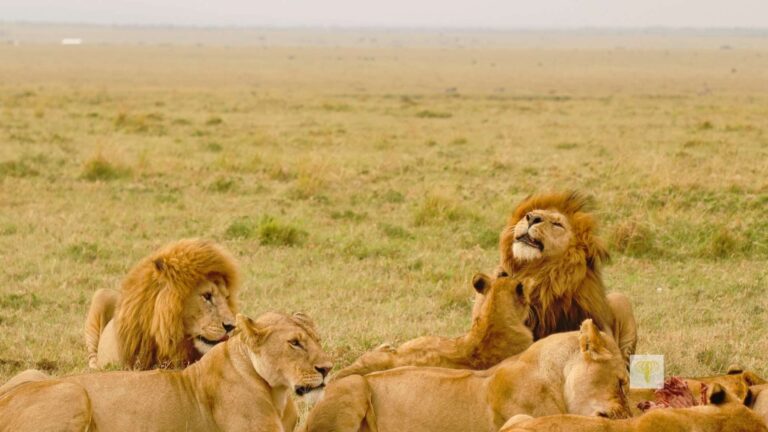
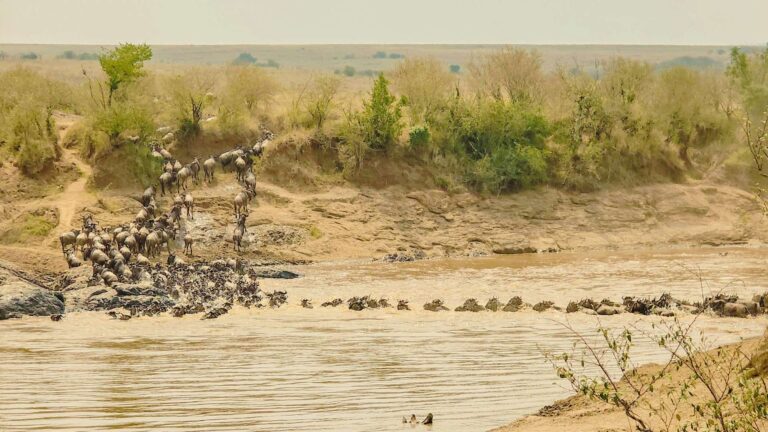
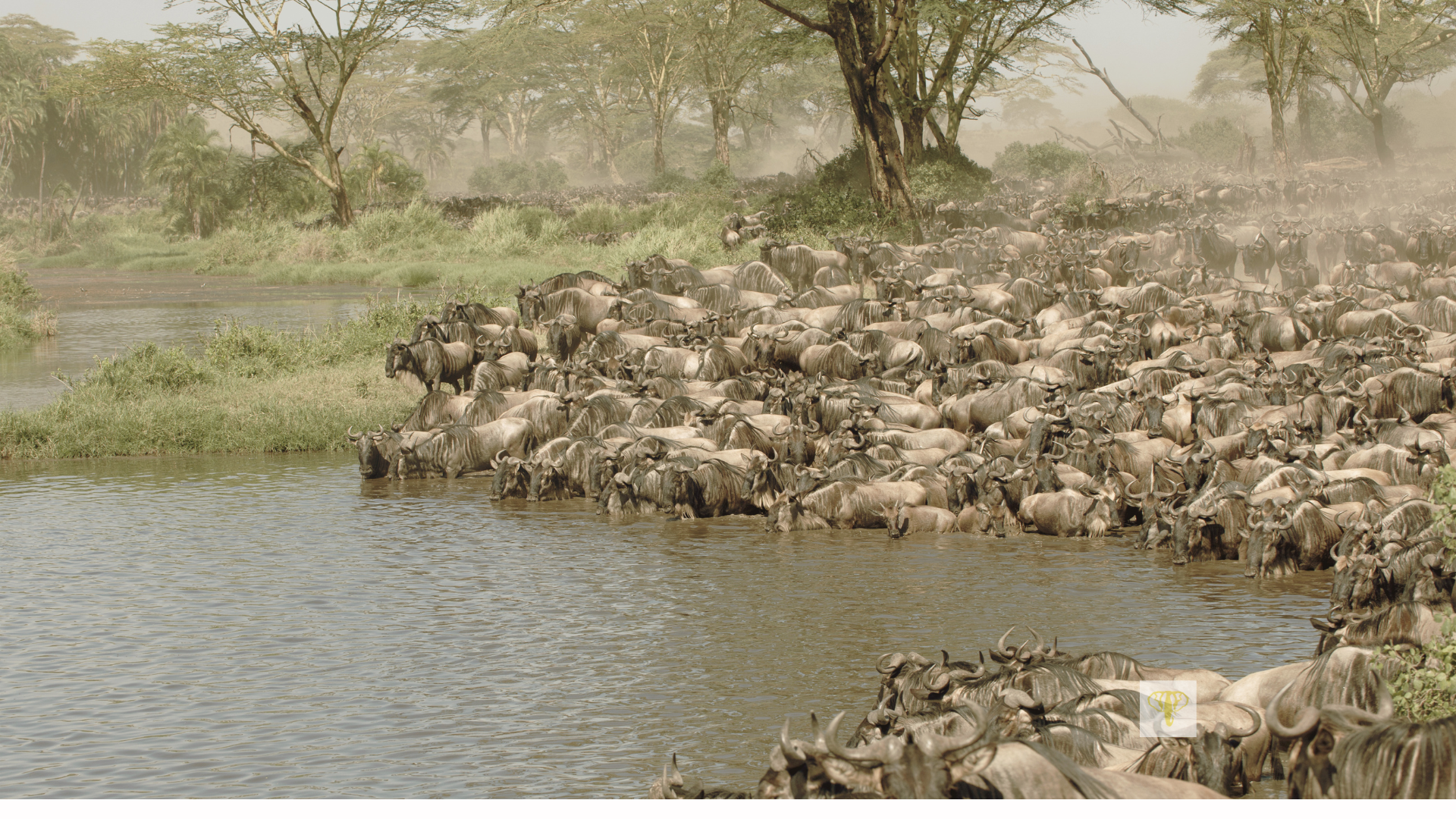
The vast, open landscape of the Serengeti feels like an endless carpet of grass. It is primarily known for the Great Migration, where wildebeest, zebras, and gazelles embark on a perilous journey. A true spectacle of nature – and a year-round hotspot for big cats and wildlife.
From €1,195 per person*
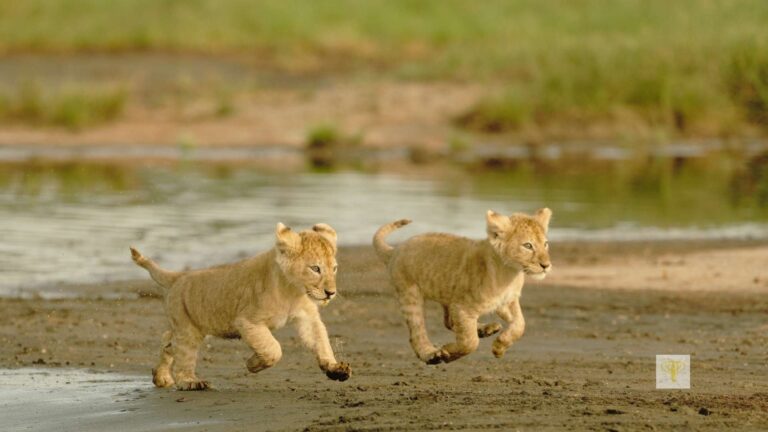
Inside a giant volcanic caldera lies a fascinating ecosystem: The Ngorongoro Crater is home to countless animal species – from lions and buffaloes to rare black rhinoceroses. The dense grasslands, small lakes, and hills make every game drive an exceptional nature experience.
From €495 per person*
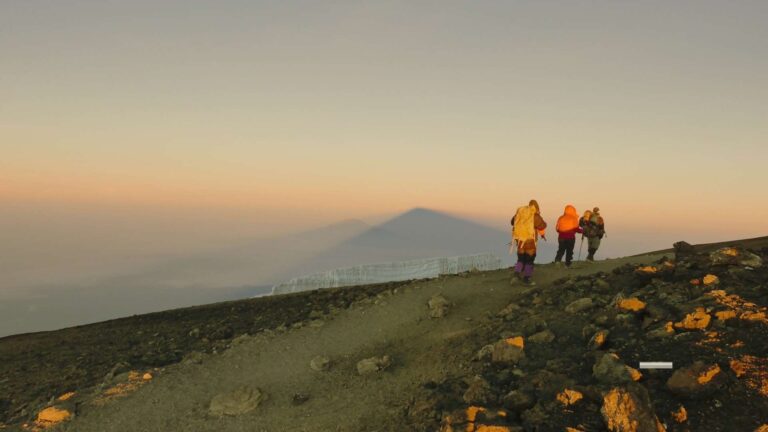
To stand on the highest point in Africa – a lifelong dream for many. The majestic Kilimanjaro is not just a mountain, but an experience. Various routes offer suitable options for beginners and experienced hikers alike, accompanied by impressive landscapes and changing climate zones.
From EUR 2,095 p.p.*
Those looking for relaxation after a safari will find it on Zanzibar: turquoise waters, fine sand, and colonial history in Stone Town. Whether diving at colorful reefs or simply lounging in a hammock – your vacation can come to a wonderful close here.
From 295 EUR per person*
Those who love elephants will love Tarangire. Huge herds roam the landscape, characterized by impressive baobab trees and vast plains. Bird lovers will also get their money's worth with over 500 species.
From €495 per person*
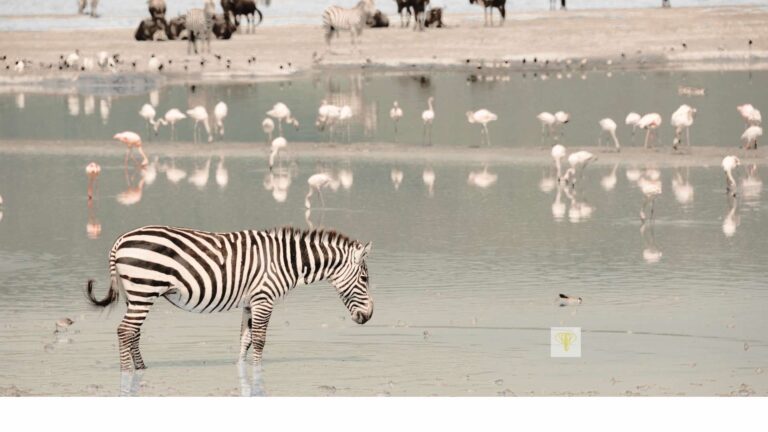
Hidden between steep cliffs and hot springs lies a small but incredibly biodiverse national park. Thousands of flamingos gather seasonally on the alkaline Lake Manyara – a magical sight. Baboons, elephants, and tree-climbing lions are also not uncommon here.
From €495 per person*
Ruaha National Park in the heart of Tanzania impresses with its untouched nature and rich wildlife. Vast savannas, the mighty Ruaha River, and breathtaking landscapes offer ideal conditions for exciting safaris away from the hustle and bustle.
From €1,195 per person*
Arusha City in northern Tanzania is considered the gateway to the most famous national parks. Markets, cafes, and cultural centers characterize the vibrant cityscape between Kilimanjaro and the Serengeti. Its authentic atmosphere makes it unique.
Starting from 145 EUR per person*
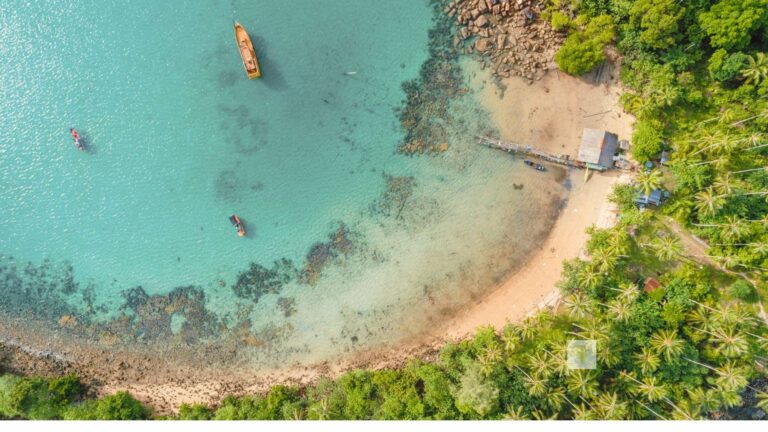
Mafia Island lies off the southern coast of Tanzania and is a paradise for divers, those seeking tranquility, and nature lovers. The protected marine reserve, white beaches, and relaxed island life make the small island the ideal retreat after a safari.
From €1,295 per person*
Nyerere National Park in southern Tanzania is Africa's largest national park. The Rufiji River, miombo woodlands, and vast plains create perfect conditions for wildlife viewing away from the crowds. Its wild, untouched nature makes every visit unforgettable.
Starting from EUR 645 p.p.*
All prices listed are former prices for short and price-optimized trips. Current prices may be higher due to the respective season and inflation. Our terms and conditions apply.
Ruaha Nationalpark: Tansanias verborgenes Juwel für authentische Safari-Erlebnisse (Guide 2025)
Der Ruaha Nationalpark etabliert sich als herausragendes Reiseziel für anspruchsvolle Safari-Enthusiasten, die authentische Wildniserlebnisse fernab überfüllter Touristenrouten suchen. Mit einer Fläche von über 20.000 Quadratkilometern repräsentiert dieser zentral gelegene Nationalpark Tansanias zweitgrößtes Schutzgebiet und beherbergt eine außergewöhnliche Konzentration von Wildtieren, darunter über 16.000 Elefanten und etwa 10% der weltweiten Löwenpopulation. Die einzigartige geografische Position ermöglicht die Beobachtung sowohl ost- als auch südafrikanischer Fauna und Flora, während die relative Abgeschiedenheit intensive, ungestörte Naturerlebnisse garantiert. Dieser umfassende Ratgeber bietet fundierte Informationen zur optimalen Reiseplanung, von detaillierten Aktivitätsmöglichkeiten über die beste Reisezeit bis hin zu praktischen Aspekten wie Anreise, Unterkünften und Kostenplanung.
- Der Ruaha Nationalpark – Tansanias verborgenes Juwel für authentische Safari-Erlebnisse
- Faszinierende Fakten und Zahlen aus dem Ruaha Nationalpark
- Die atemberaubende Tierwelt des Ruaha Nationalparks: Ein Paradies für Tierbeobachtungen
- Unvergessliche Safari-Erlebnisse und Aktivitäten im Ruaha Nationalpark
- Die beste Reisezeit für Ihren Besuch im Ruaha Nationalpark: Klima und Saison-Highlights
- Anreise zum Ruaha Nationalpark: So erreichen Sie das Herzstück Tansanias
- Unterkünfte im Ruaha Nationalpark: Von luxuriösen Lodges bis zu authentischen Bush Camps
- Planning Your Ruaha National Park Safari: Important Tips, Costs, and Packing List
- Why Ruaha National Park is a must-see for discerning safari enthusiasts
- Conclusion: Your unforgettable adventure in Ruaha National Park awaits you
- Frequently Asked Questions (FAQ) about Ruaha National Park
1. Ruaha National Park – Tanzania's Hidden Gem for Authentic Safari Experiences
Ruaha National Park is considered by Africa experts to be one of East Africa's most remarkable yet relatively undiscovered national parks. Its central location in Tanzania, about 79 miles west of the town of Iringa, positions it far from the heavily traveled northern safari circuit. This geographical remoteness results in significantly lower visitor numbers, thus allowing for exclusive, undisturbed wilderness experiences. The park is part of an extensive 57,916 square mile wilderness ecosystem, which also includes the Rungwa and Usangu Game Reserves and other protected areas.
The special attraction of Ruaha National Park results from the unique combination of different vegetation zones and animal communities. Here, Central African rainforests blend with the characteristic acacia trees of the eastern savanna, resulting in the presence of.
Discover other tours
All prices listed are former prices for short and price-optimized trips. Current prices may be higher due to the respective season and inflation. Our terms and conditions apply.
2. Fascinating Facts and Figures from Ruaha National Park
Geographical Location and Impressive Size: Tanzania's Largest National Park
The Ruaha National Park covers an area of 20,226 square kilometers, making it Tanzania's second-largest national park and one of the largest protected areas in the entirety of East Africa. The park's north-southwest expanse measures approximately 260 kilometers, illustrating its impressive dimensions. To put its size into perspective, the park could easily encompass all of Montenegro or nearly two countries the size of Qatar.
The average elevation is about 1,000 meters above sea level, with individual mountain peaks in the western part of the park reaching heights of up to 1,800 meters. A portion of Ruaha National Park is part of the Great African Rift Valley and is divided by a striking escarpment, 200 to 300 meters high. This geological formation gives the landscape its characteristic structure, with a southern valley and a northern plateau.
The unique landscape: From the Great Ruaha River to the majestic baobab trees
The Great Ruaha River, which gives the park its name, forms the southeastern boundary of the park and is its most important water source. This river, over 900 kilometers long, originates in the Kipengere Mountains and eventually flows into the Rufiji in the Selous Game Reserve. During the dry season, the Ruaha River acts as a crucial water source, attracting correspondingly large numbers of wildlife, which creates optimal conditions for wildlife viewing.
The park's vegetation is characterized by exceptional diversity, with over 1,650 registered plant species. Extensive Miombo and acacia woodlands, as well as impressive baobab trees that give the landscape its distinctive silhouette, are characteristic. The landscape ranges from dense forests to open savannas, riverine landscapes, and hill ranges, thus creating diverse habitats for various animal species.
History and Development: From Wildlife Reserve to Significant Protected Area
The protection history of Ruaha National Park dates back to 1910 when the area was first designated as Saba Game Reserve by the German colonial administration. After being taken over by the British administration in 1946, it was renamed Rungwa Game Reserve. The area finally gained the status of an independent national park in 1964 when the southern part was separated from the Rungwa Game Reserve. The park underwent a significant expansion in 2008, reaching its current size of 20,226 square kilometers. This enlargement established Ruaha as Tanzania's largest national park until it was surpassed in 2019 when parts of the Selous Game Reserve were converted into Nyerere National Park. The name "Ruaha" is derived from the Hehe people, in whose language "Luhava" translates to "Great River.".
Travel Planner Hamburg & Frankfurt Office
- 10 years of customer service experience
- Contact person for rebookings, itinerary changes & emergencies
- Fluent in German & English
Berlin Travel Planner Office
- Traveled multiple times in Africa
- Contact person for risk prevention & travel preparation
- Fluent in German & English
Tour planner
- Contact person for travel from Africa
- Speaks English & Igbo
3. The breathtaking wildlife of Ruaha National Park: A paradise for wildlife viewing
Giants of the Savannah: Ruaha's Famous Elephant Populations
Ruaha National Park is home to one of the largest elephant populations in East Africa, with an estimated 16,000 individuals. This number represents 35% of the East African elephant population and 7% of the total African elephant population. The impressive concentration of these large mammals is due to the park’s optimal living conditions, particularly the availability of sufficient water and food. During the dry season, elephant herds gather along the Ruaha River, offering spectacular viewing opportunities.
The elephants of Ruaha National Park have special ecological significance as "landscape architects" because their activities greatly influence vegetation and create habitats for other species. Their migrations follow traditional routes that have been established over generations and represent important corridors between different protected areas.
Raubkatzen hautnah: Löwenrudel, Leoparden und Geparden in ihrem natürlichen Lebensraum
Mit etwa 40% der gesamten Löwenpopulation Tansanias und 10% der weltweiten Löwenpopulation stellt der Ruaha Nationalpark ein bedeutendes Schutzgebiet für diese majestätischen Raubtiere dar. Die Löwenrudel des Parks sind für ihre beeindruckende Größe bekannt, mit Gruppen von über 30 Individuen, die gemeinsam große Territorien beanspruchen. Diese außergewöhnlich großen Rudel entwickeln sich aufgrund des reichen Nahrungsangebots, insbesondere der großen Büffelherden, die ihre bevorzugte Beute darstellen.
Leoparden sind ebenfalls im Park anzutreffen, jedoch aufgrund ihrer scheuen und nachtaktiven Lebensweise seltener zu beobachten. Geparden bevorzugen die offeneren Savannengebiete des Parks, wo sie ihre charakteristische Jagdstrategie optimal einsetzen können. Die Anwesenheit aller drei großen afrikanischen Raubkatzenarten macht den Ruaha Nationalpark zu einem erstklassigen Ziel für Raubtierbeobachtungen.
Seltene und endemische Arten: Afrikanische Wildhunde, Großer und Kleiner Kudu, Rappen- und Pferdeantilopen
Der Ruaha Nationalpark fungiert als wichtiger Rückzugsort für die stark bedrohten Afrikanischen Wildhunde, eine der seltensten Raubtierarten Afrikas. Diese hochsozialen Jäger leben in Rudeln und sind für ihre außergewöhnlich erfolgreiche Jagdstrategie bekannt. Die relativ ungestörten Lebensräume des Parks bieten optimale Bedingungen für die Aufzucht der Welpen und die Etablierung stabiler Rudel.
Unter den Antilopenarten zeichnet sich der Park durch eine bemerkenswerte Vielfalt aus. Sowohl der Große als auch der Kleine Kudu sind regelmäßig anzutreffen, wobei ersterer besonders durch seine imposante Erscheinung und die charakteristische Spiralform der Hörner auffällt. Rappen- und Pferdeantilopen repräsentieren weitere Highlights der Parkfauna, die aufgrund ihrer Seltenheit und Schönheit besonders geschätzt werden. Die Rappenantilope ist durch ihr glänzend schwarzes Fell und die langen, geraden Hörner unverwechselbar, während die Pferdeantilope durch ihre rötlich-braune Färbung charakterisiert wird.
Ein Eldorado für Vogelliebhaber: Über 570 Vogelarten entdecken
Mit über 570 registrierten Vogelarten etabliert sich der Ruaha Nationalpark als wahres Paradies für Ornithologen. Diese beeindruckende Artenvielfalt umfasst sowohl Standvögel als auch Zugvögel aus Europa und Nordafrika, die zwischen November und April im Park anzutreffen sind. Zu den charakteristischen Arten gehören verschiedene Nashornvögel, darunter der endemische Tanzanian Red-billed Hornbill, der nach dem Park benannt wurde.
Weitere bemerkenswerte Arten sind der Ashy Starling und der Yellow-collared Lovebird, beides tanzanische Endemiten. Raubvögel sind durch verschiedene Arten vertreten, darunter der African Fish-eagle und während der Monate Dezember und Januar der seltene Eleonora's Falcon. Die Vielfalt der Lebensräume ermöglicht die Koexistenz verschiedenster ökologischer Nischen für Eisvögel, Nektarvögel, Bienenfresser und Racken.
4. Unvergessliche Safari-Erlebnisse und Aktivitäten im Ruaha Nationalpark
Klassische Pirschfahrten (Game Drives): Die Wildnis im offenen Geländewagen erkunden
Pirschfahrten in offenen Safari-Fahrzeugen repräsentieren die klassische und effektivste Methode zur Wildtierbeobachtung im Ruaha Nationalpark. Die Fahrzeuge sind speziell für Safari-Bedingungen konzipiert und verfügen über Sonnendächer sowie erhöhte Sitzpositionen für optimale Sicht. Typischerweise werden zwei Fahrten pro Tag angeboten: eine morgendliche Tour, die oft mit einem Picknickfrühstück in der Wildnis kombiniert wird, und eine abendliche Fahrt, die häufig einen Sundowner-Stopp beinhaltet.
Die professionellen Guides stammen meist aus der Region und verfügen über langjährige Erfahrung im Ruaha Nationalpark. Ihre detaillierten Kenntnisse der Tierverhaltensweisen und Aufenthaltsorte maximieren die Erfolgsaussichten für außergewöhnliche Wildtierbegegnungen. Die etwa 400 Kilometer erschlossenen Wege ermöglichen das Durchqueren verschiedenster Lebensräume und erhöhen die Wahrscheinlichkeit, die gesamte Bandbreite der Parkfauna zu erleben.
Intensive Naturerlebnisse: Geführte Walking Safaris (Buschwanderungen) mit erfahrenen Guides
Walking Safaris bieten eine völlig andere Perspektive auf die afrikanische Wildnis und ermöglichen ein intensiveres Naturerlebnis. Unter Begleitung geschulter und erfahrener Guides können Besucher die Komplexität und Ruhe der Wildnis zu Fuß erleben. Diese Aktivität erlaubt detaillierte Beobachtungen kleinerer Lebensformen, Spurenlesen und das unmittelbare Erleben der mächtigen Baobab-Bäume, deren glatte, warme Rinde direkt ertastet werden kann.
Die Sicherheit der Teilnehmer wird durch die Anwesenheit bewaffneter, ausgebildeter Guides gewährleistet. Walking Safaris vermitteln ein tieferes Verständnis für die ökologischen Zusammenhänge und ermöglichen die Wahrnehmung subtiler Aspekte der Natur, die bei Fahrzeug-Safaris oft übersehen werden. Die Stille der Wildnis und die Möglichkeit, Tierverhalten aus nächster Nähe zu beobachten, schaffen unvergessliche Erlebnisse.
Magische Momente: Nachtpirschfahrten und die Geräusche der afrikanischen Nacht
Nachtpirschfahrten eröffnen Einblicke in die nächtliche Aktivität der Tierwelt und ermöglichen Begegnungen mit nachtaktiven Arten, die sich tagsüber verborgen halten. Diese Fahrten müssen im Voraus gebucht werden und bieten die Möglichkeit, sowohl kleinere nachtaktive Arten wie Ginsterkatzen, Zibetkatzen und Stachelschweine als auch Großraubtiere wie Löwen und Leoparden in ihrem natürlichen nächtlichen Verhalten zu beobachten.
Die besondere Atmosphäre der afrikanischen Nacht, verstärkt durch die charakteristischen Geräusche der Wildnis, schafft eine völlig andere Safari-Erfahrung. Die Verwendung spezieller Suchscheinwerfer ermöglicht das Aufspüren und Beobachten von Tieren, während die natürlichen Geräusche der Nacht eine einzigartige akustische Kulisse bilden. Diese Aktivität bietet eine spannende Ergänzung zu den klassischen Tagespirschfahrten.
Optionale Abenteuer: Ballonsafaris und Fly Camping für das besondere Erlebnis
Balloon safaris represent an extraordinary opportunity to experience Ruaha National Park from a bird's-eye view. These early morning flights begin before sunrise and typically follow the course of the Ruaha River to its Mwagusi River estuary. The approximately one-hour flights offer spectacular views of the endless wilderness and provide unique aerial photo opportunities of the landscape and wildlife.
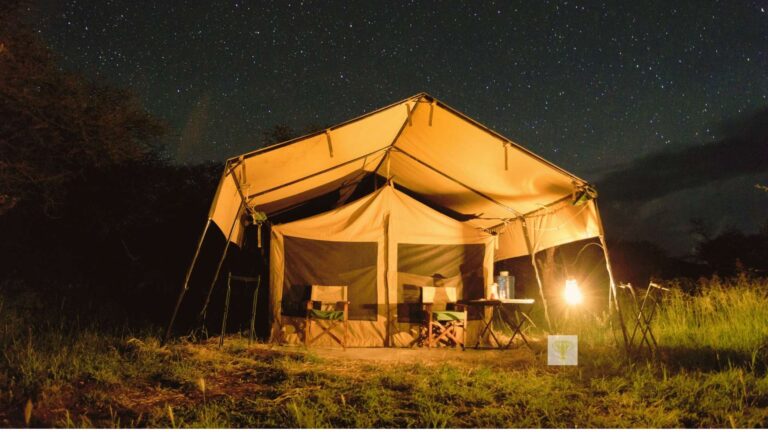
Fly camping presents another exclusive activity option, offered only during the dry season. Guests spend a night in the wilderness in simple tents, far from permanent accommodations. Meals are prepared over an open fire, providing an authentic bush experience. This activity requires a longer minimum stay at the respective lodge and offers the ultimate wilderness experience for adventurous visitors.
Super organization and great guide

Super organized safari with a really great guide. Thank you Joseph for making this week an indescribable experience!
May 2025
Super organization and great guide
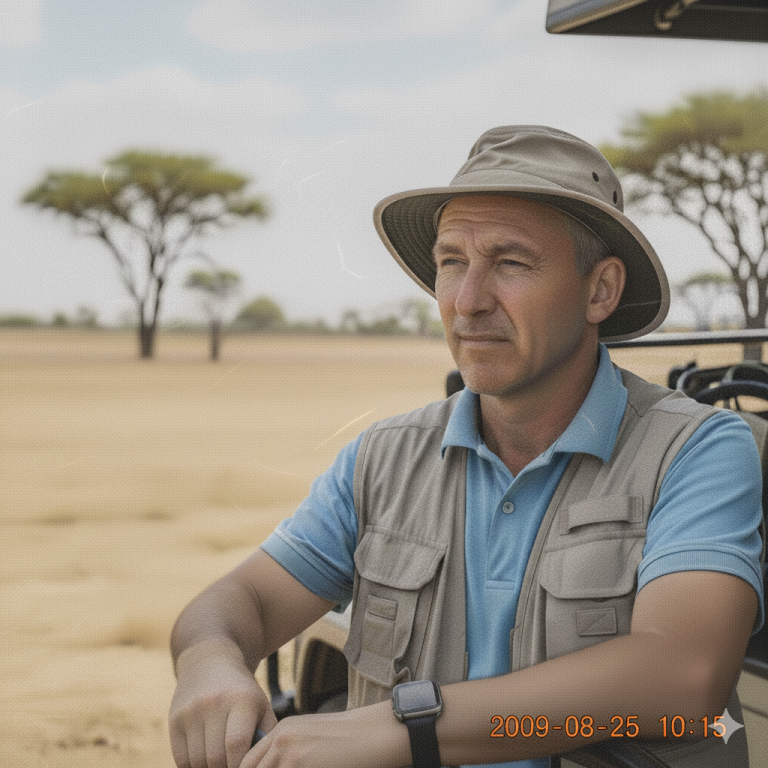
Communication via email and video call was straightforward. Mr. Justus was super friendly and patient, and I never felt like he was trying to „sell“ me something.
January 2024
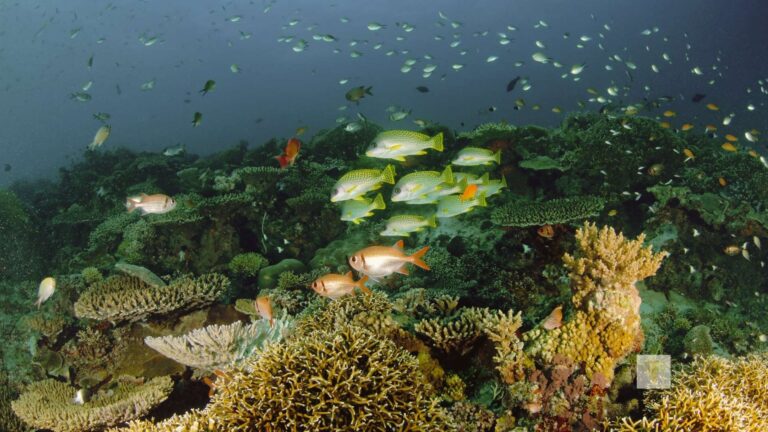
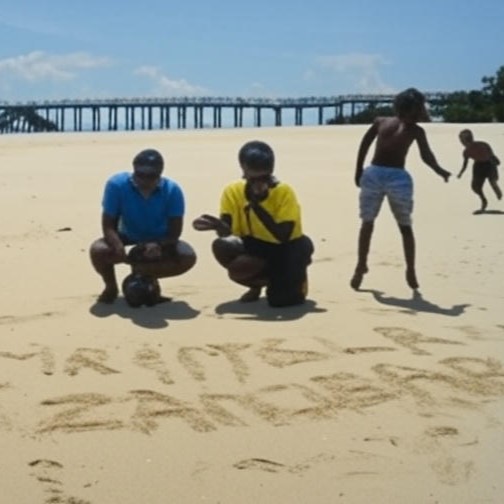
Visa Support was amazing.
The Tansaina Safari team helped my family and me with our visas and found affordable flights from Nigeria that we wouldn't have found ourselves. Highly, highly recommendable for travelers from Africa!!
August 2024
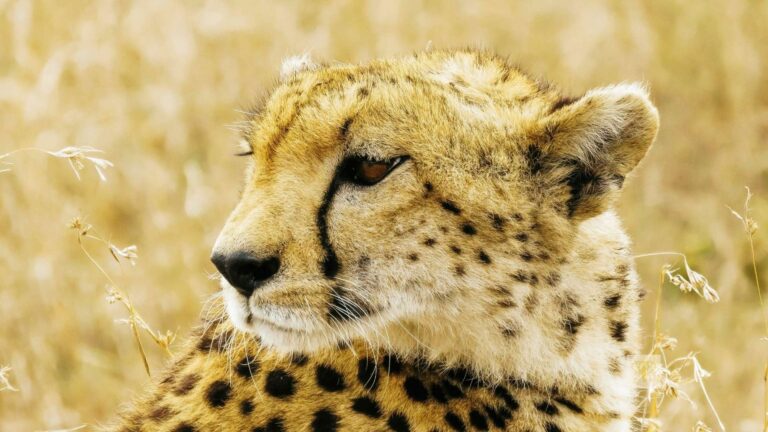
Fair prices
Mr. Justus provided us with excellent advice. He responded very quickly, took our wishes into account, and created an affordable route through the Serengeti. Thank you very much for the great service!
January 2024
Competent contact persons
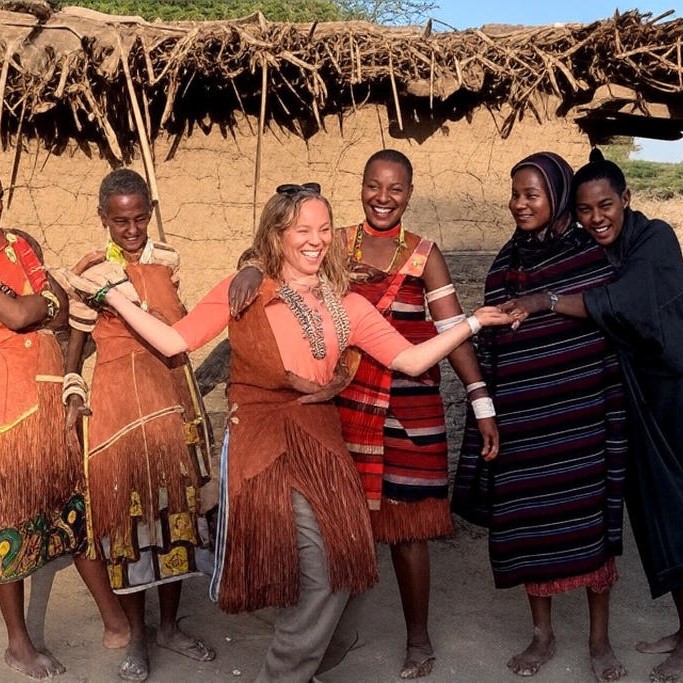
Travel advisor Dominic Dreiner advised us excellently, and it was evident that he enjoys his job. As we are experienced with life and travel, we can say: it doesn't get any better.
February 2025
5. The best time to visit Ruaha National Park: Climate and seasonal highlights
Optimal Wildlife Viewing: The Dry Season from June to October
The dry season from June to October is considered the optimal travel time for wildlife viewing in Ruaha National Park. During this period, water resources are concentrated in a few remaining sources, particularly the Ruaha River, which causes large numbers of wild animals to gather in the river areas. This concentration allows for spectacular wildlife encounters with minimal search time.
Temperatures range between 28°C in June (coldest month) and about 32°C in October, with cool nights between 19°C and 24°C. Rainfall is minimal, keeping road conditions optimal and all parking areas easily accessible. Sparse vegetation greatly aids in wildlife viewing, as sightlines are reduced by dense undergrowth.
Green Landscapes and Bird Paradise: The Advantages of the Rainy Season from November to May
The rainy season from November to May transforms Ruaha National Park into a green, lush landscape and is the optimal time for birdwatching. During this period, European and North African migratory birds can be found in the park, further enhancing the already impressive bird diversity. The vegetation reaches its full splendor, giving the park a completely different, particularly photogenic appearance.
The rainy season also offers advantages for wildlife viewing, as many species adapt their reproductive cycles to this period. Newborn animals are frequently observed, which provides particularly interesting subjects for photographers. However, heavy rainfall can affect road conditions and make access to certain park areas difficult.
Climate overview and temperature development over the year
The climate in Ruaha National Park is classified as a tropical savanna climate with a dry winter. Annual temperatures range from an average of 74°F (23°C) in June to 85°F (29°C) in October. Daily temperature variations, averaging 8.9°C, are greater than the annual variations of only 4°C.
February represents the hottest month with daytime high temperatures of 32°C, while June is considered the coldest month. Precipitation distribution shows clear seasonal patterns, with maximum values in January and March and minimum rainfall during the months of June through September. The annual total rainfall is approximately 80.4 inches, with July representing the driest month at only 0.2 inches.
Discover individual routes off the beaten path
Assistance with planning and booking
Personal support before, during, and after the trip
Starting from €1195 per person*
From €495 per person*
Starting from €2,095 per person*
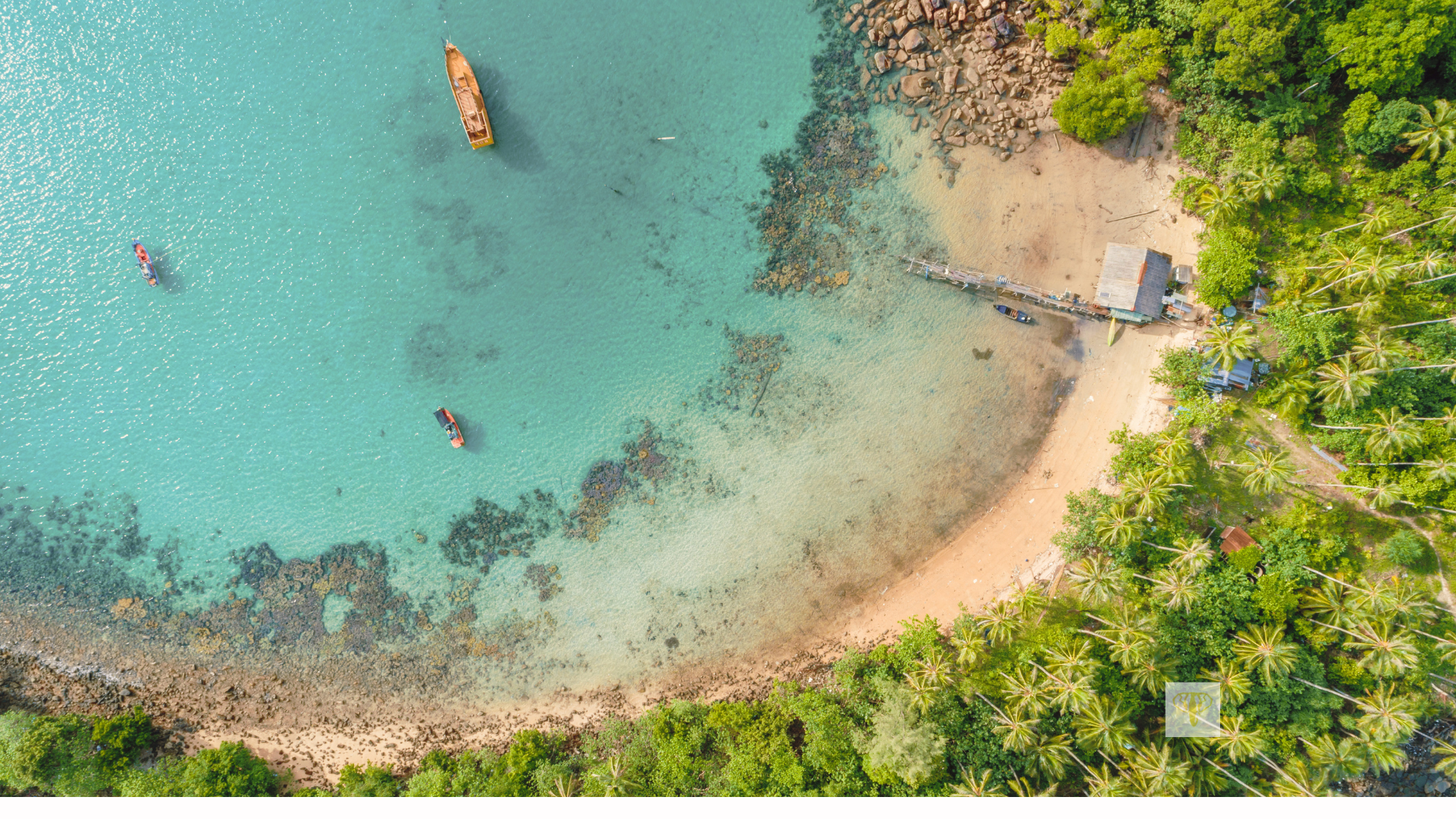
Starting from €295*
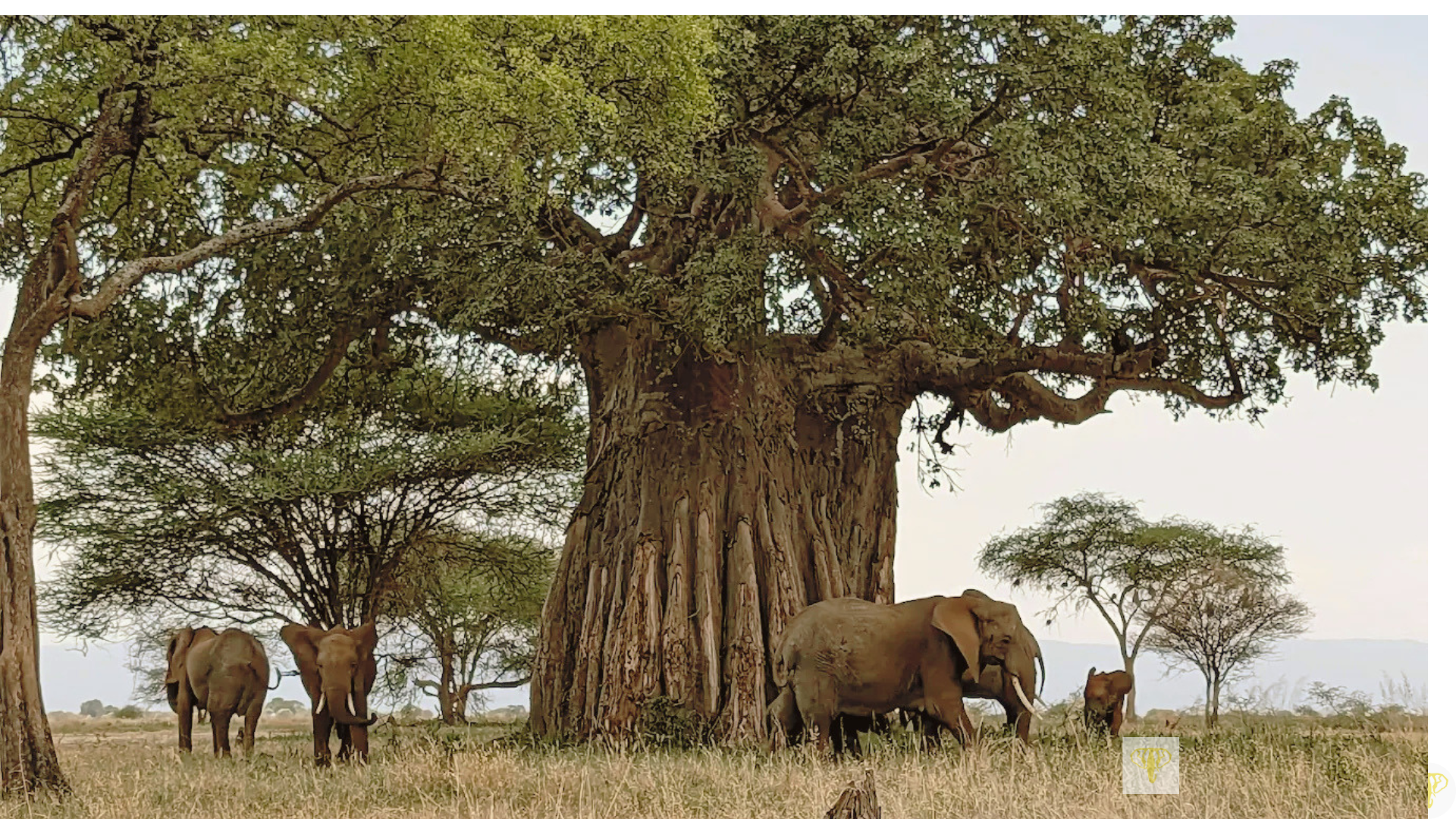
From €495 per person*
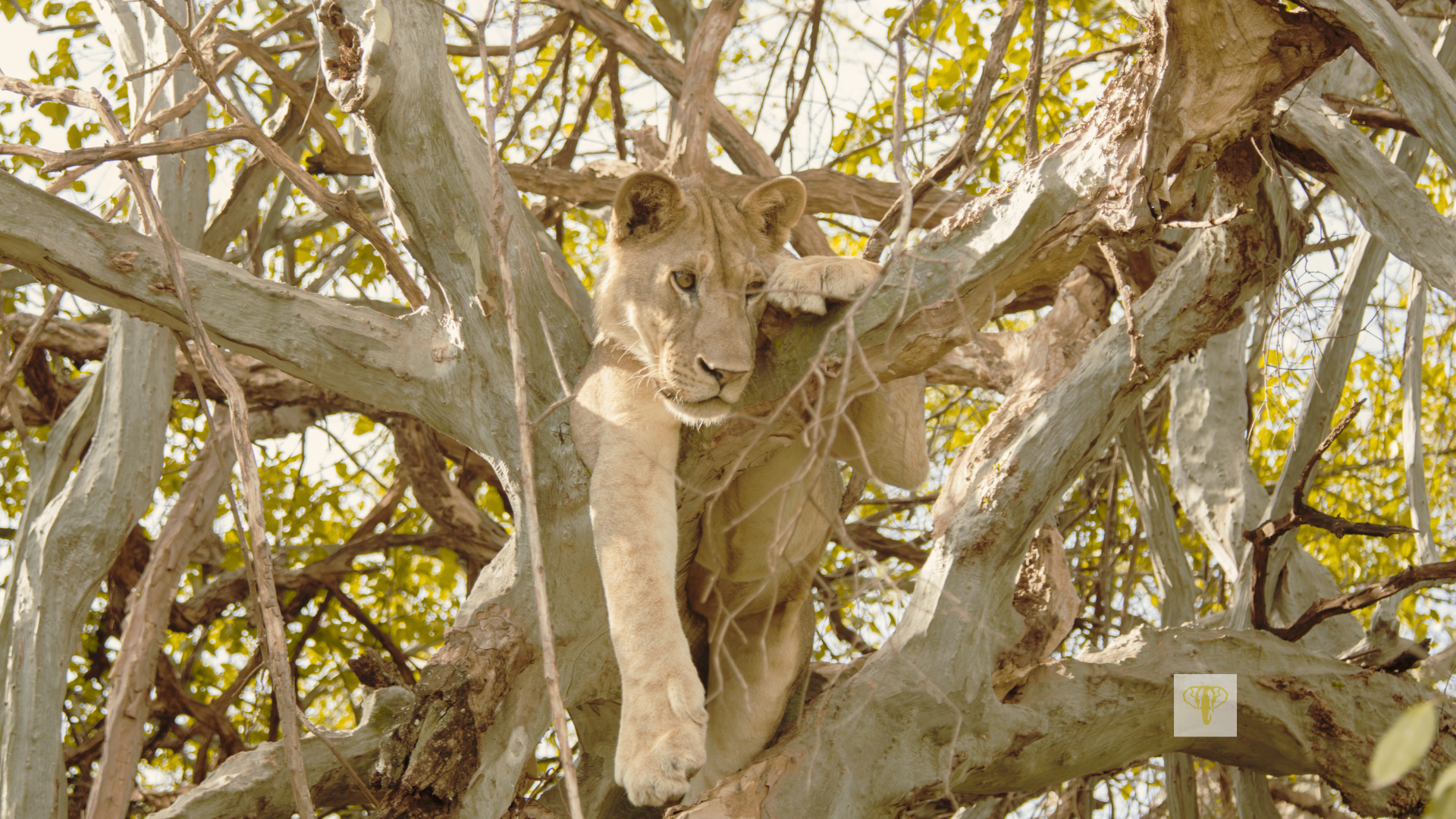
From €495 per person*
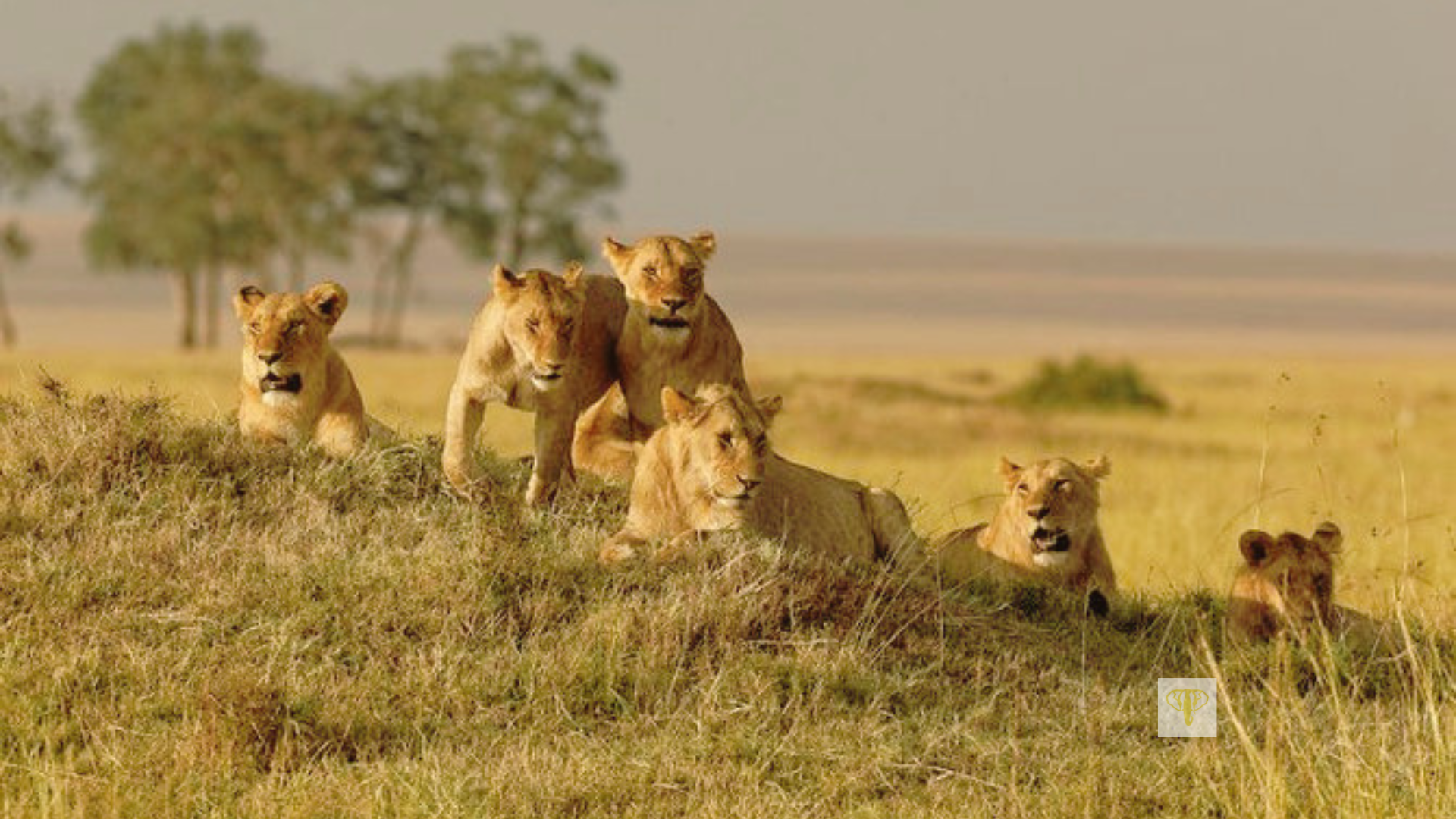
Starting from €1195 per person*
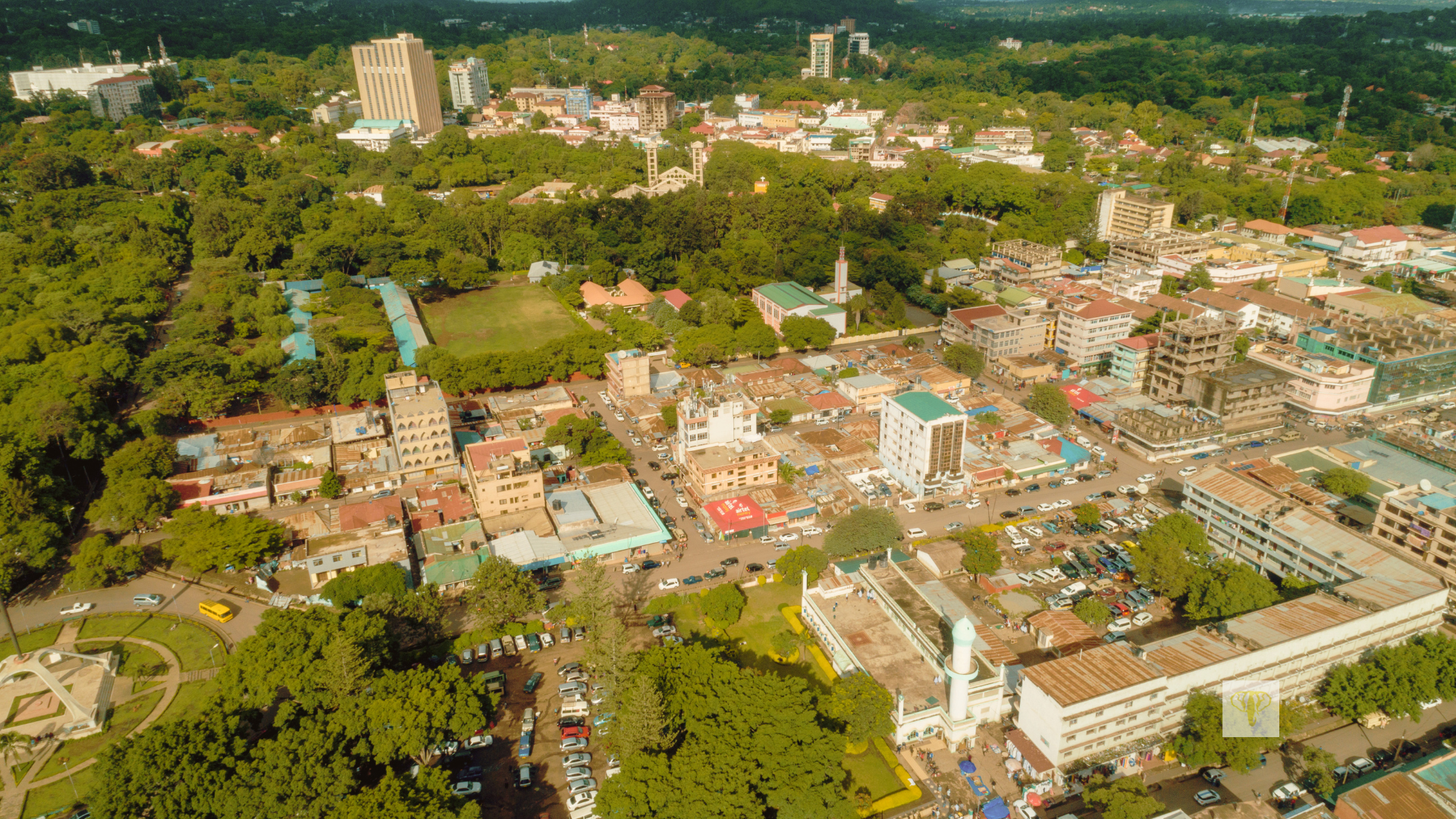
Starting from 145 EUR per person*
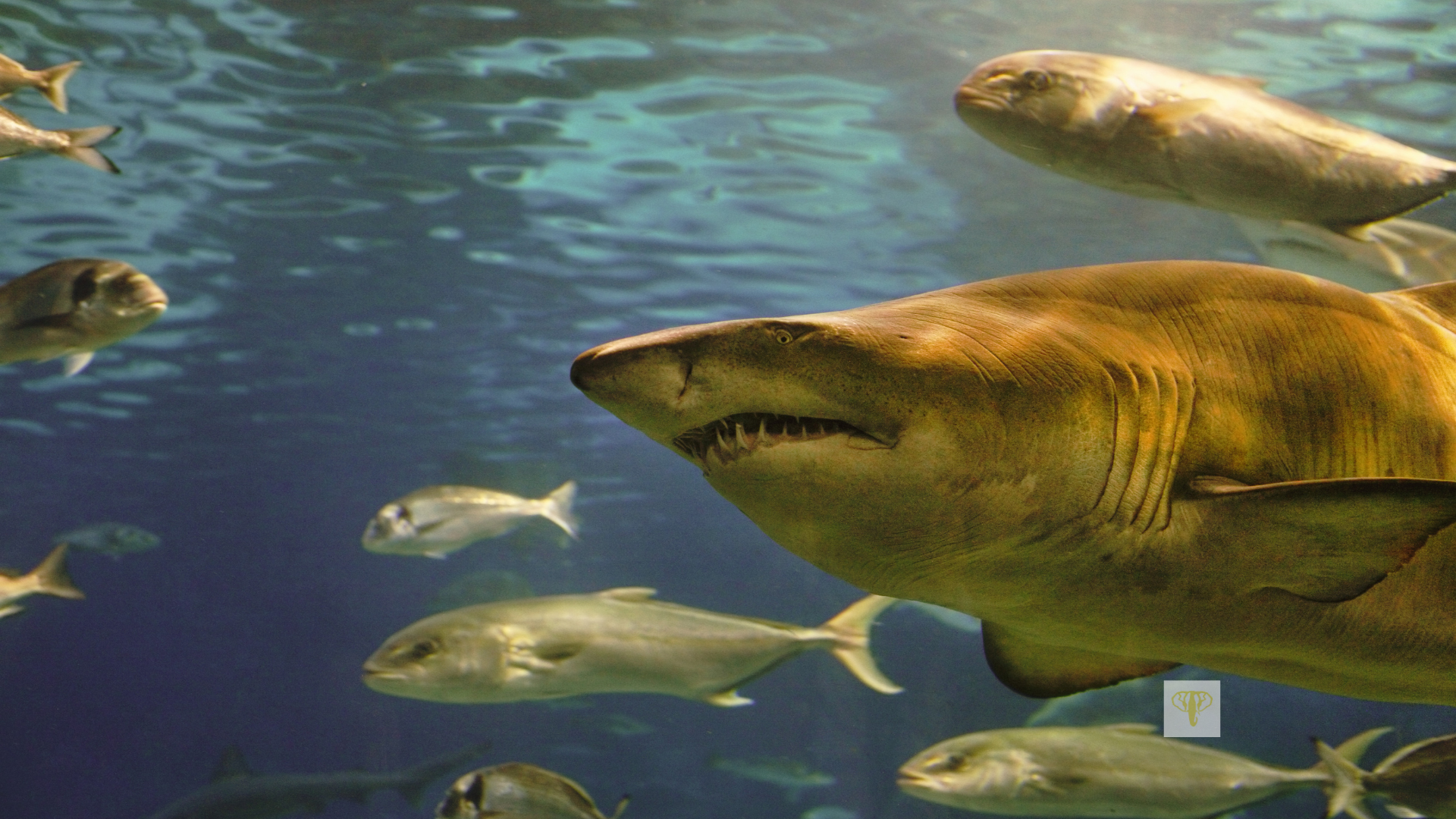
Starting from 1295 EUR*
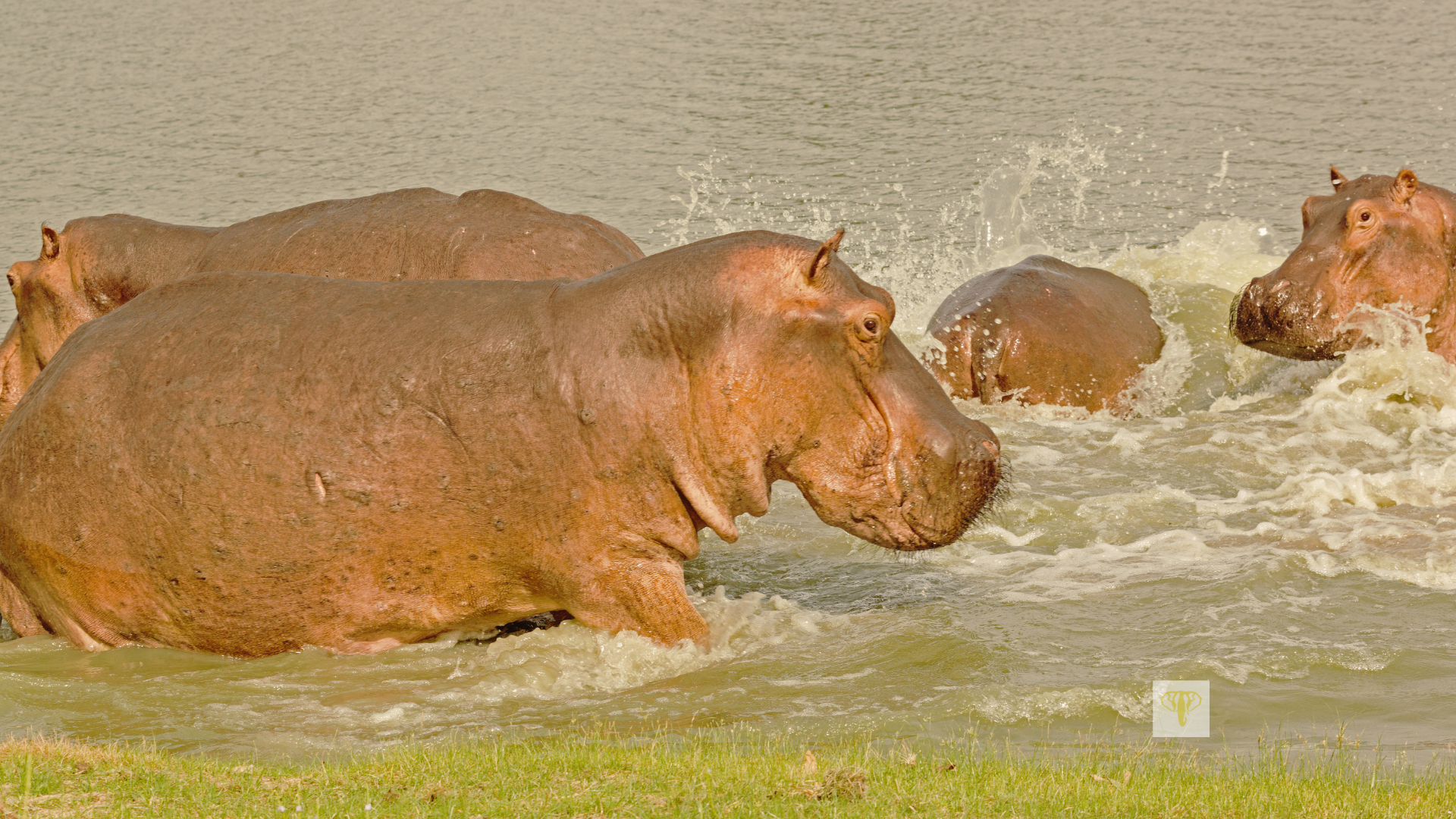
Starting from EUR 645 p.p.*
All prices listed are former prices for short and price-optimized trips. Current prices may be higher due to the respective season and inflation. Our terms and conditions apply.
6. Arrival at Ruaha National Park: How to Reach the Heart of Tanzania
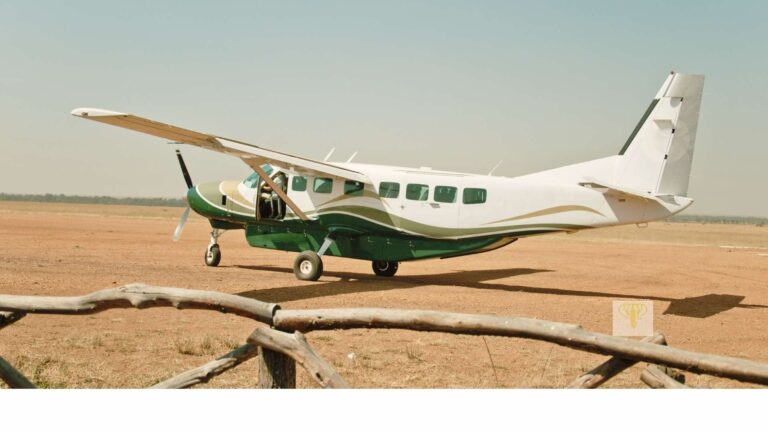
By plane: Domestic flights to Msembe and Jongomero airstrips
Traveling by plane is the most comfortable and time-efficient way to reach Ruaha National Park. The park has two main airstrips: Msembe Airstrip, serving the majority of accommodations within the park, and Jongomero Airstrip, specifically for Jongomero and Usangu Camps. These airstrips are regularly served by charter flights from Dar es Salaam, Arusha, and other major cities in Tanzania.
The flight time from Dar es Salaam is approximately 1.5 hours, which minimizes travel stress and allows more time for safari activities. Many safari companies include flight costs in their package prices, simplifying travel planning. Landing in small aircraft on bush airstrips already imparts an authentic African feel upon arrival.
By Land: Options, Duration, and What to Consider for a Trip
Travel by road typically originates from Dar es Salaam or Iringa, with the journey from Dar es Salaam taking approximately 10-12 hours. The route follows mostly paved roads to Iringa, from where the final 128 kilometers to the park are primarily navigated on gravel tracks. This option is particularly suitable for travelers with ample time and a desire to deeply experience the Tanzanian landscape. Four-wheel-drive vehicles are highly recommended for the approach, especially during the rainy season when road conditions can become more challenging.
The multi-day journey can be broken up with overnight stays in Iringa or other towns along the route. One to two nights outside the park boundaries can both ease the budget and break up the long drive.
passionate tour guide in Tanzania for 6 years
It fills me with pride to show guests the beauty of Tanzania and give them unforgettable moments. I love it when my guests see a lion in the wild for the first time or marvel at the savanna at sunset. It is important to me that my guests feel safe and well looked after – and return home with many beautiful stories.
My profession is not just a job for me, but something I'm passionate about."
7. Accommodations in Ruaha National Park: From Luxury Lodges to Authentic Bush Camps

Exklusive Lodges und luxuriöse Tented Camps für höchsten Komfort
Die Mehrheit der Unterkünfte innerhalb des Ruaha Nationalparks gehört der gehobenen Kategorie an und reicht von gehobener Mittelklasse bis zu Fünf-Sterne-Niveau. Diese Lodges und Tented Camps sind strategisch positioniert, um spektakuläre Ausblicke auf den Ruaha River oder andere landschaftlich reizvolle Gebiete zu bieten. Die Unterkünfte kombinieren authentisches Safari-Ambiente mit modernem Komfort und bieten typischerweise Vollpension sowie alle Safari-Aktivitäten in ihren Paketpreisen.
Viele der gehobenen Unterkünfte verfügen über private Decks oder Terrassen, von denen aus Wildtiere direkt beobachtet werden können. Die Ausstattung umfasst meist komfortable Betten mit Moskitonetzen, private Badezimmer und oft auch Pools zur Erfrischung nach den Safari-Aktivitäten. Die Servicequalität ist durchgehend hoch, mit erfahrenem Personal, das sowohl lokale Kenntnisse als auch internationale Standards mitbringt.
Authentische Bush Camps für das pure Safari-Feeling inmitten der Natur
Bush Camps bieten eine authentischere und unmittelbarere Wildniserfahrung, oft in einfacheren, aber komfortablen Zelten oder Bandas. Diese Unterkünfte konzentrieren sich auf das Wesentliche des Safari-Erlebnisses und minimieren den Komfort zugunsten einer intensiveren Naturverbindung. Das Fehlen von Luxuseinrichtungen wird durch die Nähe zur Wildnis und oft spektakuläre, abgelegene Standorte kompensiert.
Viele Bush Camps bieten spezielle Aktivitäten wie Fly Camping oder Walking Safaris an, die in luxuriöseren Unterkünften seltener verfügbar sind. Die Atmosphäre in diesen Camps ist typischerweise entspannter und weniger formal, wodurch ein authentischeres afrikanisches Busch-Erlebnis entsteht. Die Verpflegung erfolgt meist über Lagerfeuer-Kochen, was zusätzlich zur Atmosphäre beiträgt.
Budgetfreundliche Optionen und öffentliche Campingplätze
Außerhalb der Parkgrenzen, zwischen Tungamalenga und dem Haupttor, befinden sich einige Unterkünfte der einfachen und landestypischen Kategorie. Diese Optionen ermöglichen budgetbewussten Reisenden den Zugang zum Ruaha Nationalpark, erfordern jedoch tägliche Fahrten in den Park für Safari-Aktivitäten. Die Unterkünfte bieten grundlegende Annehmlichkeiten und lokale Küche zu deutlich niedrigeren Preisen als die Lodges im Park.
Öffentliche Campingplätze sind im Park verfügbar und repräsentieren die kostengünstigste Übernachtungsoption. Diese Plätze verfügen über Grundausstattung wie Toiletten und Waschgelegenheiten, erfordern jedoch komplette Selbstversorgung. Campinggebühren bewegen sich zwischen 30–50 USD pro Person und Nacht für öffentliche Plätze. Diese Option eignet sich für erfahrene Afrika-Reisende mit entsprechender Ausrüstung und Erfahrung im Busch-Camping.
8. Ihre Ruaha Nationalpark Safari planen: Wichtige Tipps, Kosten und Packliste
Praktische Packliste für Ihre Safari: Was darf im Gepäck nicht fehlen?
Eine durchdachte Packliste ist entscheidend für eine erfolgreiche Safari im Ruaha Nationalpark. Kleidung in neutralen Farben wie Khaki, Braun oder Grün ist essentiell, während leuchtende Farben, Weiß und Schwarz vermieden werden sollten, da sie Tiere irritieren oder Insekten anziehen können. Für eine 7-tägige Safari werden 3 T-Shirts oder Poloshirts, 2 langärmelige Hemden aus leichter Baumwolle, 2 lange Stoffhosen sowie 1–2 Shorts empfohlen.
Warme Kleidungsschichten sind besonders wichtig, da die Temperaturen in den frühen Morgenstunden und abends erheblich abfallen können. Eine Fleecejacke, leichte Daunenjacke, Mütze, Handschuhe und Schal sind daher unverzichtbar. Zusätzlich sollte eine leichte Wind- oder Regenjacke mitgeführt werden, insbesondere bei Reisen während oder nahe der Regenzeit.
Gesundheit und Sicherheit: Impfungen, Malaria-Prophylaxe und Reiseversicherung
Der Ruaha Nationalpark liegt in einem Malaria-Endemiegebiet, wodurch eine Malaria-Prophylaxe dringend empfohlen wird. Die Konsultation eines Tropenmediziniers vor der Reise ist essentiell, um die aktuell wirksamsten Präventionsmaßnahmen zu erfahren. Zusätzlich zur medikamentösen Prophylaxe sollten Insektenschutzmittel, langärmelige Kleidung für die Abendstunden und Moskitonetze verwendet werden.
Standardimpfungen wie Hepatitis A und B, Typhus und Gelbfieber sind erforderlich, wobei der Gelbfiebernachweis für die Einreise nach Tansania verpflichtend ist. Eine umfassende Reiseversicherung, die auch medizinische Evakuierung abdeckt, ist aufgrund der abgelegenen Lage des Parks besonders wichtig. Die Tsetse-Fliege kommt im gesamten Nationalpark vor, überträgt jedoch in der Regel keine Krankheiten auf Touristen.
Kostenüberblick: Was kostet eine Safari im Ruaha Nationalpark?
Die Kosten für eine Ruaha Safari variieren erheblich je nach Unterkunftskategorie, Aufenthaltsdauer und gewählten Aktivitäten. Parkgebühren für ausländische Erwachsene betragen typischerweise zwischen 50–83 USD pro Tag, abhängig von der spezifischen Klassifizierung des Ruaha Nationalparks. Ballonsafaris kosten etwa 600 USD pro Person, ähnlich den Preisen in der Serengeti.
Gehobene Lodges im Park können zwischen 500–1.500 USD pro Person und Tag kosten, inklusive Vollpension und Safari-Aktivitäten. Mittelklasse-Optionen bewegen sich zwischen 200–500 USD, während budgetfreundliche Unterkünfte außerhalb des Parks ab etwa 50–150 USD verfügbar sind. Flugkosten für Inlandsflüge variieren zwischen 200–500 USD pro Strecke, abhängig von Abflugort und Saison.
Parkgebühren und Genehmigungen: Aktuelle Informationen
The park fees for Ruaha National Park follow the general structure of Tanzanian national parks, with foreign adults paying between $50–$83 per day. Children under 5 years of age receive free entry, while children between 5–15 years pay approximately half the adult rate. Additional camping fees are $30–$50 per person per night for public campsites.
Special activities require additional permits and fees. Walking safaris require special permits arranged through the lodges or tour operators. Night game drives are only allowed in selected areas and must be arranged in advance with the park authorities. Most parks accept credit cards (Visa/MasterCard), bank transfers, and mobile money, with cash in USD or TZS also being accepted.
Combination with other destinations: Ruaha and Southern Tanzania or Zanzibar
Ruaha National Park can be excellently combined with other destinations in southern Tanzania to create a comprehensive safari experience. The nearby Mikumi National Park offers an excellent addition, while the Selous Game Reserve (now Nyerere National Park) provides extended wilderness experiences. This combination allows for the experience of diverse ecosystems and animal populations within a single trip.
A popular option is to combine a Ruaha safari with subsequent relaxation on Zanzibar. The island is accessible both from Dar es Salaam and directly from some airstrips near the park. This combination of an intense safari experience and beach relaxation offers the perfect balance between adventure and recreation. Fly-in safaris allow for seamless transitions between different travel destinations.
Get binding offers quickly
In Germany & Tanzania
Our team is at your side
9. Why Ruaha National Park is a must for discerning safari enthusiasts
Exclusivity and seclusion: fewer visitors, more intense nature experiences
The relative remoteness of Ruaha National Park results in significantly lower visitor numbers compared to Tanzania's well-known northern parks. This exclusivity allows for private, undisturbed wildlife encounters without the distraction of numerous other safari vehicles. The likelihood of experiencing spectacular animal sightings as the only vehicle is much higher in Ruaha than in more frequented destinations.
The low density of tourists significantly enhances the feeling of wilderness and authenticity. Safari guides can act more flexibly and spend more time on interesting sightings without having to consider other tourist groups. These circumstances create ideal conditions for photographers and nature lovers seeking undisturbed, intense experiences.
Untouched wilderness and impressive scenic diversity
Ruaha National Park represents one of the last large-scale, largely untouched wilderness areas in East Africa. The impressive size of over 20,000 square kilometers allows for natural animal migration and behavior without human interference. The landscape diversity ranges from dense Miombo forests and open savannas to dramatic rock formations and river landscapes.
This landscape diversity supports a variety of ecosystems and allows for the coexistence of exceptional biodiversity. Majestic baobab trees lend a timeless, mystical atmosphere to the landscape, while the seasonal changes of the Ruaha River bring about dramatic transformations. This natural variability ensures that every visit offers unique experiences.
Exceptional animal density and the unique combination of East and South African fauna and flora
The geographic position of Ruaha National Park on the border between East and South African bioregions results in a unique blend of species from both regions. This overlap allows for wildlife encounters not possible in other East African parks. The combination of typical East African species with South African elements creates exceptional viewing opportunities.
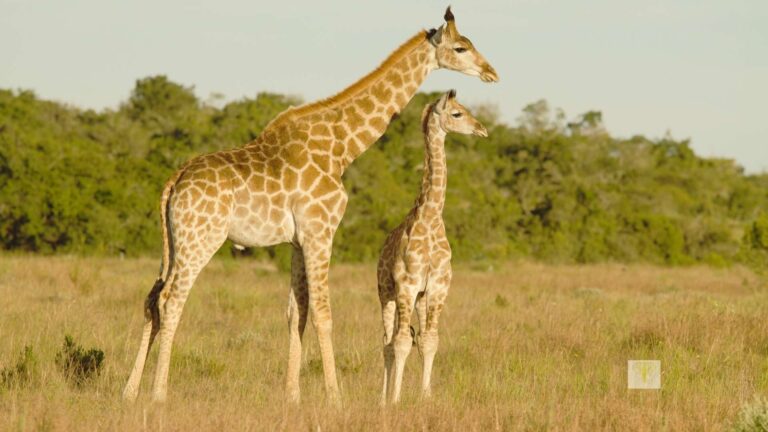
The wildlife density in Ruaha National Park is among the highest in Tanzania, especially during the dry season, when animals congregate around the remaining water sources. The presence of more than 10,000 elephants —estimated to be the largest elephant population in East Africa—as well as large lion prides (around 10% of the remaining African lions live here) and rare species such as African wild dogs in a single protected area is extraordinary. Safari guests also encounter a wide variety of other large animals such as kudus, buffalo, giraffes, zebras, antelopes, hyenas, leopards, cheetahs, as well as hippos and crocodiles along the banks of the Ruaha River. The range of big cats, as well as the diversity of antelope and bird species (over 1,400 plant species and, in some cases, more than 550 different bird species), offers exceptional opportunities for wildlife viewing. This concentration of a wide variety of species in a small area maximizes the chances for spectacular wildlife encounters.
10. Conclusion: Your unforgettable adventure in Ruaha National Park awaits you
Ruaha National Park is establishing itself as an exceptional safari destination for travelers seeking authentic wilderness experiences off the beaten path. The combination of its impressive size, extraordinary wildlife diversity, and relative seclusion creates ideal conditions for immersive, undisturbed encounters with nature. With over 16,000 elephants, 10% of the world’s lion population, and more than 570 bird species, the park offers world-class wildlife experiences.
The diverse activity options, ranging from classic game drives to walking safaris and balloon rides, allow for individually tailored experiences catering to various interests and comfort needs. Accommodations range from luxurious lodges to authentic bush camps, accommodating different budgets and style preferences. Careful planning regarding travel time, packing list, and health precautions maximizes the safari experience and ensures a safe, unforgettable stay in one of Africa's most remarkable conservation areas.
11. Frequently Asked Questions (FAQ) about Ruaha National Park
Is Ruaha National Park safe for tourists?
Der Ruaha Nationalpark gilt als sicheres Reiseziel für Touristen, sofern grundlegende Sicherheitsregeln befolgt werden. Die Anwesenheit erfahrener Guides bei allen Safari-Aktivitäten gewährleistet die Sicherheit der Besucher. Walking Safaris werden ausschließlich von bewaffneten, geschulten Guides begleitet, die über umfassende Erfahrung im Umgang mit Wildtieren verfügen. Die Unterkünfte im Park sind etabliert und verfügen über entsprechende Sicherheitsmaßnahmen.
Wie viele Tage sollte man für den Ruaha Nationalpark einplanen?
Für eine umfassende Ruaha-Erfahrung werden mindestens 3-4 Tage empfohlen. Diese Zeitspanne ermöglicht die Teilnahme an verschiedenen Aktivitäten und erhöht die Wahrscheinlichkeit außergewöhnlicher Wildtierbegegnungen erheblich. Längere Aufenthalte von 5-7 Tagen bieten zusätzliche Möglichkeiten für spezielle Aktivitäten wie Fly Camping oder ausgedehnte Walking Safaris. Die Größe des Parks rechtfertigt ausgedehntere Besuche, da verschiedene Bereiche unterschiedliche Tierkonzentrationen und Landschaften bieten.
Kann man im Ruaha Nationalpark die Big Five sehen?
Der Ruaha Nationalpark beherbergt vier der klassischen Big Five: Elefanten, Löwen, Leoparden und Büffel sind alle regelmäßig anzutreffen. Nashörner sind jedoch nicht im Park vorhanden, wodurch die kompletten Big Five nicht beobachtet werden können. Als Kompensation bietet der Park jedoch andere seltene und beeindruckende Arten wie Afrikanische Wildhunde, die zu den seltensten Raubtieren Afrikas gehören. Die hohen Populationen von Elefanten und Löwen gewährleisten nahezu sichere Sichtungen dieser spektakulären Arten.
Gibt es Malaria im Ruaha Nationalpark?
Ja, der Ruaha Nationalpark liegt in einem Malaria-Endemiegebiet, wodurch entsprechende Vorsichtsmaßnahmen erforderlich sind. Eine medikamentöse Malaria-Prophylaxe wird dringend empfohlen und sollte in Konsultation mit einem Tropenmediziner vor der Reise begonnen werden. Zusätzliche Schutzmaßnahmen umfassen die Verwendung von Insektenschutzmitteln, das Tragen langärmeliger Kleidung in den Abendstunden und die Nutzung von Moskitonetzen. Die meisten Unterkünfte im Park sind entsprechend ausgestattet und unterstützen Gäste bei der Malaria-Prävention.
Get personal advice now

After this call, you have…
- a list of all trips that fit your budget and availability,
- Bookable tours with fixed prices
- and answers to your open questions
- ... and all in under 30 minutes.