
Lake Manyara National Park
Experience the wild heart of Tanzania – embark on a safari in Lake Manyara National Park and discover tree-climbing lions, flamingos, and elephants up close!
Experience the wild heart of Tanzania – embark on a safari in Lake Manyara National Park and discover tree-climbing lions, flamingos, and elephants up close!
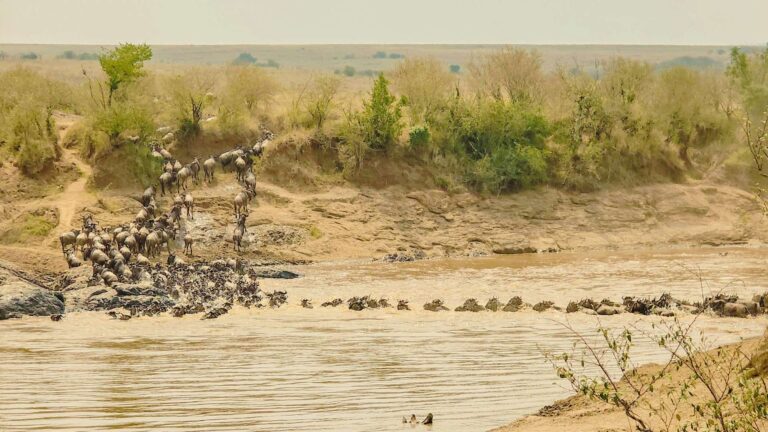
The vast, open landscape of the Serengeti feels like an endless carpet of grass. It is primarily known for the Great Migration, where wildebeest, zebras, and gazelles embark on a perilous journey. A true spectacle of nature – and a year-round hotspot for big cats and wildlife.
From €1,195 per person*
Inside a giant volcanic caldera lies a fascinating ecosystem: The Ngorongoro Crater is home to countless animal species – from lions and buffaloes to rare black rhinoceroses. The dense grasslands, small lakes, and hills make every game drive an exceptional nature experience.
From €495 per person*
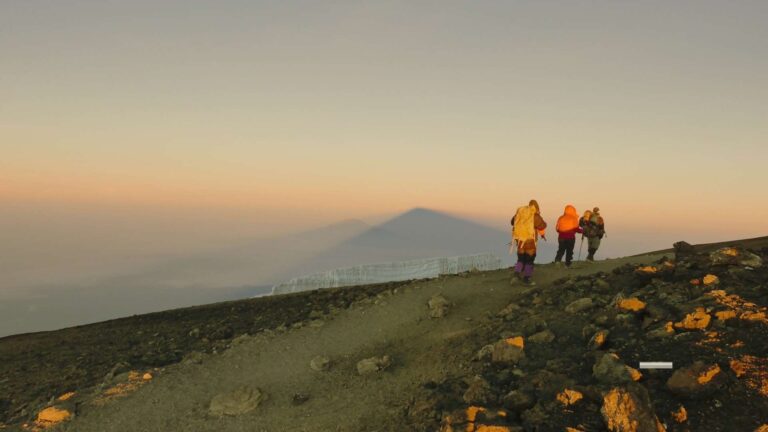
To stand on the highest point in Africa – a lifelong dream for many. The majestic Kilimanjaro is not just a mountain, but an experience. Various routes offer suitable options for beginners and experienced hikers alike, accompanied by impressive landscapes and changing climate zones.
From EUR 2,095 p.p.*
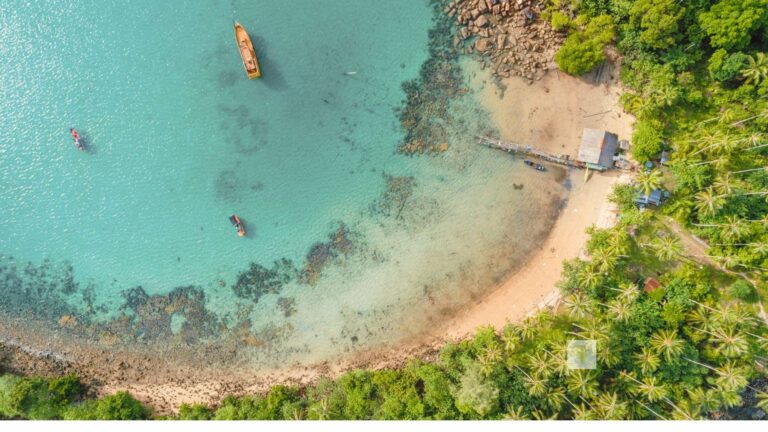
Those looking for relaxation after a safari will find it on Zanzibar: turquoise waters, fine sand, and colonial history in Stone Town. Whether diving at colorful reefs or simply lounging in a hammock – your vacation can come to a wonderful close here.
From 295 EUR per person*
Those who love elephants will love Tarangire. Huge herds roam the landscape, characterized by impressive baobab trees and vast plains. Bird lovers will also get their money's worth with over 500 species.
From €495 per person*
Hidden between steep cliffs and hot springs lies a small but incredibly biodiverse national park. Thousands of flamingos gather seasonally on the alkaline Lake Manyara – a magical sight. Baboons, elephants, and tree-climbing lions are also not uncommon here.
From €495 per person*
Ruaha National Park in the heart of Tanzania impresses with its untouched nature and rich wildlife. Vast savannas, the mighty Ruaha River, and breathtaking landscapes offer ideal conditions for exciting safaris away from the hustle and bustle.
From €1,195 per person*
Arusha City in northern Tanzania is considered the gateway to the most famous national parks. Markets, cafes, and cultural centers characterize the vibrant cityscape between Kilimanjaro and the Serengeti. Its authentic atmosphere makes it unique.
Starting from 145 EUR per person*
Mafia Island lies off the southern coast of Tanzania and is a paradise for divers, those seeking tranquility, and nature lovers. The protected marine reserve, white beaches, and relaxed island life make the small island the ideal retreat after a safari.
From €1,295 per person*
Nyerere National Park in southern Tanzania is Africa's largest national park. The Rufiji River, miombo woodlands, and vast plains create perfect conditions for wildlife viewing away from the crowds. Its wild, untouched nature makes every visit unforgettable.
Starting from EUR 645 p.p.*
All prices listed are former prices for short and price-optimized trips. Current prices may be higher due to the respective season and inflation. Our terms and conditions apply.
Lake Manyara National Park: Your Ultimate Guide to Safaris, Wildlife & Adventure
- Lake Manyara National Park at a Glance: What Makes It So Special?
- The fascinating wildlife of Lake Manyara National Park
- The park's diverse landscapes and ecosystems
- Activities in Lake Manyara National Park: More Than Just Game Drives
- Travel planning for your visit to Lake Manyara National Park
- Combination with other National Parks: The Northern Circuit
- Nature Conservation in Lake Manyara National Park: Preserving a Unique Ecosystem
- Conclusion: Is a visit to Lake Manyara National Park worth it?
- Frequently Asked Questions (FAQ) about Lake Manyara National Park
Lake Manyara National Park at a Glance: What Makes it So Special?
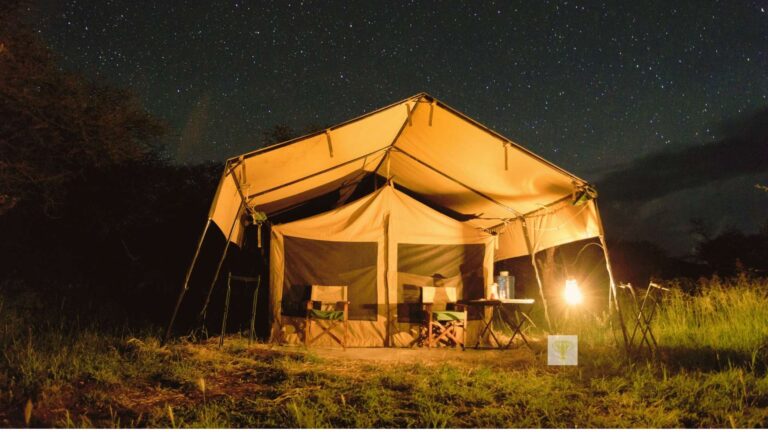
Lake Manyara National Park occupies a unique position in northern Tanzania, serving as a strategic hub between the major national parks of the Northern Circuit. Its location approximately 130 kilometers west of Arusha makes it an ideal stopover on the way to the Serengeti and the Ngorongoro Crater. The park spans an elevation between 960 and 1,828 meters above sea level and covers a total area of 649 square kilometers, of which approximately 220 square kilometers are occupied by the eponymous Lake Manyara.
The park's characteristic silhouette is due to its special geographical position at the foot of the Great African Rift Valley. The 400-meter-high cliffs of the Rift Valley Escarpment form a dramatic western boundary and create unique microclimatic conditions. This geological formation arose 20 to 25 million years ago through the splitting of the Earth's crust and is still recognizable today as a distinctive linear structure across Africa, even from space.
The status as a UNESCO Biosphere Reserve since 1981 underscores the park’s exceptional ecological significance. The reserve is characterized by a remarkable combination of diverse landscape forms and vegetation types, creating a unique scenery of extraordinary diversity and ecological complexity. This variety results from the combination of a wide range of soil types – from nutrient-rich volcanic soils to saline soils along the lake shore, as well as marshes and scree soils in river areas.
Lake Manyara National Park was initially established as a wildlife sanctuary in 1957 and then granted National Park status in 1960. With approximately 178,500 visitors annually, it is one of Tanzania's well-visited but not overcrowded parks. Its strategic importance within the Northern Circuit is underscored by the optimal driving times to other parks: one hour to Tarangire National Park, one hour to the Ngorongoro Conservation Area, and three and a half hours to the Serengeti.
Discover other tours
All prices listed are former prices for short and price-optimized trips. Current prices may be higher due to the respective season and inflation. Our terms and conditions apply.
2. The fascinating wildlife of Lake Manyara National Park
2.1. Famous and Unique: The Tree-Climbing Lions of Manyara
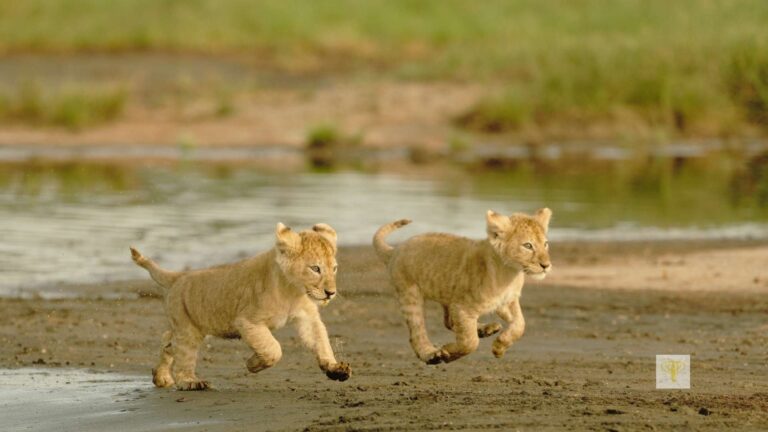
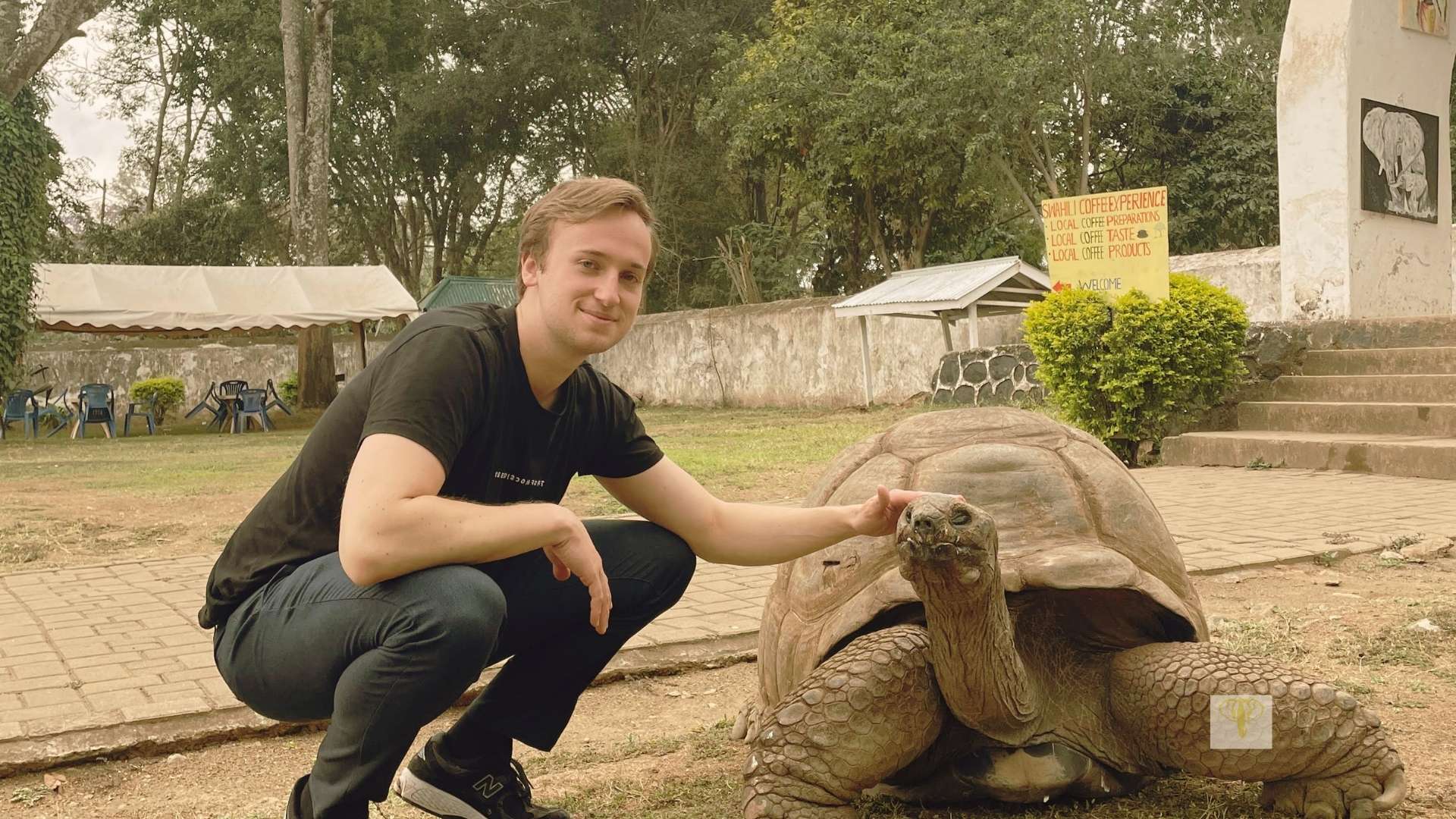
The tree-climbing lions of Lake Manyara National Park represent one of Africa's most fascinating wildlife phenomena. This exceptional behavior makes the park one of the few places in the world where lions can regularly be observed climbing trees. They are not a separate species of lion, but rather a specific population that has adapted to their environment and the presence of large acacia and mahogany trees.
Lions preferentially use acacia and sausage trees as climbing targets, as these tree species are both structurally suitable and common in the park. Climbing behavior serves several practical purposes: the elevated position offers an optimal vantage point for spotting prey and allows lions to escape the sweltering African heat. Additionally, they find shelter in the treetops from bothersome insects like tsetse flies, which are particularly active on the ground.
This particular behavior is specifically associated with certain prides in Lake Manyara National Park, clearly distinguishing this population from their counterparts in the Serengeti or the Ngorongoro Crater. However, observing tree-climbing lions requires patience and luck, as the animals are very shy and the climbing does not happen all the time. Experienced rangers can significantly increase the probability of successful sightings through their knowledge of preferred habitats and behavioral patterns.
2.2. Large Elephant Herds: Experience Gentle Giants Up Close
Lake Manyara National Park is home to one of the densest elephant populations in the world, with an impressive concentration of six elephants per square kilometer. This high density significantly contributes to the park potentially having the greatest mammal biomass density worldwide. The elephants benefit from the park's year-round supply of water, thus remaining in excellent condition and creating exceptionally good viewing opportunities.
The park's elephant herds are characterized by their relaxed behavior, as they are not subject to migratory pressure due to the permanent availability of freshwater sources. The groundwater forest, located directly at the park entrance with its approximately 30 tree species, offers ideal living conditions for the elephants. The numerous clear streams flowing down from the rift valley escarpment continuously supply this forest area with fresh water.
Visitors can often observe the elephants up close, as the animals are accustomed to the presence of vehicles and do not show excessive shyness. These „up-close“ encounters provide unique photographic opportunities and intense nature experiences. The elephants utilize various areas of the park, from dense forest regions to open grasslands, making sightings possible in virtually all areas of the park.
2.3. A Rose-Colored Spectacle: Flamingos and Bird Paradise Lake Manyara
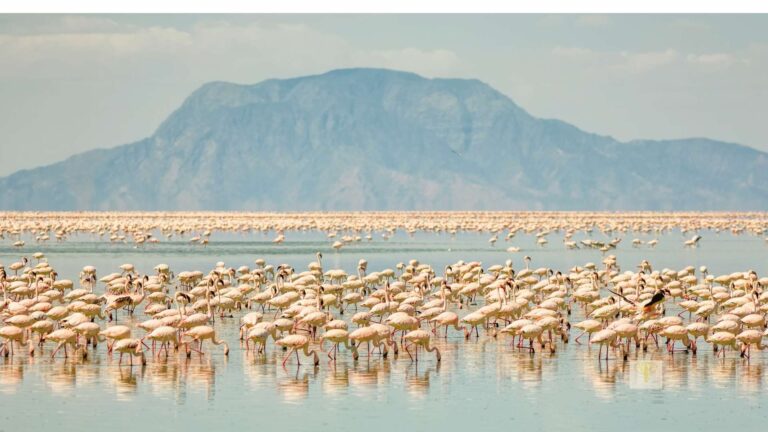
Lake Manyara presents itself as a true bird paradise with over 400 registered species, making it one of Tanzania's most significant birdwatching areas. The most spectacular show is offered by the flamingos, whose populations can sometimes reach up to two million individuals, transforming the alkaline lake into a rose-colored sea. These impressive gatherings are due to the special properties of the slightly alkaline lake, which offers ideal living conditions for the microorganisms that flamingos feed on.
Flamingo populations undergo seasonal fluctuations and migrate between different Rift Valley lakes depending on food availability and water levels. During optimal conditions, both Lesser and Greater Flamingos gather at the lake shore, creating the impression of an even larger population through their reflection on the water's surface. In addition to flamingos, the lake hosts large colonies of pelicans, storks, ibises, cormorants, Egyptian geese, and various species of ducks.
The park's rich birdlife is favored by its exceptional habitat diversity. From waterfowl on the lake and forest birds in the riparian forest to savanna species in the grasslands, a wide variety of bird groups find optimal living conditions. During the European winter months, numerous migratory birds further enrich the already abundant bird population, making the park a year-round hotspot for birdwatchers. Species of particular note include rare birds such as the vibrantly colored Lilac-breasted Roller and various birds of prey that regularly circle above the park.
2.4. Baboons, Giraffes & Co.: Discover More Wild Animals in the Park
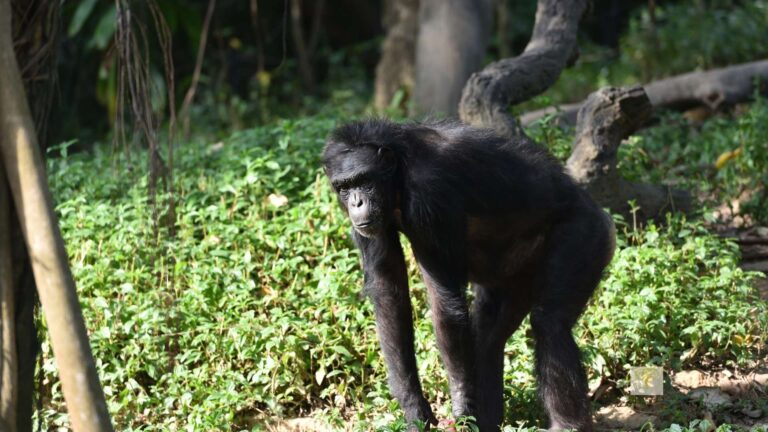
In addition to the prominent species, Lake Manyara National Park harbors a remarkable diversity of other wildlife that enriches the safari experience. Large troops of baboons are among the park's most characteristic and entertaining inhabitants. These intelligent primates live in complex social structures and can be particularly well observed in the groundwater forest and at the park's edges, where they display their marked curiosity towards visitors.
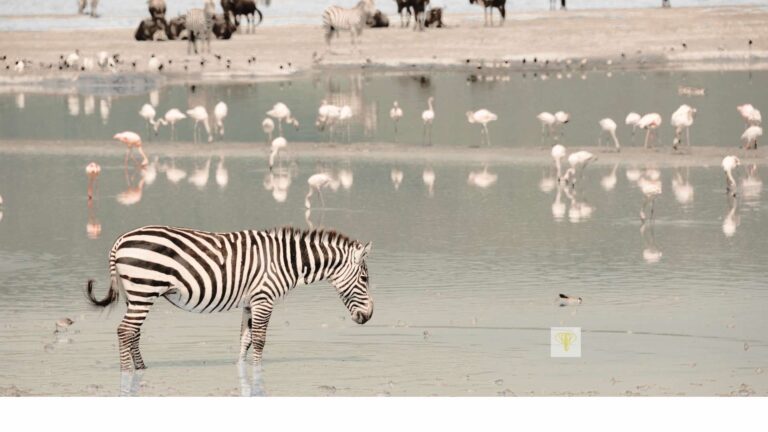
Giraffes make optimal use of the park's various vegetation zones and can be found in both acacia woodlands and open savanna areas. Their adaptation to different tree heights allows them to utilize diverse food sources, making them frequently sighted and photogenic park residents. Zebras and wildebeest often form mixed herds and graze in the open grasslands, with their migration patterns heavily influenced by water availability and food supply.
The park's waters, particularly the area known as „Hippo Pool“ directly behind the main gate, are home to considerable hippopotamus populations. These semi-aquatic mammals are mostly observed in the water during the day and become active terrestrial foragers at night. Buffalo, with a density of 18 individuals per square kilometer, also contribute to the park's high biomass density. Warthogs, various antelope species including impalas, and diadem monkeys complete the spectrum of commonly sighted mammals.
Travel Planner Hamburg & Frankfurt Office
- 10 years of customer service experience
- Contact person for rebookings, itinerary changes & emergencies
- Fluent in German & English
Berlin Travel Planner Office
- Traveled multiple times in Africa
- Contact person for risk prevention & travel preparation
- Fluent in German & English
Tour planner
- Contact person for travel from Africa
- Speaks English & Igbo
3. The park's diverse landscapes and ecosystems
Lake Manyara National Park presents itself as a remarkable mosaic of diverse landscapes and ecosystems, creating exceptional diversity in a small area. The eponymous Lake Manyara dominates, being a slightly alkaline soda lake covering about two-thirds of the park's area, and functions as a dynamic natural phenomenon. Its water level fluctuates significantly depending on the season – during the dry season from June to November, the level drops considerably, allowing animals to easily cross the shallow lake area. In the rainy season, on the other hand, the water level rises dramatically, flooding the shores and transforming narrow streams into sometimes impassable raging currents.
The spectacular Great African Rift Valley forms the western boundary of the park, rising imposingly as a 400-meter high cliff. This geological formation, the Rift Valley Escarpment, was created 20 to 25 million years ago and today creates unique microclimatic conditions that contribute to the park's exceptional biodiversity. The cliffs not only offer a dramatic backdrop but also function as natural water reservoirs, as numerous clear streams flow down from their heights into the park.
The groundwater forest in the northern park area is an unusual ecosystem, as it is mainly fed by underground freshwater springs – a phenomenon rarely found in African parks. This forest is characterized by Trichilia roka, Croton macrostachyus (Fever tree), and the distinctive yellow Fever tree (Acacia xanthophloea). Fever trees and Egyptian starcluster grow at the forest edges, while various grass species cover the forest floor.
The vegetation zones transition seamlessly into one another, creating remarkable landscape diversity. From the lush groundwater forest in the north, the vegetation develops into a classic acacia savanna with umbrella acacias, Acacia sieberiana, and desert dates in the park's center. Towards the south, specialized species such as Capparis tomentosa and the characteristic sausage tree are found. The western lakeshore is dominated by alkaline grassland, primarily composed of Sporobolus spicatus.
A special highlight is the hot sulfur springs called „Maji Moto“ in the southern part of the park. These steaming springs emerge directly from the ground, offering fascinating insights into the region's geological forces. The volcanic soils, influenced by the nearby active volcano Ol Doinyo Lengai, create exceptionally fertile conditions and contribute to the ecosystem's extraordinary productivity.
4. Activities and Experiences in Lake Manyara National Park
4.1. Classic Game Drives: Don't Miss the Highlights
Classic game drives form the heart of the safari experience in Lake Manyara National Park, offering exceptionally diverse wildlife viewing opportunities despite the compact size of the park. The well-developed track network leads through all the park's key ecosystems, from the dense groundwater forests to the open lake shore areas. Strategic route planning makes it possible to experience the entire spectrum of park landscapes and their characteristic wildlife within a few hours.
The forest area starting directly at the park entrance offers optimal starting conditions for game drives, as the highest density of elephants in the park is found here. The famous „Hippo Pool“ is also located in the immediate vicinity of the entrance gate and usually guarantees reliable hippopotamus sightings. The further route leads through various vegetation zones, with experienced guides optimally adjusting vehicle positioning to lighting conditions and animal activities. Areas with large acacia and mahogany trees deserve special attention, as the probability of spotting the famous tree-climbing lions is highest here. These areas require patience and careful observation, as the lions often rest well camouflaged in the treetops. The lakeside route allows for spectacular birdwatching, especially during the flamingo season, when thousands of birds form pink ribbons on the horizon.
4.2. Lake Manyara Treetop Walkway: The Jungle from a Bird's-Eye View
The Lake Manyara Treetop Walkway represents an innovative addition to traditional safari offerings, enabling unique, bird's-eye-view nature experiences. As Tanzania's first treetop walkway and one of the longest in all of Africa, this 370-meter-long construction extends through the treetops of the lush groundwater forest. The walkway begins with a short, ground-level boardwalk and gradually ascends through the forest's canopy to a maximum height of 18 meters.
The construction consists of a series of suspension bridges with dense side netting and offers observation platforms at strategic points, built around tree trunks. These platforms serve as ideal vantage points for observing canopy life, allowing for close encounters with butterflies, monkeys, and diverse birdlife. Experienced guides accompany visitors, sharing interesting facts about Lake Manyara's flora and fauna while unique views of the surroundings unfold.
The Treetop Walkway is ideal for nature lovers and adventure seekers of all ages, offering a welcome change from traditional vehicle-based activities. Families, couples, solo travelers, and groups will all find fascinating experiences here, providing a completely new perspective on the forest ecosystem. The activity perfectly complements classic game drives and contributes to a comprehensive understanding of the park.
4.3. Canoe Safaris on the Lake: Wildlife from the Water (seasonal)
Canoe safaris on Lake Manyara offer a revolutionary way to experience wildlife from a completely new perspective, marking a significant expansion of the traditional safari concept. This unique activity allows visitors, for the first time, to observe wildlife from the water as they silently paddle along the lake shore in two-person canoes in the safe, shallow water. The calm gliding across the water's surface creates a particularly intense and meditative connection with nature that cannot be achieved through traditional game drives.
The canoe safaris offer exceptional viewing opportunities, as the animals behave undisturbed on the lake shore and often approach the water very closely. Buffalo, giraffes, and elephants can be observed drinking and grazing along the banks at close range, while hippos and an amazing variety of water birds can be found in the water. Birdwatching from a canoe is particularly rewarding, as the lake is considered a paradise for birdwatchers, offering sightings from colorful kingfishers to majestic pelicans.
Canoe safaris are highly seasonal and depend on sufficiently high water levels. During the dry season, water levels can drop too low to ensure safe canoeing, which is why this activity is primarily offered during and shortly after the rainy season. The tranquil atmosphere on the water, combined with the fresh African air and the spectacular Rift Valley landscape, makes canoe safaris an unforgettable and unique safari experience.
4.4. Night Safaris: Observing Nocturnal Wildlife
Night safaris in Lake Manyara National Park open up a whole new dimension of wildlife viewing, offering insights into the fascinating nightlife of the African bush. The park is ideal for nocturnal activities due to its eleven different ecosystems, as the exceptional diversity of habitats hosts a correspondingly diverse nocturnal fauna. The good year-round water supply ensures that the animals are in optimal condition, which significantly improves nocturnal observation opportunities.
The less visible and shy animal species only become truly active after sunset and offer significantly better sighting opportunities during night drives. Porcupines, genets, and civets are common nocturnal visitors to the groundwater forest and can be observed with patience and professional guidance. Hippos leave their pools at night and regularly graze by the roadside, providing exceptionally good observation opportunities for these usually primarily aquatic mammals.
Lake Manyara National Park is known for its considerable leopard population, and while sightings of these elusive cats can never be guaranteed, night drives offer the best opportunity for encounters with these stealthy predators. Lion sightings are more common during the night than during the day, as these predators tend to sleep through the day and only become active after dark. Night drives typically begin at 8:00 PM, winding through the dense groundwater forest to the lake, and following the Simba River to the hippo pools before concluding around 10:30 PM.
4.5. Cultural Experiences: Visit to Mto wa Mbu and Maasai Villages
The cultural offerings around Lake Manyara National Park provide authentic insights into Tanzania's traditional life and add important social dimensions to the nature experience. The village of Mto wa Mbu, whose name means „river of mosquitoes“ in the Maasai language, is located directly at the park entrance and presents itself as a vibrant green oasis amidst the dusty Maasai plains. This bustling little town functions as a melting pot of various Tanzanian cultures and offers numerous boutiques, shops, and a colorful market for agricultural products.
Mto wa Mbu is characterized by its remarkable cultural diversity, as people from different tribes and ethnicities live and work together peacefully. The place offers ideal opportunities for cultural interactions and provides authentic insights into the daily lives of the local population. Visitors can stroll through the bustling streets, admire local handicrafts, and taste fresh produce from the fertile region.
Massai village visits offer deeper insights into the traditional way of life of this world-famous nomadic people. The Massai have given their name to the entire region – „Manyara“ in their language refers to a thorny bush of the Euphorbia tirucalli species, which is particularly common in this area. During village visits, visitors can tour traditional huts, learn more about the Massai's cattle herding and nomadic traditions, and participate in cultural ceremonies. These encounters offer valuable perspectives on the challenges and adaptation strategies of traditional cultures in the modern world.
4.6. Additional Activities: Walking Safaris & Mountain Biking
Mountain bike tours around Lake Manyara National Park open up the region from an active and environmentally friendly perspective. These tours lead through the lush nature around Mto wa Mbu, past banana plantations and through the fertile areas at the foot of the Rift Valley. The flat terrain makes this activity accessible to all fitness levels and allows for relaxed exploration of local agriculture and village communities.
The mountain bike tours often combine cultural and natural experiences, as they lead through inhabited areas and allow for direct interaction with the local population. The two-hour to half-day tours can be flexibly adapted to the wishes and fitness level of the participants and offer a welcome active addition to more passive safari activities.
Walking safaris mainly take place outside the national park itself on the slopes of the Rift Valley, offering intense nature experiences on foot. These guided hikes provide detailed insights into the flora and smaller fauna that are often overlooked during vehicle-based activities. Professional guides impart comprehensive knowledge about plant uses, ecosystem connections, and traditional uses of the landscape.
Super organization and great guide

Super organized safari with a really great guide. Thank you Joseph for making this week an indescribable experience!
May 2025
Super organization and great guide

Communication via email and video call was straightforward. Mr. Justus was super friendly and patient, and I never felt like he was trying to „sell“ me something.
January 2024

Visa Support was amazing.
The Tansaina Safari team helped my family and me with our visas and found affordable flights from Nigeria that we wouldn't have found ourselves. Highly, highly recommendable for travelers from Africa!!
August 2024
Fair prices
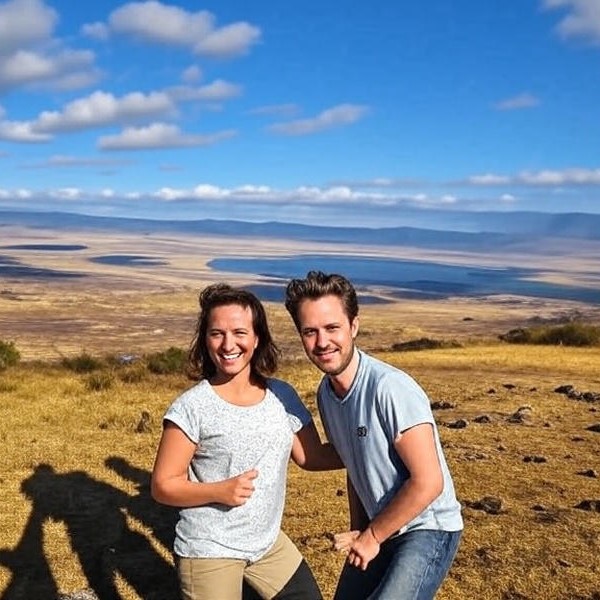
Mr. Justus provided us with excellent advice. He responded very quickly, took our wishes into account, and created an affordable route through the Serengeti. Thank you very much for the great service!
January 2024


Competent contact persons
Travel advisor Dominic Dreiner advised us excellently, and it was evident that he enjoys his job. As we are experienced with life and travel, we can say: it doesn't get any better.
February 2025
5. Travel Planning for Your Visit to Lake Manyara National Park
5.1. Best Time to Visit Lake Manyara: Wildlife Viewing & Climate
Travel planning for Lake Manyara National Park requires careful consideration of climatic conditions and wildlife viewing objectives, as the park offers different advantages year-round due to its unique geographical location. The average annual temperature is a pleasant 22°C, with average annual rainfall in the park at 600 millimeters. Notably, the rainfall distribution varies within the park, with approximately twice as much rain falling in the south as in the north. The optimal conditions for classic wildlife viewing occur during the dry seasons between December and March and between June and October. During these periods, animals congregate around permanent water sources, significantly increasing the probability of sightings. The low water level of the lake allows animals to traverse the shallow lake area with ease, creating ideal conditions for photography and observation.
However, the rainy seasons from November to December and February to April offer unique advantages for specialized interests. Birdwatchers, in particular, benefit from this time, as numerous migratory birds join the resident species, and the breeding season adorns many species in their most splendid plumage. The rainy season transforms the landscape into lush greenery and activates the region's spectacular waterfalls. Canoe safaris are only possible during and shortly after the rainy season due to the higher water levels.
The European winter months offer the added advantage that numerous migratory birds enrich the already impressive resident bird population. This time is particularly suitable for visitors who want to escape the European winter and simultaneously enjoy optimal birdwatching conditions. The park is suitable year-round, as the mammal populations do not show extreme seasonal fluctuations.
5.2. Arrival at Lake Manyara National Park: How to Reach the Natural Paradise
Getting to Lake Manyara National Park is straightforward thanks to its strategically advantageous location in the Northern Circuit, offering various transportation options to suit different budgets and timeframes. The park is located about 130 kilometers west of Arusha, the main safari hub of northern Tanzania, which is approximately a two-and-a-half-hour drive. The entrance gate is located right at the edge of Mto wa Mbu, a vibrant Maasai village that is worth a visit in itself.
The road connection from Arusha to Lake Manyara is well-maintained and allows for year-round access, though muddy sections may occasionally be encountered during the rainy season. Most safari providers use specially equipped four-wheel-drive vehicles that function reliably even under difficult conditions. The route passes through varied landscapes and offers interesting insights into Tanzanian culture and agriculture already during the drive.
For visitors with limited time, charter flights are an option, reaching Lake Manyara from Arusha in about 30 minutes. These flights offer spectacular aerial views of the Rift Valley and allow for more time for activities in the park. Alternatively, charter flights can also be used for connections to other parks in the Northern Circuit, with a flight to the Serengeti taking about an hour.
The park’s strategic location makes it an ideal stopover or starting point for Northern Circuit safaris. Travel times to other major destinations are ideal: one hour to Tarangire National Park, one hour to the Ngorongoro Conservation Area, and three and a half hours to the Serengeti. These convenient connections allow for flexible itineraries and make Lake Manyara an essential component of comprehensive Tanzania safaris.
5.3. Lake Manyara Accommodations: Lodges and Campsites for Every Budget
The accommodation offerings around Lake Manyara National Park cover the entire spectrum from luxurious 5-star lodges to budget-friendly camping options, allowing visitors of all price ranges to make the most of their park experience. The most exclusive accommodations are spectacularly located directly on the lakeshore or nestled against the dramatic rift valley walls, just a few meters from the park entrance. These premium lodges often feature infinity pools overlooking Lake Manyara and offer unique wildlife viewing opportunities right from the terrace.
The upscale lodges are characterized by their harmonious integration into the natural surroundings and often offer additional activities such as guided nature walks or cultural programs. Many of these accommodations provide bicycles, allowing guests to actively explore the nearby area. Their strategic positioning makes it possible to observe wildlife with your morning coffee and enjoy the first rays of sun over the Rift Valley.
For budget-conscious travelers, various camping options are available both inside and outside the park. Camping fees range from $30 to $50 per person per night for public campsites and $50 to $100 for special campsites with enhanced facilities. These options allow you to experience the sounds of the African night up close and stay longer in the park at a significantly reduced cost.
Mid-range accommodations in the Mto wa Mbu area offer a good balance between comfort and price, while also allowing for cultural interactions with the local population. These options are particularly suitable for travelers seeking authentic experiences without compromising on basic comforts.
5.4. Lake Manyara National Park Entrance Fees and Park Fees (Current 2025)
The current entrance fees for Lake Manyara National Park reflect differentiated fee structures for various visitor categories, following the Tanzanian system of tiered pricing. Foreign adults pay $59 per day, while foreign children (aged 5-15) are charged $17.70. Children under five years old receive complimentary entry. This pricing structure positions Lake Manyara in the mid-range category of Tanzanian national parks, significantly below the premium destinations of Serengeti and Ngorongoro ($83) but above more affordable parks like Arusha ($45).
East African citizens benefit from significantly reduced entry fees of 6,000 Tanzanian Shillings per day, reflecting the support for regional tourism. This differentiation promotes access for the local population and contributes to the development of nature awareness in the region.
Payment for parking fees is exclusively cashless, with credit cards (Visa/MasterCard) being accepted at the park gates. Alternatively, payments can be processed online through the official TANAPA website or arranged through reputable safari companies. This modern payment system reduces waiting times at the park entrance and allows for more efficient visitor processing.
Additional costs apply for special activities such as night game drives, the Treetop Walkway, or canoe safaris, which must be booked separately. Camping fees are also charged separately and vary depending on the campsite category. Park fees are non-refundable, even in the event of early departure or cancellation, so careful travel planning is recommended.
5.5. How long to stay in Lake Manyara National Park? (Day trip vs. longer stay)
The optimal length of stay in Lake Manyara National Park depends on individual interests, available time, and desired depth of experience. For many visitors to the Northern Circuit, the park is ideally suited for day trips, as its compact size allows for experiencing the main highlights within six to eight hours. Day visitors can embark on a morning game drive through the diverse ecosystems, observe the range of wildlife, and still reach their next destination in time.
A one-day visit allows you to search for the famous tree-climbing lions, observe herds of elephants in the groundwater forest, and experience the impressive birdlife along the lake shore. The park’s strategic location makes it a perfect stopover between Arusha and the other major parks of the Northern Circuit. Many safari operators include Lake Manyara as a one-day stop on more extensive tours, with the drive to the next park beginning in the afternoon.
For deeper nature experiences and more comprehensive activities, however, a longer stay of one to two days is recommended. This timeframe allows for the integration of additional activities such as the Treetop Walkway, night game drives, or cultural visits in Mto wa Mbu. Longer stays also offer better chances for rare animal sightings, as different times of day reveal different wildlife behavior patterns.
Birdwatchers and nature photographers particularly benefit from longer stays, as they can take advantage of different lighting conditions and focus on specific species. The opportunity to undertake both morning and evening game drives significantly increases the chances of spotting shy species like leopards. Multi-day stays also allow for seasonal activities such as canoe safaris, provided water levels are suitable.
5.6. Packing List and Important Tips for Your Lake Manyara Safari
A well-thought-out packing list forms the foundation for a successful safari experience in Lake Manyara National Park and should take into account the special climatic and activity-specific requirements. Clothing should follow the layering principle, as temperatures can fluctuate significantly between cool morning hours and warm midday temperatures.
Long-sleeved shirts and long pants in neutral colors (khaki, beige, olive) offer protection from the sun and insects and comply with the recommended safari dress codes. Sturdy, closed-toe footwear is essential, especially if activities such as the Treetop Walkway or hikes are planned. Waterproof shoes or rubber boots can be useful during the rainy season, particularly on canoe safaris or in the park’s marshy areas. A wide-brimmed hat and high-quality sunglasses protect against the intense equatorial sunlight, which can be particularly strong at the altitude of the Rift Valley.
Technical equipment should optimally utilize the park's special photographic opportunities. Binoculars are essential for birdwatching and allow for detailed observation of the park's over 400 bird species. Cameras with telephoto lenses are ideal for wildlife photography, and extra batteries and memory cards should be packed, as charging facilities in the park are limited. Dust protection for electronic devices is recommended, as the dirt tracks can cause significant dust during the dry season.
Medical precautions include malaria prophylaxis, as the park is located in a malaria risk area. Insect repellent with a high DEET content, sunscreen with at least SPF 30, and a basic travel first-aid kit with medication for diarrhea, headaches, and allergies should not be forgotten. Sufficient drinking water or water purification tablets are especially important for longer stays and activities outside of the lodges.
Discover individual routes off the beaten path
Assistance with planning and booking
Personal support before, during, and after the trip
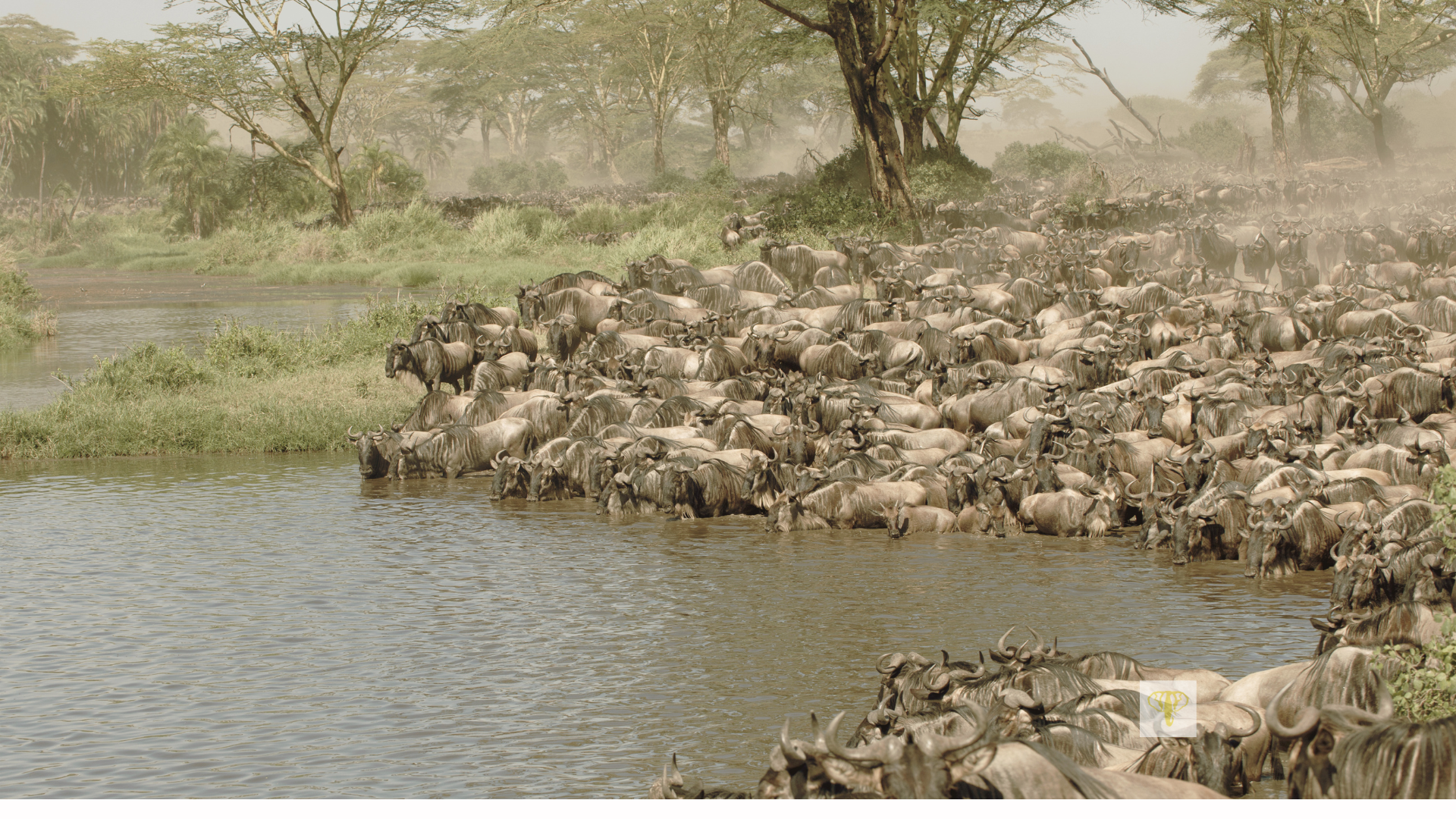
Starting from €1195 per person*
From €495 per person*
Starting from €2,095 per person*
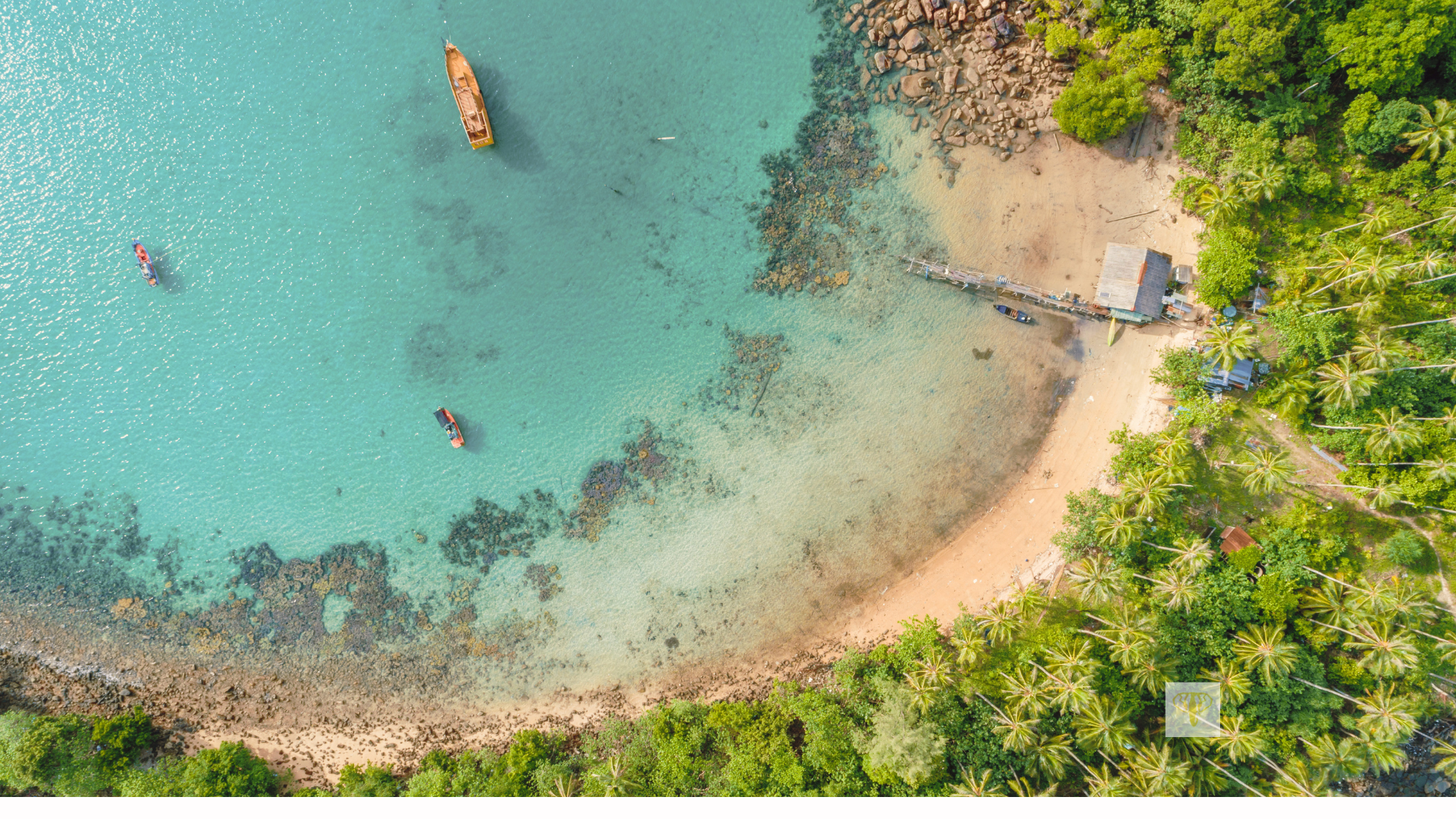
Starting from €295*
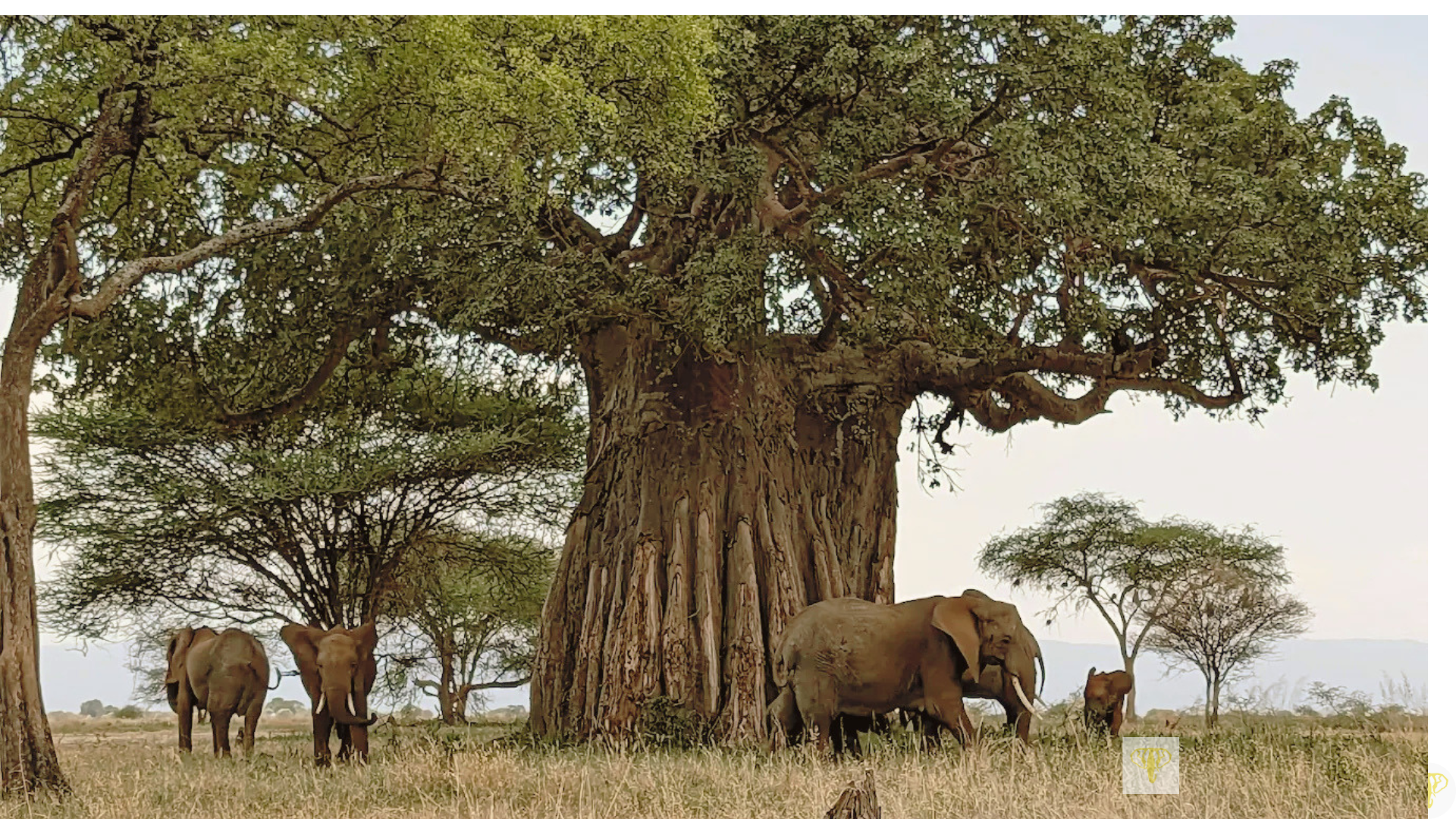
From €495 per person*
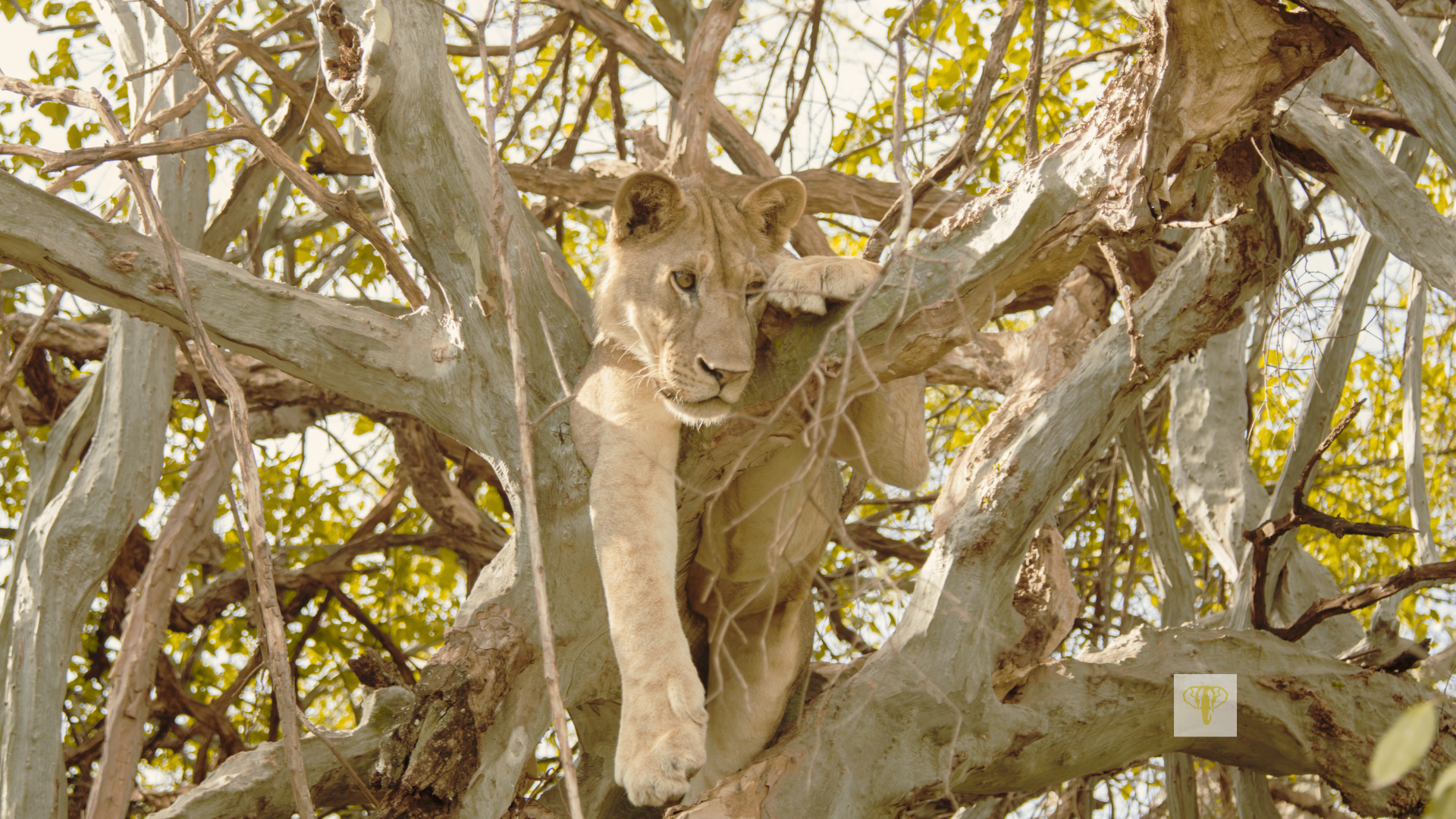
From €495 per person*
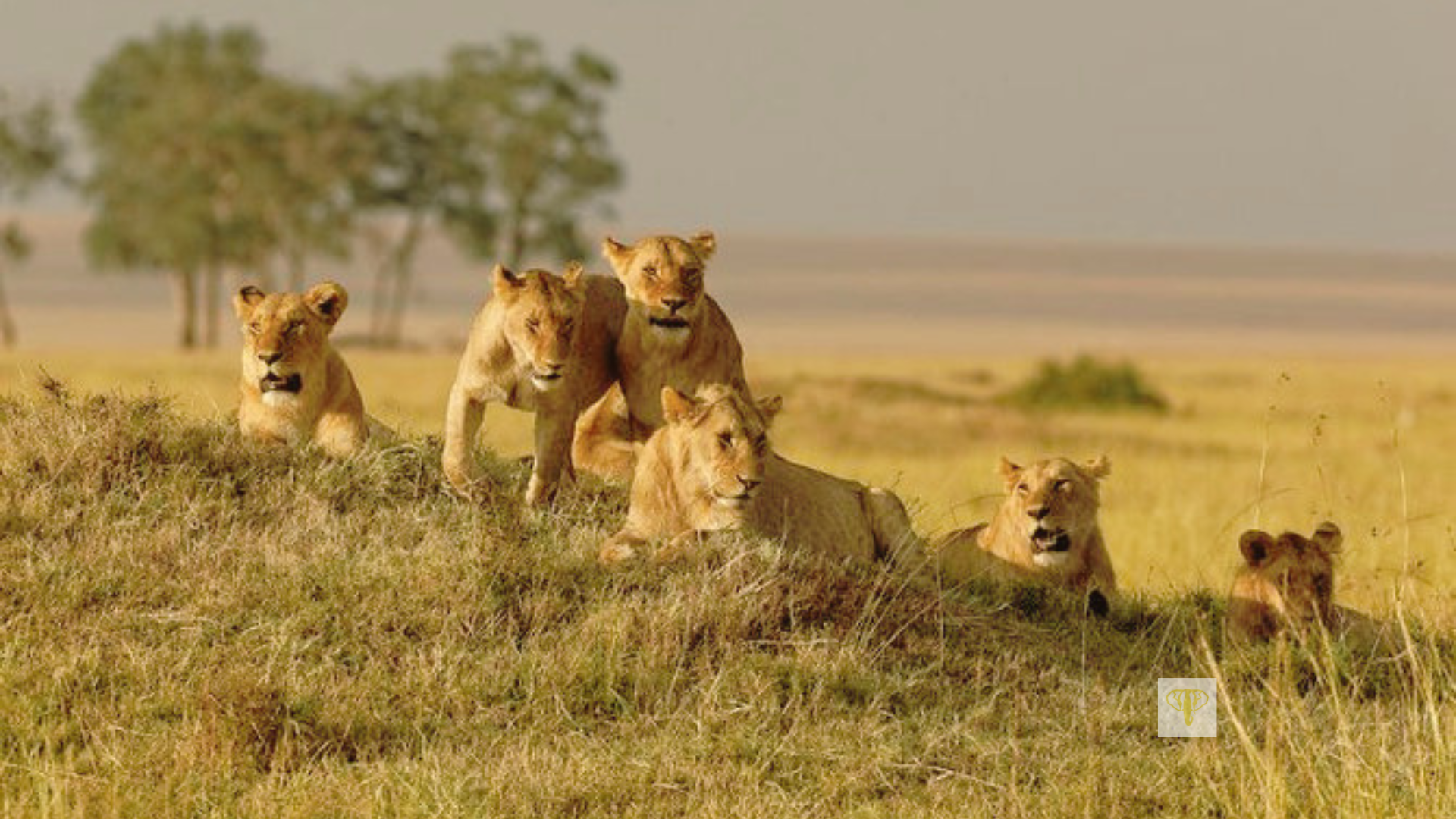
Starting from €1195 per person*
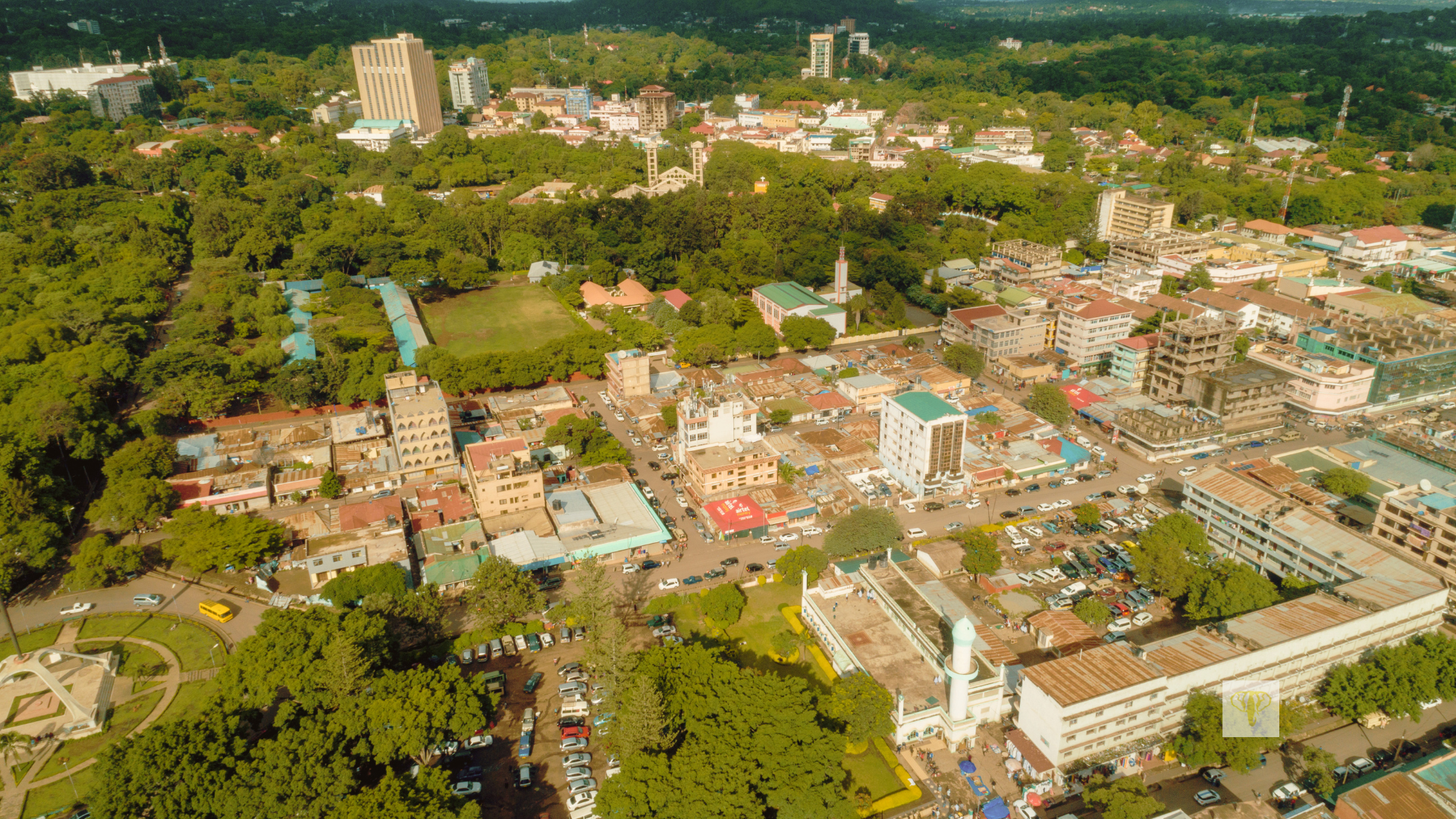
Starting from 145 EUR per person*
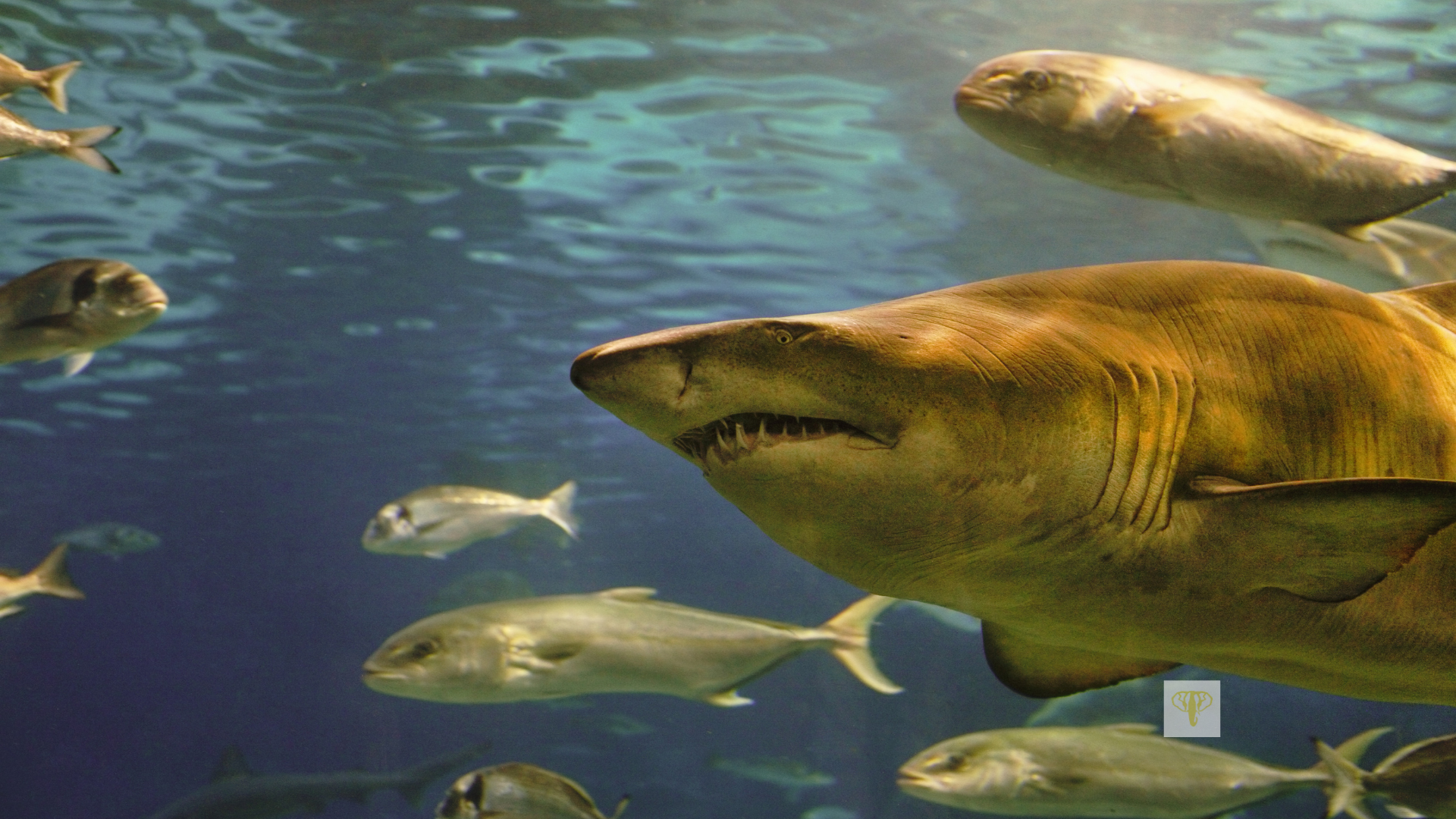
Starting from 1295 EUR*
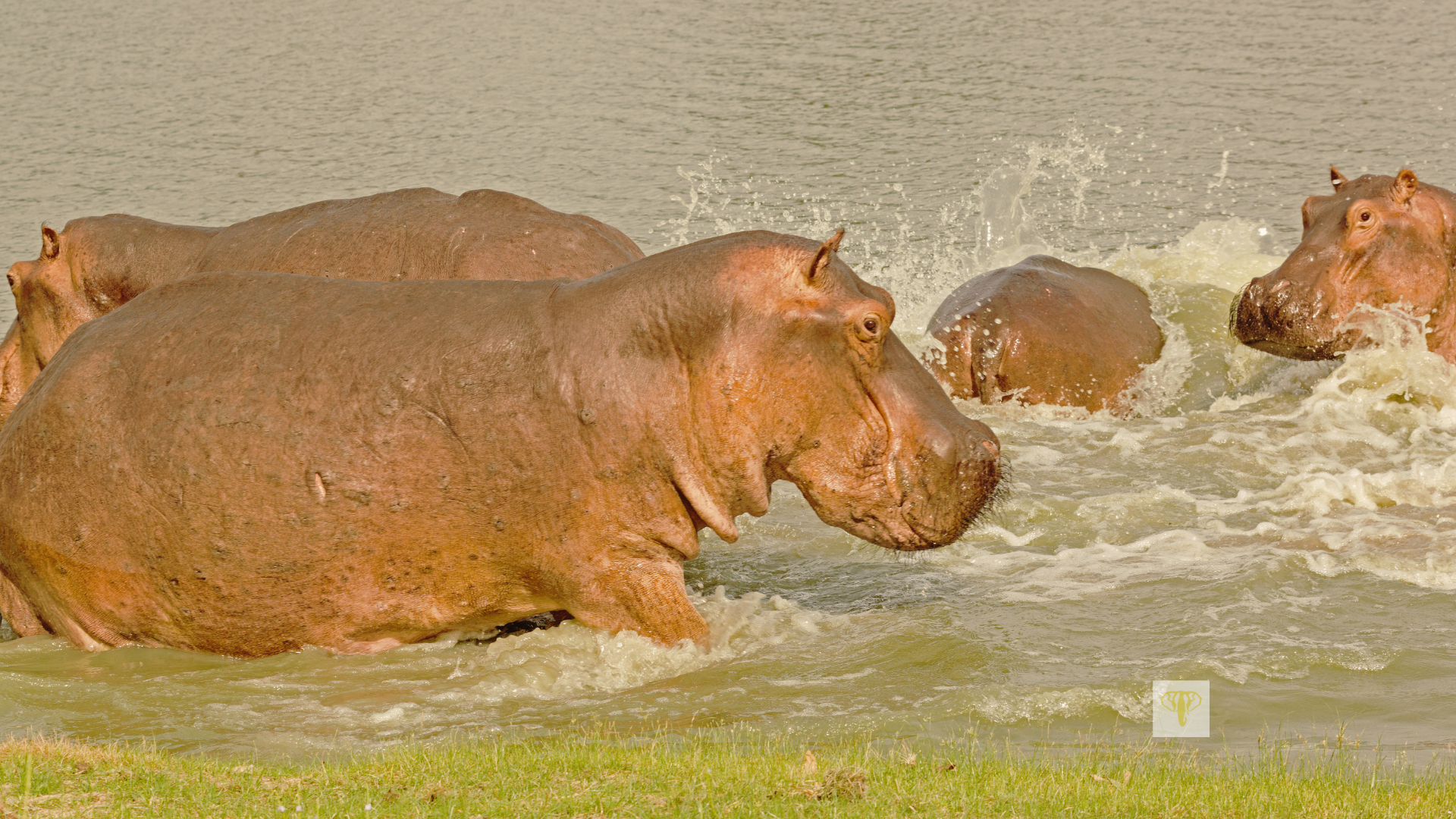
Starting from EUR 645 p.p.*
All prices listed are former prices for short and price-optimized trips. Current prices may be higher due to the respective season and inflation. Our terms and conditions apply.
6. Combination with Other National Parks: The Northern Circuit
Lake Manyara National Park serves as a strategic link in Tanzania's renowned Northern Circuit, allowing for seamless combinations with the region's other world-class destinations. The optimal travel times between parks make Lake Manyara an ideal starting point or stopover for comprehensive safari itineraries. Tarangire National Park is just a one-hour drive away, offering vast herds of elephants and majestic baobab trees as a perfect complement to Lake Manyara's highlights.
The classic Northern Circuit route typically takes four to five days and connects Lake Manyara with Tarangire, the Ngorongoro Crater, and the Serengeti. This combination allows you to experience the full range of East African ecosystems—from the dense forests of Lake Manyara to the baobab-dotted savannas of Tarangire and the endless grassy plains of the Serengeti. The Ngorongoro Crater, just an hour from Lake Manyara, is known as the „eighth wonder of the world“ and boasts the highest density of predators in Africa, providing a spectacular finale to the safari experience.
Experienced safari operators recommend positioning Lake Manyara either as an entry or exit point to the Northern Circuit safari, as the park offers a gentle introduction to East African wildlife or serves as a relaxing conclusion to an intense safari experience. The variety of activities at Lake Manyara, from traditional game drives to cultural experiences, provides a welcome change from the primarily vehicle-based activities in the larger parks.
The logistical advantages of the Northern Circuit combination are significant, as all parks are connected by well-developed roads and the infrastructure is optimized for seamless transfers. This allows safari operators to plan efficient routes, minimize travel times, and allow for more time for wildlife viewing. The diverse characteristics of the parks ensure that each day brings new experiences and discoveries without the fatigue of repetitive encounters.
Get binding offers quickly
In Germany & Tanzania
Our team is at your side
7. Nature Conservation in Lake Manyara National Park: Preserving a Unique Ecosystem
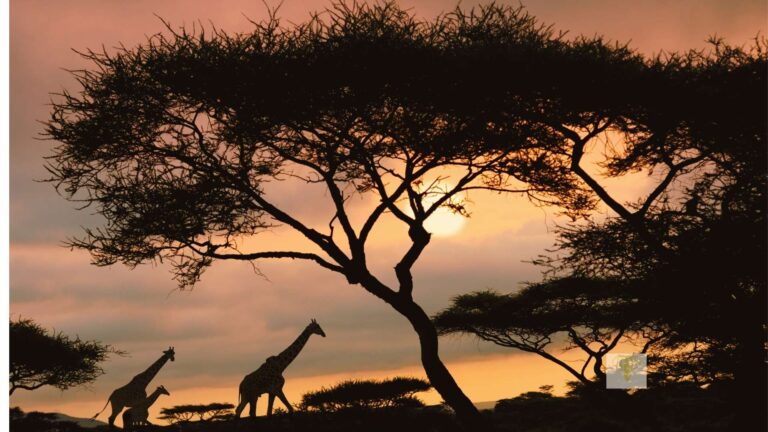
Lake Manyara National Park, a UNESCO Biosphere Reserve, stands at the forefront of international conservation efforts, embodying an integrated approach to protecting unique ecosystems. Its designation as a reserve since 1981 highlights the park's global significance for biodiversity preservation and the study of sustainable human-environment relationships. The biosphere reserve spans a total area of 346,761 hectares and is home to a population exceeding 257,000 people, illustrating the complex challenge of balancing conservation with human needs.
The exceptional biomass density, possibly the highest in the world, makes the park a critical habitat for a variety of species. This high concentration of wildlife in a relatively small area amplifies both the conservational value and the vulnerability of the ecosystem. The park's eleven distinct habitat types, ranging from riparian forests to alkaline grasslands and wetlands, necessitate differentiated conservation strategies for each specific ecosystem.
Modern conservation approaches in Lake Manyara National Park integrate community participation and sustainable tourism as central components. Local communities, particularly the Maasai population, are involved as partners in conservation efforts, as their traditional land-use practices have contributed to the preservation of the landscape for centuries. Cultural programs and village visits create economic incentives for the local population while promoting understanding of conservation needs.
Climate change presents new challenges for the ecosystem, particularly concerning water resources and the seasonal availability of food for wildlife. The fluctuating water levels of Lake Manyara directly impact waterfowl populations, especially flamingos, whose migration patterns must adapt to changing environmental conditions. Research programs within the biosphere reserve document these changes and develop adaptive management strategies for the long-term preservation of the unique ecosystem.
8. Conclusion: Is Lake Manyara National Park worth a visit?
Lake Manyara National Park justifies its position as an essential component of the Northern Circuit through a unique combination of factors that differentiate it from other Tanzanian national parks. Its compact size proves advantageous for visitors with limited time, allowing them to experience an exceptional diversity of ecosystems and wildlife within a short period. The famous tree-climbing lions alone make the park an indispensable destination for wildlife enthusiasts, as this behavior can only be observed in a few places worldwide.
The park's ecological significance, underscored by its UNESCO Biosphere Reserve status and the world's highest mammal biomass density, lends an additional dimension of scientific relevance to every visit. The over 400 registered bird species, including spectacular flamingo gatherings, establish the park as a premier destination for bird watchers and nature photographers. This biodiversity is enabled by the eleven distinct habitat types, which create remarkable ecological complexity within a small area.
The park's innovative range of activities, from traditional game drives and the Treetop Walkway to canoe safaris, offers experiences unavailable in other parks. This diversity allows visitors to experience the African ecosystem from various perspectives, giving the park unique experiential value. The cultural components, especially visits to Mto wa Mbu and Maasai villages, enrich the nature experience with important social dimensions.
For budget-conscious travelers, the park offers excellent value for money with its $59 daily entrance fee compared to premium destinations like Serengeti and Ngorongoro. Its excellent accessibility and strategic position within the Northern Circuit make it a logistical hub, enabling flexible travel arrangements. Lake Manyara National Park is definitely worth visiting, both as a standalone destination and as an integral part of comprehensive Tanzania safaris.
9. Frequently Asked Questions (FAQ) about Lake Manyara National Park
Is there a malaria risk in Lake Manyara National Park?
Yes, Lake Manyara National Park is located in a malaria-risk area. Visitors should take appropriate prophylactic measures and consult a tropical medicine specialist before traveling. Additionally, it is recommended to wear long-sleeved clothing and use insect repellent with a high DEET content.
Are drones allowed in the park?
The use of drones in Tanzanian national parks is generally strictly regulated and requires special permits from park authorities. Visitors should inquire about the current regulations with TANAPA before their trip and apply for the appropriate permits.
What are the odds of seeing tree-climbing lions?
There is no guarantee of seeing tree-climbing lions, as this is a natural behavior that depends on various factors. Experienced guides can increase the likelihood of a sighting through their knowledge of the lions’ preferred habitats, but visitors should have realistic expectations and also appreciate the park’s other highlights.
Can canoe safaris be taken year-round?
Canoe safaris are highly seasonal and require sufficiently high water levels. They are mainly offered during and after the rainy season when Lake Manyara has enough water. During the dry season, the water level can be too low for safe canoeing.
You should plan for at least half a day for Lake Manyara.
A one-day visit is enough to see the main highlights, but staying one or two days allows for a more immersive experience and additional activities. Birdwatchers and photographers will benefit from longer stays, as different times of day offer different opportunities to observe wildlife.
Is the park suitable for families with children?
Lake Manyara National Park is excellent for families, as its compact size means shorter travel times and the variety of activities appeals to different age groups. The Treetop Walkway is particularly popular with children, and the cultural experiences offer educational value.
Get personal advice now

After this call, you have…
- a list of all trips that fit your budget and availability,
- Bookable tours with fixed prices
- and answers to your open questions
- ... and all in under 30 minutes.