
Experience the adventure of a lifetime and discover the pristine wilderness of Nyerere National Park (Selous) – where Africa's fascinating wildlife awaits you!
Experience the adventure of a lifetime and discover the pristine wilderness of Nyerere National Park (Selous) – where Africa's fascinating wildlife awaits you!
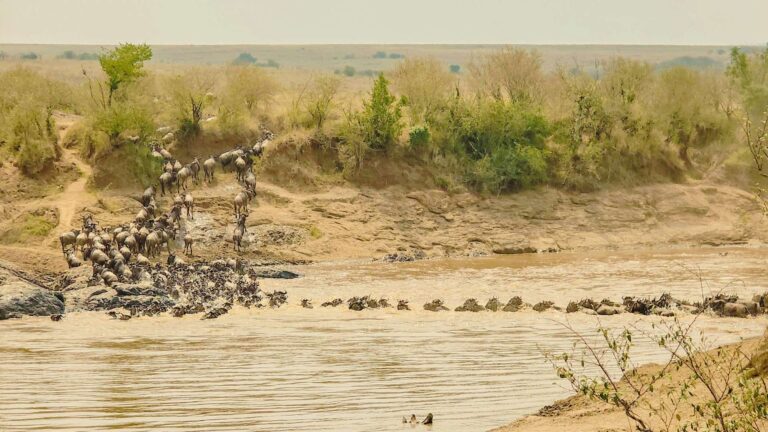
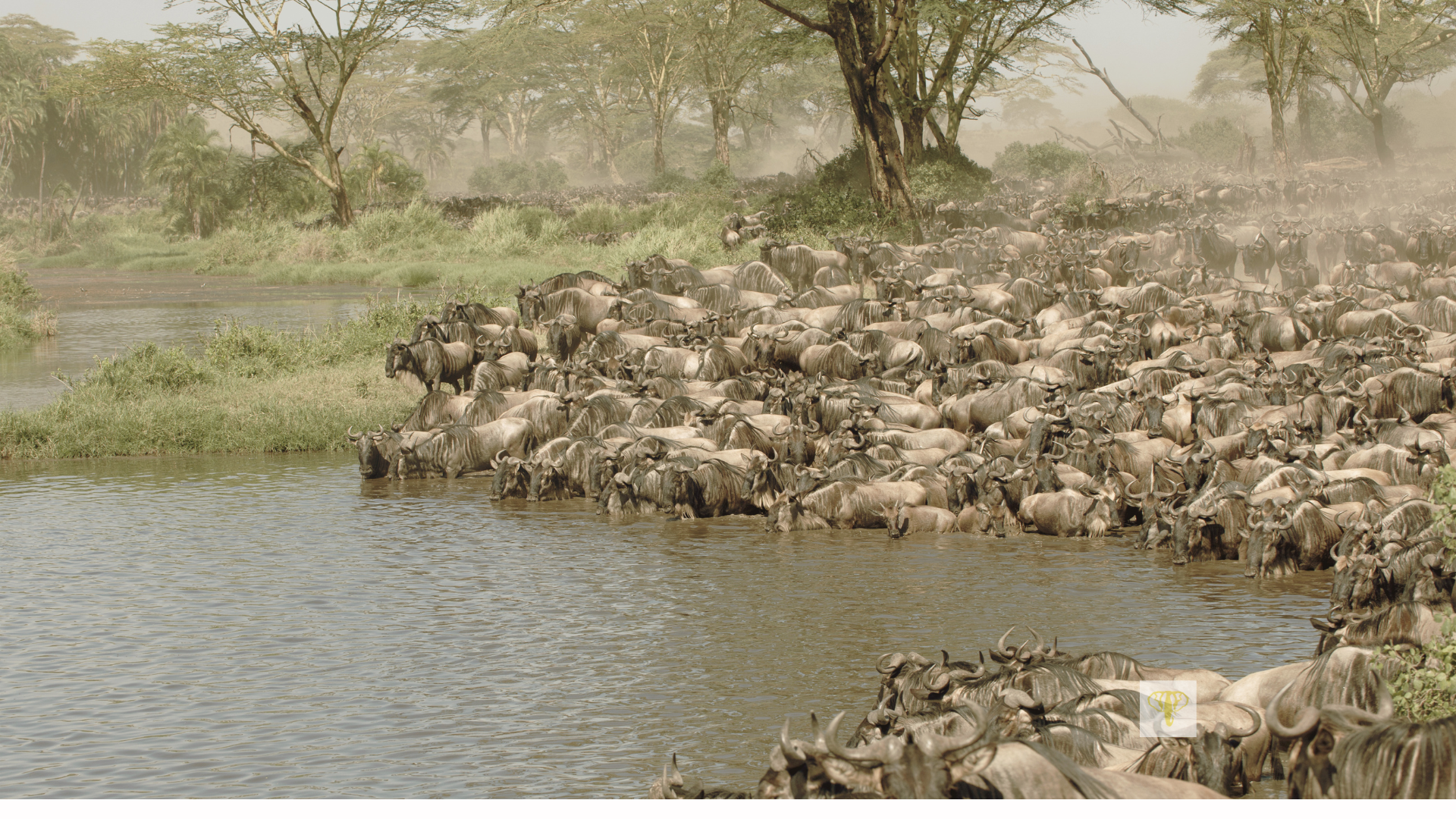
The vast, open landscape of the Serengeti feels like an endless carpet of grass. It is primarily known for the Great Migration, where wildebeest, zebras, and gazelles embark on a perilous journey. A true spectacle of nature – and a year-round hotspot for big cats and wildlife.
From €1,195 per person*
Inside a giant volcanic caldera lies a fascinating ecosystem: The Ngorongoro Crater is home to countless animal species – from lions and buffaloes to rare black rhinoceroses. The dense grasslands, small lakes, and hills make every game drive an exceptional nature experience.
From €495 per person*
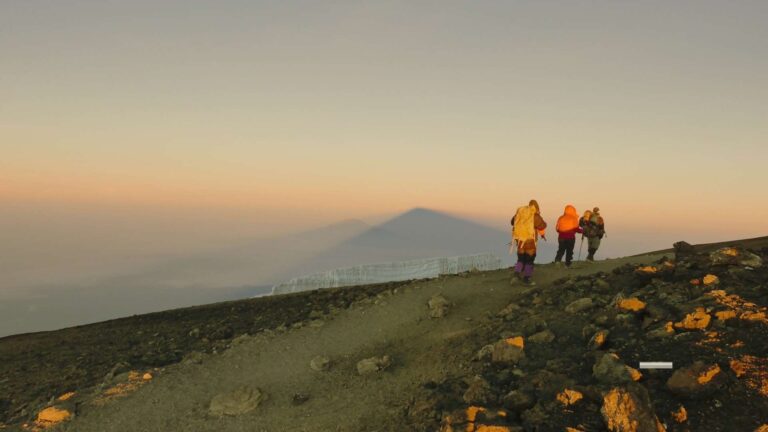
To stand on the highest point in Africa – a lifelong dream for many. The majestic Kilimanjaro is not just a mountain, but an experience. Various routes offer suitable options for beginners and experienced hikers alike, accompanied by impressive landscapes and changing climate zones.
From EUR 2,095 p.p.*
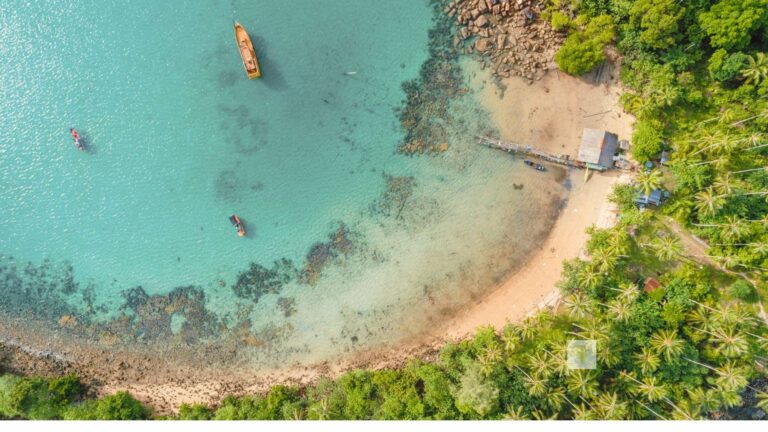
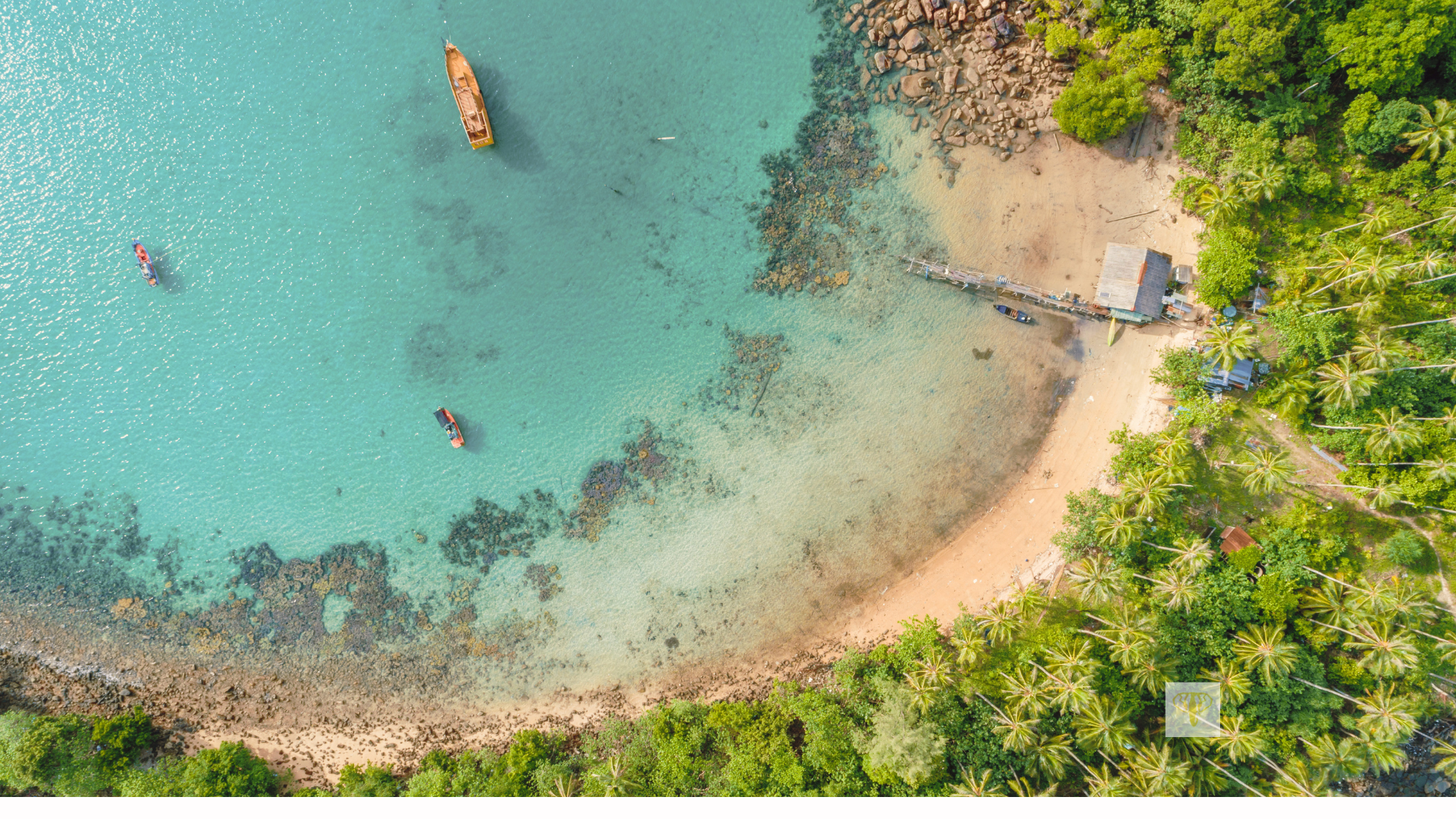
Those looking for relaxation after a safari will find it on Zanzibar: turquoise waters, fine sand, and colonial history in Stone Town. Whether diving at colorful reefs or simply lounging in a hammock – your vacation can come to a wonderful close here.
From 295 EUR per person*
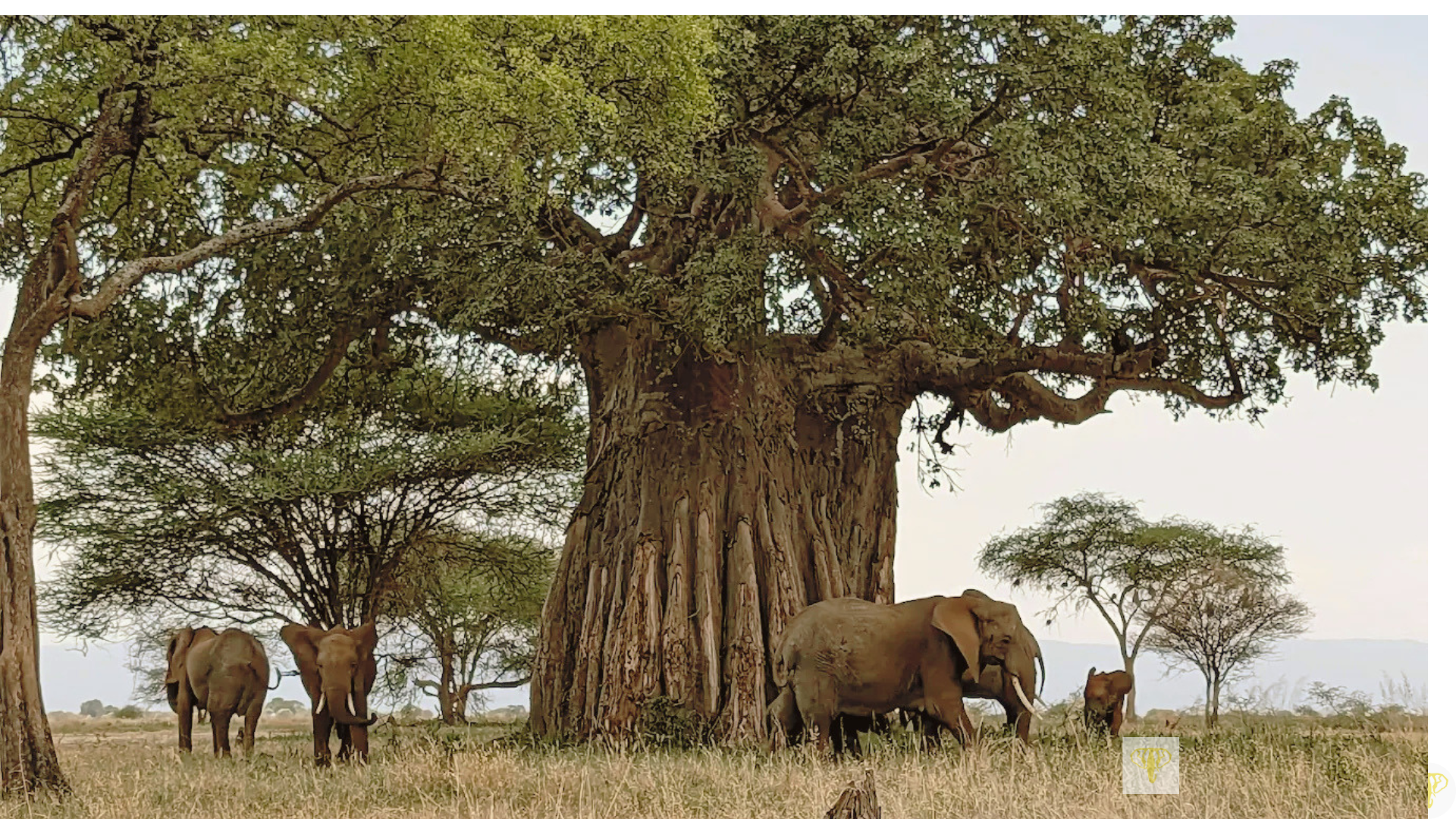
Those who love elephants will love Tarangire. Huge herds roam the landscape, characterized by impressive baobab trees and vast plains. Bird lovers will also get their money's worth with over 500 species.
From €495 per person*
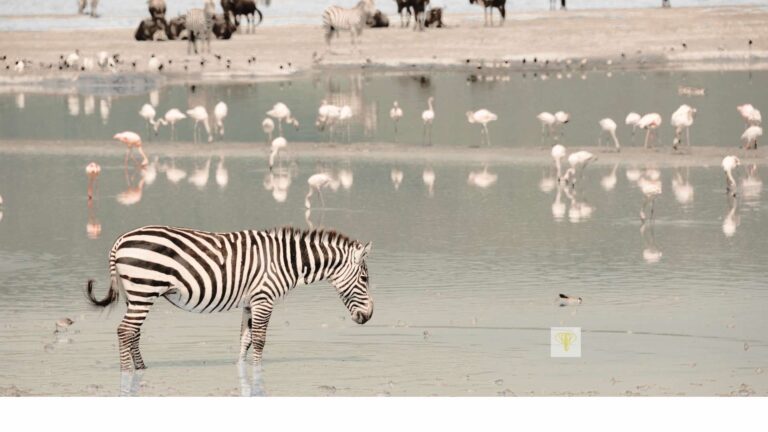
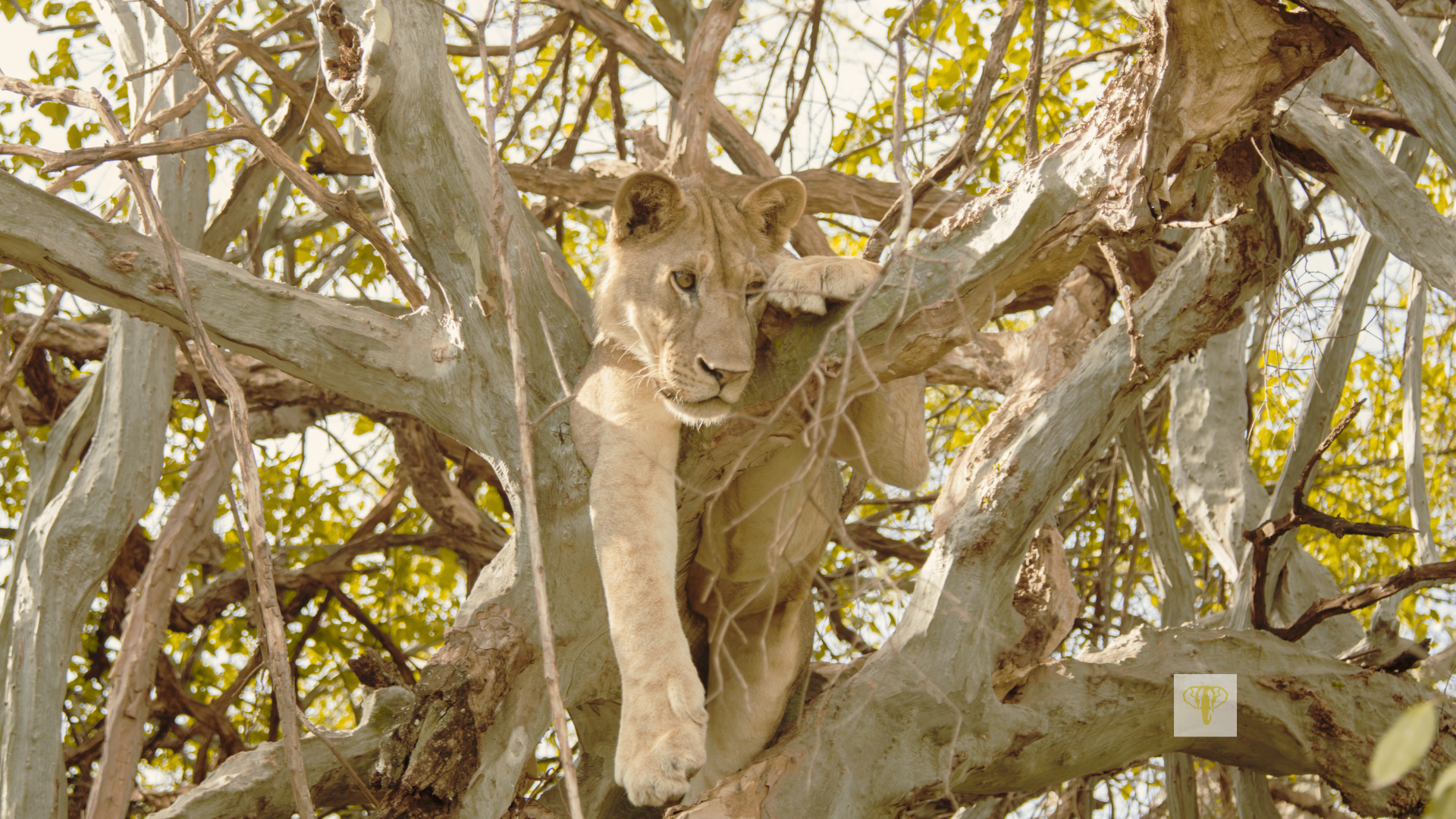
Hidden between steep cliffs and hot springs lies a small but incredibly biodiverse national park. Thousands of flamingos gather seasonally on the alkaline Lake Manyara – a magical sight. Baboons, elephants, and tree-climbing lions are also not uncommon here.
From €495 per person*
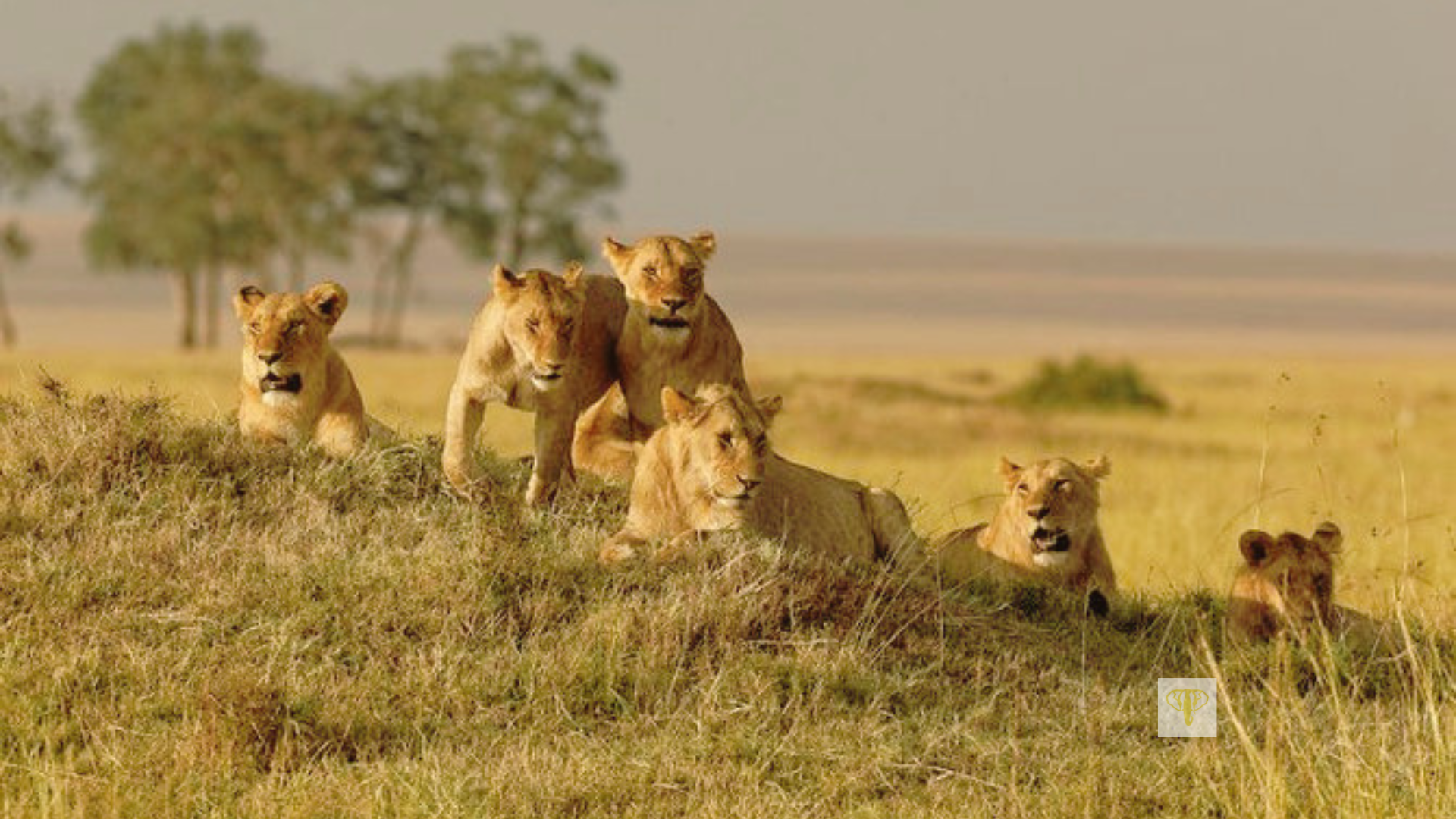
Ruaha National Park in the heart of Tanzania impresses with its untouched nature and rich wildlife. Vast savannas, the mighty Ruaha River, and breathtaking landscapes offer ideal conditions for exciting safaris away from the hustle and bustle.
From €1,195 per person*
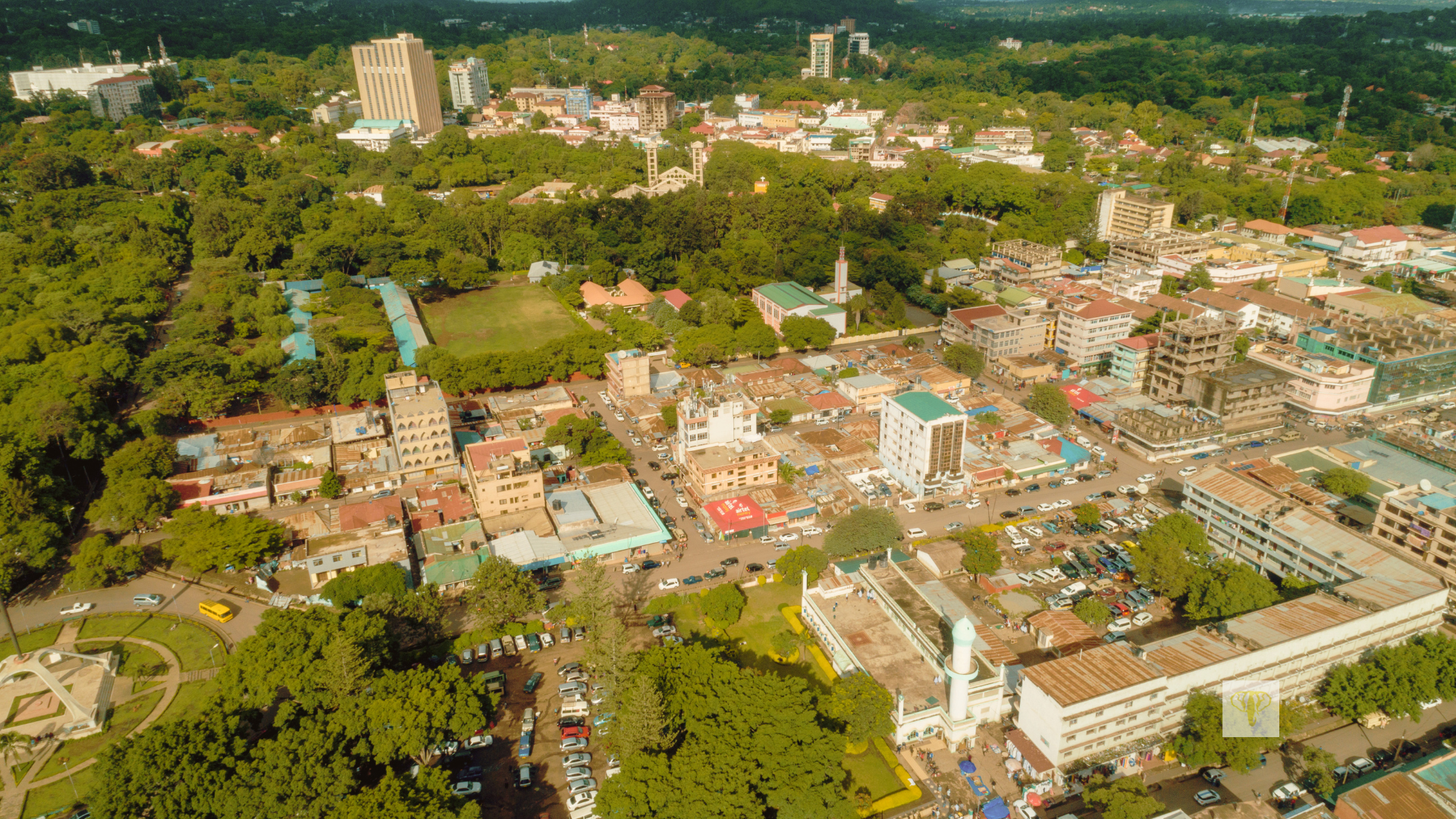
Arusha City in northern Tanzania is considered the gateway to the most famous national parks. Markets, cafes, and cultural centers characterize the vibrant cityscape between Kilimanjaro and the Serengeti. Its authentic atmosphere makes it unique.
Starting from 145 EUR per person*
Mafia Island lies off the southern coast of Tanzania and is a paradise for divers, those seeking tranquility, and nature lovers. The protected marine reserve, white beaches, and relaxed island life make the small island the ideal retreat after a safari.
From €1,295 per person*
Nyerere National Park in southern Tanzania is Africa's largest national park. The Rufiji River, miombo woodlands, and vast plains create perfect conditions for wildlife viewing away from the crowds. Its wild, untouched nature makes every visit unforgettable.
Starting from EUR 645 p.p.*
All prices listed are former prices for short and price-optimized trips. Current prices may be higher due to the respective season and inflation. Our terms and conditions apply.
Nyerere National Park (Selous): Your Ultimate Guide to Safari Adventures 2025
The Nyerere National Park, formerly known as the Selous Game Reserve, is one of Africa's largest and wildest protected areas. Spanning over 30,000 square kilometers, this UNESCO World Heritage site offers an unparalleled diversity of landscapes, wildlife species, and safari experiences. This guide provides all essential information for planning a safari in 2025 – from its fascinating history and unique wildlife to various safari activities and practical travel tips for an unforgettable natural experience in southern Tanzania.
- What is Nyerere National Park? A Giant Awakens (formerly Selous Game Reserve)
- Wildlife in Nyerere Nationalpark: A Paradise for Wildlife Viewing
- Safari Activities in Nyerere National Park: Adventures for Every Taste
- Planning Your Trip to Nyerere National Park: The Complete Guide
- Nyerere National Park for Special Interests and Travel Combinations
- Frequently Asked Questions (FAQ) about Nyerere National Park
- Conclusion: Why Nyerere National Park Will Be Your Unforgettable Safari Highlight
1. What is Nyerere National Park? A Giant Awakens (formerly Selous Game Reserve)
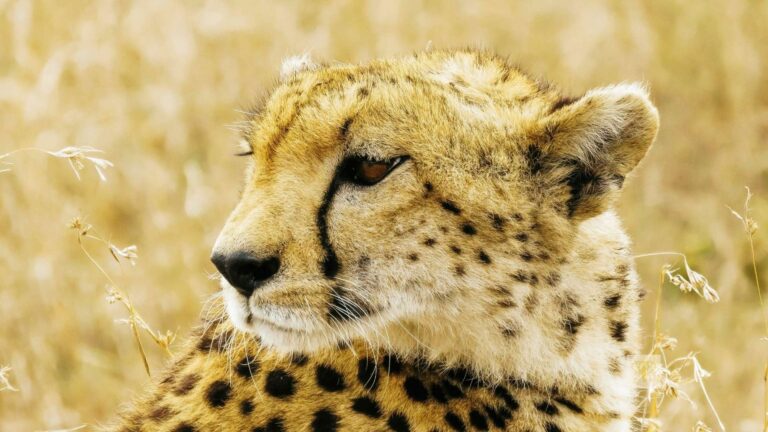
Nyerere National Park in southeastern Tanzania has been the largest national park in Africa since its establishment in 2019. With an impressive area of approximately 30,893 square kilometers, it even surpasses the total area of Switzerland and offers a largely untouched natural paradise. The park encompasses the northern part of the former Selous Game Reserve, while the southern part continues to exist under the name Selous. This massive wilderness is among the most significant conservation areas worldwide and is characterized by its exceptional biodiversity and pristine landscapes.
From Selous to Nyerere: History, Renaming, and Significance
The history of the wildlife reserve dates back a long way. As early as 1896, during the German colonial era, the first small game reserve was established south of the Rufiji River. After World War I, the area was named after the British officer and big-game hunter Frederick Courtney Selous, who fell on the banks of the Beho Beho River in what is now the park area in 1917. In 1922, the British Protectorate Government merged four game reserves into the Selous Game Reserve.
In 2019, the northern part of the Selous Game Reserve was converted into Nyerere National Park. The name honors Julius Nyerere, the first president of independent Tanzania, who led the country to independence in 1961. This conversion was not just a name change but also an upgrade in protection status, as hunting is not allowed in national parks, unlike in game reserves. The area of Nyerere National Park is approximately 30,893 km², while the remaining Selous Game Reserve in the south covers around 18,000 km².
Unique Landscape: The Mighty Rufiji River and Untouched Wilderness
The landscape of Nyerere National Park is largely shaped by the Rufiji River, Tanzania's longest river. Together with its tributaries, lakes, and lagoons, it forms a complex water network that serves as the ecosystem's lifeline. During the dry season, numerous animals gather at the remaining waterholes, offering excellent viewing opportunities.
The diverse habitats include miombo dry woodlands, savannas, rolling green hills, rock formations, swamps, and extensive lakes. The miombo woodlands, in particular, host a higher density and diversity of species than other regions of Africa. A large part of the park is still in a natural state, largely undisturbed by human activities, which gives it its special character as one of Africa's last great wildernesses.
UNESCO World Heritage Site: Protection Status and the Role of TANAPA
The Nyerere National Park, formerly part of the Selous Game Reserve, was declared a UNESCO World Heritage site in 1982 due to its exceptional biodiversity and intact natural processes. This distinction recognizes the large number of wildlife, including elephants, lions, rhinos, buffaloes, giraffes, crocodiles, hippos, and over 400 bird species. The protected area has also been on the List of World Heritage in Danger since 2014 due to poaching.
With its conversion into a national park, the Tanzania National Parks Authority (TANAPA) is responsible for protection and conservation. It manages the area, ensures compliance with protective regulations, and offers guests a strictly regulated safari experience without hunting. Despite new infrastructure projects and discussions about major constructions such as the Stiegler's Gorge dam, the natural state has so far been largely preserved, according to UNESCO.
The Difference: Nyerere National Park vs. Selous Game Reserve – What Has Changed?
The conversion of the northern part of the Selous Game Reserve into Nyerere National Park in 2019 brought about significant changes. The most crucial difference lies in its protection status: Nyerere National Park exclusively conducts photographic safaris, while the remaining Selous Game Reserve in the south has been divided into several hunting concessions and continues to be used for trophy hunting.
The higher protection status as a national park also entails stricter regulations. Nyerere National Park encompasses the most heavily frequented northern part of the former Selous, including the popular safari region north of the Rufiji River. The two main access gates are also located here: the Mtemere Gate in the east and the Matambwe Gate in the west.
Through the transformation, the former hunting ground has been considerably reduced in size, while a large part of the former protected area has been upgraded. At the same time, countless trees have already been felled by the construction of a power plant with a dam 130 by 700 meters in size in the Stiegler Gorge, and a larger area is likely to change gradually.
Discover other tours
All prices listed are former prices for short and price-optimized trips. Current prices may be higher due to the respective season and inflation. Our terms and conditions apply.
2. Wildlife in Nyerere Nationalpark: A Paradise for Wildlife Viewing
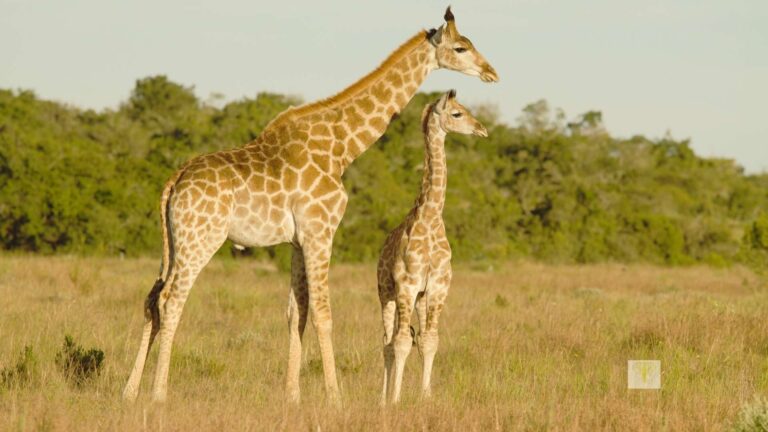
Nyerere National Park is home to an.
The "Big Five" in Nyerere Nationalpark: Sighting Opportunities and Special Features
In Nyerere National Park, the legendary "Big Five" – lion, leopard, elephant, rhinoceros, and buffalo – are present, though rhinoceros are extremely rare to see. The term "Big Five" originally comes from the era of big-game hunting and refers to the five animals that were the most difficult to hunt. Today, lions, leopards, elephants, rhinoceroses, and buffaloes are among the most sought-after photo subjects for safari travelers.
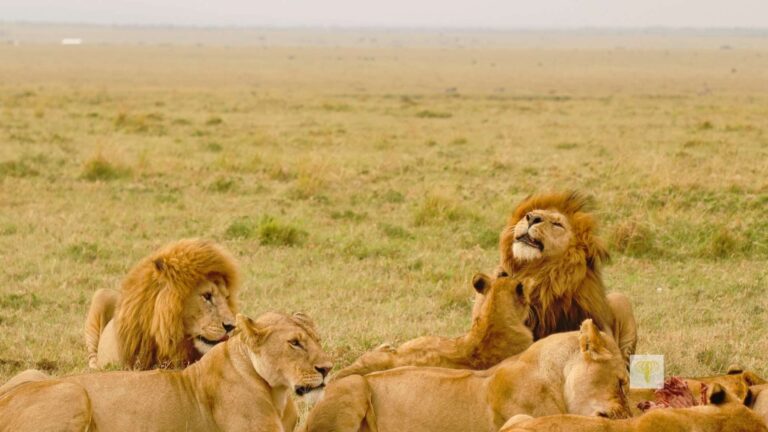
The park is home to significant populations of lions and leopards, which inhabit the vast savanna and woodland areas. Elephants were once present in large numbers in the Nyerere area, but their population has significantly declined due to poaching; nevertheless, around 10,000 elephants still live in the park. Buffalo can be found in large herds, especially near water sources. Black rhinos are extremely rare and tend to stay in inaccessible, densely vegetated areas, which is why in practice, people often refer to the "Big Four.".
Unique in Africa: Observe African Wild Dogs in Nyerere National Park
A special attraction of Nyerere National Park is its stable population of African wild dogs (Lycaon pictus), a critically endangered species. These social, pack-living animals have become rare in other parts of Africa but find ideal conditions in the vast, undisturbed habitat of Nyerere National Park.
The chance of spotting African wild dogs during a multi-day safari in Nyerere is comparatively high. For many safari travelers and wildlife enthusiasts, observing these rare and fascinating predators is a special highlight that sets Nyerere National Park apart from other safari destinations.
Diversity on the ground and in the air: more mammals and over 440 bird species
In addition to the "Big Five" and African wild dogs, Nyerere National Park is home to a wealth of other mammals. These include giraffes, zebras, various antelope species such as impalas, bushbucks, waterbucks, Lichtenstein's hartebeest, and elands, as well as hyenas and baboons. This diversity makes the park an excellent location for comprehensive wildlife viewing. The birdlife of Nyerere National Park is exceptionally rich, with over 440 documented species. Scientists have recorded more than 445 different bird species native to the park's diverse habitats. Along the rivers and lakes, visitors can find species such as giant kingfishers, pink-backed pelicans, African skimmers, white-fronted bee-eaters, fish eagles, carmine bee-eaters, ibises, and palm-nut vultures, among others. In the woodland areas, visitors can discover magnificent turacos, rollers, hornbills, and many other species. For bird lovers, the park thus offers a true paradise with excellent viewing opportunities.
Life on the River: Crocodiles, Hippos, and the Magic of the Rufiji
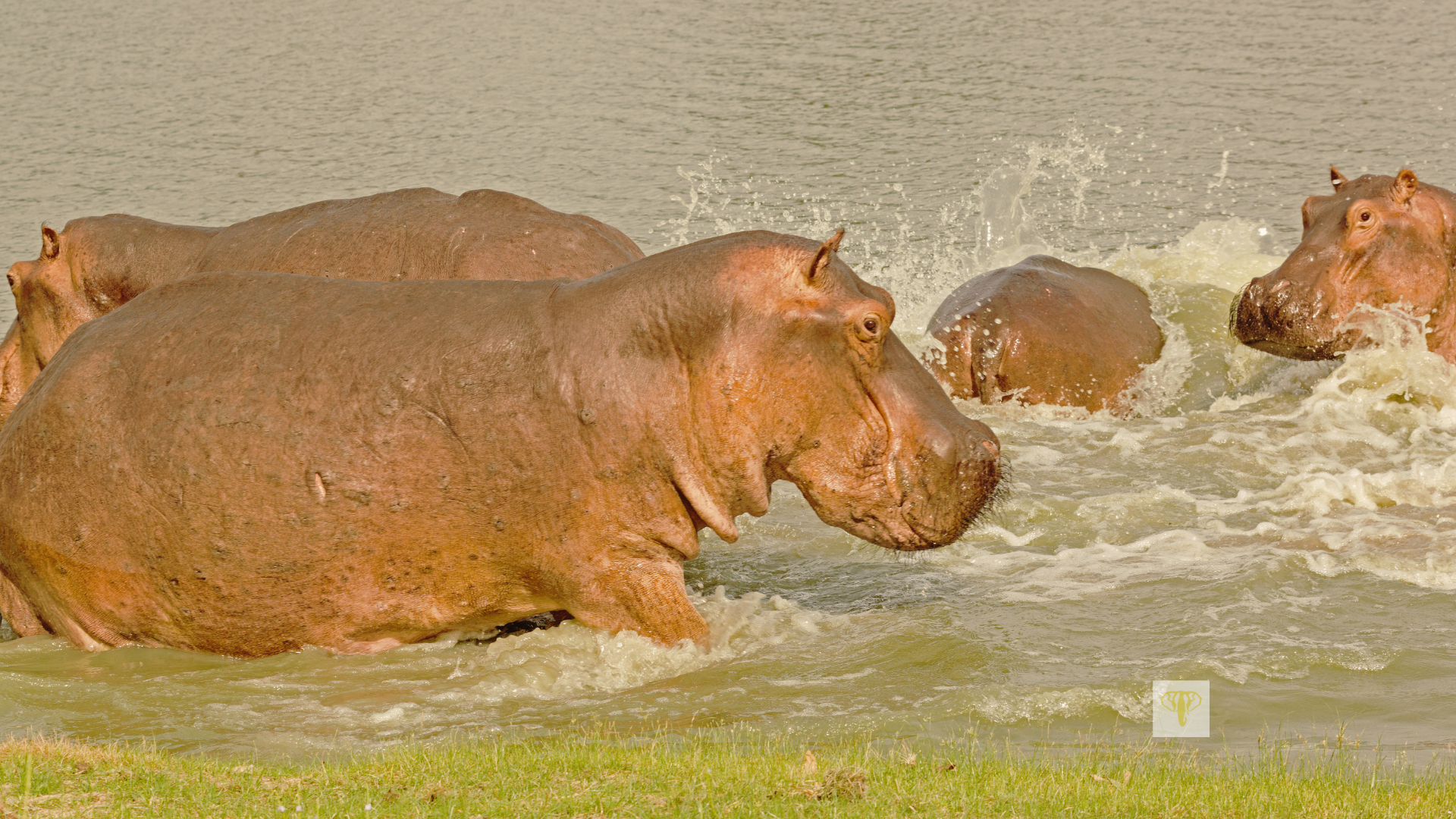
The Rufiji River and its tributaries are the lifelines of the park, offering spectacular opportunities for observing aquatic wildlife. The riverbanks and sandbanks are home to numerous Nile crocodiles, which love to bask on the shores. Nyerere National Park also hosts a large portion of Tanzania's hippopotamus population. These impressive animals can be particularly well observed during a boat safari as they rest in groups in the water or graze on the banks.
The watercourses also attract many other animals that come to the banks to drink. During the dry season, when water becomes scarce, numerous animal species gather along the river, offering excellent viewing opportunities. The magical atmosphere of the Rufiji with its lagoons, sandbanks, and lush bank vegetation creates a unique backdrop for unforgettable wildlife viewing and photographic opportunities.
Travel Planner Hamburg & Frankfurt Office
- 10 years of customer service experience
- Contact person for rebookings, itinerary changes & emergencies
- Fluent in German & English
Berlin Travel Planner Office
- Traveled multiple times in Africa
- Contact person for risk prevention & travel preparation
- Fluent in German & English
Tour planner
- Contact person for travel from Africa
- Speaks English & Igbo
3. Safari Activities in Nyerere National Park: Adventures for Every Taste
The Nyerere National Park stands out for its exceptional variety of safari activities, distinguishing it from other national parks in Tanzania. Unlike in the Serengeti, for example, where game drives are predominant, visitors to Nyerere can choose between different forms of experiences, thus encountering the diverse landscapes and abundant wildlife in various ways.
Classic Game Drives: Exploring the Vastness of the Park
Game drives in open-top 4x4 vehicles are among the classic safari activities in Nyerere National Park. These game drives allow for the exploration of large parts of the park and offer the best chances for predator sightings. Experienced guides navigate through the park's diverse habitats and know the best spots for wildlife viewing.
Game drives are typically conducted in the early morning or late afternoon, when the animals are most active. The open vehicles offer optimal viewing opportunities and ideal conditions for photographers. Although the safari routes in Nyerere National Park are not comparable to the Serengeti in terms of accessibility and diversity, and animals sometimes have to be spotted with difficulty due to the lush vegetation, this does not detract from the fascination of the experience.
Unforgettable Boat Safaris: Experience Nyerere National Park from the Water
One of the outstanding features of Nyerere National Park are the boat safaris on the Rufiji River and the surrounding lakes. These offer a completely different perspective on wildlife than classic game drives and are among the most popular activities in the park.
During a boat safari, visitors can observe numerous hippos in groups in the water, as well as crocodiles basking on sandbanks. With a bit of luck, other wildlife that comes to the river to drink can also be spotted. Boat safaris are a particular highlight for bird lovers, as a variety of waterfowl live along the waterways. The unique river landscape with its network of many small lagoons and islands creates a magical atmosphere and offers excellent photo opportunities.
Intensive Nature Experiences: Guided Walking Safaris
For an intense nature experience, Nyerere National Park offers guided walking safaris, also known as bush walks. During these walks, visitors are accompanied by experienced, armed rangers who impart in-depth knowledge about the flora and fauna and ensure the group's safety.
Walking safaris offer a completely different approach to nature compared to motorized safaris. Participants can experience the sounds, scents, and details of the wilderness up close and learn to read animal tracks and discover small, easily overlooked species. This activity is particularly suitable for nature lovers who want to develop a deeper understanding of the ecosystem. The bush walks are usually conducted early in the morning when temperatures are still pleasant and wildlife is active.
Special Experiences: Fly Camping, Fishing, and Hot Air Balloon Safaris
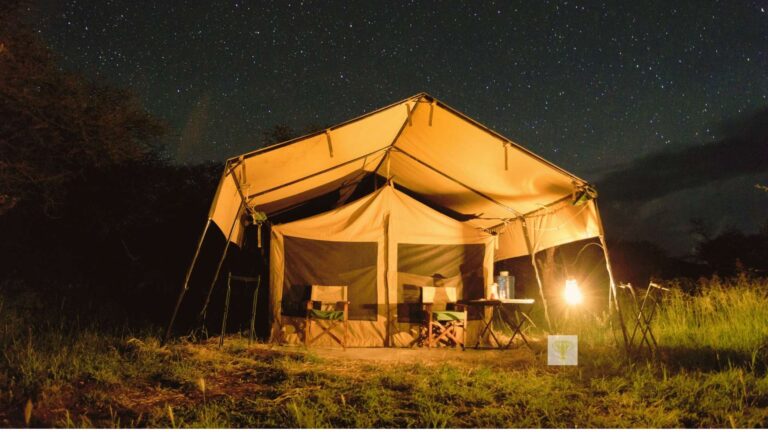
In addition to classic safari activities, Nyerere National Park offers some special experiences for adventurous visitors. One extraordinary option is fly camping, where guests spend the night in temporary, mobile camps in remote areas. These simple camps allow for an intense wilderness experience and a deep connection with nature.
For fishing enthusiasts, there is the option to fish in the Rufiji River, usually following the "catch and release" principle. This activity can be carried out during a boat safari or as a separate excursion.
A particularly spectacular way to experience Nyerere National Park is with hot air balloon safaris. These take place early in the morning and offer breathtaking views of the park's vast plains and wildlife. After the approximately one-hour flight, participants can expect a festive champagne breakfast in the bush. The balloon rides are safe and conducted by qualified, experienced pilots who ensure safety.
Photography Safaris: The Best Tips for Breathtaking Wildlife Photos in Nyerere
Nyerere National Park offers excellent opportunities for photography enthusiasts with its diverse landscape and rich wildlife. The combination of water landscapes, open savannahs, and forest areas creates varied backdrops for impressive wildlife photos.
For successful photography safaris in Nyerere, it is recommended to combine various safari activities. While game drives offer good chances for predator photos, boat safaris allow for unique close-up shots of hippos, crocodiles, and waterbirds. The best time for wildlife photography is early morning or late afternoon when the light is soft and the animals are active.
Photographers should bring enough memory cards and spare batteries, as well as a telephoto lens for capturing wildlife from a distance. A tripod or beanbag can be helpful in low light conditions. Experienced safari guides know how to position the vehicle optimally for photographers and can give valuable tips for unique photo opportunities.
4. Planning Your Trip to Nyerere National Park: The Complete Guide
Best time to visit Nyerere National Park: When is the weather ideal?
The best time to visit Nyerere National Park is during the dry season, from June to October. During this period, the weather is mostly clear and dry, the vegetation is less dense, and animals gather at the remaining water sources, which greatly facilitates wildlife viewing. Temperatures are pleasant during this time, and rainfall is minimal, keeping road conditions good and all parts of the park accessible.
The main rainy season, from March to May, brings heavy rainfall that can lead to difficult road conditions. During this time, the lush vegetation can make it harder to spot wildlife, as they tend to retreat into denser areas. There is another, shorter rainy season in November and December. January and February can present an interesting alternative once the heavy rains have subsided. This "green season" offers abundant birdlife, many young animals, and predator activity.
Getting to Nyerere National Park: An Overview of Air and Land Options
The Nyerere National Park is located about 230 kilometers southwest of Dar es Salaam in southern Tanzania. For travel from abroad, it is recommended to fly to Julius Nyerere International Airport (DAR) in Dar es Salaam, the main gateway to Tanzania's southern safari circuit.
From Dar es Salaam, there are two main options for continuing your journey to the National Park:
- Flight Safari: The most convenient and time-efficient option is a light aircraft flight from Julius Nyerere International Airport to one of the airstrips in or near the national park, such as Mtemere Airstrip. These flights are offered by various charter companies and take approximately 45 minutes.
- Land transfer: Alternatively, you can arrive by off-road vehicle. The journey from the airport in Dar es Salaam to.
For safari tourists, tour operators typically arrange transportation from the airport to the national park, either by plane or by off-road vehicles. With an organized safari, guests are usually picked up at the airport and safely transported to their accommodation in or near the park.
Accommodations in Nyerere National Park: From Luxury Lodge to Authentic Tent Camp
Nyerere National Park offers a diverse range of accommodations to suit different needs and budgets. Most lodging options are located along the Rufiji River or on one of the lakes, ensuring excellent views and immediate proximity to wildlife.
Luxury lodges and camps offer exceptional comfort, impeccable service, and often exclusive amenities such as private plunge pools. Notable luxury accommodations in Nyerere National Park include Siwandu Camp, Sand Rivers Nyerere Camp, and Beho Beho Camp, among others.
For travelers with a moderate budget, various mid-range accommodations are available that offer good value for money. These include, for example, the Selous Kinga Lodge and Mivumo River Camp, which combine comfortable lodging with good service.
More authentic and intense safari experiences are offered by tented and bush camps such as Lake Manze Camp and Selous Impala Camp. These accommodations feature spacious safari tents with comfortable amenities and provide a more immediate nature experience. For the adventurous, there is also the option of fly camping, where guests spend the night in simple, temporary camps under the starry sky.
When choosing accommodation, preferred safari activities should be considered alongside the budget. Some camps specialize in specific activities such as boat safaris or walking safaris and are strategically located for optimal wildlife viewing.
Costs of a Safari in Nyerere National Park: Budget, Park Fees, and Additional Expenses
The cost of a safari in Nyerere National Park varies depending on the duration of the trip, accommodation category, chosen activities, and time of year. Generally, a safari in southern Tanzania is often more affordable than comparable offers in the northern parks like the Serengeti.
Park entrance fees for Nyerere National Park are $50 per person per day for foreign adults and $30 for children under 15. Additionally, there is a concession fee of $25 per person for overnight stays in accommodations within the park.
A three-day safari in Nyerere National Park can cost between $825 and $845 per person, depending on the standard, as exemplified by a mid-range option. Luxury safaris can be significantly more expensive, while more budget-friendly options are also available.
The main costs of a safari include:
- Accommodation and meals
- Transportation costs (off-road vehicle or aircraft)
- Parking fees and concession fees
- Safari Activity Costs
- Tips for Guides and Camp Staff
It is advisable to compare safari offers from different providers and pay attention to included services. Many safari packages already include all essential costs such as accommodation, meals, transfers, and activities.
Recommended Duration: How many days to plan for Nyerere National Park?
For a comprehensive experience in Nyerere National Park, a minimum stay of three days and two nights is recommended. This timeframe allows for experiencing various safari activities and gaining a good impression of the park's diversity.
Ideally, 4-5 days are recommended to explore the park's diverse ecosystems and combine various safari experiences such as game drives, boat safaris, and walking safaris. A longer stay also increases the chances of rare animal sightings like leopards or African wild dogs.
When planning the duration of your trip, you should also consider the arrival and departure days, especially if you are traveling by off-road vehicle, which can take several hours. Flight safaris are more time-efficient and allow for more time in the park itself.
Packing List for Your Nyerere Safari: What You Absolutely Must Pack!
For a safari in Nyerere National Park, it is recommended to pack light, soft, and practical. A medium-sized soft bag is ideal, as it takes up less space in the safari vehicle or small plane than a hard-shell suitcase. Luggage should ideally be limited to 15 kg, plus a carry-on item.
Essential clothing items for a safari in Nyerere National Park are:
- Lightweight, breathable clothing in neutral colors (beige, khaki, olive)
- Long-sleeved shirts and long pants to protect from sun and insects
- A lightweight, waterproof jacket for occasional rain showers
- A warm fleece jacket or sweater for cool mornings and evenings
- Comfortable, closed hiking shoes for walking safaris
- Wide-brimmed sun hat and sunglasses
Other important equipment:
- Sonnenschutzmittel mit hohem Lichtschutzfaktor
- Insektenschutzmittel mit DEET
- Persönliche Medikamente und eine kleine Reiseapotheke
- Fernglas für Tierbeobachtungen
- Kamera mit Teleobjektiv, ausreichend Speicherkarten und Ersatzakkus
- Wasserflasche zum Nachfüllen
- Kleiner Tagesrucksack für Safari-Ausflüge
Es ist ratsam, leichte, schnell trocknende Kleidungsstücke zu wählen und auf Schichten zu setzen, da die Temperaturen zwischen Morgen und Mittag stark variieren können.
Gesundheit & Sicherheit im Nyerere Nationalpark: Malaria, Impfungen und wichtige Hinweise
Der Nyerere Nationalpark liegt in einem Malariagebiet, daher sind entsprechende Vorsichtsmaßnahmen wichtig. Dazu gehören:
- Einnahme von Malariaprophylaxe nach Rücksprache mit einem Tropenmediziner
- Tragen von langer, heller Kleidung in den Abendstunden
- Verwendung von Insektenschutzmitteln mit DEET
- Use of mosquito nets, available in most accommodations
Before traveling to Tanzania, various vaccinations are recommended. A yellow fever vaccination is required for entry into Tanzania. Further recommended vaccinations should be discussed with a travel doctor, ideally about a month before the trip.
For safety during the safari, it is important to follow the instructions of experienced safari guides, especially during wildlife viewing and walking safaris. Serious incidents on organized safaris are rare. The general security situation in Nyerere National Park is considered good, and crimes against visitors are extremely rare in Tanzanian national parks.
Visa and Entry Requirements for Your Tanzania Trip
For entry into Tanzania, German, Austrian, and Swiss citizens require a visa. This can either be applied for online in advance or purchased upon arrival at the airport. Applying online is often the.
The following documents are required for entry:
- A passport that is valid for at least six months beyond the end of your trip and has at least two blank pages
- A completed visa application form
- A recent passport photo
- Proof of payment of the visa fee
- Proof of sufficient funds for the stay
- Round-trip tickets
- Proof of Yellow Fever Vaccination
It is advisable to check the current entry requirements on the official website of the Tanzanian immigration authority or through the relevant embassy before traveling, as regulations can change.
Super organization and great guide
Super organized safari with a really great guide. Thank you Joseph for making this week an indescribable experience!
May 2025
Super organization and great guide
Communication via email and video call was straightforward. Mr. Justus was super friendly and patient, and I never felt like he was trying to „sell“ me something.
January 2024
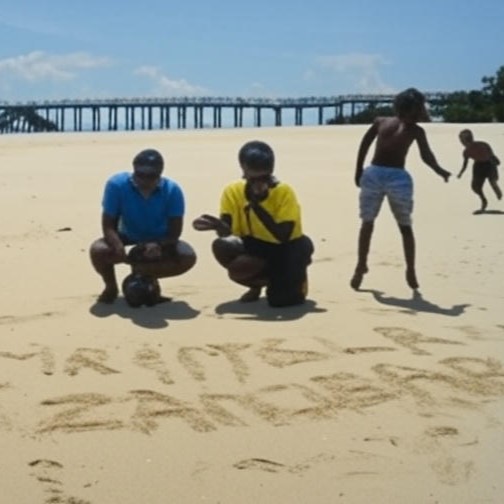
Visa Support was amazing.
The Tansaina Safari team helped my family and me with our visas and found affordable flights from Nigeria that we wouldn't have found ourselves. Highly, highly recommendable for travelers from Africa!!
August 2024
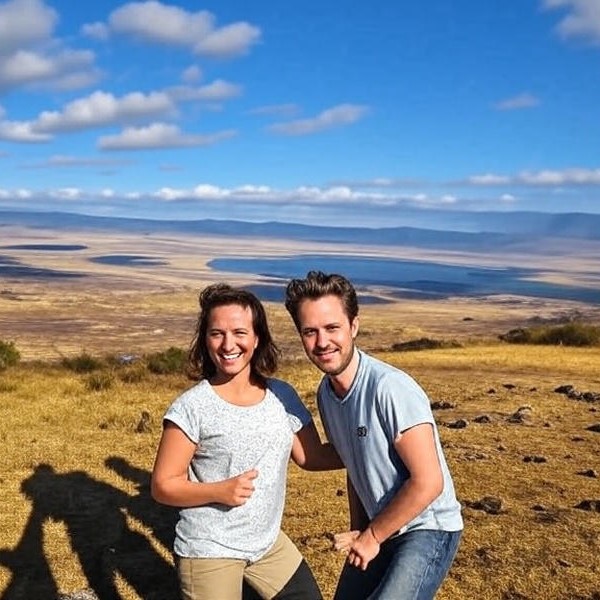
Fair prices
Mr. Justus provided us with excellent advice. He responded very quickly, took our wishes into account, and created an affordable route through the Serengeti. Thank you very much for the great service!
January 2024
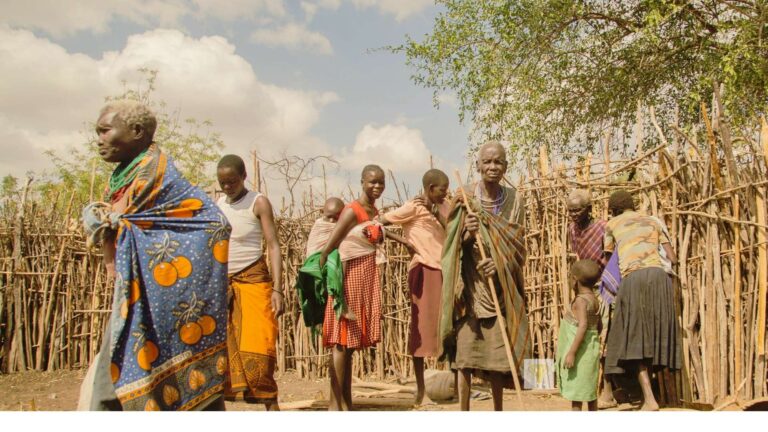
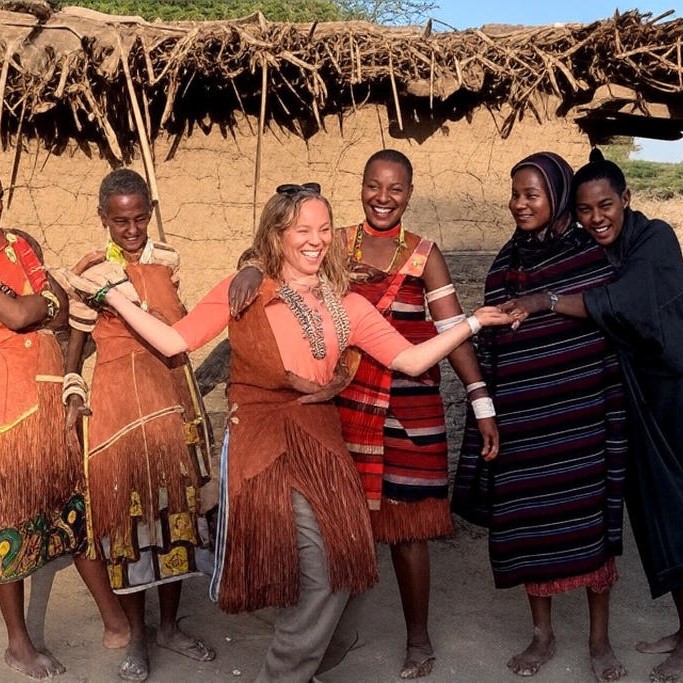
Competent contact persons
Travel advisor Dominic Dreiner advised us excellently, and it was evident that he enjoys his job. As we are experienced with life and travel, we can say: it doesn't get any better.
February 2025
5. Nyerere National Park for Special Interests and Travel Combinations
The Nyerere National Park is excellent for various special interests and combines ideally with other destinations in Tanzania. This flexibility makes it an attractive option for different travel styles, from families with children to luxury travelers seeking an exclusive safari experience.
Family Safaris in Nyerere National Park: An Adventure for All Ages
The Nyerere National Park is well-suited for family safaris, as children of all ages have access to the park. Some lodges and camps offer special family rooms or tents, as well as activities tailored for children. Boat safaris, in particular, are often exciting for children, as they can observe hippos and crocodiles from a safe distance.
When planning a family safari, the duration of the trip should be carefully considered to avoid overexertion. Three to four days in Nyerere National Park are often ideal for families with children. Choosing child-friendly accommodation with appropriate facilities and safety precautions is also important.
For families, it can be a good idea to combine Nyerere National Park with a beach stay in Zanzibar to have time for relaxation after exciting safari days. This combination offers variety and appeals to both children and adults.
Dream Combinations: Nyerere National Park & Zanzibar or Other Southern Parks (Ruaha, Mikumi)
One of the most popular travel combinations is to combine a safari in Nyerere National Park with a subsequent beach stay in Zanzibar. After the adventurous safari days, the white sandy beaches and turquoise waters of the Spice Island offer perfect relaxation.
Alternatively, Nyerere National Park can be excellently combined with other parks in southern Tanzania. Ruaha National Park, with its giant baobab trees, and Mikumi National Park, with its high animal density, are ideal additions for a comprehensive southern Tanzania safari route. This combination allows for experiencing different ecosystems and getting to know the diversity of Tanzanian wildlife.
For a complete Tanzania experience, a combination of southern and northern Tanzania can also be considered, linking Nyerere National Park with well-known northern parks such as the Serengeti or the Ngorongoro Crater. However, this requires more time and a higher budget due to the greater distances.
Luxury safaris and custom adventure travel in Nyerere
The Nyerere National Park is ideal for luxury safaris and tailor-made travel experiences. Exclusive lodges and camps such as Siwandu, Sand Rivers, or Beho Beho offer the highest comfort, first-class service, and individual safari experiences in one of Africa's wildest regions.
Luxury safaris in Nyerere are characterized by small group sizes, private vehicles and guides, and flexible daily itineraries that can be fully customized to the guests' wishes. Special experiences such as private bush walks, exclusive sundowner cocktails with views of the Rufiji River, or romantic dinners under the starry sky complete the luxurious safari experience.
For adventure travelers, Nyerere National Park offers the opportunity to undertake customized tours that combine various activities such as walking safaris, boat safaris, fly camping, and photography safaris. The park's relative remoteness and lower visitor numbers compared to the northern parks create an authentic and exclusive safari experience.
Discover individual routes off the beaten path
Assistance with planning and booking
Personal support before, during, and after the trip
Starting from €1195 per person*
From €495 per person*
Starting from €2,095 per person*
Starting from €295*
From €495 per person*
From €495 per person*
Starting from €1195 per person*
Starting from 145 EUR per person*
Starting from 1295 EUR*
Starting from EUR 645 p.p.*
All prices listed are former prices for short and price-optimized trips. Current prices may be higher due to the respective season and inflation. Our terms and conditions apply.
6. Frequently Asked Questions (FAQ) about Nyerere National Park
What is the average cost of a safari in Nyerere National Park?
Safari costs in Nyerere National Park vary depending on the duration, accommodation standard, and chosen activities. A three-day safari in the mid-range price category costs approximately $825-$845 USD per person. Luxury safaris can start at $500-$1000 USD per person per night, while more budget-friendly options are available from around $250-$300 USD per person per night. Additionally, park fees of $50 USD per adult per day and concession fees of $25 USD for overnight stays within the park apply.
What animals are most commonly seen in Nyerere National Park?
The most commonly sighted animals in Nyerere National Park include elephants, buffalo, giraffes, zebras, various antelope species such as impalas and waterbucks, hippos, and crocodiles. Lions are regularly spotted, while leopards are shyer and require more patience. The chance of seeing African wild dogs is comparatively high in Nyerere National Park. Rhinos, on the other hand, are extremely rare to observe. The birdlife is extraordinarily diverse with over 440 species, especially along the waterways.
Is Nyerere National Park safe for tourists?
Yes, Nyerere National Park is considered safe for tourists. Crimes against visitors are extremely rare in Tanzanian national parks. On organized safaris, experienced guides ensure the safety of guests, especially during wildlife viewing and walking safaris. For personal health, malaria prophylaxis is important, as the park is a malaria zone. Additionally, various vaccinations are recommended, with the yellow fever vaccination being mandatory for entry into Tanzania.
Is Nyerere National Park safe for tourists?
Yes, Nyerere National Park is considered safe for tourists. Crimes against visitors are extremely rare in Tanzanian national parks. On organized safaris, experienced guides ensure the safety of guests, especially during wildlife viewing and walking safaris. For personal health, malaria prophylaxis is important, as the park is a malaria zone. Additionally, various vaccinations are recommended, with the yellow fever vaccination being mandatory for entry into Tanzania.
Is a boat safari in Nyerere really worth it?
A boat safari in Nyerere National Park is definitely worthwhile and is one of the highlights of a visit. It offers a unique perspective on wildlife, especially hippos, crocodiles, and numerous bird species that are harder to observe from land. The Rufiji River, with its network of tributaries, lagoons, and lakes, creates an impressive aquatic environment that is ideal for boat safaris. This activity complements game drives perfectly, offering variety and relaxation during your safari stay.
How does the Nyerere National Park differ from the Serengeti?
Nyerere National Park differs from the Serengeti in several key aspects. While the Serengeti is primarily known for the great wildebeest migration and open savanna landscapes, Nyerere is characterized by its aquatic environment with the Rufiji River, lakes, and swamps, as well as miombo woodlands. Nyerere is visited significantly less than the Serengeti, which allows for a quieter, more exclusive safari experience.
Another important difference lies in the possible activities: In Nyerere, in addition to game drives, boat safaris and walking safaris are also permitted, which is mostly not possible in the Serengeti. The wildlife also differs: while both parks are home to the Big Five, Nyerere is particularly known for its population of African wild dogs. Furthermore, due to the lusher vegetation, the safari routes in Nyerere are not comparable to the Serengeti in terms of accessibility and variety.
Get binding offers quickly
In Germany & Tanzania
Our team is at your side
7. Fazit: Warum der Nyerere Nationalpark Ihr unvergessliches Safari-Highlight wird
Die einzigartigen Vorteile des Nyerere Nationalparks auf einen Blick
Der Nyerere Nationalpark bietet eine Reihe einzigartiger Vorteile, die ihn zu einem besonderen Safari-Ziel machen. Als größter Nationalpark Afrikas mit einer Fläche von über 30.000 km² bietet er weitläufige, unberührte Wildnis, die zum UNESCO-Weltnaturerbe zählt. Die relative Abgeschiedenheit und geringere Besucherzahl im Vergleich zu den nördlichen Parks Tansanias ermöglichen ein authentisches Safari-Erlebnis ohne Touristenmassen.
Ein herausragendes Merkmal des Nyerere Nationalparks ist die außergewöhnliche Vielfalt an Safari-Aktivitäten – von klassischen Pirschfahrten über Bootsafaris auf dem Rufiji-Fluss bis hin zu geführten Walking Safaris und spannenden Fly Camping-Abenteuern. Diese Aktivitätenvielfalt ist in anderen tansanischen Nationalparks oft nicht in dieser Breite möglich.
Die beeindruckende Biodiversität mit mehr als 2.000 Pflanzenarten, über 440 Vogelarten und zahlreichen Säugetieren, darunter eine stabile Population gefährdeter Afrikanischer Wildhunde, macht den Park zu einem Paradies für Naturliebhaber und Fotografen. Die Kombination aus Wasserlandschaften, Savannen und Wäldern schafft vielfältige Ökosysteme und Lebensräume für eine reiche Tierwelt.
Bereit für Ihr Abenteuer? Nächste Schritte zur Planung Ihrer Nyerere Safari
Um Ihre Safari im Nyerere Nationalpark zu planen, empfiehlt es sich, frühzeitig mit den Vorbereitungen zu beginnen, idealerweise sechs bis zwölf Monate im Voraus. Dies gilt besonders für die beliebte Trockenzeit von Juni bis Oktober, wenn die besten Unterkünfte schnell ausgebucht sind. Der erste Schritt ist die Wahl eines erfahrenen Reiseveranstalters, der auf Safaris im südlichen Tansania spezialisiert ist. Ein guter Anbieter kann maßgeschneiderte Reisepläne erstellen, die Ihren Interessen, Ihrem Budget und Ihrer gewünschten Reisedauer entsprechen. Wichtig ist auch die Klärung praktischer Aspekte wie Visum, Impfungen und Reiseversicherung.
Der erste Schritt ist die Wahl eines erfahrenen Reiseveranstalters, der auf Safaris im südlichen Tansania spezialisiert ist. Ein guter Anbieter kann maßgeschneiderte Reisepläne erstellen, die Ihren Interessen, Ihrem Budget und Ihrer gewünschten Reisedauer entsprechen. Wichtig ist auch die Klärung praktischer Aspekte wie Visum, Impfungen und Reiseversicherung.
Bei der Planung sollten Sie überlegen, welche Safari-Aktivitäten Sie besonders interessieren und wie Sie diese optimal kombinieren können. Eine Verbindung von Pirschfahrten, Bootsafaris und Walking Safaris bietet vielfältige Perspektiven auf die Tierwelt des Nyerere. Auch die Kombination mit anderen Reisezielen wie Sansibar oder weiteren Nationalparks im südlichen Tansania ist überlegenswert.
Der Nyerere Nationalpark verspricht mit seiner unberührten Wildnis, der reichen Tierwelt und den vielfältigen Safari-Erlebnissen ein unvergessliches Abenteuer fernab ausgetretener Touristenpfade – ein wahres Highlight für jeden Afrika-Reisenden und Naturliebhaber.
Get personal advice now

After this call, you have…
- a list of all trips that fit your budget and availability,
- Bookable tours with fixed prices
- and answers to your open questions
- ... and all in under 30 minutes.