
Experience the adventure of a lifetime – discover the wild beauty of the Serengeti up close on an unforgettable safari!
Experience the adventure of a lifetime – discover the wild beauty of the Serengeti up close on an unforgettable safari!
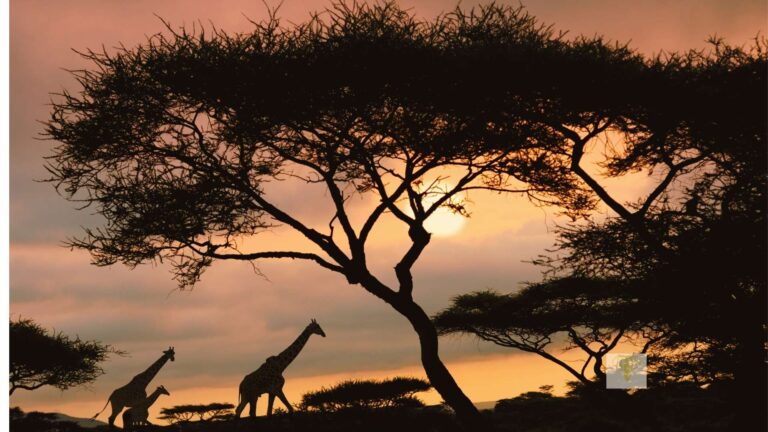
The vast, open landscape of the Serengeti feels like an endless carpet of grass. It is primarily known for the Great Migration, where wildebeest, zebras, and gazelles embark on a perilous journey. A true spectacle of nature – and a year-round hotspot for big cats and wildlife.
From €1,195 per person*
Inside a giant volcanic caldera lies a fascinating ecosystem: The Ngorongoro Crater is home to countless animal species – from lions and buffaloes to rare black rhinoceroses. The dense grasslands, small lakes, and hills make every game drive an exceptional nature experience.
From €495 per person*
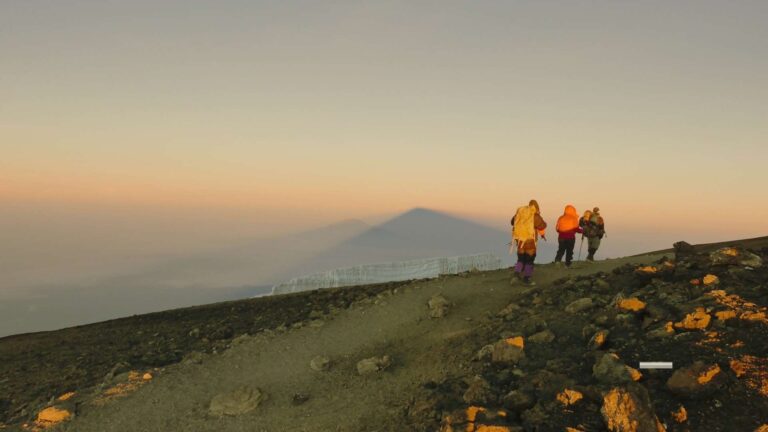
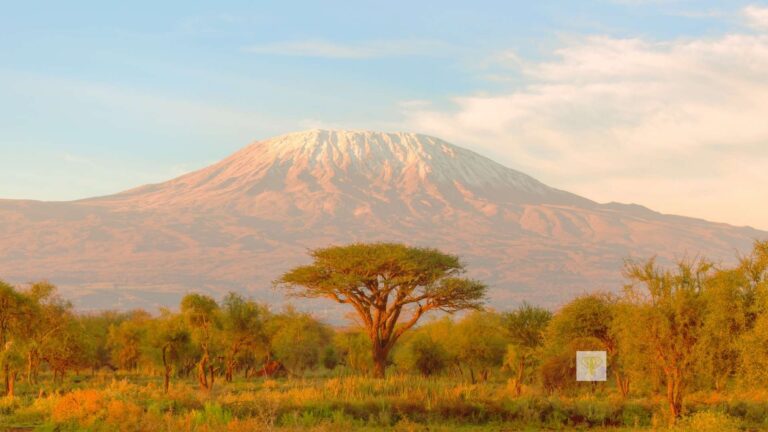
To stand on the highest point in Africa – a lifelong dream for many. The majestic Kilimanjaro is not just a mountain, but an experience. Various routes offer suitable options for beginners and experienced hikers alike, accompanied by impressive landscapes and changing climate zones.
From EUR 2,095 p.p.*
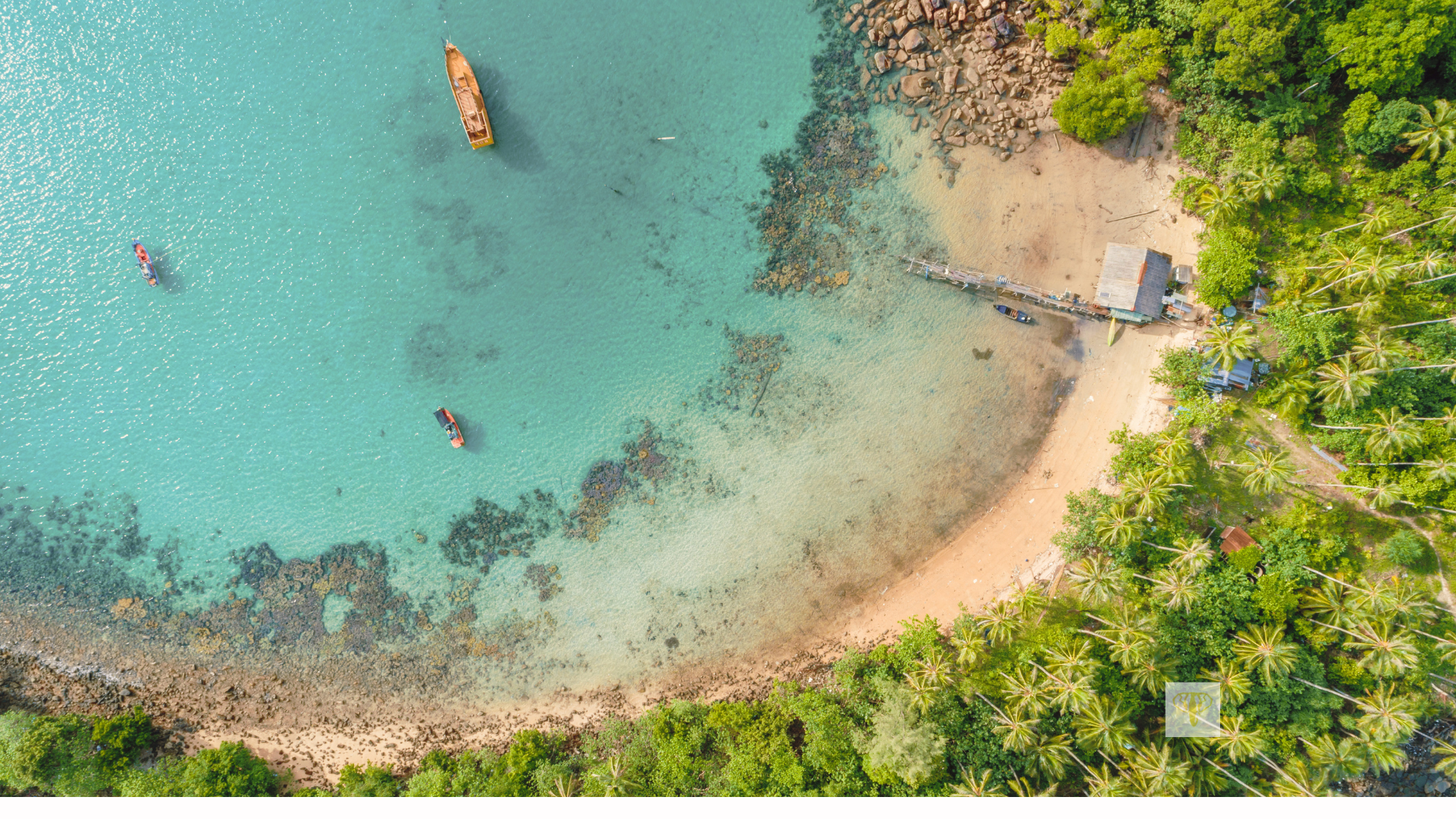
Those looking for relaxation after a safari will find it on Zanzibar: turquoise waters, fine sand, and colonial history in Stone Town. Whether diving at colorful reefs or simply lounging in a hammock – your vacation can come to a wonderful close here.
From 295 EUR per person*
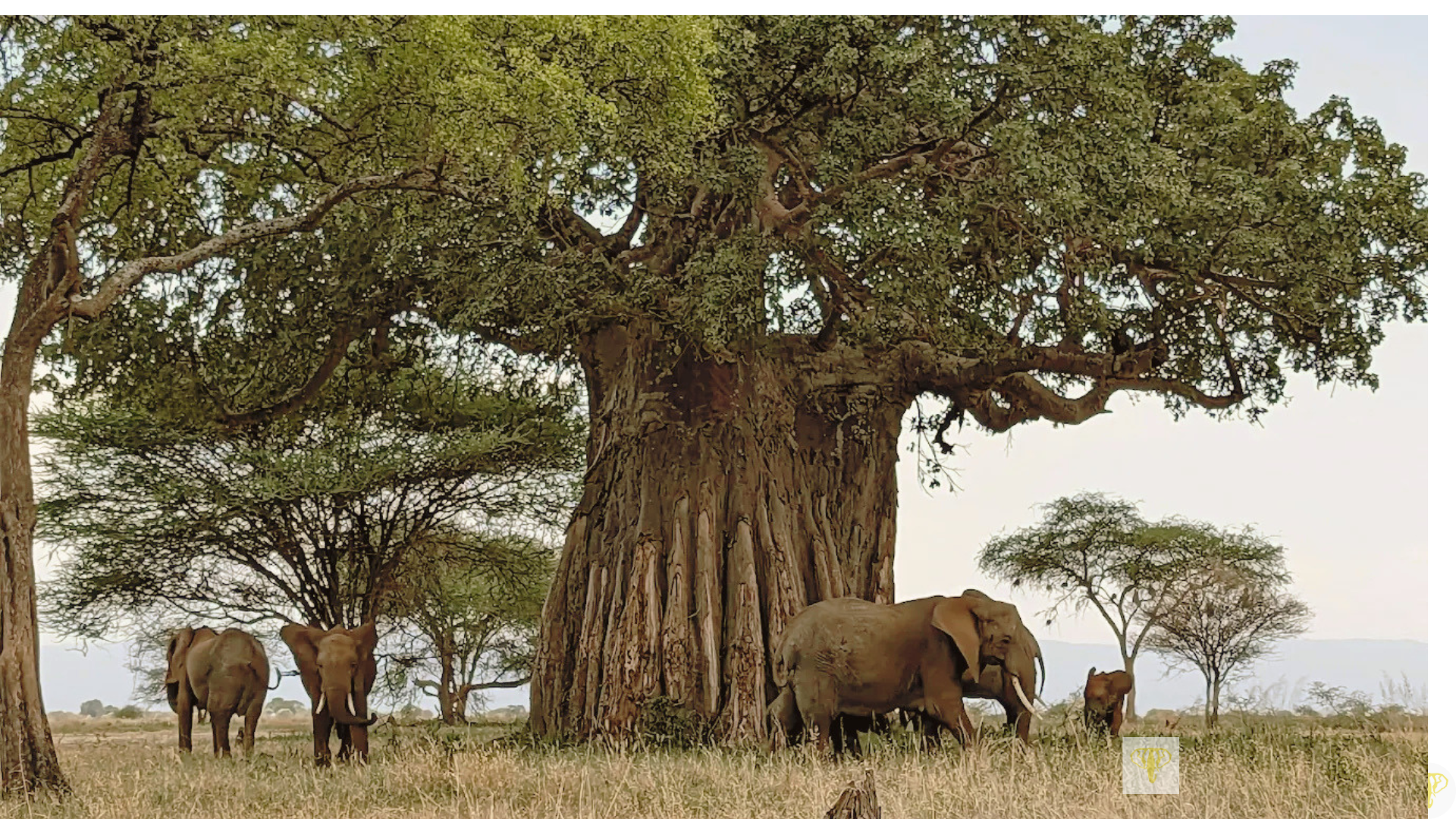
Those who love elephants will love Tarangire. Huge herds roam the landscape, characterized by impressive baobab trees and vast plains. Bird lovers will also get their money's worth with over 500 species.
From €495 per person*
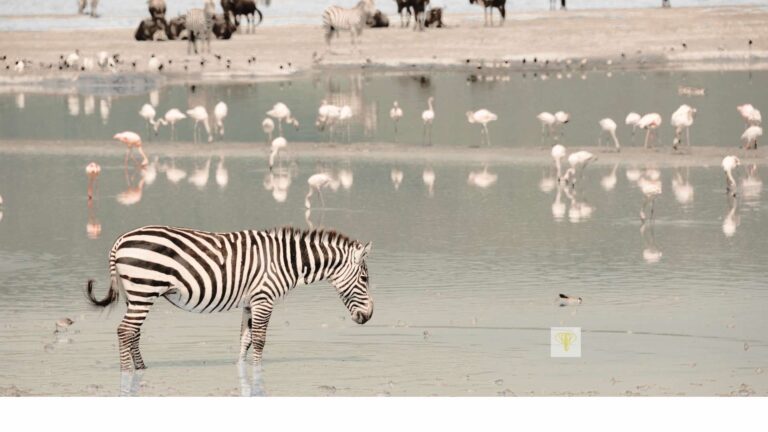
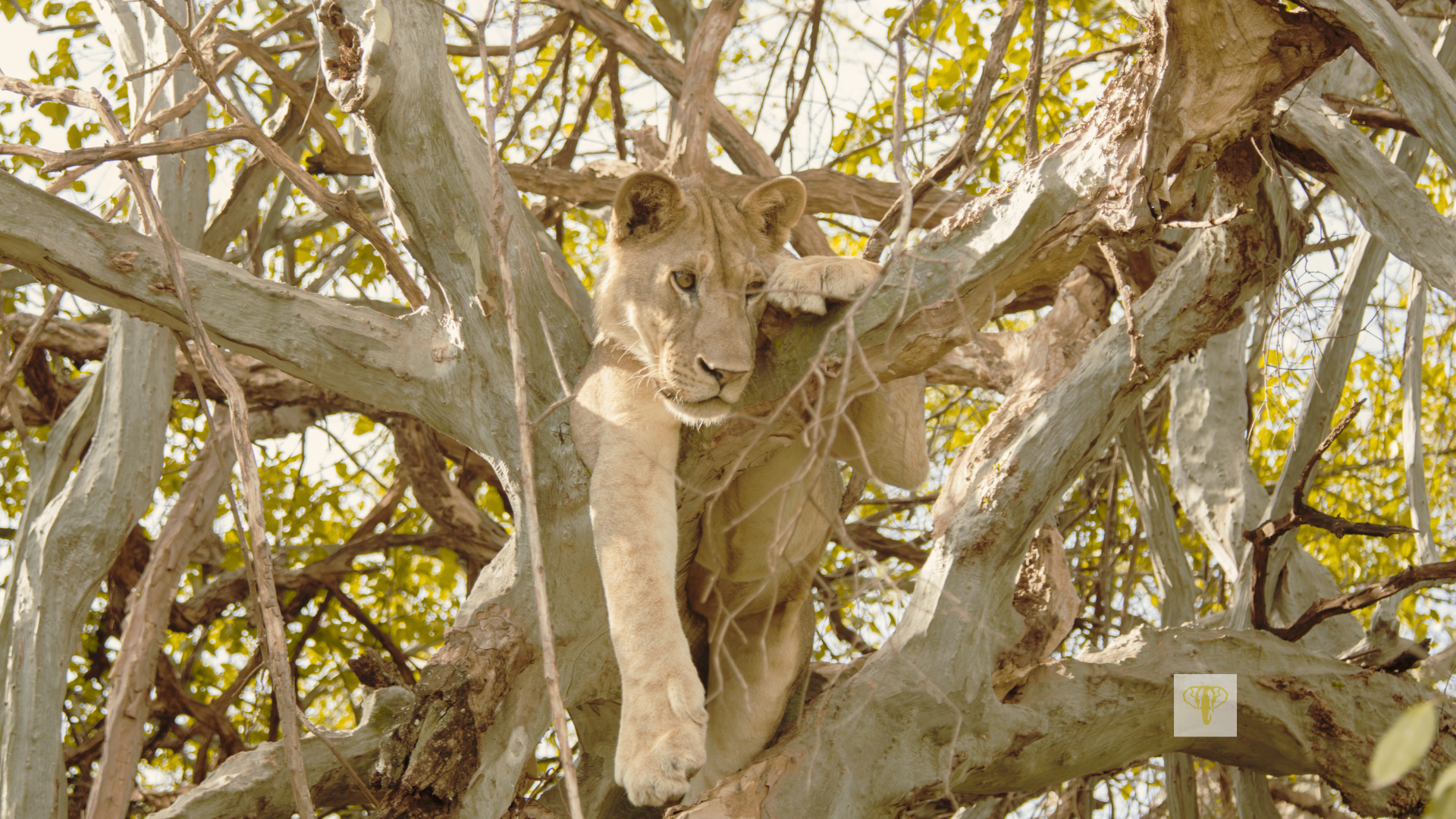
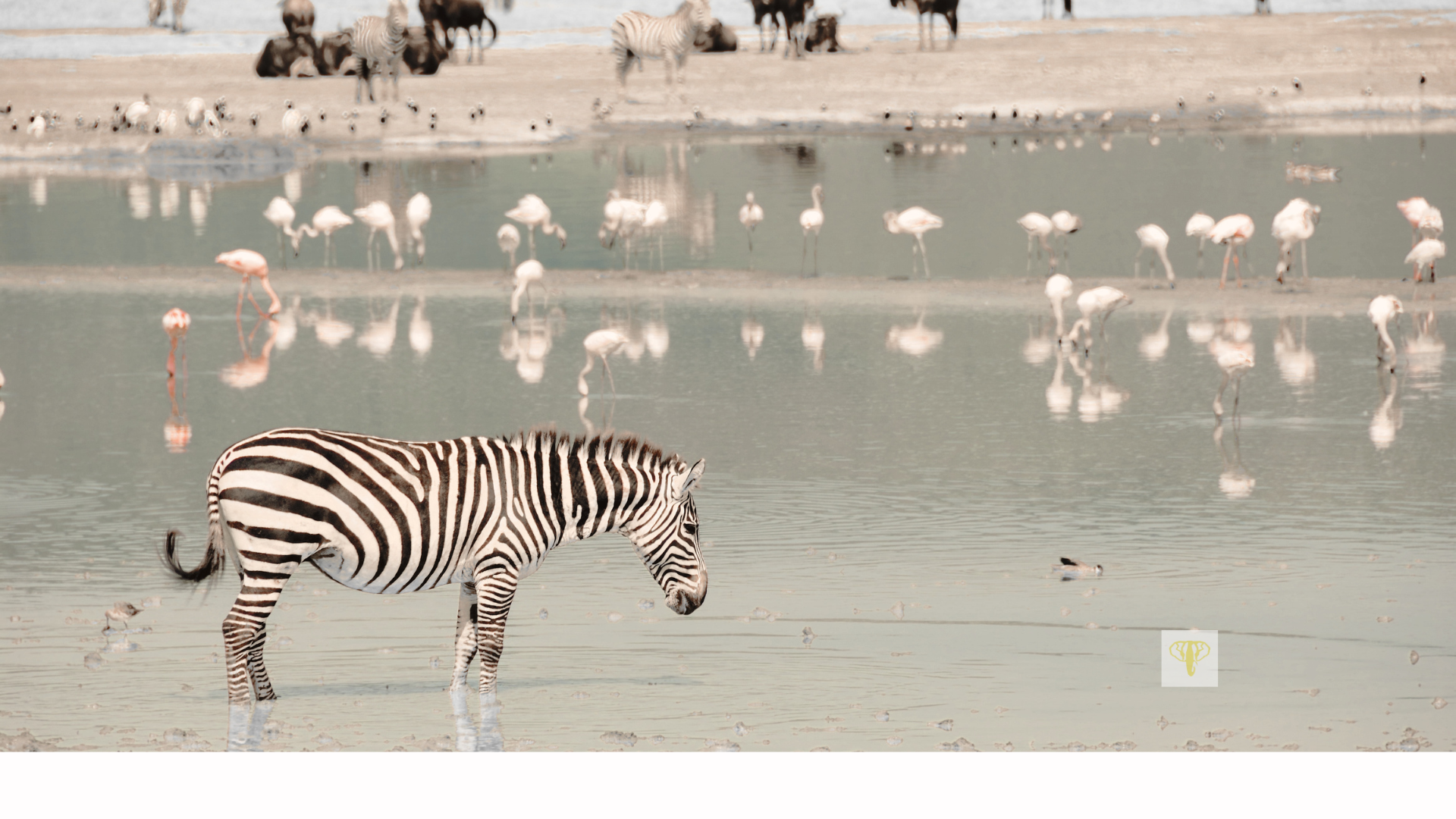
Hidden between steep cliffs and hot springs lies a small but incredibly biodiverse national park. Thousands of flamingos gather seasonally on the alkaline Lake Manyara – a magical sight. Baboons, elephants, and tree-climbing lions are also not uncommon here.
From €495 per person*
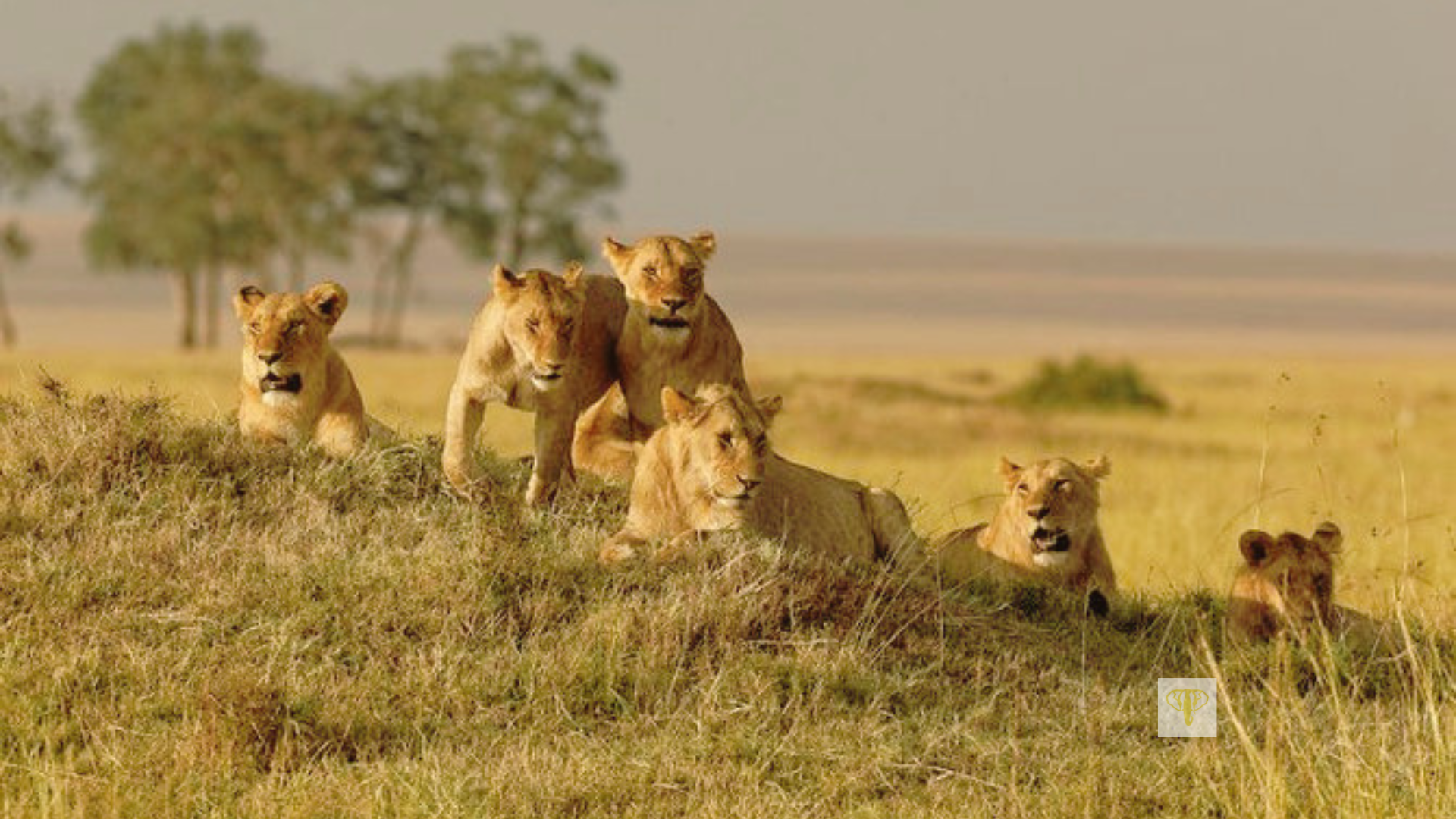
Ruaha National Park in the heart of Tanzania impresses with its untouched nature and rich wildlife. Vast savannas, the mighty Ruaha River, and breathtaking landscapes offer ideal conditions for exciting safaris away from the hustle and bustle.
From €1,195 per person*
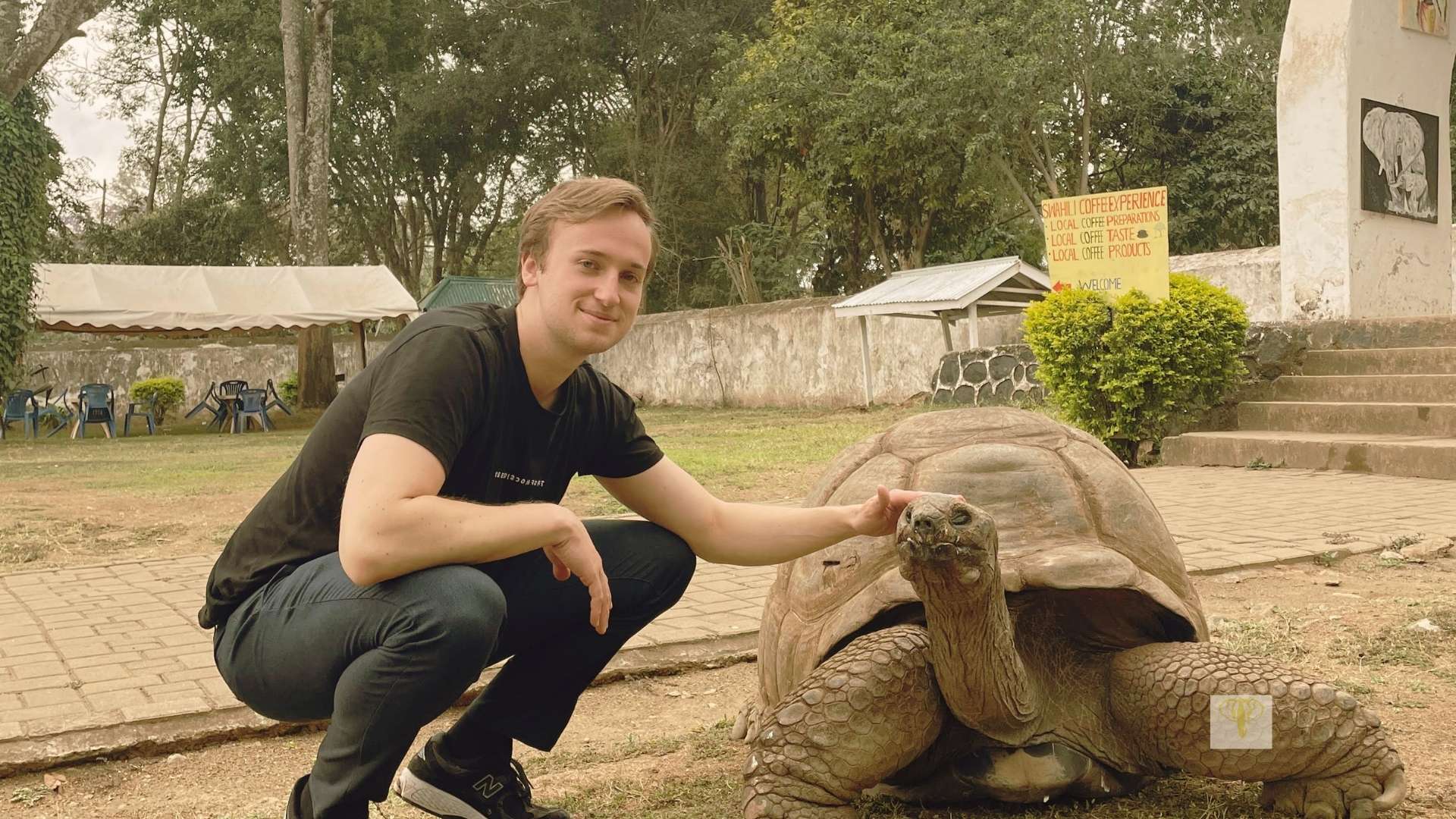
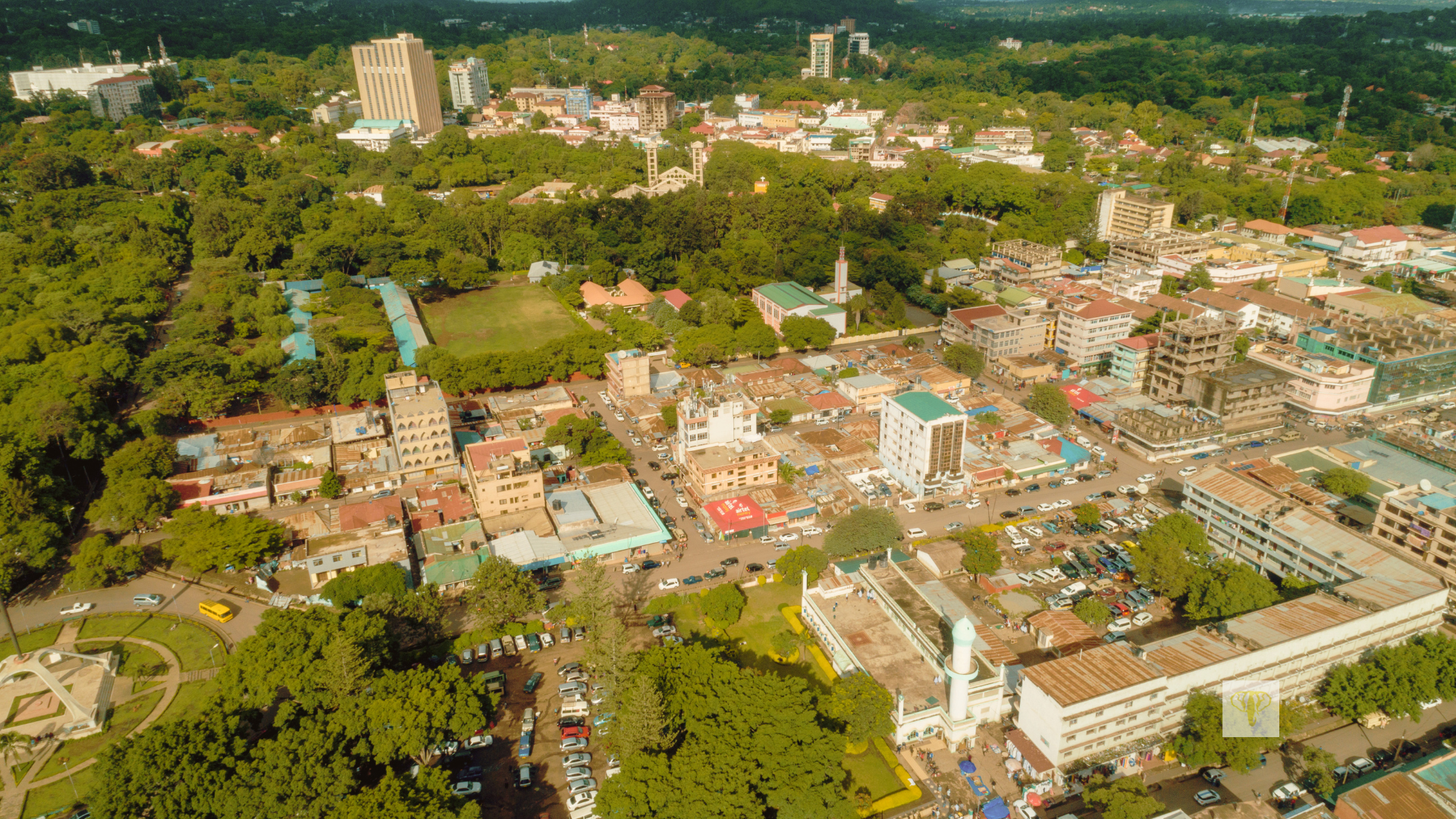
Arusha City in northern Tanzania is considered the gateway to the most famous national parks. Markets, cafes, and cultural centers characterize the vibrant cityscape between Kilimanjaro and the Serengeti. Its authentic atmosphere makes it unique.
Starting from 145 EUR per person*
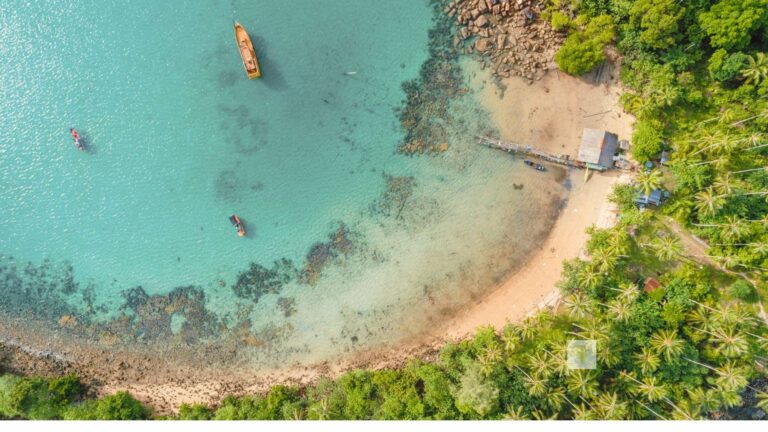
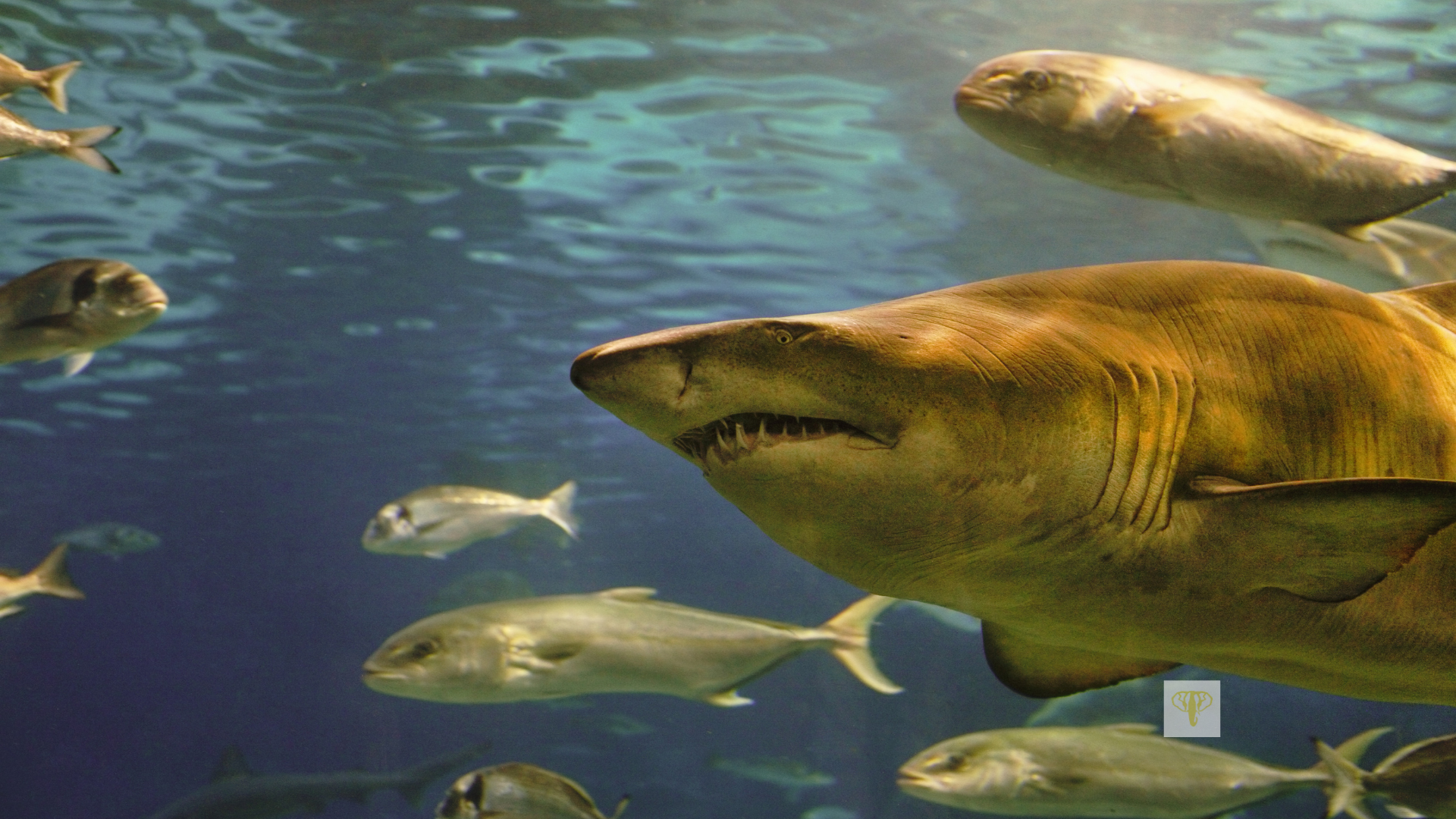
Mafia Island lies off the southern coast of Tanzania and is a paradise for divers, those seeking tranquility, and nature lovers. The protected marine reserve, white beaches, and relaxed island life make the small island the ideal retreat after a safari.
From €1,295 per person*
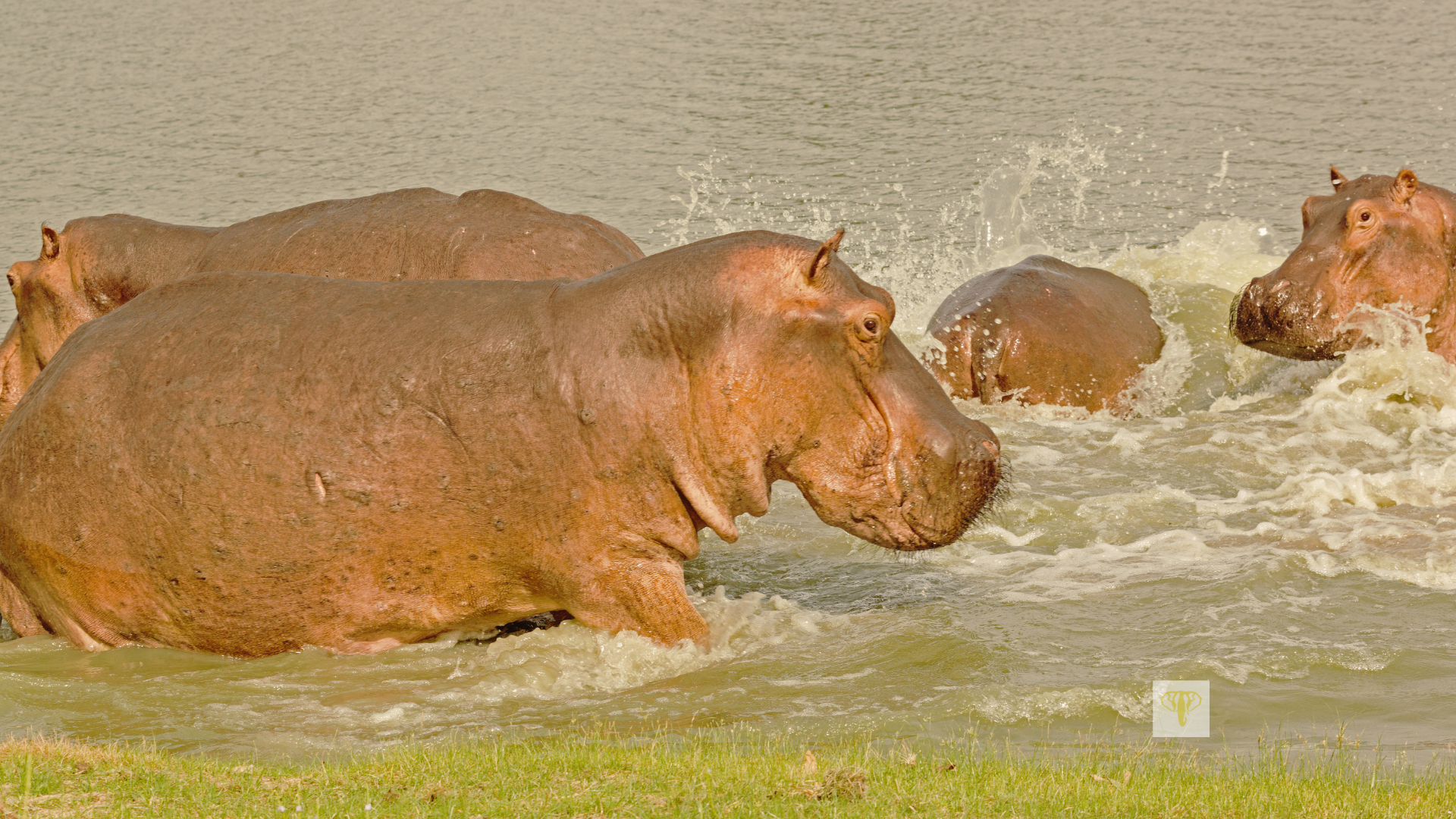
Nyerere National Park in southern Tanzania is Africa's largest national park. The Rufiji River, miombo woodlands, and vast plains create perfect conditions for wildlife viewing away from the crowds. Its wild, untouched nature makes every visit unforgettable.
Starting from EUR 645 p.p.*
All prices listed are former prices for short and price-optimized trips. Current prices may be higher due to the respective season and inflation. Our terms and conditions apply.
Serengeti National Park: The Ultimate Guide – Safari Planning, Wildlife & the Great Migration 2025
The Serengeti National Park in Tanzania is one of the most impressive natural wonders on our planet. With its endless savanna, breathtaking wildlife, and the annual natural spectacle of the Great Migration, this protected area is the heart of African wilderness. As a UNESCO World Heritage Site and one of the largest protected areas in the world, the Serengeti offers an unparalleled backdrop for safari experiences. This comprehensive guide provides all the essential information for planning a Serengeti safari, from the best time to travel and the various safari options to practical travel tips.
- Introduction: The Fascination of Serengeti National Park, Tanzania
- The Serengeti National Park: Heart of the African Wilderness
- The impressive wildlife of the Serengeti: A paradise for wildlife watching
- The Great Migration: Experience a Natural Wonder of Superlatives Up Close
- Comprehensive Safari Planning for Serengeti National Park
- Accommodations in and on the edge of Serengeti National Park
- Special Activities and Unforgettable Experiences in the Serengeti
- Practical Travel Information for a Well-Prepared Serengeti Safari
- Combination possibilities: Discover the Serengeti and other highlights in Tanzania
- Sustainable Tourism and Nature Conservation in Serengeti National Park
- Useful Resources and Further Links
- Frequently Asked Questions (FAQ) about Serengeti National Park
1. Introduction: The Fascination of Serengeti National Park
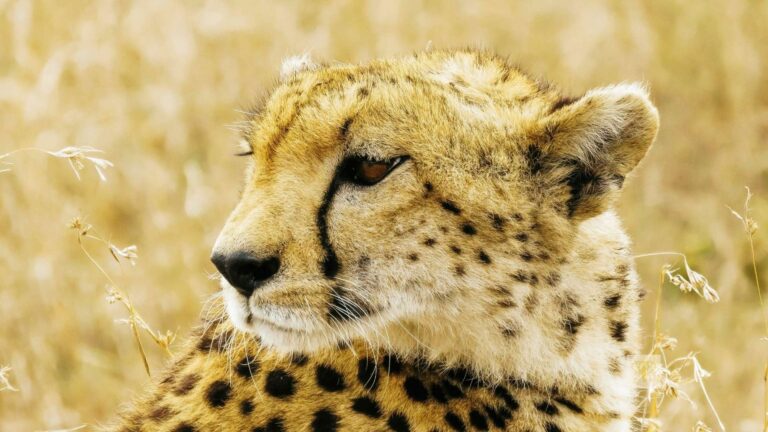
The Serengeti National Park is not just a nature reserve, but a symbol of Africa's unspoiled wilderness. Covering an area of almost 15,000 square kilometers, this impressive ecosystem stretches across northwestern Tanzania and provides a habitat for an extraordinary diversity of species.
The name „Serengeti“ originates from the Maasai language and aptly means „endless plains.“ The Serengeti was declared a UNESCO World Heritage Site in 1981 and is considered one of the largest and most significant conservation areas in the world. The park gained worldwide fame through the annual natural spectacle of the Great Migration, in which over a million wildebeest, along with hundreds of thousands of zebras and gazelles, follow the rain and fresh pastures. This national park embodies the essence of the African wilderness and offers visitors the opportunity to observe wildlife in its natural habitat.
The vastness of the landscape, the diversity of ecosystems, and the density of wildlife make the Serengeti an unforgettable destination for nature lovers and photography enthusiasts.
Discover other tours
All prices listed are former prices for short and price-optimized trips. Current prices may be higher due to the respective season and inflation. Our terms and conditions apply.
2. Serengeti National Park: Heart of the African Wilderness
2.1. Geography and Characteristic Landforms
The Serengeti National Park is located in northwestern Tanzania, east of Lake Victoria, and extends to the Masai Mara in southern Kenya. With an area of exactly 14,764 square kilometers, it is almost as large as the German state of Schleswig-Holstein and thus the largest national park in Tanzania. The Serengeti is located at an average altitude of about 1,300 meters above sea level.
The landscape of the Serengeti is characterized by an impressive diversity. In this vast area, various ecosystems alternate:
- Endless grassy savannas with distinctive inselbergs
- Savanna-like areas with scattered acacias
- Bush savanna and tree savanna
- Gallery forests along rivers
In the northwest of the park, near Lake Victoria, you'll find extensive bush and tree savannas, interspersed with large grasslands and acacia forests. The south and southeast are characterized by the open, seemingly endless grasslands that gave the park its name. Here, short-grass savannas dominate, transitioning into long-grass savannas in the southwest.
The northern part becomes increasingly hilly and borders the Kenyan Masai Mara Reserve. In the east and southeast, the Serengeti transitions into volcanic highlands, where the Ngorongoro Crater conservation area and the Loliondo control area are located.
2.2. History and Cultural Significance of the Protected Area
The history of Serengeti National Park is closely linked to the protection of its unique wildlife. Before the arrival of the first colonialists at the end of the 19th century, the Serengeti was a pristine paradise for wildlife. The indigenous Maasai people, who lived in the area, subsisted entirely on cattle herding and left the wild animals undisturbed.
With the arrival of white settlers and big game hunters, a period of massive threat to wildlife began. Historical accounts tell of hunters who killed up to 100 lions on a single safari. To protect the severely depleted wildlife populations, a part of the savanna landscape was designated as a wildlife reserve as early as 1929.
The official establishment of Serengeti National Park occurred in 1951 by the British colonial administration, which governed what is now Tanzania until 1961. The park's boundaries were changed only once, seven years after its founding, to provide land for the Maasai to settle.
Zoo director, scientist, and wildlife filmmaker Bernhard Grzimek and his son Michael played a significant role in the park's protection and worldwide recognition. They documented their research in the award-winning film "Serengeti Shall Not Die." Tragically, Michael Grzimek died in an accident while filming with the legendary zebra plane.
Interestingly, the famous zoologist and wildlife filmmaker Prof. Dr. Bernhard Grzimek also advised the Sepe family in the construction of the Serengeti Park in Lüneburg Heath, which opened in 1974.
2.3. Climate and Best Time to Visit Serengeti National Park
The climate of the Serengeti is typical of a tropical savanna climate with distinct dry and rainy seasons. Four weather phases alternate throughout the year:
- A short rainy season with lighter showers (August to December)
- A subsequent dry season
- A stronger rainy season (February to April)
- Another dry season
Average temperatures are around 24 degrees Celsius during the rainy seasons and around 26 degrees Celsius during the dry seasons. The climate varies depending on the geographical location within the park:
- The Eastern Highlands (1,800-1,960 m) receive approximately 1,200 mm of rainfall annually.
- In the hilly region (1,400-1,800 m), 1,000-1,200 mm of rain fall annually.
- The Western Plain (1,200-1,400 m) records 600-1,000 mm of rainfall per year.
For safaris in the Serengeti, there are different optimal travel times, depending on the visitors' interests. The periods from mid-December to mid-March and from June to the end of October are generally considered the best times to travel.
The short rainy season in November and December brings only minor restrictions and usually offers ideal conditions for wildlife safaris. In contrast, the long rainy season from mid-March to the end of May presents a challenge. During this time, many camps are even closed or offer discounts under the term "Green Season" because wildlife viewing is significantly more difficult and some areas become impassable.
The months of January and February are particularly recommended for wildlife viewing, as many young animals (including wildebeest, zebras, and numerous big cats) can be seen in the southern corridor. The African winter, from June to August, is one of the most popular travel times. During this period, herds in the Western Corridor of the Serengeti attempt to cross the Grumeti River, where numerous crocodiles lie in wait for prey. The temperatures are cooler during these months, the air is very clear, and conditions for safaris are optimal.
Travel Planner Hamburg & Frankfurt Office
- 10 years of customer service experience
- Contact person for rebookings, itinerary changes & emergencies
- Fluent in German & English
Berlin Travel Planner Office
- Traveled multiple times in Africa
- Contact person for risk prevention & travel preparation
- Fluent in German & English
Tour planner
- Contact person for travel from Africa
- Speaks English & Igbo
3. The Serengeti's Impressive Wildlife: A Paradise for Wildlife Viewing
The Serengeti is world-renowned for its exceptional wildlife and is considered one of the most species-rich ecosystems on Earth. The national park is particularly famous for its huge herds of hoofed animals and their spectacular annual migration. The diversity of habitats allows for enormous biodiversity, which attracts visitors from all over the world.
At the center of attention are the impressive herds of wildebeest, zebras, and gazelles. Approximately 1.3 million wildebeest and around 300,000 zebras migrate through the park annually, following the rain and fresh pastures. This massive gathering of herbivores naturally attracts numerous predators.
The Serengeti is home to all members of the "Big Five" – lions, leopards, elephants, buffalo, and rhinos. Lions are particularly common here, and the Serengeti offers some of the best opportunities in the world to observe these majestic big cats in their natural habitat. Leopards prefer wooded areas, while cheetahs hunt in the open savannahs.
In addition to large mammals, the park is also home to a variety of bird species, reptiles, and smaller mammals. The diverse landscapes, from open grasslands to gallery forests along the rivers, create different niches for a multitude of species.
The plant life of the Serengeti is as diverse as its animal life and shapes the character of the different habitats. From the characteristic acacia trees to the vast grasslands, the vegetation provides important food sources for the wildlife and contributes to the unique aesthetics of the landscape.
4. The Great Migration: Experience a Natural Wonder of Superlatives Up Close
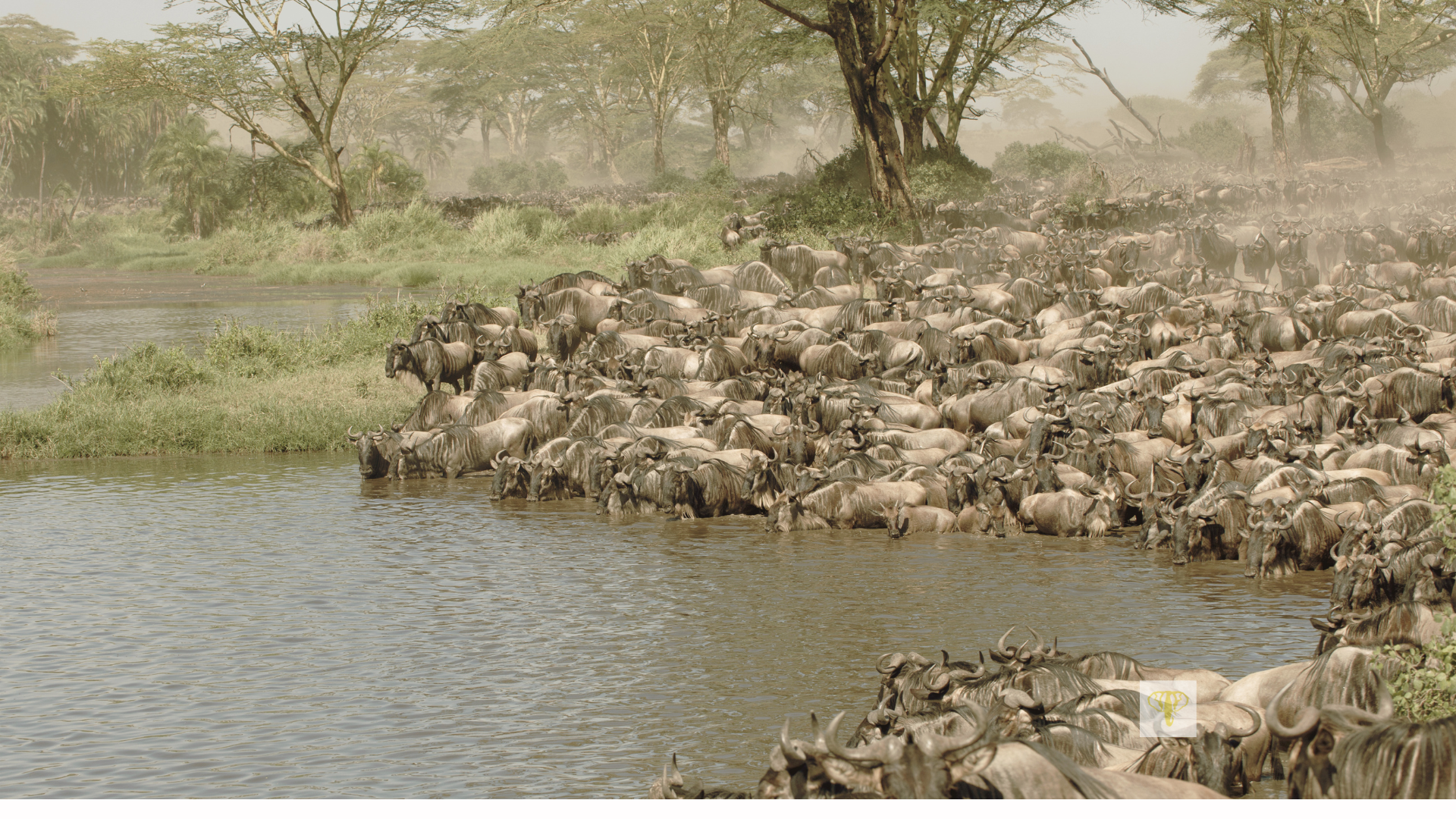
The Great Migration is undoubtedly the most spectacular natural event in the Serengeti and a primary reason for many visitors to travel to the park. This impressive spectacle encompasses the migration of around 1.3 million wildebeest, 300,000 zebras, and thousands of Thomson's gazelles, who follow the rain and fresh grazing grounds together. It is the largest migration of land mammals on our planet.
This natural cycle is not only a visual spectacle but also a fascinating example of animals' adaptability to their habitat. Through their migration, the herds can optimally utilize the diverse landscapes of the Serengeti and find sufficient food and water throughout the year.
The migration follows an annual cycle determined by the rainy and dry seasons. Although there are some variations, the cycle generally proceeds as follows:
- From December to March/April, the herds stay in the southern part of the Serengeti. This time is characterized by the birth of young animals. In January and February, thousands of calves are born daily, which is a magnificent spectacle of nature, but also attracts numerous predators.
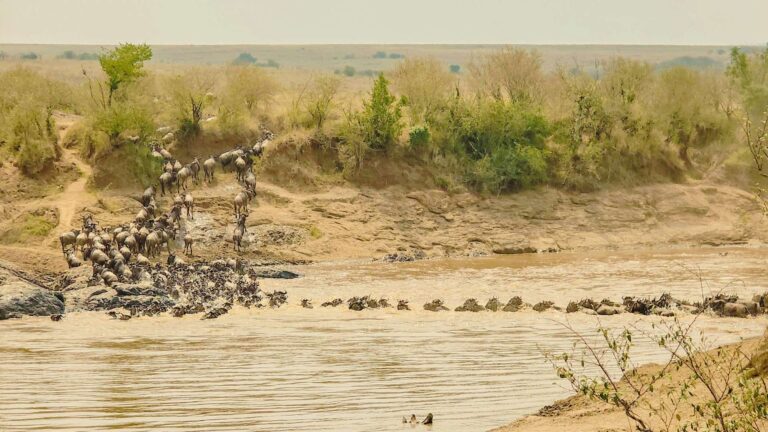
- With the start of the heavy rainy season in March/April, the herds begin their migration north. They cross the central part of the Serengeti and reach the Western Corridor in May/June. This is where one of the most dramatic moments of the migration occurs: crossing the Grumeti River. Thousands of animals plunge into the waters, where numerous crocodiles are already lurking. This spectacular and dramatic event attracts many visitors every year.
- The herds move further north, reaching the Masai Mara in Kenya between July and September. Here, they must cross another dangerous river, the Mara River. With the onset of the short rainy season in October/November, the migration back to the southern Serengeti begins, and the cycle starts anew.
Observing the Great Migration is an unforgettable experience, but it requires careful planning. Depending on the part of the migration you wish to see, your travel time should be chosen accordingly.
Super organization and great guide
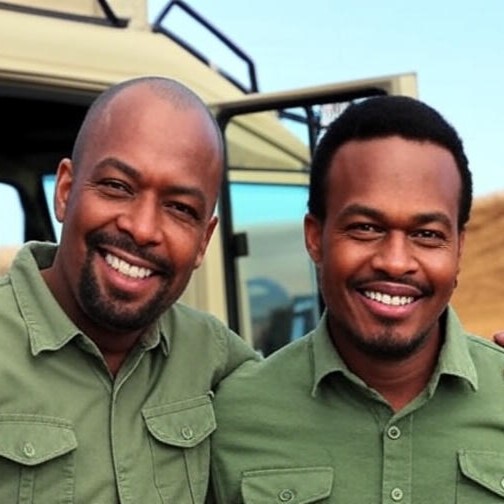
Super organized safari with a really great guide. Thank you Joseph for making this week an indescribable experience!
May 2025
Super organization and great guide
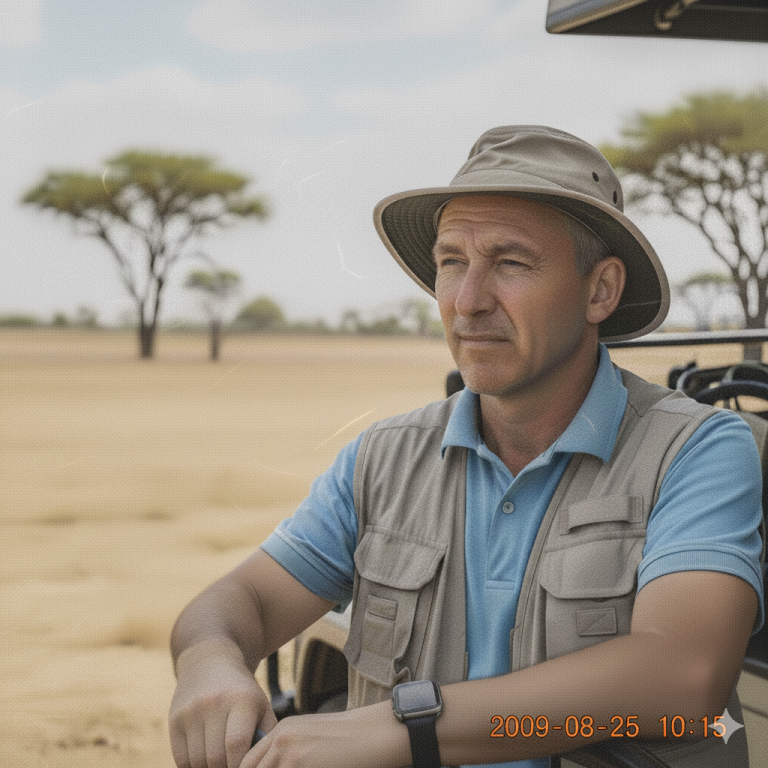
Communication via email and video call was straightforward. Mr. Justus was super friendly and patient, and I never felt like he was trying to „sell“ me something.
January 2024
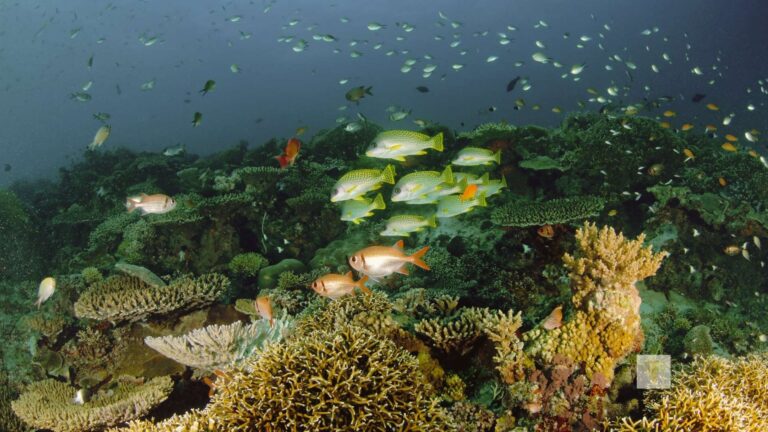
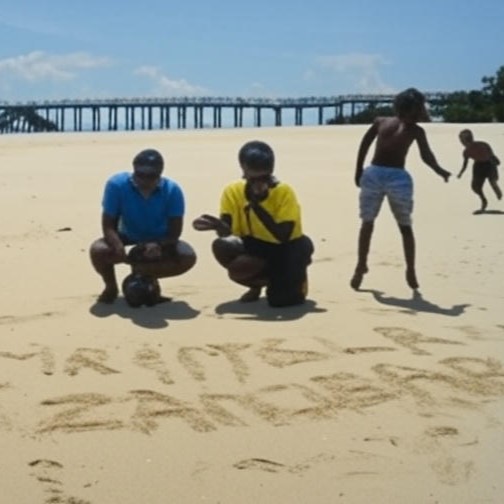
Visa Support was amazing.
The Tansaina Safari team helped my family and me with our visas and found affordable flights from Nigeria that we wouldn't have found ourselves. Highly, highly recommendable for travelers from Africa!!
August 2024
Fair prices
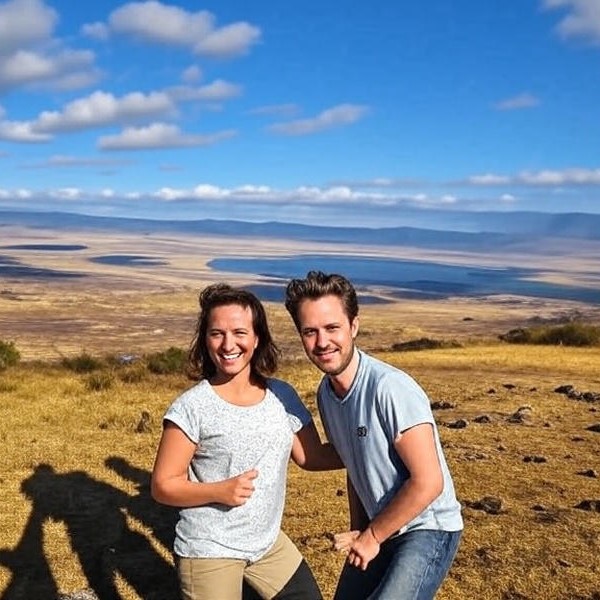
Mr. Justus provided us with excellent advice. He responded very quickly, took our wishes into account, and created an affordable route through the Serengeti. Thank you very much for the great service!
January 2024
Competent contact persons
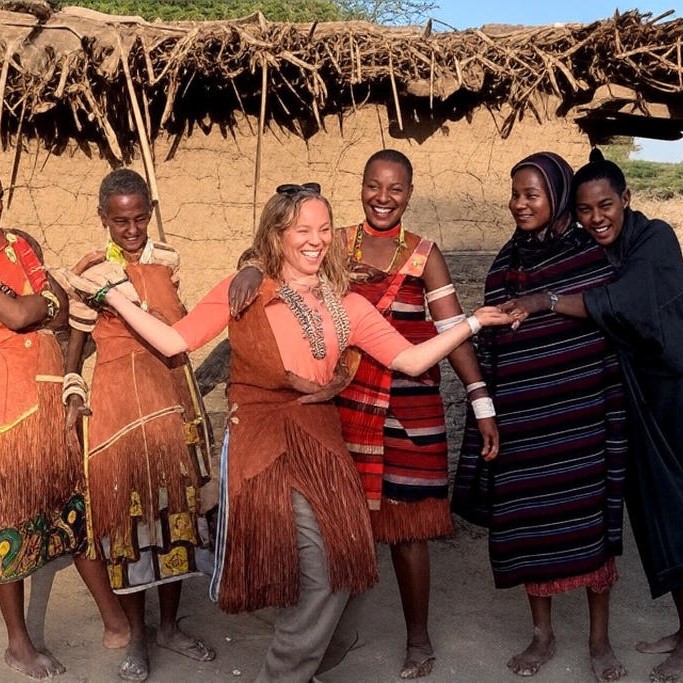
Travel advisor Dominic Dreiner advised us excellently, and it was evident that he enjoys his job. As we are experienced with life and travel, we can say: it doesn't get any better.
February 2025
5. Comprehensive Safari Planning for Serengeti National Park
5.1. Travel Options to the Serengeti
Getting to the Serengeti can be done in various ways, with air travelers usually arriving at international airports in Tanzania first. Julius Nyerere International Airport in Dar es Salaam and Kilimanjaro International Airport near Arusha are the main international entry points. From there, there are several options to reach the Serengeti.
For travelers with limited time, domestic flights are the most convenient option. Several airlines offer regular connections to various airstrips within the Serengeti, including Seronera in the central part, Kogatende in the north, and Ndutu in the south. These flights take between one and two hours depending on the departure point and already allow for impressive views of the landscape during the approach.
Alternatively, you can travel by road. From Arusha, the usual starting point for safaris in northern Tanzania, the journey takes between six and eight hours depending on road conditions and your destination within the park. The drive often passes through other interesting areas such as the Ngorongoro Crater, offering additional viewing opportunities.
For organized safaris, tour operators usually handle all transportation arrangements, from airport pick-up to transfers into the Serengeti. This is the most convenient option for most visitors and ensures a smooth experience.
5.2. Variety of Safari Types and Tour Options
The Serengeti offers various safari types tailored to different interests, time budgets, and financial capacities.
Luxury safaris offer maximum comfort in exclusive lodges or tented camps with first-class service, excellent cuisine, and often private vehicles with personal guides. This option is ideal for travelers who prioritize the highest level of comfort and are willing to pay for it.
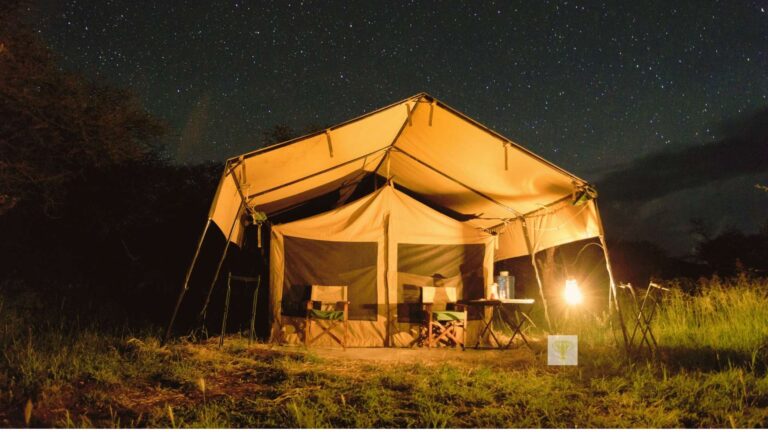
Camping safaris offer a more authentic nature experience. Depending on your budget, there are various options, from simple public campsites to comfortable mobile tent camps with beds and showers. Camping in the wilderness offers unforgettable experiences, like falling asleep to the roar of lions.
Budget safaris often use simpler accommodations and group transportation to lower costs. Despite the lower price, they offer the same wildlife viewing opportunities as more expensive options.
Flying safaris combine domestic flights between different national parks with on-site game drives. They are ideal for travelers with limited time as they avoid long road journeys.
Self-drive safaris are possible, but not common in the Serengeti and come with challenges. They require good navigation skills, off-road driving experience, and ideally wildlife knowledge. For most visitors, a guided safari is the better option.
Private safaris offer maximum flexibility, as the vehicle and guide are exclusively available for your own group. This allows for individual interests to be accommodated and the pace to be set by you. This is often the preferred choice for photographers or birdwatchers.
Safaris with children are possible but require careful planning. Some lodges and camps have age restrictions, while others offer special programs for children. It is important to tailor the duration of game drives to be child-friendly and to provide sufficient variety.
5.3. Selecting the Right Tour Operator for the Serengeti
Choosing the right tour operator is crucial for a successful safari experience in the Serengeti. A reputable and experienced provider can make the difference between a good and an extraordinary safari.
When making your selection, several criteria should be taken into account. First and foremost is experience and specialization in Tanzania and the Serengeti. Tour operators who have been active in the region for years possess valuable local knowledge and established contacts with accommodations and guides.
The qualifications of safari guides are also of great importance. Good guides not only have in-depth knowledge of wildlife and ecology, but also the ability to track animals and convey a deeper understanding of the Serengeti to guests. A first-class guide can significantly enrich a safari.
Price transparency is another important criterion. The organizer should clearly communicate which services are included in the price and what additional costs may arise. Hidden fees are a warning sign of a lack of professionalism.
Reviews and recommendations from past customers provide valuable insights into an organizer's quality. Online platforms like TripAdvisor, as well as specialized travel forums, can offer helpful information. Particular attention should be paid to comments regarding reliability, the expertise of the guides, and overall organization.
The sustainability of the safaris offered should also play a role in the decision. Responsible tour operators are committed to nature conservation, support local communities, and strive for environmentally friendly practices.
5.4. Cost Calculation and Budgeting for a Serengeti Safari
The cost of a Serengeti safari varies significantly depending on travel style, accommodation standards, duration of the trip, and season. Realistic budgeting is important to avoid financial surprises.
The basic cost factors include park entrance fees, which are levied by the Tanzanian National Parks Authority (TANAPA). These fees are not insignificant for foreign visitors and are calculated per person per day. In addition, there are fees for vehicles and, if applicable, for overnight stays within the park.
Accommodation costs often make up the largest part of the budget. Luxury lodges can cost several hundred euros per person per night, while mid-range options range from 150 to 300 euros. Budget accommodations and campsites are significantly cheaper but offer less comfort.
Transportation and guiding costs vary depending on the type of safari. Private vehicles with a personal guide are more expensive than shared vehicles, but offer more flexibility. Flying safaris save time, but significantly increase costs.
As a rule of thumb, a seven-day safari in the Serengeti with a mid-range comfort level costs approximately €2,500 to €4,000 per person, excluding international flights. Luxury safaris can easily cost double or triple that, while budget options are possible starting from around €1,500.
The travel time also influences the costs. During peak season (June to October and December to February), prices are significantly higher than in the off-season. The rainy season (March to May) often offers substantial discounts, though with limitations on wildlife viewing.
For travelers on a smaller budget, there are several savings opportunities. These include group tours instead of private safaris, traveling during the off-season, choosing simpler accommodations, and combining the Serengeti with lesser-known national parks.
5.5. Recommended Duration of Stay for an Optimal Serengeti Experience
The ideal duration of a stay in the Serengeti depends on individual interests, available budget, and combination with other travel destinations. For a comprehensive experience of the Serengeti itself, at least three to four nights are recommended.
While a shorter stay allows for basic insights, it leaves little room for unforeseen events like weather changes or special wildlife sightings. Additionally, it should be considered that traveling to the Serengeti can be time-consuming, whether due to long drives or flight connections with limited frequency.
For visitors with specific interests, such as photographers or birdwatchers, longer stays of a week or more are advisable. This also applies to travelers who want to explore different regions of the Serengeti, as the travel distances between individual areas can be considerable.
Those who want to witness the Great Migration should also plan.
When planning, you should also consider that safari days are usually intense, with early starts and long game drives. Therefore, it is advisable to schedule occasional rest days, especially on longer trips or when children are involved.
Discover individual routes off the beaten path
Assistance with planning and booking
Personal support before, during, and after the trip
Starting from €1195 per person*
From €495 per person*
Starting from €2,095 per person*
Starting from €295*
From €495 per person*
From €495 per person*
Starting from €1195 per person*
Starting from 145 EUR per person*
Starting from 1295 EUR*
Starting from EUR 645 p.p.*
All prices listed are former prices for short and price-optimized trips. Current prices may be higher due to the respective season and inflation. Our terms and conditions apply.
6. Accommodation in and on the edge of Serengeti National Park
The Serengeti offers a wide range of accommodations, from luxurious lodges to simple campsites. The choice of the right accommodation depends on your personal budget, desired comfort level, and preferred location within the park.
Luxury lodges represent the pinnacle of comfort, offering first-class service, excellent cuisine, and often spectacular views. These accommodations combine African flair with Western luxury, featuring spacious rooms or suites, private terraces, and sometimes even private pools. The exclusive atmosphere and personal attention come at a price, but provide an unforgettable experience.
Tented camps combine the authentic feeling of spending the night in the wilderness with adequate comfort. The spacious tents stand on solid platforms and are equipped with proper beds, furniture, and often en-suite bathrooms. Depending on the price range, the level of luxury varies considerably, from basic to very elegant versions.
Mobile camps offer the unique opportunity to follow the Great Migration. These temporary accommodations are set up several times a year in different locations to always be close to the migrating herds. The comfort ranges from basic to luxurious, but all offer the special experience of staying overnight in the middle of the wilderness.
Public campgrounds are the most affordable option and generally require your own equipment. These basic campsites offer fundamental facilities such as toilets and sometimes showers. They allow for an authentic wilderness experience but demand camping experience and good preparation.
Location plays a crucial role when choosing accommodation. The Serengeti is divided into different zones, each with its own landscape and wildlife attractions. The central Seronera region offers good game viewing year-round and the widest selection of accommodations. The northern part (Kogatende/Lobo) is ideal for observing the migration between July and November, while the southern part (Ndutu) is attractive from December to March.
Early planning is recommended for booking, especially for peak season, as the best accommodations are often booked months in advance. Booking through an experienced tour operator can offer advantages, as they often have preferential access to popular lodges and can negotiate special rates.
7. Special Activities and Unforgettable Experiences in the Serengeti
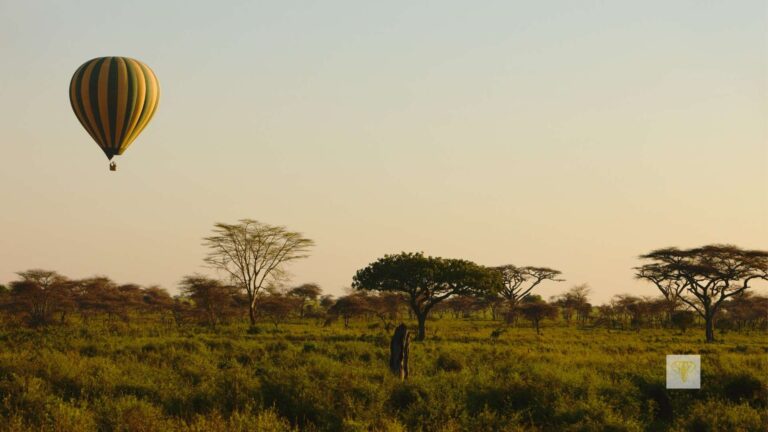
In addition to classic game drives, the Serengeti offers a range of special activities that can enrich the safari experience. One of the most spectacular options is a hot air balloon ride over the Serengeti savannahs. This unforgettable experience provides a unique perspective on the landscape and wildlife.
Hot air balloon rides typically begin at dawn when the air is calm and the light is ideal for photos. After an early wake-up call and a short drive to the launch site, participants witness the impressive sight of the balloons inflating in the first light of day. The ride itself lasts for about an hour, traveling at low altitude over the savanna, which offers excellent viewing and photographic opportunities.
After landing, participants are typically greeted with a festive champagne breakfast on the savanna – a stylish conclusion to this special experience. The cost of a balloon ride is considerable, typically between $500 and $600 per person, making it a luxury activity. However, given the uniqueness of the experience, many visitors consider it a worthwhile investment.
The Serengeti is a photographer's paradise, and the opportunities for extraordinary shots are nearly endless. For photography enthusiasts, booking a specially outfitted vehicle with features like pop-up roofs, camera mounts, or beanbags for stabilization is highly recommended. A private vehicle offers additional flexibility to position yourself for optimal shots and linger longer at interesting subjects.
Important for photographers is bringing the right equipment: telephoto lenses (at least 200-300mm, ideally longer), sufficient memory cards, spare batteries, and protection against dust are essential. For the best lighting conditions, game drives should be planned for the early morning and late afternoon hours.
Drone flights are strictly prohibited in Tanzanian national parks, including the Serengeti. Visitors should therefore leave drones at home or store them securely at their hotel. Violations can result in heavy fines and confiscation of equipment.
Walking safaris offer a completely different perspective than game drives. These guided hikes allow for a more intense nature experience, where even small details of the ecosystems can be discovered. For safety reasons, walking safaris are only permitted in certain areas and always accompanied by armed rangers.
passionate tour guide in Tanzania for 6 years
It fills me with pride to show guests the beauty of Tanzania and give them unforgettable moments. I love it when my guests see a lion in the wild for the first time or marvel at the savanna at sunset. It is important to me that my guests feel safe and well looked after – and return home with many beautiful stories.
My profession is not just a job for me, but something I'm passionate about."
8. Practical Travel Information for a Well-Prepared Serengeti Safari
8.1. Health Precautions and Recommended Vaccinations
Thorough health preparation is essential for a trip to the Serengeti. The most important measure is malaria prophylaxis, as the Serengeti is located in a malaria-endemic area. Taking appropriate medication should begin before the trip and continue after returning home. Additionally, protection against mosquito bites is recommended through long, light-colored clothing and insect repellents containing DEET.
Regarding vaccinations, Tanzania requires a yellow fever vaccination for travelers arriving from or transiting through yellow fever endemic areas. Although not mandatory for direct travelers from Europe, the yellow fever vaccination is still recommended.
Additionally, standard vaccinations such as tetanus, diphtheria, polio, and hepatitis A should be up to date. Depending on your personal health situation and the duration of your trip, other vaccinations such as hepatitis B, typhoid, or rabies may be advisable. Ideally, individual consultation with a travel physician should take place several months before the trip.
A well-stocked travel first-aid kit is essential. In addition to personal medications, it should include remedies for diarrhea, pain relievers, fever reducers, disinfectants, bandages, and sunscreen.
Travelers should also ensure that their international health insurance covers repatriation. Medical care in the remote areas of the Serengeti is limited, and in cases of serious illness or injury, air transport may become necessary.
8.2. Important Safety Information for Your Stay in the National Park
The Serengeti is a wilderness area with free-roaming wildlife, so certain safety measures are essential. The most important principle is: wild animals are not pets and should always be observed with respect and from a safe distance.
Clear rules apply in the vehicle: During game drives, visitors should remain in the vehicle unless they are at specially designated spots or are instructed to do so by their guide. Exiting the vehicle is potentially dangerous, as predators perceive the vehicle as a unit but might view humans on foot as potential prey.
Special caution is advised in camps and lodges, as wild animals may roam freely through the grounds. At night, visitors should only venture out accompanied by camp staff and always carry a flashlight. Tents and bungalows should be kept closed, and no food should be stored inside them, to avoid attracting animals.
Adhering to parking regulations is not only for your own safety but also for the protection of animals and their habitats. This includes the prohibition of feeding animals, leaving behind waste, or deviating from designated paths.
Despite its wilderness nature, the Serengeti is relatively safe for tourists in terms of criminal threats. Nevertheless, general precautions such as securely storing valuables and maintaining healthy skepticism towards offers that seem too good to be true or requests for help are advisable.
For emergency communication, please note that mobile phone coverage in large parts of the Serengeti is limited or nonexistent. Guides and lodges usually have radios or satellite phones for emergencies.
8.3. Detailed Packing List for the Serengeti Safari
A well-thought-out packing list is crucial for an enjoyable safari experience. Clothing should be functional, comfortable, and in neutral colors (beige, khaki, olive, brown). Bright colors can startle animals, while white gets dirty quickly, and blue can attract tsetse flies.
For clothing, the layering principle applies: it can be cool in the mornings and evenings, but very warm during the day. Light, long-sleeved shirts and long pants offer protection from the sun and insects. A light jacket or a fleece sweater are essential for the cooler morning hours. Sturdy footwear is recommended, even if most of the time is spent in the vehicle.
Essential equipment includes a wide-brimmed sun hat, good sunglasses with UV protection, high-quality sunscreen (SPF 30), insect repellent with DEET, and a small flashlight or headlamp for navigating the camp after dark.
For wildlife observation, good binoculars and, if necessary, a camera with a telephoto lens are essential. Sufficient memory cards, spare batteries, and dustproof storage for the camera equipment should not be forgotten.
Practical little things that make everyday safari life easier include wet wipes for dusty days, a pocket knife (transported in checked luggage), a reusable water bottle, and a small backpack for daily game drives.
When packing, consider that many safari lodges and camps offer laundry services, which can reduce the amount of clothing needed. Additionally, there are often weight restrictions on domestic flights, typically 15-20 kg per person in soft bags rather than hard suitcases.
8.4. Additional Useful Tips and Advice for Travelers
A successful safari experience often depends on proper preparation and some practical tips. The Serengeti is known for its dusty conditions, especially during the dry season. Therefore, electronic devices should be well protected, and dust covers for cameras are recommended. Contact lens wearers should bring glasses as an alternative.
The power supply in the accommodations varies. While larger lodges often have electricity around the clock, smaller camps frequently operate with generators that run only at specific times. An adapter for the British plug type is needed, and a power bank for on-the-go use is useful.
Internet and mobile phone connections are limited in the Serengeti. Larger lodges often offer Wi-Fi in public areas, but with limited bandwidth. Many visitors consciously take this opportunity to digitally disconnect and fully focus on the nature experience.
Tipping is customary in Tanzania and represents an important part of the income for guides and service staff. A guideline of $10-15 per day for the guide and $5-10 per day for the camp staff, per group, is recommended. In lodges, a tip box is often provided for all staff.
The local currency is the Tanzanian Shilling, however, US Dollars are often accepted in tourist areas and for tips. Dollars should be of recent date (from 2013) and in good condition. Credit cards are accepted in larger lodges, but cash is essential for smaller expenses.
For photography in the Serengeti, the early morning and late afternoon hours are ideal. The soft light creates atmospheric images, and the animals are more active during these times. Patience is a virtue when observing animals – the best moments often arise after a long wait.
Get binding offers quickly
In Germany & Tanzania
Our team is at your side
9. Combination possibilities:
Discover the Serengeti and other highlights in Tanzania
While the Serengeti is a highlight, Tanzania offers many other impressive destinations perfect for combinations. One of the most popular additions is Ngorongoro Crater, a giant volcanic crater with a unique concentration of wildlife. The crater is located on the route between Arusha and the Serengeti and can easily be integrated into a round trip.
The comparison between the Serengeti and the Kenyan Masai Mara is interesting. Both areas are part of the same ecosystem and offer similar landscapes and wildlife viewing opportunities. The Masai Mara is smaller, often more crowded, and has a higher density of accommodations. The Serengeti, on the other hand, offers more space and a wilder character, as well as more diverse landscapes. For the migration, the Masai Mara is attractive from July to October, while the Serengeti offers the best viewing opportunities for the rest of the year.
Tarangire National Park is particularly suitable during the dry season from June to October, when large herds of elephants gather at the permanent water sources. With its distinctive baobab trees and riverbeds, it offers a scenic contrast to the Serengeti and is conveniently located on the way to or from Arusha.
A combination with Kilimanjaro is also popular. Whether as a climb or a visit to the national park at the foot of Africa's highest mountain – the contrast between the vast savanna of the Serengeti and the alpine landscape of Kilimanjaro is impressive. Due to the necessary acclimatization for a climb, Kilimanjaro should be visited before the safari.
A perfect conclusion to an intensive safari trip is a stay on the beaches of Zanzibar. The island in the Indian Ocean offers not only relaxation on dreamlike beaches but also cultural insights into historic Stone Town. Direct flights connect the Serengeti with Zanzibar, making for a convenient transfer.
A lesser-known but rewarding combination is Lake Natron in northern Tanzania. This alkaline lake is known for its pink flamingos and surreal landscape. The spectacular Ol Doinyo Lengai, an active volcano, dominates the surroundings and offers opportunities for challenging hikes.
When planning such combinations, logistical aspects should be considered. Distances in Tanzania are considerable, and road conditions are often challenging. Domestic flights can save time but increase costs. A realistic assessment of available time is important to avoid overexertion and to dedicate sufficient attention to each destination.
The Serengeti impresses with its endless grasslands and is famous for the Great Migration, where wildebeest, zebras, and gazelles attract numerous predators year after year – a spectacular natural spectacle.
From €1,195 per person*
The Ngorongoro Crater, a vast volcanic caldera, hosts a unique ecosystem with diverse wildlife and breathtaking landscapes, making every safari a special nature experience.
From €495 per person*
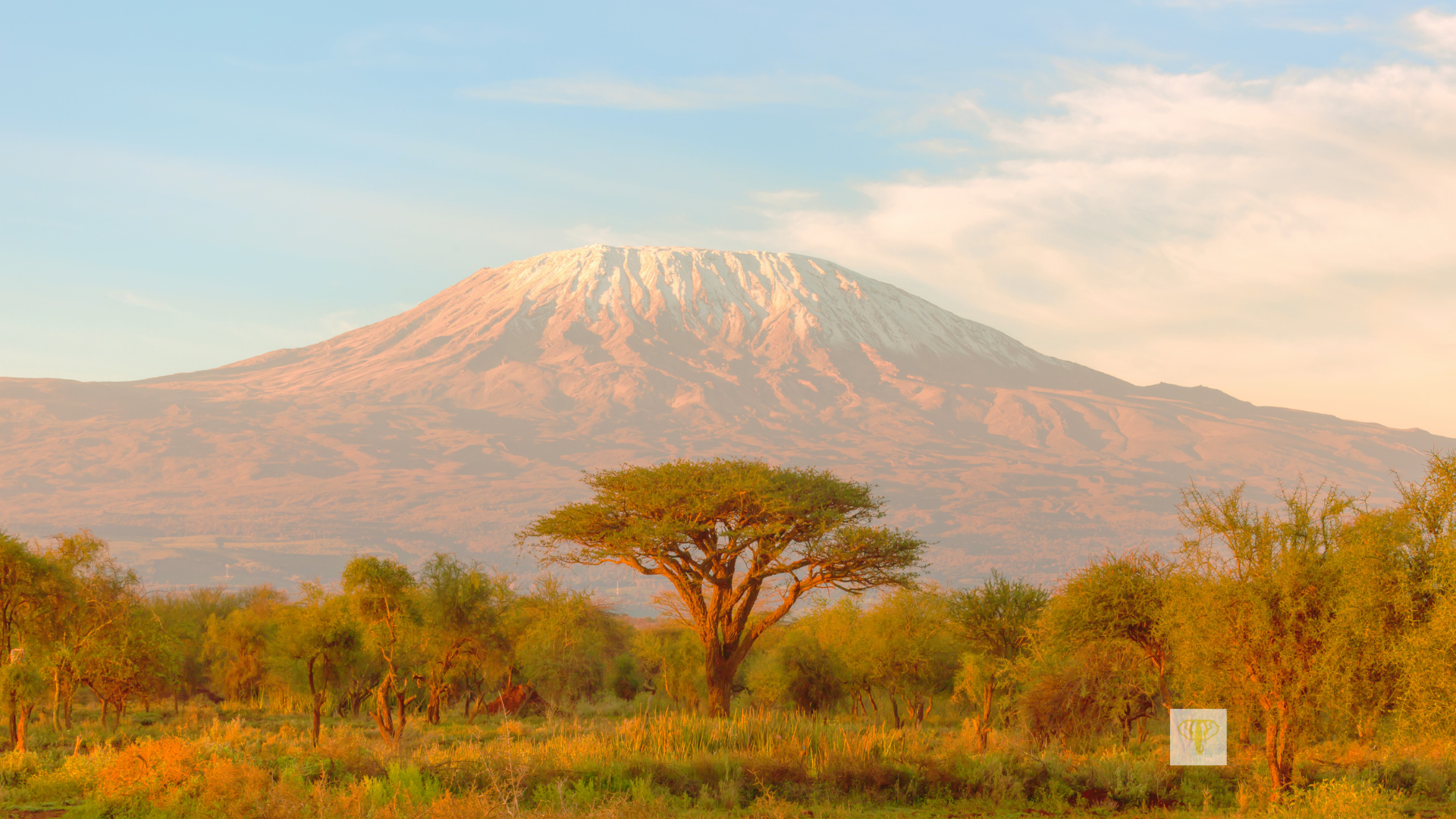
Kilimanjaro, Africa's highest mountain, is an unforgettable experience with routes for every level – a dream come true amidst impressive landscapes and fascinating climate zones.
From EUR 2,095 p.p.*
Zanzibar offers perfect relaxation after a safari – with its turquoise blue sea, white beaches, colonial charm in Stone Town, and colorful coral reefs, the island is a dream destination for unwinding and enjoying.
From 295 EUR per person*
Tarangire inspires with huge herds of elephants, mighty baobab trees, and open plains – a paradise for nature lovers, where birdwatchers will also get their money's worth with over 500 species.
From €495 per person*
Thousands of flamingos gather seasonally at Lake Manyara. The park is particularly known for its baboons, elephants, and tree-climbing lions that inhabit this species-rich environment.
From €495 per person*
Ruaha National Park is home to herds of elephants and numerous predators. The park is known for its impressive landscape, the Ruaha River, and exciting safari experiences in unspoiled nature.
From €1,195 per person*
Arusha City in northern Tanzania is considered the gateway to the most famous national parks. Markets, cafes, and cultural centers characterize the vibrant cityscape between Kilimanjaro and the Serengeti. Its authentic atmosphere makes it unique.
Starting from 145 EUR per person*
Mafia Island, off the southern coast of Tanzania, is a paradise for divers and those seeking tranquility. A protected marine reserve, white-sand beaches, and a relaxed island life make it the ideal destination after a safari.
Starting from €1295 per person*
Nyerere National Park in southern Tanzania is Africa's largest national park. The Rufiji River, miombo woodlands, and vast plains create perfect conditions for wildlife viewing away from the crowds. Its wild, untouched nature makes every visit unforgettable.
Starting from EUR 645 p.p.*
All prices listed are former prices for short and price-optimized trips. Current prices may be higher due to the respective season and inflation. Our terms and conditions apply.
10. Sustainable Tourism and Nature Conservation in Serengeti National Park
Serengeti National Park faces significant challenges from poaching, population growth in surrounding areas, climate change, and the growing tourism industry itself. As responsible travelers, visitors can contribute to the preservation of this unique ecosystem.
Choosing eco-conscious accommodations and tour operators is an important first step. Many lodges and camps in the Serengeti have implemented measures to reduce their ecological footprint, such as using solar energy, water-saving measures, waste reduction, and responsible wastewater treatment. Providers that explicitly communicate their environmental policies and hold certifications like Eco-Tourism Kenya or Fair Trade Tourism deserve special consideration.
Visitors can also contribute to wildlife conservation during their daily safari. This includes strictly adhering to park rules, such as staying on the designated trails, observing speed limits, and refraining from feeding or disturbing the animals. Trash should always be taken with you, and the recommended distances from the animals must be respected.
Local communities play a crucial role in conservation. Projects that involve surrounding communities in tourism and offer them economic alternatives to poaching or unsustainable land use are particularly worthy of support. Many tour operators and lodges support such initiatives or run their own community projects.
Buying local products and crafts contributes to economic development and strengthens the connection between nature conservation and local prosperity. Handicrafts from the Maasai or other local communities offer authentic souvenirs with cultural significance.
Visitors can continue to contribute to nature conservation even after their stay by supporting conservation organizations active in the region. Organizations such as the Frankfurt Zoological Society—which protects the Serengeti in the tradition of Bernhard Grzimek—the African Wildlife Foundation, and local initiatives are doing important work to preserve the ecosystem.
Last but not least, it is important to recognize the value and fragility of the Serengeti. Visitors who share their experiences and raise awareness among others about the importance of nature conservation contribute to the long-term preservation of this unique natural heritage.
11. Useful Resources and Related Links
To thoroughly prepare for a Serengeti safari, access to reliable sources of information is essential. The official website of the Tanzanian National Parks Authority (TANAPA) provides basic information on all of the country’s national parks, including current admission fees, hours of operation, and park rules.
The Serengeti Visitor Center, located in the central part of the park, is a valuable on-site resource. It features informative exhibits on the history, ecology, and wildlife of the Serengeti, as well as up-to-date information on wildlife sightings and road conditions.
The Frankfurt Zoological Society, which has been closely involved in the conservation of the Serengeti since the time of Bernhard Grzimek, provides in-depth scientific information on the ecosystem and current conservation projects on its website.
Specialized guidebooks, such as publications from Bradt, Lonely Planet, or Reise Know-How, offer detailed practical information that can be helpful in planning. They often include maps, accommodation suggestions, and background information on Tanzania's culture and history.
Online forums and community platforms like TripAdvisor, Lonely Planet Thorntree, or safari-specific forums allow for exchange with experienced travelers and discussion of current conditions.
For observing the Great Migration, the website "HerdTracker" is useful, providing current information on the wildebeest herds' locations and making predictions about their movements.
To help you prepare for your trip, the Federal Foreign Office or the websites of tropical medicine institutes provide up-to-date information on recommended vaccinations and health precautions for Tanzania.
Mobile apps such as "African Bird Guide" or "Mammals of Africa" can be helpful for identifying animals during a safari, while offline map apps make navigation easier when there is no internet connection.
Thorough research and use of these resources contribute significantly to a smooth and enriching safari experience and foster a deeper appreciation for the wonders of the Serengeti.
12. Frequently Asked QuestionsFAQ) about Serengeti National Park
When is the best time to go on a safari in the Serengeti?
The optimal travel time depends on personal interests. For the Great Migration, different months are ideal depending on the phase: December to March for calving in the south, June to August for river crossings in the west, and September to November for the migration in the north. Generally, the dry seasons from mid-December to mid-March and June to October offer the best conditions for wildlife viewing.
You should plan for a minimum of 3 days for a Serengeti safari.
For a comprehensive experience, we recommend staying at least three to four nights in the Serengeti. If you’re interested in exploring different regions of the park or participating in specific activities such as photography, you should plan for five to seven days. Your itinerary should also take transfer times into account, as the journey to the Serengeti can be time-consuming.
How safe is a safari in the Serengeti?
As long as safety guidelines are followed, a safari in the Serengeti is generally safe. The greatest risks arise from encounters with wild animals, which is why visitors should strictly follow the guides’ instructions. Visitors are generally well protected in vehicles and at the camps. Taking precautions regarding health, especially against malaria, is important. Crime is rare in the national parks, but standard precautions are advisable in larger cities.
Is the Serengeti suitable for children?
A safari in the Serengeti can be an enriching experience for children as well, though the child’s age and temperament should be taken into account. For children under six, the long drives and the need for quiet during wildlife viewing can be challenging. Some accommodations have age restrictions or offer special family programs. Careful planning that includes child-friendly activities and appropriate rest breaks is essential.
How does a safari in the Serengeti differ from one in the Masai Mara?
The Serengeti and the Masai Mara are part of the same ecosystem with similar wildlife, but they differ in some respects. The Serengeti is significantly larger, offers more diverse landscapes, and often provides a more immersive wilderness experience. The Masai Mara is more compact, has a higher density of accommodations, and sometimes a higher density of vehicles as well. The Masai Mara is ideal for viewing the migration from July through October, while the Serengeti offers better viewing opportunities during the remaining months.
How much does a safari in the Serengeti cost?
Costs vary significantly depending on travel style, accommodation standards, and duration. A seven-day safari with a mid-range standard of comfort typically costs between 2,500 and 4,000 euros per person, excluding international flights. Luxury safaris can cost 5,000 euros and up, while budget options are available starting at around 1,500 euros. In addition, park fees of about 60–80 USD per person per day apply.
Is it possible to explore the Serengeti on your own?
Self-drive safaris are possible in the Serengeti, but they are challenging and not widespread. They require good navigation skills, off-road driving experience, and ideally knowledge of wildlife. Vehicle rentals are expensive, and suitable vehicles are limited in availability. For most visitors, a guided safari with experienced guides offers a better experience and a higher chance of impressive wildlife sightings.
Get personal advice now

After this call, you have…
- a list of all trips that fit your budget and availability,
- Bookable tours with fixed prices
- and answers to your open questions
- ... and all in under 30 minutes.