
Discover the magic of Tarangire National Park – Your safari adventure awaits!
Discover the magic of Tarangire National Park – Your safari adventure awaits!
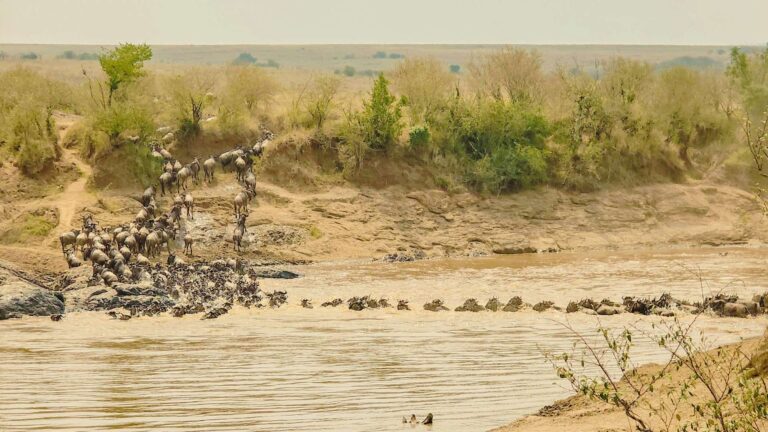
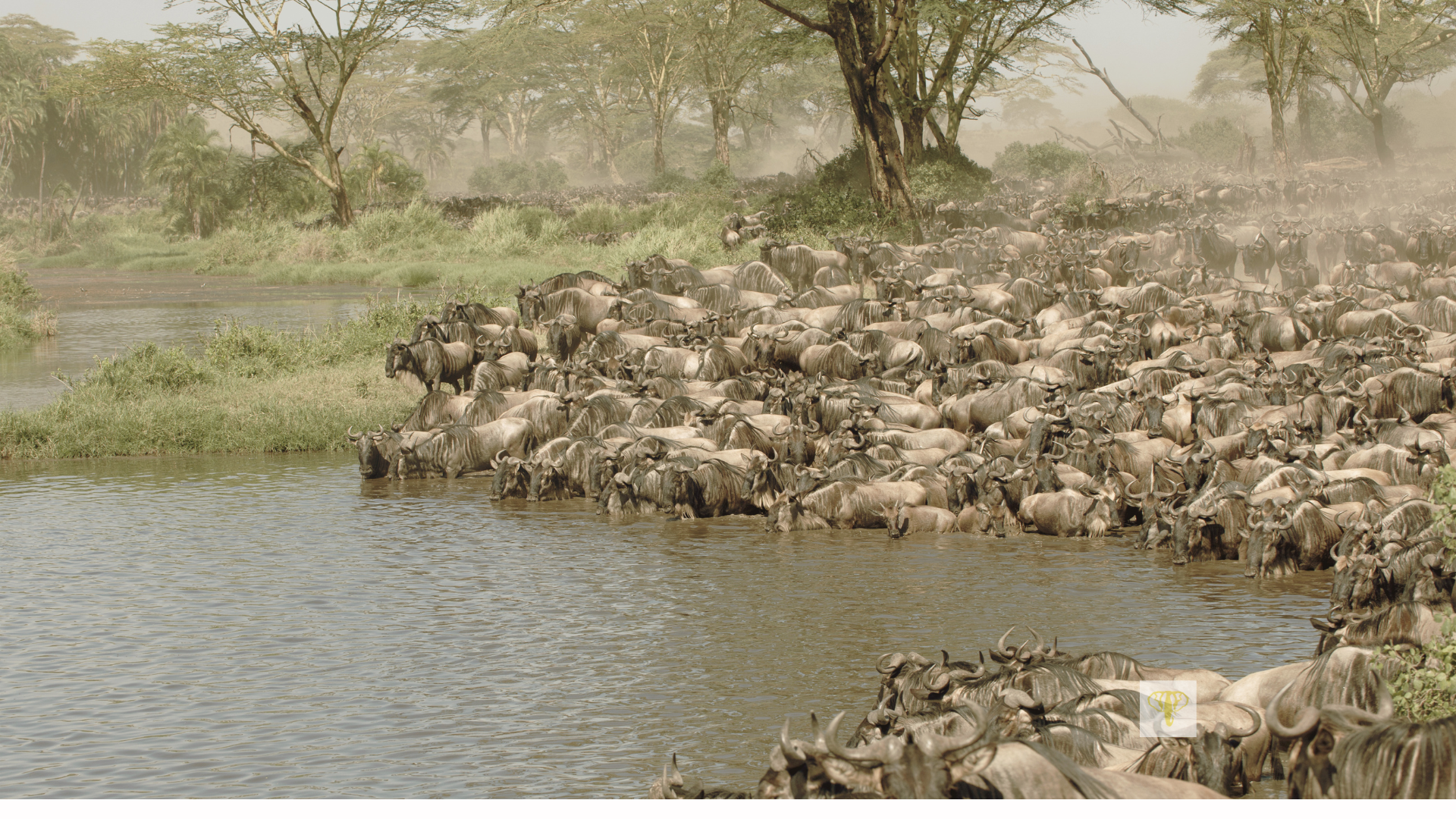
The vast, open landscape of the Serengeti feels like an endless carpet of grass. It is primarily known for the Great Migration, where wildebeest, zebras, and gazelles embark on a perilous journey. A true spectacle of nature – and a year-round hotspot for big cats and wildlife.
From €1,195 per person*
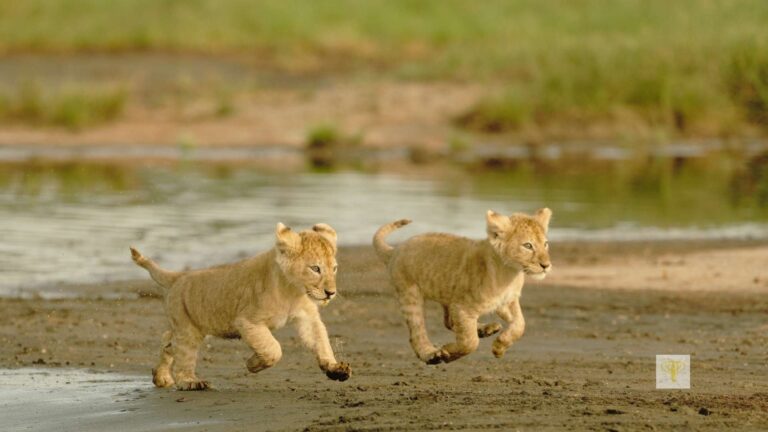
Inside a giant volcanic caldera lies a fascinating ecosystem: The Ngorongoro Crater is home to countless animal species – from lions and buffaloes to rare black rhinoceroses. The dense grasslands, small lakes, and hills make every game drive an exceptional nature experience.
From €495 per person*
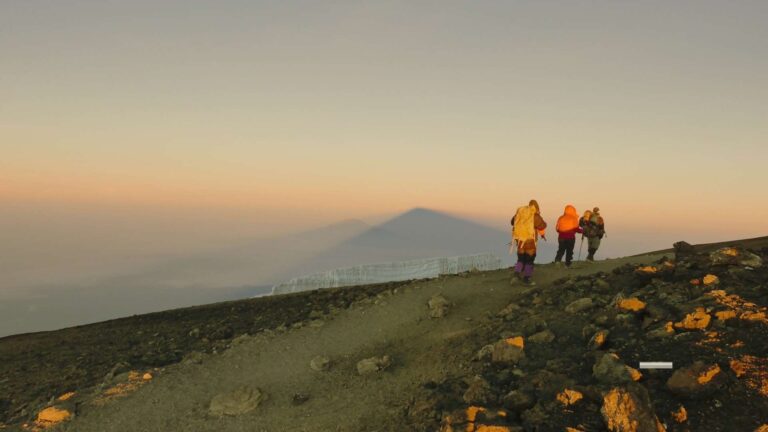
To stand on the highest point in Africa – a lifelong dream for many. The majestic Kilimanjaro is not just a mountain, but an experience. Various routes offer suitable options for beginners and experienced hikers alike, accompanied by impressive landscapes and changing climate zones.
From EUR 2,095 p.p.*
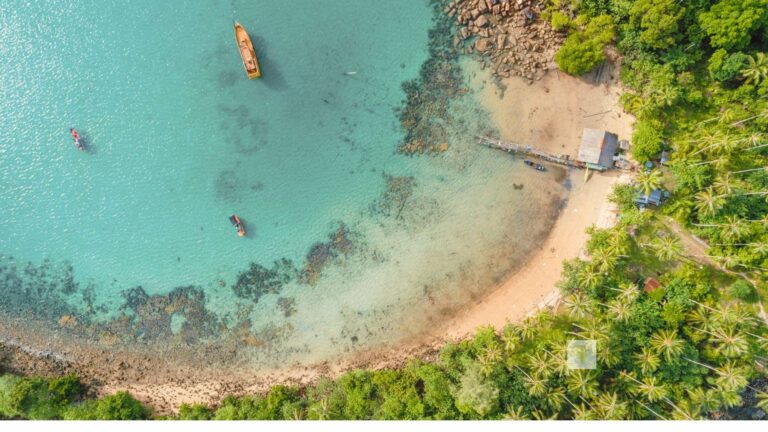
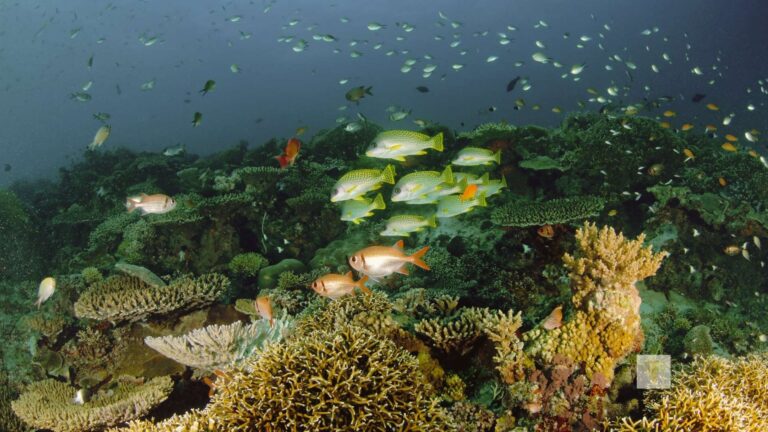
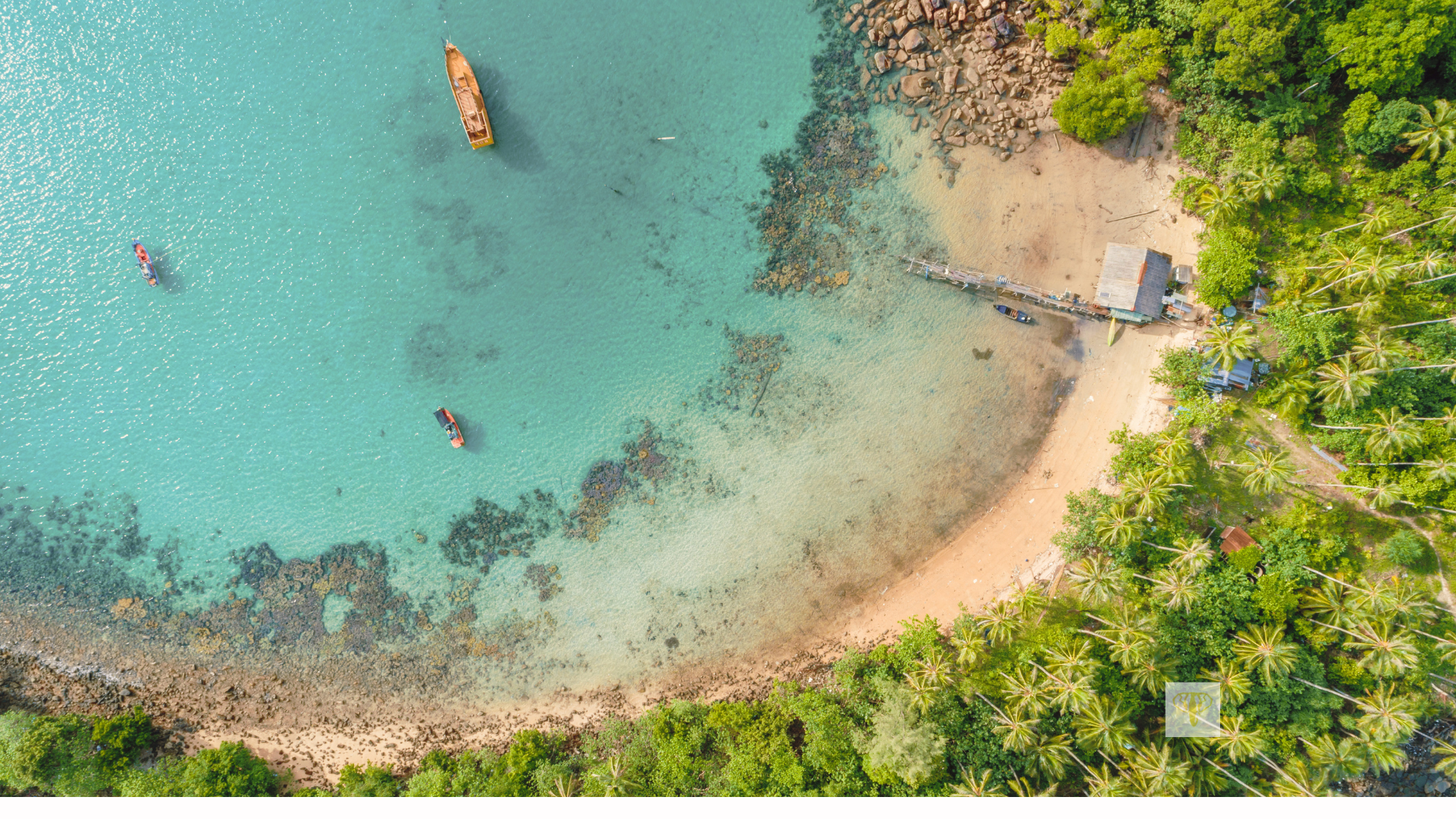
Those looking for relaxation after a safari will find it on Zanzibar: turquoise waters, fine sand, and colonial history in Stone Town. Whether diving at colorful reefs or simply lounging in a hammock – your vacation can come to a wonderful close here.
From 295 EUR per person*
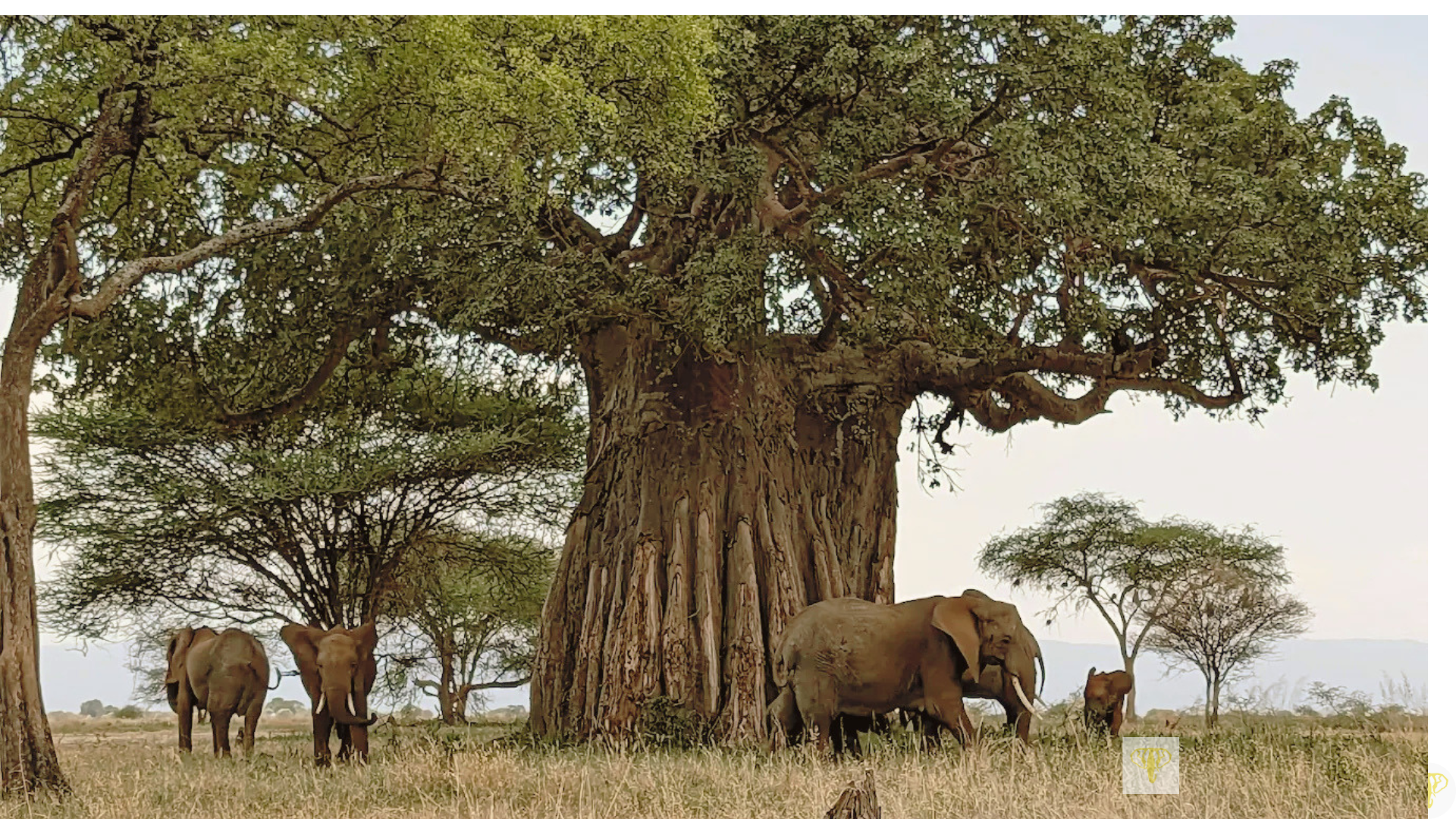
Those who love elephants will love Tarangire. Huge herds roam the landscape, characterized by impressive baobab trees and vast plains. Bird lovers will also get their money's worth with over 500 species.
From €495 per person*
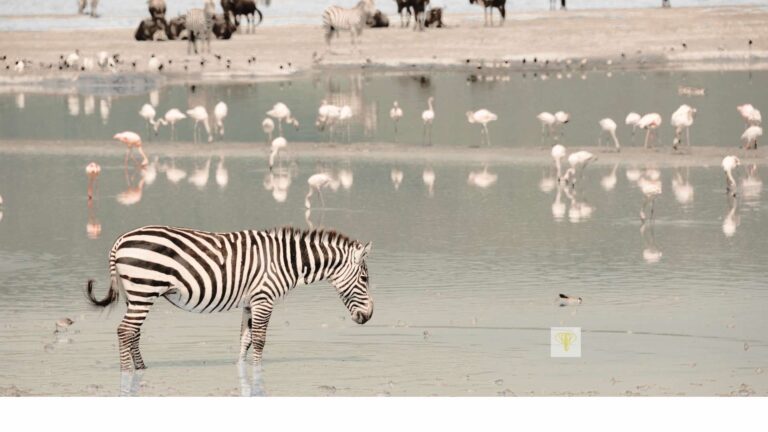
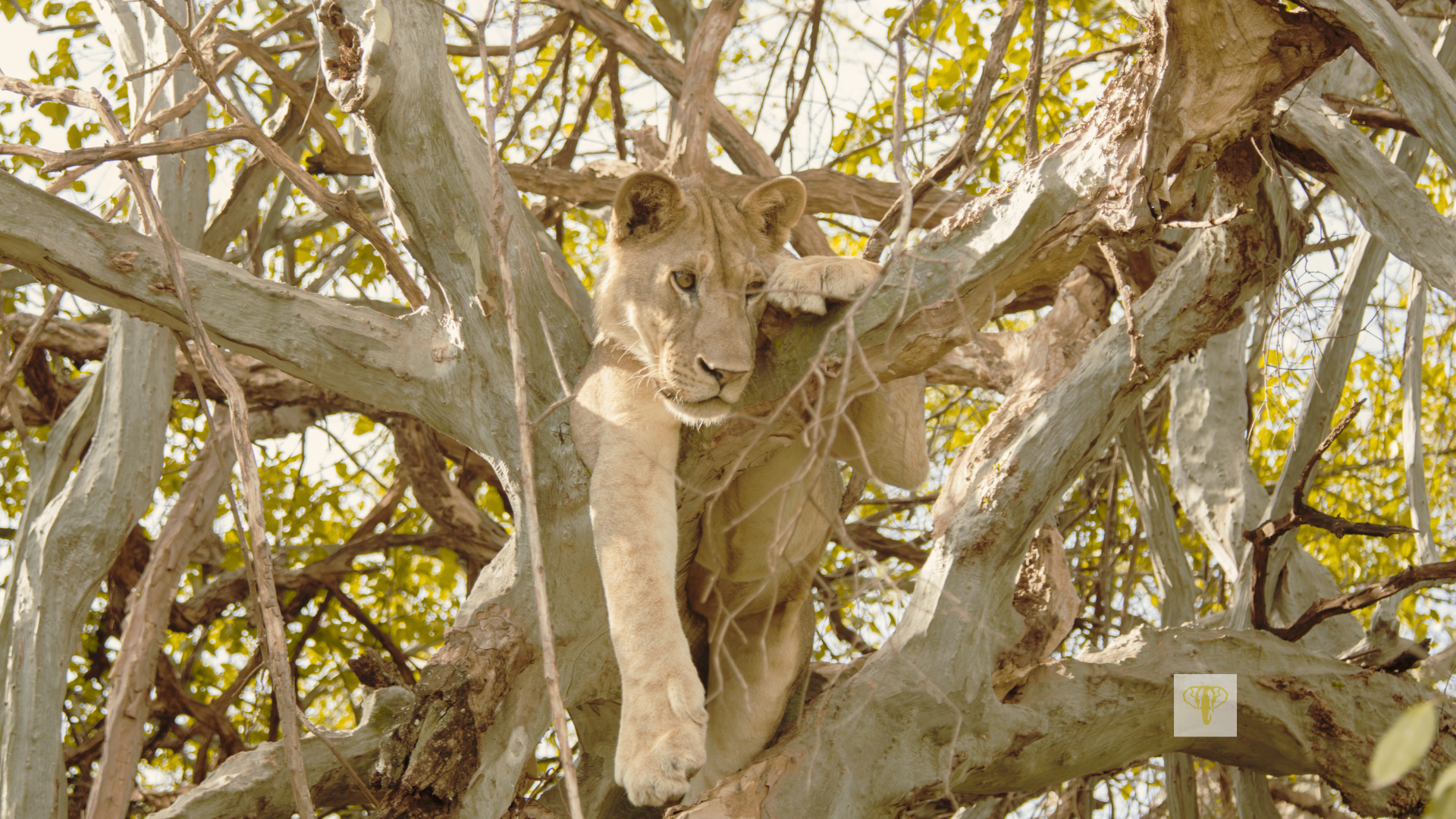
Hidden between steep cliffs and hot springs lies a small but incredibly biodiverse national park. Thousands of flamingos gather seasonally on the alkaline Lake Manyara – a magical sight. Baboons, elephants, and tree-climbing lions are also not uncommon here.
From €495 per person*
Ruaha National Park in the heart of Tanzania impresses with its untouched nature and rich wildlife. Vast savannas, the mighty Ruaha River, and breathtaking landscapes offer ideal conditions for exciting safaris away from the hustle and bustle.
From €1,195 per person*
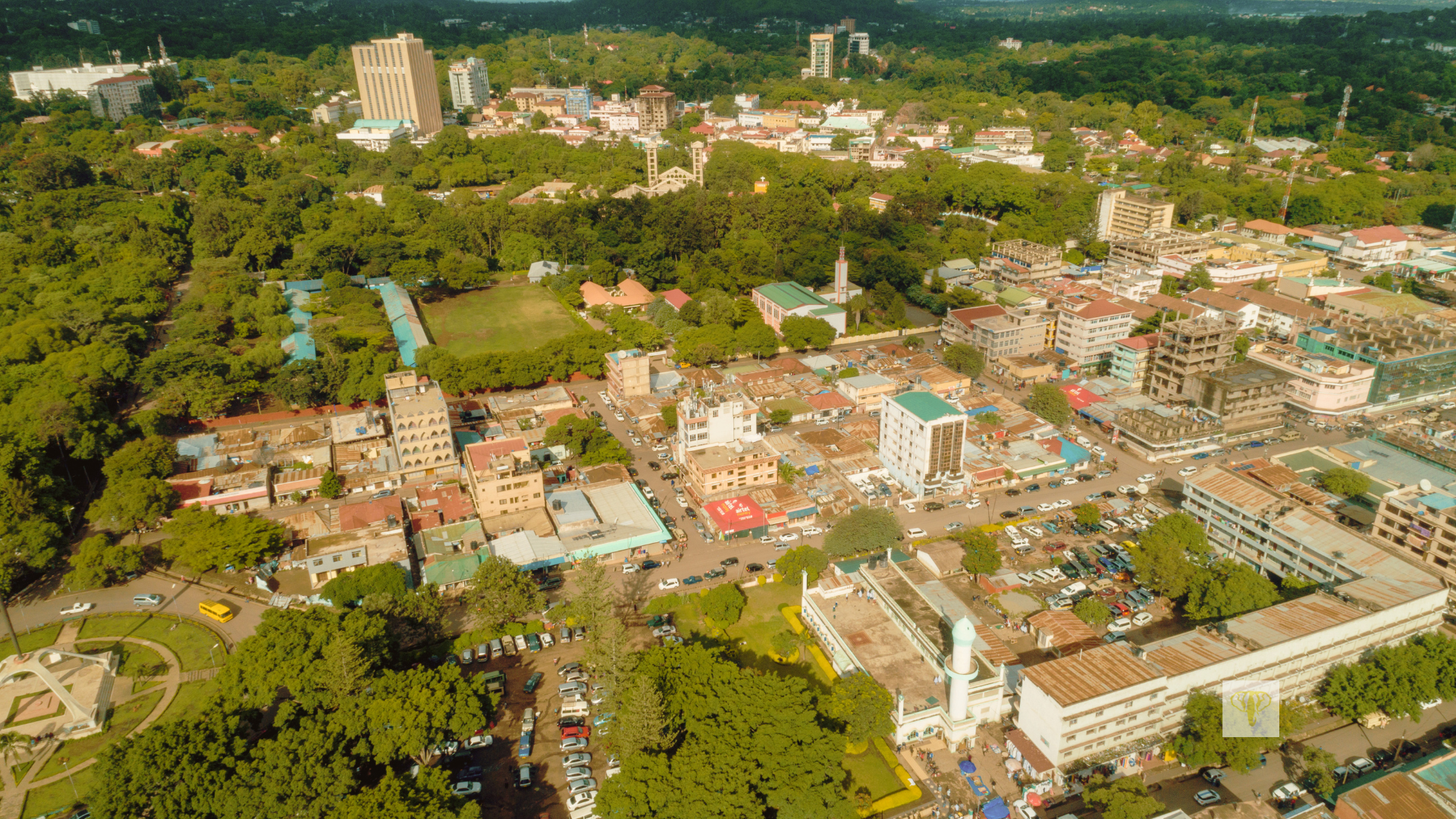
Arusha City in northern Tanzania is considered the gateway to the most famous national parks. Markets, cafes, and cultural centers characterize the vibrant cityscape between Kilimanjaro and the Serengeti. Its authentic atmosphere makes it unique.
Starting from 145 EUR per person*
Mafia Island lies off the southern coast of Tanzania and is a paradise for divers, those seeking tranquility, and nature lovers. The protected marine reserve, white beaches, and relaxed island life make the small island the ideal retreat after a safari.
From €1,295 per person*
Nyerere National Park in southern Tanzania is Africa's largest national park. The Rufiji River, miombo woodlands, and vast plains create perfect conditions for wildlife viewing away from the crowds. Its wild, untouched nature makes every visit unforgettable.
Starting from EUR 645 p.p.*
All prices listed are former prices for short and price-optimized trips. Current prices may be higher due to the respective season and inflation. Our terms and conditions apply.
Tarangire National Park: The Ultimate Guide to Your Safari – Animals, Best Time to Visit & Insider Tips
Tarangire National Park is one of northern Tanzania's outstanding conservation areas, impressing with its exceptional wildlife, majestic baobab trees, and breathtaking landscapes. Covering an area of 2,850 square kilometers, the park hosts Tanzania's second-highest concentration of wildlife after the Serengeti. Especially during the dry season between June and October, numerous animals migrate to the Tarangire River – the park's lifeline – leading to spectacular animal gatherings. The over 550 bird species, impressive elephant herds, and characteristic baobab trees make this often-underestimated national park an indispensable part of any Tanzania safari.
- What makes Tarangire National Park so special?
An overview - The fascinating animal world of Tarangire: What animals can you expect?
- Landscape and Ecosystem: The Unique Nature of Tarangire
- Planning your safari in Tarangire National Park: Best time to visit, accommodations & activities
- Practical tips for your Tarangire Safari: Health, Safety & Packing List
- Conservation in Tarangire: Challenges and Successes
- Frequently Asked Questions (FAQ) about Tarangire National Park
- Conclusion: Why Tarangire National Park Should Be on Every Tanzania Trip
1. What makes Tarangire National Park so special? An overview
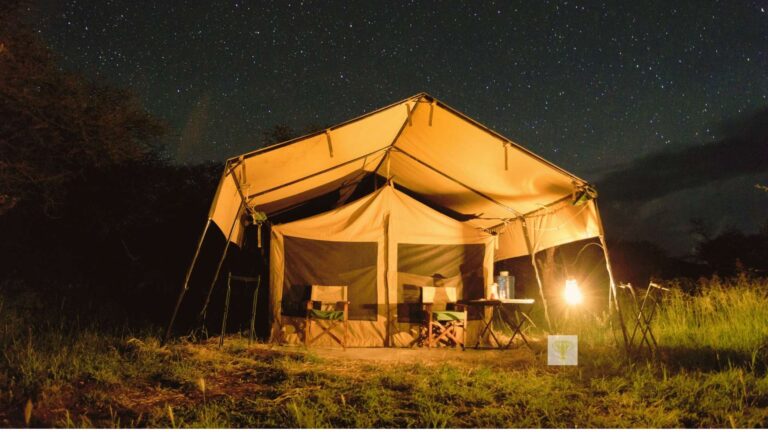
Tarangire National Park captivates with its remarkable biodiversity, expansive savanna landscapes, and a comparatively tranquil atmosphere away from the crowded tourist trails. As an integral part of Tanzania's Northern Safari Circuit, it offers authentic wildlife viewing in a diverse environment. Large elephant herds, iconic baobab trees, and the permanently flowing Tarangire River define its unique ecosystem.
During the dry season, the river attracts thousands of animals, including elephants, wildebeest, zebras, and various antelope species, leading to an exceptionally high concentration of wildlife. This seasonal migration creates optimal conditions for observing the diverse fauna. The vegetation ranges from open grasslands to dense acacia forests and extensive wetlands, offering diverse habitats for a fascinating array of species.
Location & Directions: How to Reach Tarangire National Park in Tanzania
Tarangire National Park is located in the northern part of Tanzania in the Manyara Region, approximately 118 km from Arusha. Its favorable location makes it an ideal starting or transit point for a more comprehensive northern Tanzania safari. The park is situated at an altitude of 900 to 1250 m above sea level, contributing to a pleasant climate.
The journey typically begins in Arusha, the main starting point for safaris in northern Tanzania. From Arusha, a well-maintained road leads to the national park, with a travel time of approximately two and a half hours. For travelers with limited time, various airlines offer daily flights from Arusha to the nearby Lake Manyara Airport, from where the transfer to Tarangire takes about an hour. Alternatively, direct car trips or taxi transfers are also possible. The road distance between Arusha and the Tarangire River is 54.1 miles (approximately 87 km) and can be covered in about 1 hour and 20 minutes. The cheapest connection from Arusha to Tarangire is by car, costing between $10 and $16 USD.
Size, founding, and significance in the Northern Safari Circuit
Tarangire National Park was established in 1970 and covers an area of 2,850 square kilometers, making it the sixth-largest national park in Tanzania. With an average annual rainfall of 650 to 700 mm, the climate in Tarangire is comparatively dry. As an important part of the Northern Safari Circuit, Tarangire National Park perfectly complements neighboring protected areas such as Serengeti National Park, the Ngorongoro Crater, and Lake Manyara National Park. The geographical location and seasonal wildlife migrations create a unique ecosystem that is crucial for the preservation of biodiversity in the region.
After the Ngorongoro Crater, Tarangire National Park has the highest density of large mammals in Tanzania during the dry season. This high concentration of wildlife is a key reason for the park's importance as a safari destination and conservation area.
The unique landmarks: herds of elephants and majestic baobab trees
Tarangire National Park is particularly known for two characteristic landmarks: its impressive elephant herds and its majestic baobab trees. These elements shape the landscape and contribute to the park's distinctive identity.
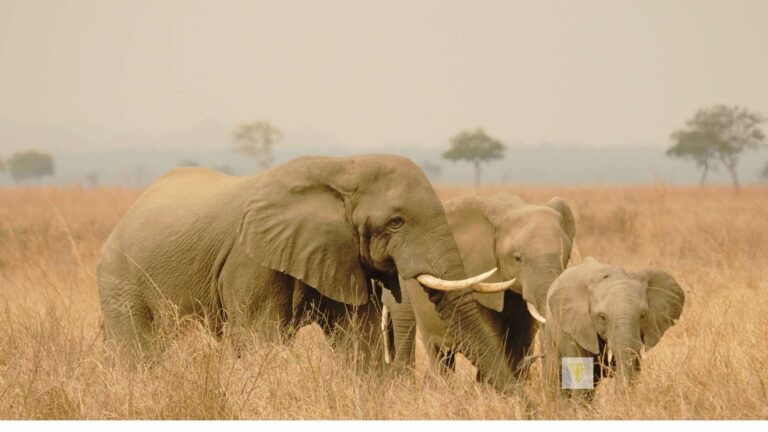
With an estimated 2,000 elephants during the dry season, the park hosts one of the largest elephant concentrations in Tanzania. Some of these giants even come from Kenya's Amboseli National Park to utilize the water reserves of the Tarangire River. Not without reason does an elephant, along with a baobab tree, adorn the park's entrance gate – a hint at the protected area's two most prominent features. The characteristic baobab trees are a defining element of the Tarangire landscape with their massive trunks and gnarled branches. Some of these imposing trees are up to 300 years old and are also referred to as "trees of life." They store moisture in their roots, which is particularly utilized as a water source by elephants and other mammals during the dry season. The most famous baobab in the park is the so-called Hunter's Baobab, whose hollow trunk reportedly served as a shelter for hunters in the past.
Discover other tours
All prices listed are former prices for short and price-optimized trips. Current prices may be higher due to the respective season and inflation. Our terms and conditions apply.
2. Tarangire's Fascinating Wildlife: What Animals Can You Expect?
Tarangire National Park is home to an exceptional diversity of animals, shaped by its varied habitats and seasonal migrations. The species richness is among the most impressive in Tanzania, encompassing numerous mammals, birds, and reptiles. The park's ecosystem is significantly influenced by the long-distance migrations of animals that come to the park in search of water during the dry season.
Besides the distinctive elephant herds, large populations of giraffes, impalas, zebras, wildebeest, and various antelope species can be found. Predators such as lions, leopards, and occasionally wild dogs are also present in the park. The biodiversity is complemented by rare species like the Greater and Lesser Kudu, as well as the Gerenuk (giraffe gazelle), which are less common in other national parks of northern Tanzania.
Elephants in Tarangire: Experience the Giants of the Savannah Up Close
The elephants of Tarangire National Park represent one of East Africa's most significant elephant populations. Since 1993, these animals have been studied and protected as part of the Tarangire Elephant Project (TEP). The study focuses on elephant behavior, migration patterns, and population dynamics.
During the dry season between June and October, up to 2,000 elephants gather in the park, including animals from Kenya's Amboseli National Park. The herds move in closely knit family units, providing visitors with an impressive spectacle as they search for underground water sources in the dry Tarangire River bed.
Particularly noteworthy is the interaction of elephants with the characteristic baobab trees. The massive pachyderms use the trees to rub their skin and as an alternative water source during times of extreme drought. This intensive use of the park's natural resources makes elephants key species in the Tarangire ecosystem.
The Great Animal Migration in Tarangire: A Dry Season Spectacle
The annual animal migration in the Tarangire ecosystem is one of East Africa's most impressive natural phenomena, although it's less well-known than the Great Migration in the Serengeti.
From June to October, during the dry season, the Tarangire River, as the only permanent water source in the region, attracts thousands of animals. During this time, large herds of wildebeest, zebras, and various antelope species migrate to the river to drink and graze on the still-green riverbanks. This migration creates an exceptionally high concentration of herbivores, which in turn attracts predators. The migration routes extend from surrounding areas such as the Simanjiro Plains into Tarangire National Park.
In January and February, wildebeest and zebras calve, while in March the animal migration slowly begins and the tsetse flies disappear. In April and May, there is an abundance of water and fresh grass, causing many animals to leave the park and spread out into the surrounding areas.
Predators on the prowl: Lions, leopards, and rare sightings
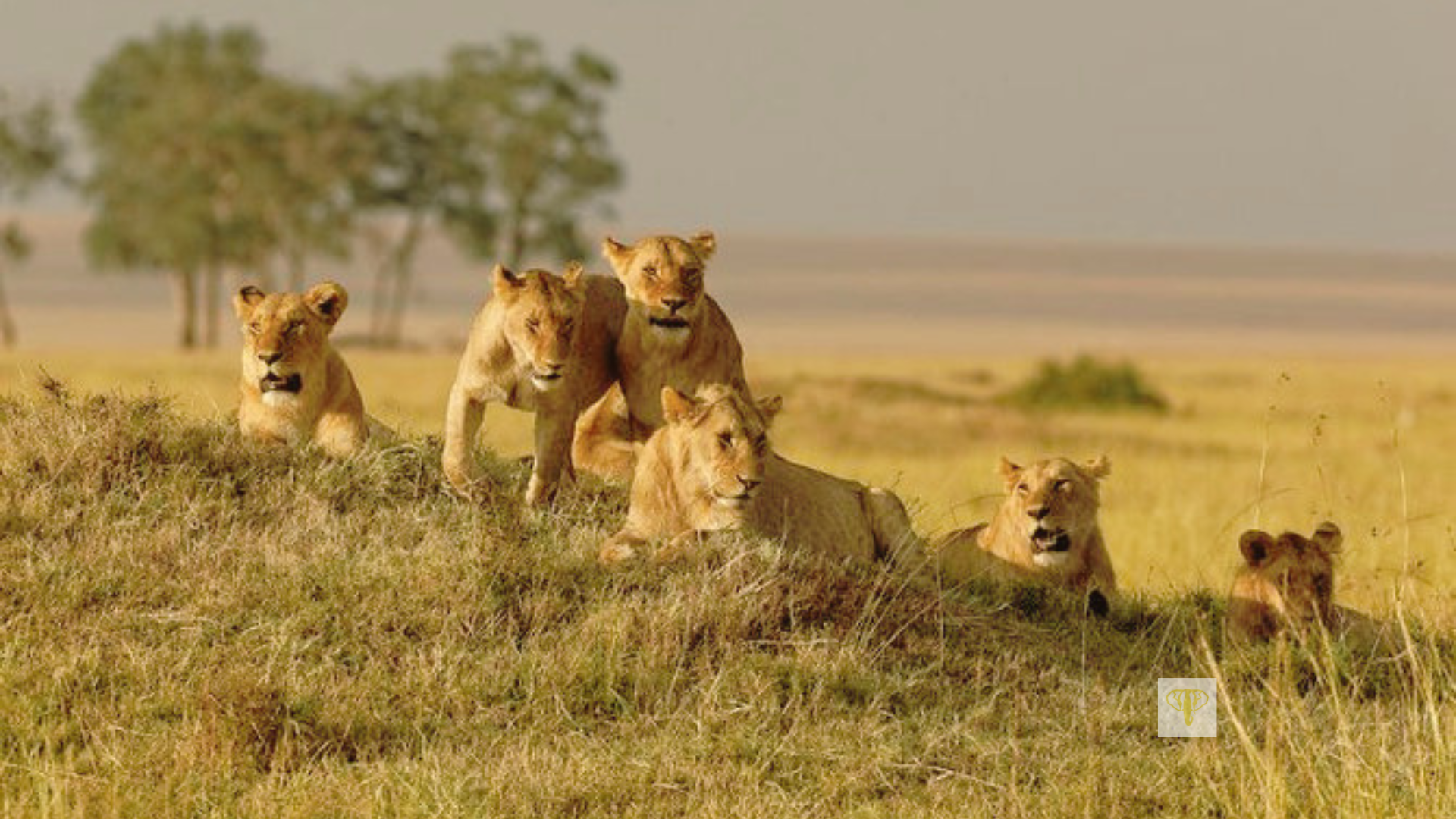
Tarangire National Park is home to a remarkable diversity of predators. With over 700 lions roaming the park's landscapes, Tarangire offers excellent opportunities for observing these majestic cats. A unique feature of the park is its tree-climbing lions, which often rest in the sprawling branches of acacia trees, surveying the savanna from above.
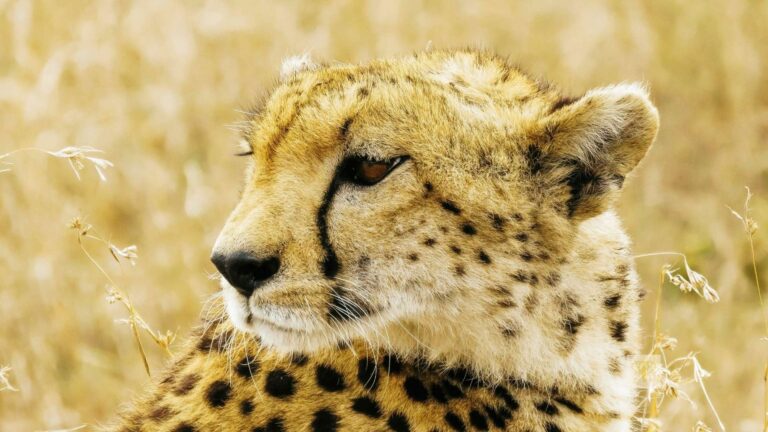
Besides lions, leopards also live in the park, which are harder to spot due to their elusive nature. With a bit of luck, visitors can observe these elegant big cats resting in trees or hunting. Cheetahs are also found in Tarangire, especially in the open savanna areas where they can optimally use their speed for hunting. Among the park's rarer predators are African wild dogs, which can occasionally be spotted on their wanderings through the area. Other carnivores such as hyenas, jackals, and smaller cat species like servals complete Tarangire's predator community.
Diversity of Herbivores: From Giraffes and Zebras to Rare Antelope Species
The diversity of herbivores in Tarangire National Park is impressive, encompassing both common and rarer species. Large herds of zebras, wildebeest, and buffalo inhabit the park's grasslands and savannas. Especially during the dry season, these herds gather around the remaining waterholes, forming imposing congregations. Giraffes are widespread throughout the park, feeding on the leaves of acacia and other trees. These elegant giants with their characteristic spotted patterns are among Tarangire's most photogenic residents. Impalas are also frequently observed, drawing attention with their curved horns and graceful leaps.
Tarangire National Park is particularly known for its rare antelope species. Both the Greater Kudu and the Lesser Kudu live here – the latter is rarely found in other parks in northern Tanzania. Other notable species include the gerenuk (giraffe gazelle) with its striking long neck, which allows it to reach higher leaves, as well as the majestic oryx with its long, straight horns.
Bird Paradise Tarangire: Discover Over 550 Bird Species
Tarangire National Park is a true paradise for birdwatchers, with over 550 documented bird species. This impressive diversity makes it one of the most species-rich areas for birds in all of Tanzania. The varied habitats—from open savannas to wetlands and acacia woodlands—provide optimal conditions for numerous bird species.
Among Tanzania's endemic and endangered bird species found in Tarangire are the Rufous-tailed weaver, Ashy starling, and Yellow-collared Lovebird. The swampy floodplains in the southern and eastern parts of the park are important stopover points for Eurasian migratory birds during the rainy season. Tarangire's woodland areas are home to hoopoes, hornbills, Bare-faced go-away birds, and Brown parrots. Commonly sighted species also include Northern ground hornbills, bee-eaters, owls, Lilac-breasted rollers, barbets, mousebirds, and wire-tailed swallows. Other interesting bird species include Double-banded courser, white-headed buffalo weaver, and great snipe.
The best time for birdwatching in Tarangire National Park is during the rainy season from November to April, when European and North African migratory birds are present in the park.
Additional inhabitants: Primates, reptiles, and the world of termite mounds
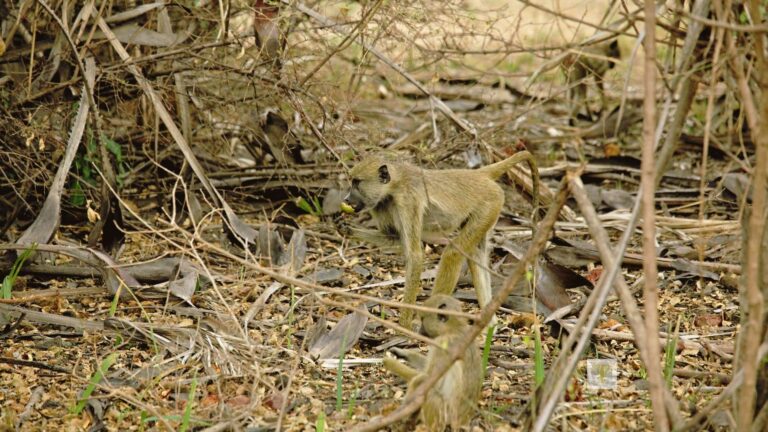
In addition to the large mammals and diverse birdlife, Tarangire National Park is home to a number of other fascinating animal species. Among the primates living in the park are baboons, green monkeys, and bush babies (galagos). These social animals are often found in groups and offer interesting observation opportunities with their playful behavior.
Various reptile species live in the trees and on the ground, including the African Rock Python, which is particularly common in the Silale Swamp area and sometimes remains there for months. Other reptiles such as chameleons, agama lizards, and various snake species complete the park's herpetological diversity. A special ecological niche in Tarangire is formed by the numerous termite mounds, which rise from the landscape like sculptures. These complex structures not only serve as homes for termites but also offer shelter and hunting opportunities for other animal species. For example, dwarf mongooses use abandoned termite mounds as hiding places, while various reptiles and small mammals find protection in the tunnels and chambers.
Are there rhinoceroses in Tarangire National Park?
Unlike some other Tanzanian national parks, such as Ngorongoro Crater or Mkomazi National Park, Tarangire National Park currently has no rhinos. Both the black rhino and the white rhino are absent from the park's natural species inventory. Historically, rhinos were widespread in many parts of Tanzania, but intense poaching in recent decades has severely depleted their numbers. The remaining populations are now concentrated in a few highly protected areas, such as Ngorongoro Crater and certain conservation areas in southern Tanzania. Despite extensive conservation efforts, it has not yet been possible to establish or reintroduce rhinos in Tarangire.
For Safari visitors, this means that only four of the "Big Five" (lion, leopard, elephant, and buffalo) can be found in Tarangire. Those who also wish to see rhinos should extend their safari plan to include the Ngorongoro Crater or other specialized conservation areas.
Travel Planner Hamburg & Frankfurt Office
- 10 years of customer service experience
- Contact person for rebookings, itinerary changes & emergencies
- Fluent in German & English
Berlin Travel Planner Office
- Traveled multiple times in Africa
- Contact person for risk prevention & travel preparation
- Fluent in German & English
Tour planner
- Contact person for travel from Africa
- Speaks English & Igbo
3. Landscape and Ecosystem: The Unique Nature of Tarangire
Tarangire National Park is characterized by a remarkably diverse landscape, ranging from open grasslands and dense acacia woodlands to expansive wetlands. This scenic diversity creates a variety of microhabitats, enabling rich biodiversity. Despite the comparatively dry climate, the vegetation in Tarangire is surprisingly lush and varied.
The park's scenic beauty is significantly shaped by the iconic baobab trees, whose massive trunks and gnarled branches define Tarangire's silhouette. These striking trees, silhouetted against the African sky, lend the park an almost surreal atmosphere while also providing vital ecological functions.
The Tarangire River: Lifeline of the Park and Magnet for Wildlife
The Tarangire River is the central lifeline of the park and the only permanent water source in the region during the dry season. The river winds its way through the landscape, creating a green ribbon amidst the drier savannas. Its name, which also gave the national park its name, means "river of warthogs" in the language of the local population.
During the dry season from June to October, the river becomes the central attraction for the surrounding wildlife.
Thousands of animals migrate from surrounding areas to access water, resulting in spectacular animal concentrations. The spectacle is particularly impressive when large herds of elephants dig for underground water sources in the partly dried-up riverbed. During the rainy season, the river fills up again, and its banks turn green. The improved water availability in the surrounding area causes the animals to spread out more widely again. The cyclical fluctuations in water levels significantly shape the dynamics of the entire ecosystem.
The Iconic Baobab Trees: More Than Just a Photo Opportunity
The baobab trees (Adansonia digitata), also known as baobabs, are the unmistakable landmark of Tarangire National Park. With their massive trunks, which can reach diameters of several meters, and their comparatively thin, gnarled branches that seem to reach into the sky like roots, they shape the park's landscape in a unique way. These remarkable trees can reach an age of several hundred years – some specimens in the park are proven to be over 300 years old. The most famous baobab in Tarangire is the so-called "Hunter's Baobab," a tree with a hollow trunk that, according to legend, once served as a shelter for hunters.
The baobab trees fulfill important ecological functions in the park's ecosystem. Their spongy wood can store enormous amounts of water, making them living water reservoirs. Especially during the dry season, elephants dig up the roots of the trees to access the stored moisture. The trees also provide nesting sites for birds, shelter for various animal species, and their nutritious fruits are an important food source for monkeys and other frugivores.
Savannas, swamps, and forests: the park's diverse habitats
Tarangire National Park is home to an amazing diversity of ecosystems and vegetation types. In the northern part of the park, a rolling hills landscape stretches out, where the imposing baobab trees are particularly numerous. Further south, this landscape transitions into a dry savanna with characteristic umbrella acacias.
Also remarkable are the candelabra trees (euphorbias), whose candle-like branches rise fan-shaped into the sky, lending the park an almost surreal touch. The vegetation also includes elephant grass, large areas of mixed acacia woodlands, and some gallery forests along the waterways. In the southern part of the park are extensive wetlands, including the significant Silale swamp, which covers 70 square kilometers. These wetlands act like giant sponges during the rainy season, slowly releasing water during the dry season, making them important refuges for wildlife. During the rainy season, these areas are often impassable, but they partially dry up during the rest of the year, transforming into green plains.
The Climate in Tarangire: Best Conditions for Your Safari
Tarangire National Park is located at an altitude of 900 to 1250 meters above sea level, which contributes to a pleasant climate with moderate temperatures. The average annual rainfall is between 650 and 700 mm, with precipitation mainly concentrated during the rainy seasons. Temperatures in Tarangire fluctuate relatively moderately throughout the year. The warmest months are January and February, with daytime highs around 25-26°C and nighttime lows around 11°C. During the cooler months of July and August, daytime highs are around 21-22°C, while temperatures can drop to 9-10°C at night.
The climatic year in Tarangire can be divided into different phases: The "Great Dry Season" lasts from the beginning of June to the end of October, while the "Small Dry Season" lasts from the beginning of January to the end of March. There are short rains from the beginning of November to the end of December, with rain mostly occurring at night and in the early morning. The "Great Rainy Season" from April to May brings heavy showers; during this time it is hot, humid, and heavily overcast.
This seasonal climate significantly influences animal migrations and, consequently, the optimal times for safaris in Tarangire National Park.
4. Planning Your Safari in Tarangire National Park: Best Time to Visit, Accommodations & Activities
Planning a safari in Tarangire National Park requires careful consideration of the optimal travel time, suitable accommodations, and desired activities. Depending on personal interests and expectations, the ideal safari experience can vary. While the dry season offers the highest wildlife density, the green rainy season, with its lush vegetation and lower tourist numbers, also has its own charm.
Tarangire can be easily integrated into a more extensive Northern Tanzania tour, which typically also includes Serengeti National Park and the Ngorongoro Crater. Strategic planning of the route and the duration of stay at each location optimizes the overall experience and allows for efficient use of available time.
When is the best time to travel to Tarangire National Park? (Dry season vs. rainy season)
The optimal travel time for Tarangire National Park largely depends on personal interests and expectations. In general, the dry season from June to October is considered the best time for wildlife viewing in Tarangire. During this period, animals concentrate around the few available water sources, especially the Tarangire River, leading to spectacular animal gatherings. The vegetation is less lush during this time, which significantly improves visibility of the animals.
For birdwatchers, however, the rainy season from November to April is the most rewarding period, as numerous European and North African migratory birds are present in the park at that time. Additionally, the park presents itself in a lush green during this period, which can be particularly attractive for landscape photographers. The "small dry season" from January to March offers a good compromise, as it combines moderate rainfall with acceptable wildlife concentrations. For visitors who wish to witness the birth of young animals, the months of January and February are particularly interesting, as wildebeest and zebras calve during this time. In March, the animal migration slowly begins, and the annoying tsetse flies disappear.
Getting to Tarangire: Flights, Roads, and Transfers
Getting to Tarangire National Park is usually done via Arusha, the main base for safaris in northern Tanzania. From Arusha, a well-maintained road leads to the park, with a travel time of about two and a half hours. This route is passable with normal vehicles, but 4WD vehicles are recommended or sometimes even required for safaris within the park. For time-saving arrivals, it's possible to fly from Arusha to the nearby Lake Manyara Airport. Several airlines offer daily connections, which take between 20 and 40 minutes depending on the provider and vary in price from approximately $38 to $500. From the airport, the transfer to the park is by off-road vehicle and takes about an hour.
The distance between Arusha and the Tarangire River is 54.1 miles (about 87 km) by road and can be covered by car in about 1 hour and 20 minutes. Alternatively, taxi rides are also possible, costing around $29-35 USD.
Accommodations in Tarangire: From Luxury Lodges to Authentic Campsites
Tarangire National Park offers a diverse range of accommodations to suit various preferences and budgets. Within and around the park, you'll find over 13 different lodging options, from luxurious lodges and comfortable tented camps to simple campsites. Prices start at approximately $185 per night.
Well-known accommodations in the park include the Tarangire Safari Lodge, which offers spectacular views of the Tarangire River, and the exclusive Tarangire Treetops, where guests stay in elevated treehouse suites. Other options include Tarangire Sopa Lodge, Maramboi Tented Camp, and Oliver's Camp, which is particularly characterized by its authentic safari atmosphere. For visitors on a smaller budget, public campsites are available, for which fees must be paid to the park authorities. These offer a close-to-nature overnight experience but require your own camping equipment and some outdoor experience.
When choosing accommodation, in addition to budget, location within the park should also be considered. Accommodations in the northern part offer easy access to popular areas along the Tarangire River, while lodges in the southern section provide more tranquility and exclusive wildlife viewing opportunities.
Activities in Tarangire: What Can You Experience?
Game Drives: The Heart of Every Tarangire Safari
Game drives in an open-top 4x4 vehicle are the centerpiece of any safari in Tarangire National Park. These excursions allow for exploration of larger areas of the park and observation of various animal species in their natural habitat. Drives along the Tarangire River are particularly rewarding, as numerous animals congregate there during the dry season.
Most visitors begin their explorations in the northern part of the park, spending an afternoon investigating the area around the Tarangire River. Here, elephants, buffalo, antelope, and zebras greet travelers, offering a classic safari experience. For a more comprehensive experience, it is recommended to also visit the southern part of the park, particularly the Silale Swamp area, known for its elephant concentrations and spectacular views. Vehicles for game drives are specially equipped with raised seating and often open sides or roof hatches, providing optimal viewing conditions for wildlife observation and photography. Experienced guides know the best spots for wildlife sightings and possess extensive knowledge of the park's fauna and flora.
Walking Safaris: Discover Nature on Foot
Walking safaris offer a more intense and intimate experience of the natural environment of Tarangire National Park. Accompanied by armed rangers, visitors can hike through selected areas of the park on foot, discovering details that remain hidden from a vehicle. These guided walks allow for a particularly intense experience of the park's beauty, with its savannas, wetlands, and gnarled baobab trees. During a walking safari, the focus is less on encountering large mammals and more on understanding the ecosystem. Rangers explain animal tracks, plant species and their uses in traditional medicine, as well as the park's complex ecological connections. Smaller animals such as insects, reptiles, and birds can also be observed up close.
This activity requires moderate physical fitness and is best done in the cooler morning hours. Walking safaris must be booked in advance and are not permitted in all areas of the park.
Night Safaris: Unveiling the Secrets of the Night
In certain areas of Tarangire National Park, mainly in the adjacent wildlife areas and private concessions, there is the opportunity to participate in night game drives. These special excursions offer insights into the nocturnal activity of wildlife, when many predators go hunting and nocturnal species become active.
Using special spotlights, visitors can discover animals such as bush babies, genets, pangolins, and brush-tailed porcupines, which are rarely seen during the day. Larger predators like lions and hyenas are also observed during their nocturnal activities. The experience of driving through the African savanna as the sounds of the night fill the air is unforgettable and offers a completely different perspective on the ecosystem. Night safaris are typically led by experienced guides who have specialized knowledge of nocturnal fauna and take necessary safety precautions.
This activity is not permitted in the entire national park, but only in certain fringe areas and adjacent private reserves.
Hot Air Balloon Safaris: Tarangire from a Bird's-Eye View
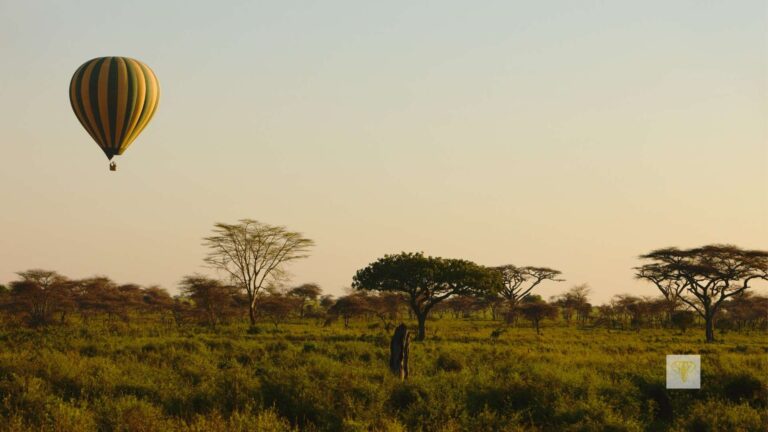
For a particularly exclusive experience, some providers offer hot air balloon safaris over Tarangire National Park. These unforgettable excursions typically begin at dawn, when conditions are optimal for ballooning. Gliding gently over the landscape provides a unique perspective of the park, its topography, and the scattered herds of animals. From above, the pattern of the Tarangire River winding through the landscape unfolds, and the characteristic distribution of majestic baobab trees becomes visible. Animals such as herds of elephants, groups of giraffes, and grazing zebras can be observed from a bird's-eye view without disturbing them. The early morning light also offers ideal conditions for spectacular photography.
After the approximately one-hour balloon ride, participants are usually treated to a festive champagne bush breakfast, which rounds off the exclusive experience. The prices for hot air balloon safaris are accordingly high, but for many visitors, the unique experience justifies the additional cost.
Birdwatching for Enthusiasts
With over 550 documented bird species, Tarangire National Park is a birdwatcher's paradise. Specialized birdwatching tours focus on discovering and identifying the park's diverse avifauna, from endemic species to seasonal visitors. The park's varied habitats—savannas, woodlands, wetlands, and riverine landscapes—each host distinctive bird communities.
Particularly interesting for ornithologists are Tanzania's three endangered bird species found in Tarangire: the Rufous-tailed Weaver, the Ashy Starling, and the Yellow-collared Lovebird. The park's woodlands are also home to Hoopoes, Hornbills, White-bellied Go-away-birds, and various parrot species, while the wetlands attract herons, cranes, and shorebirds. The best time for birdwatching is during the rainy season from November to April, when numerous European and North African migratory birds can be found in the park. Specialized birding guides possess the necessary knowledge to track down and identify even rarer species, and often equip participants with binoculars and field guides.
Cultural Visits: Insights into the Lives of the Maasai and Hadzabe
In addition to nature-oriented activities, many safari operators offer cultural excursions to surrounding communities. The region around Tarangire National Park is traditionally inhabited by Maasai and, in some areas, the Hadzabe, whose way of life and culture represent a fascinating contrast to the modern world. During visits to Maasai villages, travelers gain insight into the semi-nomadic lifestyle of these pastoral peoples, their distinctive red garments, traditional dances, and handicrafts. Interaction with local communities promotes mutual understanding and can contribute to the local economy through the direct purchase of handicrafts.
In some areas, there's also the opportunity to meet the Hadzabe, one of Africa's last remaining hunter-gatherer communities. Visitors can participate in traditional hunting and gathering expeditions and learn how these people have lived in harmony with nature for centuries.
How many days to plan for Tarangire National Park?
The optimal duration of stay in Tarangire National Park depends on personal interests and the overall travel itinerary. While the park is often visited as a day trip from Arusha, a longer stay is necessary to fully explore its diverse ecosystems and observe its varied wildlife.
A one-day visit is sufficient to gain a basic impression of the park and see some of its main attractions, particularly the elephant herds and baobab trees in the northern section. This short stay is suitable for travelers with limited time or as part of a more extensive safari through northern Tanzania.For a more comprehensive experience, a stay of at least two nights is recommended. This allows for exploration of the park's more remote corners, particularly the southern area with the impressive Silale Swamp, where wildlife sightings are often particularly rewarding. A longer stay also increases the chances of spotting rarer animals and allows for various activities such as guided walks or special birdwatching tours.
Enthusiasts and photographers ideally plan for three or more nights to experience Tarangire in its full diversity, utilize the different lighting conditions for photography, and gain deeper insights into the park's complex ecosystem.
Tarangire National Park Costs and Parking Fees (2025 Update)
There are various fees for visiting Tarangire National Park, which vary depending on nationality and age. The current entrance fees for 2025 are as follows:
For adults 16 years and older, daily entrance fees are $50 for international visitors, $25 for expatriates and residents with a residence permit, and 10,000 Tanzanian Shillings for East African Community citizens.
Children between 5 and 15 years old pay $15 (international visitors), $7.5 (expatriates), or 2,000 Tanzanian Shillings (East Africans). Children under 5 years old are admitted free of charge, regardless of nationality.
During the low season from March 15th to May 15th, reduced prices apply: adults pay $45 (international visitors), $22.5 (expats), or still 10,000 Tanzanian Shillings (East Africans).
In addition to entrance fees, separate fees must be paid for campsites. The total cost of a safari consists of these park fees, as well as the costs for accommodation, transportation, guide services, meals, and any additional activities. Pricing varies significantly depending on the season, chosen accommodation category, and duration of stay.
Combining a Tarangire Safari: Popular Itineraries with the Serengeti, Ngorongoro, and Lake Manyara
Der Tarangire Nationalpark lässt sich hervorragend mit anderen Naturschutzgebieten im Norden Tansanias kombinieren, was zu abwechslungsreichen und umfassenden Safari-Erlebnissen führt. Die strategische Lage des Parks am östlichen Ende des sogenannten Northern Safari Circuit macht ihn zu einem idealen Start- oder Endpunkt für Rundreisen. Eine klassische Kombination umfasst den Tarangire Nationalpark, den Lake Manyara Nationalpark, den Ngorongoro-Krater und die Serengeti. Diese Route deckt die biologische und landschaftliche Vielfalt Nordtansanias optimal ab und bietet die Chance auf Begegnungen mit allen "Big Five" sowie zahlreichen anderen Tierarten. Je nach verfügbarer Zeit kann diese Rundreise zwischen 5 und 10 Tagen dauern.
Die Fahrzeit vom Tarangire zum nächsten Park auf der Route, dem Lake Manyara Nationalpark, ist relativ kurz, was eine effiziente Reiseplanung ermöglicht. Von dort aus führt die Route weiter zum Ngorongoro-Krater und schließlich zur Serengeti, bevor die Rückreise nach Arusha angetreten wird. Alternativ kann die Route auch in umgekehrter Reihenfolge abgefahren werden. Für Reisende mit mehr Zeit bietet sich die Erweiterung der Route um weniger bekannte Ziele wie den Tarangire-Manyara-Korridor oder den Mkomazi Nationalpark an. Diese Gebiete sind weniger touristisch erschlossen und bieten authentischere Wildniserlebnisse abseits der Hauptrouten.
Super organization and great guide

Super organized safari with a really great guide. Thank you Joseph for making this week an indescribable experience!
May 2025
Super organization and great guide
Communication via email and video call was straightforward. Mr. Justus was super friendly and patient, and I never felt like he was trying to „sell“ me something.
January 2024

Visa Support was amazing.
The Tansaina Safari team helped my family and me with our visas and found affordable flights from Nigeria that we wouldn't have found ourselves. Highly, highly recommendable for travelers from Africa!!
August 2024
Fair prices
Mr. Justus provided us with excellent advice. He responded very quickly, took our wishes into account, and created an affordable route through the Serengeti. Thank you very much for the great service!
January 2024

Competent contact persons
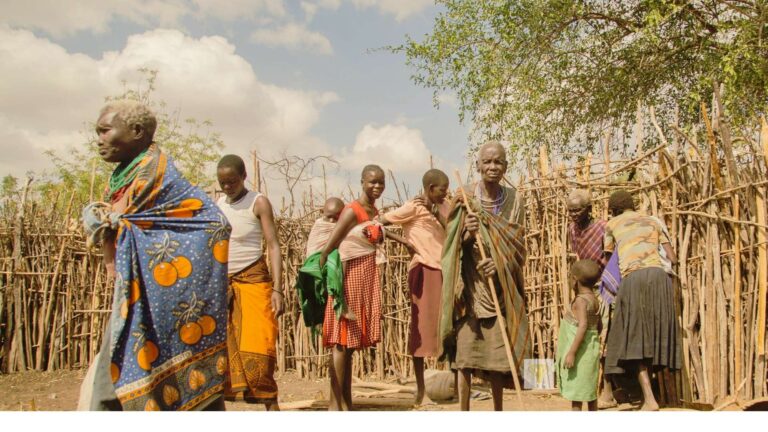
Travel advisor Dominic Dreiner advised us excellently, and it was evident that he enjoys his job. As we are experienced with life and travel, we can say: it doesn't get any better.
February 2025
5. Praktische Tipps für Ihre Tarangire Safari: Gesundheit, Sicherheit & Packliste
Eine erfolgreiche Safari im Tarangire Nationalpark erfordert sorgfältige Vorbereitungen in den Bereichen Gesundheit, Sicherheit und Ausrüstung. Die afrikanische Wildnis stellt besondere Anforderungen an Reisende, und eine gute Planung trägt wesentlich zum Gelingen des Aufenthalts bei.
Die Gesundheitsvorsorge umfasst neben den erforderlichen Impfungen auch Maßnahmen zur Malaria-Prophylaxe und zum Schutz vor lästigen Insekten. Für die Sicherheit im Park ist die Beachtung der Verhaltensregeln unerlässlich, während eine durchdachte Packliste die nötige Ausrüstung für verschiedene Wetterbedingungen und Aktivitäten sicherstellt.
Gesundheit auf Safari: Impfungen, Malaria-Prophylaxe und Tsetsefliegen-Schutz
Vor einer Reise zum Tarangire Nationalpark empfiehlt sich eine frühzeitige gesundheitliche Vorsorge. Neben den standardmäßigen Reiseimpfungen wie Tetanus, Diphtherie, Polio und Hepatitis A und B ist für Tansania die Gelbfieberimpfung vorgeschrieben. Eine Beratung durch einen Tropenmediziner oder in einer reisemedizinischen Praxis sollte mindestens sechs Wochen vor Reiseantritt erfolgen.
Da Tansania zu den Malaria-Risikogebieten zählt, ist eine entsprechende Prophylaxe ratsam. Diese besteht aus der Einnahme von Medikamenten nach ärztlicher Verschreibung sowie aus Maßnahmen zum Schutz vor Mückenstichen. Hierzu zählen das Tragen langer, heller Kleidung in den Abendstunden, die Verwendung von Insektenschutzmitteln mit dem Wirkstoff DEET und gegebenenfalls die Nutzung von Moskitonetzen. Im Tarangire Nationalpark kommen saisonal Tsetsefliegen vor, deren Stiche schmerzhaft sein können. Diese sind besonders während der Regenzeit aktiv und verschwinden erst wieder im März. Zum Schutz vor diesen Insekten empfiehlt sich das Tragen von Kleidung in Naturfarben (Beige, Khaki, Olivgrün), da leuchtende Farben wie Blau oder Schwarz die Fliegen anziehen.
Sicherheitsrichtlinien im Tarangire Nationalpark: Verhalten im Busch
Die Beachtung der Sicherheitsrichtlinien ist im Tarangire Nationalpark, wie in jedem Wildnisgebiet, von größter Bedeutung. Grundlegend ist das Verbleiben im Fahrzeug während der Game Drives, es sei denn, der Guide gibt ausdrücklich die Erlaubnis zum Aussteigen an designierten sicheren Orten. Wildtiere, insbesondere Elefanten und Raubtiere, sind unberechenbar und sollten stets mit gebührendem Respekt und Abstand betrachtet werden. Bei geführten Wanderungen ist es essentiell, den Anweisungen der Ranger zu folgen und in der Gruppe zu bleiben. Abkürzungen oder selbständige Erkundungen abseits der Wege sind zu unterlassen, da sie sowohl ein Sicherheitsrisiko darstellen als auch zu ökologischen Schäden führen können.
Im Umgang mit Tieren gilt: Nicht füttern, nicht locken und stets einen angemessenen Abstand wahren. Laute Geräusche, hektische Bewegungen oder grelles Blitzlicht bei Fotografien können Stress bei den Tieren auslösen und sind zu vermeiden. Dies dient nicht nur dem eigenen Schutz, sondern auch dem Wohlbefinden der Wildtiere.
Für Übernachtungen in einfacheren Unterkünften oder beim Camping ist zu beachten, dass Lebensmittel sicher verstaut werden sollten, um keine Wildtiere anzulocken. Die Einhaltung der Lagerplatzregeln und das ordnungsgemäße Entsorgen von Abfällen sind ebenfalls wichtige Sicherheitsaspekte.
Die perfekte Packliste für Ihre Tarangire Reise: Was Sie nicht vergessen sollten
Eine durchdachte Packliste trägt wesentlich zum Komfort und Gelingen einer Safari im Tarangire Nationalpark bei. Die Basisausrüstung umfasst leichte, atmungsaktive Kleidung in Naturfarben für tagsüber und eine wärmere Schicht für die kühleren Morgen- und Abendstunden. Lange Hosen und langärmlige Hemden schützen vor Sonneneinstrahlung und Insektenstichen.
Ein breitkrempiger Hut oder eine Kappe mit Nackenschutz, eine hochwertige Sonnenbrille mit UV-Schutz und Sonnenschutzmittel mit hohem Lichtschutzfaktor sind angesichts der intensiven äquatorialen Sonne unerlässlich. Festes, bequemes Schuhwerk ist besonders für Wandersafaris wichtig, aber auch für die Ein- und Ausstiege bei Pirschfahrten praktisch.
Zur optischen Ausrüstung gehören ein gutes Fernglas für die Tierbeobachtung sowie, falls gewünscht, eine Kamera mit Teleobjektiv. Zusätzliche Akkus, Speicherkarten und ein Staubschutz für die Fotoausrüstung sind ratsam, da die Savannenlandschaft staubig sein kann. Persönliche Medikamente sollten in ausreichender Menge mitgeführt werden, ergänzt durch eine kleine Reiseapotheke mit Mitteln gegen Durchfall, Schmerzen, Fieber und allergische Reaktionen. Feuchttücher, Handdesinfektionsmittel und Taschentücher erhöhen den Komfort bei begrenzten sanitären Möglichkeiten während der Pirschfahrten.
A small backpack for day trips, a reusable water bottle, and perhaps some energy bars for longer rides round out the practical gear.
Photography in Tarangire: Tips for Unforgettable Shots
With its majestic baobab trees, large herds of elephants, and varied landscape, Tarangire National Park offers countless subjects for striking photographs. To achieve the best results, it’s helpful to do some preparation and keep a few basic principles in mind.
The best lighting conditions for wildlife photography are in the early morning and late afternoon, when the golden light creates warm colors and interesting shadows. Midday, with its harsh light, is better suited for landscape photography featuring the characteristic baobab trees or for black-and-white photography.
Technically, a telephoto lens with a focal length of at least 200-300mm is recommended for wildlife photography, while a wide-angle lens is advantageous for landscape shots and the imposing baobab trees. A camera with good performance at higher ISO values allows for shorter shutter speeds, which are important for moving subjects or when shooting from a moving safari vehicle. To minimize camera shake, using a beanbag as a support is practical, as traditional tripods are often impractical in safari vehicles. For image composition, the principle of giving animals "room to look" applies, meaning more space should be planned in the direction the animal is facing. When photographing elephants and baobabs, including a person as a scale reference can emphasize their impressive dimensions.
Tarangire with children: An unforgettable family safari
With its easy accessibility and high likelihood of wildlife sightings, Tarangire National Park is well-suited for family safaris with children. Children of all ages are particularly fascinated by the large herds of elephants—which are easy to spot even from a distance—and the distinctive baobab trees. Choosing the right accommodations is crucial for a successful family safari. Some lodges and camps in and around Tarangire National Park are specifically geared toward families and offer amenities such as family rooms or tents, child-friendly meals, and sometimes even special activities for the little ones.
When going on game drives, children's attention spans should be taken into account. Shorter, more frequent excursions are often more sensible than all-day expeditions. Some safari providers offer programs specifically tailored for children, where the young participants can playfully learn more about the animal world and nature conservation. Age-appropriate books or documentaries about African animals are helpful in preparing children for the safari. Their own binoculars and a notebook for recording animal sightings can boost enthusiasm. Age-appropriate activities should be planned for the travel times between animal observations.
Discover individual routes off the beaten path
Assistance with planning and booking
Personal support before, during, and after the trip
Starting from €1195 per person*
From €495 per person*
Starting from €2,095 per person*
Starting from €295*
From €495 per person*
From €495 per person*
Starting from €1195 per person*
Starting from 145 EUR per person*
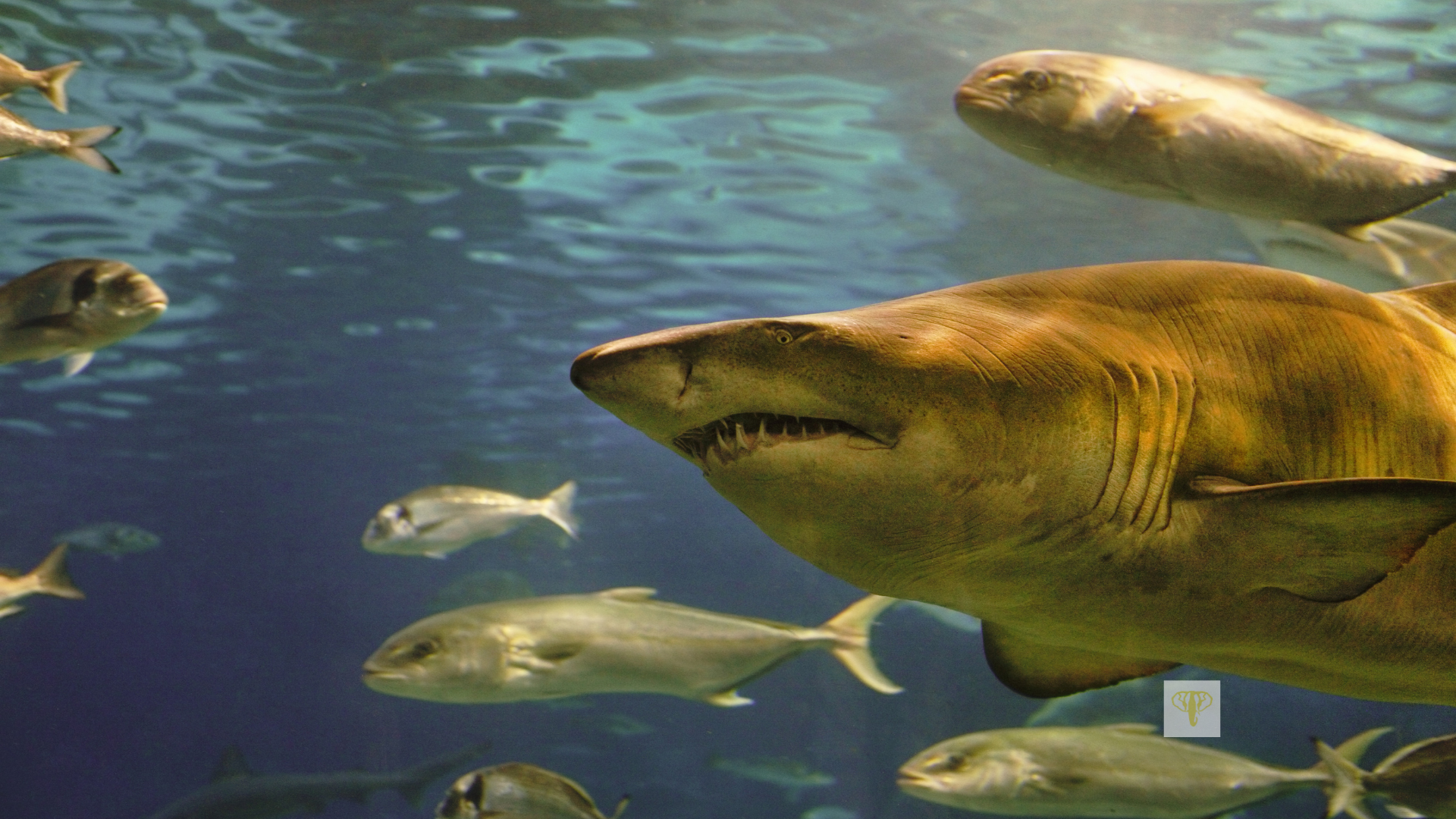
Starting from 1295 EUR*
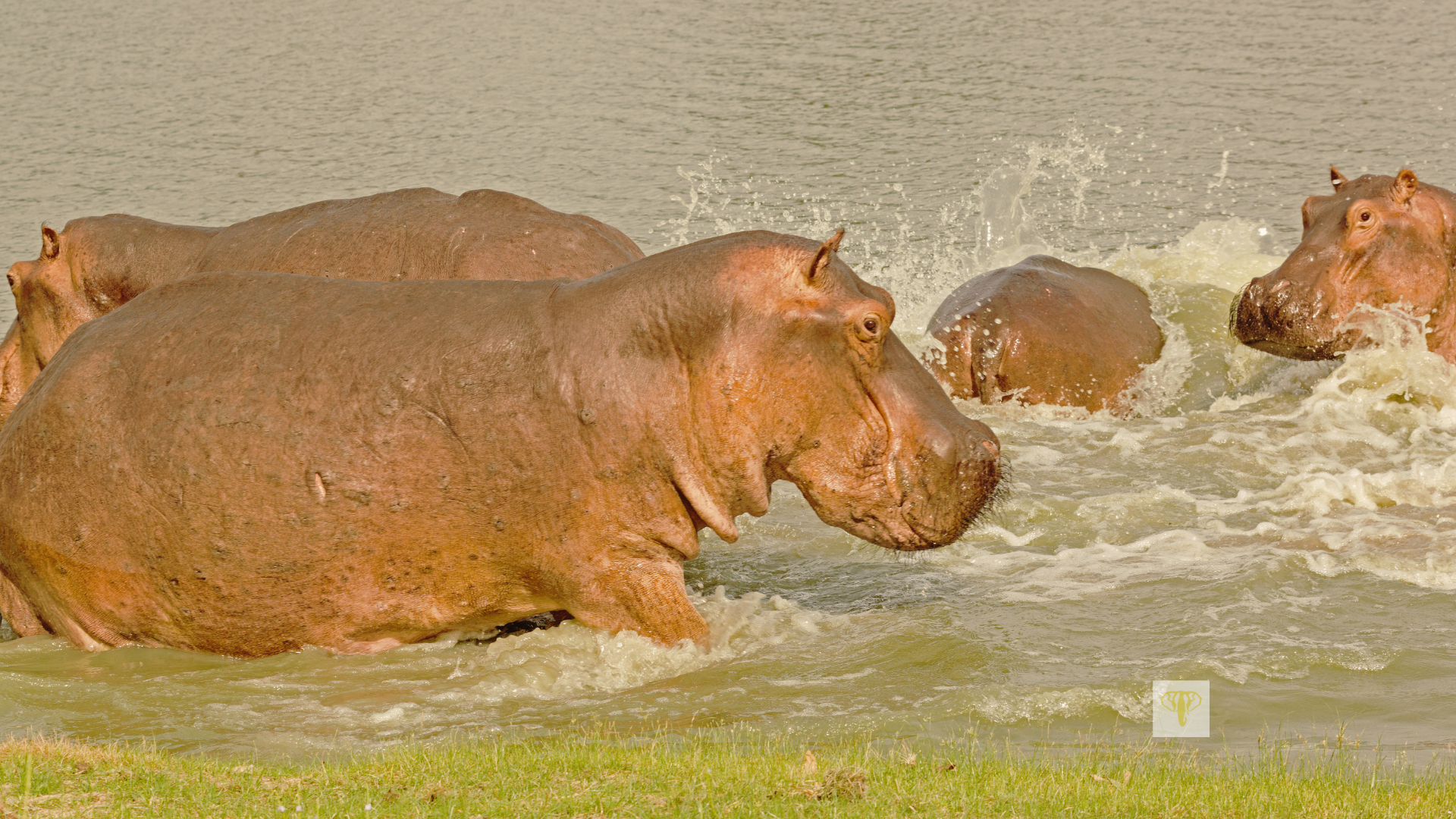
Starting from EUR 645 p.p.*
All prices listed are former prices for short and price-optimized trips. Current prices may be higher due to the respective season and inflation. Our terms and conditions apply.
6. Nature Conservation in Tarangire: Challenges and Successes
Tarangire National Park faces various challenges in the area of nature conservation, but it has also achieved remarkable successes. Preserving this unique ecosystem requires striking a balance between protecting natural resources and promoting sustainable tourism that benefits both the local economy and conservation efforts.
Various conservation projects in the park are dedicated to protecting endangered species, preserving habitats, and combating poaching. At the same time, educational initiatives aim to raise awareness among visitors and local communities about the ecological importance of the area. These integrative approaches are crucial for the long-term conservation of the Tarangire ecosystem.
The Importance of the Tarangire Ecosystem and the Need to Protect It
The Tarangire ecosystem is of outstanding ecological importance. It is home to one of the largest elephant populations in East Africa, numerous endemic and endangered plant and animal species, and unique habitats such as the baobab savannas and extensive marshlands. The perennial Tarangire River serves as a critical water source for wildlife populations throughout the surrounding area, especially during the dry season. The seasonal animal migrations between Tarangire National Park and the surrounding areas are a vital ecological process that contributes to the genetic diversity of the populations and maintains the natural dynamics of the ecosystem. Protecting these migration corridors is a key conservation challenge.
Some of the bird species found in the park, such as the red-tailed weaver, the gray starling, and the yellow-necked parakeet, are endangered in Tanzania and find an important refuge in Tarangire. Rare antelope species such as the gerenuk and the lesser kudu also make the park a significant biodiversity hotspot. Conservation efforts in Tarangire National Park serve not only to preserve biological diversity but also to protect vital ecosystem services such as water regulation, carbon sequestration, and natural pollination, which are also of central importance to the surrounding human communities.
Threats to the park: poaching, human-wildlife conflicts, and habitat loss
Tarangire National Park and its ecosystem face various threats. Despite increased conservation measures, poaching remains a problem, particularly for elephants, whose ivory fetches high prices on the black market.
Smaller wildlife species are also hunted for the bushmeat trade. A central challenge is human-wildlife conflict in the park's peripheral areas. When elephants and other wildlife cross agricultural land, crop damage frequently occurs, leading to tensions with local communities. These conflicts are exacerbated by increasing population pressure and the expansion of agricultural activities into traditional wildlife migration corridors.
Habitat loss due to land-use changes in the surrounding areas poses a serious long-term threat. The conversion of savanna landscapes into agricultural land, settlements, and infrastructure leads to habitat fragmentation and disrupts traditional migration routes. Particularly affected are the migration corridors between Tarangire and other protected areas, which are essential for the seasonal migrations of many animal species. Climate change is increasingly affecting precipitation patterns in the region, which in turn impacts water availability and vegetation. Shifts in the rainy season can disrupt the animals’ established migration cycles and jeopardize the park’s delicate ecological balance.
Threats to the park: poaching, human-wildlife conflicts, and habitat loss
Tarangire National Park and its ecosystem face various threats. Despite increased conservation measures, poaching remains a problem, particularly for elephants, whose ivory fetches high prices on the black market.
Smaller wildlife species are also hunted for the bushmeat trade. A central challenge is human-wildlife conflict in the park's peripheral areas. When elephants and other wildlife cross agricultural land, crop damage frequently occurs, leading to tensions with local communities. These conflicts are exacerbated by increasing population pressure and the expansion of agricultural activities into traditional wildlife migration corridors.
Habitat loss due to land-use changes in the surrounding areas poses a serious long-term threat. The conversion of savanna landscapes into agricultural land, settlements, and infrastructure leads to habitat fragmentation and disrupts traditional migration routes. Particularly affected are the migration corridors between Tarangire and other protected areas, which are essential for the seasonal migrations of many animal species. Climate change is increasingly affecting precipitation patterns in the region, which in turn impacts water availability and vegetation. Shifts in the rainy season can disrupt the animals’ established migration cycles and jeopardize the park’s delicate ecological balance.
Successful conservation projects and research initiatives (e.g., Tarangire Elephant Project)
Despite the challenges, there are successful conservation projects and research initiatives in Tarangire National Park. The Tarangire Elephant Project (TEP), founded in 1993, is one of the longest-running elephant conservation research programs in Africa. It studies the population dynamics and demographics of elephant populations, their movement and migration patterns, and strategies for mitigating human-elephant conflicts.
Using GPS tracking collars, the TEP has mapped the elephants’ extensive seasonal migrations from Tarangire National Park to surrounding areas, including Lake Manyara and the Simanjiro Plains. This data is crucial for identifying and protecting key migration corridors.
Other conservation projects in the park include programs to combat poaching, habitat restoration initiatives, and activities to engage local communities. By involving the local population in conservation efforts and creating alternative sources of income—such as through ecotourism—incentives are created for the preservation of natural resources. Research projects on various aspects of the ecosystem—ranging from vegetation dynamics and population trends of various animal species to the impacts of climate change—provide important scientific foundations for adaptive park management.
How your visit can contribute to the protection of Tarangire National Park
Every visit to Tarangire National Park can contribute to conservation efforts when undertaken responsibly. Entrance fees and fees for activities such as game drives or walking safaris partly fund conservation measures, infrastructure, and ranger salaries, demonstrating the direct economic value of wildlife populations. Choosing eco-friendly accommodations and tour operators that implement sustainable practices like waste management, water conservation, and the use of renewable energy supports ecologically responsible tourism in the region. Many lodges and camps within Tarangire National Park actively participate in community projects and conservation initiatives.
Visitors can participate in hands-on conservation activities, such as guided bush walks with park rangers who provide valuable insights into the park's challenges and successes in protecting its natural heritage, or tree-planting initiatives that contribute to restoring degraded habitats. By adhering to park regulations – such as staying on designated paths, properly disposing of waste, and maintaining a respectful distance from wildlife – visitors directly contribute to the ecosystem's preservation. This also includes responsible water and energy consumption in accommodations.
Get binding offers quickly
In Germany & Tanzania
Our team is at your side
7. Frequently Asked Questions (FAQ) about Tarangire National Park
Is Tarangire National Park overcrowded?
Compared to other well-known protected areas in northern Tanzania, such as the Serengeti or the Ngorongoro Crater, Tarangire National Park is considered one of the less crowded destinations. Although its popularity has increased in recent years, visitor numbers remain moderate, allowing for a relatively undisturbed safari experience. Visitor density varies seasonally and geographically. During the peak tourist season from June to October, visitors concentrate mainly in the northern part of the park along the Tarangire River. The southern area remains comparatively quiet even during this time, offering more exclusive wildlife viewing opportunities.
During the low season, especially the rainy season from November to May, visitor numbers are significantly lower. This time not only offers more tranquility but also attractive price advantages and lush green landscapes. However, some roads may be difficult to travel during this period, and wildlife viewing can be more challenging due to denser vegetation and animals being more spread out.
The languages spoken in and around Tarangire National Park are Swahili and Maasai.
Tanzania's official national languages are Swahili and English. In Tarangire National Park and its surrounding areas, most individuals working in the tourism sector, such as safari guides, lodge staff, and park rangers, are fluent in English. Information materials, signage, and official communications are typically available in both English and Swahili.
In the rural communities around the park, Swahili is primarily spoken, supplemented by the local languages of the various ethnic groups. The Maasai, who traditionally inhabit parts of the region, speak Maa, their own Nilotic language. In areas inhabited by the Hadzabe, the Hadza language is used, one of Africa's few remaining click languages. For visitors, basic English skills are usually sufficient for communication. However, learning a few polite phrases in Swahili, such as "Jambo" (Hello), "Asante" (Thank you), or "Karibu" (Welcome), is appreciated by the locals and can contribute to more positive cross-cultural encounters.
Do I need a guide for Tarangire National Park?
While a guide is not legally required for visits to Tarangire National Park, it is highly recommended. The experience and knowledge of a professional safari guide significantly enrich the experience and maximize opportunities for exceptional wildlife sightings. Experienced guides possess detailed knowledge of the park's wildlife, flora, and ecology. They can interpret animal behavior, identify rare species, and point out hidden details that laypeople would easily overlook. Furthermore, they know the best spots in the park for various wildlife sightings and understand how to approach wildlife most respectfully and safely.
Most organized safaris already include a guide, who also often drives the safari vehicle. For self-driving visitors using their own or a rented 4x4 vehicle, there is the option to hire a day guide at the park entrance or to book a local guide in advance. This is especially advisable for the more remote parts of the park where navigation can be more difficult and road conditions become challenging.
Is there Wi-Fi and mobile phone reception in Tarangire?
Wi-Fi and mobile phone reception in Tarangire National Park are limited and vary depending on your exact location within the park and your accommodation. In most parts of the park, especially in the more remote southern areas, mobile reception is weak or nonexistent.
Most higher-end lodges and camps in and around the park now offer Wi-Fi in public areas or, in some cases, in rooms. However, connection quality may be limited due to the remote location, and speeds are generally sufficient for basic communication and texting, but not for data-intensive activities like streaming or video conferencing. For travelers who rely on reliable connectivity during their stay, it is recommended to confirm Wi-Fi availability with their chosen accommodation in advance. Alternatively, local SIM cards with data can be purchased in Arusha or other larger towns before arrival, providing a more flexible solution in areas of the park with network coverage.
However, many visitors perceive the limited accessibility as a positive aspect, as it offers a welcome opportunity to disconnect from digital daily life and concentrate fully on the nature experience.
What payment methods are accepted in Tarangire National Park?
In Tarangire National Park and its surroundings, accepted payment methods vary by establishment and service. Park fees can generally be paid in US Dollars or Tanzanian Shillings, with US Dollars being the preferred currency for international visitors and expatriates. It is advisable to carry sufficient cash for paying park fees, as card payments at the park entrance are not always reliably available.
In higher-end lodges and camps, international credit cards such as Visa and Mastercard are frequently accepted alongside cash. American Express and other cards have a lower acceptance rate. Cash is essential for smaller establishments, local restaurants outside the park, and for tips. US Dollars are generally accepted in tourist facilities, while Tanzanian Shillings should be used in local shops and for smaller purchases. ATMs are not available in the park; the nearest opportunities to withdraw cash can be found in larger towns like Arusha. Therefore, it is advisable to withdraw sufficient cash before arriving at the park, ideally a combination of US Dollars for larger expenses and Tanzanian Shillings for smaller purchases and tips.
For purchases in souvenir shops or from local artisans, cash is often the only accepted form of payment, with negotiations and pricing often taking place in both US dollars and Tanzanian shillings.
8. Conclusion: Why Tarangire National Park Should Not Be Missed on Any Tanzania Trip
Tarangire National Park represents an exceptional safari destination, captivating visitors with its unique combination of scenic beauty, impressive wildlife, and a comparatively tranquil atmosphere. As home to one of East Africa's largest elephant populations and characterized by majestic baobab trees, the park offers a visually stunning and ecologically fascinating experience.
The seasonal animal migrations, which connect Tarangire with the surrounding ecosystems, give the park a dynamic component. Especially during the dry season, Tarangire unfolds its full potential as thousands of animals gather around the life-sustaining river, forming spectacular wildlife congregations. At the same time, the diverse birdlife, with over 550 documented species, offers a paradise for ornithologists and bird lovers. The geographical location of Tarangire National Park makes it an ideal starting point or conclusion to a more comprehensive safari through Northern Tanzania. Its easy accessibility from Arusha also allows for shorter visits, although a longer stay is recommended to explore the park's diverse ecosystems and remote areas.
The diverse activity options – from classic game drives and walking safaris to cultural encounters – offer suitable experiences for a variety of interests. Tarangire National Park thus uniquely combines the essential elements of an authentic safari adventure and deserves a permanent place in every Tanzania itinerary.
Get personal advice now

After this call, you have…
- a list of all trips that fit your budget and availability,
- Bookable tours with fixed prices
- and answers to your open questions
- ... and all in under 30 minutes.