
Erleben Sie das Abenteuer Sansibar-Archipel – Safari, Strand und Magie pur!
Erleben Sie das Abenteuer Sansibar-Archipel – Safari, Strand und Magie pur!
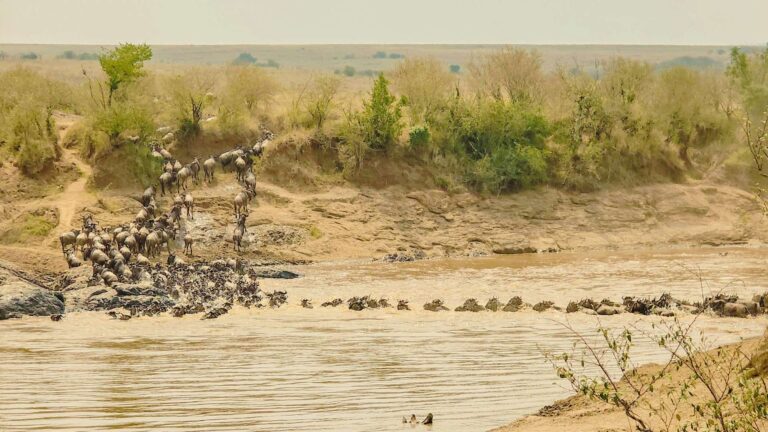
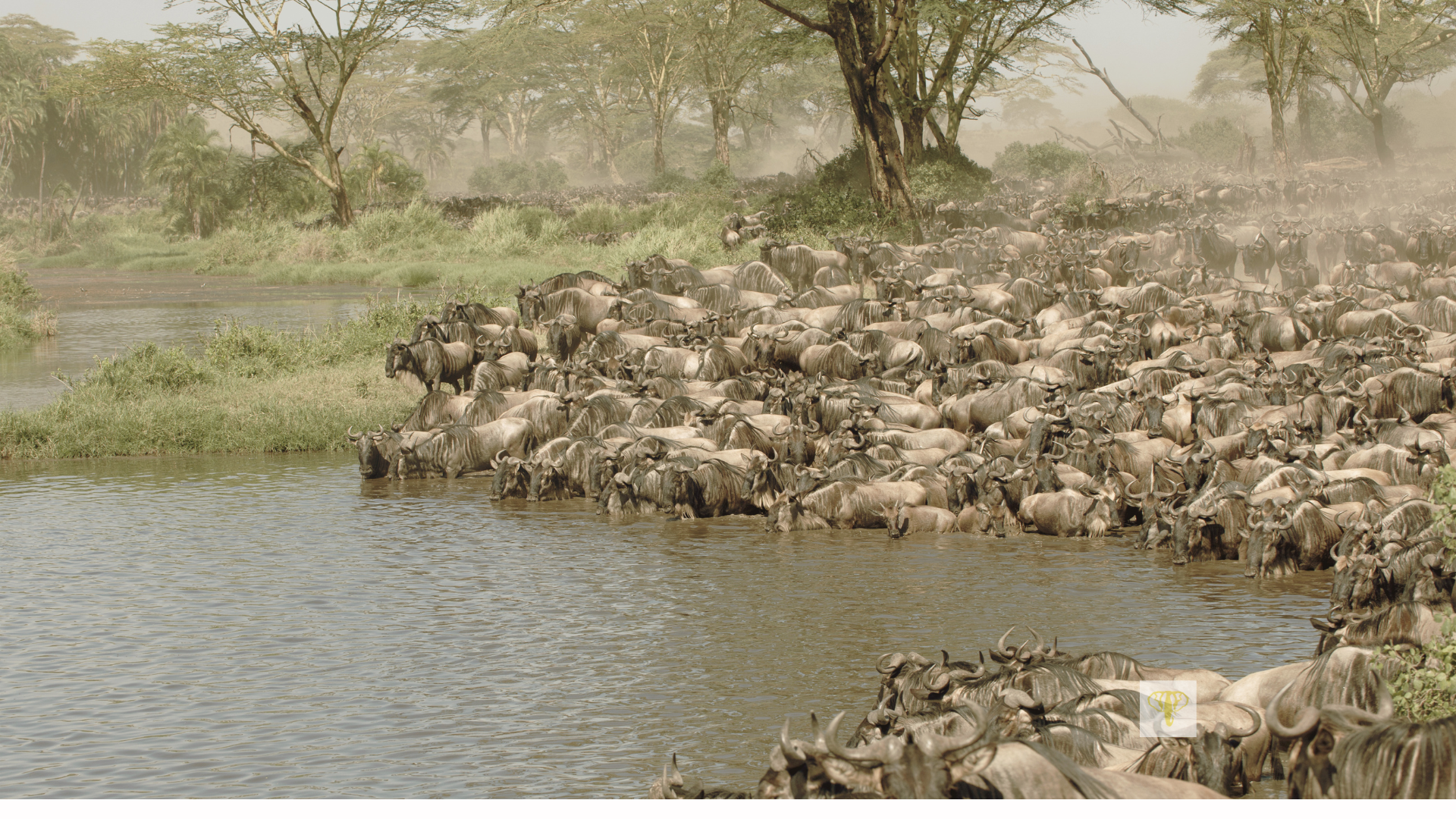
The vast, open landscape of the Serengeti feels like an endless carpet of grass. It is primarily known for the Great Migration, where wildebeest, zebras, and gazelles embark on a perilous journey. A true spectacle of nature – and a year-round hotspot for big cats and wildlife.
From €1,195 per person*
Inside a giant volcanic caldera lies a fascinating ecosystem: The Ngorongoro Crater is home to countless animal species – from lions and buffaloes to rare black rhinoceroses. The dense grasslands, small lakes, and hills make every game drive an exceptional nature experience.
From €495 per person*
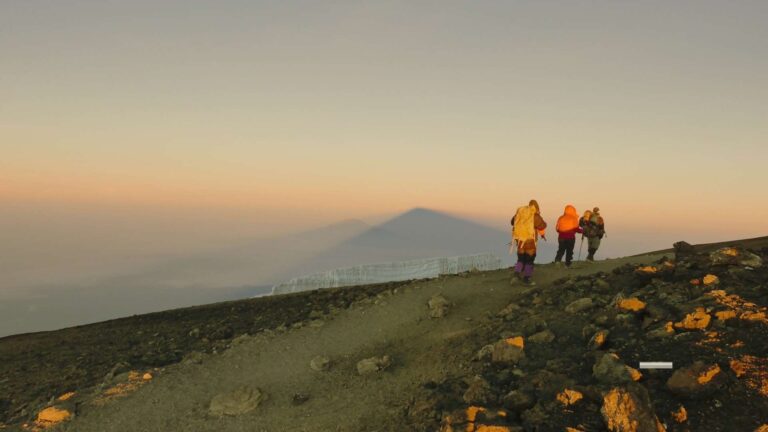
To stand on the highest point in Africa – a lifelong dream for many. The majestic Kilimanjaro is not just a mountain, but an experience. Various routes offer suitable options for beginners and experienced hikers alike, accompanied by impressive landscapes and changing climate zones.
From EUR 2,095 p.p.*
Those looking for relaxation after a safari will find it on Zanzibar: turquoise waters, fine sand, and colonial history in Stone Town. Whether diving at colorful reefs or simply lounging in a hammock – your vacation can come to a wonderful close here.
From 295 EUR per person*
Those who love elephants will love Tarangire. Huge herds roam the landscape, characterized by impressive baobab trees and vast plains. Bird lovers will also get their money's worth with over 500 species.
From €495 per person*
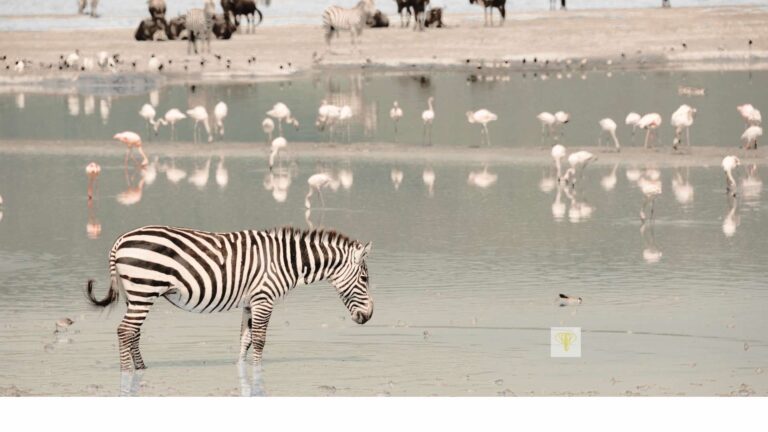
Hidden between steep cliffs and hot springs lies a small but incredibly biodiverse national park. Thousands of flamingos gather seasonally on the alkaline Lake Manyara – a magical sight. Baboons, elephants, and tree-climbing lions are also not uncommon here.
From €495 per person*
Ruaha National Park in the heart of Tanzania impresses with its untouched nature and rich wildlife. Vast savannas, the mighty Ruaha River, and breathtaking landscapes offer ideal conditions for exciting safaris away from the hustle and bustle.
From €1,195 per person*
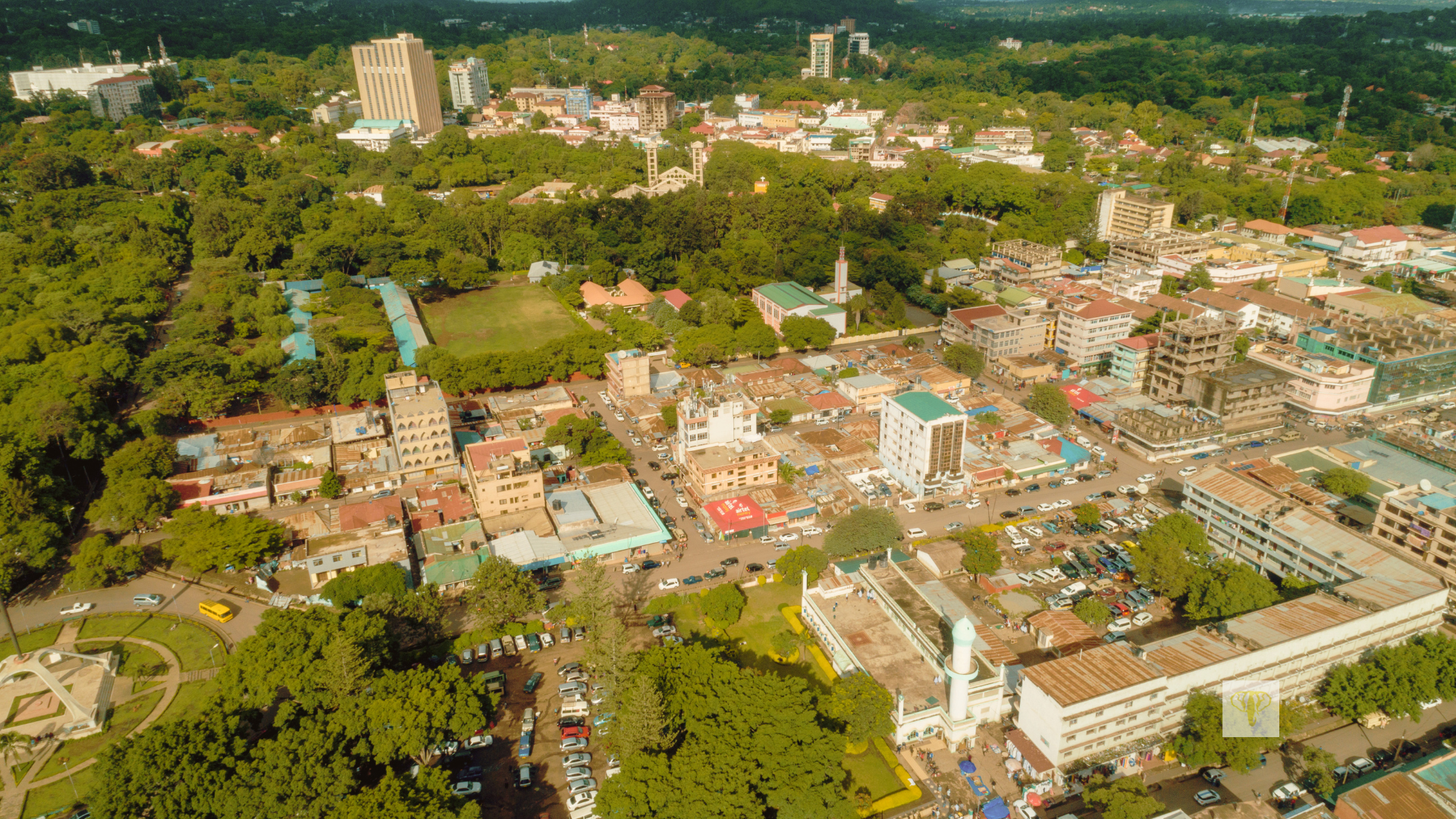
Arusha City in northern Tanzania is considered the gateway to the most famous national parks. Markets, cafes, and cultural centers characterize the vibrant cityscape between Kilimanjaro and the Serengeti. Its authentic atmosphere makes it unique.
Starting from 145 EUR per person*
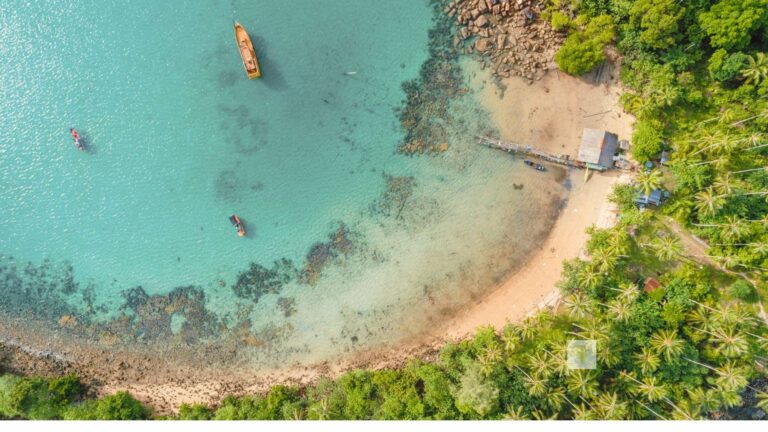
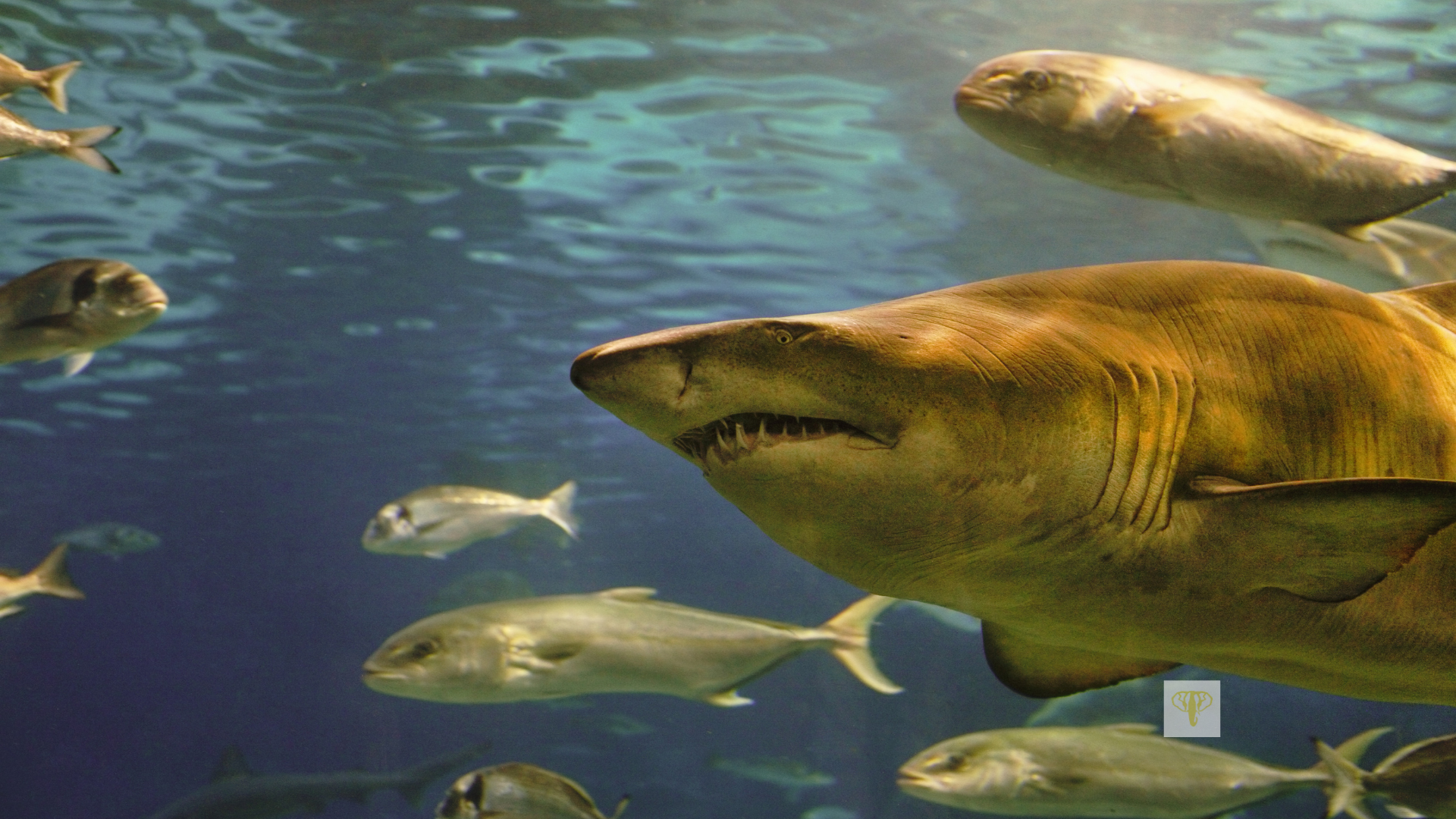
Mafia Island lies off the southern coast of Tanzania and is a paradise for divers, those seeking tranquility, and nature lovers. The protected marine reserve, white beaches, and relaxed island life make the small island the ideal retreat after a safari.
From €1,295 per person*
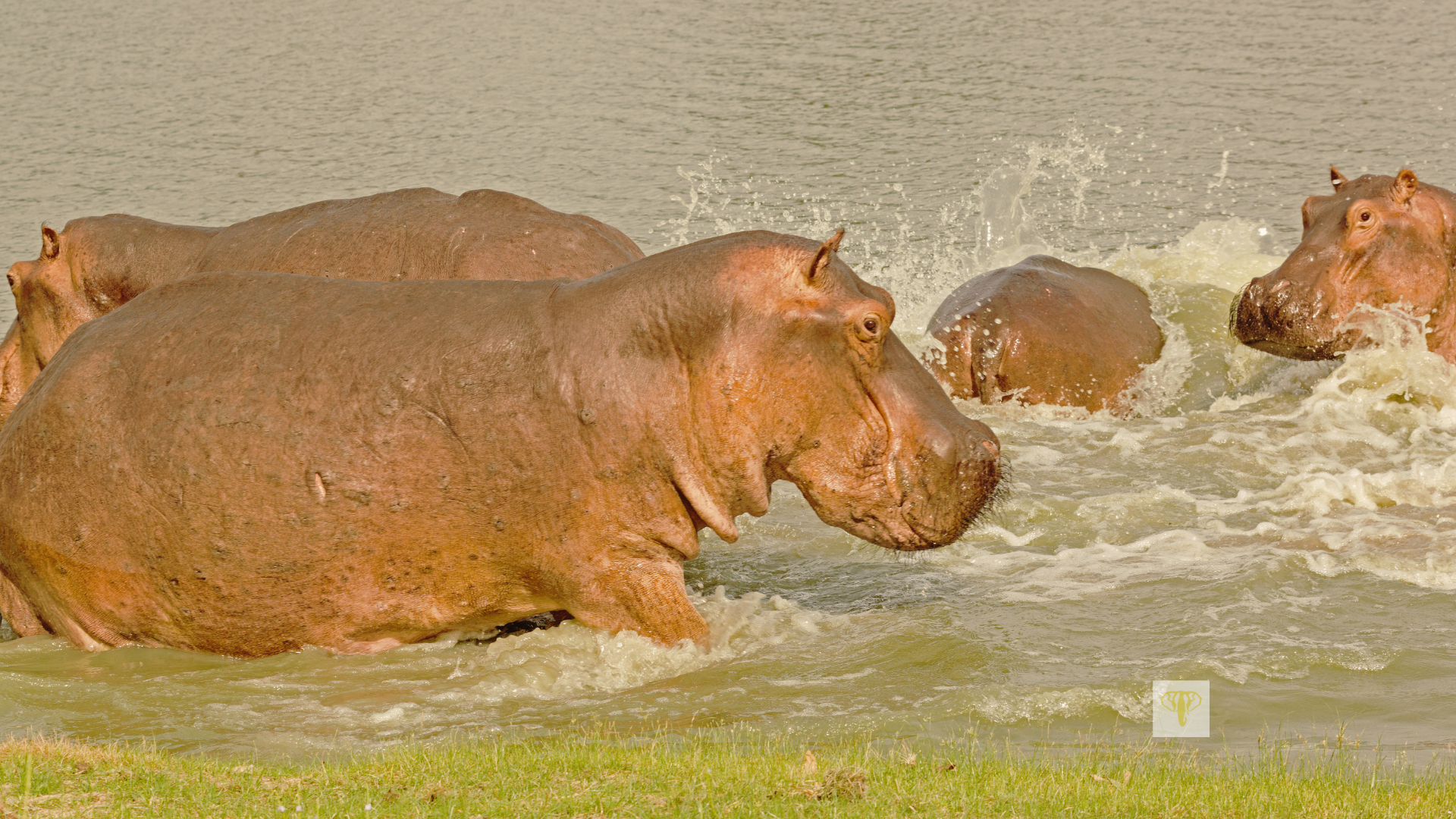
Nyerere National Park in southern Tanzania is Africa's largest national park. The Rufiji River, miombo woodlands, and vast plains create perfect conditions for wildlife viewing away from the crowds. Its wild, untouched nature makes every visit unforgettable.
Starting from EUR 645 p.p.*
All prices listed are former prices for short and price-optimized trips. Current prices may be higher due to the respective season and inflation. Our terms and conditions apply.
Sansibar Archipel: Der ultimative Guide zu den Trauminseln Tansanias 2025
Das Sansibar Archipel, ein Juwel im Indischen Ozean vor der Küste Tansanias, lockt mit Traumstränden, reicher Kultur und einer bewegten Geschichte. Dieser umfassende Ratgeber liefert alle essentiellen Informationen für die Planung einer Reise zu diesen faszinierenden Inseln, von geografischen Details und der besten Reisezeit über Sehenswürdigkeiten und Aktivitäten bis hin zu praktischen Tipps für Unterkunft, Transport und Budget.
- Das Sansibar Archipel im Überblick: Was Sie über die Gewürzinseln wissen müssen
- Ihre Reise nach Sansibar planen: Der komplette Ratgeber für Vorbereitung und Buchung
- Unguja (Hauptinsel Sansibar): Das pulsierende Herz des Archipels entdecken
- Pemba Island: Die grüne, unberührte Schwesterinsel für Naturliebhaber und Taucher
- Weitere Inseln im Sansibar Archipel: Versteckte Juwelen und Tagesausflüge
- Kultur, Menschen und Traditionen auf Sansibar: Einblicke in die Swahili-Welt
- Kulinarisches Sansibar: Die exotische Küche der Gewürzinseln genießen
- Natur, Tierwelt und nachhaltiger Tourismus im Sansibar Archipel
- Häufig gestellte Fragen (FAQ) zum Sansibar Archipel
- Conclusion: Why the Zanzibar Archipelago Should Be Your Next Dream Vacation Destination
1. The Zanzibar Archipelago at a Glance: What You Need to Know About the Spice Islands
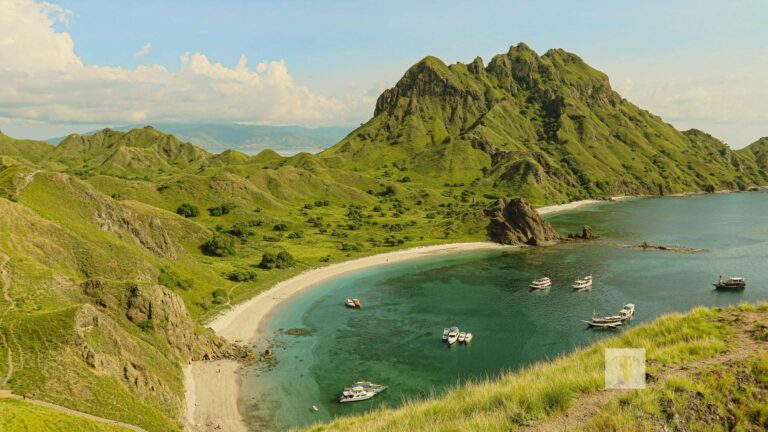
The Zanzibar Archipelago, often referred to as the "Spice Islands," is an island group renowned for its exotic flavors, palm-fringed beaches, and rich cultural heritage.
Geography and Location: Where exactly is the Zanzibar Archipelago located in the Indian Ocean?
The Zanzibar Archipelago lies in the Indian Ocean, about 25 to 50 kilometers off the east coast of the Tanzanian mainland. The archipelago's geographic coordinates are approximately 6° 8′ South and 39° 22′ East.
The main islands of the archipelago presented: Unguja, Pemba, and other gems
The archipelago consists of several islands, of which Unguja and Pemba are the largest and best known.
- Zanzibar Often referred to synonymously as Zanzibar, Unguja is the main island and the most populous of the archipelago. The historic capital, Stone Town, is also located here.
- Pemba The "Green Island" of Pemba lies north of Unguja and is known for its hilly landscape, lush vegetation, and is considered a hidden gem for divers and nature lovers. Pemba is less developed for tourism than Unguja.
- Mafia Although Mafia Island is not administratively part of semi-autonomous Zanzibar, it is geographically often mentioned in the context of the Zanzibar Archipelago. It is known for its whale shark population and pristine diving grounds.
- More small islands: The archipelago includes numerous smaller islands and islets, some of which are uninhabited and ideal for day trips. These include, for example, the exclusive Mnemba Atoll.
Climate and Best Time to Travel to Zanzibar: When is Your Perfect Vacation?
Zanzibar has a tropical climate that is largely influenced by monsoon winds. There are two dry seasons and two rainy seasons.
- Long dry spell: From June to October, the long dry season prevails, which is generally considered the best time to travel. Temperatures are pleasantly warm, and there is plenty of sunshine.
- Short rainy season Im November und Dezember kann es zu kurzen Regenschauern kommen, die als "kleine Regenzeit" bezeichnet werden.
- Lange Regenzeit: Die Hauptregenzeit, auch "große Regenzeit" genannt, dauert von März/April bis Mai. In dieser Zeit sind die Niederschläge intensiver und langanhaltender.
- Kurze Trockenzeit: Januar und Februar sind ebenfalls beliebte Reisemonate mit heißen und trockenen Bedingungen.
Die Durchschnittstemperaturen liegen ganzjährig zwischen 25°C und 32°C. Die Wassertemperaturen sind ebenfalls das ganze Jahr über angenehm zum Baden und für Wassersportaktivitäten. Die beliebtesten Monate für einen Sansibar-Urlaub sind daher Januar, Februar und Juni bis Oktober.
Geschichte Sansibars: Von Sultanspalästen, Gewürzhandel und bewegter Vergangenheit
Die Geschichte Sansibars ist geprägt von Handel, Seefahrt und dem Einfluss verschiedener Kulturen.
- Frühe Besiedlung und Handel: Schon früh war der Archipel ein wichtiger Handelsposten im Indischen Ozean.
- Persische und Arabische Einflüsse: Ab dem 10. Jahrhundert brachten persische Händler den Islam auf die Inseln. Später etablierten omanische Araber ihre Herrschaft und machten Sansibar zu einem Zentrum des Handels mit Gewürzen, Elfenbein und leider auch Sklaven.
- Sultanat Sansibar: Im 19. Jahrhundert verlegte der Sultan von Oman seinen Hauptsitz nach Stone Town. Sansibar wurde zum weltgrößten Produzenten von Gewürznelken.
- Britische Protektoratszeit: 1890 wurde Sansibar britisches Protektorat.
- Unabhängigkeit und Revolution: Sansibar erlangte im Dezember 1963 die Unabhängigkeit. Kurz darauf führte eine Revolution im Januar 1964 zum Sturz des Sultans und zur Proklamation der Volksrepublik Sansibar und Pemba.
- Vereinigung mit Tanganjika: Im April 1964 vereinigte sich Sansibar mit Tanganjika zur Vereinigten Republik Tansania, wobei Sansibar einen halbautonomen Status behielt.
The infamous slave trade was officially abolished in 1873. The Anglo-Zanzibar War of 1896 is considered the shortest war in history, lasting only about 38 minutes.
Discover other tours
All prices listed are former prices for short and price-optimized trips. Current prices may be higher due to the respective season and inflation. Our terms and conditions apply.
2. Planning Your Trip to Zanzibar: The Complete Guide to Preparation and Booking
Good preparation is crucial for a successful vacation on the Zanzibar archipelago. The following sections provide a detailed overview of the most important aspects of trip planning.
Getting to the Zanzibar Archipelago: Flights, Ferries, and Transfers
Getting to Zanzibar is usually done by plane or ferry.
- Flights: Abeid Amani Karume International Airport (ZNZ) on Unguja is the archipelago's main airport and is served by various international airlines. There are direct flights or connections via Dar es Salaam, Nairobi, or European and Middle Eastern hubs. Pemba also has an airport (PMA) in Chake Chake, which is mainly served from Dar es Salaam and Unguja.
- Ferries Regular ferry services operate between Dar es Salaam on the mainland and Stone Town on Unguja. The crossing takes approximately 1.5 to 2 hours with modern fast ferries. There are also ferry connections between Unguja and Pemba, though these take longer (approx. 2-4 hours).
- Transfers: Taxis or pre-booked transfers can be used from the airport or ferry terminal to the accommodations.
Visa and Entry Requirements for Tanzania and Zanzibar: What You Need
For entry into Tanzania, and therefore Zanzibar, most foreign nationals require a visa.
- Visa requirement It is advisable to check current visa requirements with the Tanzanian embassy or consulate in your country of residence in a timely manner before commencing your journey.
- E-Visa In many cases, an e-visa can be applied for online.
- Visa on arrival For tourists from certain countries, it is also possible to obtain a visa upon arrival at the airport or at official border crossings. However, this may involve waiting times.
- Passport A passport valid for at least six months beyond the date of departure is required.
- Gelbfieberimpfung: Bei Einreise aus einem Gelbfieber-Endemiegebiet ist der Nachweis einer Gelbfieberimpfung zwingend erforderlich. Auch bei direkter Einreise aus Europa kann dieser Nachweis stichprobenartig verlangt werden, daher wird die Impfung oft empfohlen.
Unterkünfte auf Sansibar: Die besten Hotels, Resorts und Lodges für jedes Budget
Sansibar bietet eine breite Palette an Unterkünften für jeden Geschmack und Geldbeutel.
- Luxusresorts: Exklusive Resorts mit privaten Stränden, Infinity-Pools und erstklassigem Service finden sich vor allem entlang der Küsten von Unguja und auf Privatinseln wie Mnemba.
- Boutique-Hotels: Charmante Boutique-Hotels, oft im Swahili-Stil erbaut, bieten ein individuelleres Erlebnis, besonders in Stone Town und kleineren Strandorten.
- Strandhotels und Bungalows: Eine große Auswahl an Mittelklassehotels und Bungalowanlagen liegt direkt an den beliebten Stränden.
- Guesthouses und Lodges: Für preisbewusste Reisende gibt es zahlreiche einfache Guesthouses und Lodges, die oft von Einheimischen geführt werden und authentische Einblicke ermöglichen.
- Öko-Lodges: Zunehmend gibt es auch umweltfreundliche Unterkünfte, die Wert auf Nachhaltigkeit legen, wie beispielsweise Chumbe Island Coral Park oder die Pemba Paradise Lodge.
Die Preise variieren stark je nach Saison, Lage und Ausstattung. Eine frühzeitige Buchung, besonders in der Hauptsaison, ist empfehlenswert.
Kosten und Währung: Budgetplanung für Ihren Sansibar Urlaub
Die offizielle Währung in Tansania und somit auch auf Sansibar ist der Tansanische Schilling (TZS).
- Zahlungsmittel: In touristischen Gebieten, Hotels und bei Touranbietern wird häufig auch der US-Dollar (USD) akzeptiert, oft werden Preise sogar in USD angegeben. Es ist ratsam, US-Dollar-Noten mit neuerem Prägedatum (nach 2006) mitzuführen. Die direkte Bezahlung mit Euro ist seltener möglich, Euro können aber in Wechselstuben umgetauscht werden.
- Geld abheben: ATMs are mainly found in Stone Town and at the airport. Not all German debit cards (Girocard) work at the ATMs. Credit cards (preferably Visa) are accepted in larger hotels and some restaurants.
- Cash It is recommended to carry enough cash in smaller denominations, as card payments are not widely accepted everywhere, especially in smaller shops and local markets. The import of the Tanzanian Shilling is prohibited.
- Budget Zanzibar can be classified as moderately expensive compared to some other African destinations, depending on your travel style. The prices for accommodation, activities, and food vary greatly.
Health and Safety in Zanzibar: Vaccinations, Malaria, and Travel Tips
Before a trip to Zanzibar, several health aspects should be considered.
- Vaccinations There are currently no mandatory vaccinations for direct entry from Germany. Recommended travel vaccinations include tetanus, diphtheria, measles, pertussis, and hepatitis A. Depending on the duration and type of travel, vaccinations against dengue fever, hepatitis B, typhoid fever, rabies, and meningitis may also be advisable. A yellow fever vaccination is mandatory for entry from endemic areas and is often generally recommended. A travel medicine consultation a few weeks before departure is advisable.
- Malaria There is a risk of malaria in Zanzibar year-round, although it may be lower than on the mainland. Medication prophylaxis and consistent mosquito protection (repellents, mosquito net, light, covering clothing) are recommended.
- Security Zanzibar is considered relatively safe compared to some other African travel destinations. However, as everywhere, caution is advised against petty crime such as pickpocketing, especially in crowded areas like Stone Town and on beaches. It is advisable not to display valuables openly and to avoid remote areas after dark. Current travel and security advice from the Federal Foreign Office should be heeded.
- Water and food: Tap water should not be drunk. It is recommended to only consume water from sealed bottles and to pay attention to hygiene when it comes to food ("cook it, peel it, or forget it").
Packing List for Zanzibar: What You Absolutely Must Pack (Including Cultural Clothing Tips)
A well-thought-out packing list makes your stay on Zanzibar easier.
- Light summer clothing Cotton or linen clothing is ideal for tropical climates.
- Swimwear Für die zahlreichen Strände und Wassersportaktivitäten.
- Sonnenschutz: Sonnencreme mit hohem Lichtschutzfaktor, Sonnenbrille und eine Kopfbedeckung sind unerlässlich.
- Mückenschutzmittel: Ein wirksames Repellent, besonders für die Abendstunden.
- Langärmelige Kleidung und lange Hosen: Für den Abend zum Schutz vor Mücken und aus Respekt vor der lokalen Kultur, insbesondere beim Besuch von Dörfern oder religiösen Stätten.
- Kulturelle Kleidungstipps: Sansibar ist überwiegend muslimisch geprägt. Beim Besuch von Stone Town und außerhalb der Hotelanlagen sollten Schultern und Knie bedeckt sein, um die lokale Kultur zu respektieren. Frauen können ein leichtes Tuch (Kanga oder Kitenge) mitnehmen, um es bei Bedarf umzulegen.
- Badeschuhe/Wassersandalen: Nützlich wegen Korallen oder Seeigeln an manchen Stränden und bei Ebbe.
- Reiseapotheke: Persönliche Medikamente, Schmerzmittel, Mittel gegen Durchfall und Magenbeschwerden.
- Adapter: Für Tansania wird ein Adapter vom Typ G (britischer Stecker) benötigt.
- Kamera und wasserdichte Tasche: Um die schönen Momente festzuhalten und elektronische Geräte vor Wasser und Sand zu schützen.
- Kopie wichtiger Dokumente: Reisepass, Visum, Flugtickets, Versicherungspolicen.
Transport auf den Inseln: So kommen Sie auf Sansibar von A nach B
Auf den Inseln des Sansibar Archipels gibt es verschiedene Möglichkeiten der Fortbewegung.
- Taxis: Taxis sind weit verbreitet und eine bequeme, wenn auch relativ teure Option für längere Strecken oder Flughafentransfers. Preise sollten immer vor Fahrtantritt verhandelt werden.
- Dala-Dalas: Dies sind die lokalen Minibusse oder umgebauten Lastwagen, die als öffentliches Verkehrsmittel dienen. Sie sind sehr günstig, oft überfüllt und verkehren auf festen Routen, halten aber auf Wunsch auch zwischendurch. Eine authentische, aber weniger komfortable Art zu reisen.
- Roller/Motorrad mieten: In touristischen Gebieten können Roller oder Motorräder gemietet werden. Ein internationaler Führerschein ist oft erforderlich. Vorsicht im Verkehr ist geboten.
- Fahrrad mieten: Für kürzere Strecken in Strandnähe oder zur Erkundung von Dörfern ist das Fahrrad eine gute Option.
- Mietwagen: Das Mieten eines Autos ist ebenfalls möglich, erfordert jedoch eine lokale Fahrerlaubnis (kann vor Ort erworben werden) und Umsicht im linksgeführten Verkehr.
- Boote/Dhaus: Für Ausflüge zu kleineren Inseln, Sandbänken oder zum Schnorcheln werden traditionelle Dhaus oder moderne Motorboote genutzt.
Die Gezeiten auf Sansibar verstehen: Auswirkungen auf Strände und Aktivitäten
Die Gezeiten (Ebbe und Flut) spielen an den Küsten Sansibars eine sehr wichtige Rolle und können das Stranderlebnis sowie bestimmte Aktivitäten stark beeinflussen.
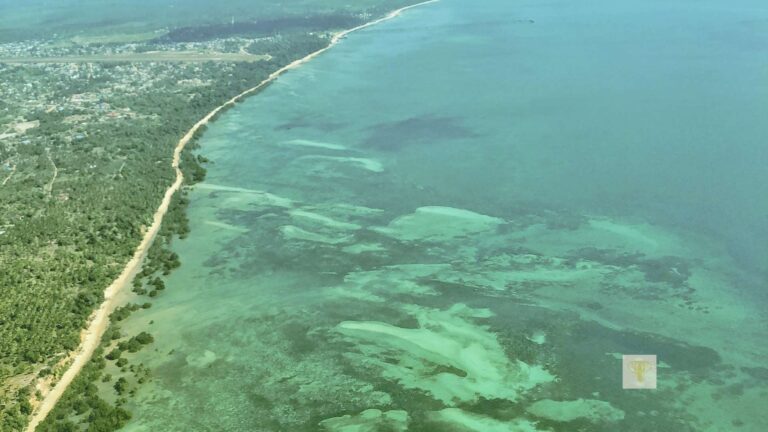
- Ausgeprägte Gezeitenunterschiede: An vielen Stränden, insbesondere an der Ostküste von Unguja, ist der Unterschied zwischen Hochwasser und Niedrigwasser sehr ausgeprägt. Bei Ebbe zieht sich das Meer oft Hunderte von Metern zurück und legt weite Wattflächen, Seegraswiesen und Korallenbänke frei.
- Auswirkungen auf das Baden: An Stränden mit starken Gezeiten kann das Schwimmen bei Ebbe nur eingeschränkt oder gar nicht möglich sein, da man erst weit hinauslaufen muss, um tieferes Wasser zu erreichen. Bei Flut hingegen reichen die Wellen oft bis nah an die Hotelanlagen.
- Auswirkungen auf Aktivitäten: Schnorcheln und Tauchen sind oft von den Gezeiten abhängig. Bootsausflüge zu Riffen und Sandbänken werden meist bei bestimmten Gezeitenständen geplant. Aktivitäten wie Strandspaziergänge bei Ebbe ermöglichen die Entdeckung von Meereslebewesen in den verbleibenden Gezeitentümpeln.
- Strandwahl: Die Nordwestküste (z.B. Nungwi, Kendwa) ist weniger von den extremen Gezeiten betroffen, was das Baden ganztägig erleichtert. Strände an der Ost- und Südostküste (z.B. Paje, Jambiani, Matemwe) sind stärker gezeitenabhängig, bieten aber bei Ebbe faszinierende Landschaftsbilder und Möglichkeiten für Riffwanderungen.
Es ist ratsam, sich vor Ort über die aktuellen Gezeitenstände zu informieren, die in vielen Hotels ausgehängt werden oder online abrufbar sind.
Travel Planner Hamburg & Frankfurt Office
- 10 years of customer service experience
- Contact person for rebookings, itinerary changes & emergencies
- Fluent in German & English
Berlin Travel Planner Office
- Traveled multiple times in Africa
- Contact person for risk prevention & travel preparation
- Fluent in German & English
Tour planner
- Contact person for travel from Africa
- Speaks English & Igbo
3. Unguja (Hauptinsel Sansibar): Das pulsierende Herz des Archipels entdecken
Unguja, oft einfach Sansibar genannt, ist die größte und touristisch am besten erschlossene Insel des Archipels. Sie beheimatet die historische Hauptstadt Stone Town und eine Vielzahl an traumhaften Stränden und Attraktionen.
Stone Town (Mji Mkongwe) – UNESCO-Weltkulturerbe: Ein Spaziergang durch Geschichte und Kultur
Stone Town, auf Swahili Mji Mkongwe ("alte Stadt"), ist das historische und kulturelle Herz von Sansibar-Stadt und wurde im Jahr 2000 zum UNESCO-Weltkulturerbe erklärt. Die Stadt ist ein faszinierendes Labyrinth aus engen Gassen, gesäumt von alten Steinhäusern mit kunstvoll geschnitzten Holztüren, arabischen Festungen, Kirchen, Moscheen und lebhaften Basaren. Die Architektur spiegelt die Verschmelzung afrikanischer, arabischer, indischer und europäischer Einflüsse wider.
Top-Attraktionen in Stone Town
- Altes Fort (Ngome Kongwe): Direkt an der Wasserfront gelegen, ist dies das älteste Gebäude in Stone Town. Ursprünglich von den Omanis im späten 17. Jahrhundert erbaut, diente es der Verteidigung. Heute beherbergt es Geschäfte, ein Kulturzentrum und ein Open-Air-Amphitheater.
- Haus der Wunder (Beit-al-Ajaib): Eines der markantesten Wahrzeichen von Stone Town, war es einst der Palast von Sultan Barghash. Es war das erste Gebäude in Sansibar mit Elektrizität und einem Aufzug. (Hinweis: Das Gebäude wurde bei einem teilweisen Einsturz im Dezember 2020 beschädigt und ist derzeit möglicherweise nicht vollständig zugänglich).
- Sultanspalast (Beit el-Sahel): Der ehemalige Wohnsitz der Sultane von Sansibar ist heute ein Museum, das Einblicke in das Leben der königlichen Familie bietet.
- Ehemaliger Sklavenmarkt und Anglikanische Kathedrale: Ein ergreifender Ort, der an die dunkle Geschichte des Sklavenhandels auf Sansibar erinnert. Auf dem Gelände des ehemaligen Sklavenmarktes steht heute die Anglikanische Kathedrale Christ Church. Ein Denkmal und das unterirdische Sklavenverlies können besichtigt werden.
- Freddie Mercury Museum: Für Fans der Rockband Queen ist das kleine Museum, das dem in Stone Town geborenen Sänger Freddie Mercury gewidmet ist, ein Muss.
Märkte in Stone Town
- Darajani Markt (Marikiti Kuu): Der Hauptmarkt von Stone Town ist ein lebendiger und chaotischer Ort, an dem Einheimische alles von frischem Fisch, Fleisch, Obst und Gemüse bis hin zu Gewürzen und Haushaltswaren kaufen. Ein Besuch bietet authentische Einblicke in das tägliche Leben.
- Forodhani Gardens Nachtmarkt: Jeden Abend verwandeln sich die Forodhani Gardens an der Uferpromenade in einen pulsierenden Open-Air-Food-Markt. Zahlreiche Stände bieten frisch gegrillte Meeresfrüchte, Fleischspieße (Mishkaki), Zanzibar Pizza, Samosas, Zuckerrohrsaft und viele andere lokale Spezialitäten an. Ein beliebter Treffpunkt für Touristen und Einheimische gleichermaßen.
Die schönsten Strände auf Unguja: Von Nungwi bis Paje
Unguja ist berühmt für seine kilometerlangen weißen Sandstrände und das türkisfarbene Wasser des Indischen Ozeans.
- Nungwi (Nordspitze): Einer der beliebtesten Strände, bekannt für seinen feinen weißen Sand, klares Wasser und die Möglichkeit, auch bei Ebbe gut zu schwimmen. Hier finden sich viele Hotels, Restaurants und Tauchzentren. Auch der Bau traditioneller Dhaus kann hier beobachtet werden.
- Kendwa (Nordwestküste): Südlich von Nungwi gelegen, teilt Kendwa viele der positiven Eigenschaften von Nungwi, ist aber oft etwas ruhiger. Bekannt für spektakuläre Sonnenuntergänge und die monatlichen Vollmondpartys.
- Paje (Südostküste): Ein Paradies für Kitesurfer aufgrund der konstanten Winde und der flachen Lagune. Der Strand ist breit und lang, ideal für Spaziergänge. Bei Ebbe zieht sich das Wasser weit zurück.
- Jambiani (Südostküste): Ein authentischeres Dorfgefühl prägt diesen langen Sandstrand. Hier kann man das lokale Leben beobachten, Frauen bei der Seegrasernte zusehen und entspannte Tage verbringen. Starke Gezeiten.
- Matemwe (Nordostküste): Ein ruhigerer, langer Strandabschnitt mit Blick auf das Mnemba Atoll. Ideal für Entspannungssuchende und als Ausgangspunkt für Schnorchel- und Tauchausflüge zum Atoll.
- Kiwengwa und Pongwe (Ostküste): Bieten ebenfalls schöne Strände mit einer guten Auswahl an Resorts
Gewürztouren (Spice Tours): Die duftende Seele Sansibars erleben
Ein Besuch einer Gewürzfarm ist ein Muss auf Sansibar, der "Gewürzinsel". Bei einer Führung durch eine Plantage lernen Besucher verschiedene Gewürzpflanzen wie Nelken, Muskatnuss, Zimt, Kardamom, Vanille, Pfeffer, Kurkuma und Ingwer kennen. Man erfährt Wissenswertes über deren Anbau, Ernte und Verwendung in der Küche sowie in der traditionellen Medizin. Oftmals können die Gewürze direkt vor Ort probiert und gekauft werden.
Jozani Chwaka Bay Nationalpark: Auf Tuchfühlung mit den Roten Stummelaffen
Der Jozani Chwaka Bay Nationalpark ist der einzige Nationalpark auf Sansibar und ein wichtiges Schutzgebiet. Er ist vor allem bekannt für seine Population der endemischen Sansibar-Stummelaffen (Red Colobus Monkeys), die man hier gut beobachten kann. Der Park umfasst auch Mangrovenwälder und einen Naturlehrpfad.
Tauchen und Schnorcheln rund um Unguja: Mnemba Atoll und weitere Top-Spots
Sansibar ist ein erstklassiges Ziel für Unterwasserliebhaber.
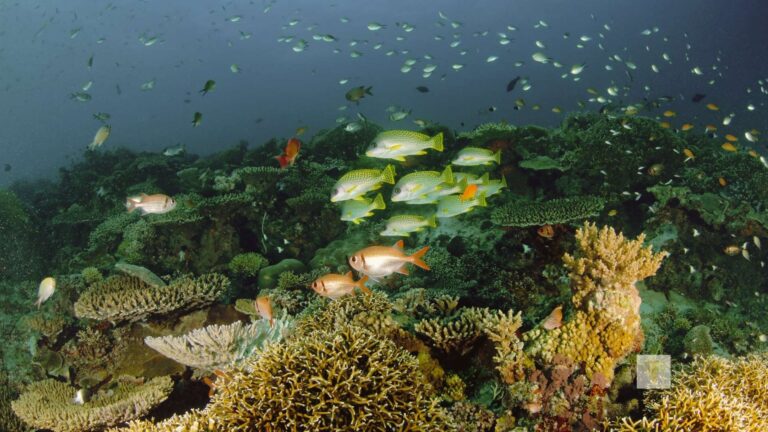
- Mnemba Atoll: Dieses private Atoll vor der Nordostküste Ungujas ist ein weltberühmtes Meeresschutzgebiet und bietet einige der besten Tauch- und Schnorchelplätze Sansibars. Die Korallenriffe sind intakt und beherbergen eine immense Artenvielfalt, darunter bunte Rifffische, Schildkröten und oft auch Delfine. Touren zum Schnorcheln und Tauchen am Mnemba Atoll sind sehr beliebt.
- Weitere Tauchplätze: Entlang der Küsten Ungujas gibt es zahlreiche weitere Riffe und Tauchspots, die von lokalen Tauchschulen angefahren werden, beispielsweise vor Nungwi, Kendwa und an der Südküste.
Prison Island (Changuu Island): Riesenschildkröten und eine bewegte Geschichte
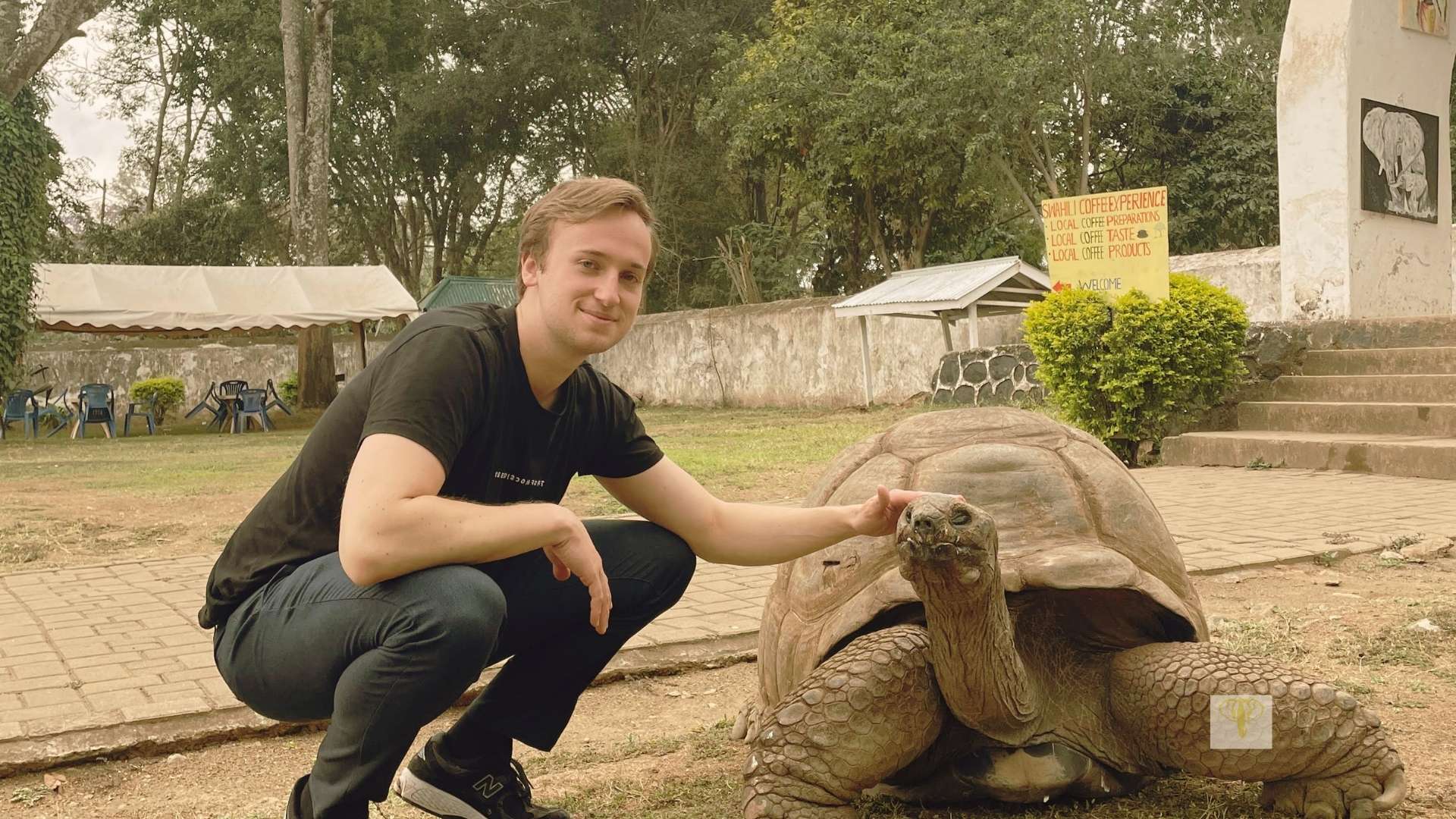
Ein beliebter Halbtagesausflug von Stone Town führt nach Prison Island, auch Changuu Island genannt. Die Insel wurde ursprünglich als Gefängnis genutzt, diente aber später als Quarantänestation. Heute ist sie vor allem bekannt für ihre Kolonie von Aldabra-Riesenschildkröten, die einst als Geschenk von den Seychellen hierherkamen. Besucher können die Schildkröten füttern und die alten Gefängnisruinen erkunden.
Prison Island (Changuu Island): Riesenschildkröten und eine bewegte Geschichte
Ein beliebter Halbtagesausflug von Stone Town führt nach Prison Island, auch Changuu Island genannt. Die Insel wurde ursprünglich als Gefängnis genutzt, diente aber später als Quarantänestation. Heute ist sie vor allem bekannt für ihre Kolonie von Aldabra-Riesenschildkröten, die einst als Geschenk von den Seychellen hierherkamen. Besucher können die Schildkröten füttern und die alten Gefängnisruinen erkunden.
Chumbe Island Coral Park: Ein preisgekröntes Öko-Paradies für Schnorchler
Chumbe Island ist eine kleine Privatinsel südwestlich von Stone Town und ein preisgekröntes Meeresschutzgebiet. Der Chumbe Island Coral Park (CHICOP) ist ein Vorzeigeprojekt für nachhaltigen Ökotourismus. Die Insel beherbergt ein unberührtes Korallenriff, das sich hervorragend zum Schnorcheln eignet, sowie einen geschützten Wald mit seltenen Tierarten. Übernachtungen in den umweltfreundlichen Bungalows sind möglich und sehr begehrt.
Kitesurfen in Paje: Der Hotspot für Wassersportler
Paje an der Südostküste Ungujas hat sich zu einem internationalen Hotspot für Kitesurfer entwickelt. Die konstanten saisonalen Winde, die weite, flache Lagune und das warme Wasser bieten ideale Bedingungen für Anfänger und Fortgeschrittene. Zahlreiche Kiteschulen bieten Kurse und Materialverleih an. Die besten Bedingungen herrschen oft von Juni bis September und von Dezember bis Februar.
Delfintouren in Kizimkazi: Ethische Überlegungen und Erlebnisse
Kizimkazi an der Südküste Ungujas ist bekannt für Delfinbeobachtungstouren. Hier leben verschiedene Delfinarten. Es ist jedoch wichtig, bei der Auswahl eines Touranbieters auf ethische Praktiken zu achten. Verantwortungsvolle Anbieter halten Abstand zu den Tieren, vermeiden das Jagen oder Einkreisen der Delfine und klären über deren Verhalten auf. Ziel sollte ein respektvolles Beobachten der Tiere in ihrem natürlichen Lebensraum sein.
4. Pemba Island: Die grüne, unberührte Schwesterinsel für Naturliebhaber und Taucher
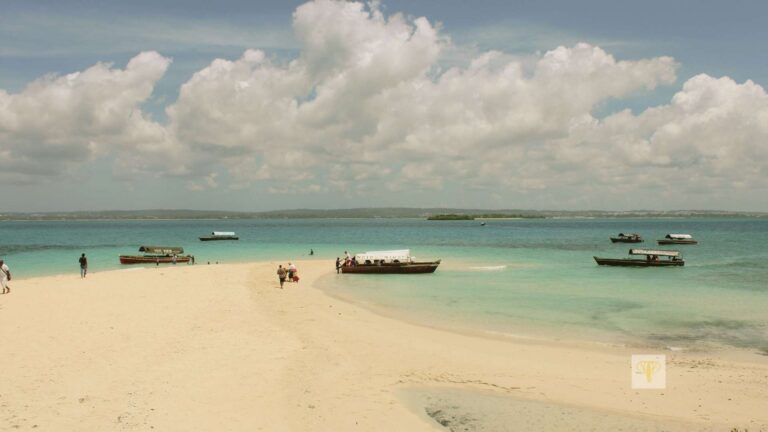
Pemba – Die „Grüne Insel“ des Sansibar-Archipels
Pemba, die zweitgrößte Insel des Archipels, ist bekannt als die "Grüne Insel" (Al Kuh Dra) und bietet ein authentischeres und weniger touristisch erschlossenes Erlebnis als Unguja. Sie ist hügeliger, fruchtbarer und von üppiger Vegetation bedeckt, darunter zahlreiche Nelkenplantagen.
Charakteristika von Pemba: Was die "Grüne Insel" so besonders macht
Pemba zeichnet sich durch seine natürliche Schönheit, seine ruhige Atmosphäre und seine reiche Kultur aus.
- Üppige Vegetation: Die Insel ist bekannt für ihre grünen Hügel und dichten Wälder, darunter das Ngezi Forest Reserve.
- Nelkenanbau: Pemba ist historisch ein Zentrum des Nelkenanbaus, und die Plantagen prägen die Landschaft.
- Unberührte Natur: Viele Teile der Insel sind noch sehr ursprünglich und bieten Lebensraum für eine vielfältige Flora und Fauna, einschließlich endemischer Arten wie dem Pemba-Flughund.
- Authentizität: Der Tourismus ist auf Pemba weniger entwickelt, was Besuchern ein authentischeres Erlebnis der Swahili-Kultur und des lokalen Lebens ermöglicht.
- Hervorragende Tauchgründe: Pemba ist von tiefen Kanälen und unberührten Korallenriffen umgeben, die spektakuläre Tauchgänge versprechen.
Top-Sehenswürdigkeiten und Aktivitäten auf Pemba
- Ngezi Forest Reserve: Ein geschützter Regenwald im Norden Pembas, Heimat seltener Vogelarten, des Pemba-Flughundes und anderer Wildtiere. Geführte Wanderungen sind möglich.
- Misali Island: Eine kleine Insel vor der Westküste Pembas, die als Meeresschutzgebiet ausgewiesen ist. Sie bietet traumhafte Strände, exzellente Schnorchel- und Tauchmöglichkeiten mit intakten Korallenriffen und einer hohen Artenvielfalt. Aufgrund starker Strömungen sind einige Tauchplätze nur für erfahrene Taucher geeignet.
- Gewürztouren: Ähnlich wie auf Unguja können auch auf Pemba Gewürzfarmen besucht werden, um mehr über den Anbau von Nelken und anderen Gewürzen zu erfahren.
- Ruinen: Auf Pemba gibt es historische Ruinen, die von früheren Siedlungen zeugen, wie die Ras Mkumbuu Ruinen.
- Dörfer und Märkte: Ein Besuch der lokalen Dörfer und Märkte in Städten wie Chake Chake (Hauptstadt), Wete oder Mkoani (Hafen) gibt Einblicke in das tägliche Leben auf der Insel.
Tauchen auf Pemba: Anspruchsvolle Tauchplätze und unberührte Riffe
Pemba gilt unter Tauchern als ein Top-Ziel mit einigen der besten Tauchplätze Ostafrikas.
- Steilwände und Strömungstauchgänge: Die Gewässer um Pemba sind oft tief und von Strömungen geprägt, was zu spektakulären Steilwandtauchgängen und anspruchsvollen Bedingungen führt.
- Unberührte Korallenriffe: Die Riffe sind weitgehend intakt und bieten eine beeindruckende Vielfalt an Hart- und Weichkorallen sowie eine reiche Meeresfauna.
- Großfischbegegnungen: Es bestehen gute Chancen, größere Meeresbewohner wie Haie (z.B. Weißspitzenriffhaie), Mantas (saisonal), Delfine und Wale zu sichten.
- Pemba Channel: Der tiefe Kanal zwischen Pemba und dem Festland ist bekannt für seine hervorragenden Tauchbedingungen.
- Tauchbasen: Es gibt einige spezialisierte Tauchresorts und Tauchbasen auf Pemba, die Ausflüge zu den verschiedenen Tauchplätzen anbieten. Viele Tauchgänge werden von Tauchsafaris aus durchgeführt. Die Tauchplätze im Nordwesten eignen sich teils für erfahrene Taucher, teils auch für Anfänger. Die Wassertemperaturen liegen ganzjährig bei etwa 26°C und die Sichtweiten können 30-40 Meter erreichen.
Super organization and great guide

Super organized safari with a really great guide. Thank you Joseph for making this week an indescribable experience!
May 2025
Super organization and great guide
Communication via email and video call was straightforward. Mr. Justus was super friendly and patient, and I never felt like he was trying to „sell“ me something.
January 2024
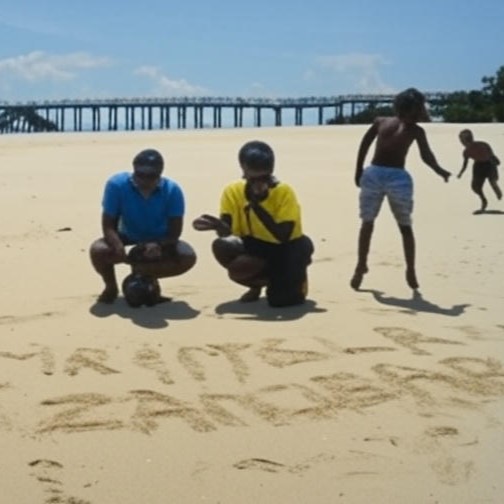
Visa Support was amazing.
The Tansaina Safari team helped my family and me with our visas and found affordable flights from Nigeria that we wouldn't have found ourselves. Highly, highly recommendable for travelers from Africa!!
August 2024
Fair prices
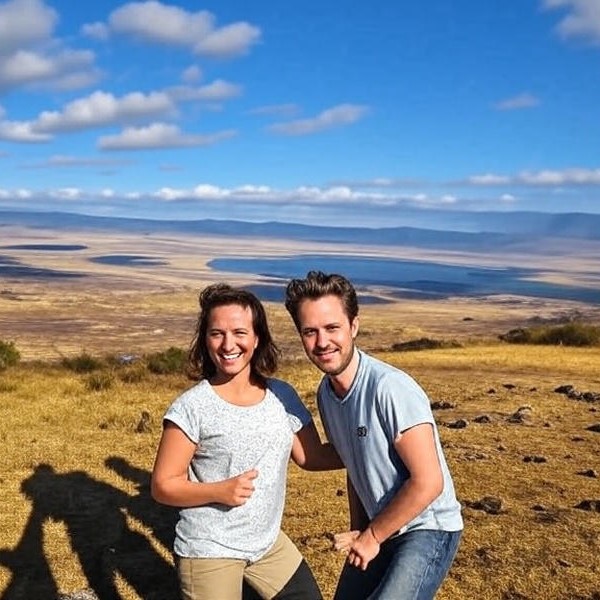
Mr. Justus provided us with excellent advice. He responded very quickly, took our wishes into account, and created an affordable route through the Serengeti. Thank you very much for the great service!
January 2024


Competent contact persons
Travel advisor Dominic Dreiner advised us excellently, and it was evident that he enjoys his job. As we are experienced with life and travel, we can say: it doesn't get any better.
February 2025
5. Weitere Inseln im Sansibar Archipel: Versteckte Juwelen und Tagesausflüge
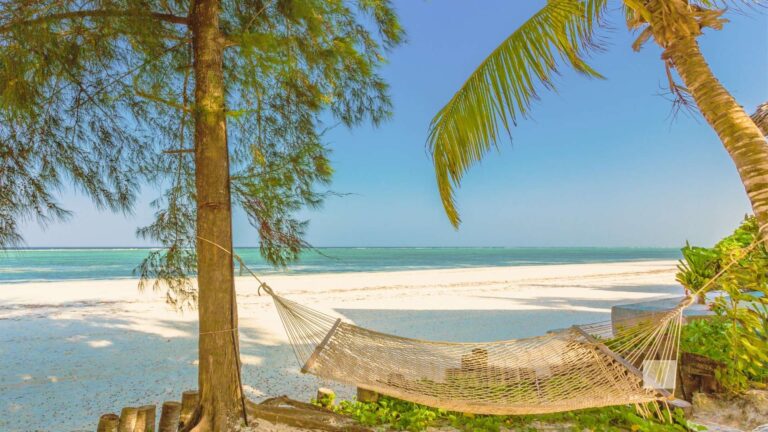
Kleinere Inseln und Sandbänke im Sansibar Archipel
Neben Unguja und Pemba gibt es im Sansibar Archipel eine Reihe kleinerer Inseln und Sandbänke, die oft als Ziele für Tagesausflüge dienen oder exklusive Rückzugsorte bieten.
Mnemba Atoll: Exklusives Paradies und weltklasse Tauch- & Schnorchelgebiet (Hinweis: Privatinsel, Riffe zugänglich)
Das Mnemba Atoll ist eine kleine, herzförmige Insel, die etwa 3 Kilometer vor der Nordostküste von Unguja liegt. Die Insel selbst ist privat und beherbergt ein luxuriöses Resort (& Beyond Mnemba Island). Für Tagesbesucher ist die Insel nicht zugänglich. Die umliegenden Korallenriffe des Mnemba Atolls sind jedoch ein berühmtes Meeresschutzgebiet und gehören zu den besten Plätzen zum Tauchen und Schnorcheln in ganz Afrika. Zahlreiche Touranbieter aus Unguja (z.B. von Matemwe oder Nungwi) bieten Bootsausflüge zum Schnorcheln und Tauchen an den Riffen des Atolls an. Man kann eine unglaubliche Vielfalt an bunten Korallen, tropischen Fischen, Schildkröten und mit etwas Glück auch Delfine und Walhaie (saisonal) beobachten. Obwohl der Begriff "Atoll" nicht ganz korrekt ist, da Mnemba Island keine Lagune umschließt, ist das Riffsystem, das die Insel umgibt, von herausragender ökologischer Bedeutung.
Mafia Island: Ein Abstecher zu Walhaien und mariner Vielfalt (Hinweis: Eigene Verwaltung, oft im Kontext genannt)
Mafia Island liegt südlich des Sansibar Archipels und gehört administrativ nicht zum halbautonomen Teilstaat Sansibar, sondern zur Pwani-Region des tansanischen Festlandes. Dennoch wird es oft im Zusammenhang mit den "Gewürzinseln" genannt und ist ein beliebtes Ziel für Meeresliebhaber. Die Hauptattraktion von Mafia Island ist der Mafia Island Marine Park, eines der größten Meeresschutzgebiete im Indischen Ozean. Die Insel ist besonders bekannt für die Möglichkeit, saisonal (meist von Oktober bis März) mit Walhaien zu schwimmen und zu schnorcheln. Die Riffe um Mafia bieten ebenfalls exzellente Tauch- und Schnorchelbedingungen mit einer hohen Biodiversität.
Kleinere, unbewohnte Inseln und Sandbänke: Perfekt für Bootsausflüge
Rund um Unguja und Pemba gibt es zahlreiche kleinere, oft unbewohnte Inseln und Sandbänke, die sich perfekt für Tagesausflüge mit dem Boot eignen.
- Sandbank-Trips (z.B. Nakupenda Sandbank): Ein beliebter Ausflug ist der Besuch einer bei Ebbe erscheinenden Sandbank, oft kombiniert mit Schnorcheln und einem frischen Meeresfrüchte-Barbecue.
- Inselhopping: Einige Touren bieten Inselhopping zu verschiedenen kleinen Inseln an, bei dem man schnorcheln, sonnenbaden und die unberührte Natur genießen kann.
Diese Ausflüge bieten oft ein Gefühl von "Robinson Crusoe" und die Möglichkeit, abseits der größeren Strände die Schönheit des Archipels zu erleben.
Discover individual routes off the beaten path
Assistance with planning and booking
Personal support before, during, and after the trip
Starting from €1195 per person*
From €495 per person*
Starting from €2,095 per person*
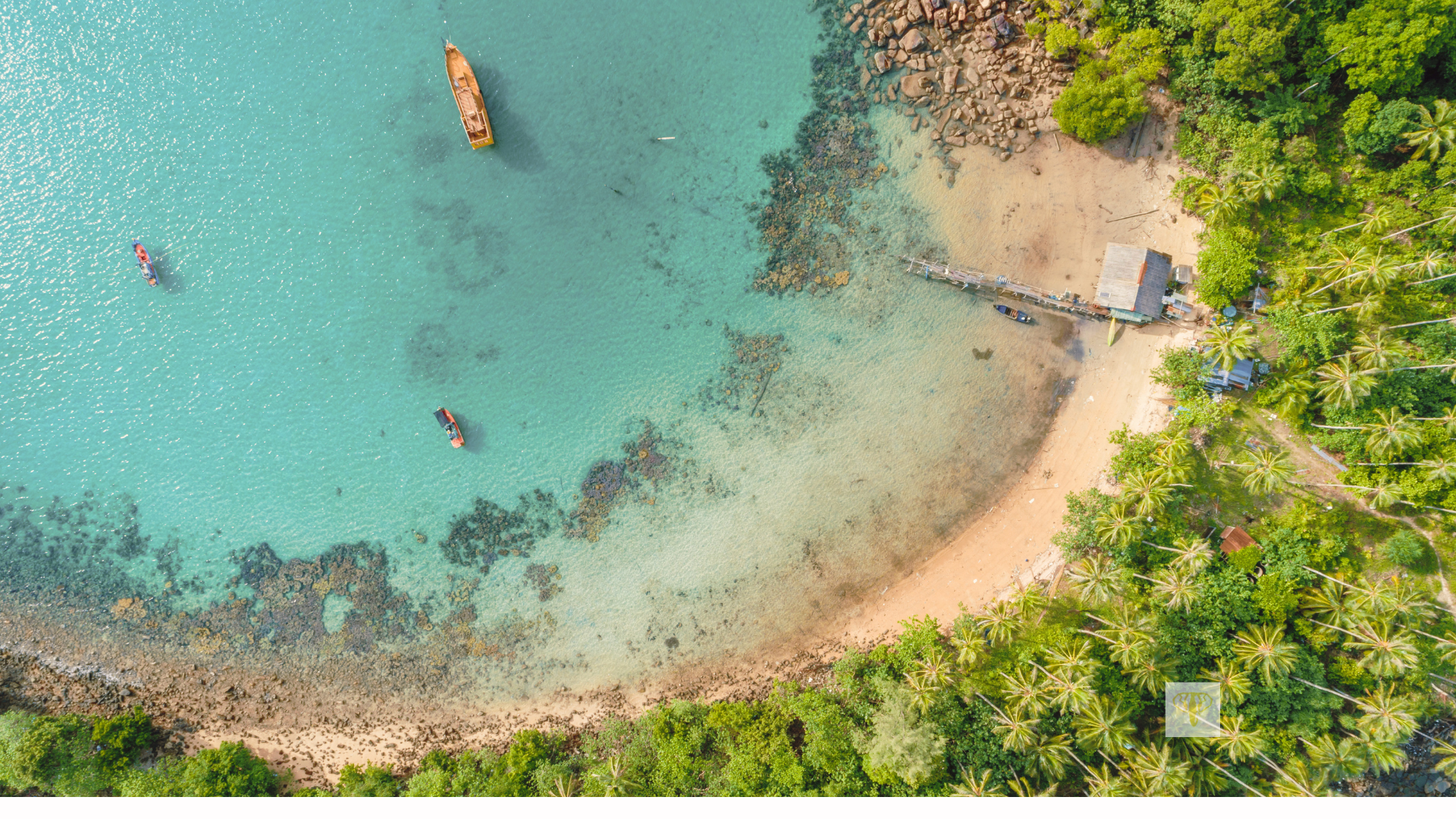
Starting from €295*
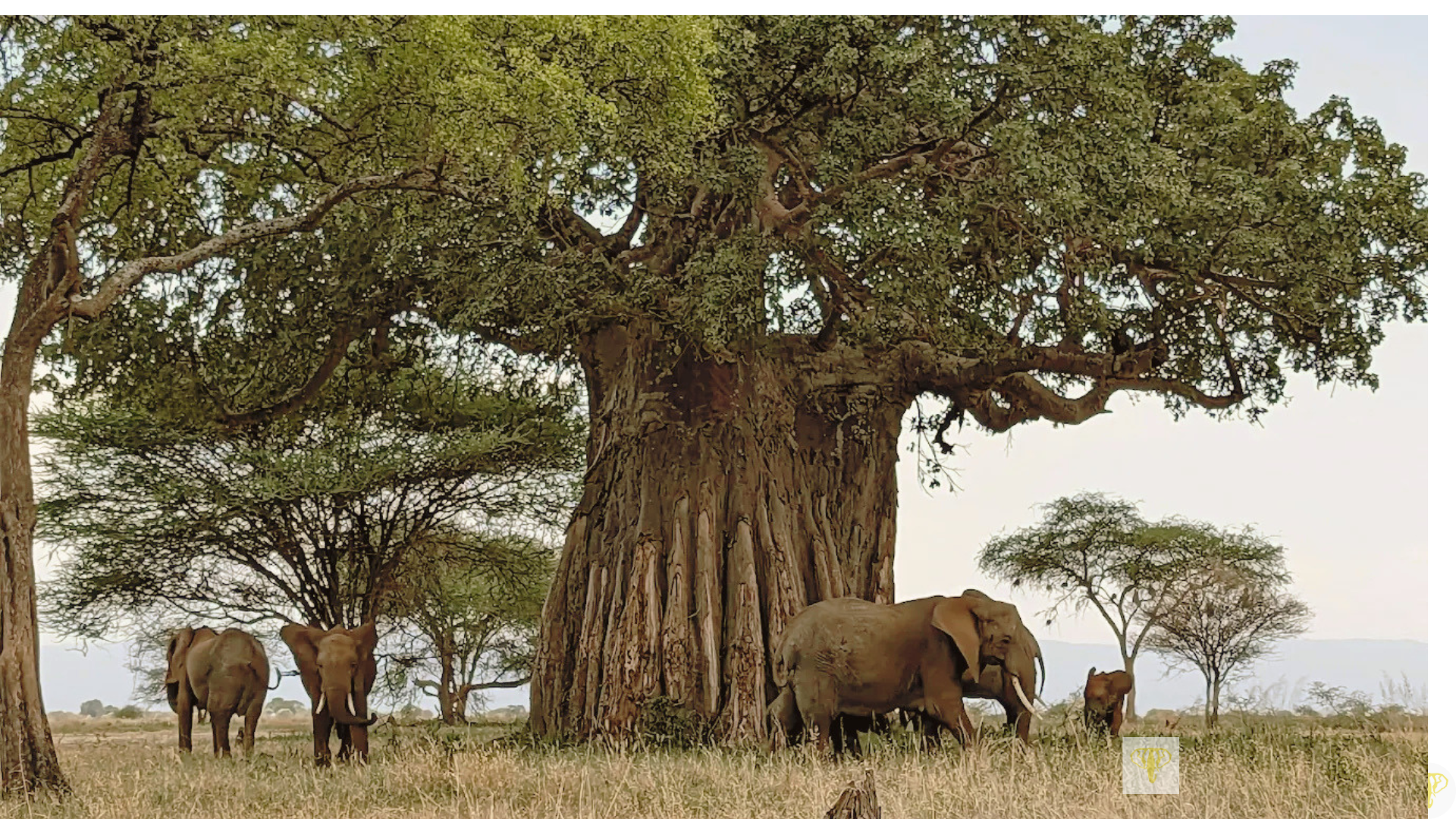
From €495 per person*
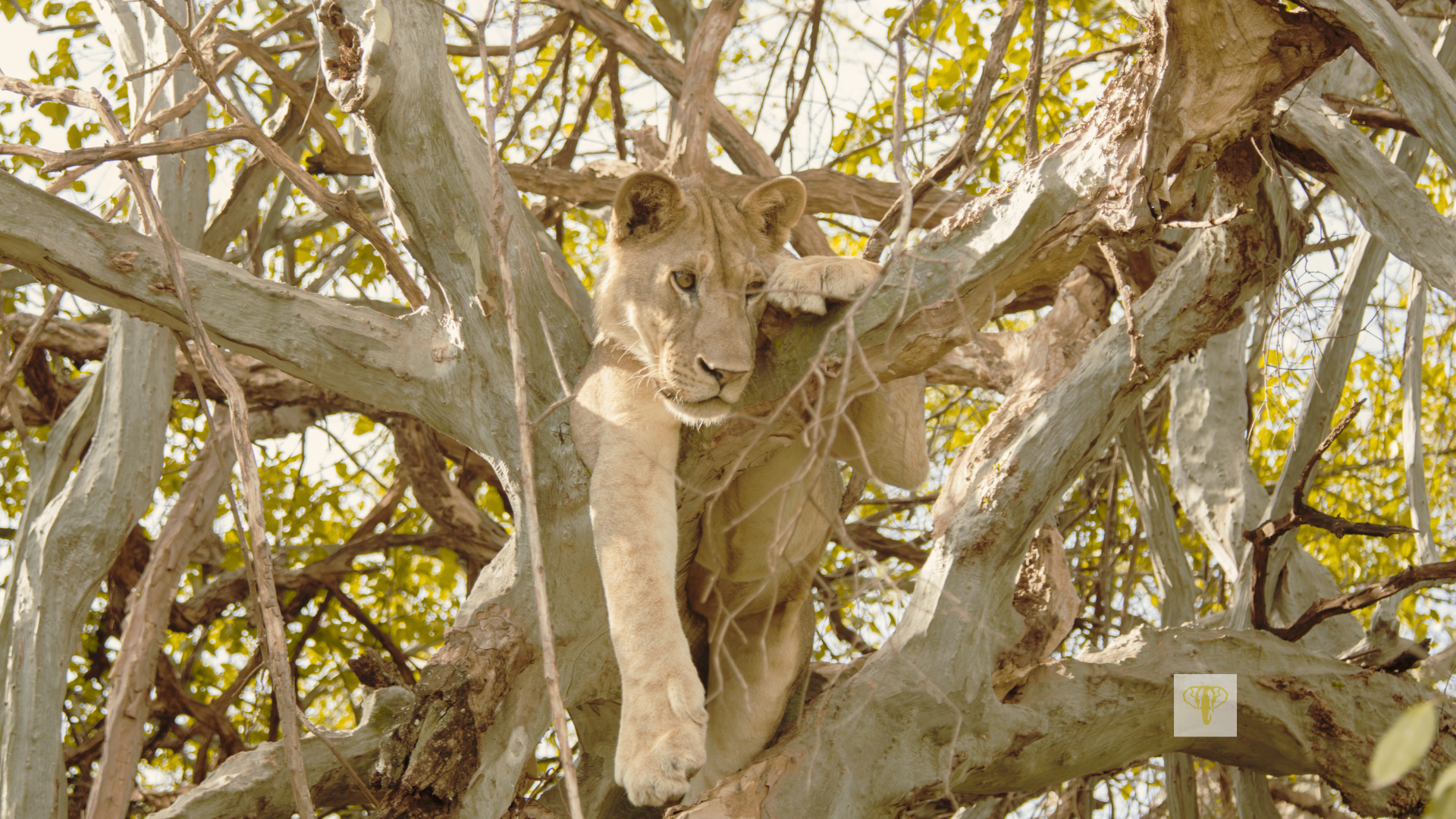
From €495 per person*
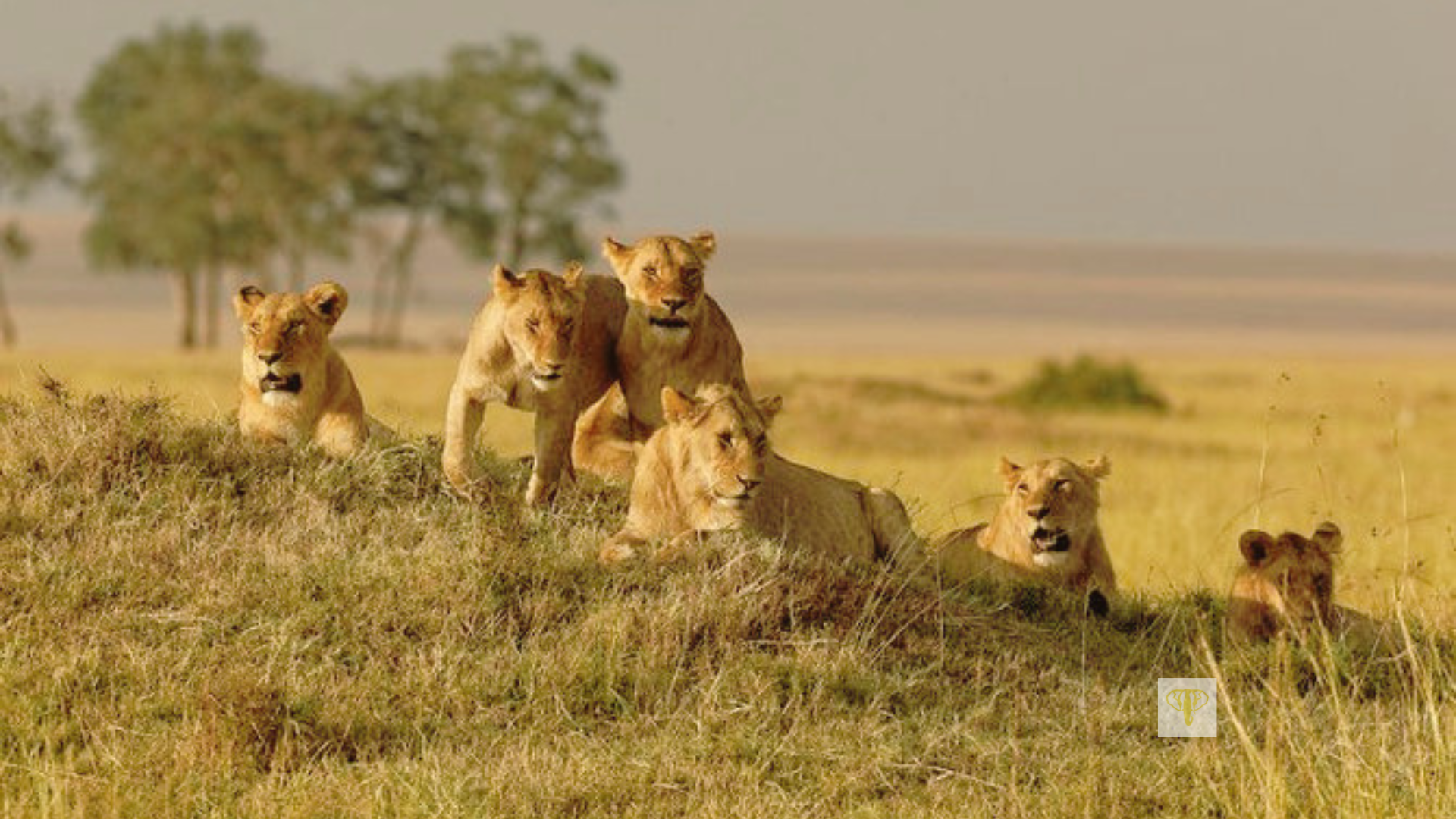
Starting from €1195 per person*
Starting from 145 EUR per person*
Starting from 1295 EUR*
Starting from EUR 645 p.p.*
All prices listed are former prices for short and price-optimized trips. Current prices may be higher due to the respective season and inflation. Our terms and conditions apply.
6. Kultur, Menschen und Traditionen auf Sansibar: Einblicke in die Swahili-Welt
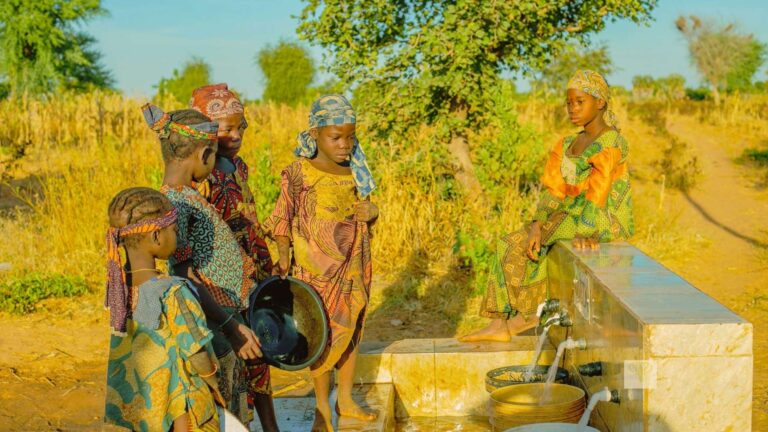
Die Kultur Sansibars ist ein faszinierender Schmelztiegel afrikanischer, arabischer, indischer und europäischer Einflüsse, die sich über Jahrhunderte vermischt haben und die einzigartige Swahili-Kultur geprägt haben.
Die Swahili-Kultur: Sprache, Lebensweise und Gastfreundschaft
Die Swahili-Kultur ist das Herzstück Sansibars.
- Sprache (Kiswahili): Kiswahili ist die Amtssprache und Lingua Franca in Tansania und weiten Teilen Ostafrikas. Es ist eine Bantusprache mit starken arabischen Einflüssen. Einige grundlegende Swahili-Begriffe zu lernen (z.B. "Jambo" - Hallo, "Asante" - Danke, "Karibu" - Willkommen) wird von den Einheimischen sehr geschätzt.
- Lebensweise: Die traditionelle Lebensweise ist stark von der Gemeinschaft, Familie und Religion geprägt. Viele Sansibaris leben von Fischfang, Landwirtschaft (insbesondere Gewürzanbau) oder dem Tourismus.
- Gastfreundschaft: Die Sansibaris sind bekannt für ihre herzliche Gastfreundschaft und Freundlichkeit gegenüber Besuchern.
Religion auf Sansibar: Der Islam und seine Bedeutung im Alltag
Der Islam ist die dominierende Religion auf Sansibar, und etwa 99% der Bevölkerung sind Muslime.
- Bedeutung im Alltag: Die Religion spielt eine zentrale Rolle im täglichen Leben, was sich in den Gebetszeiten, Moscheen, der Kleidung und den sozialen Umgangsformen widerspiegelt.
- Verhaltenstipps: Aus Respekt vor der lokalen Kultur sollten Besucher, insbesondere außerhalb der Hotelanlagen und in Stone Town, auf angemessene Kleidung achten (Schultern und Knie bedeckt). Während des Fastenmonats Ramadan ist es ratsam, tagsüber in der Öffentlichkeit nicht zu essen, zu trinken oder zu rauchen. Öffentlicher Alkoholkonsum ist außerhalb von lizenzierten Hotels und Bars unüblich. Zuneigungsbekundungen in der Öffentlichkeit sollten vermieden werden. Um Erlaubnis zu fragen, bevor man Menschen fotografiert, ist eine Geste des Respekts.
Musik und Tanz: Der Klang von Taarab und lokale Feste
Musik und Tanz sind wichtige Bestandteile der sansibarischen Kultur.
- Taarab: Die bekannteste Musikform Sansibars ist Taarab, ein poetischer und melodiöser Musikstil, der arabische, indische und afrikanische Einflüsse vereint. Taarab-Orchester verwenden Instrumente wie Oud, Violine, Akkordeon und Perkussion.
- Lokale Feste: Verschiedene kulturelle und religiöse Feste werden im Laufe des Jahres gefeiert. Das "Sauti za Busara" ist ein bekanntes jährliches Musikfestival in Stone Town, das Musiker aus ganz Afrika präsentiert. Auch das "Zanzibar International Film Festival" (ZIFF) ist ein bedeutendes kulturelles Ereignis.
Kunsthandwerk und Souvenirs: Von Tinga-Tinga bis zu geschnitzten Türen
Sansibar bietet eine Vielzahl an lokalem Kunsthandwerk und Souvenirs.
- Geschnitzte Holztüren: Die kunstvoll geschnitzten Holztüren von Stone Town sind ein Wahrzeichen der Insel und zeugen von der reichen Handwerkskunst. Kleinere Schnitzereien und Holzarbeiten sind beliebte Souvenirs.
- Tinga-Tinga-Malerei: Dieser farbenfrohe, naive Malstil, der oft Tiere und Szenen des täglichen Lebens darstellt, stammt ursprünglich vom tansanischen Festland, ist aber auch auf Sansibar weit verbreitet.
- Gewürze: Frisch verpackte Gewürze sind ein klassisches Mitbringsel von den "Gewürzinseln".
- Stoffe: Kangas und Kitenges (farbenfrohe Baumwollstoffe mit Mustern und oft auch Swahili-Sprüchen) sind vielseitig verwendbar und ein schönes Andenken.
- Schmuck und Korbwaren: Handgefertigter Schmuck aus Perlen, Muscheln oder Silber sowie Korbwaren sind ebenfalls erhältlich.
Beim Kauf von Souvenirs ist es ratsam, lokale Handwerker und Kooperativen zu unterstützen. Handeln ist auf Märkten üblich, sollte aber respektvoll erfolgen.
Get binding offers quickly
In Germany & Tanzania
Our team is at your side
7. Kulinarisches Sansibar: Die exotische Küche der Gewürzinseln genießen

Die Küche Sansibars ist ein Spiegelbild seiner multikulturellen Geschichte und seiner Lage als Gewürzinsel – eine aromatische Mischung aus afrikanischen, arabischen, indischen und europäischen Einflüssen.
Typische Gerichte, die Sie probieren müssen
- Zanzibar Pizza: Ein einzigartiges Streetfood-Gericht, das eher einem gefüllten, gebratenen Teigfladen ähnelt als einer italienischen Pizza. Es gibt süße und herzhafte Varianten, gefüllt mit Zutaten wie Hackfleisch, Huhn, Gemüse, Ei, Käse, Mayonnaise oder auch Banane und Schokolade.
- Pilau: Ein aromatisches Reisgericht, das mit verschiedenen Gewürzen wie Kardamom, Zimt, Nelken und Kreuzkümmel sowie oft mit Fleisch (Huhn, Rind) oder Fisch zubereitet wird. Es ist ein Grundnahrungsmittel in der Swahili-Küche.
- Urojo (Zanzibar Mix): Eine dickflüssige, würzige Suppe auf Mango- und Zitronenbasis, oft mit Kartoffelbällchen, Kokosnuss-Chutney, frittierten Krapfen (Bhajias) und verschiedenen Toppings serviert. Ein beliebtes und erfrischendes Streetfood-Gericht.
- Meeresfrüchte: Dank der Lage im Indischen Ozean gibt es eine Fülle an frischen Meeresfrüchten und Fisch. Gegrillter Fisch, Oktopus-Curry (Pweza wa nazi), Calamari und Garnelen sind weit verbreitet und köstlich.
- Mishkaki: Marinierte Fleischspieße (oft Rind oder Huhn), die über Holzkohle gegrillt werden – ein beliebtes Streetfood.
Gewürze in der sansibarischen Küche: Eine Geschmacksexplosion
Die Gewürze spielen, wie nicht anders zu erwarten, eine Hauptrolle in der sansibarischen Küche.
- Nelken, Zimt, Kardamom, Muskatnuss, Ingwer, Kurkuma, Kreuzkümmel, Pfeffer: Diese und viele weitere Gewürze werden großzügig verwendet, um den Gerichten Tiefe und Aroma zu verleihen.
- Frische Kräuter: Auch frische Kräuter wie Koriander und Zitronengras finden Verwendung.
- Der Einfluss ist in fast jedem Gericht spürbar und macht die lokale Küche zu einem besonderen Erlebnis.
Street Food und Märkte: Authentische Geschmackserlebnisse
Die beste Möglichkeit, die authentische Küche Sansibars zu erleben, ist der Besuch von lokalen Märkten und Streetfood-Ständen.
- Forodhani Gardens (Stone Town): Dieser Nachtmarkt ist ein Muss für Food-Liebhaber. Jeden Abend verwandelt er sich in ein Paradies für Streetfood mit einer riesigen Auswahl an frisch zubereiteten lokalen Spezialitäten.
- Darajani Markt (Stone Town): Hier findet man nicht nur frische Produkte, sondern auch kleine Essensstände, die lokale Gerichte anbieten.
- Kleinere lokale Märkte und Garküchen: Überall auf den Inseln gibt es kleinere Märkte und einfache Garküchen, in denen man günstig und authentisch essen kann.
Die besten Restaurants auf Sansibar: Von lokalen Geheimtipps bis zu Fine Dining (inkl. The Rock)
Sansibar bietet eine breite Spanne an Restaurants, von einfachen lokalen "Hotels" (so werden oft kleine Restaurants genannt) bis hin zu gehobenen internationalen Restaurants.
- The Rock Restaurant: Wahrscheinlich das ikonischste Restaurant Sansibars, gelegen auf einem Felsen vor der Südostküste (Michamvi Pingwe). Es ist besonders bei Flut ein spektakulärer Anblick und bietet internationale Küche mit Fokus auf Meeresfrüchte. Eine Reservierung ist unbedingt erforderlich.
- Lokale Restaurants in Stone Town: In den Gassen von Stone Town gibt es zahlreiche kleine, authentische Restaurants, die traditionelle Swahili-Küche servieren.
- Hotelrestaurants: Viele Hotels und Resorts verfügen über exzellente Restaurants, die sowohl lokale als auch internationale Gerichte anbieten.
- Strandrestaurants: Entlang der beliebten Strände finden sich viele Restaurants mit frischen Meeresfrüchten und tollem Ausblick.
Getränke auf Sansibar: Von frischen Fruchtsäften bis zu lokalem Bier
- Frische Fruchtsäfte: Ein Highlight sind die frisch gepressten Säfte aus tropischen Früchten wie Mango, Passionsfrucht, Ananas, Wassermelone und Avocado. Auch Zuckerrohrsaft, oft mit Ingwer und Limette verfeinert, ist sehr beliebt.
- Tee und Kaffee: "Chai" (oft gewürzter Milchtee) ist ein gängiges Getränk. Tansanischer Kaffee ist ebenfalls erhältlich.
- Kokosnusswasser: Direkt aus der frischen Kokosnuss getrunken, ist es ein erfrischender Durstlöscher.
- Bier: Lokale Biermarken wie Kilimanjaro, Serengeti und Safari sind weit verbreitet.
- Softdrinks: Internationale Softdrinks sind ebenfalls erhältlich.
- Alkohol: Alkohol ist in den meisten Touristenhotels und lizenzierten Bars und Restaurants erhältlich. Aus Respekt vor der lokalen Kultur sollte man Alkohol nicht offen in der Öffentlichkeit konsumieren.
8. Natur, Tierwelt und nachhaltiger Tourismus im Sansibar Archipel
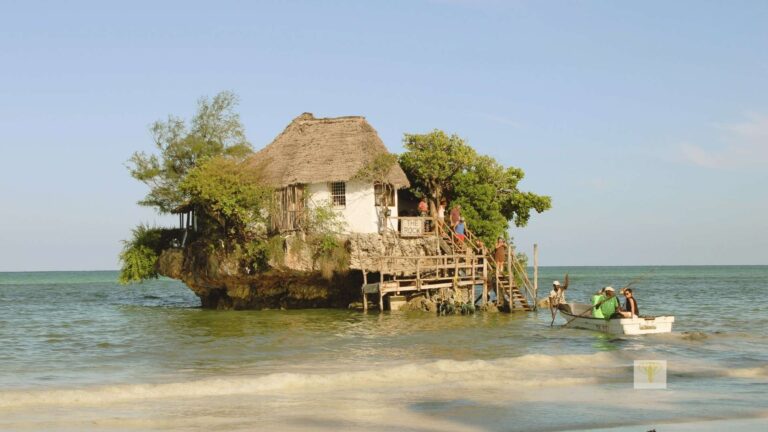
Das Sansibar Archipel besticht nicht nur durch seine Kultur und Strände, sondern auch durch eine faszinierende, wenn auch durch menschliche Besiedlung veränderte, Natur- und Tierwelt. Nachhaltiger Tourismus gewinnt zunehmend an Bedeutung, um dieses Paradies zu schützen.
Einzigartige Flora und Fauna: Endemische Arten und marine Biodiversität
- Flora: Ursprünglich waren die Inseln von tropischem Regenwald bedeckt. Heute prägen Kokospalmen, Mangobäume, Bananenstauden und natürlich die Gewürzplantagen das Landschaftsbild. Es gibt jedoch noch Restbestände ursprünglicher Wälder wie den Jozani Forest und das Ngezi Forest Reserve.
- Fauna (Land): Das bekannteste endemische Säugetier ist der Sansibar-Stummelaffe (Red Colobus Monkey) im Jozani Forest. Weitere Säugetiere sind der Sansibar-Serval-Ginsterkatze und verschiedene Fledermausarten, einschließlich des endemischen Pemba-Flughundes. Es gibt auch eine Vielzahl von Vogelarten, Reptilien und Insekten.
- Marine Biodiversität: Die Korallenriffe rund um die Inseln beherbergen eine immense Vielfalt an Meereslebewesen. Hunderte von Fischarten, Meeresschildkröten (Grüne Meeresschildkröte, Echte Karettschildkröte), Delfine (Spinnerdelfine, Große Tümmler) und saisonal auch Buckelwale und Walhaie können gesichtet werden. Die Riffe selbst bestehen aus einer Vielzahl von Hart- und Weichkorallen.
Schutzgebiete und Nationalparks: Erhaltung des Paradieses
Zum Schutz der einzigartigen Natur wurden verschiedene Schutzgebiete eingerichtet.
- Jozani Chwaka Bay National Park (Unguja): Der einzige Nationalpark auf Sansibar schützt den Jozani Forest mit seinen Roten Stummelaffen und den angrenzenden Mangrovenwald.
- Chumbe Island Coral Park (CHICOP) (Unguja): Ein privat verwaltetes Meeresschutzgebiet und Waldreservat, das für seine strengen Schutzmaßnahmen und nachhaltigen Tourismusinitiativen bekannt ist.
- Mnemba Island Conservation Area (MUCA) (Unguja): Das Gebiet um das Mnemba Atoll ist ein wichtiges Meeresschutzgebiet.
- Menai Bay Conservation Area (Unguja): Ein großes Meeresschutzgebiet im Südwesten von Unguja, wichtig für Delfine und Korallenriffe.
- Misali Island Marine Conservation Area (Pemba): Schützt die Riffe und Strände von Misali Island.
- Ngezi Forest Reserve (Pemba): Schützt einen der letzten ursprünglichen Wälder auf Pemba.
Herausforderungen und Initiativen im Umweltschutz
Trotz der Schutzbemühungen steht das Ökosystem Sansibars vor Herausforderungen.
- Korallenbleiche: Steigende Meerestemperaturen können zur Korallenbleiche führen.
- Überfischung: Nicht nachhaltige Fischereipraktiken bedrohen die Fischbestände.
- Küstenentwicklung und Tourismus: Unkontrollierter Tourismus und Bauprojekte können Lebensräume zerstören und zu Umweltverschmutzung führen.
- Abfallmanagement: Die Entsorgung von Müll stellt eine große Herausforderung dar.
- Es gibt jedoch zahlreiche lokale und internationale Initiativen, die sich für den Umweltschutz einsetzen, nachhaltige Praktiken fördern, Riffschutzprojekte durchführen und das Bewusstsein für Umweltprobleme schärfen.
Tipps für verantwortungsvolles Reisen und Unterstützung lokaler Gemeinschaften
Reisende können einen positiven Beitrag leisten, indem sie verantwortungsvoll handeln.
- Umweltbewusstes Verhalten: Müll vermeiden bzw. korrekt entsorgen, Wasser und Energie sparen, Korallenriffe nicht berühren oder beschädigen.
- Nachhaltige Anbieter wählen: Unterkünfte und Touranbieter unterstützen, die sich für Umweltschutz und soziale Verantwortung engagieren (z.B. Öko-Lodges, community-basierte Tourismusprojekte).
- Lokale Wirtschaft unterstützen: Produkte und Dienstleistungen von lokalen Anbietern kaufen, lokale Restaurants besuchen.
- Kulturellen Respekt zeigen: Sich an lokale Sitten und Gebräuche anpassen (Kleidung, Verhalten).
- Tierwelt schützen: Keine Produkte aus bedrohten Tierarten kaufen (z.B. Schildpatt), bei Tierbeobachtungstouren auf ethische Anbieter achten, die die Tiere nicht stören.
- Freiwilligenarbeit und Spenden: Sich über seriöse lokale Projekte informieren und diese gegebenenfalls unterstützen.
passionate tour guide in Tanzania for 6 years
It fills me with pride to show guests the beauty of Tanzania and give them unforgettable moments. I love it when my guests see a lion in the wild for the first time or marvel at the savanna at sunset. It is important to me that my guests feel safe and well looked after – and return home with many beautiful stories.
My profession is not just a job for me, but something I'm passionate about."
9. Häufig gestellte Fragen (FAQ) zum Sansibar Archipel
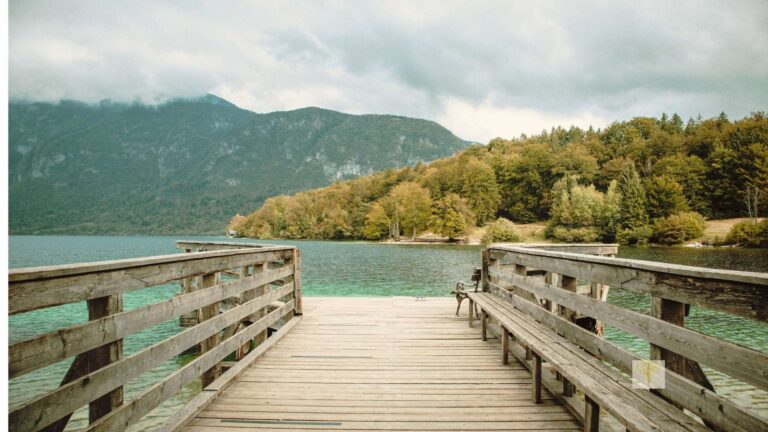
Hier finden sich Antworten auf einige der häufigsten Fragen, die Reisende zum Sansibar Archipel haben.
Ist Sansibar sicher für Touristen / Alleinreisende Frauen?
Sansibar gilt allgemein als ein relativ sicheres Reiseziel für Touristen, auch für alleinreisende Frauen. Wie in vielen touristischen Gebieten ist jedoch Vorsicht vor Kleinkriminalität wie Taschendiebstahl geboten, insbesondere in belebten Gegenden und nach Einbruch der Dunkelheit. Es wird empfohlen, gesunden Menschenverstand walten zu lassen, Wertsachen nicht offen zur Schau zu stellen, abgelegene Gebiete nachts zu meiden und sich über die aktuellen Sicherheitshinweise des Auswärtigen Amtes zu informieren. Alleinreisende Frauen sollten die üblichen Vorsichtsmaßnahmen treffen und auf kulturelle Gepflogenheiten hinsichtlich Kleidung und Verhalten achten.
Wie viel Trinkgeld ist auf Sansibar üblich?
Trinkgeld ist auf Sansibar nicht obligatorisch, aber für guten Service üblich und wird gerne gesehen.
- Restaurants: Etwa 10% der Rechnungssumme sind ein guter Richtwert.
- Hotelpersonal: Für Zimmermädchen ca. 1 USD pro Tag, für Gepäckträger ca. 1 USD pro Gepäckstück.
- Guides und Fahrer: Für Tour-Guides und Fahrer bei Ausflügen oder Safaris sind je nach Dauer und Gruppengröße etwa 5-10 USD pro Person und Tag angemessen. Bei Bergbesteigungen gelten separate Richtlinien.
- Es ist sinnvoll, kleinere Trinkgelder in Tansanischen Schilling oder US-Dollar in kleinen Scheinen bereitzuhalten. In manchen Hotels gibt es auch zentrale "Tipp-Boxen".
Kann man auf Sansibar mit Euro/Dollar bezahlen?
Die offizielle Währung ist der Tansanische Schilling (TZS). Der US-Dollar (USD) wird jedoch in vielen touristischen Einrichtungen wie Hotels, bei Touranbietern und in einigen Restaurants als Zahlungsmittel akzeptiert; Preise sind oft sogar in USD ausgezeichnet. Es ist ratsam, neuere USD-Noten (nach 2006) mitzuführen. Euro (EUR) werden seltener direkt als Zahlungsmittel akzeptiert, können aber in Banken und Wechselstuben in TZS oder USD umgetauscht werden. Geldautomaten geben TZS aus. Es empfiehlt sich, eine Mischung aus TZS für kleinere Ausgaben und Märkte sowie USD für größere Zahlungen oder Trinkgelder dabei zu haben.
Gibt es gefährliche Tiere auf Sansibar?
- An Land: Die Gefahr durch große Wildtiere wie auf dem Festland Tansanias besteht auf Sansibar nicht. Es gibt Schlangen (darunter einige giftige Arten), Skorpione und Spinnen, Begegnungen sind jedoch selten, besonders in touristischen Gebieten. Im Jozani Forest leben die harmlosen Roten Stummelaffen.
- Im Meer: Im Meer gibt es die üblichen Risiken wie Seeigel (Badeschuhe empfohlen an manchen Stränden), selten Quallen oder Steinfische. Haie sind in den Riffgebieten präsent, Angriffe auf Menschen sind jedoch extrem selten. Beim Schnorcheln und Tauchen sollte man darauf achten, nichts zu berühren.
- Mücken: Die größte "Gefahr" geht von Mücken aus, da sie Malaria und andere Krankheiten übertragen können. Konsequenter Mückenschutz ist daher sehr wichtig.
Welche Sprache wird auf Sansibar gesprochen?
Die offizielle und am weitesten verbreitete Sprache auf Sansibar (und in ganz Tansania) ist Kiswahili (Swahili). Englisch ist ebenfalls weit verbreitet, besonders in touristischen Gebieten, Hotels und bei jüngeren Leuten. Viele Menschen, die im Tourismus arbeiten, sprechen auch andere europäische Sprachen wie Italienisch, Französisch oder Deutsch. Arabisch hat aufgrund der Geschichte ebenfalls einen Einfluss und wird von Teilen der Bevölkerung gesprochen.
The Serengeti impresses with its endless grasslands and is famous for the Great Migration, where wildebeest, zebras, and gazelles attract numerous predators year after year – a spectacular natural spectacle.
From €1,195 per person*
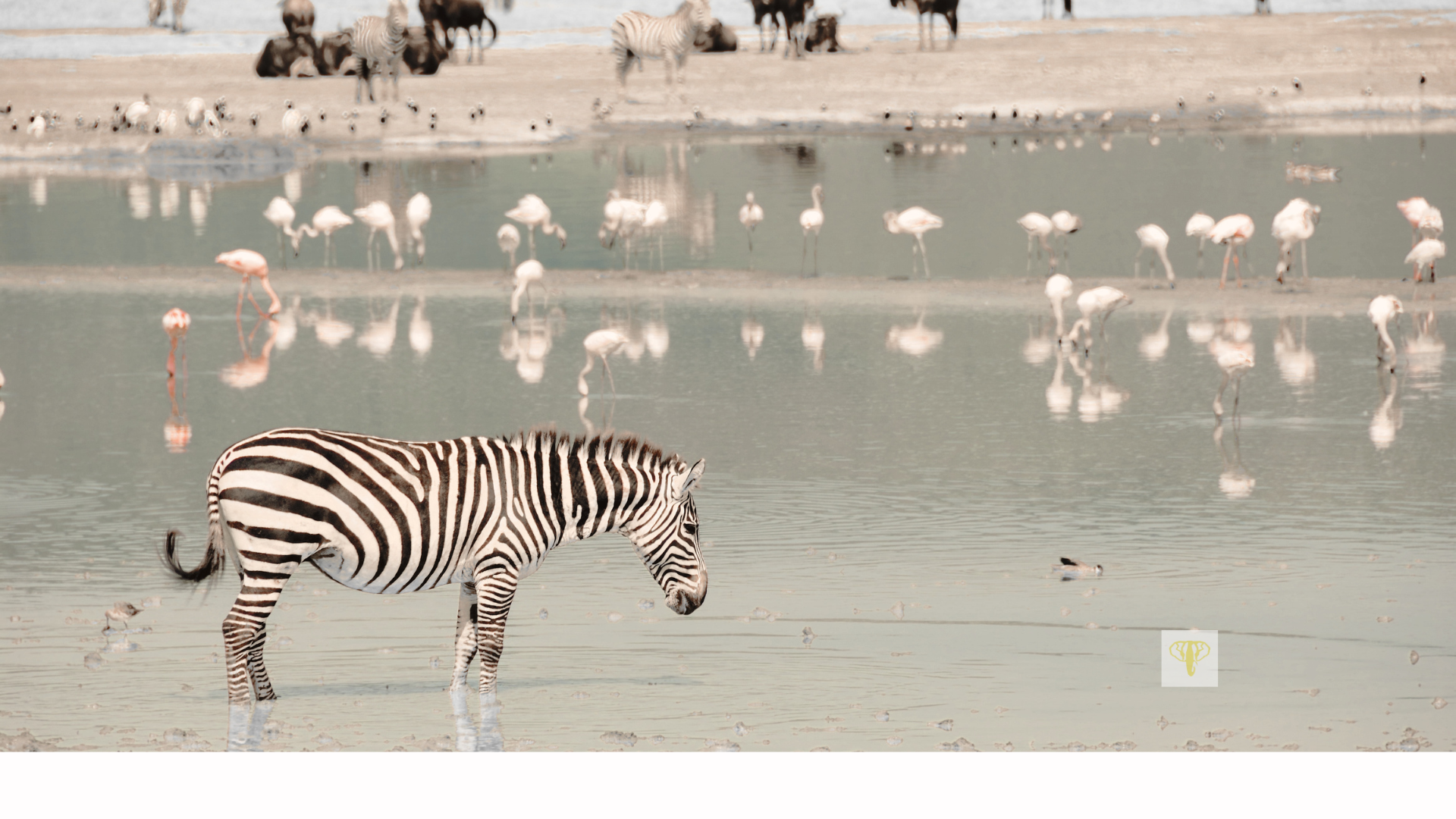
The Ngorongoro Crater, a vast volcanic caldera, hosts a unique ecosystem with diverse wildlife and breathtaking landscapes, making every safari a special nature experience.
From €495 per person*
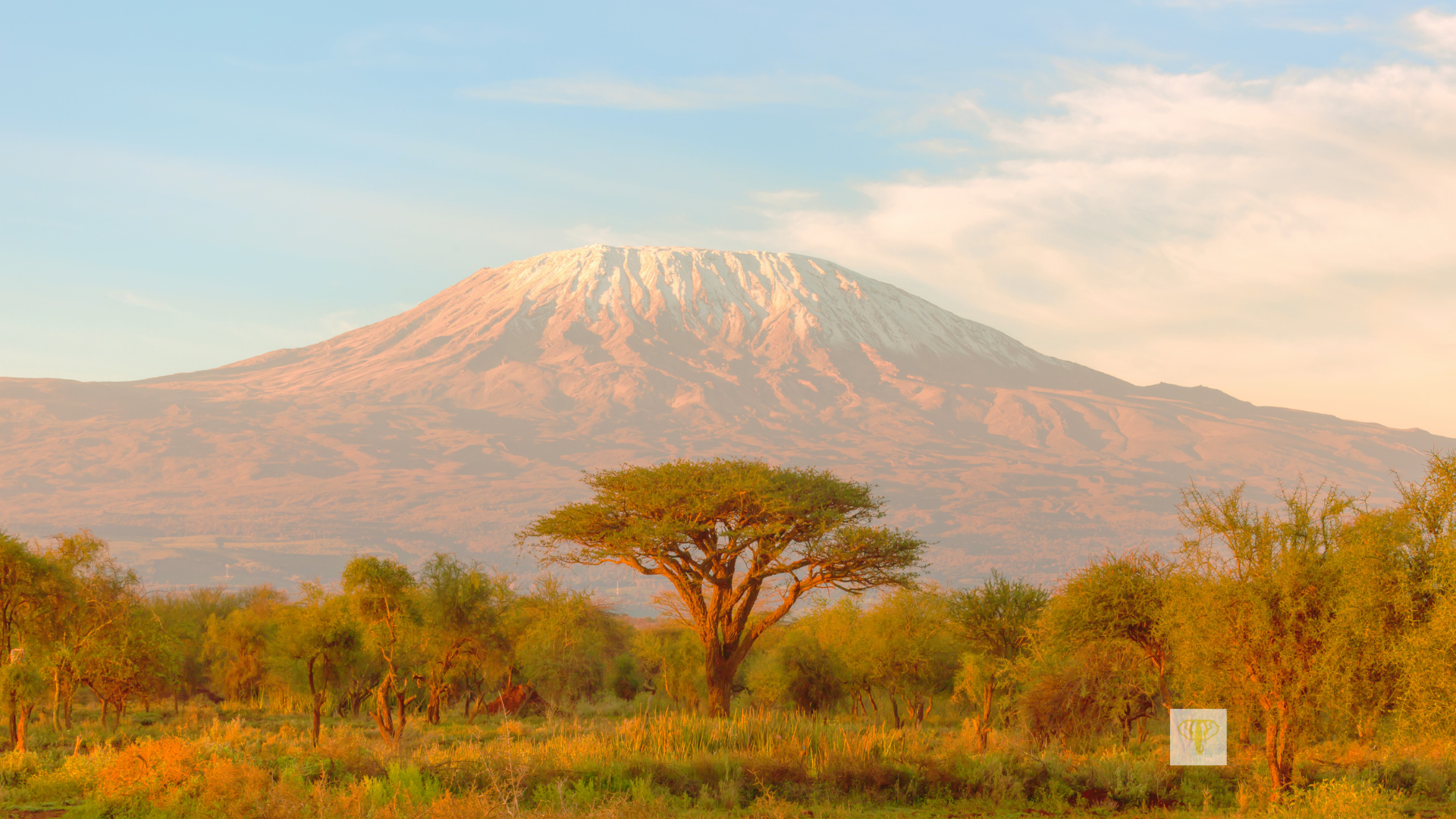
Kilimanjaro, Africa's highest mountain, is an unforgettable experience with routes for every level – a dream come true amidst impressive landscapes and fascinating climate zones.
From EUR 2,095 p.p.*
Zanzibar offers perfect relaxation after a safari – with its turquoise blue sea, white beaches, colonial charm in Stone Town, and colorful coral reefs, the island is a dream destination for unwinding and enjoying.
From 295 EUR per person*
Tarangire inspires with huge herds of elephants, mighty baobab trees, and open plains – a paradise for nature lovers, where birdwatchers will also get their money's worth with over 500 species.
From €495 per person*
Thousands of flamingos gather seasonally at Lake Manyara. The park is particularly known for its baboons, elephants, and tree-climbing lions that inhabit this species-rich environment.
From €495 per person*
Ruaha National Park is home to herds of elephants and numerous predators. The park is known for its impressive landscape, the Ruaha River, and exciting safari experiences in unspoiled nature.
From €1,195 per person*
Arusha City in northern Tanzania is considered the gateway to the most famous national parks. Markets, cafes, and cultural centers characterize the vibrant cityscape between Kilimanjaro and the Serengeti. Its authentic atmosphere makes it unique.
Starting from 145 EUR per person*
Mafia Island, off the southern coast of Tanzania, is a paradise for divers and those seeking tranquility. A protected marine reserve, white-sand beaches, and a relaxed island life make it the ideal destination after a safari.
Starting from €1295 per person*
Nyerere National Park in southern Tanzania is Africa's largest national park. The Rufiji River, miombo woodlands, and vast plains create perfect conditions for wildlife viewing away from the crowds. Its wild, untouched nature makes every visit unforgettable.
Starting from EUR 645 p.p.*
All prices listed are former prices for short and price-optimized trips. Current prices may be higher due to the respective season and inflation. Our terms and conditions apply.
10. Fazit: Warum das Sansibar Archipel Ihr nächstes Traumreiseziel sein sollte
Das Sansibar Archipel ist weit mehr als nur eine Ansammlung von Inseln im Indischen Ozean. Es ist ein Ort, an dem sich faszinierende Geschichte, eine lebendige Swahili-Kultur, atemberaubende Naturschönheiten und die Herzlichkeit seiner Menschen zu einem unvergesslichen Reiseerlebnis verbinden. Von den verwinkelten Gassen Stone Towns, die von vergangenen Sultanaten und Gewürzhändlern erzählen, über die endlosen weißen Sandstrände, die zum Entspannen und Träumen einladen, bis hin zu den farbenprächtigen Korallenriffen, die eine beeindruckende Unterwasserwelt beherbergen – Sansibar bietet eine Vielfalt, die jeden Besucher in ihren Bann zieht.
Die Möglichkeit, in die duftende Welt der Gewürzfarmen einzutauchen, den endemischen Roten Stummelaffen im Jozani Forest zu begegnen oder auf der ruhigeren Insel Pemba unberührte Natur und erstklassige Tauchgründe zu entdecken, macht den Archipel zu einem facettenreichen Ziel. Ob Abenteurer, Kulturinteressierter, Erholungssuchender oder Wassersportler – die „Gewürzinseln“ halten für jeden Geschmack das passende Angebot bereit.
Die Planung einer Reise nach Sansibar erfordert zwar eine gewisse Vorbereitung hinsichtlich Visa, Gesundheit und kultureller Gepflogenheiten, doch die Mühe wird reichlich belohnt. Mit den Informationen aus diesem Guide sind zukünftige Besucher bestens gerüstet, um die Magie Sansibars selbst zu erleben und unvergessliche Erinnerungen von diesem ostafrikanischen Paradies mit nach Hause zu nehmen. Für detailliertere Informationen zu spezifischen Themen wie den besten Stränden, einzelnen Aktivitäten oder Hoteloptionen können weiterführende Artikel konsultiert werden.
Get personal advice now

After this call, you have…
- a list of all trips that fit your budget and availability,
- Bookable tours with fixed prices
- and answers to your open questions
- ... and all in under 30 minutes.