
2-Day Tanzania Safari: Route Comparison, Driving Times, Best Time to Visit, Accommodations & Cost Breakdown
Overview
A 2-day safari in Tanzania is worthwhile if you want to experience real game drives in a very short time — with clear priorities and realistic transfer times. In the north, Tarangire or Lake Manyara in combination with the Ngorongoro Crater are the most common options and the best planned for 2 days. In the south, Mikumi (from Dar es Salaam) or Ruaha by domestic flight are the pragmatic alternatives.
Key Takeaways
- 2-Parks Concept: In 2 days Safari works best if you focus on two adjacent areas (e.g., Tarangire + Ngorongoro).
- Serengeti Warning: Serengeti in 2 days (road) is usually not the best use of your time, as transfers greatly reduce game drive time.
- Ngorongoro Advantage: The crater often offers the highest animal density in a confined space – a rhino is possible but never guaranteed.
- Driving time realism: Plan with excitement. Roads, weather, and gate locations noticeably affect your time in the car.
- Fly-in Option: Is particularly worthwhile if you would otherwise have „only distance“ to cover in 2 days (e.g., Ruaha or tight time windows from Zanzibar).
- Season factor Best travel time depends on priorities: Dry season = visibility & concentration; green season = scenery & fewer crowds.

2-Day Safari Itinerary from Arusha and Moshi (Kilimanjaro Airport)
These routes are ideal if you are already in the north (e.g., after a Mount Kilimanjaro climb) or arrive by domestic flight at Kilimanjaro Airport (JRO) or Arusha Airport (ARK).
2-Day Safari in Tanzania: Tarangire & Ngorongoro
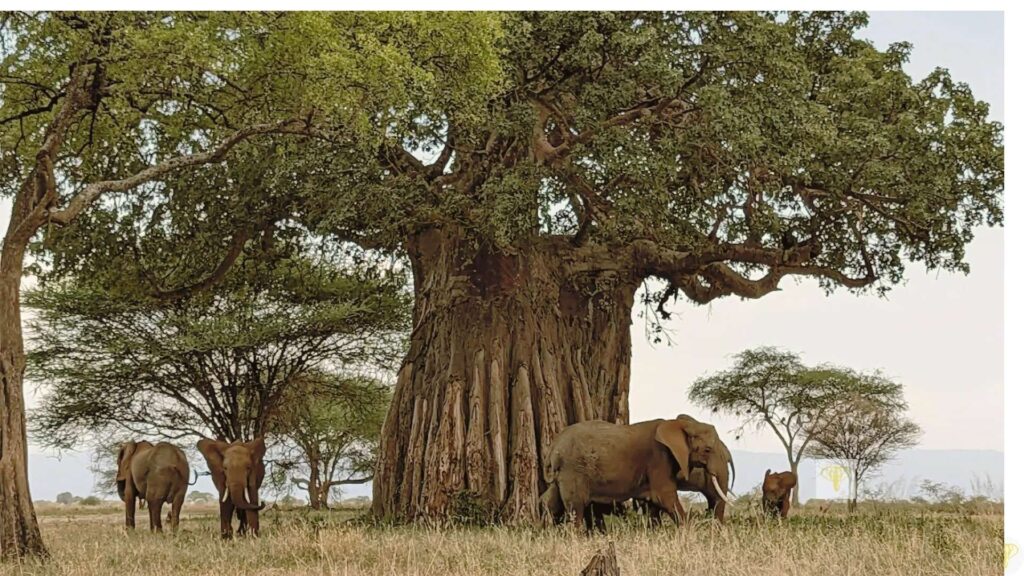
Character Classic Northern Tanzania combo with Tarangire (elephants/river landscape) and Ngorongoro Crater (compact animal density).
Typical daily logic
- Day 1: Arusha – Full-day safari in Tarangire National Park (Land of Giants & Baobabs) – Overnight stay in the Karatu/Ngorongoro region.
- Day 2: Morning: Safari in the Ngorongoro Crater (UNESCO World Heritage Site, Big Five chances) – Return to Arusha.
Discover more about this fascinating journey here.
2-Day Safari in Tanzania: Manyara and Ngorongoro
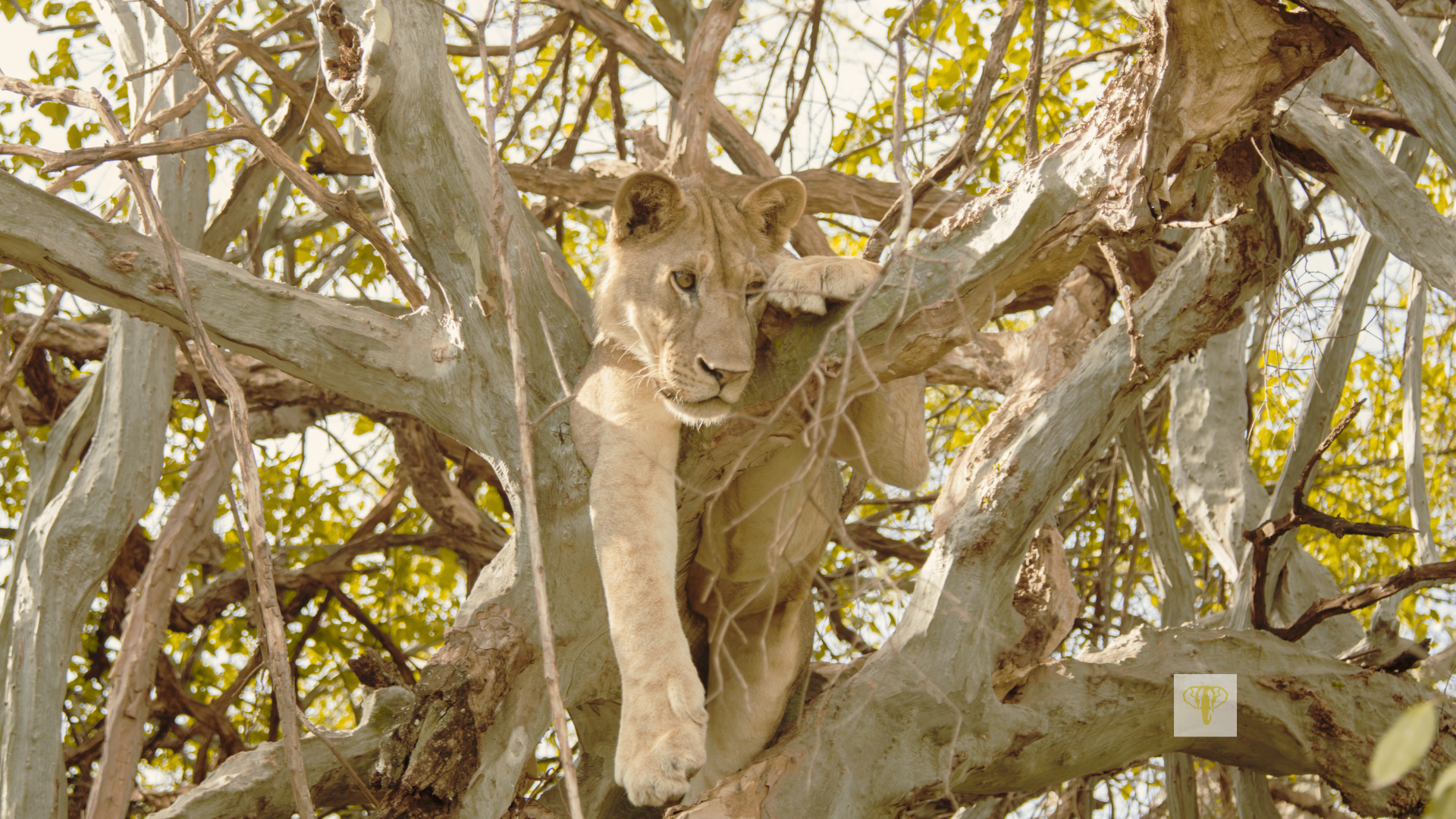
Character Habitat mix of groundwater forest & lake shore (Manyara) plus crater day (Ngorongoro).
Typical daily logic
- Day 1: Arusha/Moshi – Safari to Lake Manyara National Park (tree-climbing lions possible, birds, hippos) – Overnight stay in the Karatu/Ngorongoro region.
- Day 2: Morning: Safari in the Ngorongoro Crater (Caldera Experience) – Return to Arusha/Moshi.
Learn more about this safari here.
2-Day Safari Itineraries from Zanzibar and Dar es Salaam
If you're interrupting your beach vacation or starting in the economic metropolis of Dar es Salaam, these options are the most logistically sensible.
2-Day Safari in Tanzania: Ruaha National Park
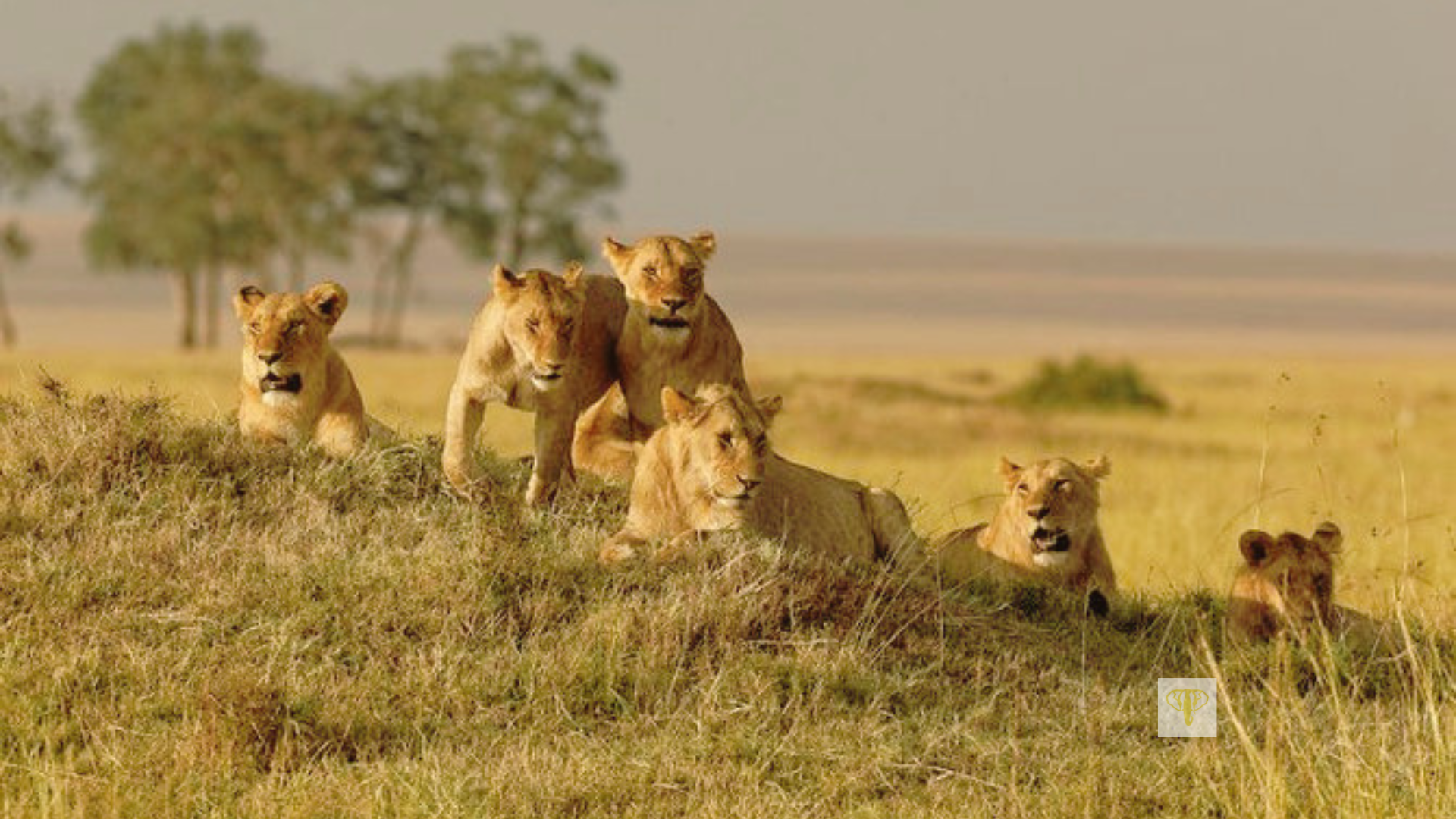
Character Remote, large park in the south – makes sense for 2 days primarily with flight and short ground logistics.
Typical daily logic
- Day 1: Travel (flight from Dar es Salaam/Zanzibar) and first safari in Ruaha National Park.
- Day 2: Full-day safari (Great Ruaha River, untouched wilderness) and return to Iringa/Dar es Salaam (depending on flight schedule).
Note (Fly-in / Light Aircraft): On domestic/bush flights, strict luggage limits often apply (typically around 15-20 kg, soft duffel bag). The exact regulations depend on the airline and route and will be confirmed in advance.
All information about this remote South Tanzania safari can be found here.
2-Day Safari in Tanzania: Mikumi National Park
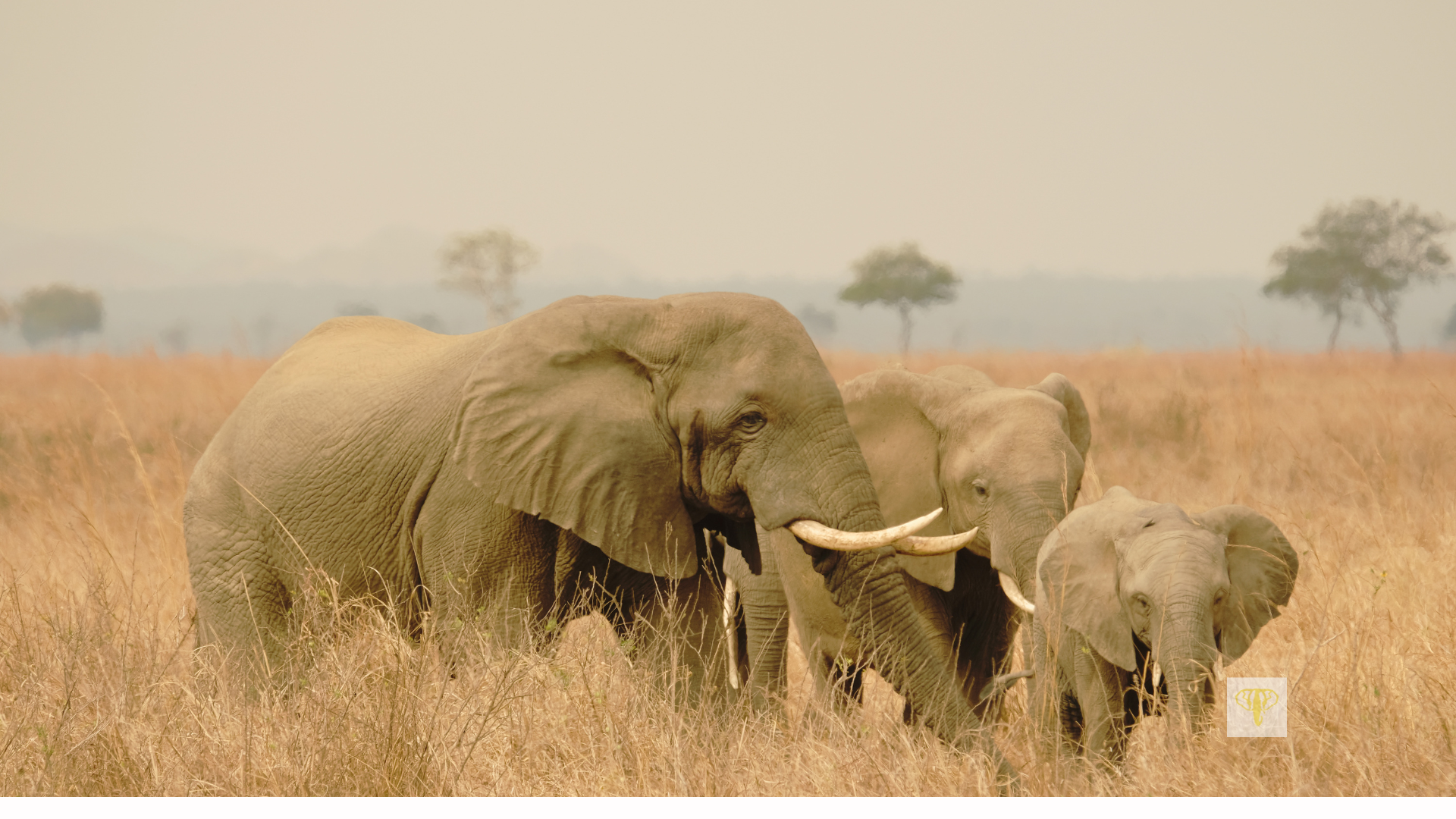
Character Short road safari from Dar es Salaam with classic savannah game drives and good sighting opportunities in the Mikumi Plains.
Typical daily logic
- Day 1: Dar es Salaam – Drive to Mikumi (longer transfer) – Afternoon game drive.
- Day 2: Sunrise Safari - Return to Dar es Salaam.
All information about this spectacular South Tanzania safari can be found hier.
Customer testimonial
“Individual travel without the stress of online comparisons
We had a 5-day safari in Tanzania and are still absolutely thrilled. Everything was excellently organized and well thought out, from the airport pick-up to the final transfer back to the airport after the safari.
Safari Tanzania saved us hours of comparing providers online. They put together a customized trip, matched us with the best local operator, and ensured seamless organization through quick WhatsApp communication. More anticipation, less stress.
Hakan Evcek, a customer from Darmstadt


Which 2-day safari best suits you objectively? (2 Parks vs. 3 Parks vs. Fly-in)
2 Parks in 2 Days (less travel, more peace)
Typical Tarangire + Ngorongoro or Manyara + Ngorongoro.
- Advantages: Transfer times remain within the expected range; allocate more time to prime stalking windows (morning/late afternoon); „Park + Region“ can be sensibly combined.
- Disadvantages No Serengeti portion; migration topics are not the focus here.
- Who is it useful for: First-time visitors, families, couples – everyone who in 2 days real stalking time want instead of „just distance“.
Note: Depending on the starting point (Arusha/Moshi/JRO) and accommodation level, we can plan the order and overnight regions accordingly.
2) 3 Parks in 2 Days (very tight – often more „checking off“ than safari)
Typical E.g. Manyara + Tarangire + Ngorongoro in 2 days.
- Advantages: More landscape changes on paper.
- Disadvantages High transfer load, shorter stalking windows, increased feeling of „driving through,“ more gate/check-in time, less time at sightings.
- Who is it useful for: Only if you consciously prioritize „quick look-ins“ and accept transfers. (For most travelers, the 2-park option is the better decision.).
3) Fly-in in 2 days (maximum parking time, but more logistics)
Typical Ruaha by domestic flight (or flight solution for a very tight schedule).
- Advantages: Reduces long road sections; increases effective time in safari area; makes „remote“ parks possible in 2 days.
- Disadvantages Flight times, baggage limits, possible layovers/waiting times; weather- and operationally related delays can never be completely ruled out.
- Who is it useful for: If you are traveling from Dar es Salaam/Zanzibar and want to minimize road kilometers or consciously prioritize a southern, quieter region.
Realistic Driving Times & Trade-offs
Guidelines (without guarantee): Travel times depend, among other things, on road quality, rain, traffic, gate location, and accommodation location.
- Arusha to Tarangire: frequently about 2-3 hours
- Moshi to Tarangire frequently approx. 3-4.5 hours
- Arusha → Lake Manyara/Karatu Region: frequently about 2-3.5 hours
- Tarangire to Karatu/Ngorongoro Region: frequently 2-4 hours
- Ngorongoro/Karatu to Arusha: frequently about 3-5 hours
- Dar es Salaam to Mikumi: frequently approx. 4.5-6.5 hours (traffic plays a strong role!)
- Domestic Flight Dar es Salaam → Iringa/Ruaha Region: depending on the connection, usually about 1-2 hours (plus ground transfers).
What do you gain – what do you lose?
- Northern Parks (without flight): You gain clear safari days with predictable transfers; you lose the „Serengeti signature.“.
- Southern Parks (Mikumi Road): You gain an affordable safari from Dar; you lose the iconic Northern highlights (Crater/Ngorongoro Highlands).
- Southern Parks (Ruaha Fly-In): You gain parking time in a more distant region; you „pay“ with flight logistics and baggage limits.

What animals do you see in 2 days? (Expectations & Opportunities)
Big Five – where are the chances highest?
Basic rule: Chances can be good, but there are no guarantees. Sightings depend on the season, time of day, animal movements, and guide timing.
- Elephant Frequently in Tarangire, also very possible in Ngorongoro, Ruaha, and Mikumi.
- Buffalo: Frequently in Ngorongoro Crater begins; also possible in Mikumi/Ruaha.
- Lion Good chances in Ngorongoro and depending on the area in Tarangire, Mikumi and Ruaha.
- Leopard: Possible, but often a combination of timing + luck + patience“ (especially relevant in Ruaha, also possible in the northern parks).
- Rhinoceros (Black Rhinoceros): Opportunity in the Ngorongoro Crater begins frequently higher than in many other areas – nevertheless rare and not guaranteed.
Migration in 2 Days—When and Where Is that Realistic?
The Great animal migration is a Serengeti-specific topic. On a typical 2-day itinerary (Tarangire/Manyara/Ngorongoro or Mikumi/Ruaha), the migration is not usually a planned destination. If the migration is your top priority, a longer safari or a tailored fly-in itinerary to the Serengeti (with sufficient time in the right area) is the more reliable option.
Best time to travel for a 9-day safari in Tanzania (dry season vs. rainy season)
Dry season (usually June–October)
- Visibility is usually better due to less vegetation.
- Animals tend to gather more frequently at watering holes (e.g., in Tarangire along the river system).
- Photography Dust may be present → It's a good idea to protect the camera and lenses.
Rainy/“Green” Season (e.g., March–May and November)
- A greener landscape, often with very good light between showers.
- There are often fewer visitors.
- Depending on the region: more vegetation (visibility may be more limited) and, in some cases, more challenging roads
- Photography More intense colors, sometimes dramatic cloudscapes.
Off-season months are the “sweet spot”
Off-peak times can offer a good compromise: sufficiently good visibility, often better availability, and a more relaxed travel experience.

Costs & Prices: What Drives the Price of a 2-Day Tanzania Safari?
Even without specific prices, it's possible to fairly compare safaris if the cost categories are clear:
- All park and conservation fees Fees account for a significant portion of the costs, especially around Ngorongoro.
- Accommodation category: Comfort level and location (inside/nearby/outside) have a massive impact on price and daily operations.
- Private vs. Group: “Private” means an exclusive vehicle and guide—more flexibility, but a different pricing structure than for shared group tours.
- Number of people (fixed costs for vehicle/guide): Part of the cost is fixed; the group size affects the per-person cost accordingly (it’s more expensive per person for a group of 2 than for a group of 4).
- Domestic flights (Fly-in): Flights, transfers, and handling increase costs but save time.
Here's how to compare offers correctly:
- Is the Ngorongoro Crater (including the Crater service fee) Is that clearly included?
- Which Accommodations in detail Is this planned—and what is the alternative if it is not available?
- Is the vehicle really private exclusively Or “private in name only”?
- For Fly-in, are the Flight segments and are transfers described clearly (including baggage rules)?
Accommodations for 2 days: Camping, lodge, tented camp
Accommodation type | Comfort | Atmosphere | Location | Pricing logic | Who is it suitable for |
Camping | Simple | Very close to “everyday life on safari” | Mostly Campsites | Often cheaper, but requires more staff and setup | Budget Focus, Adventure |
Lodge | Medium to Very High | Focused on comfort | Often outside or near a park | Wide range per standard/layer | Couples, Families, Comfort & Predictability |
Tented Camp | Mid to Luxury | Typical of Safari | Some are very close to the park | Often higher for good locations and quality | Guests who value atmosphere and a personal touch |
Important Note (“inside park”): Staying within a park doesn't automatically save you a lot of travel time or money. However, it often changes the experience (sounds, atmosphere, proximity to nature). Accommodations within the park are also often more expensive.
Starting points & Logistics: Arusha, Kilimanjaro Airport (JRO), Moshi, Zanzibar, Dar es Salaam
2-day safaris typically start in [common safari gateway cities/regions].
- Arusha: The classic starting point for northern routes (Tarangire/Manyara/Ngorongoro).
- Moshi: It's possible, but it often involves slightly longer travel times to the parks.
- Kilimanjaro Airport (JRO): The most common international arrival airport for northern Tanzania (transfer to Arusha/Moshi required).
- Dar es Salaam (DAR): Starting point for southern routes (e.g., Mikumi Road) and a hub for domestic flights (e.g., Ruaha).
- Zanzibar: Logistically feasible via domestic flights (e.g., to Arusha or Dar es Salaam). The key factor is the time available, as two days is very tight.
When is it better to “start in Arusha” versus “fly in”?
- Arusha/Moshi (Road): This makes sense if you're arriving in the north anyway and want a straightforward 2-park route.
- Fly-in: This makes sense if your starting point (Zanzibar/Dar) would otherwise involve too much driving time, or if you specifically want to prioritize a southern region such as Ruaha.
Inclusive / Exclusive (typical) - transparent at a glance
Typically including | Typically not included |
Private 4×4 safari vehicle (depending on the route) | International flights |
Safari Guide (German-speaking, subject to availability) | Visa |
Park and Conservation Fees (depending on the route) | Travel insurance |
Ngorongoro Crater entrance fees (if booked) | Tips |
1 night's lodging with meals as specified in the itinerary | Personal Expenses / Souvenirs |
Bottled water in the safari vehicle | Optional Activities |
Safety and Service Equipment (e.g., First Aid) | Alcoholic beverages / Soft drinks |
Domestic flights (Fly-in): only for fly-in routes (when explicitly stated) |
FAQ - 2-Day Safari in Tanzania
Is a 2-day safari in Tanzania really enough?
Yes, if you focus the itinerary strictly on just a few parks. Two days are ideal for an intensive “safari upgrade” (e.g., after climbing Kilimanjaro or as a side trip from Zanzibar), but not for trying to do “everything at once.”
What's the best route for a 2-day trip (with or without the Serengeti)?
In 2 days, it will be Tarangire/Manyara + Ngorongoro These are usually the most sensible northern routes. The Serengeti is generally not recommended as a road trip option that can be completed in two days, since the transfers are too long.
Is a 2-day safari from Zanzibar really worth it?
It can be worthwhile if the logistics work out (a domestic flight to Arusha or Dar es Salaam) and you’re okay with a tight schedule. Often, visiting Mikumi from Dar or following a clearly planned “Northern Two Parks” route is the more pragmatic solution than attempting a complex Serengeti itinerary.
Is it possible to see the Big Five in two days?
It is possible, especially with Ngorongoro Crater begins in the program. There's no guarantee; Leopard and Nashorn are essentially a matter of luck and timing.
How much does a private 2-day safari cost, roughly?
The final price depends primarily on park/crater fees, accommodation category and location, season, number of people (allocation of fixed costs), and, if applicable, domestic flights. It makes sense to compare the scope of services and daily itinerary, not just the bare figures.
How much is the customary tip?
Tipping is customary on safaris and depends on your satisfaction, the duration of the trip, and the team. We provide clear guidance before the trip begins—without pressure and without strict guidelines.
Which parks are suitable for children and families?
In general, Tarangire, Manyara, Ngorongoro, and Mikumi are easy to plan—the key factors are travel times, breaks, and accommodation policies. Private safaris are family-friendly because the pace and stops can be customized.
Plan your own trip to Tanzania
Plan your own trip to Tanzania
Get personal advice now

After this call, you have…
- a list of all trips that fit your budget and availability,
- Bookable tours with fixed prices
- and answers to your open questions
- ... and all in under 30 minutes.