
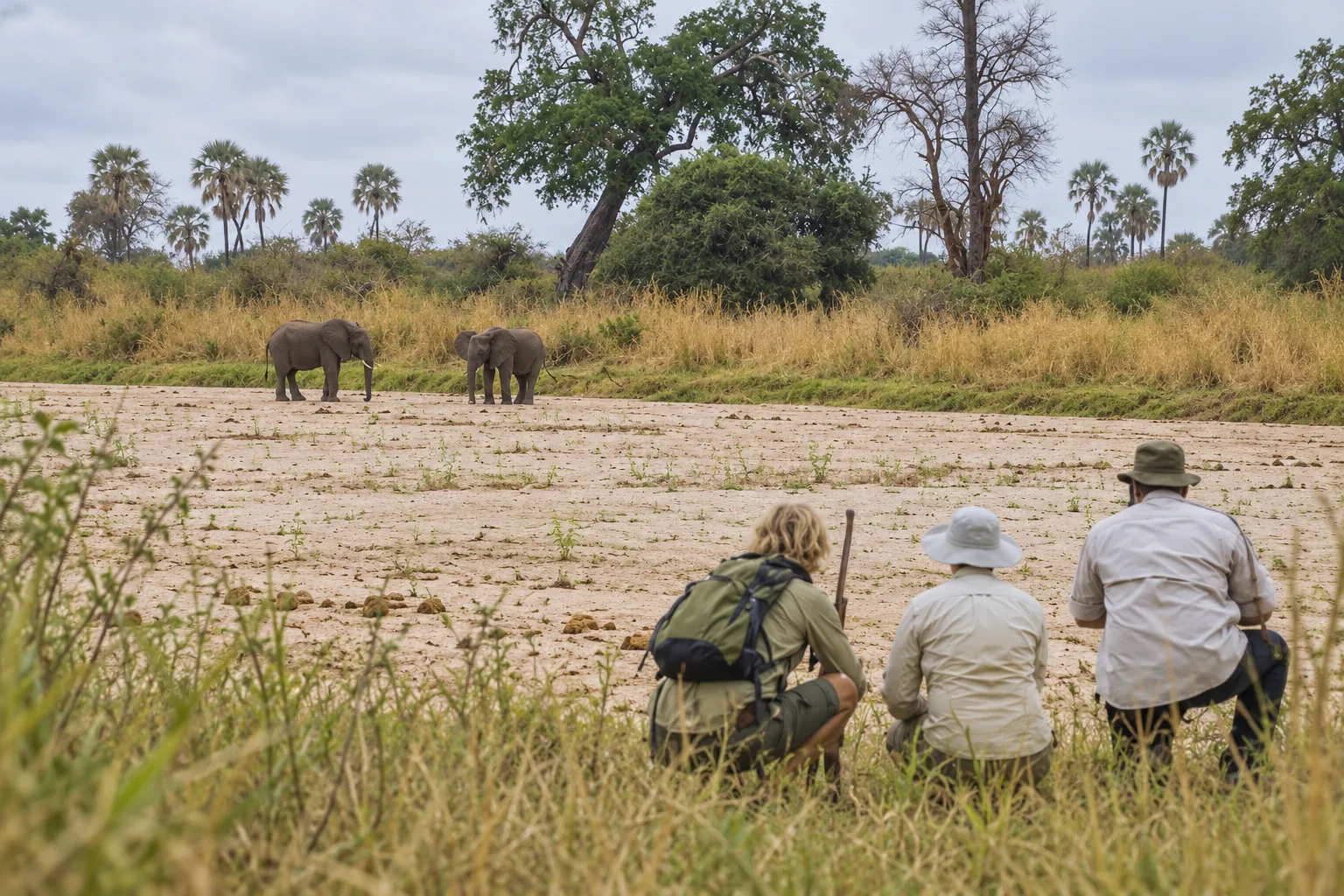
2-Day Tarangire & Lake Manyara
Two privately guided days: first to the elephants of Tarangire, then into the groundwater forest at Lake Manyara, with one overnight stay, from Arusha City.
2 daysCalculate the price
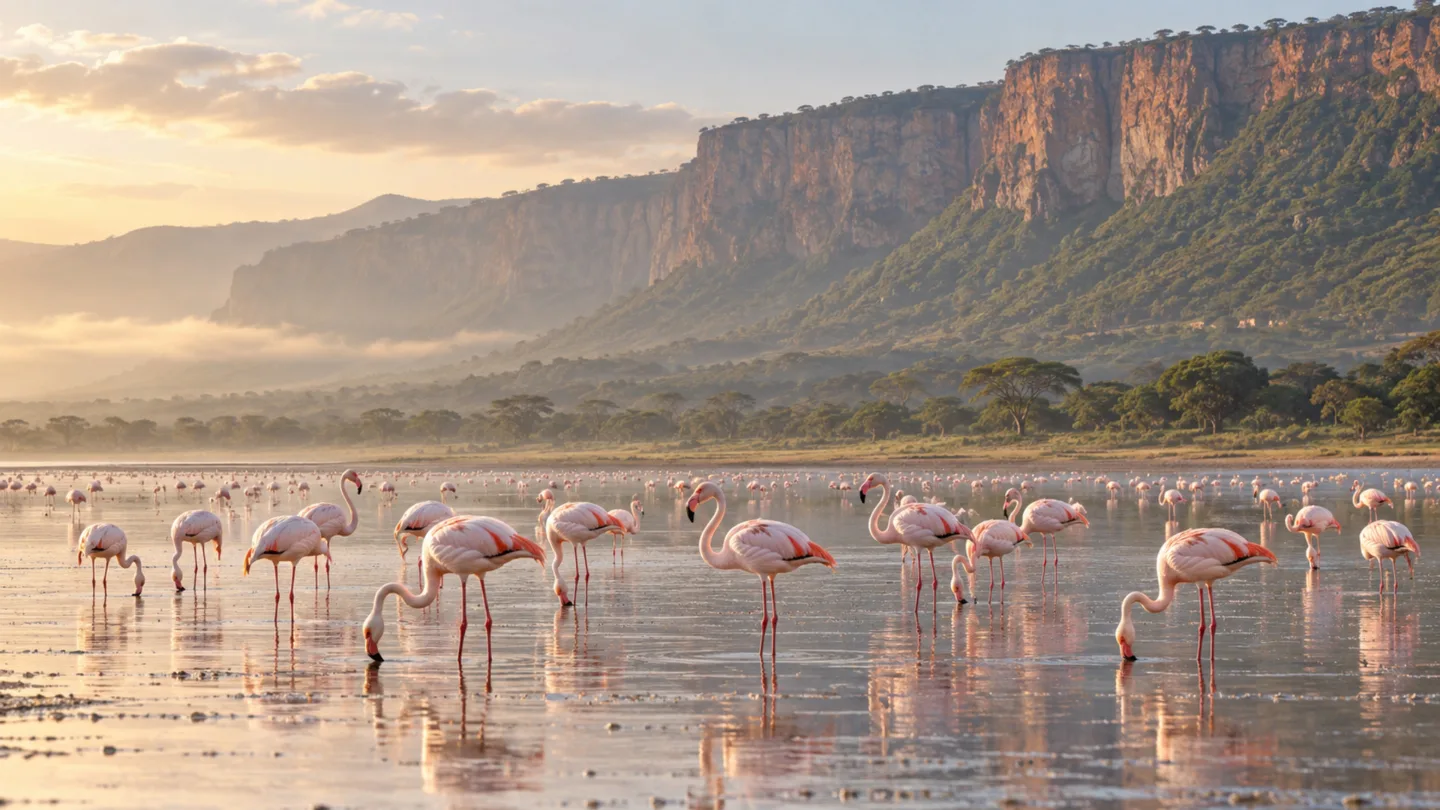
Below the roughly 400-metre-high escarpment of the Rift Valley lies Lake Manyara, around two hours' drive west of Arusha.
Put your safari together in the trip planner.
Below the roughly 400-metre-high escarpment of the Rift Valley lies Lake Manyara, around two hours' drive west of Arusha. A shallow soda lake takes up most of the park, while along its shores groundwater forest, acacias and grassland alternate. One day is enough for the whole park, and it will not be a dull one.
The park is known for three things: lions dozing in trees, flamingos on the lake and the groundwater forest just beyond the entrance, home to a surprising number of elephants and baboons.
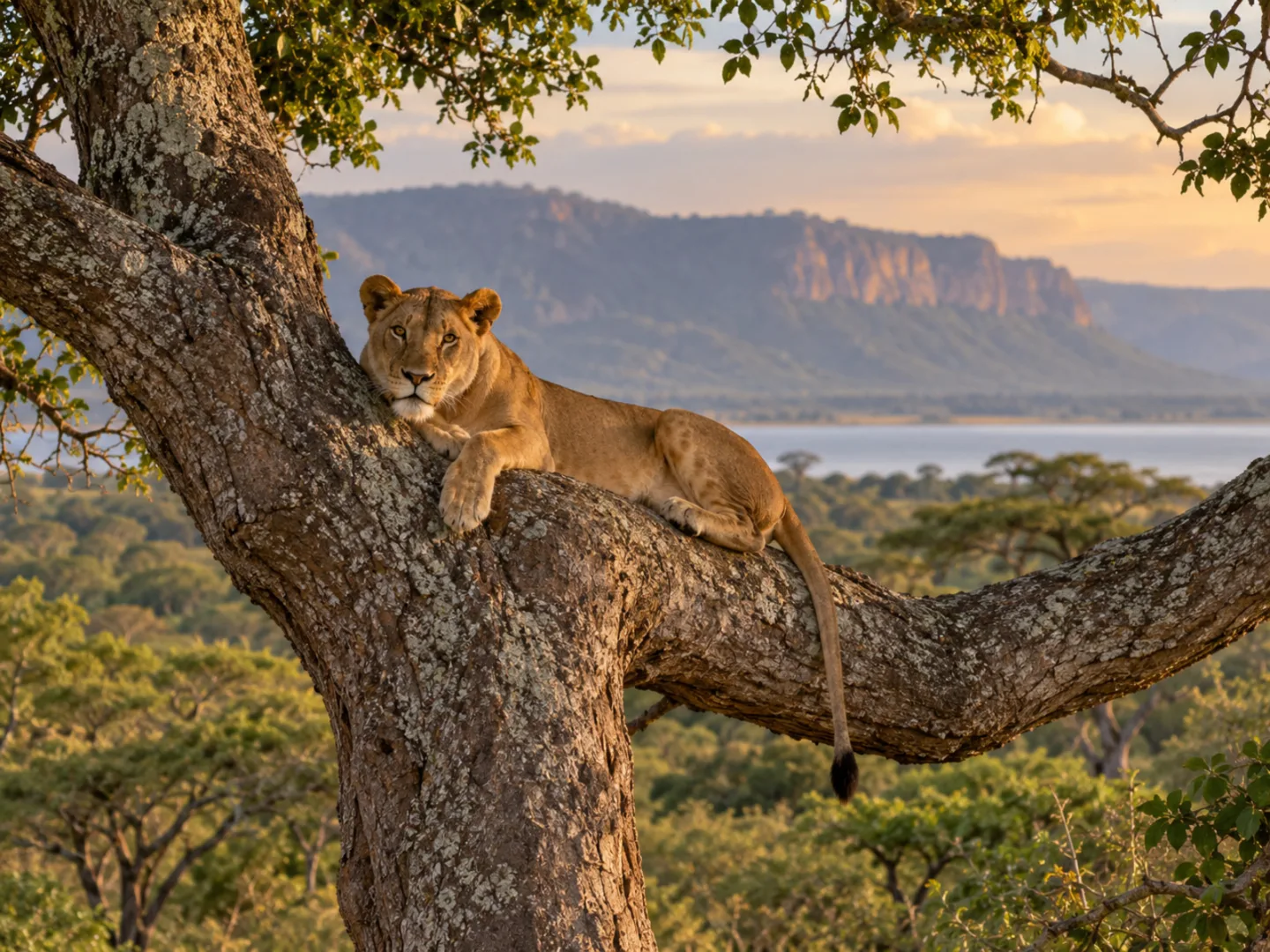
Lions do not normally climb. The ones at Lake Manyara do anyway: they lie up in acacias and mahogany trees, probably for the view, the cool breeze and the respite from the tsetse flies on the ground. There is no guarantee of a sighting, but your guide knows their favourite trees.
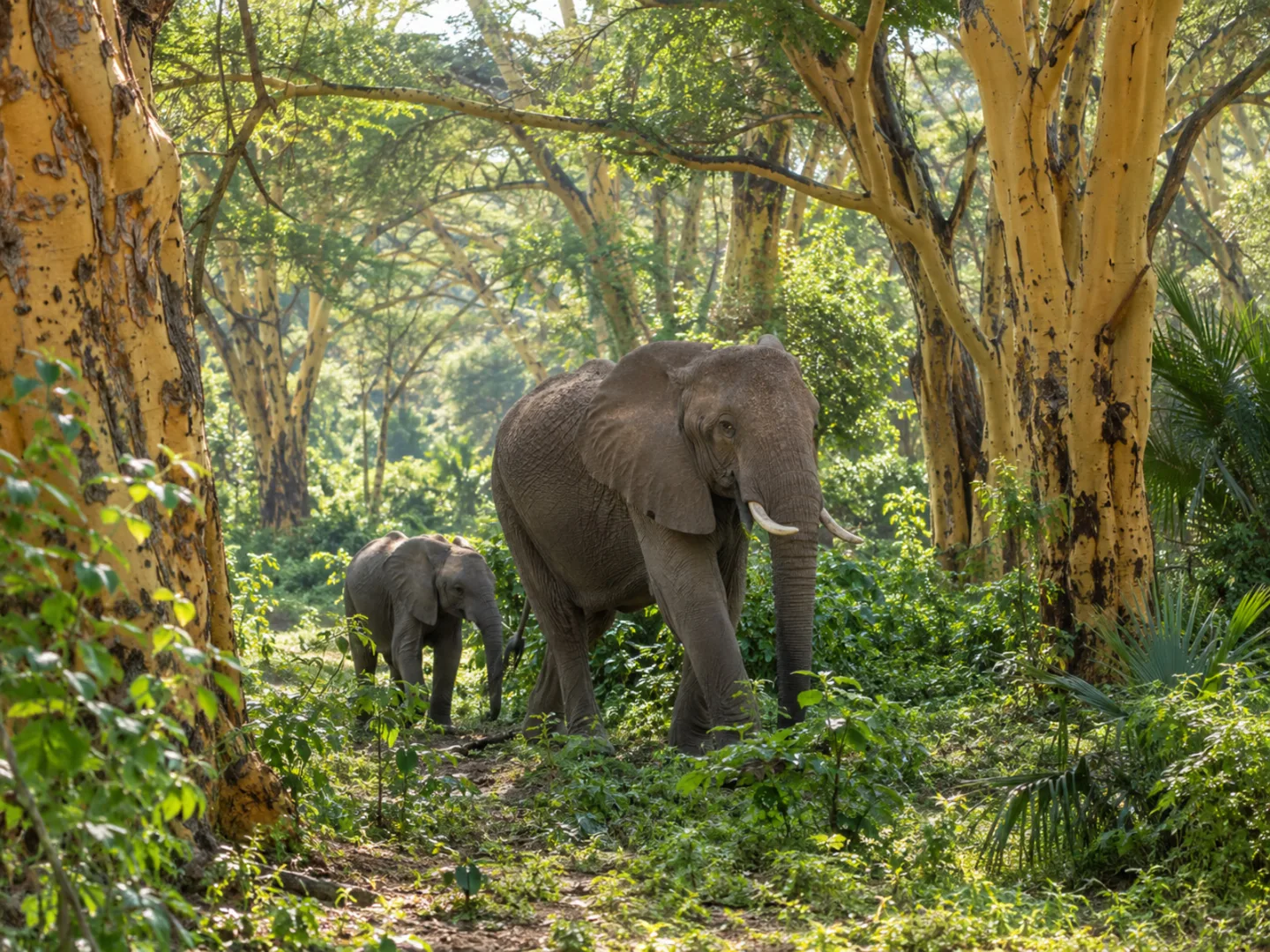
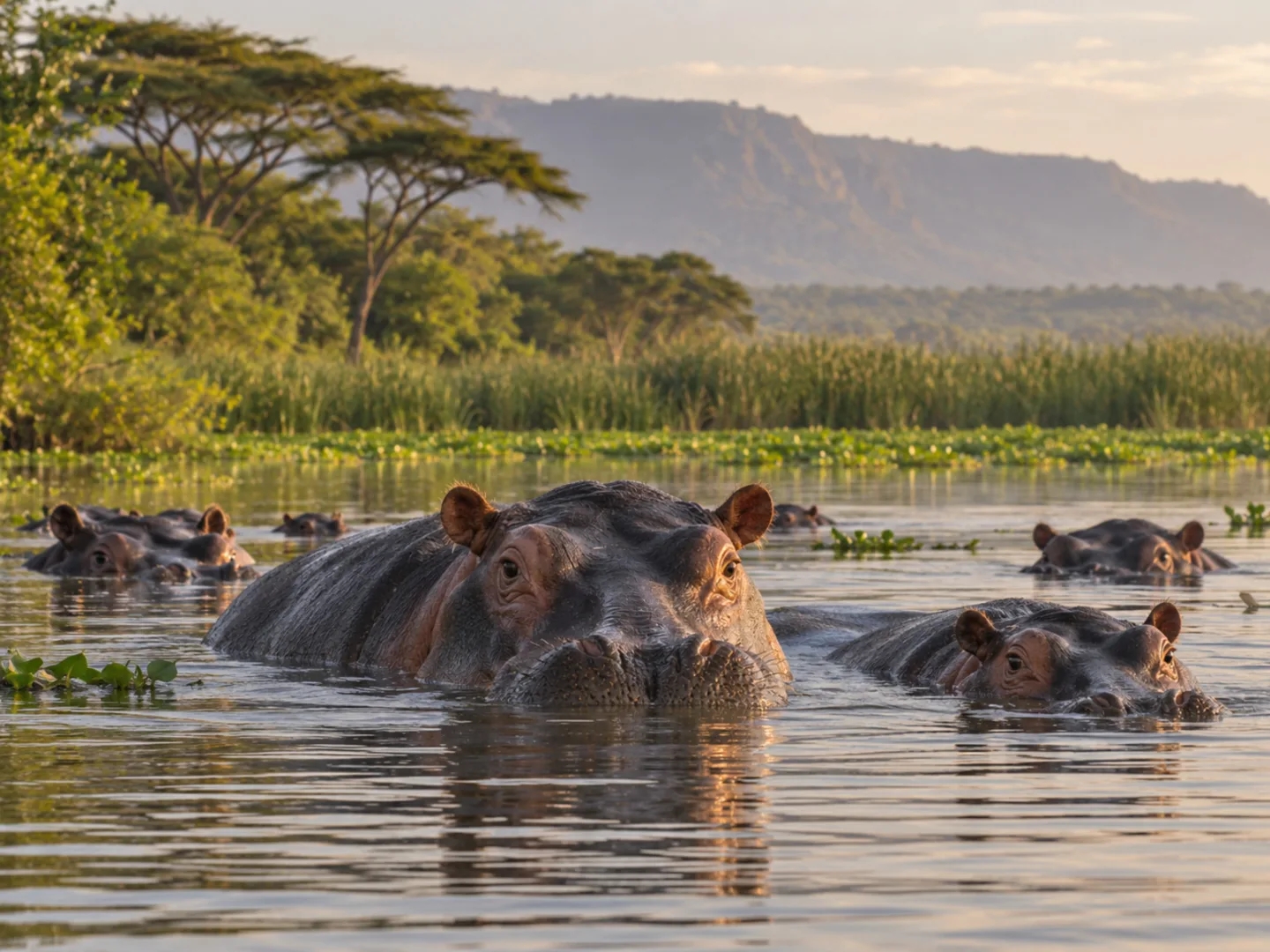
Just beyond the entrance gate begins the groundwater forest, which is fed by springs and stays green even in the dry season. Many elephants and large troops of baboons live here, and only a little further on lies the Hippo Pool with its hippos.
Lake Manyara is a soda lake: shallow, alkaline and full of micro-organisms on which flamingos feed. Depending on the water level, thousands of the pink birds stand in the shallows, along with pelicans, storks and cormorants; more than 400 bird species are on the park's list.
The water level fluctuates sharply. In the rainy season the lake bursts its banks; in the dry season it retreats a long way and exposes stretches of shore. The area has been listed as a UNESCO Biosphere Reserve since 1981.
Hardly any park in the north packs so much into so little space. On the Treetop Walkway you cross suspension bridges through the canopy of the groundwater forest; when the water is high, boat trips on the lake are possible; and after dark there are night game drives in search of porcupines and genets. All three are options and cost extra; whatever appeals to you, we include in your quote.
Right at the park entrance lies Mto wa Mbu, a village where people from many regions of Tanzania live together. A walking tour with lunch combines well with your park visit before you move on: Tarangire and the crater rim are each around an hour away.
For the larger animals, July to October are the strongest months, when everything crowds around the remaining waterholes. Bird lovers prefer to travel between November and June, when the migratory birds are here and the flamingo flocks can be at their largest. Boat trips depend on the water level and run mainly during and shortly after the rainy season. One day in the park is quite enough, by the way; more on that in the questions below.
The entrance gate lies right at the edge of Mto wa Mbu.
Day entry is 59 USD for international adults, 17.70 USD for children aged 5 to 15 and free for children under 5; payment is cashless, at the gate or in advance. The Treetop Walkway, night game drives, boat trips and camping cost extra (as of 2025; the park authority adjusts its rates). Our quotes include the park fees; any extras you book are listed separately.
Two privately guided days: first to the elephants of Tarangire, then into the groundwater forest at Lake Manyara, with one overnight stay, from Arusha City.
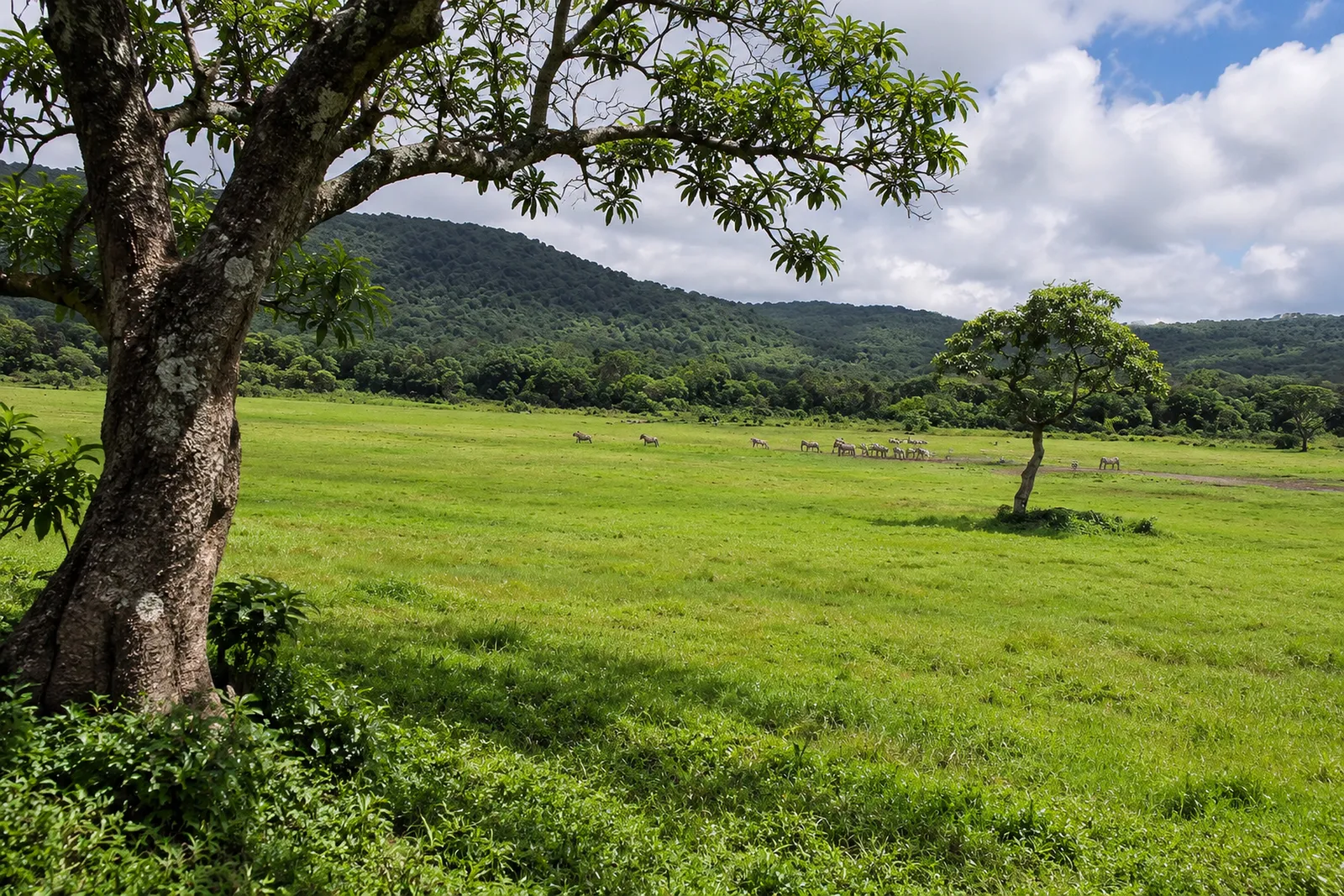
Three days through Arusha National Park, Tarangire and Lake Manyara: three landscapes in three days, with two nights on the road, from Arusha City.
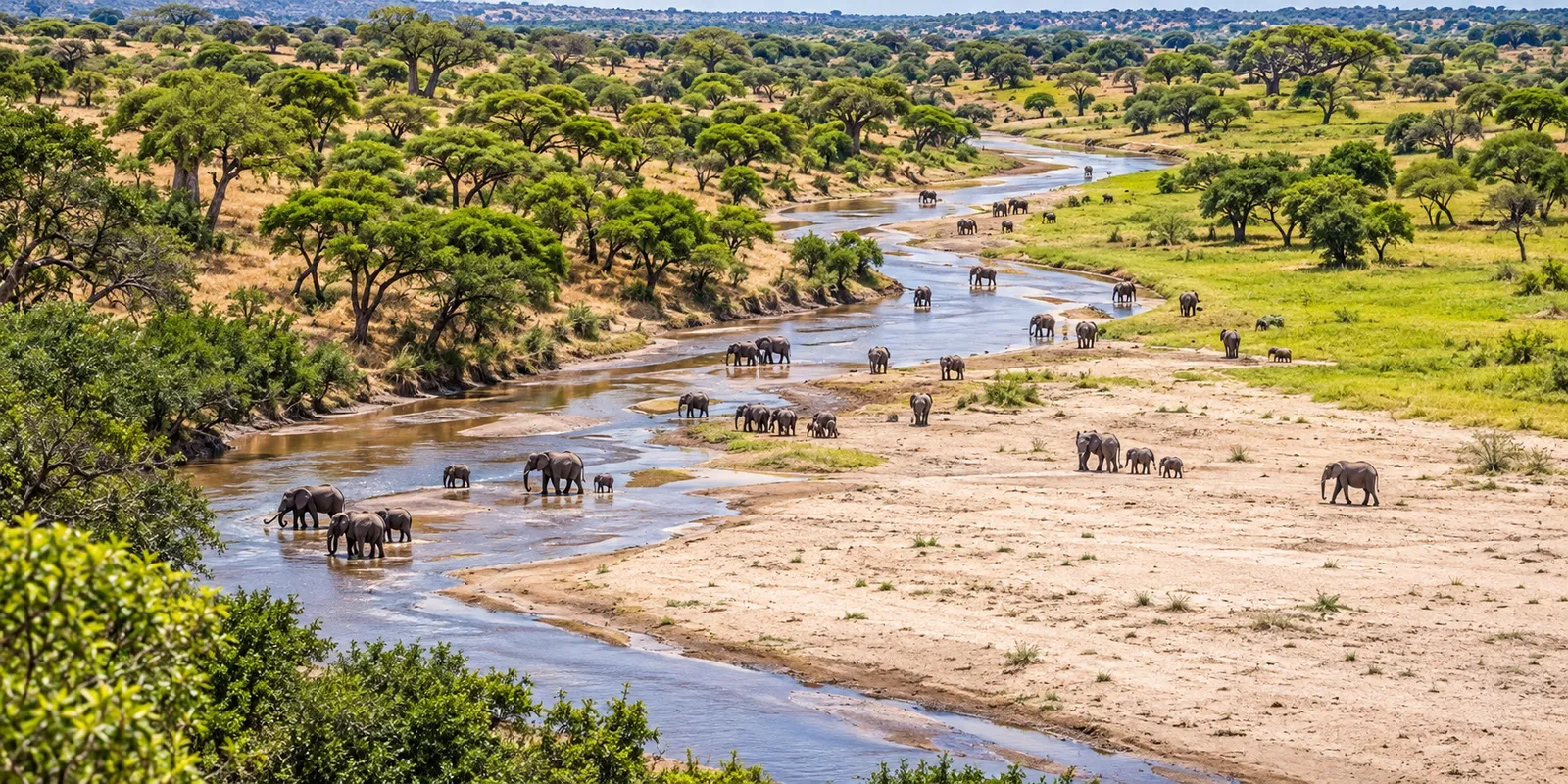
Three days on the northern route from Arusha City: Tarangire, Lake Manyara and the Ngorongoro Crater, with two overnight stays and a Big Five finale.
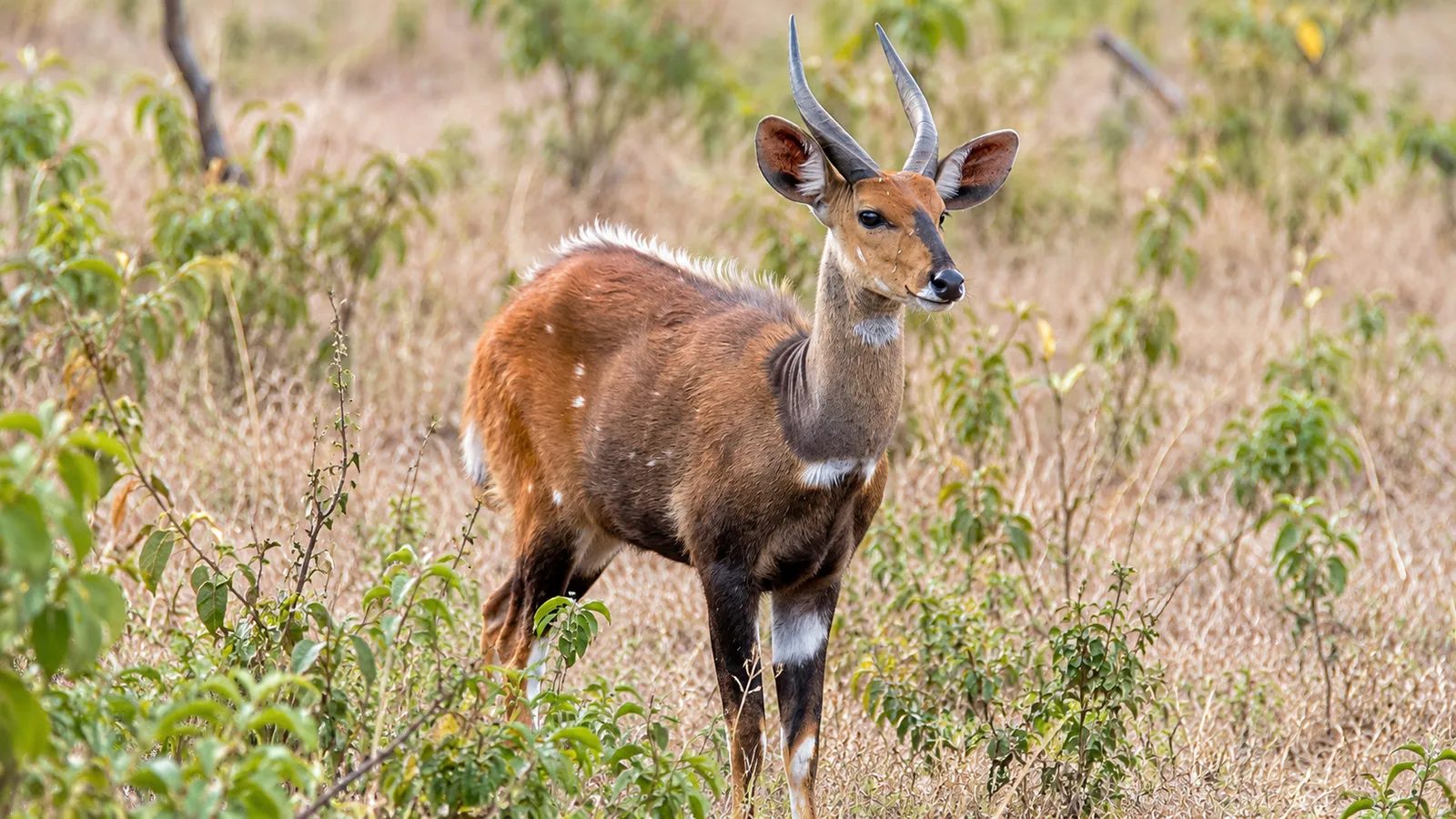
Four days, four parks: from Arusha National Park via Tarangire and Lake Manyara down into the Ngorongoro Crater, with three nights from Arusha City.
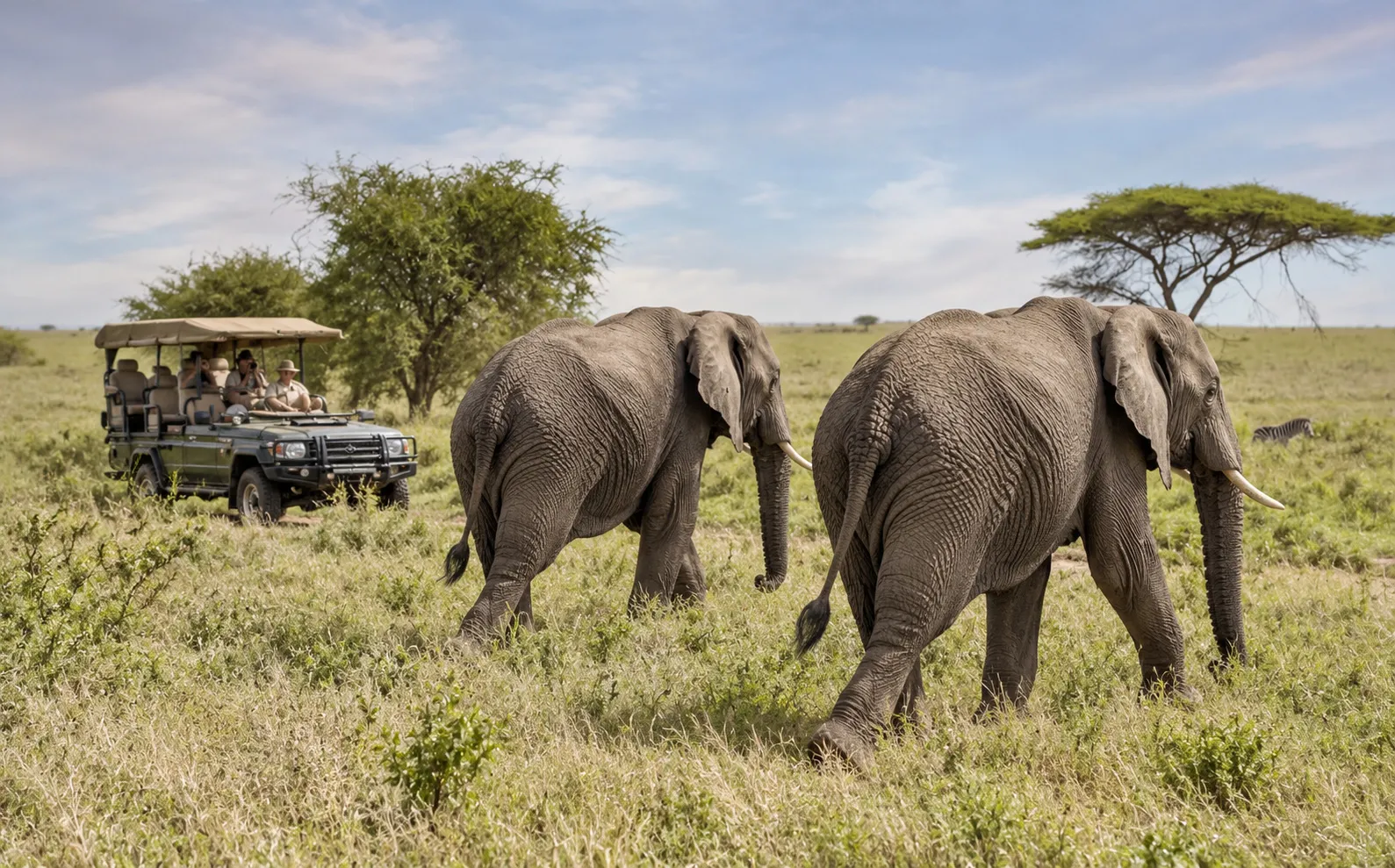
The great northern circuit in five days: from Tarangire via Lake Manyara into the Serengeti and finally down into the crater. Four nights, privately guided.
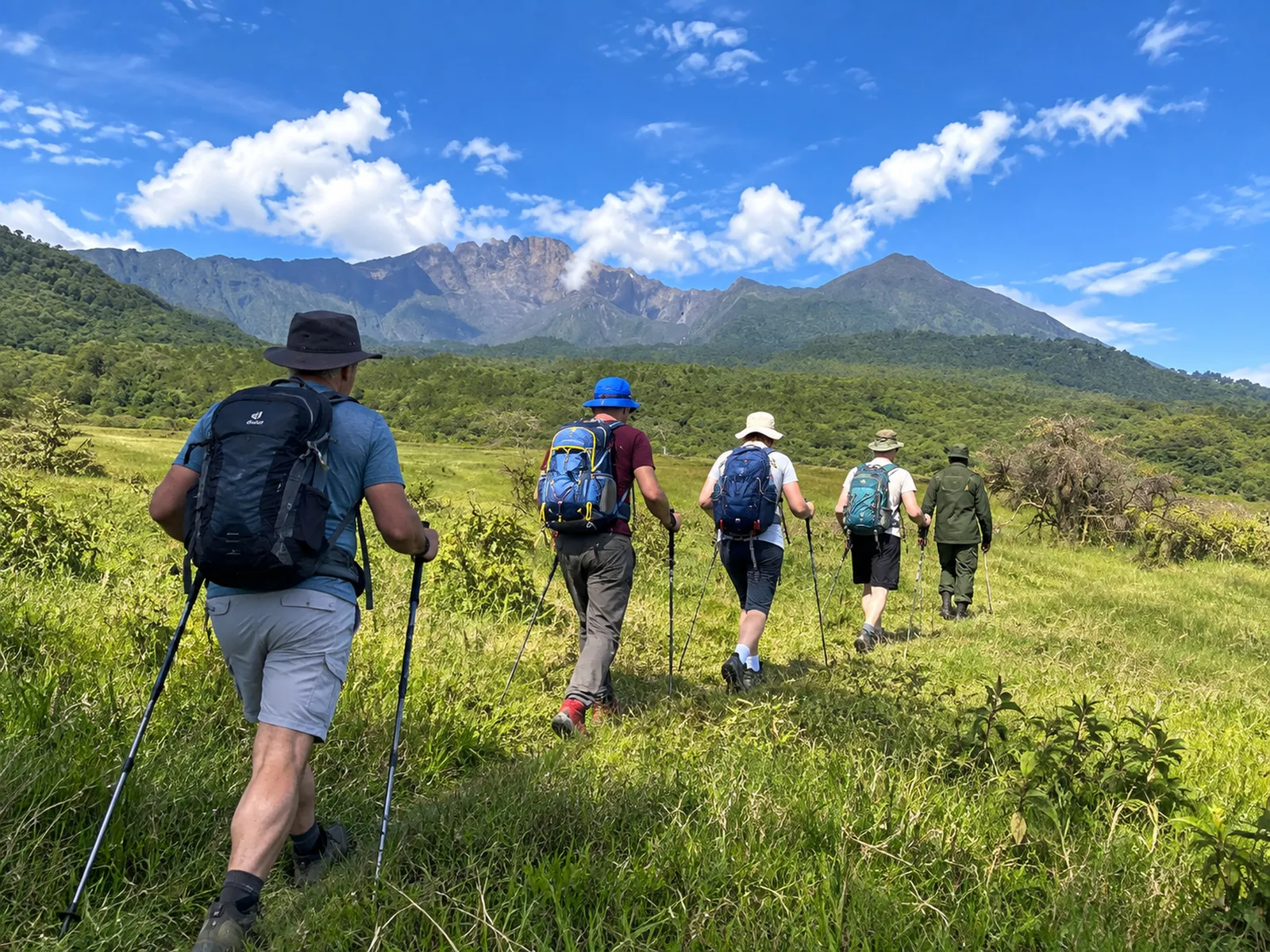
Six days right across the north, from the Momella Lakes to the crater floor, with two full days in the Serengeti and five nights.
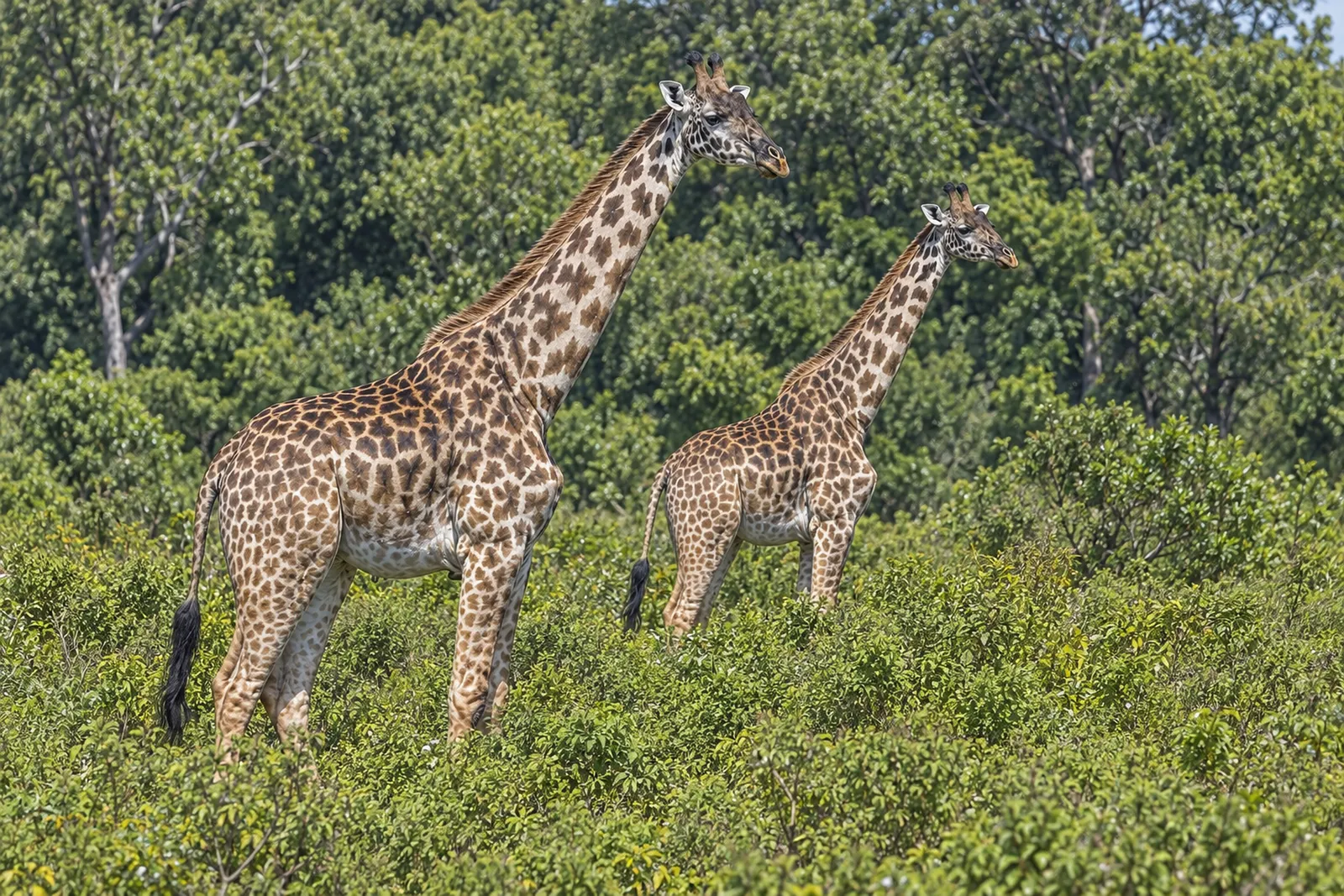
Seven days, the whole of the north: first Arusha National Park, Tarangire and Manyara, then three Serengeti days, and finally the crater.
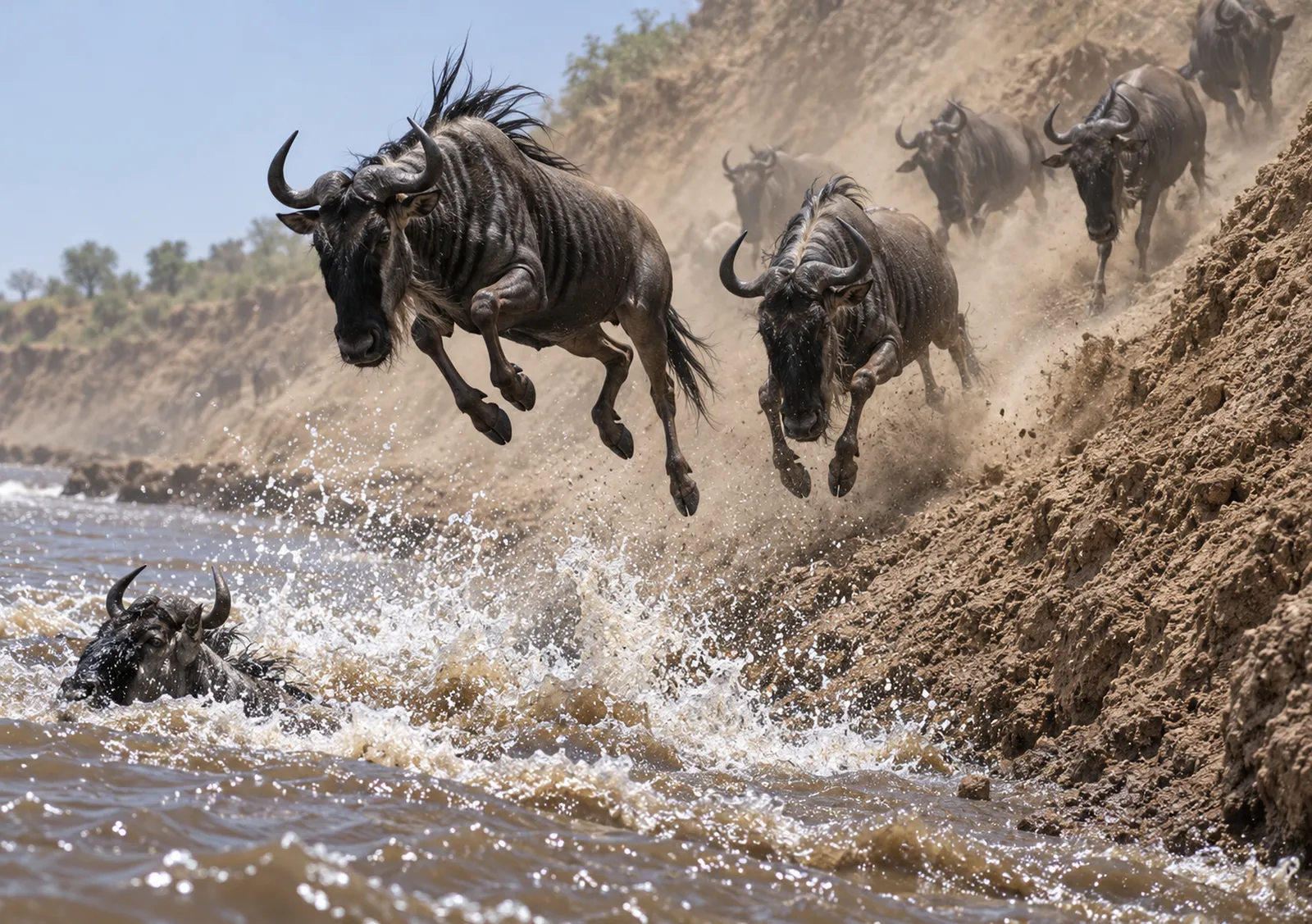
Seven days, Serengeti first: fly in, stay three days, then back via the crater, Manyara and Tarangire all the way to Arusha National Park.
We put your route together — free of obligation and in person. We reply the same day, usually faster on WhatsApp.

Prefer to talk? Dominic Dreiner is happy to help.
Alle Preise sind unverbindliche Richtpreise pro Person bei zwei gemeinsam reisenden Personen, einschließlich der in der Leistungsübersicht genannten Leistungen und ohne Flüge nach Tansania. Bei größeren Gruppen sinkt der Preis pro Person. Der endgültige Preis richtet sich nach Reisezeitraum, Gruppengröße, gewählten Unterkünften und Verfügbarkeit; er wird Ihnen im individuellen Angebot verbindlich genannt. Angebote sind bis zur abschließenden Verfügbarkeitsprüfung freibleibend. Es gelten unsere AGB.