
Day Trip Ngorongoro Crater
A day in the Ngorongoro Crater with no overnight stay: down into the crater to the Big Five, privately guided, from Arusha City or with a flight from and to Zanzibar.
1 dayCalculate the price
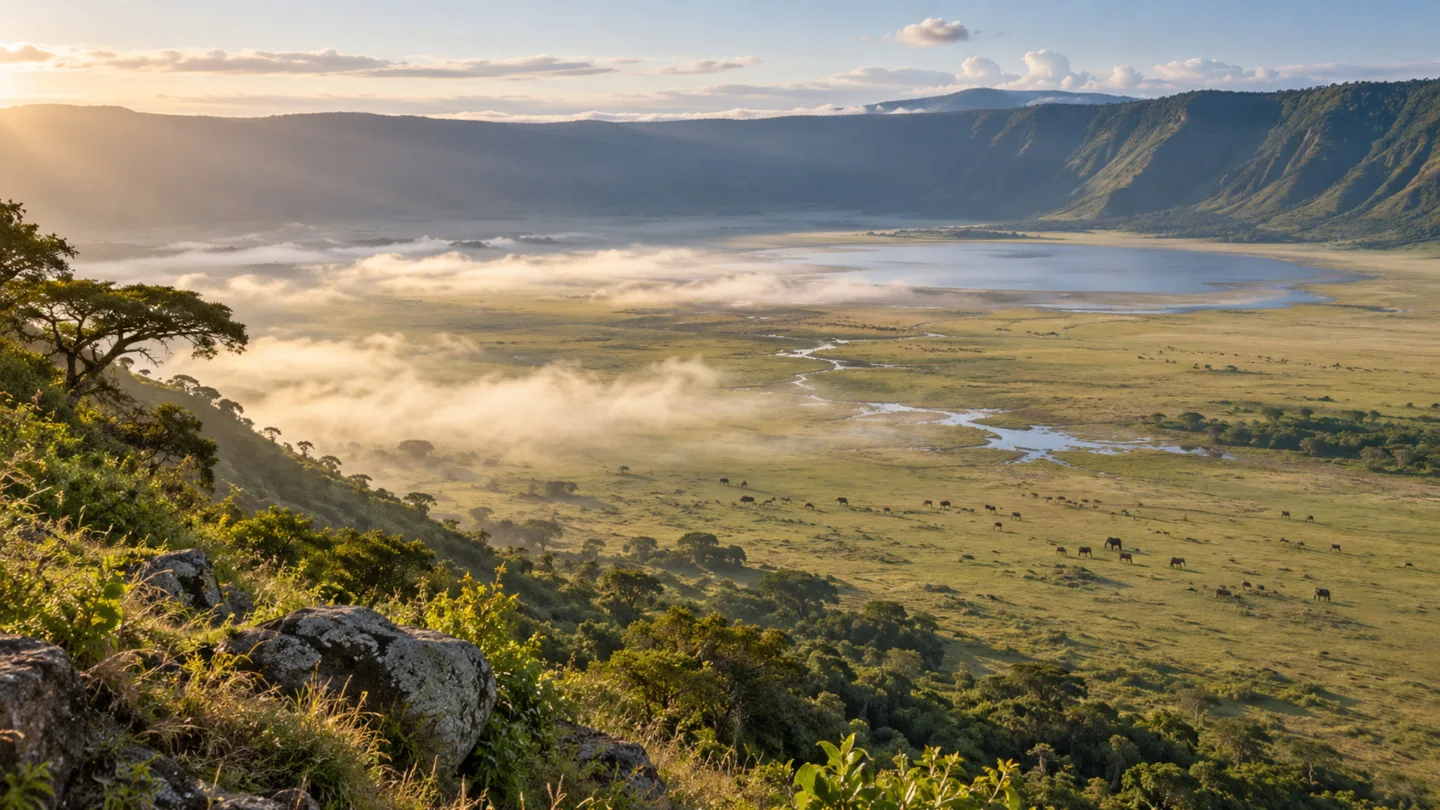
Around 260 square kilometres of crater floor, surrounded by walls of about 500 metres, and inside live some 25,000 larger animals.
Put your safari together in the trip planner.
Around 260 square kilometres of crater floor, surrounded by walls of about 500 metres, and inside live some 25,000 larger animals. The Big Five included. The Ngorongoro Crater is considered the largest intact caldera in the world.
The crater formed around two to two and a half million years ago, when a large volcano erupted and collapsed in on itself. The conservation area around it has been a UNESCO World Heritage Site since 1979, partly because wildlife and the Maasai with their herds live side by side here.
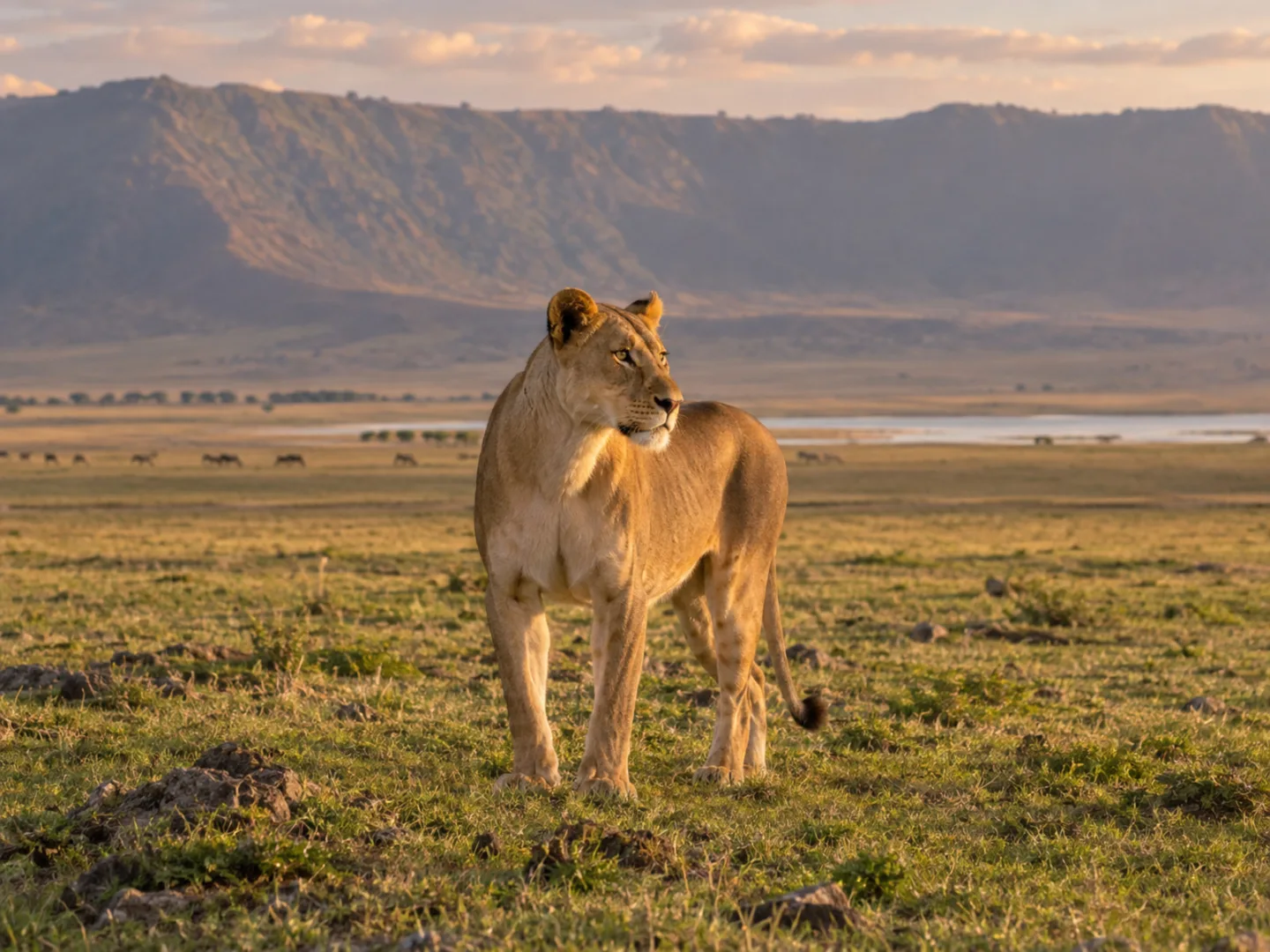
The crater walls are around 500 metres high and unbroken all the way round, and the rim lies above 2,200 metres. What lives down below mostly stays down below: the crater is an almost self-contained ecosystem in which grass plains, small acacia woods, swamps and the soda lake Lake Magadi alternate.
The crater is the best-known part of the Ngorongoro Conservation Area, which extends as far as Olduvai Gorge. Unlike in a national park, people live here too: the Maasai move across the highlands with their herds, and on the way to the crater rim you drive past their villages.
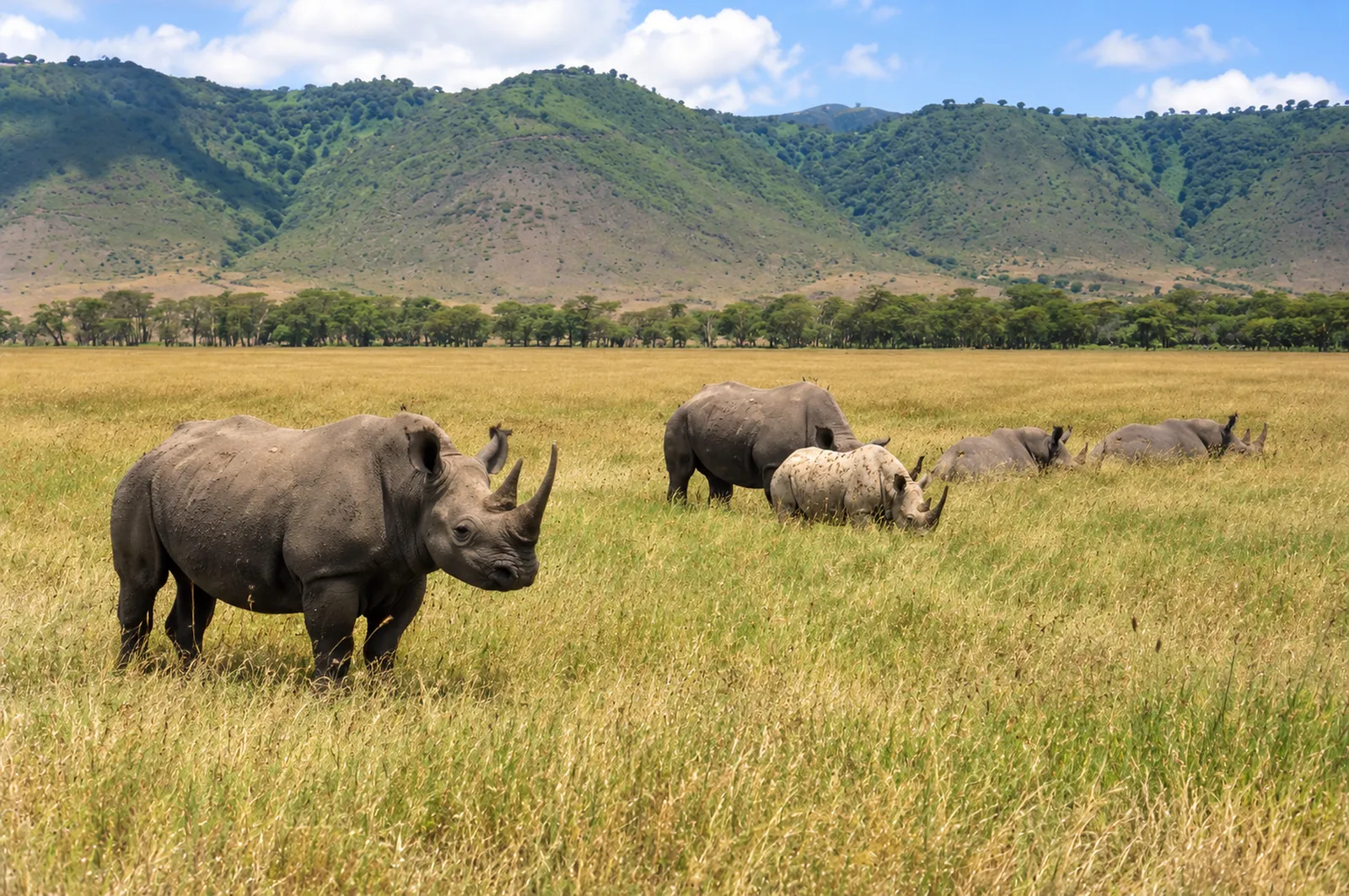
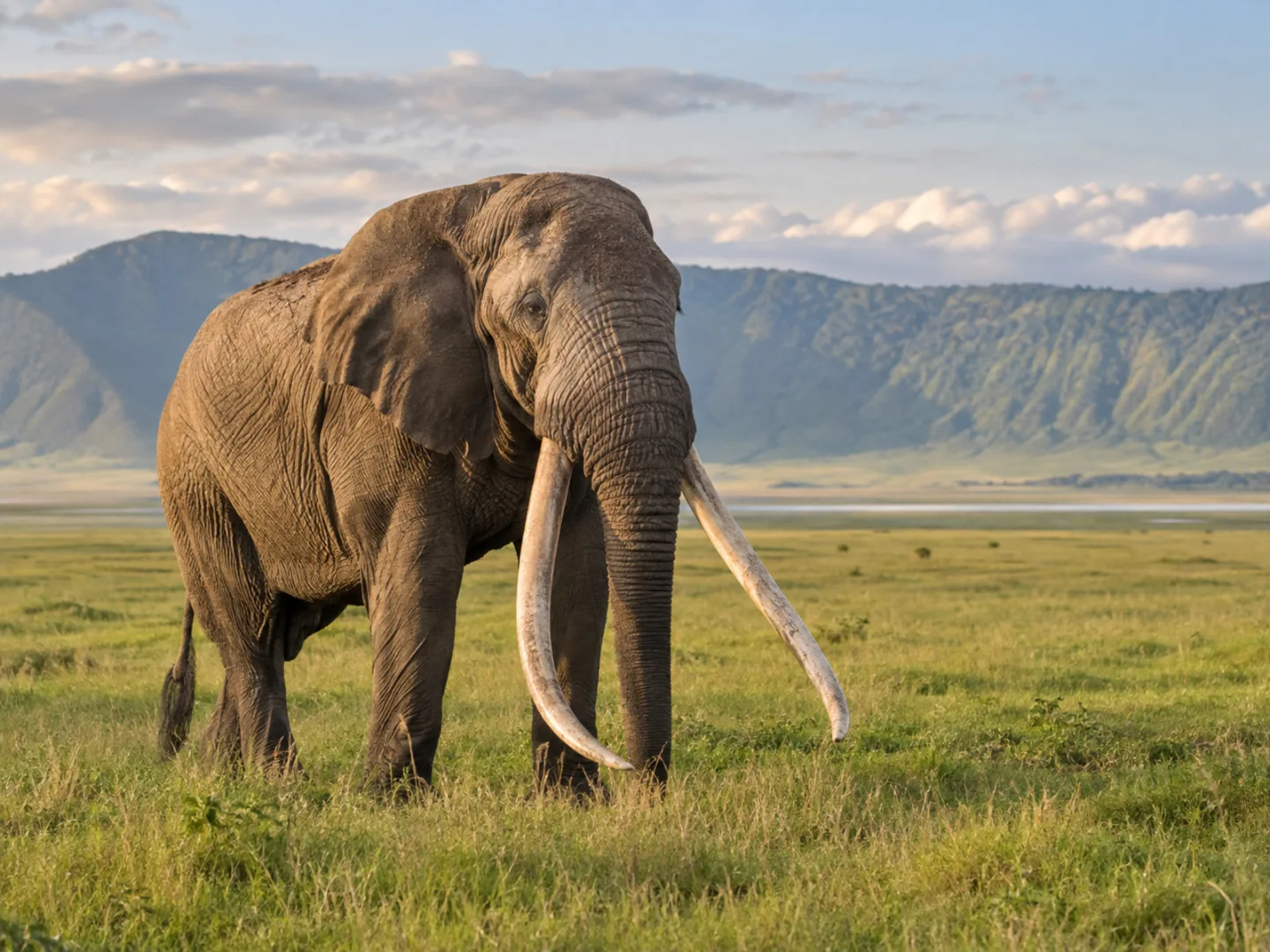
Around 25,000 larger animals share the crater floor: wildebeest, zebras and buffalo on the plains, hippos in the pools, plus lions, hyenas and elephants. This is where the rare black rhino has its best chance in northern Tanzania of being seen. Or rather: where you have yours.
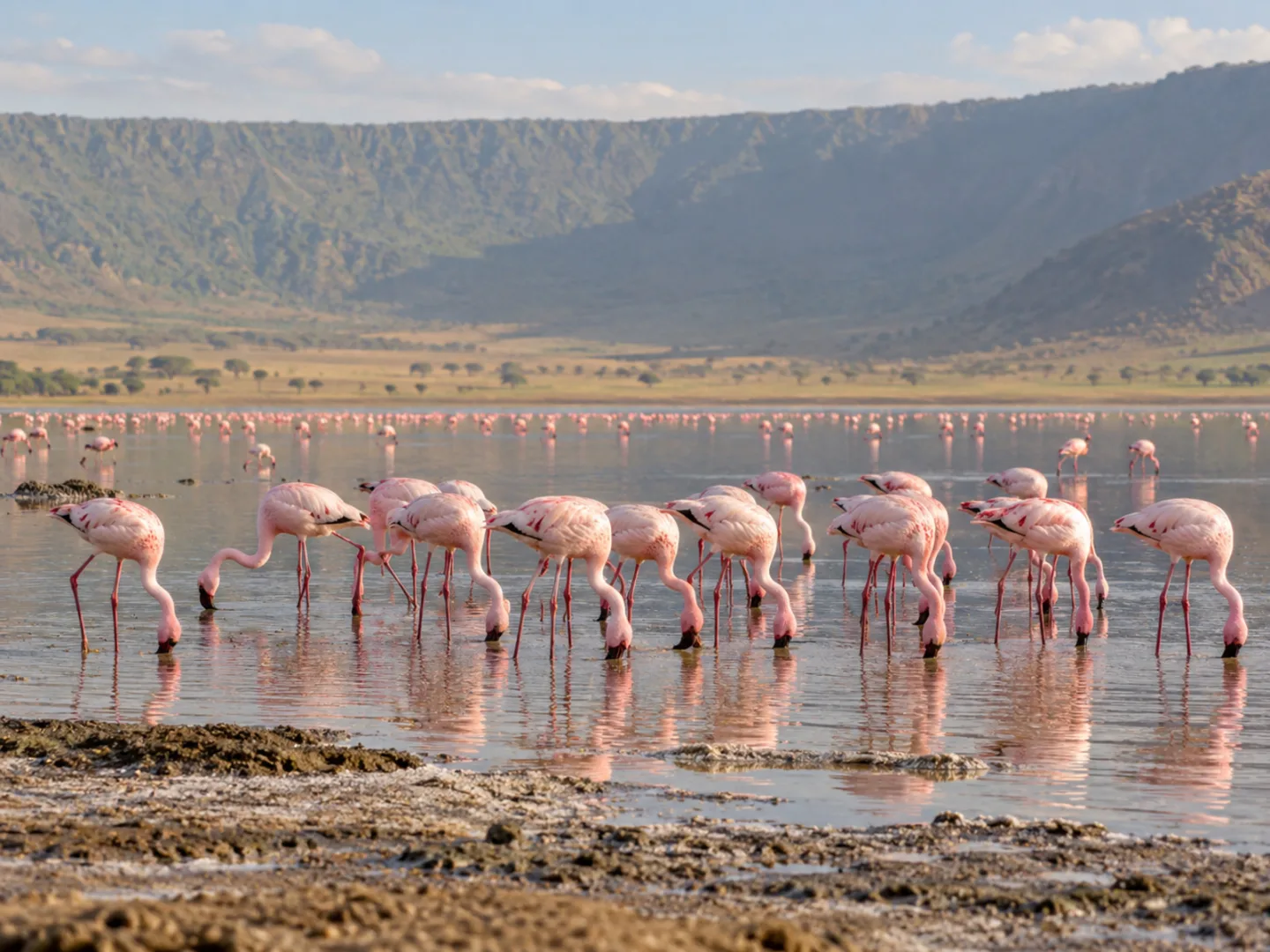
Two things are missing, though. There are no giraffes on the crater floor, probably because of the steep walls and the lack of trees to feed on, and leopards tend to show themselves on the wooded crater rim rather than down in the crater. Bird lovers, on the other hand, can count more than 500 species, and flamingos often stand in the shallow water of Lake Magadi.
A safari day at the crater starts early: game drives are permitted from 7 a.m. to 6 p.m., and there is most movement down below in the morning. A steep crater road takes you about 500 metres down, and a game drive on the floor usually lasts six to eight hours. Nights are spent outside the crater, because all vehicles must leave it before sunset.
In the surrounding area, Olduvai Gorge is worth a visit, one of the most important archaeological sites in human history; its museum documents 3.7-million-year-old footprints from Laetoli. If you wish, you can also visit a Maasai village. The crater is most often combined with the Serengeti, whose centre lies around three and a half hours' drive away.
The crater works all year round, because its animals do not migrate away. The dry months (June to October, late December to February) are the most pleasant, because the tracks are firm and visibility is clear. Most rain falls from March to May. And pack something warm: on the crater rim it can cool down to about 5 °C in the early morning.
The crater is visited on a safari with a 4x4 and a guide; with us, it is private for your travel group.
Entry around 70 to 80 USD per person per day for international visitors, plus a crater descent fee of around 300 USD per vehicle and a vehicle fee from about 40 USD per day. If you stay overnight in the conservation area, a concession fee of about 50 USD per person per night is added (as of August 2026; the authority adjusts its rates regularly). The fees are already included in our quotes.
A day in the Ngorongoro Crater with no overnight stay: down into the crater to the Big Five, privately guided, from Arusha City or with a flight from and to Zanzibar.
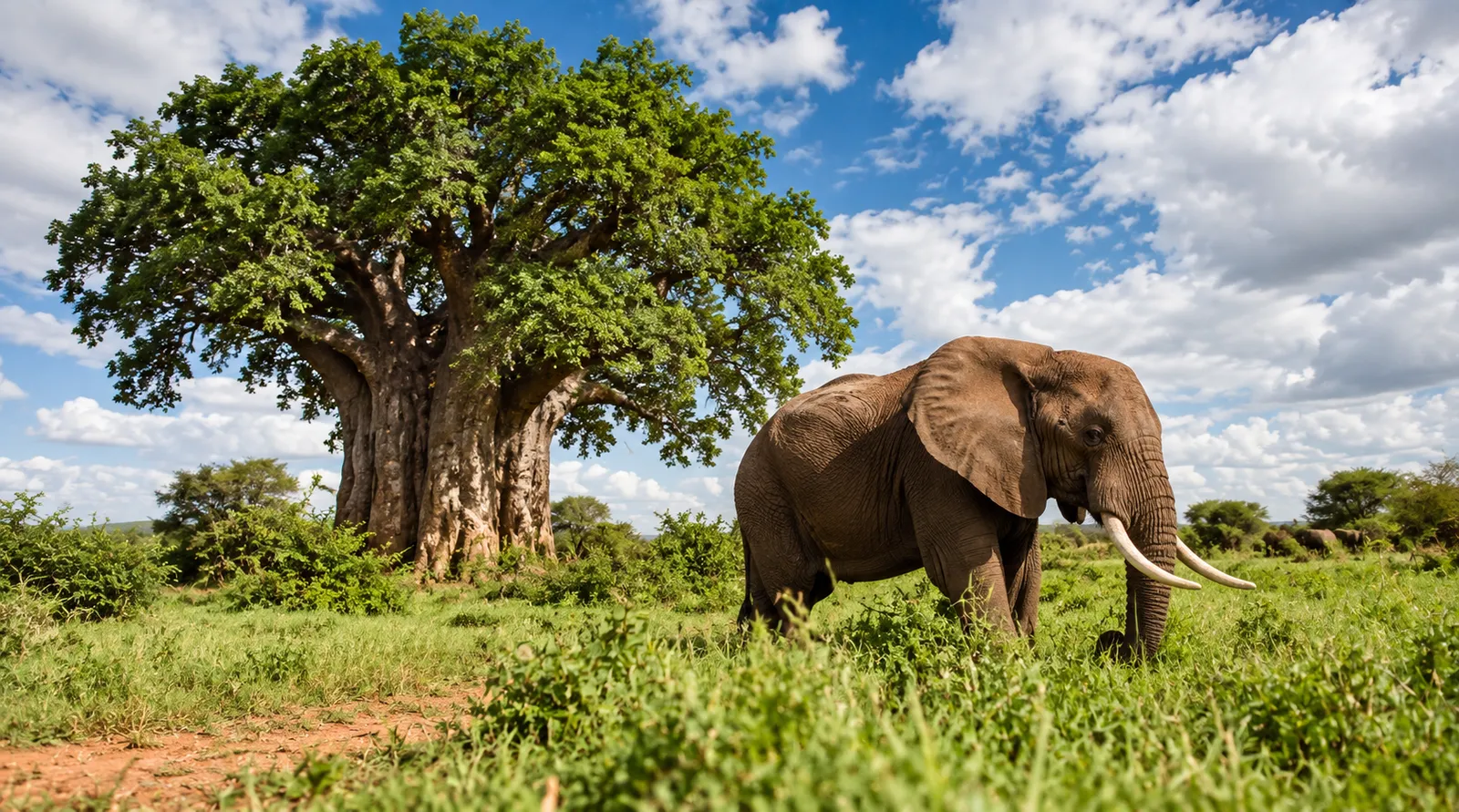
Compact two-day safari from Arusha City: elephants on the Tarangire River, then down to the Big Five in the Ngorongoro Crater. One overnight stay, privately guided.
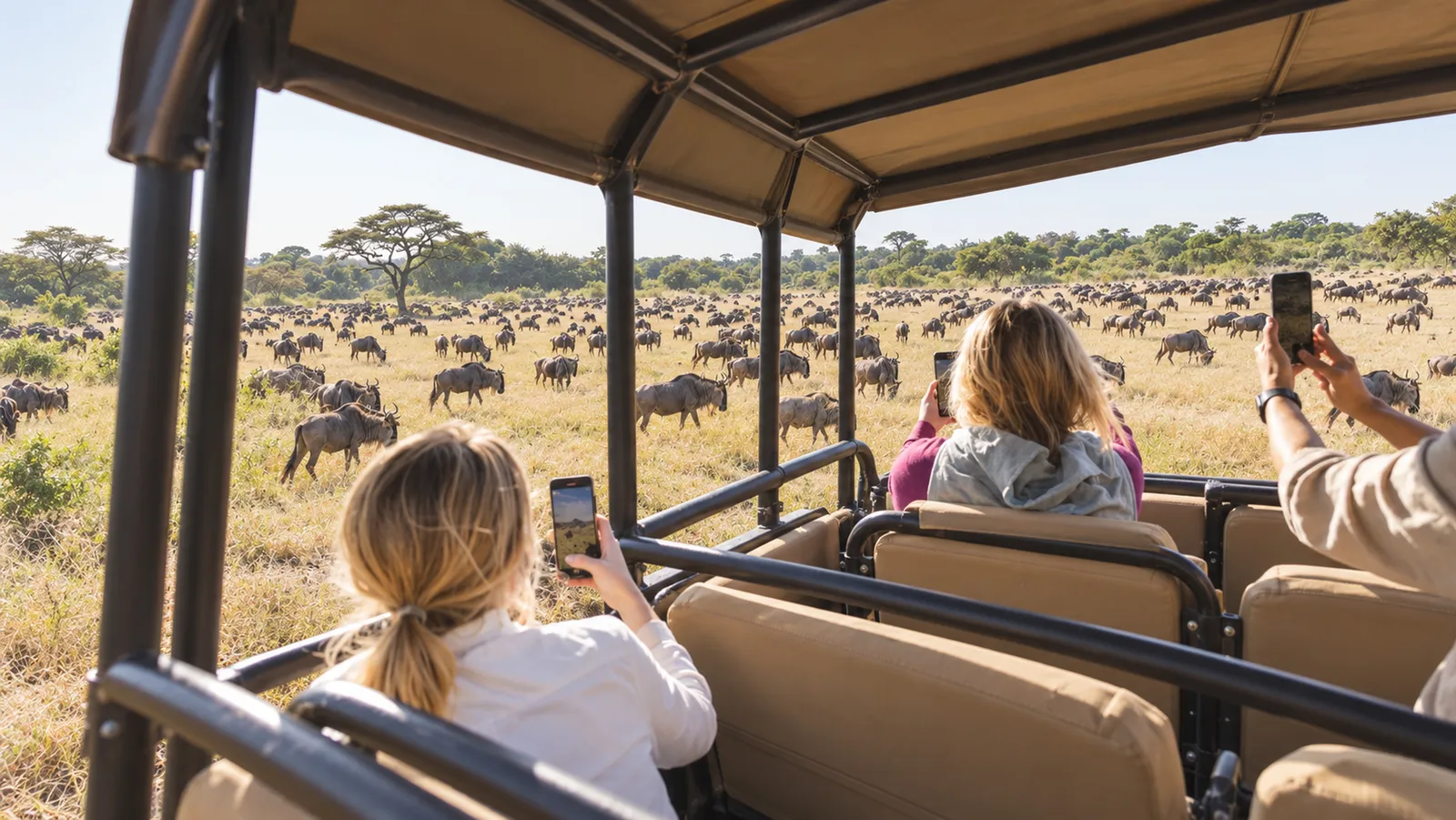
Fly into the Serengeti, return via the Ngorongoro Crater: three safari days with two overnight stays, from Arusha City or Zanzibar.
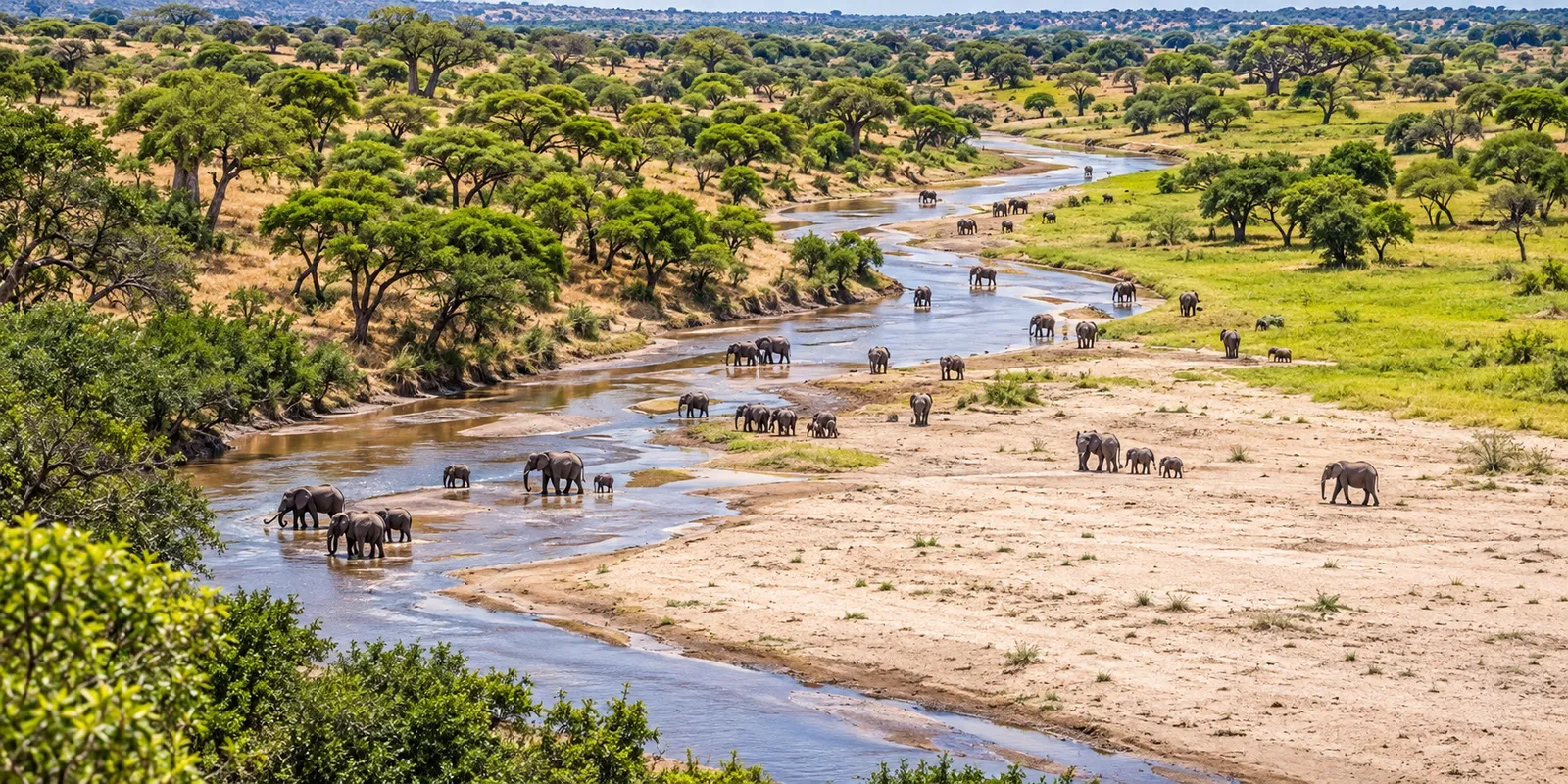
Three days on the northern route from Arusha City: Tarangire, Lake Manyara and the Ngorongoro Crater, with two overnight stays and a Big Five finale.
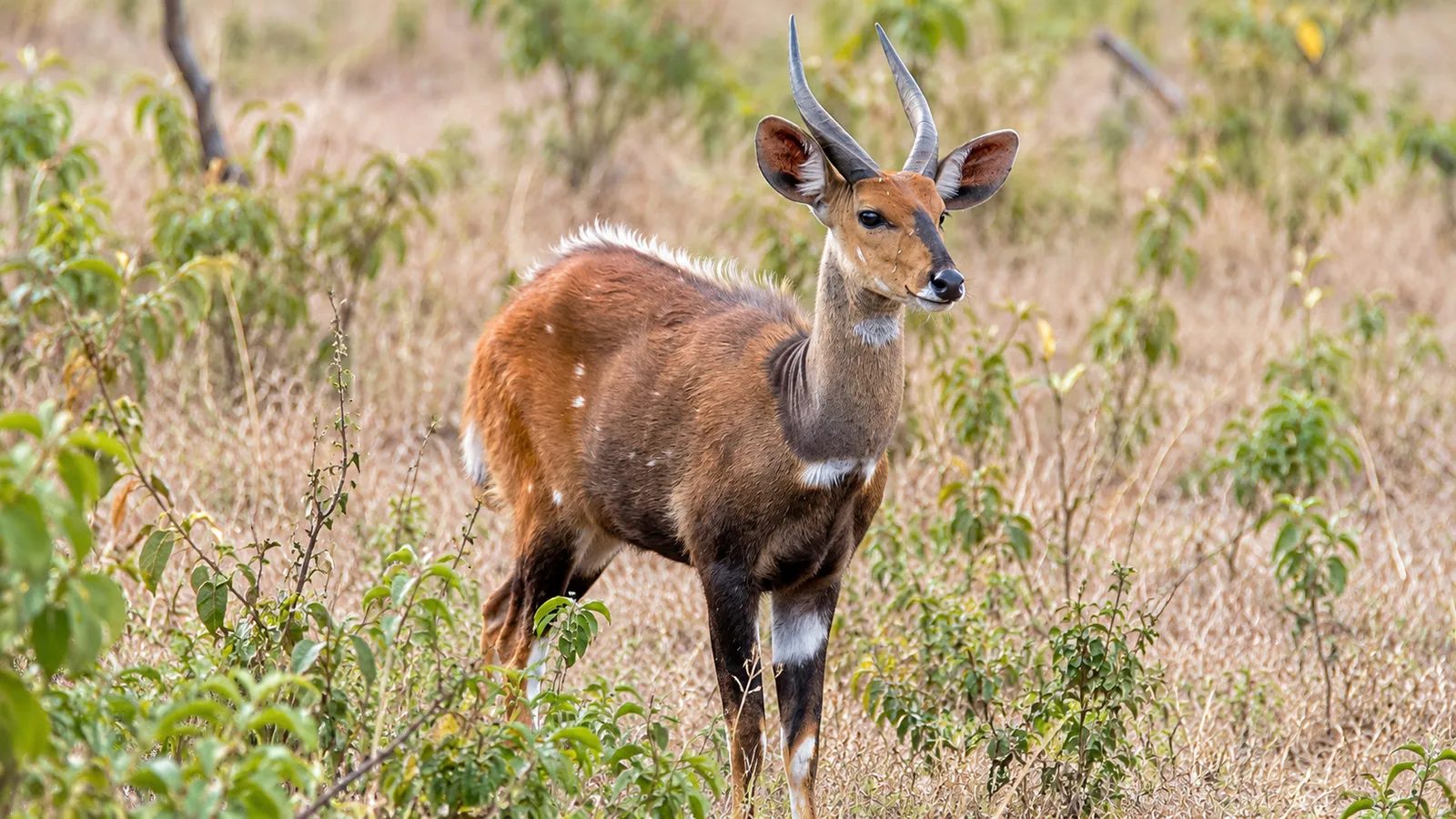
Four days, four parks: from Arusha National Park via Tarangire and Lake Manyara down into the Ngorongoro Crater, with three nights from Arusha City.
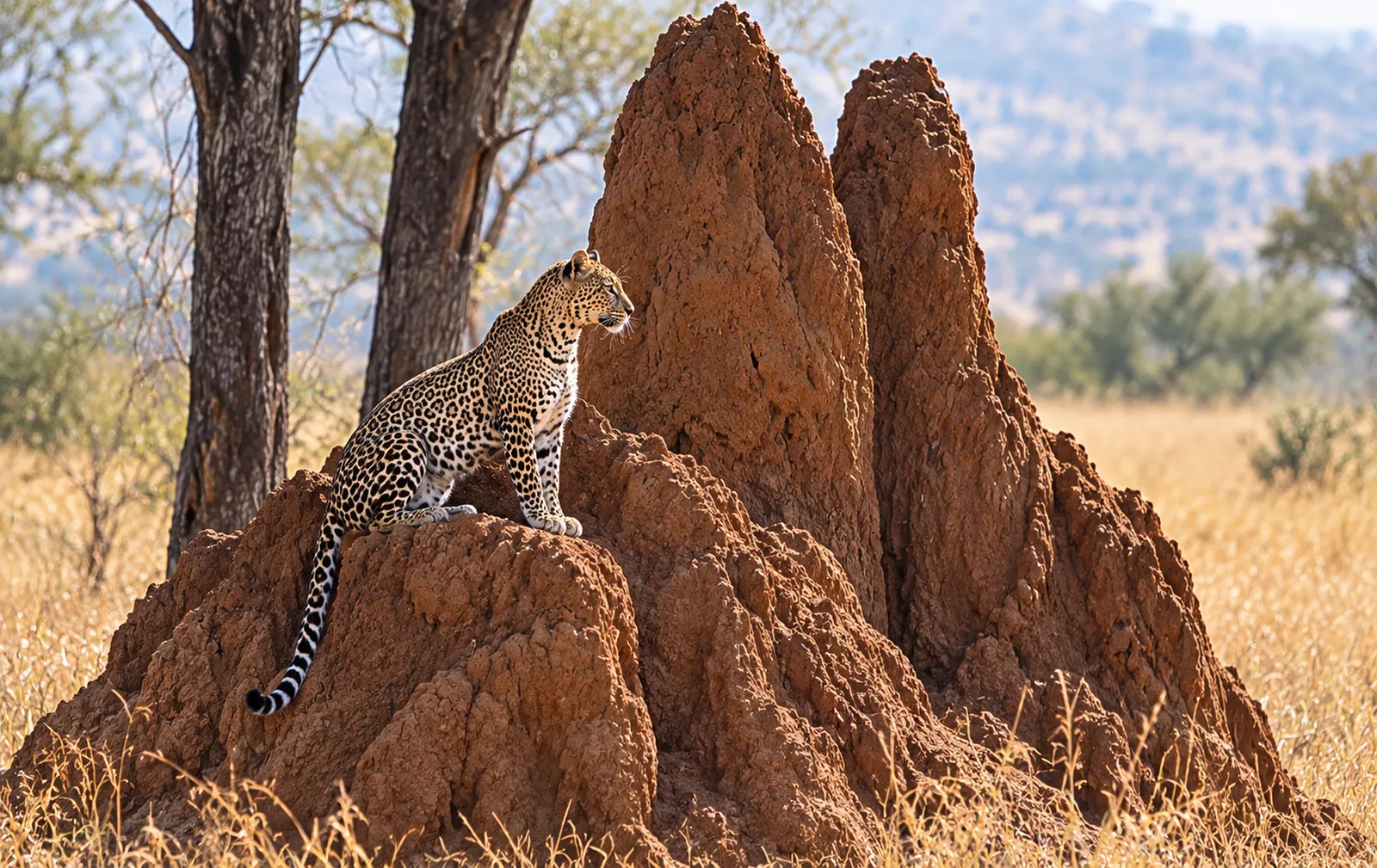
Four days from Arusha City: elephants in Tarangire, two days in the central Serengeti and finally the Ngorongoro Crater. Three nights, privately guided.
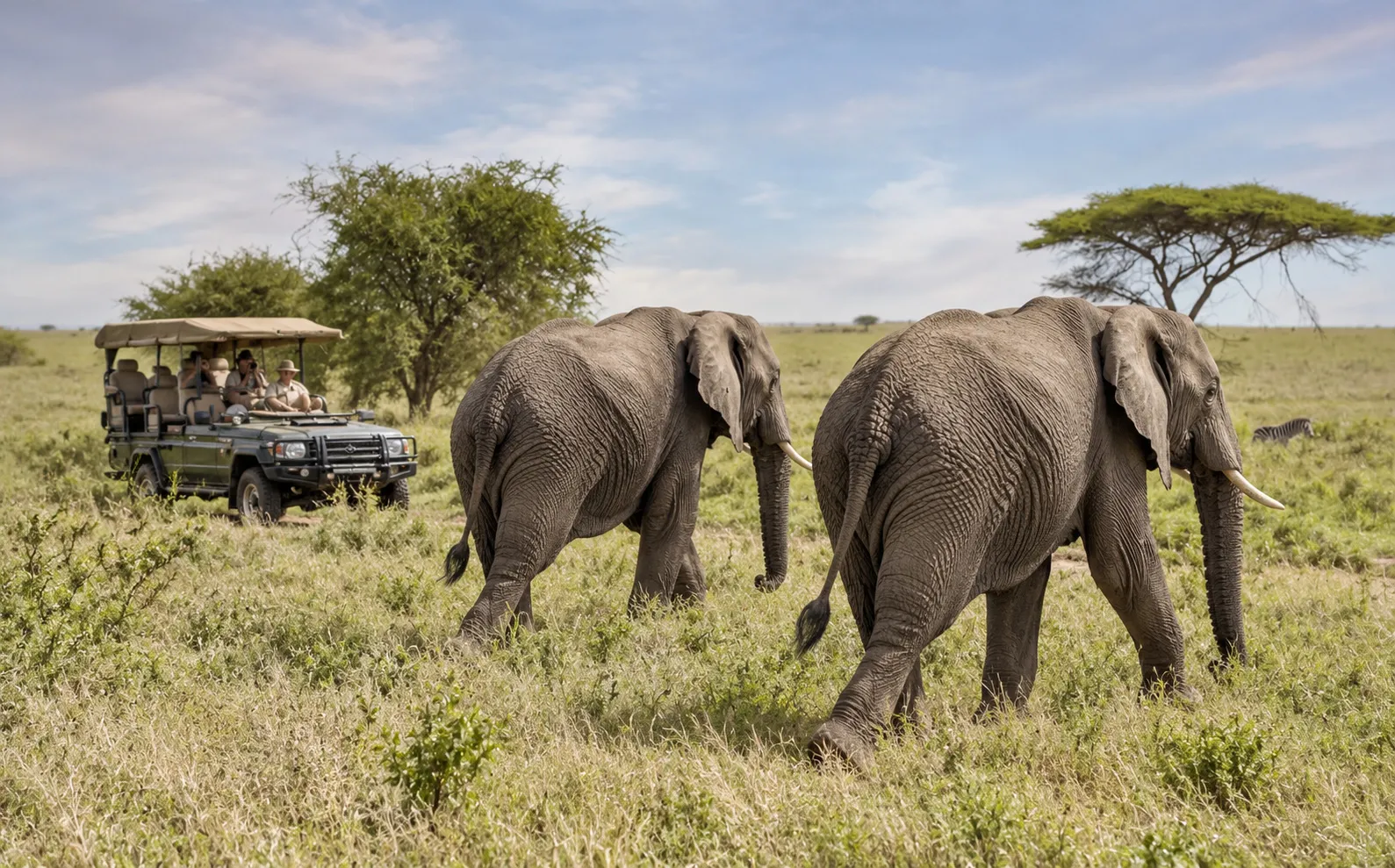
The great northern circuit in five days: from Tarangire via Lake Manyara into the Serengeti and finally down into the crater. Four nights, privately guided.
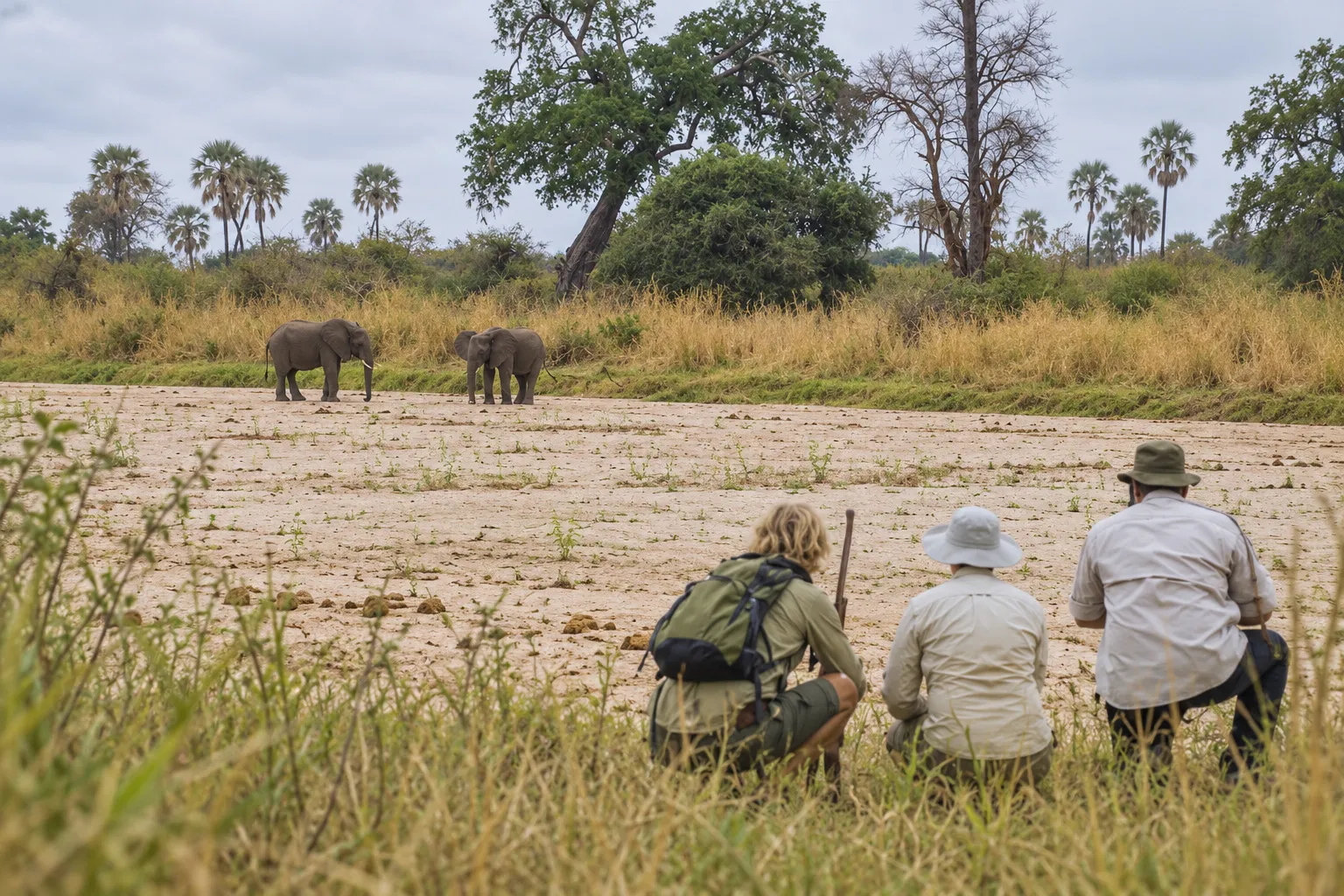
Five travel days, three of them in the Serengeti: a start in Tarangire, a finish in the Ngorongoro Crater, four nights from Arusha City.
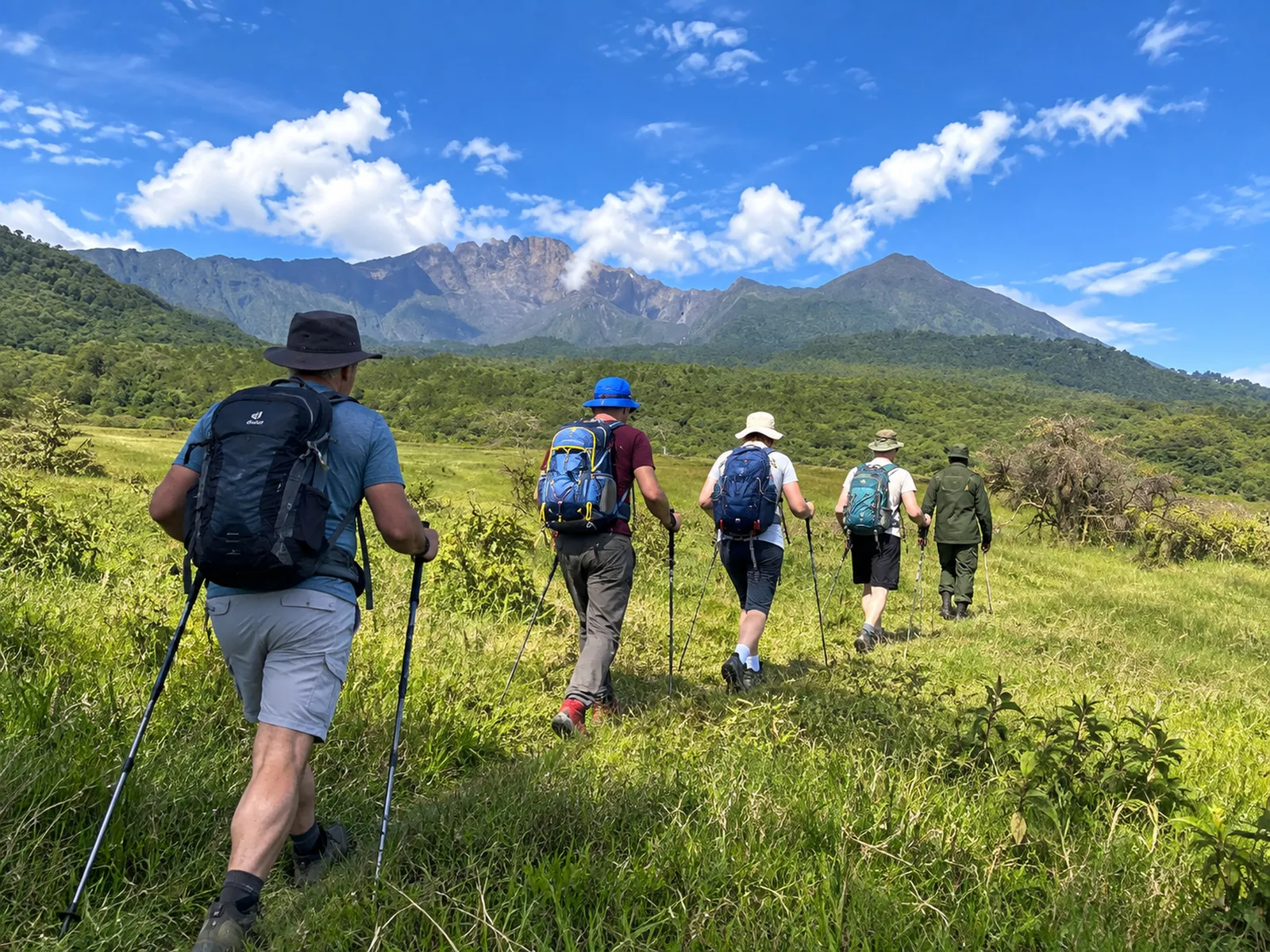
Six days right across the north, from the Momella Lakes to the crater floor, with two full days in the Serengeti and five nights.
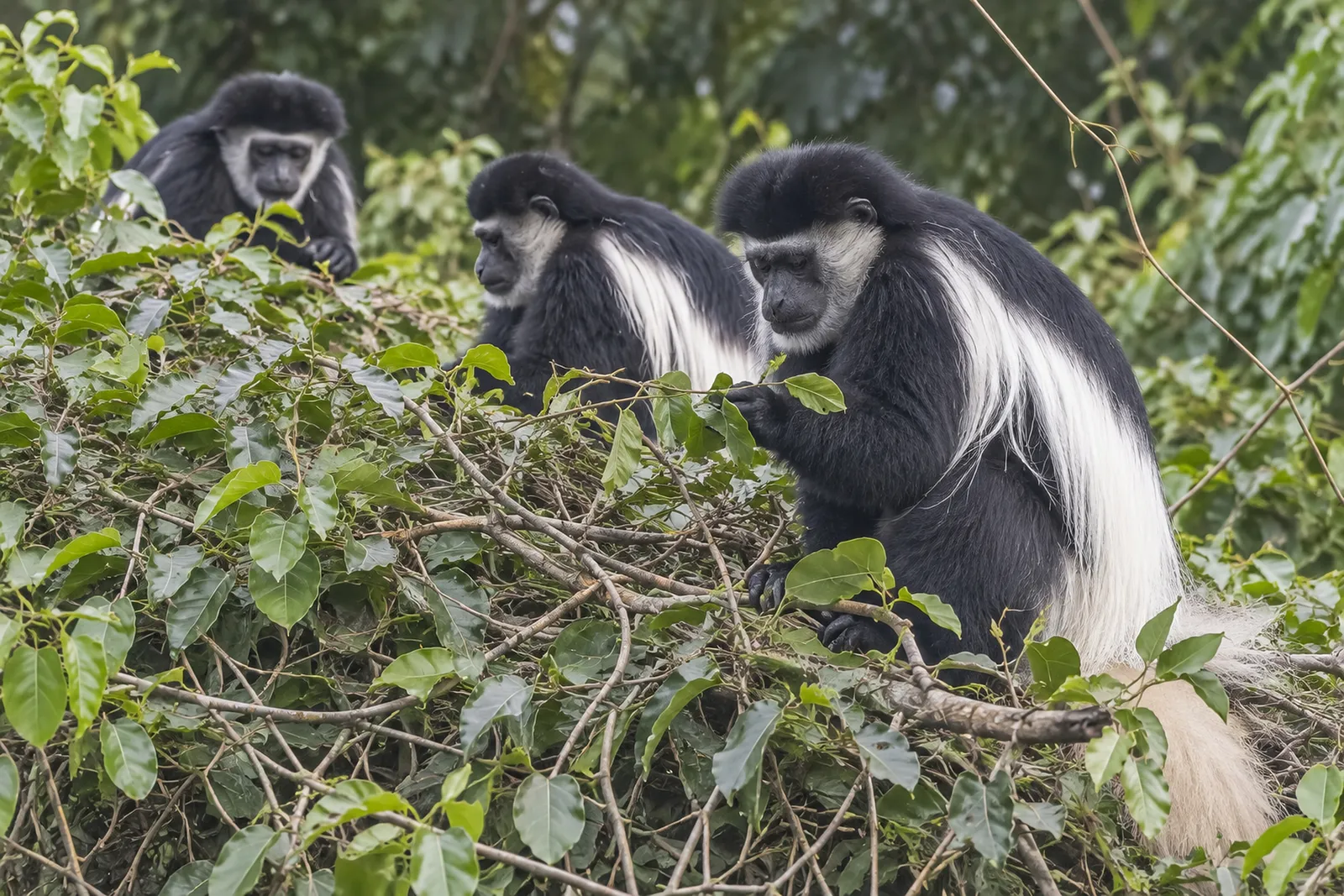
Six days with the focus on the Serengeti: three days in a row in the park, framed by Arusha National Park, Tarangire and the Ngorongoro Crater.
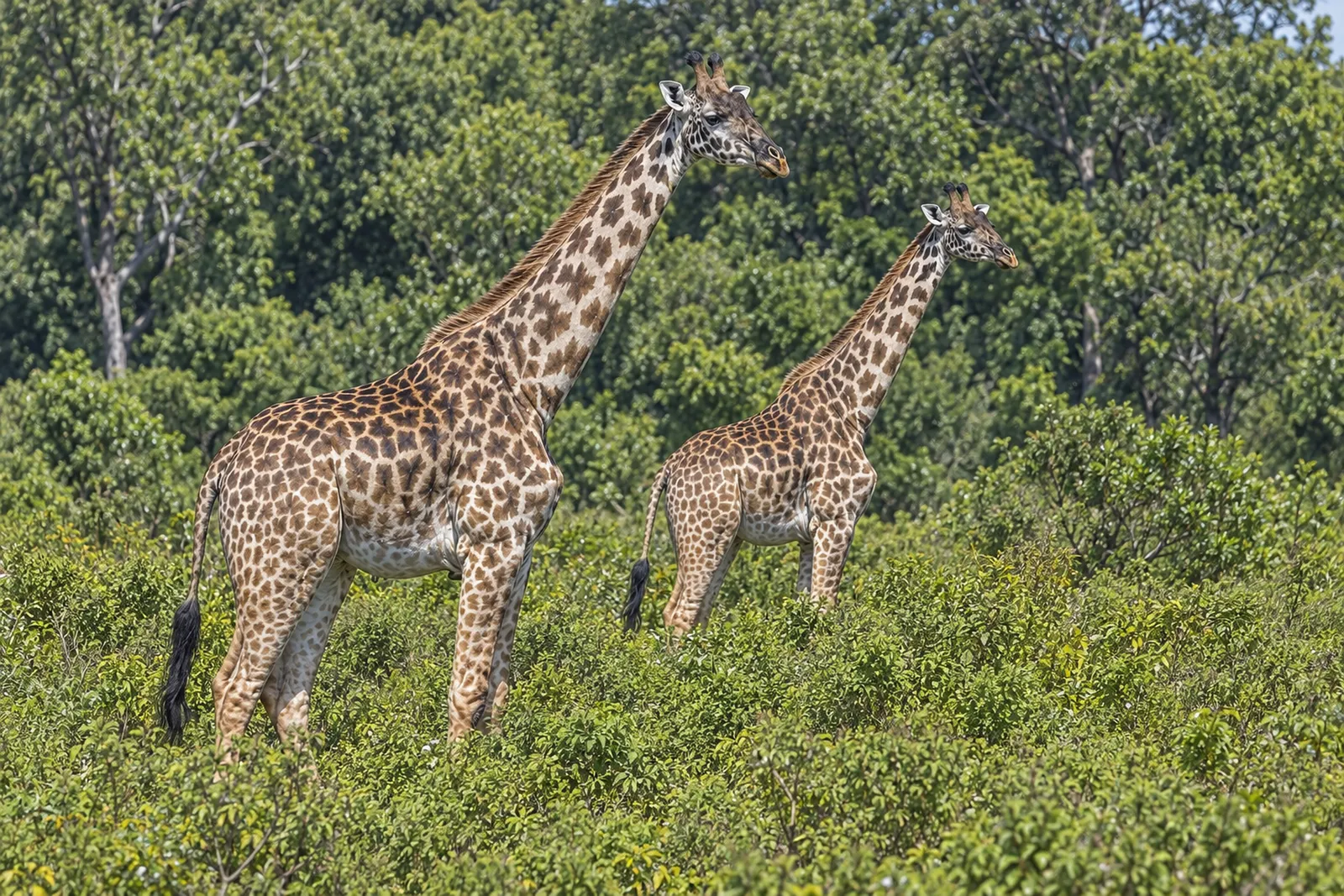
Seven days, the whole of the north: first Arusha National Park, Tarangire and Manyara, then three Serengeti days, and finally the crater.
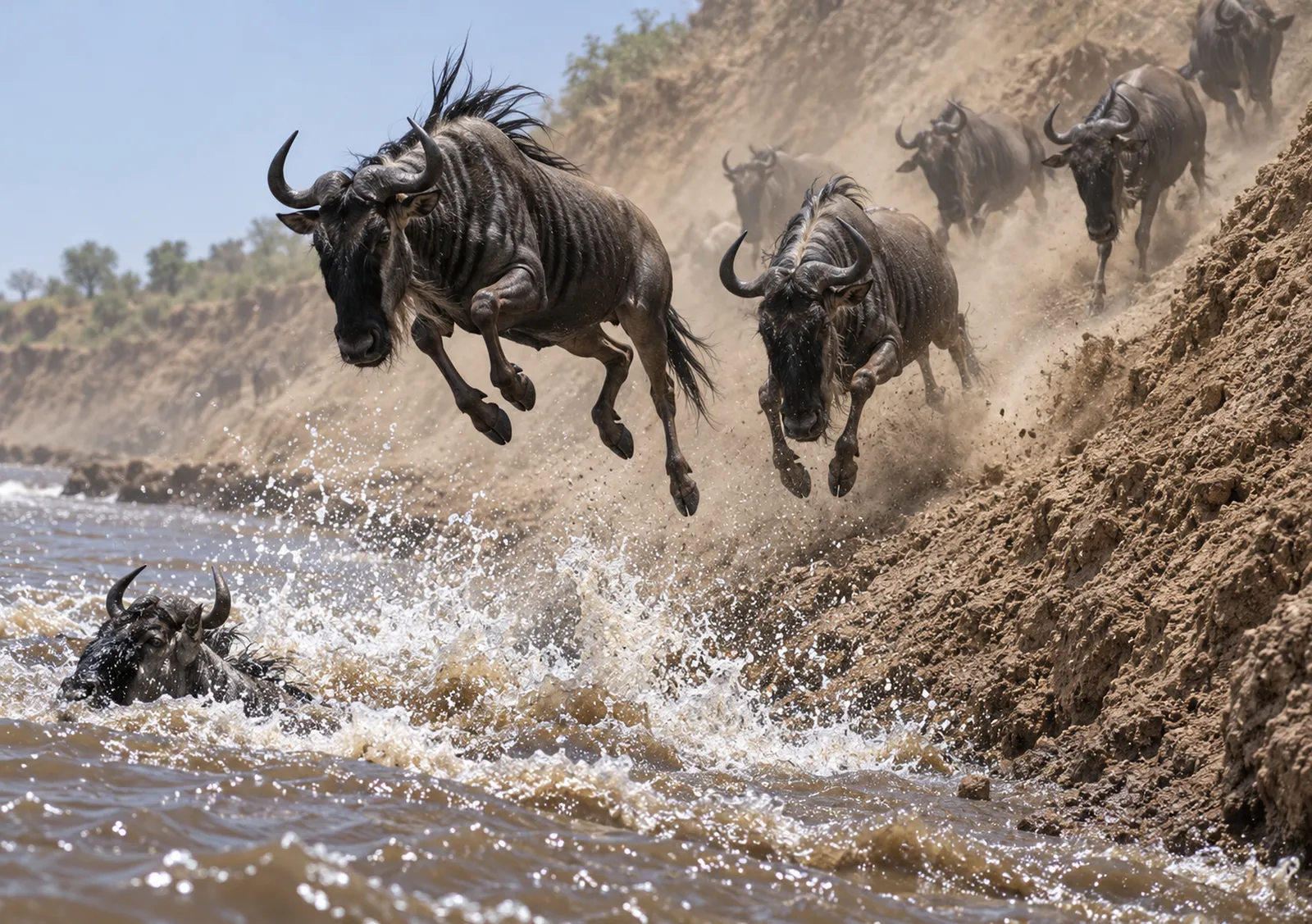
Seven days, Serengeti first: fly in, stay three days, then back via the crater, Manyara and Tarangire all the way to Arusha National Park.
We put your route together — free of obligation and in person. We reply the same day, usually faster on WhatsApp.

Prefer to talk? Dominic Dreiner is happy to help.
Alle Preise sind unverbindliche Richtpreise pro Person bei zwei gemeinsam reisenden Personen, einschließlich der in der Leistungsübersicht genannten Leistungen und ohne Flüge nach Tansania. Bei größeren Gruppen sinkt der Preis pro Person. Der endgültige Preis richtet sich nach Reisezeitraum, Gruppengröße, gewählten Unterkünften und Verfügbarkeit; er wird Ihnen im individuellen Angebot verbindlich genannt. Angebote sind bis zur abschließenden Verfügbarkeitsprüfung freibleibend. Es gelten unsere AGB.