
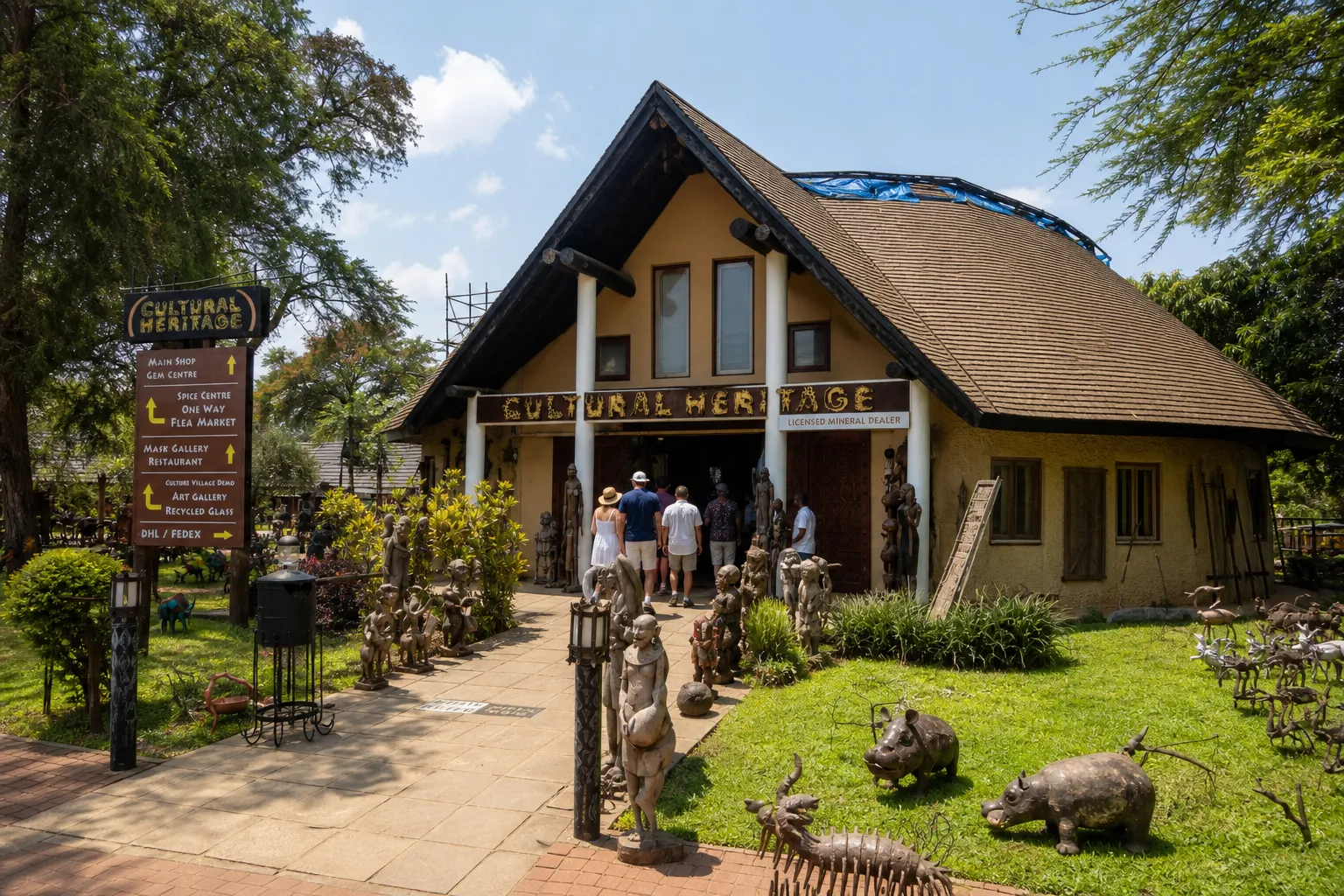
Arusha City Tour
Arusha is the centre of northern Tanzania and the starting point of almost every safari on the northern circuit.
Is a safari all about game drives? Mostly, but not only. In between there is room for a balloon flight at sunrise, a market visit, a walk with a ranger or an afternoon on a spice farm. Filter by destination and tell us what appeals to you: we will plan the activity at the right point in your route.
Arusha is the centre of northern Tanzania and the starting point of almost every safari on the northern circuit.
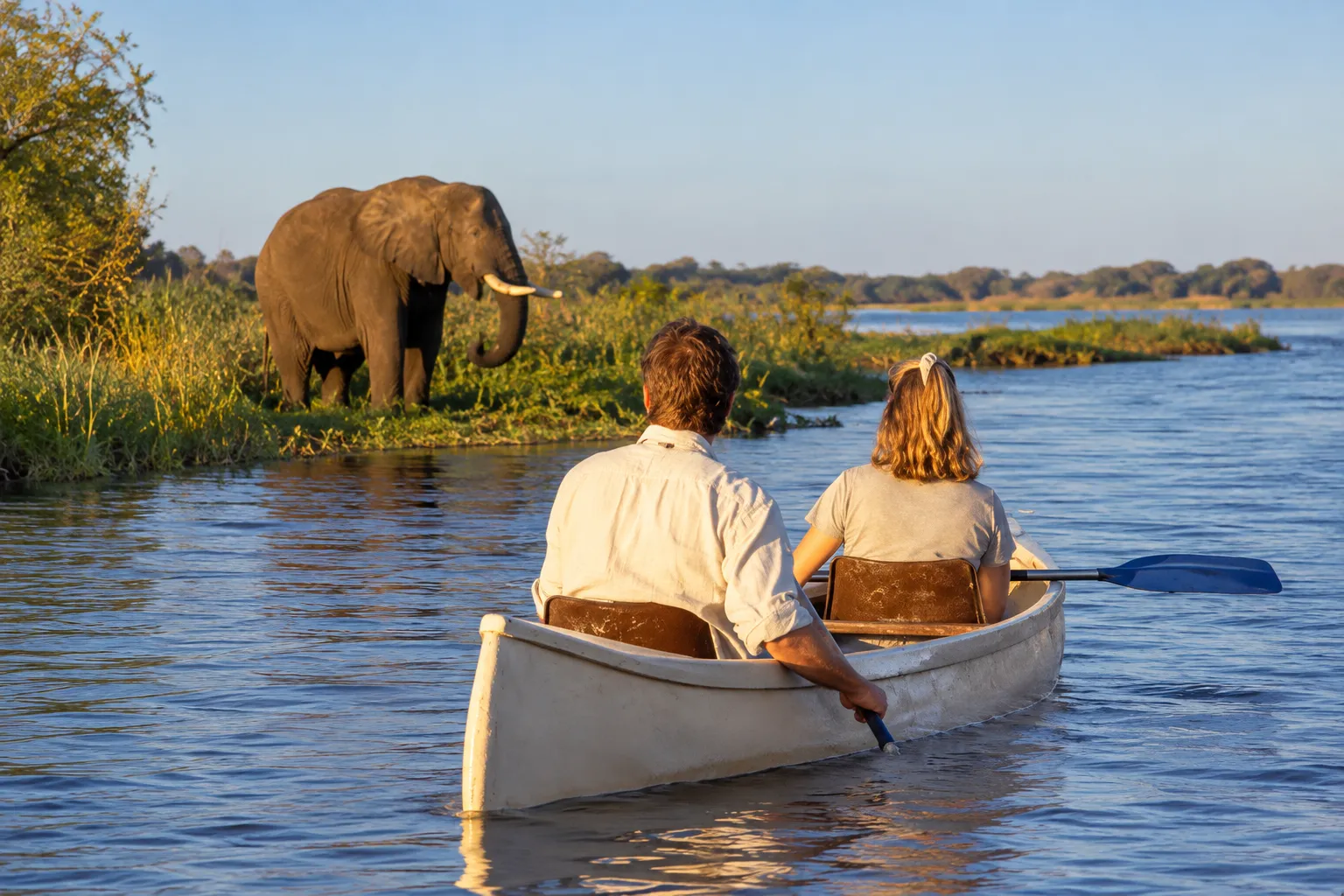
Lake Manyara National Park lies at the foot of the East African Rift; its alkaline soda lake takes up around two thirds of the park's area.
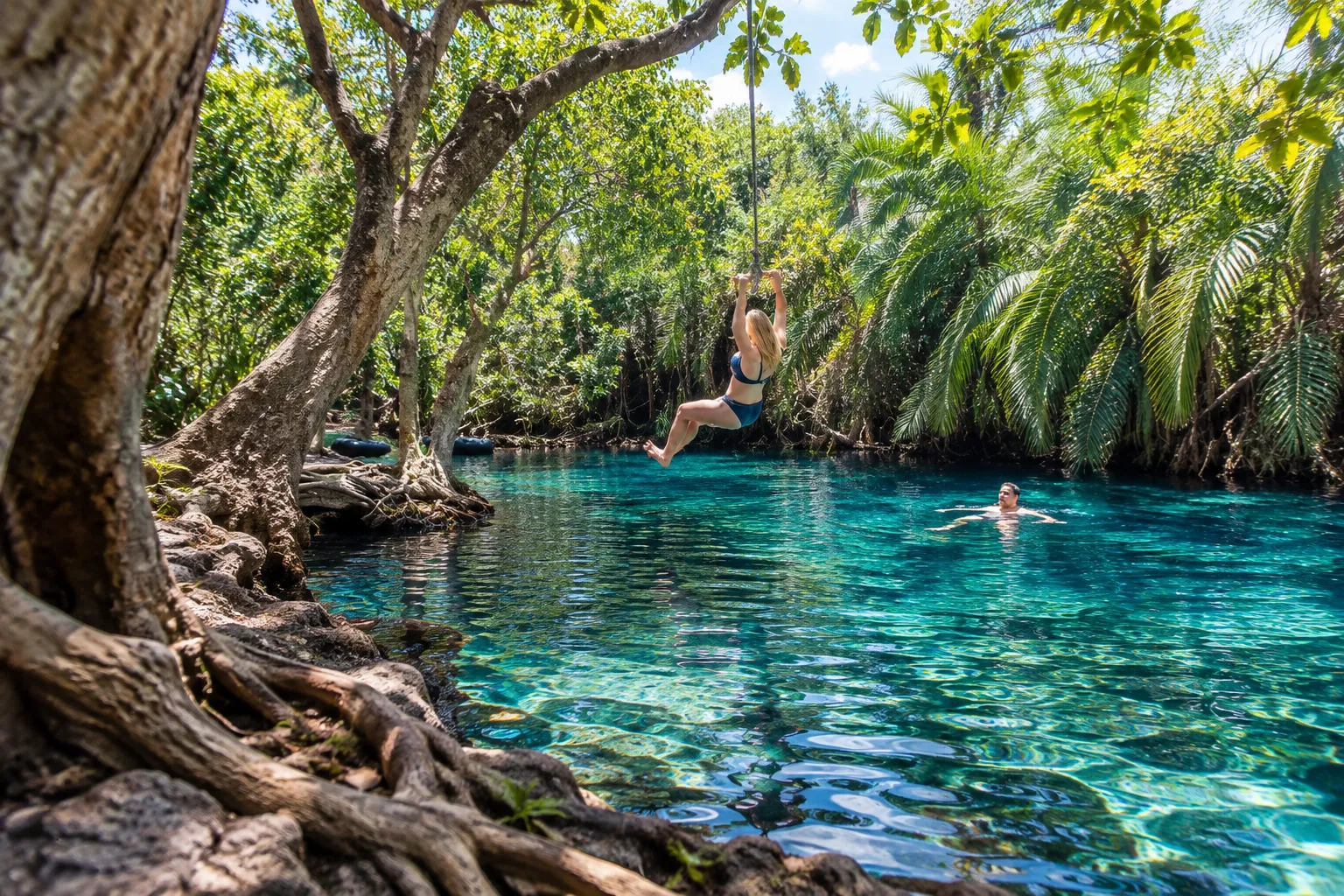
Chemka Hot Springs, also known as Kikuletwa Hot Springs, are natural spring-fed pools between Arusha and Moshi.
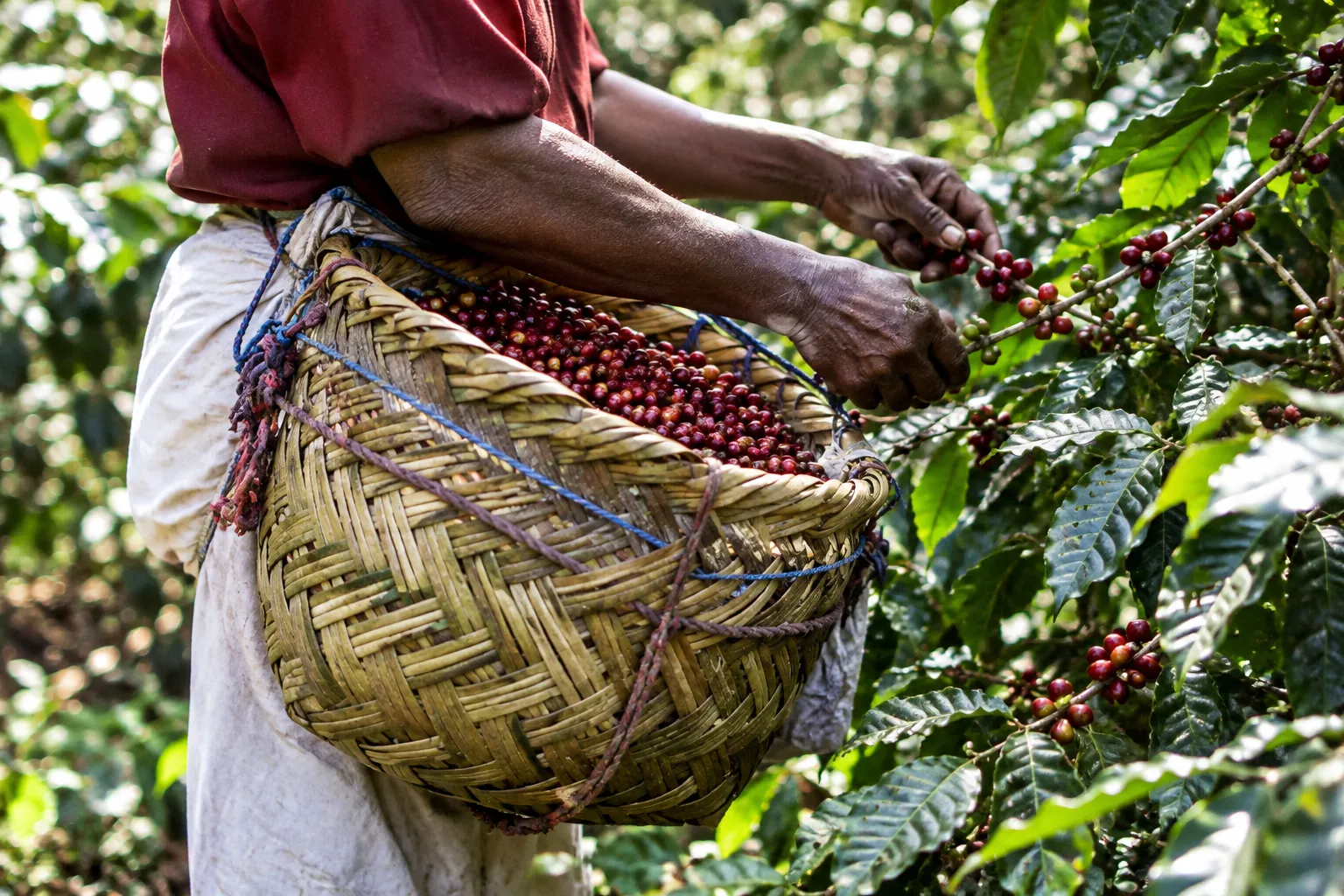
The volcanic soils around Arusha are among Tanzania's long-standing growing areas for Arabica coffee.
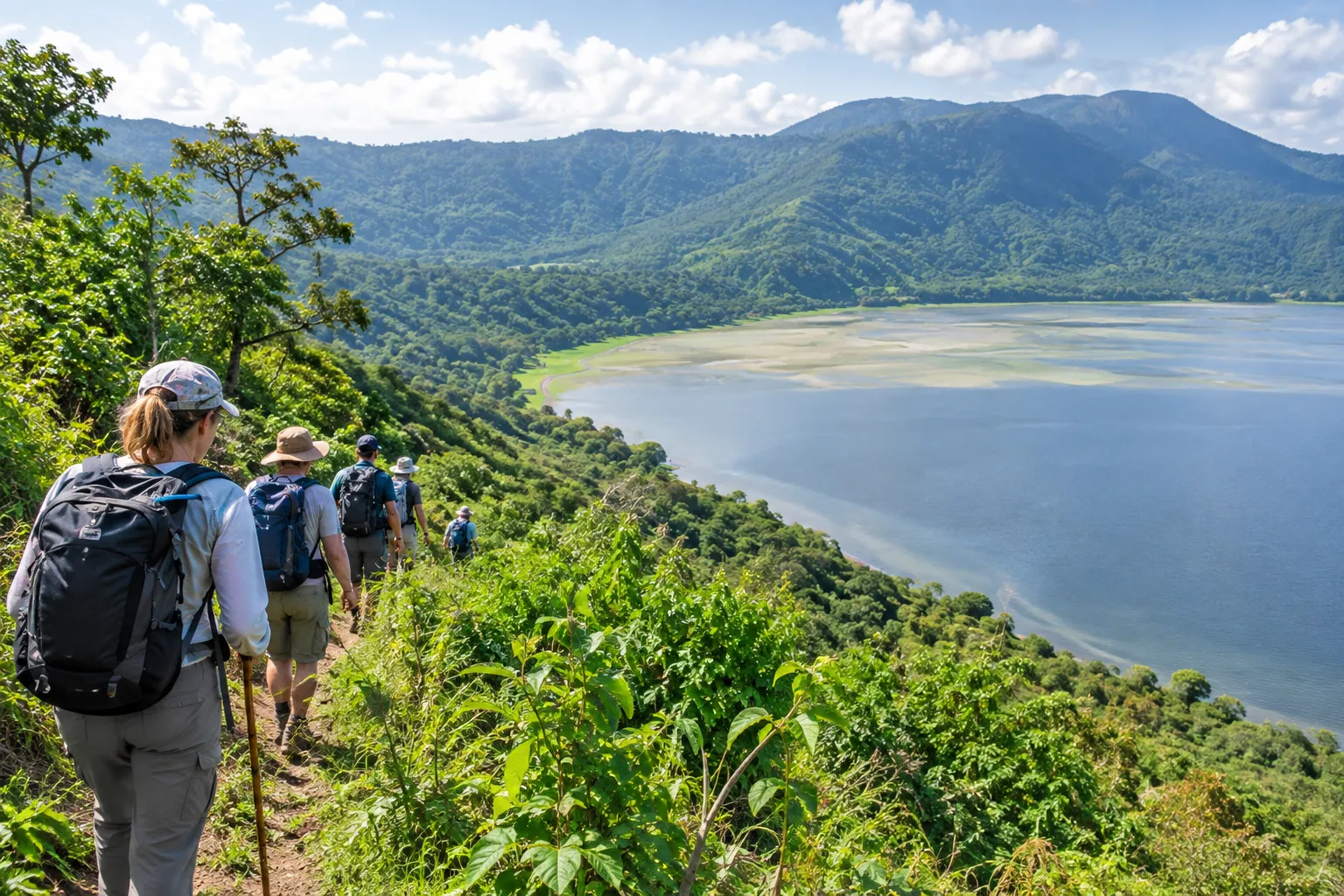
The highlands around the Ngorongoro Crater are made up of several extinct volcanoes with pronounced crater rims; besides the Ngorongoro Crater itself, these …
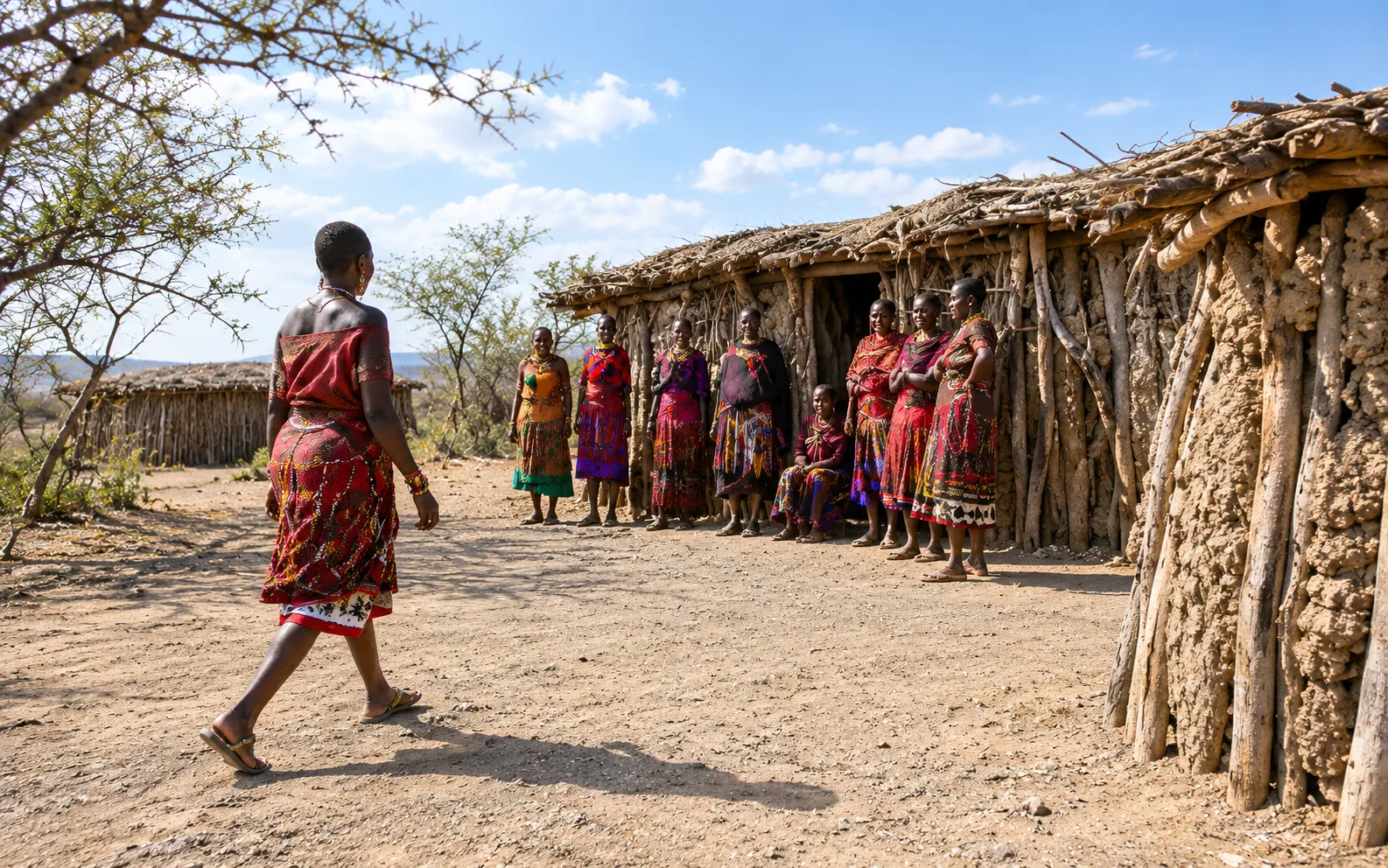
The Datoga are a cattle-herding people who live, among other places, in the area around Lake Eyasi in northern Tanzania.
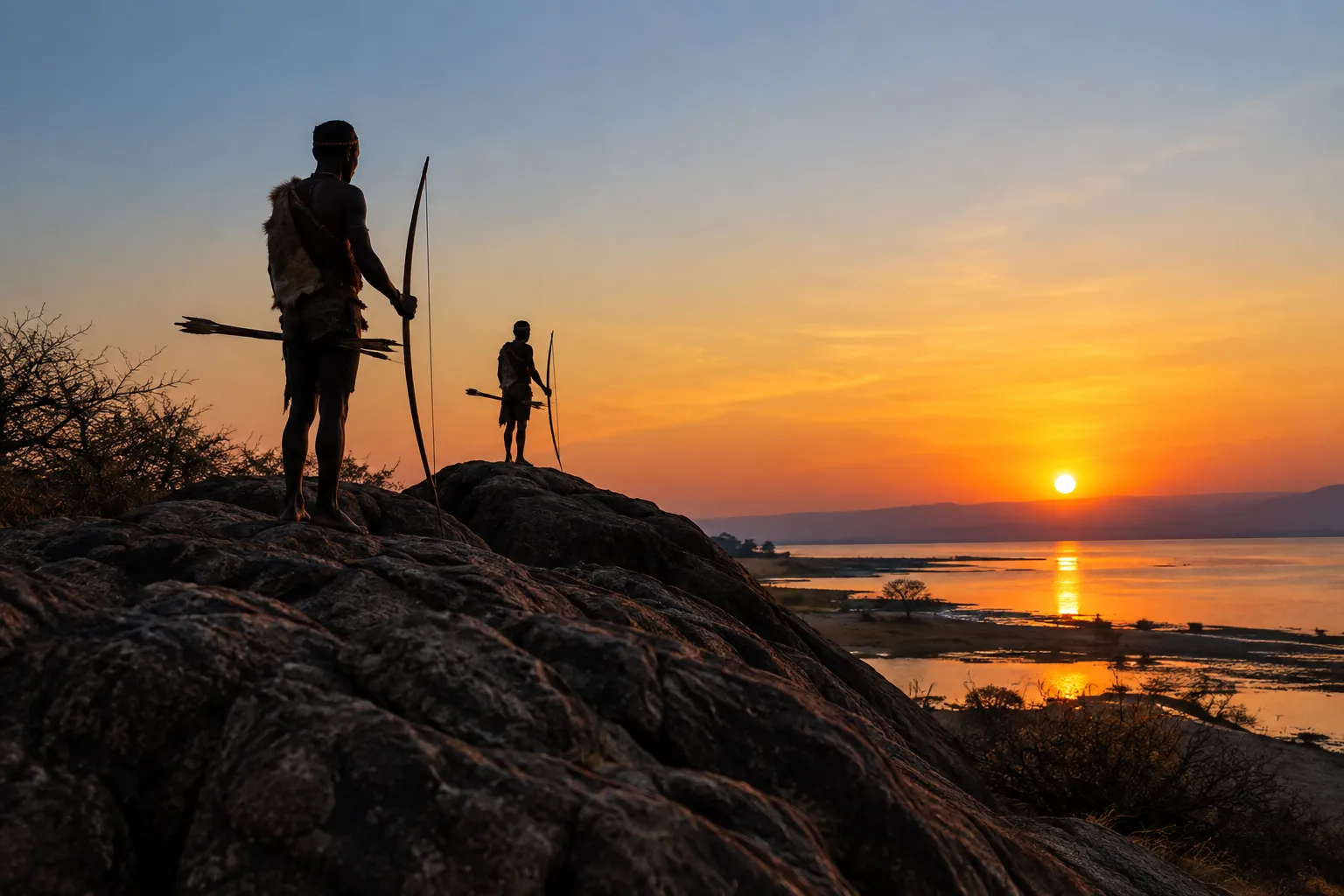
Lake Eyasi is a shallow soda lake south of the Ngorongoro highlands whose water level fluctuates sharply with the rains.
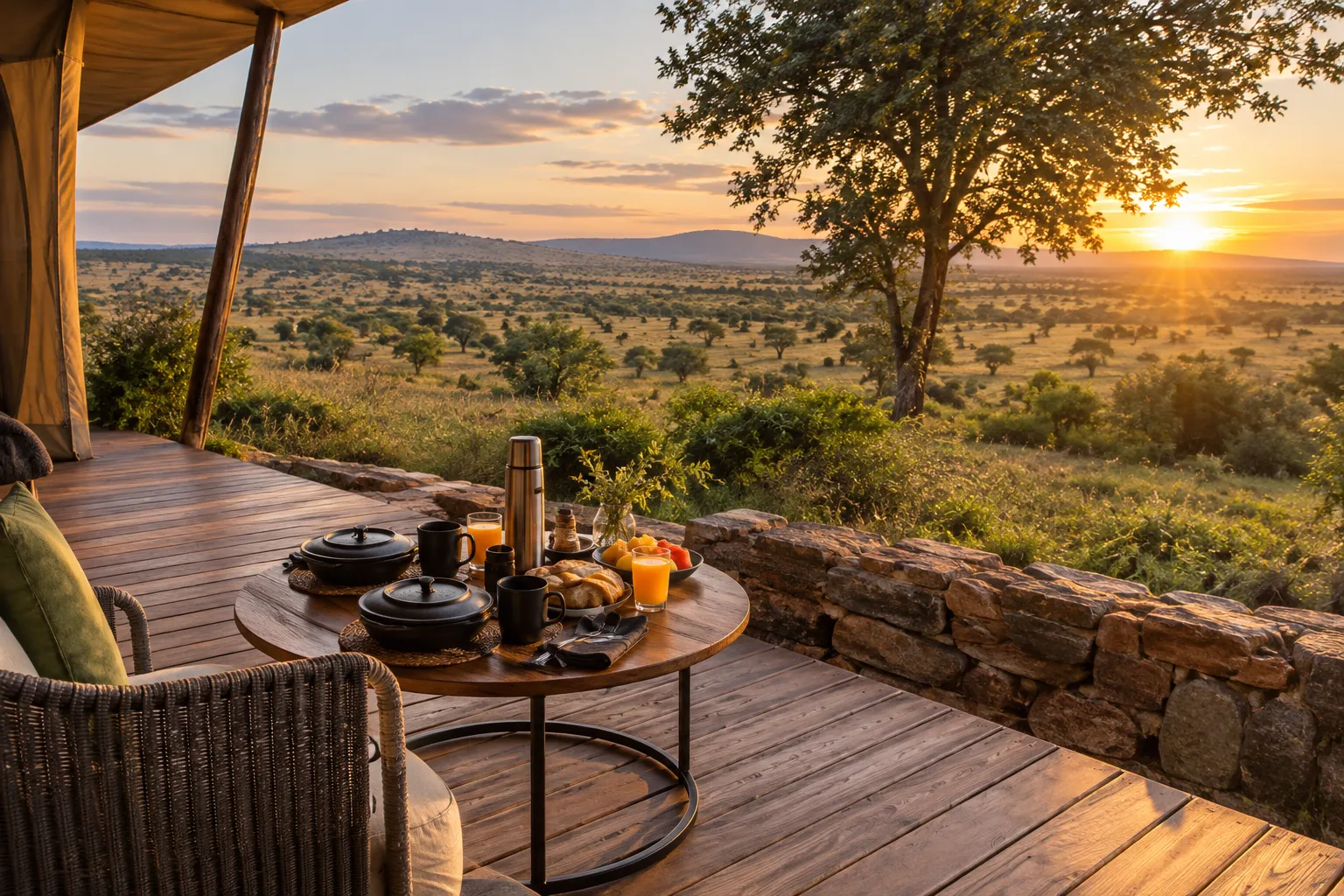
A “bush breakfast” is a common format at upmarket safari lodges in East Africa: breakfast in the open, served out in nature away from the lodge itself.
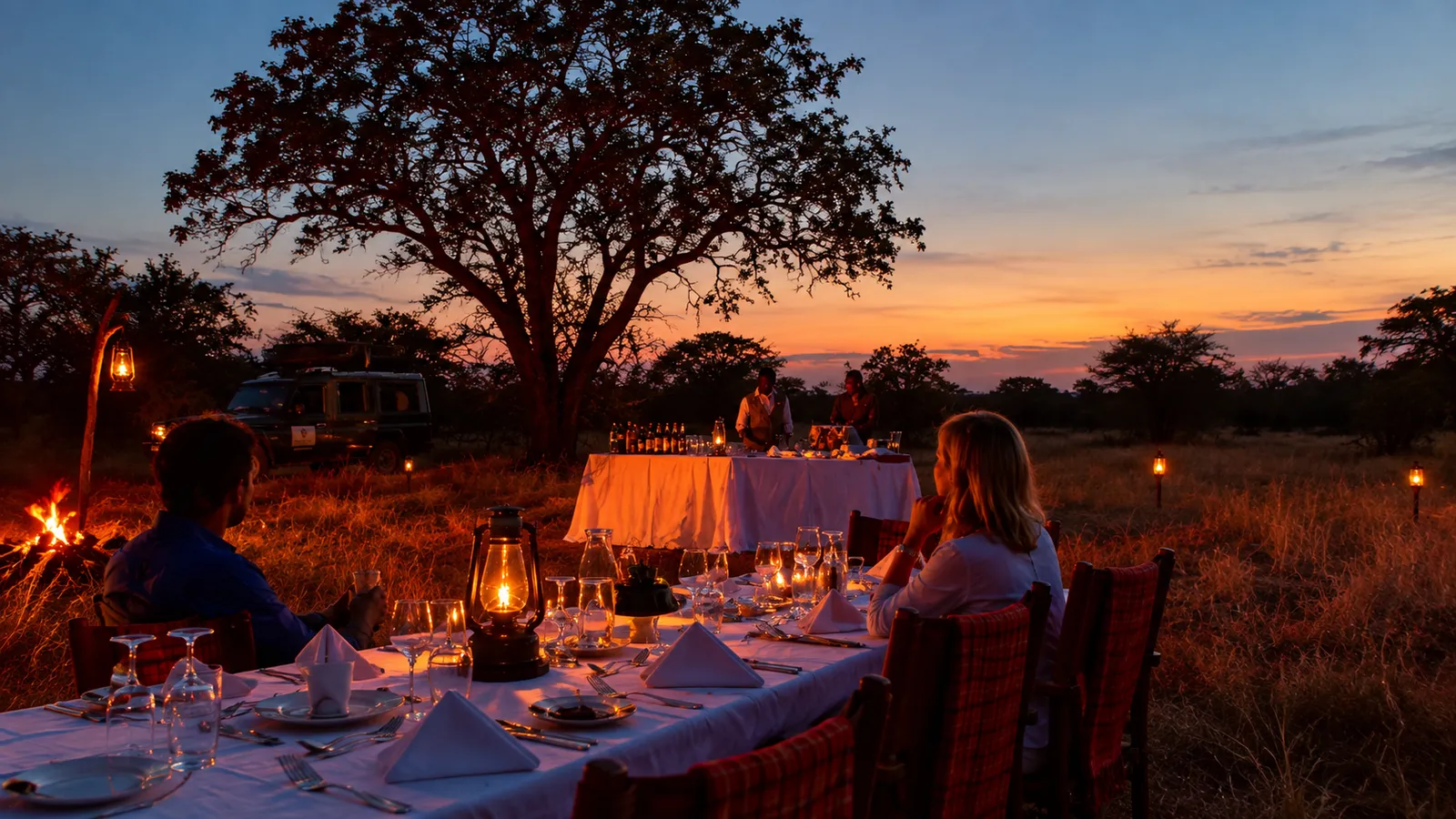
At upmarket safari lodges, a “bush dinner” means dinner in the open air, often staged with a campfire or paper lanterns.
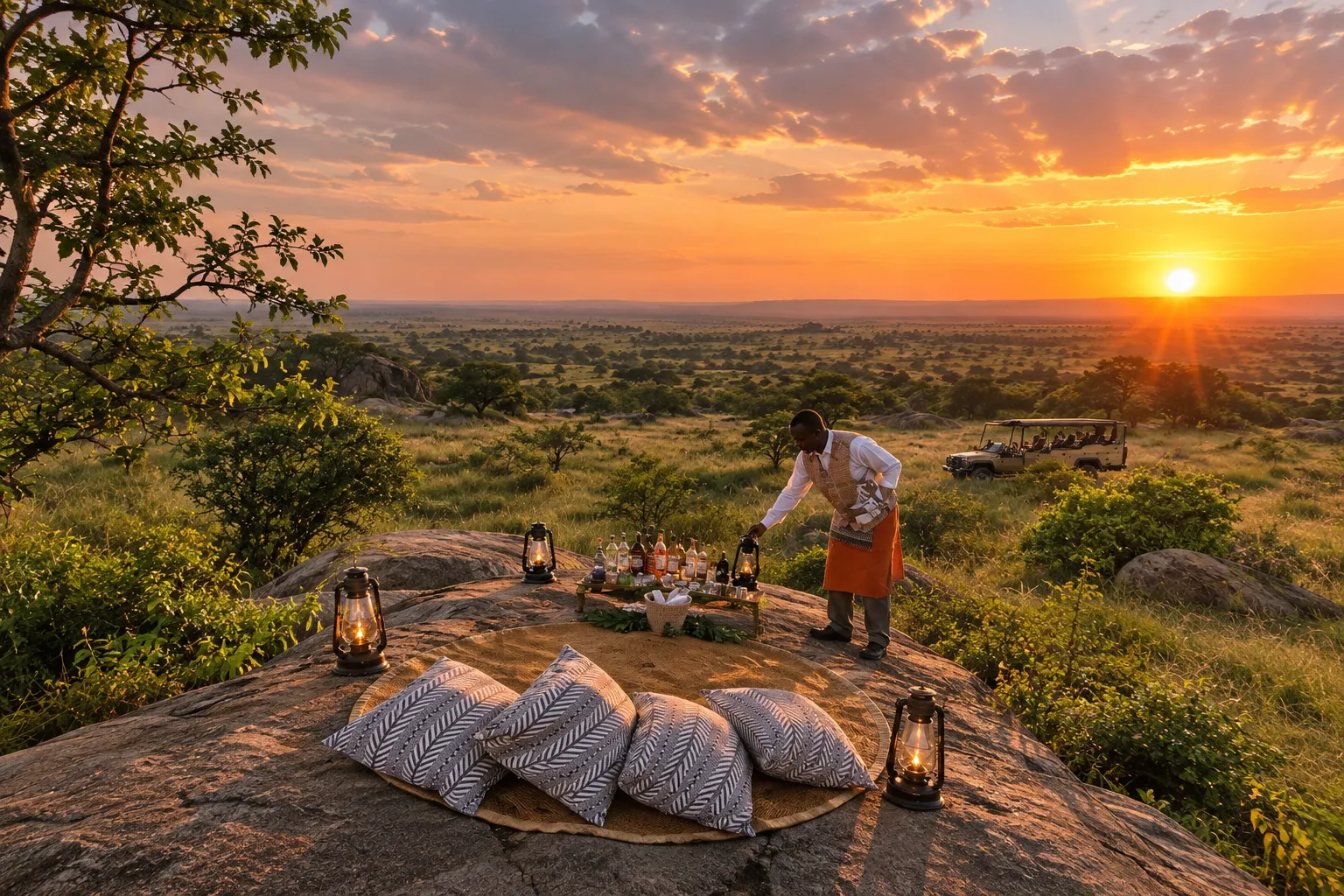
“Mwamba” is Swahili for rock or reef.
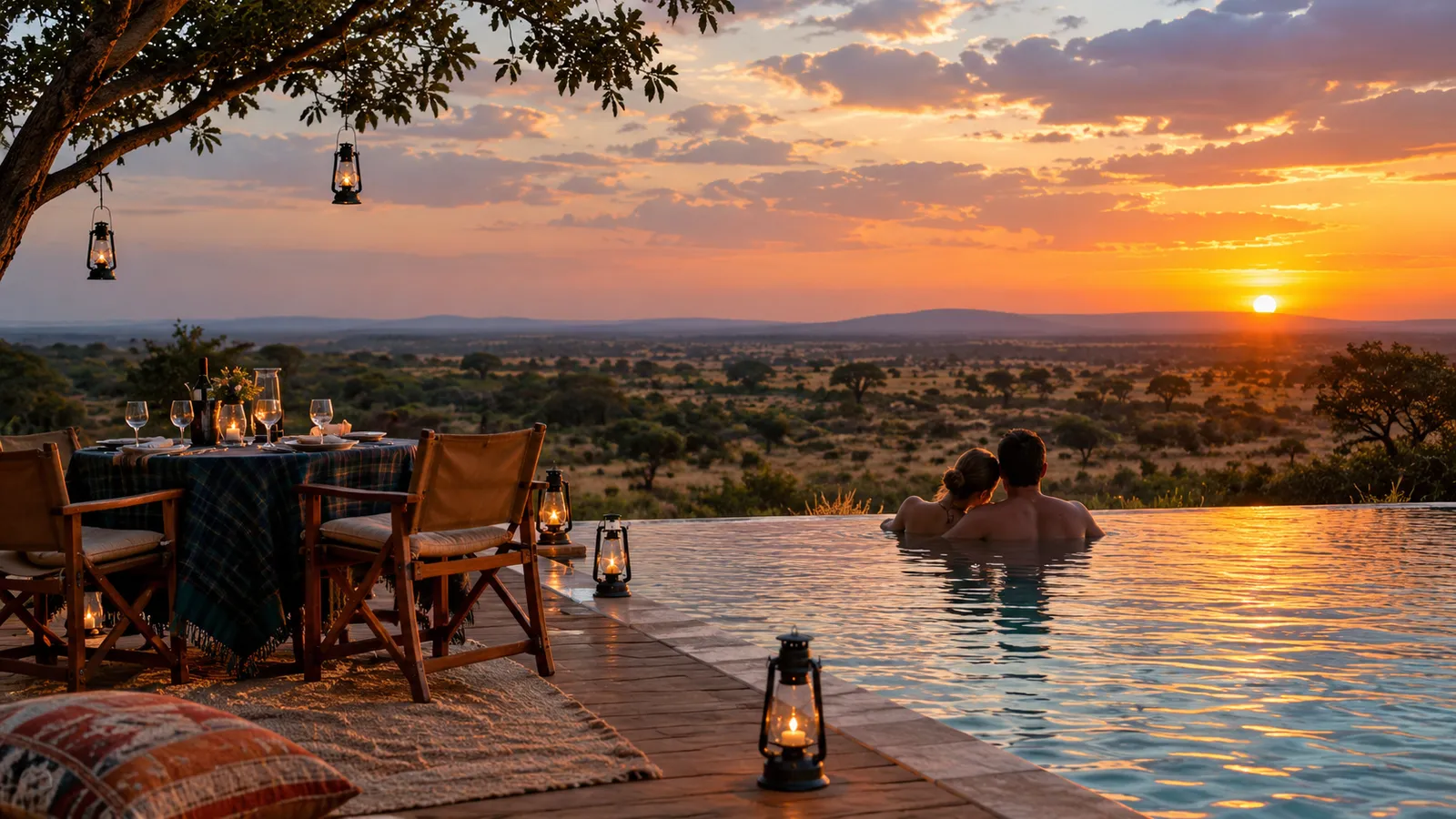
A romantic dinner by the pool is a common format for special occasions at upmarket hotels.

Here, “Serenity” refers to a private dinner with your own chef and grill, of the kind upmarket hotels offer as a special extra.

“The Vineyard” is the name of a wine-pairing dinner in which individual courses are matched to selected wines.
Lake Eyasi lies at the southern edge of the Ngorongoro highlands, framed by an escarpment of the East African Rift.
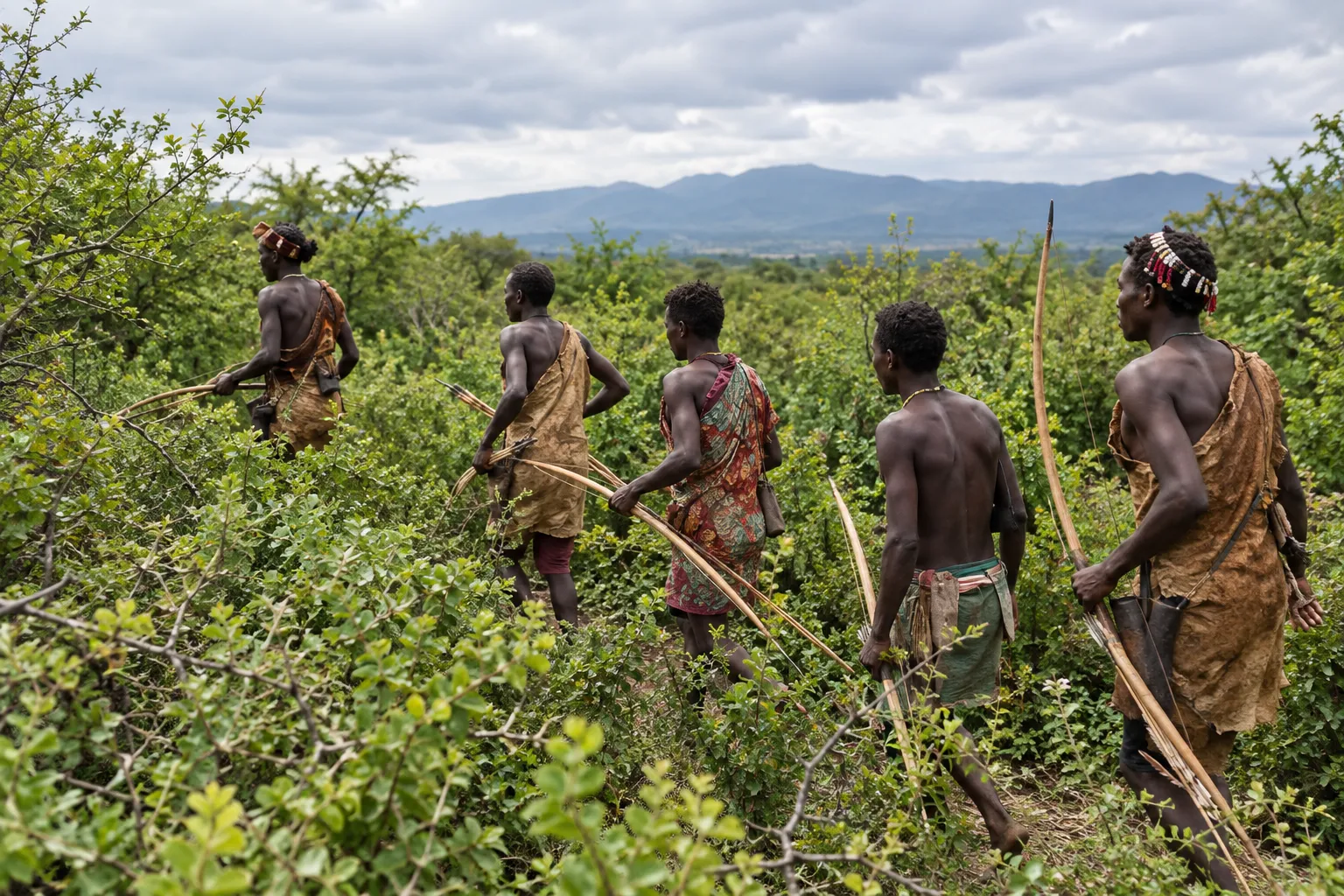
The Hadzabe live at Lake Eyasi in northern Tanzania and are among the last communities in Africa to live mainly from hunting and gathering.
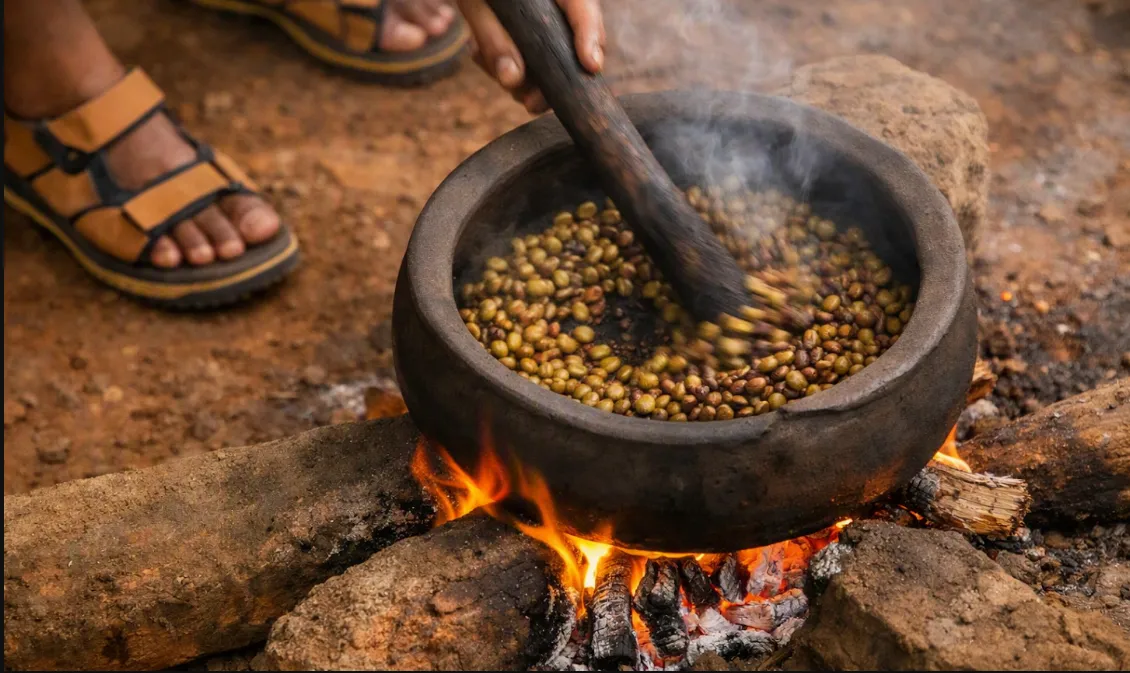
Materuni is a Chagga village on the southern slopes of Kilimanjaro, known for a waterfall reached by a trail through rainforest and fields.
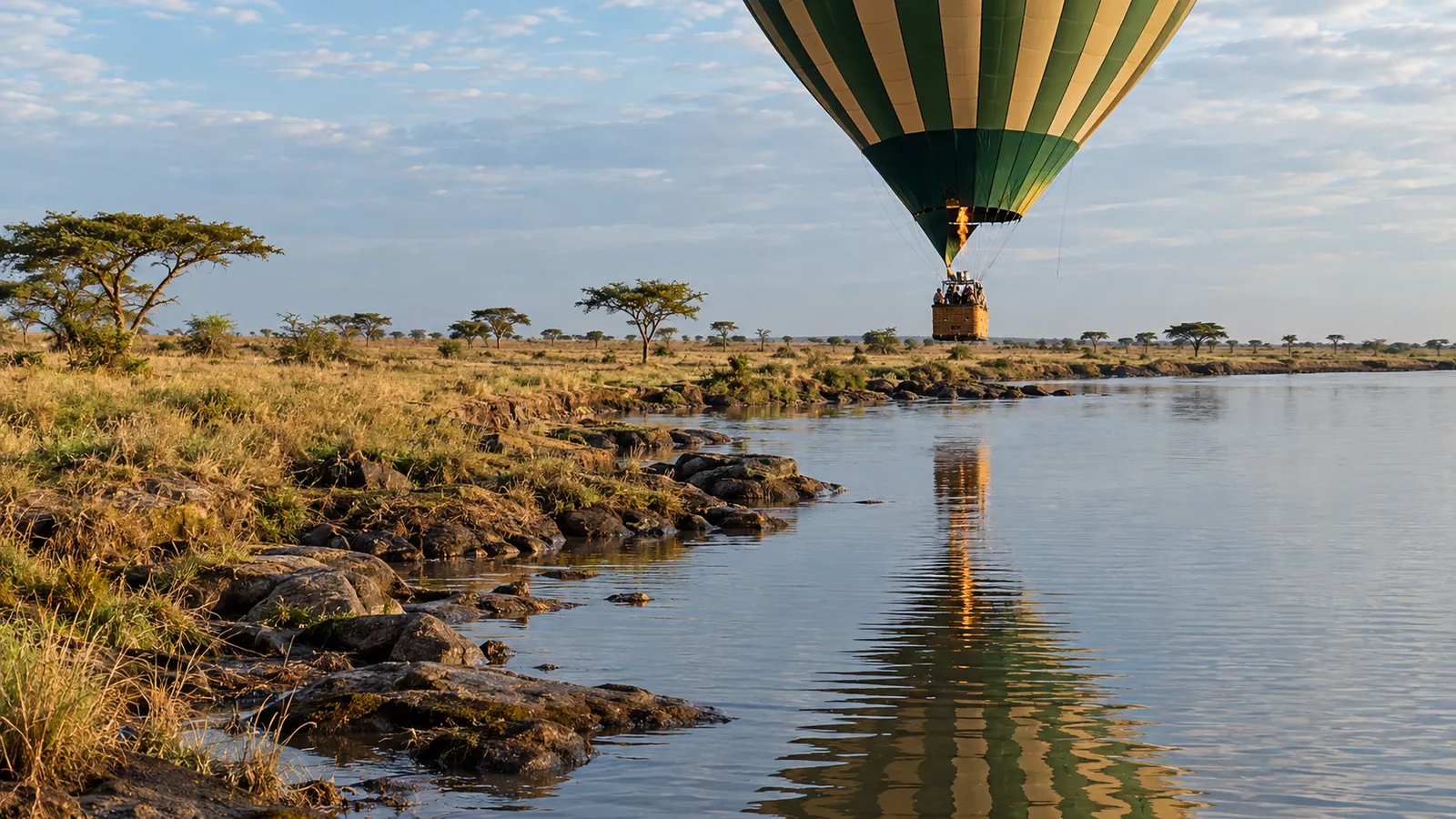
Balloon flights over the savannah are among the best-known ways to experience East Africa's landscape from the air; in Tanzania they are especially associated …
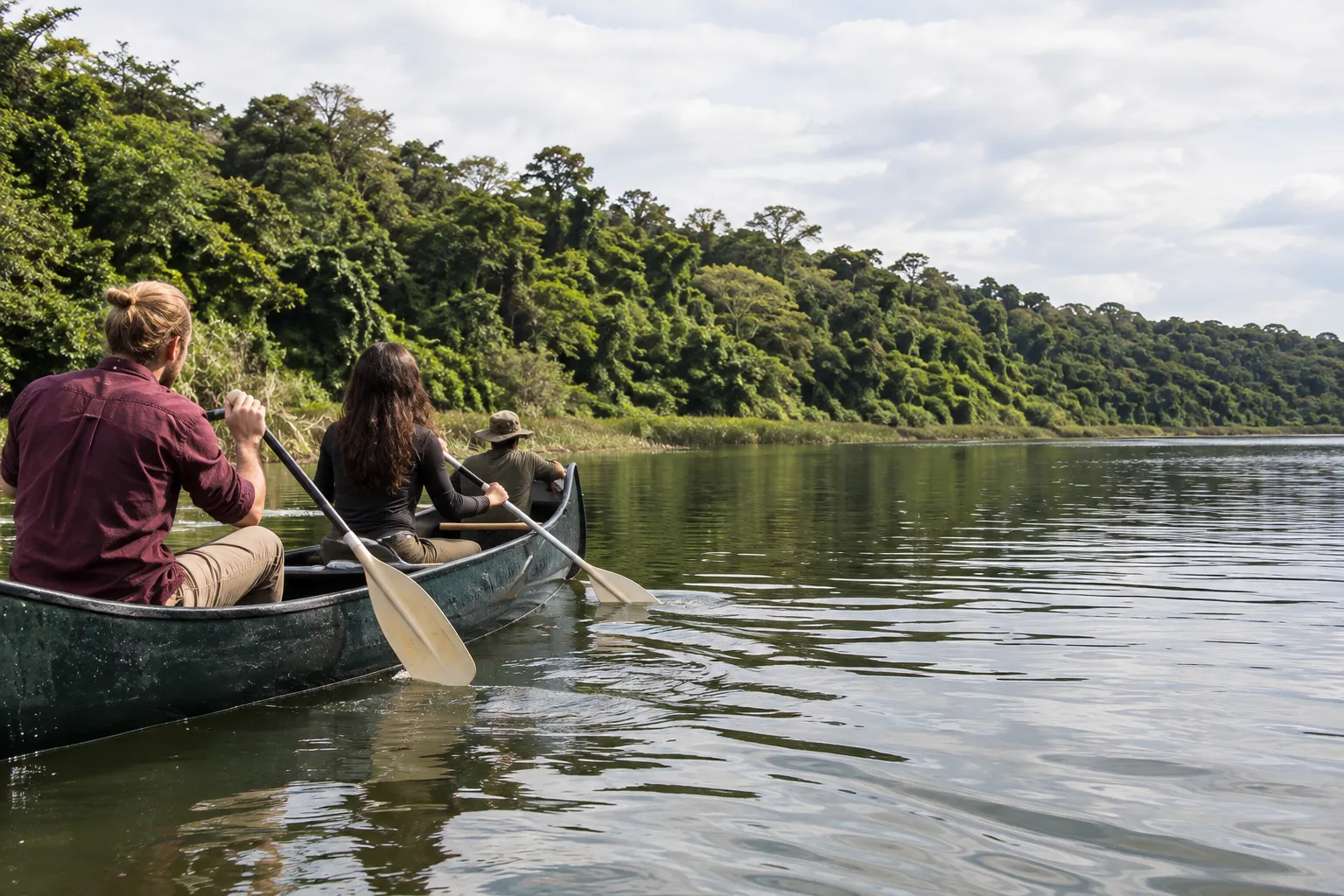
Lake Duluti is a small crater lake a few kilometres from Arusha, surrounded by natural forest.
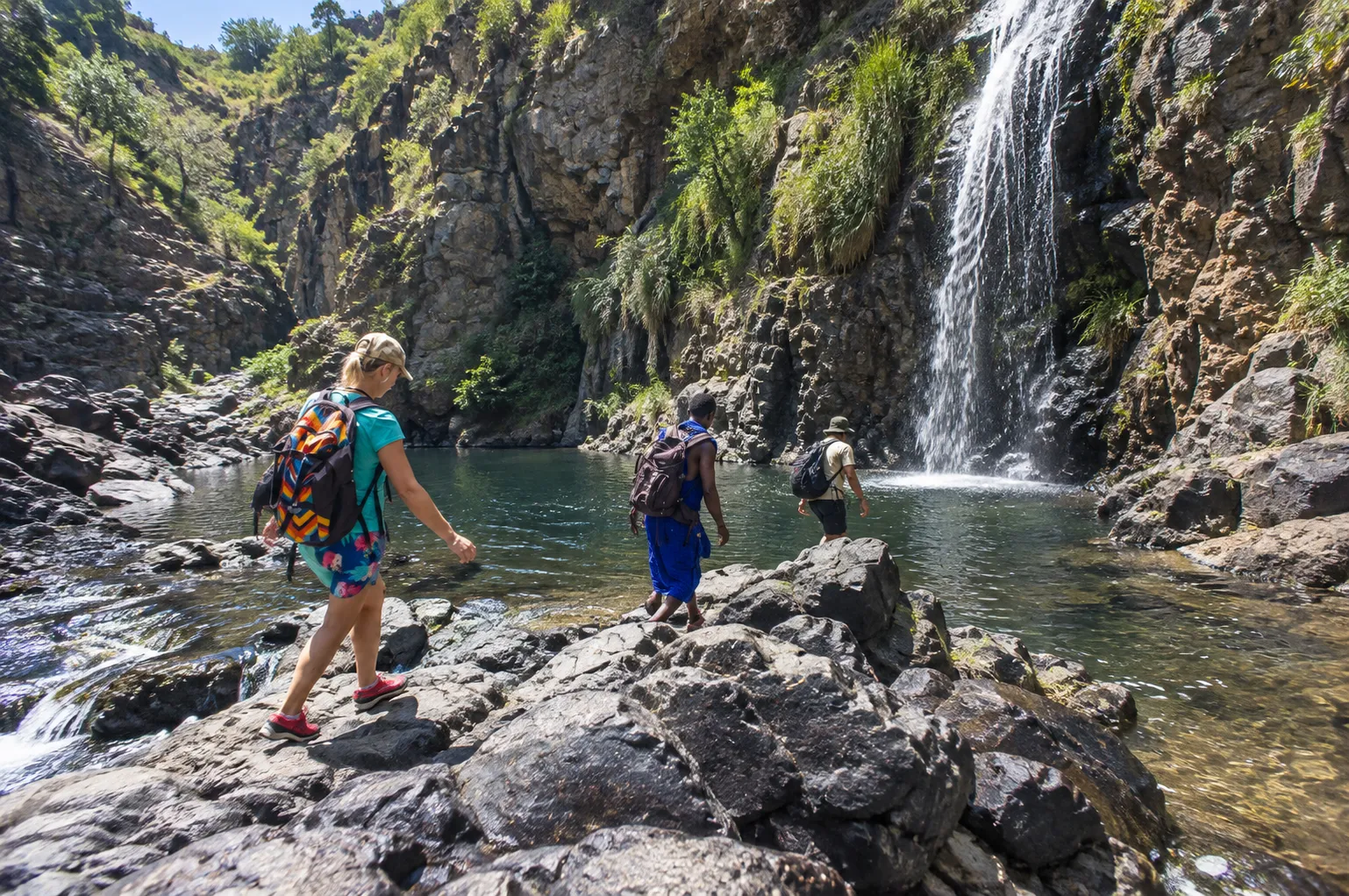
Lake Natron in northern Tanzania is one of the world's most important breeding grounds for lesser flamingos; its extremely alkaline water and the surrounding …
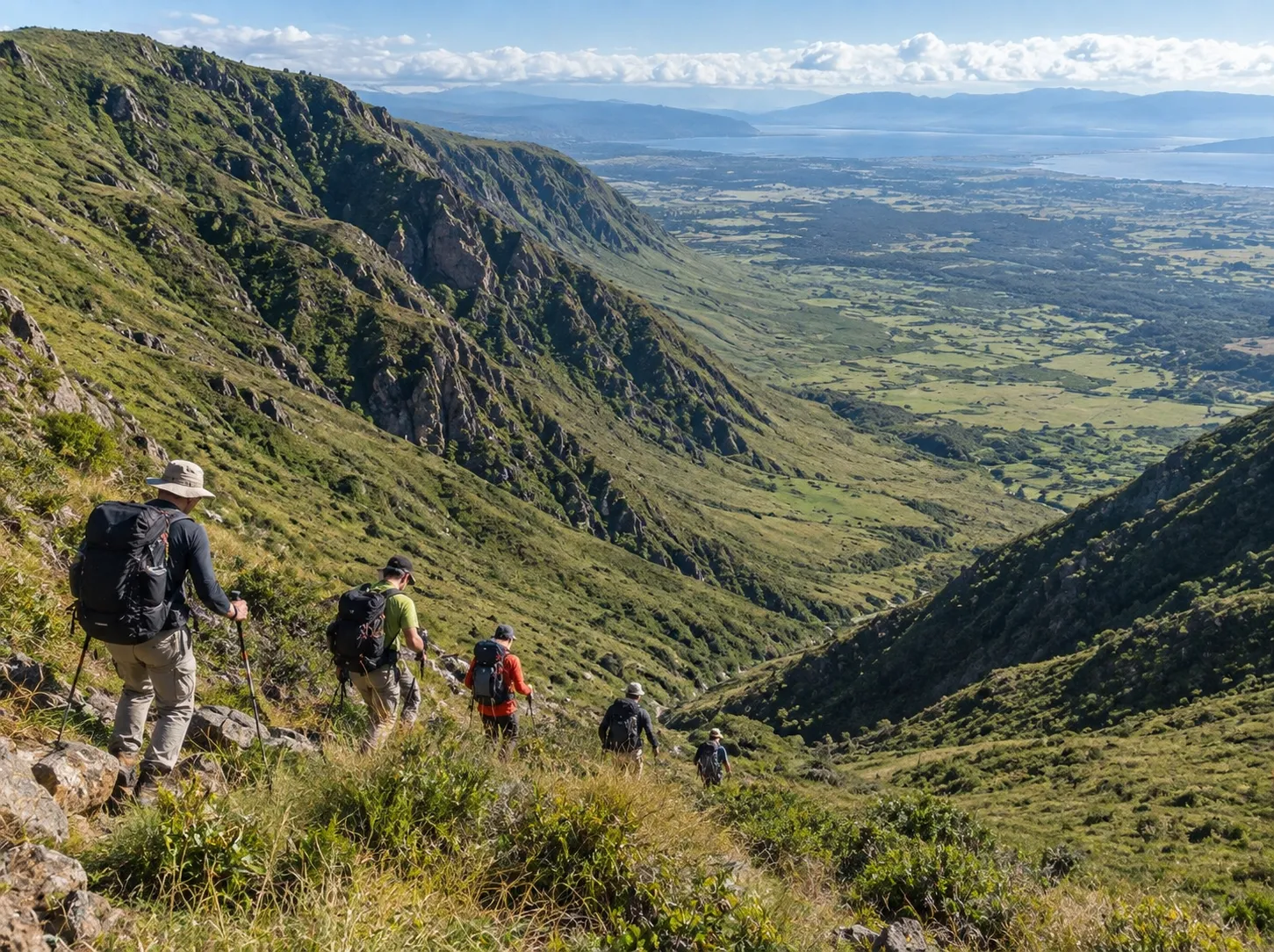
The name refers to an escarpment in the northern Tanzanian highlands, where the East African Rift steps the landscape down in terraces.
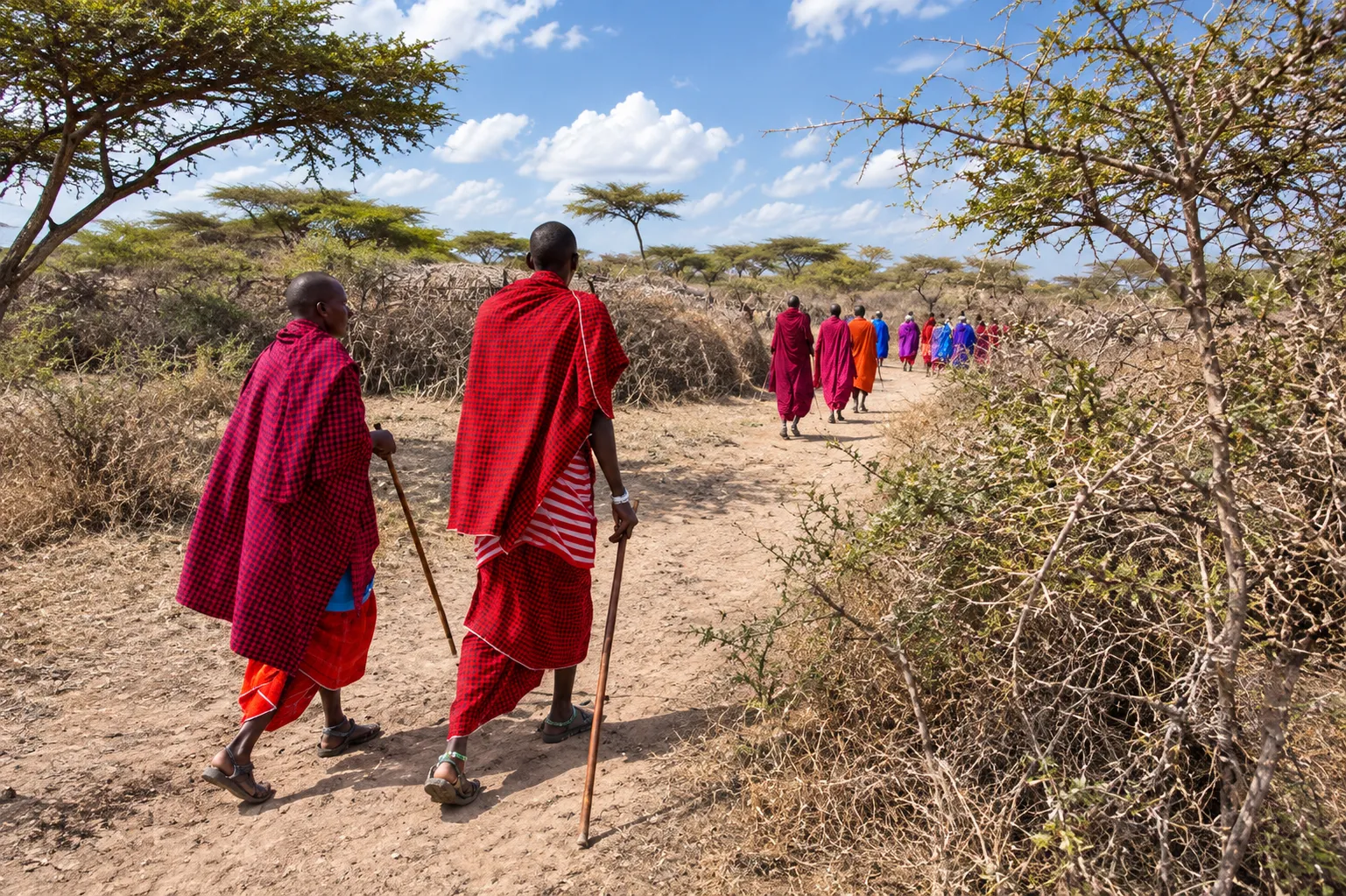
The Maasai are a semi-nomadic, cattle-herding people living across much of northern Tanzania and southern Kenya.
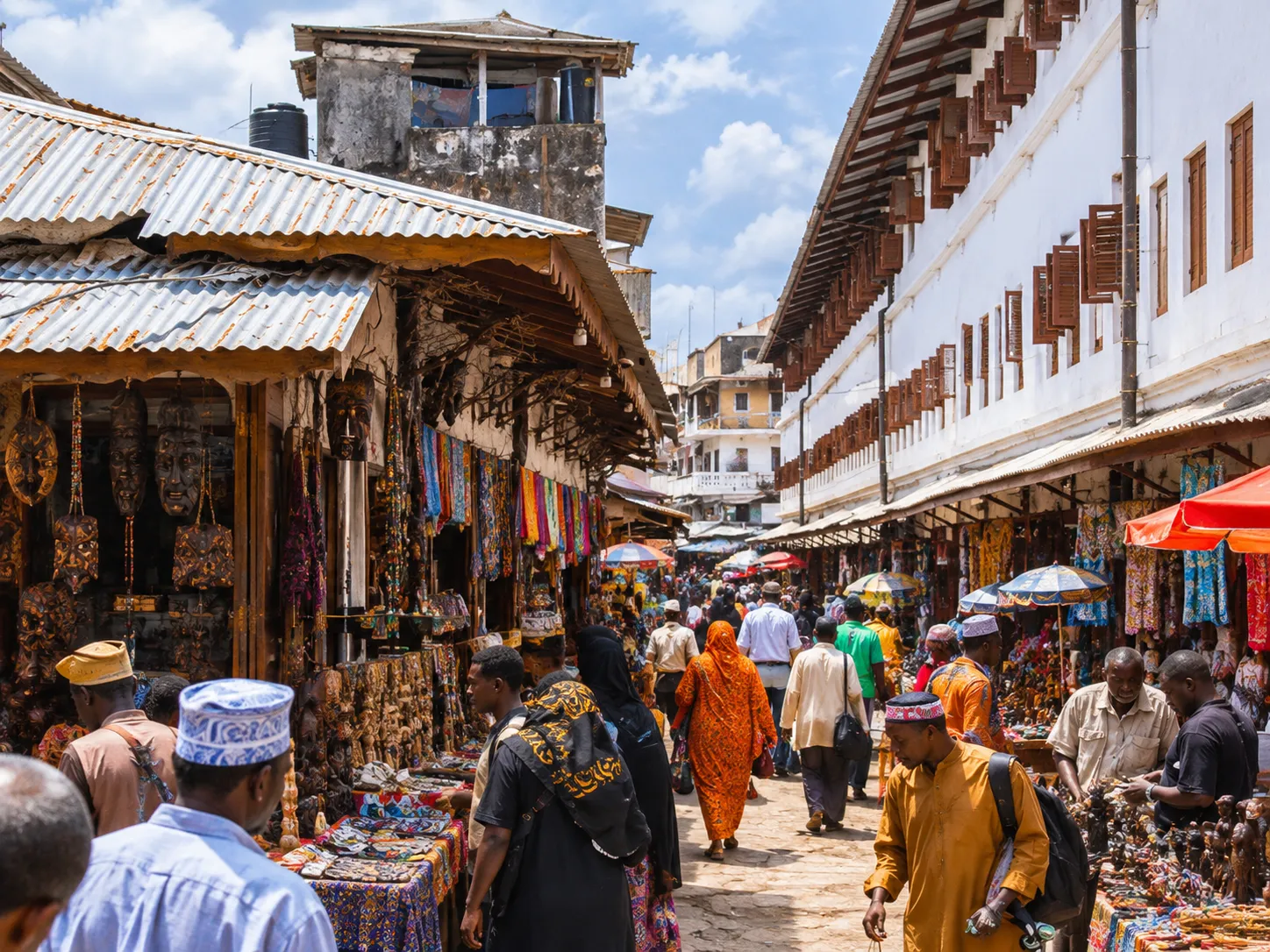
Moshi lies on the southern slopes of Kilimanjaro and is the starting point for climbs via the Marangu and Machame routes.
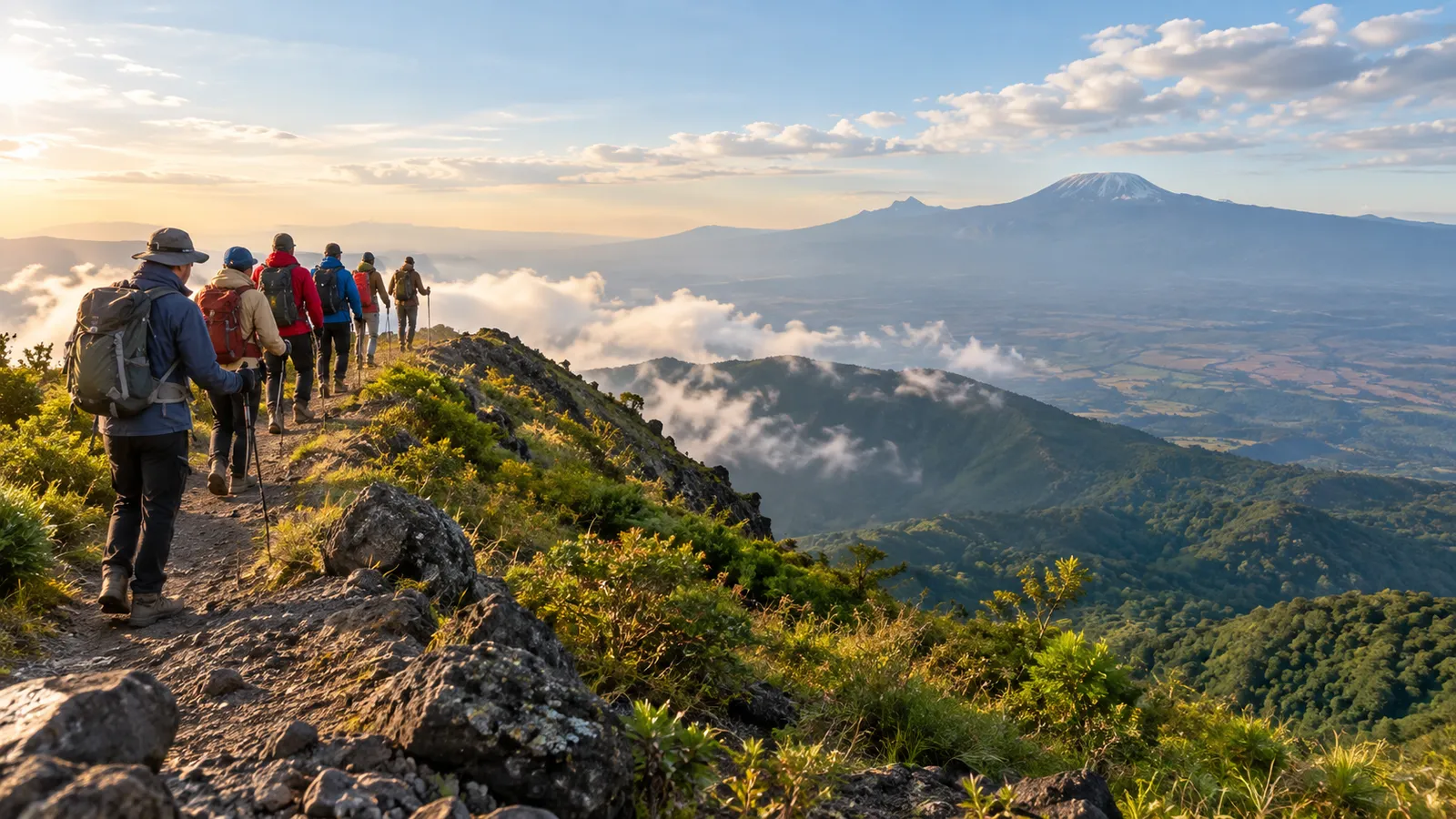
Both Kilimanjaro and neighbouring Mount Meru offer day trips into their lower reaches as well as multi-day climbs, for example through the montane rainforest …
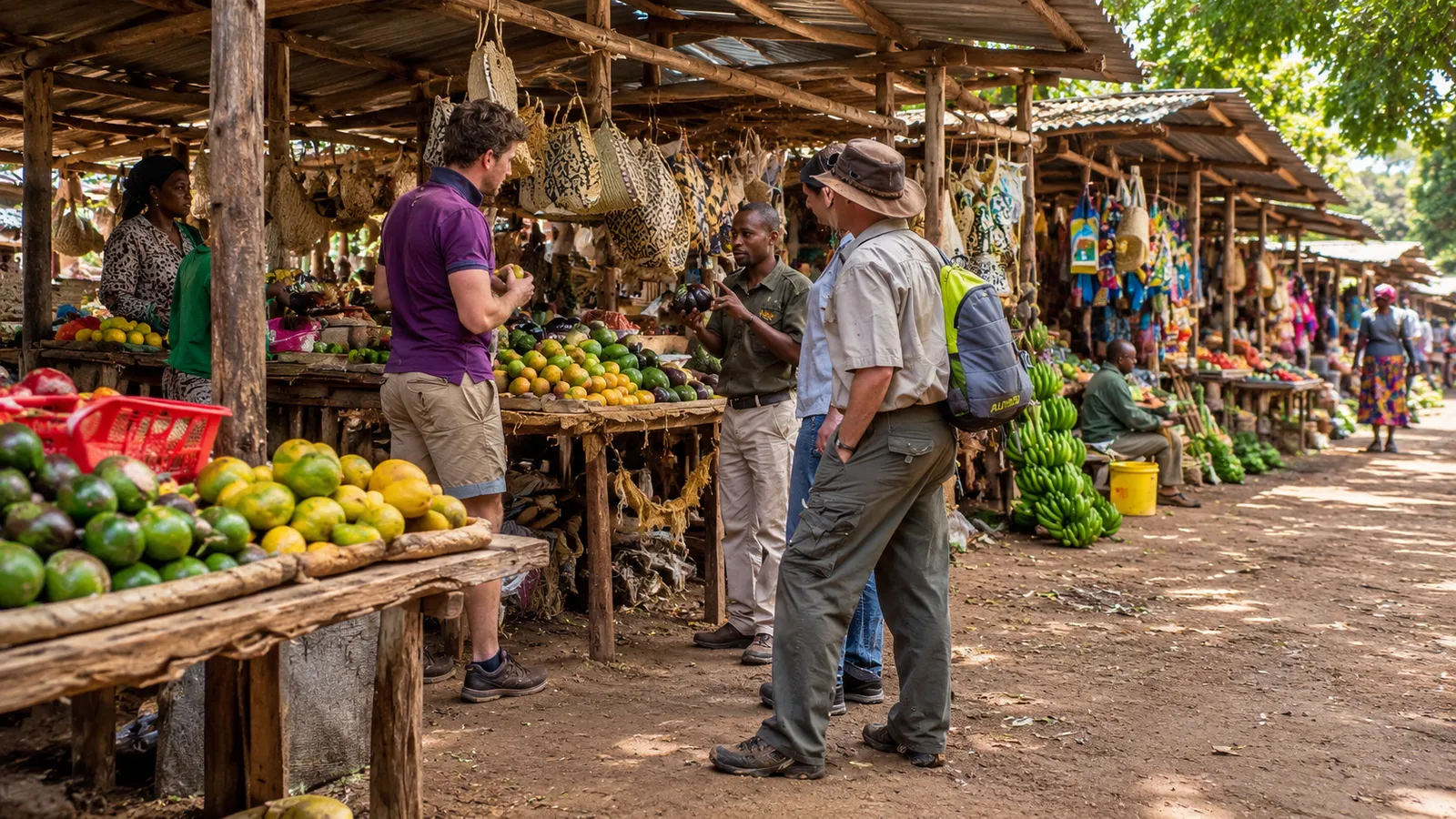
Mto wa Mbu is a village between Lake Manyara National Park and the Rift Valley highlands where members of numerous Tanzanian ethnic groups live side by side.
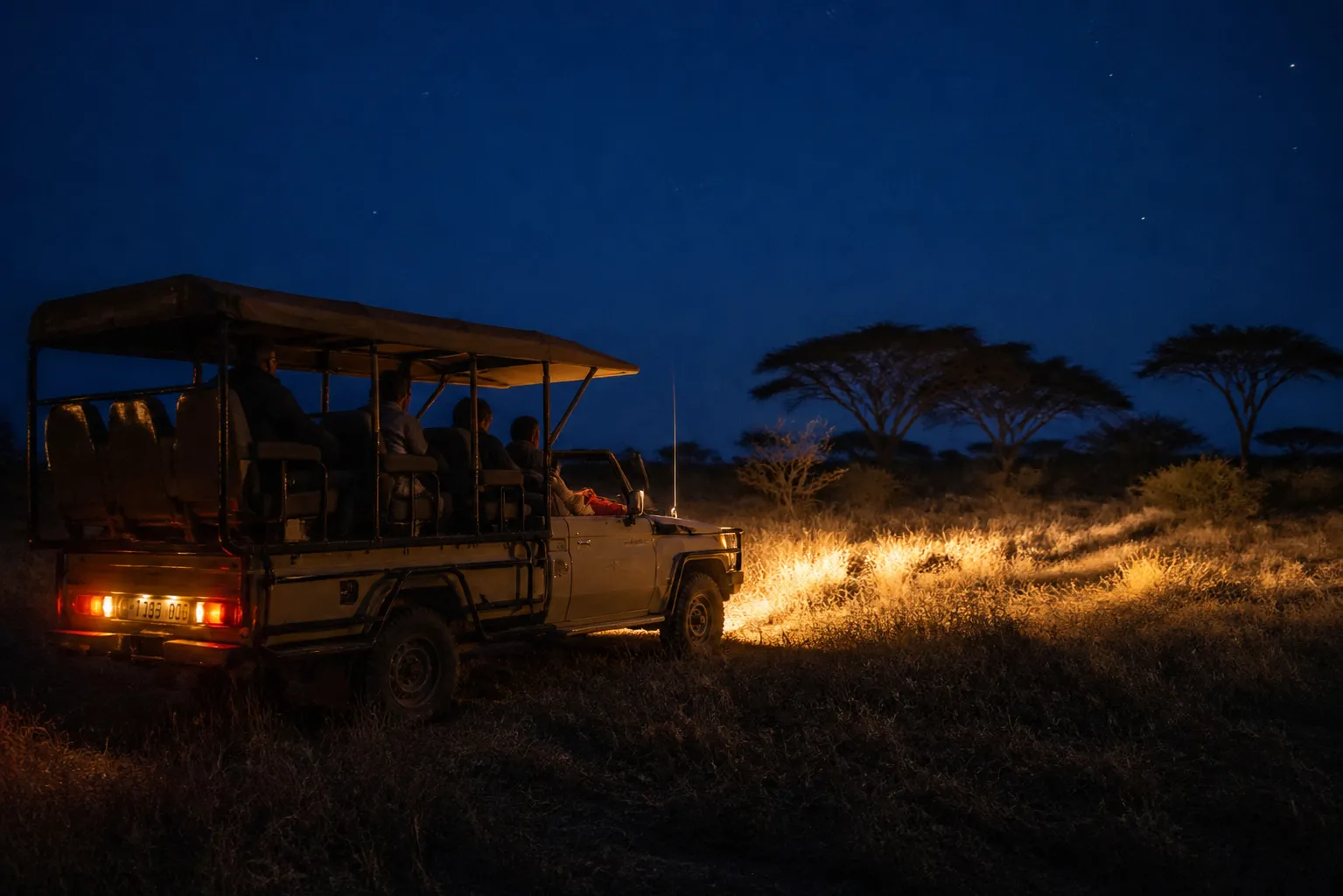
Most Tanzanian national parks close to game drives after dark.
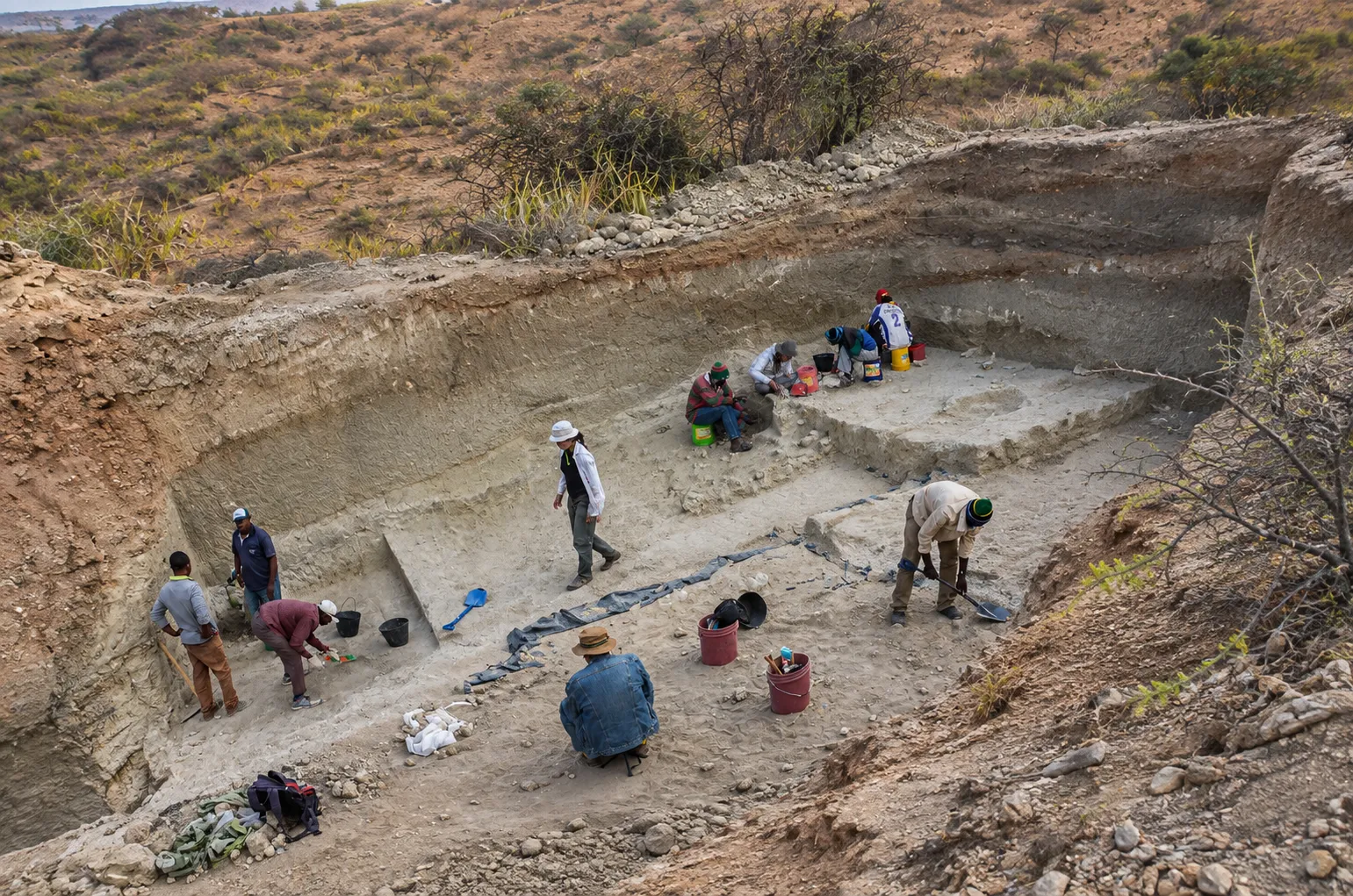
Olduvai Gorge in the Ngorongoro Conservation Area ranks among the world's most important palaeoanthropological sites.
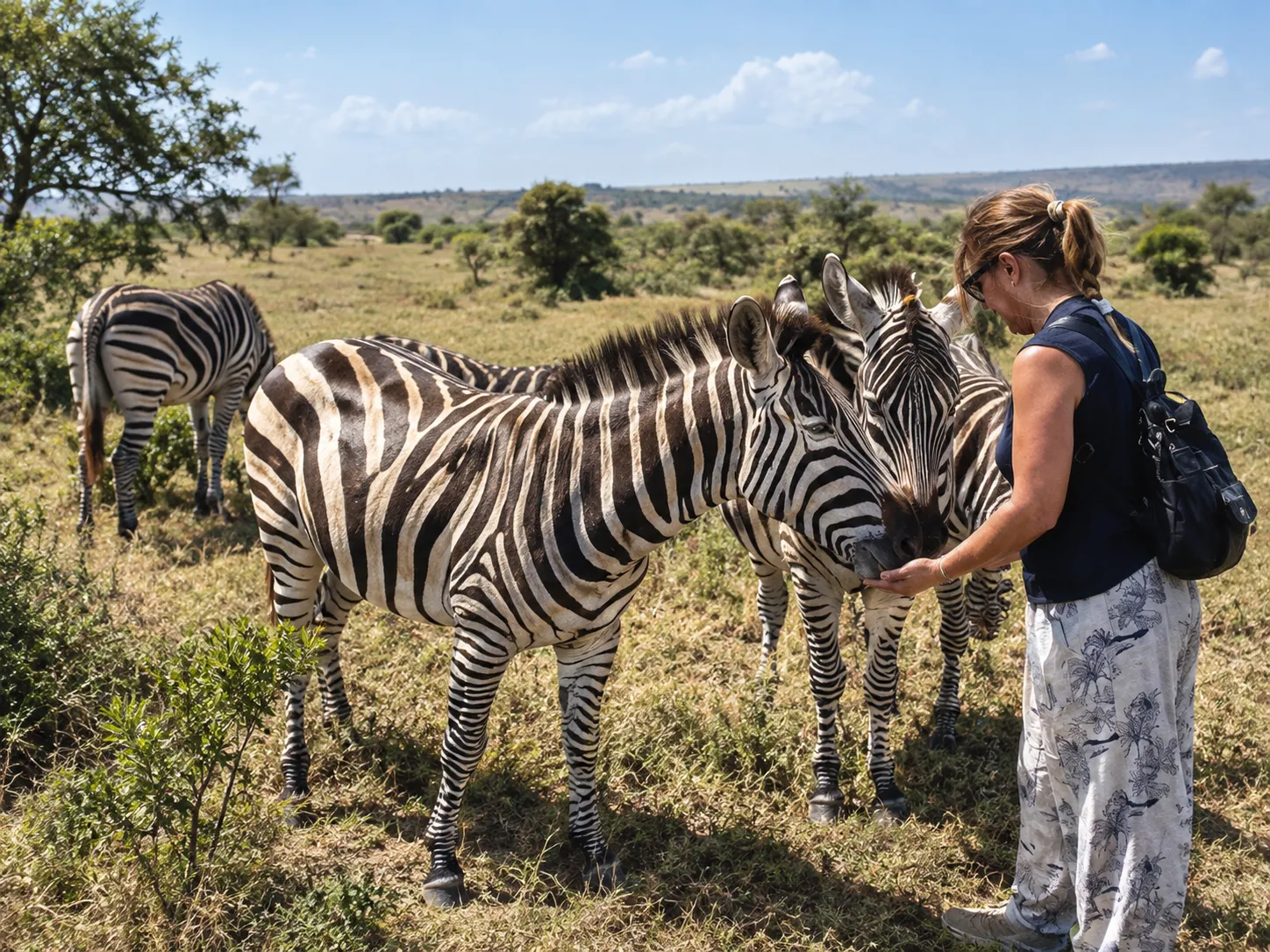
Serval Wildlife is a private sanctuary in Siha District near Kilimanjaro that cares for orphaned, injured or otherwise endangered wild animals.
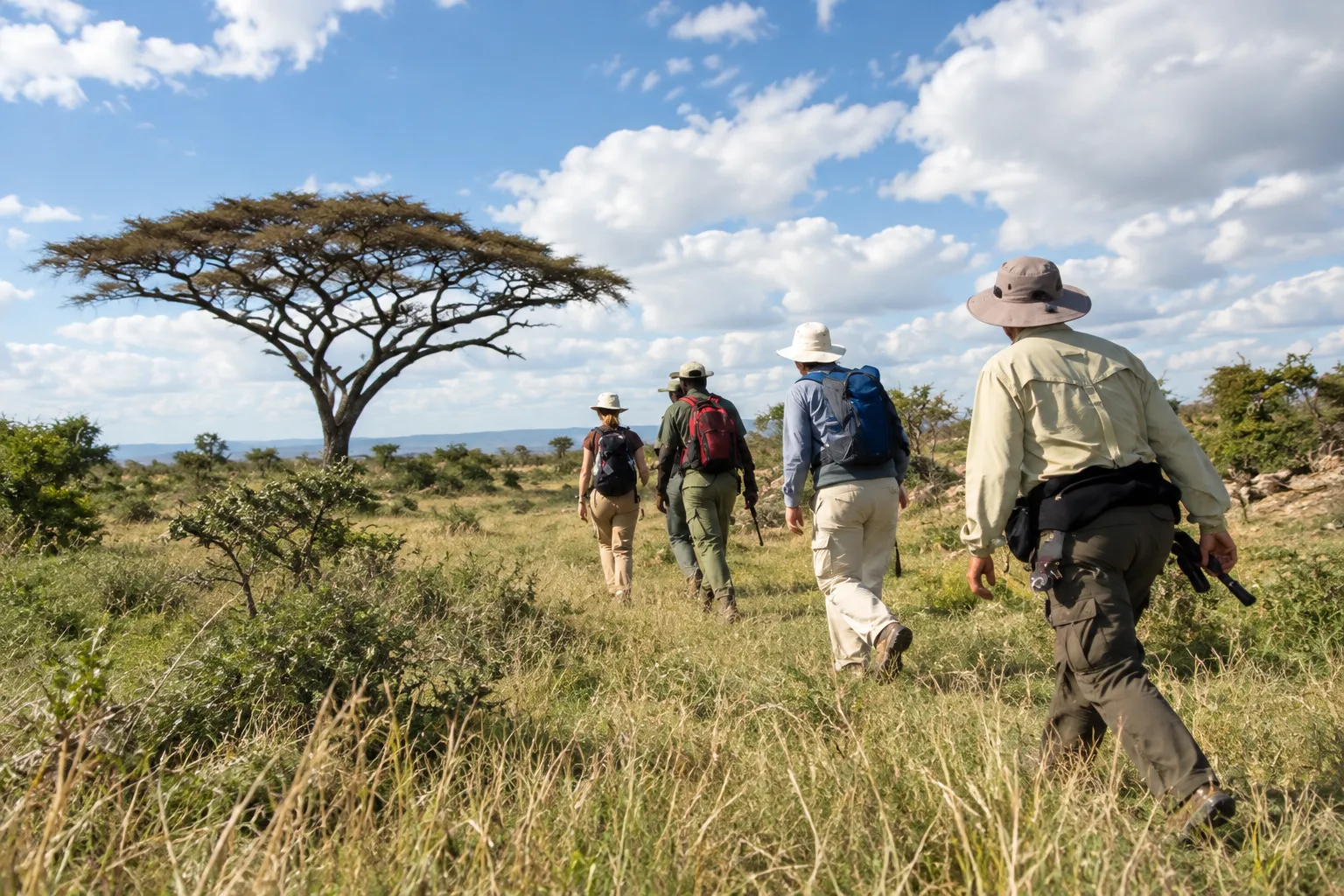
Around Lake Eyasi, different peoples live side by side, among them the cattle-herding Datoga and the Hadzabe, who live as hunter-gatherers.
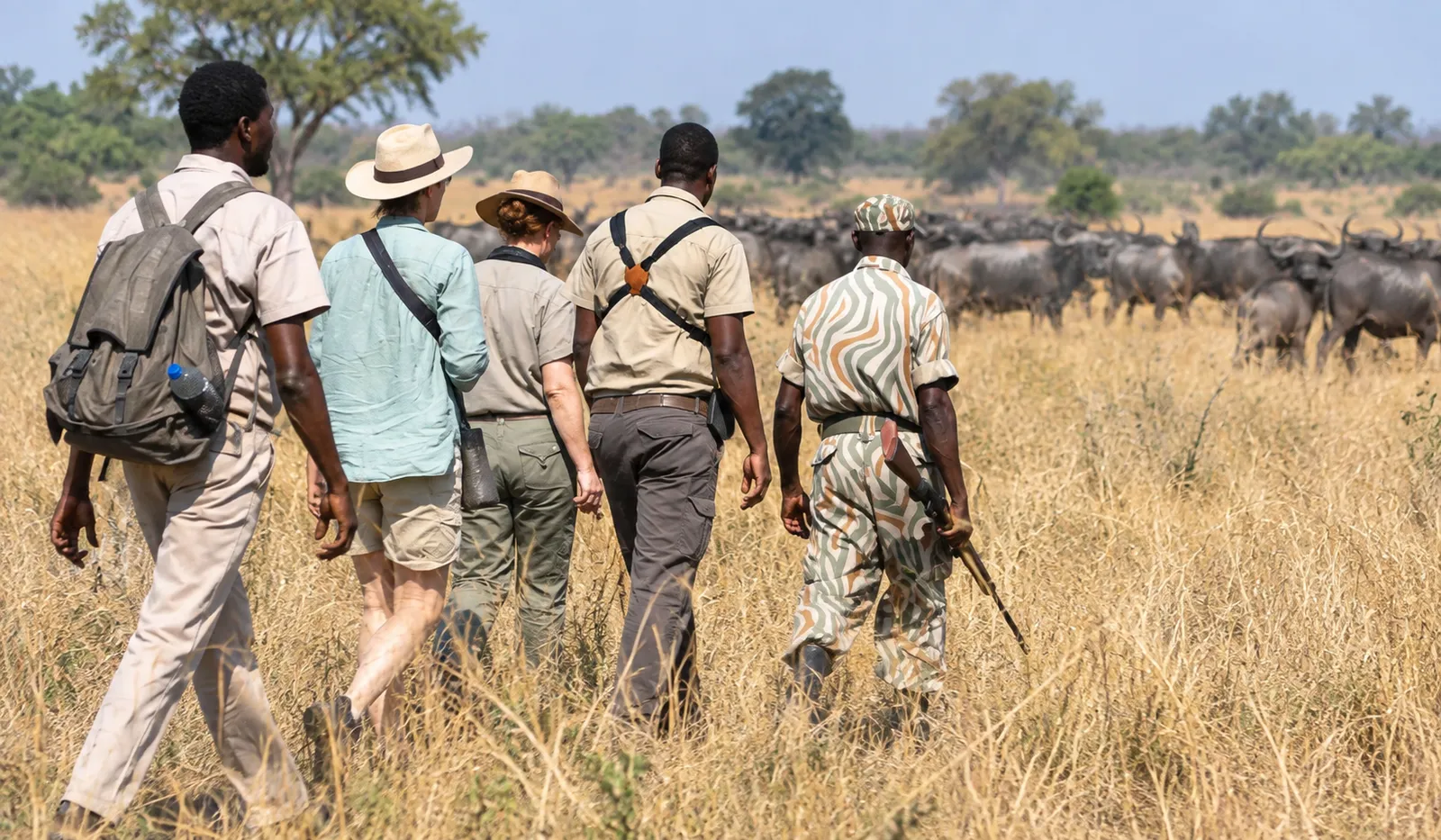
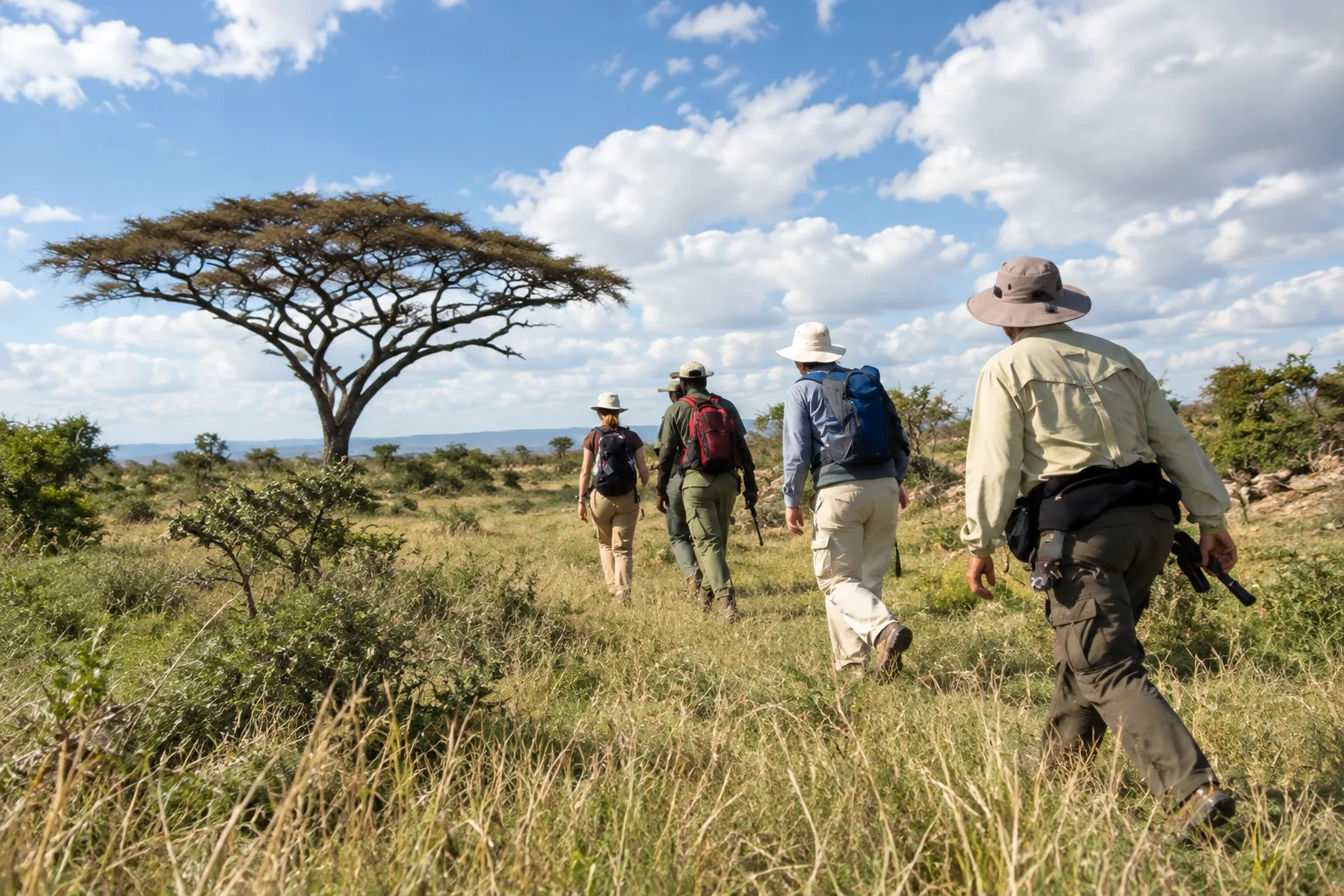
On a walking safari, the landscape is explored on foot rather than from a vehicle, accompanied by a guide and, in many areas, an armed ranger as well.
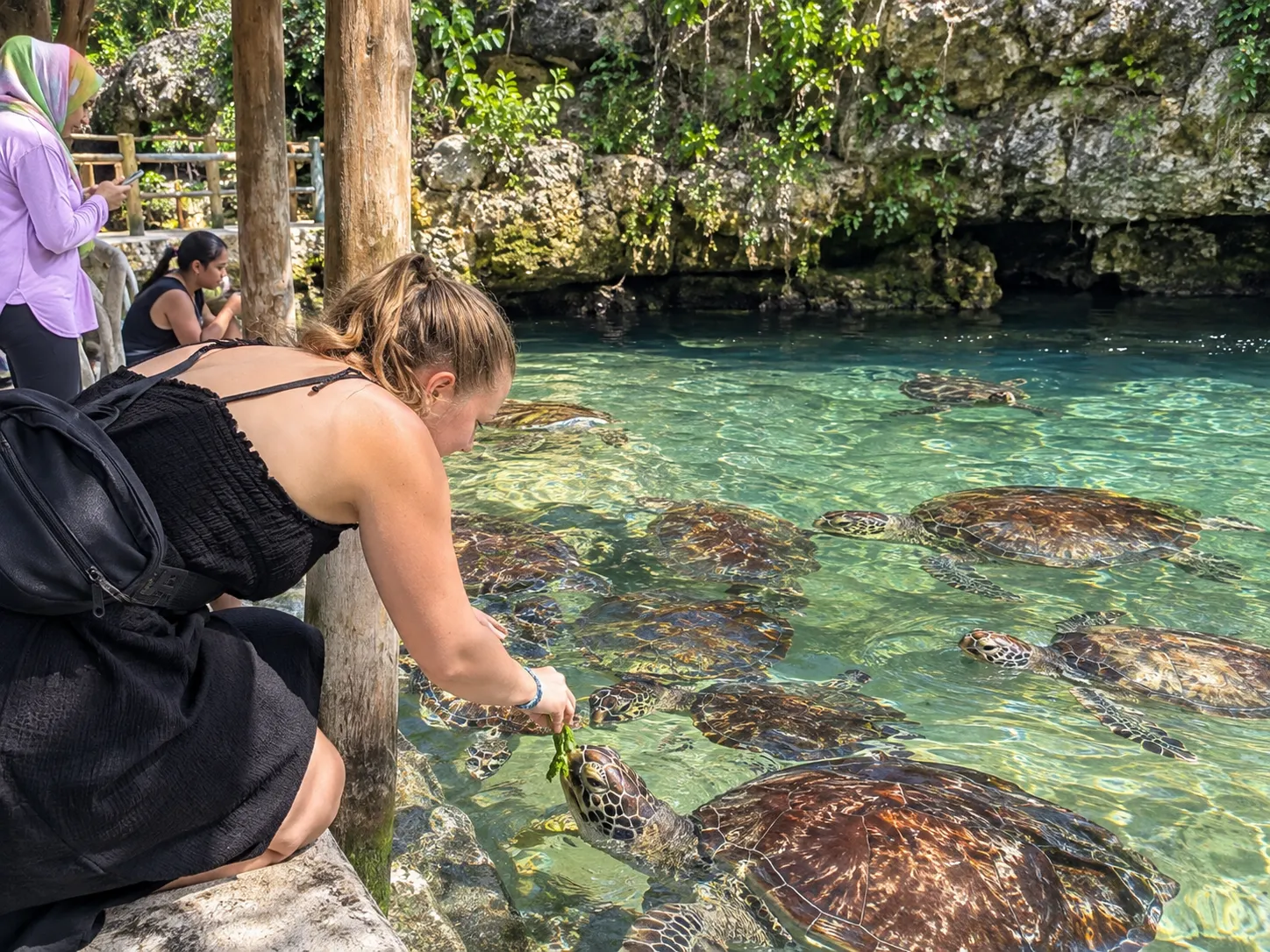
Along Zanzibar's coast there are several natural tidal pools that tourists know as an “aquarium”.
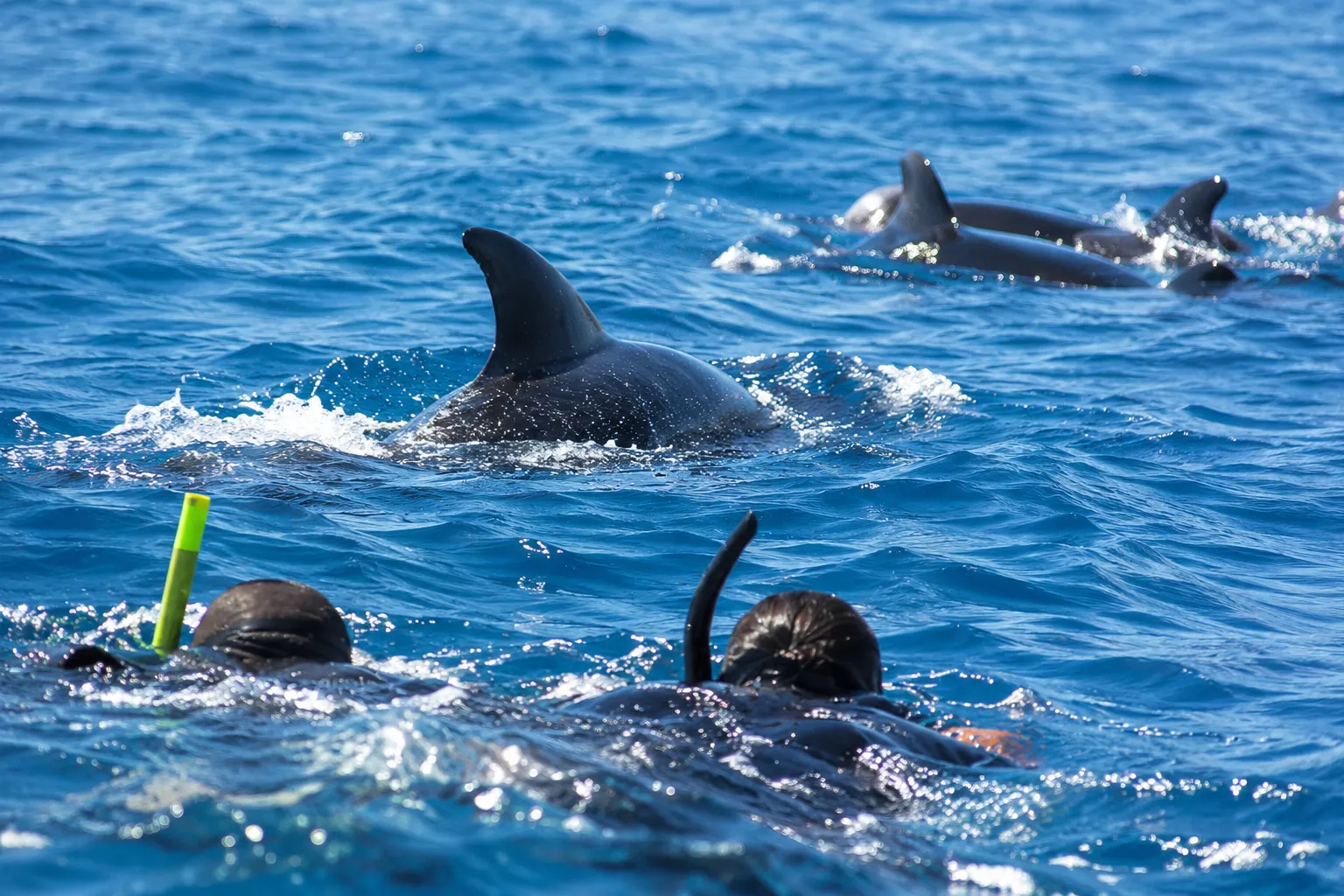
Off Zanzibar's south coast, especially near the village of Kizimkazi, boat trips to watch wild dolphins have long been established.
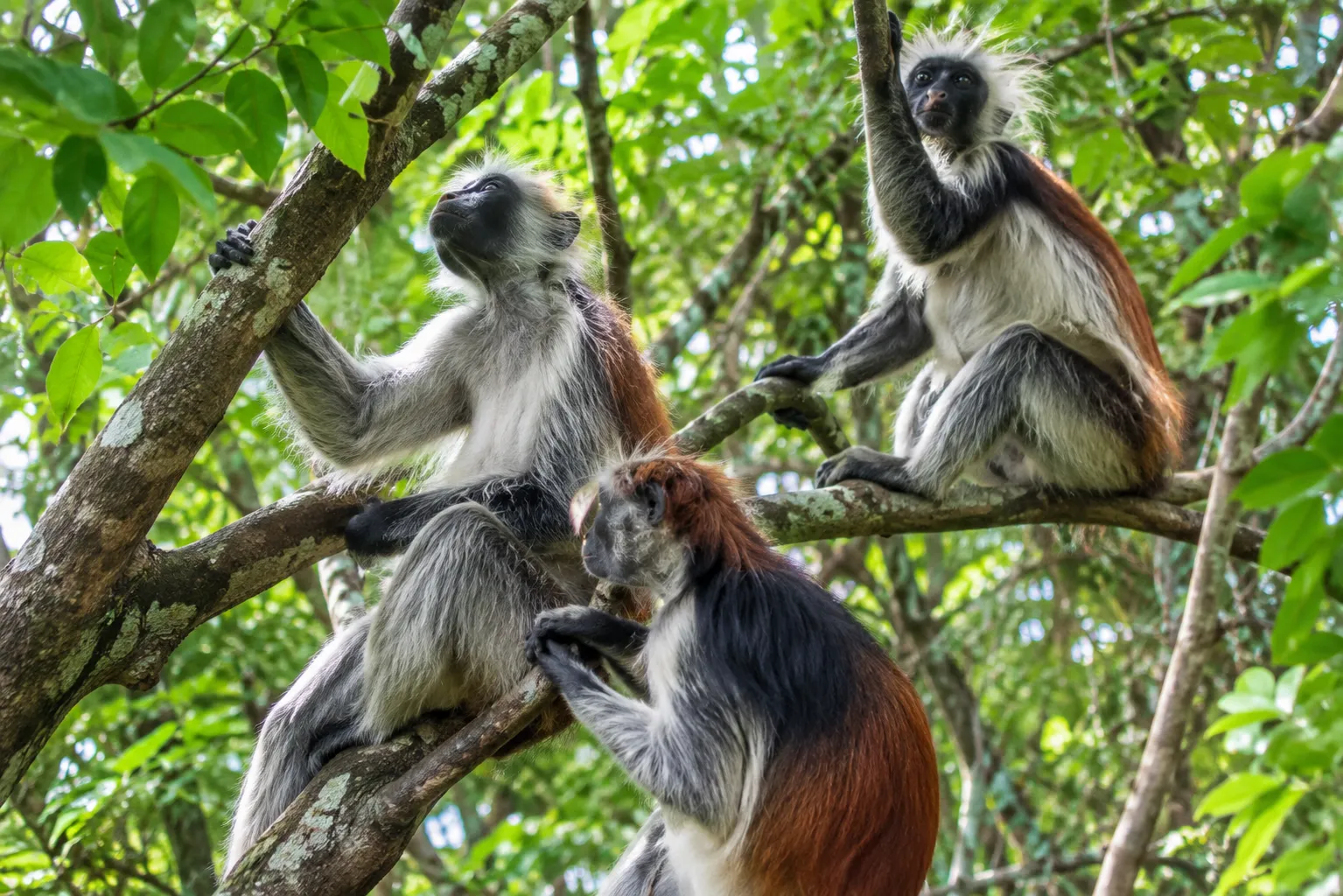
Jozani Chwaka Bay National Park in the south of Zanzibar has been the archipelago's only national park since 2004 and protects one of the island's last …
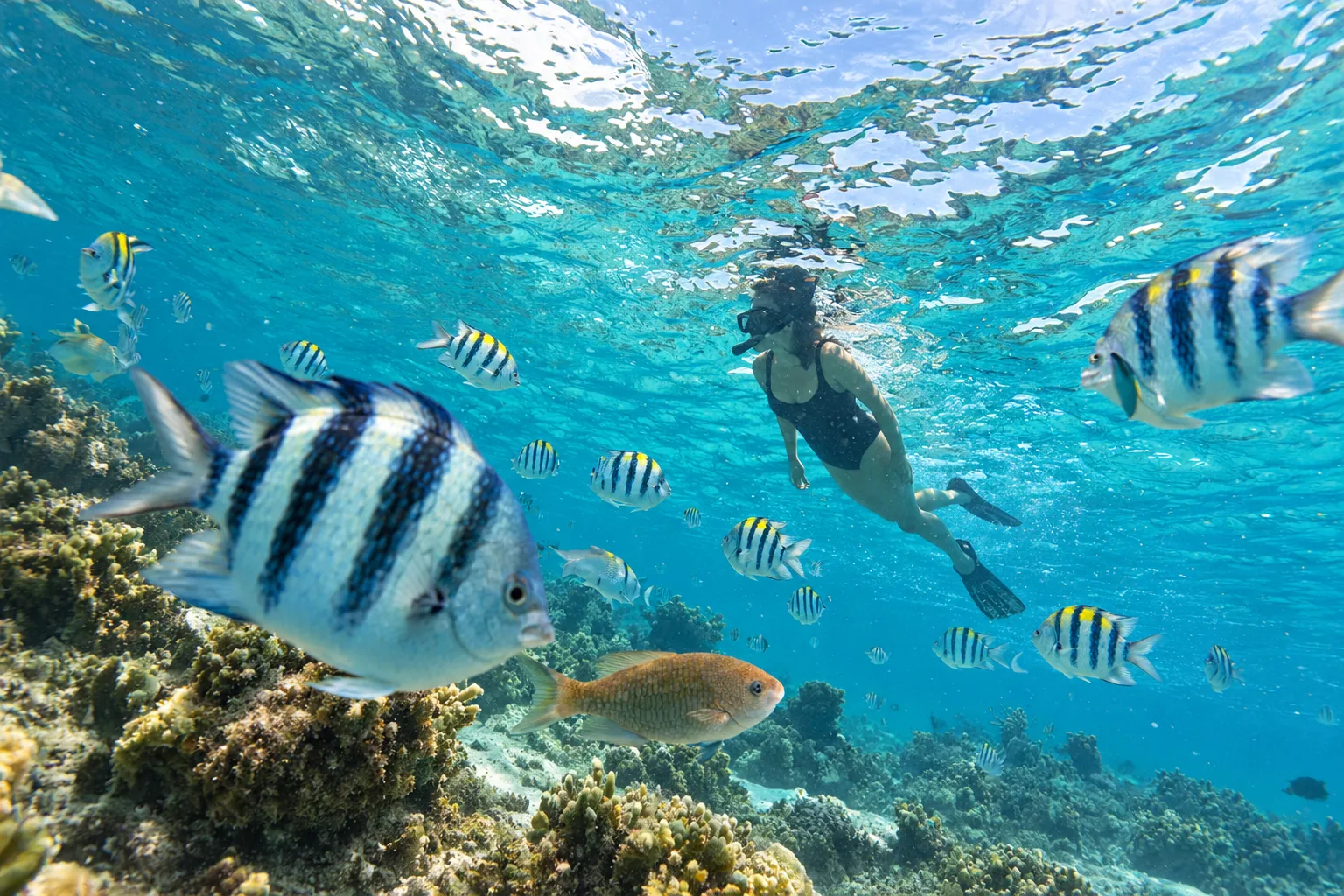
Mnemba Island lies off the north-east coast of Unguja, the main island of the Zanzibar Archipelago, and is surrounded by a coral reef within a marine …
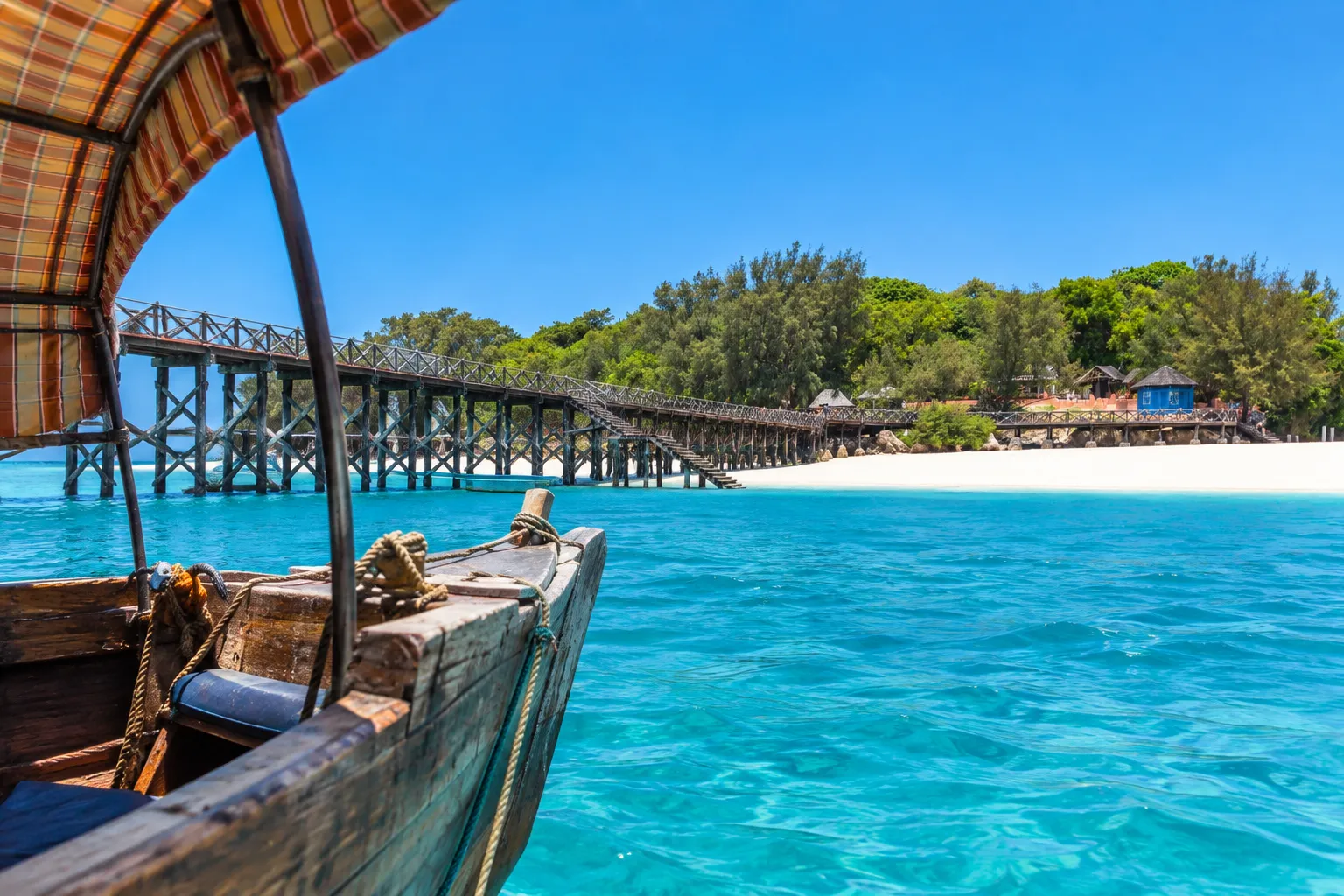
Changuu, known as Prison Island, lies off Stone Town and was built as a prison at the end of the 19th century, but was then used mainly as a quarantine station …
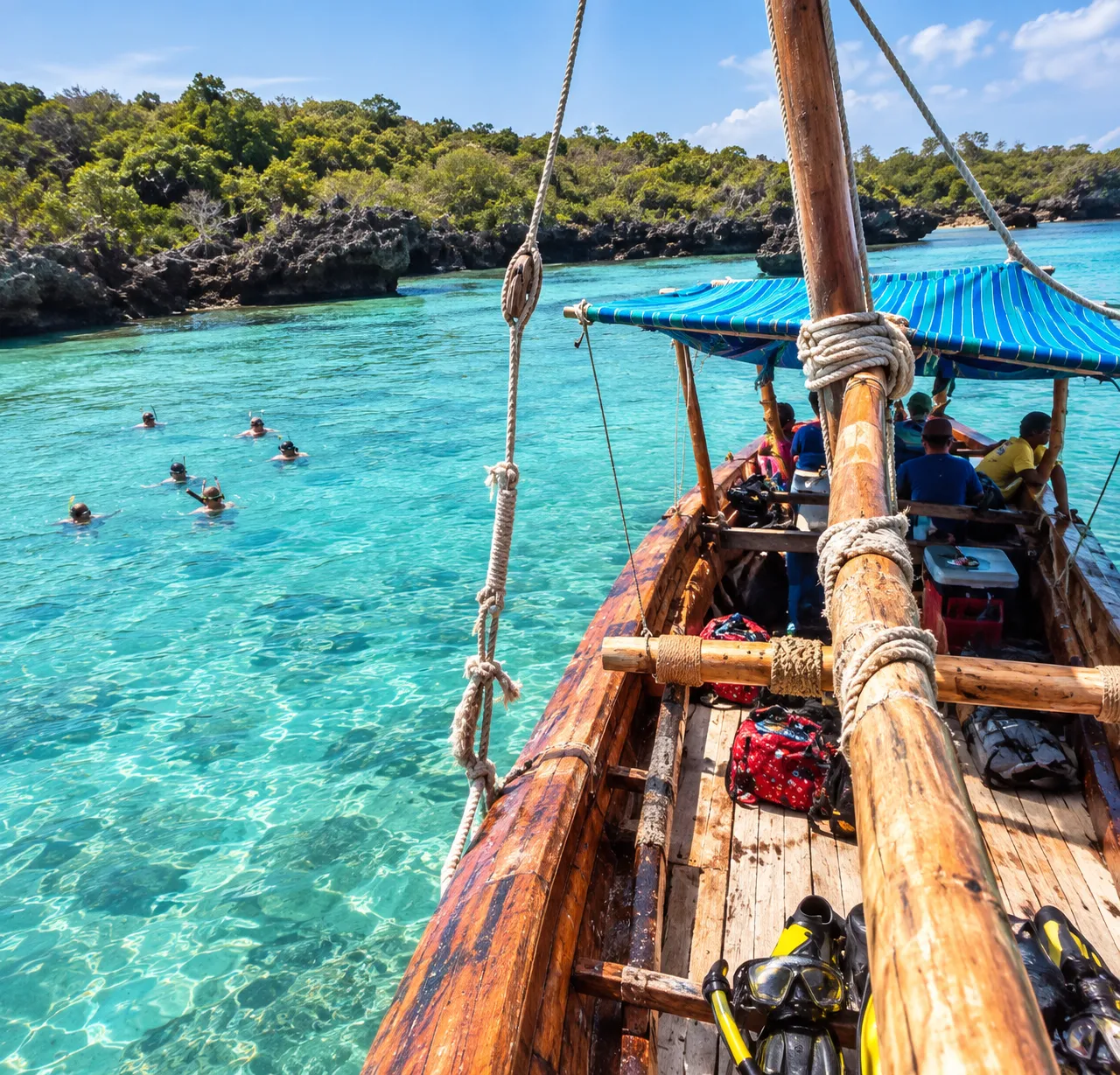
Safari Blue is the name for boat trips with traditional dhows in Menai Bay south of Stone Town.
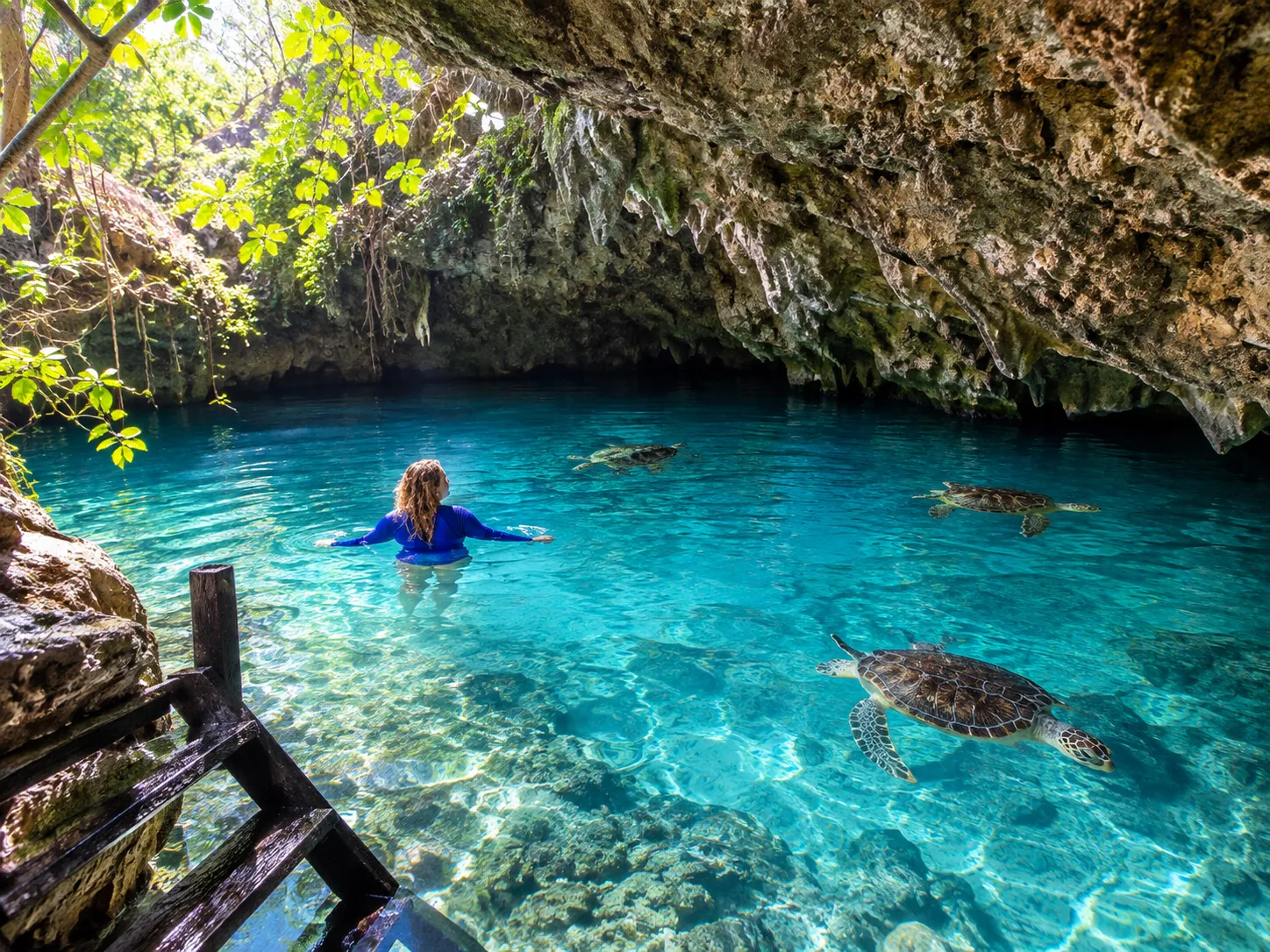
Along Zanzibar's coast lie several natural caves of historical or geological significance.
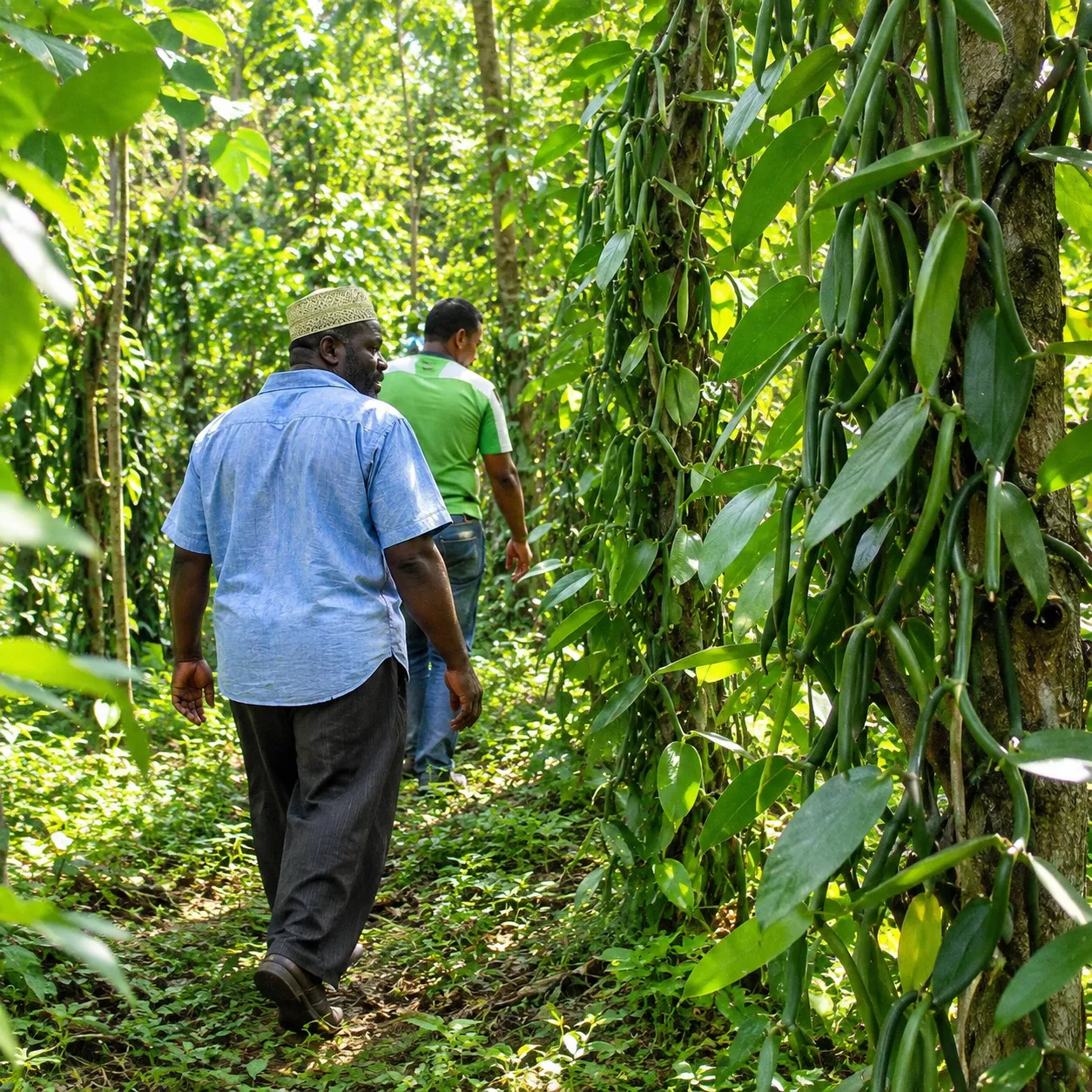
Under the rule of the Omani sultanate in the 19th century, Zanzibar became one of the world's most important growing areas for cloves and still carries the …
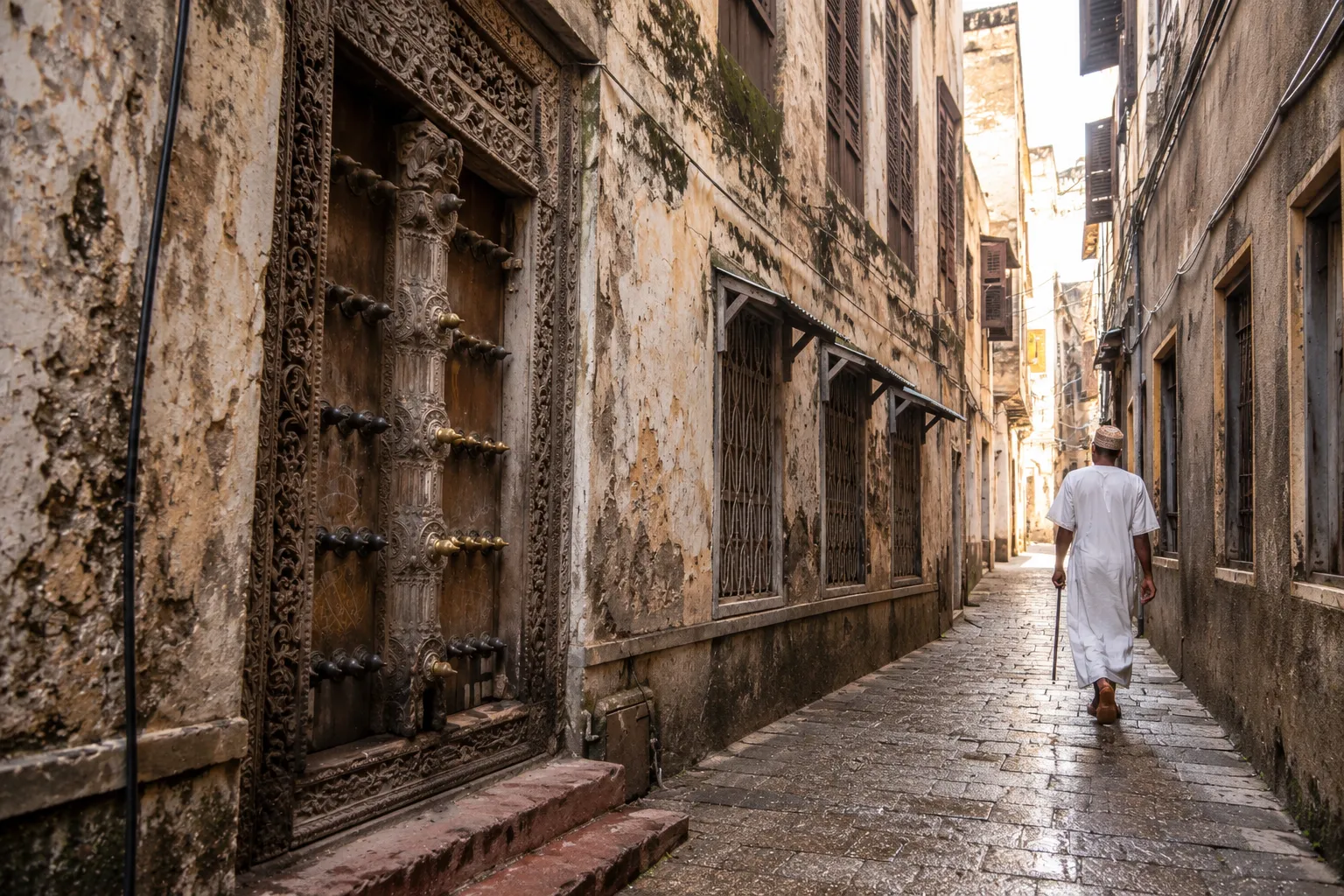
Stone Town is the historic core of Zanzibar City and a UNESCO World Heritage Site since 2000.
We build the right activity into your route — free of obligation and in person.