2-Day Fly-in Serengeti, return flight from Seronera
By plane into the central Serengeti and back: two travel days full of game drives without a long drive to get there, from Arusha City or Zanzibar.
2 daysCalculate the price
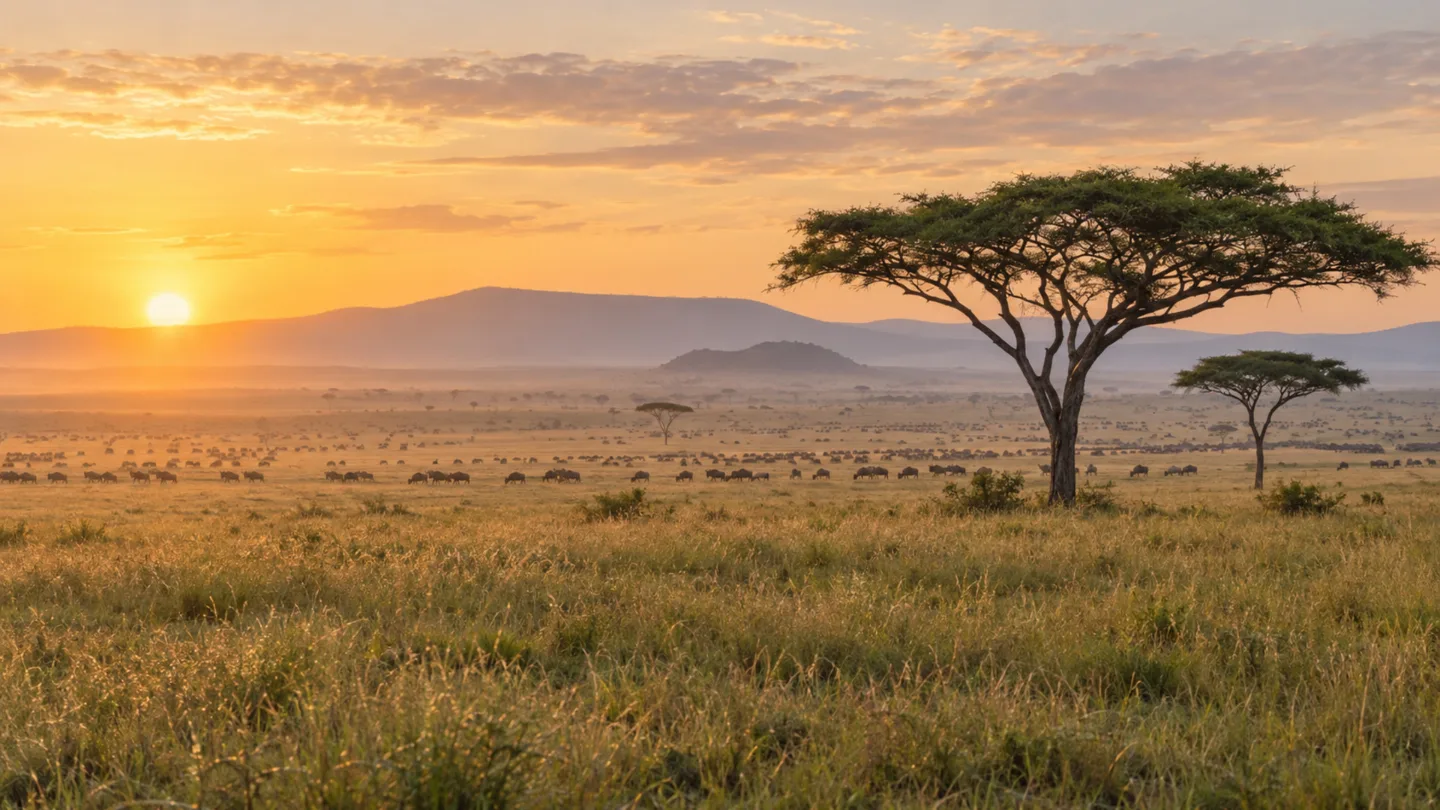
The Maasai call it “the endless plain”, and anyone driving across the grassland of north-western Tanzania for the first time understands why straight away.
Put your safari together in the trip planner.
The Maasai call it “the endless plain”, and anyone driving across the grassland of north-western Tanzania for the first time understands why straight away. The national park covers almost 15,000 square kilometres, nearly the size of the German state of Schleswig-Holstein, and has been a UNESCO World Heritage Site since 1981.
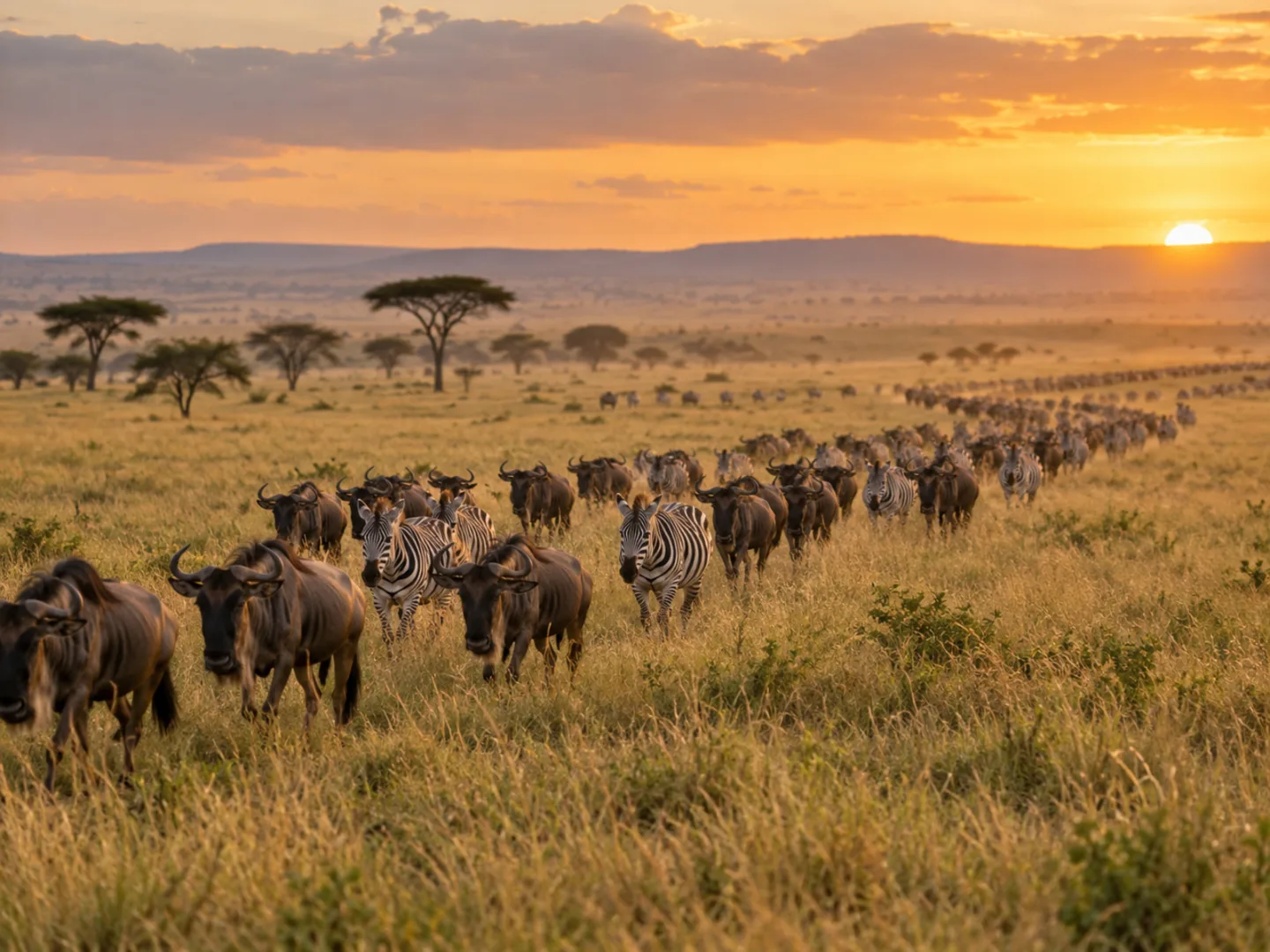
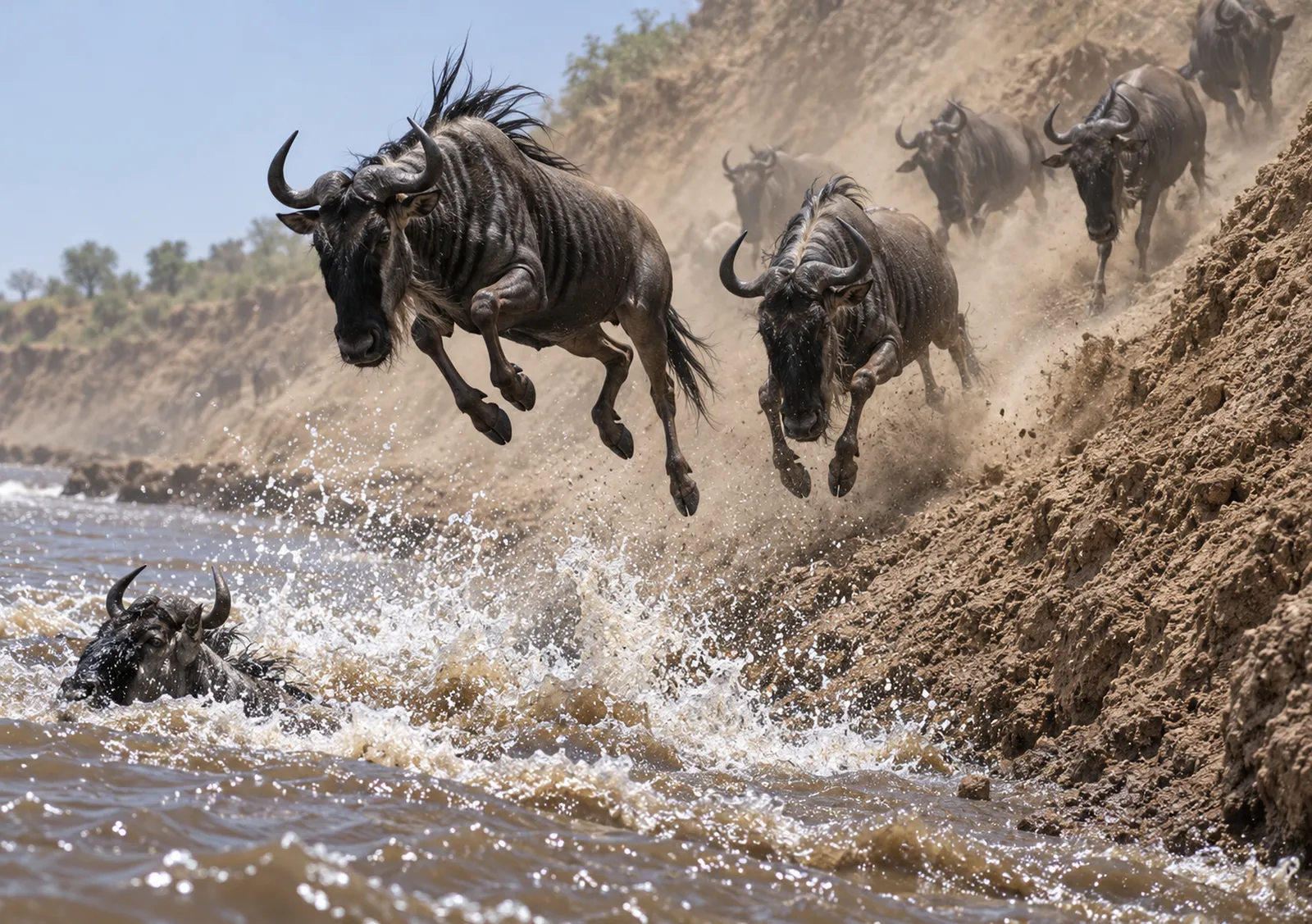
It was made famous by the Great Migration: well over a million wildebeest, together with hundreds of thousands of zebras and gazelles, circle through the ecosystem all year round, always following the rain. Add to that the oldest national park title in the country: since the 1950s, the Serengeti has been protected like no other area in Tanzania.
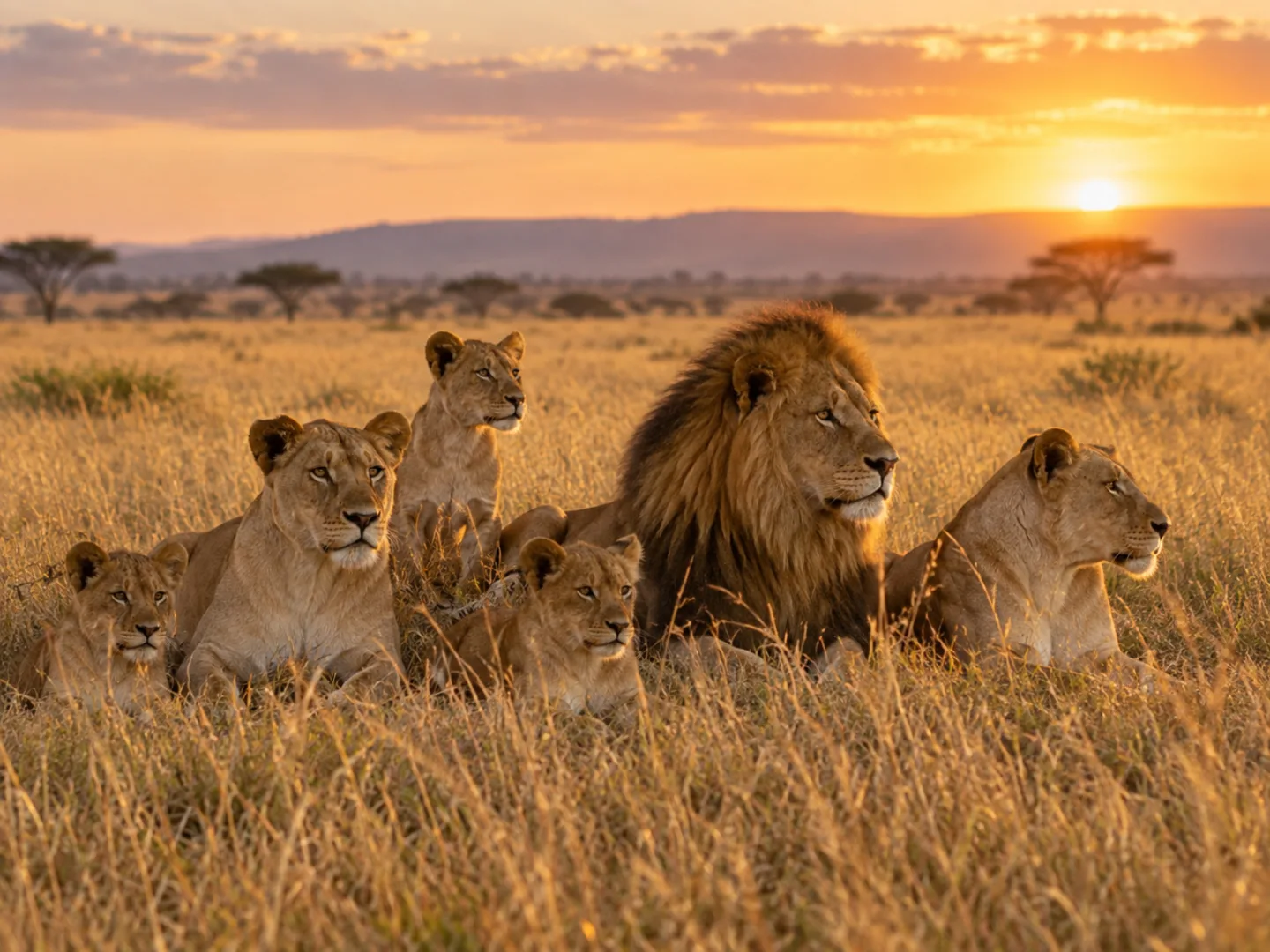
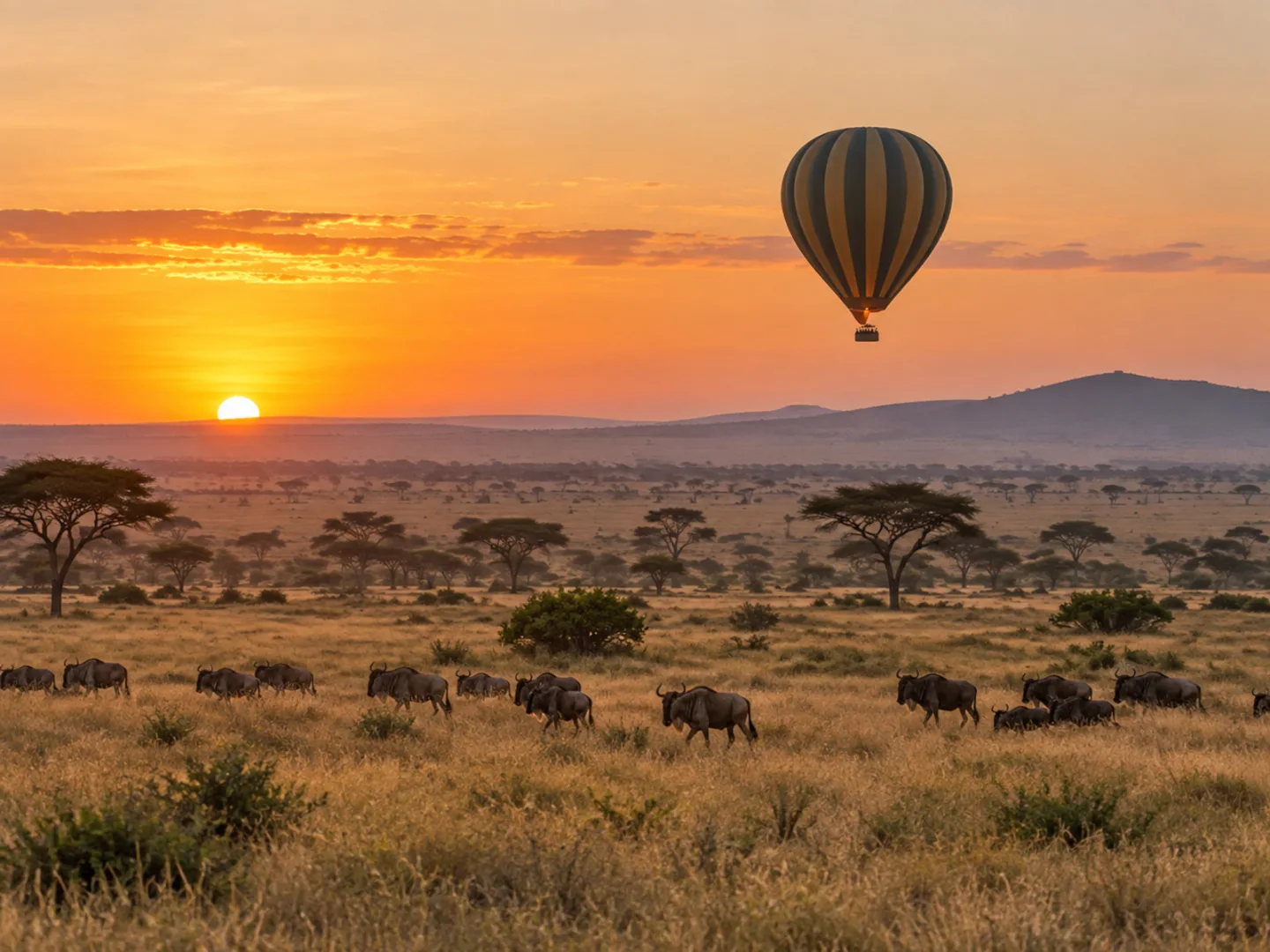
The short grasses of the south and south-east gave the park its name, but the Serengeti is more than a plain: towards Lake Victoria it turns bushy, in the north hilly, and narrow strips of forest grow along the rivers. The park extends to the Kenyan border, where the ecosystem continues in the Masai Mara.
A three-way split helps with planning. The central Serengeti around Seronera is rich in wildlife all year round, and this is where our set routes go. The south around Ndutu has its big season from December to March, the north around Kogatende at the time of the Mara crossings; you can reach both with an individually planned route.
The herds are not heading for a goal but following the weather: where it has rained, fresh grass grows. Between December and March they graze in the south, where most of the calves are born in February, and where there are so many young animals, the predators are never far away.
From April they move north. In May and June the herds cross the Grumeti in the west; from July to September they are on the Mara in the north, in some years into October. Crocodiles lie in wait in both rivers, and the crossings are the drama familiar from documentaries. After that, the circle closes through the middle of the park and back to the south.
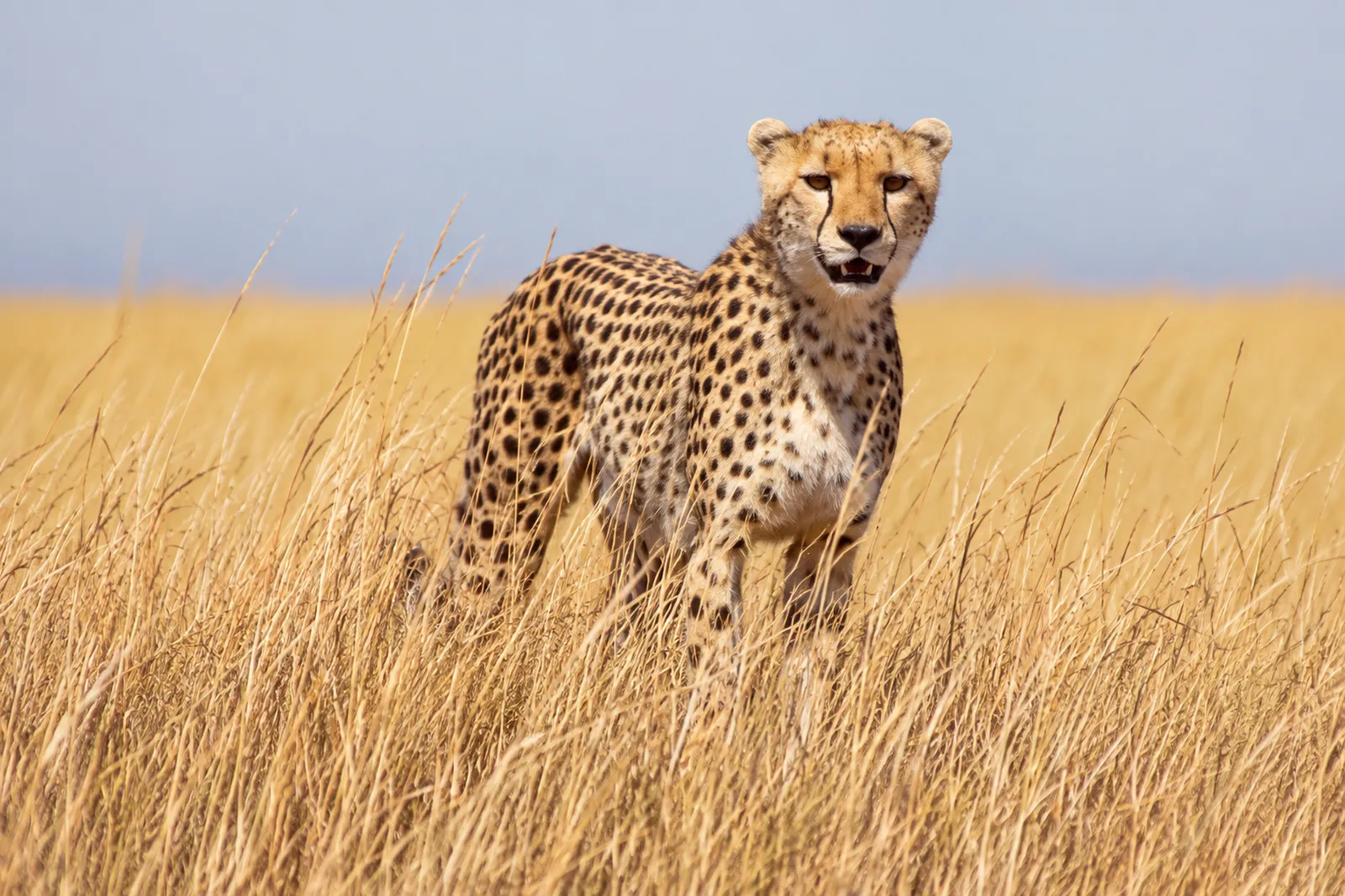
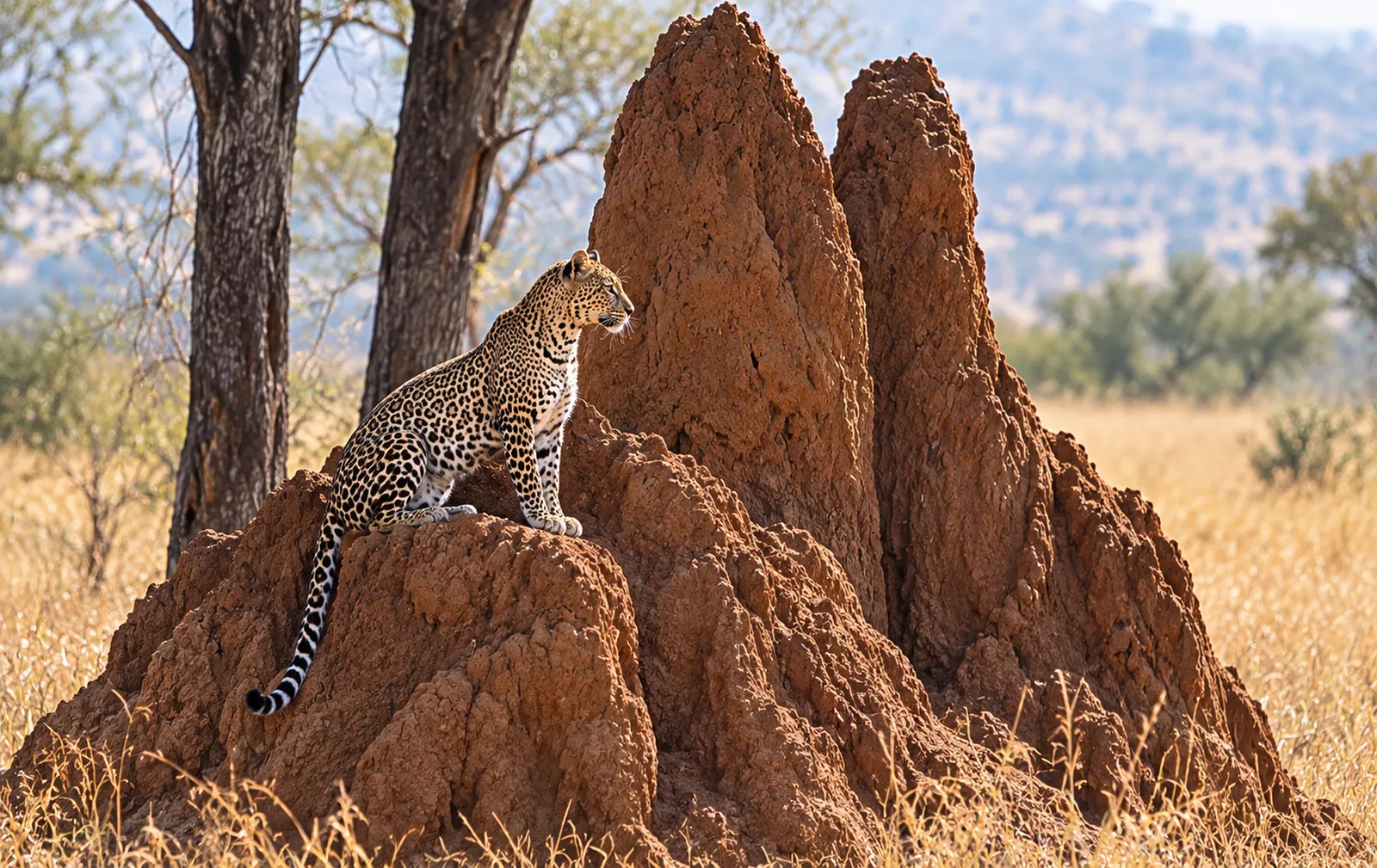
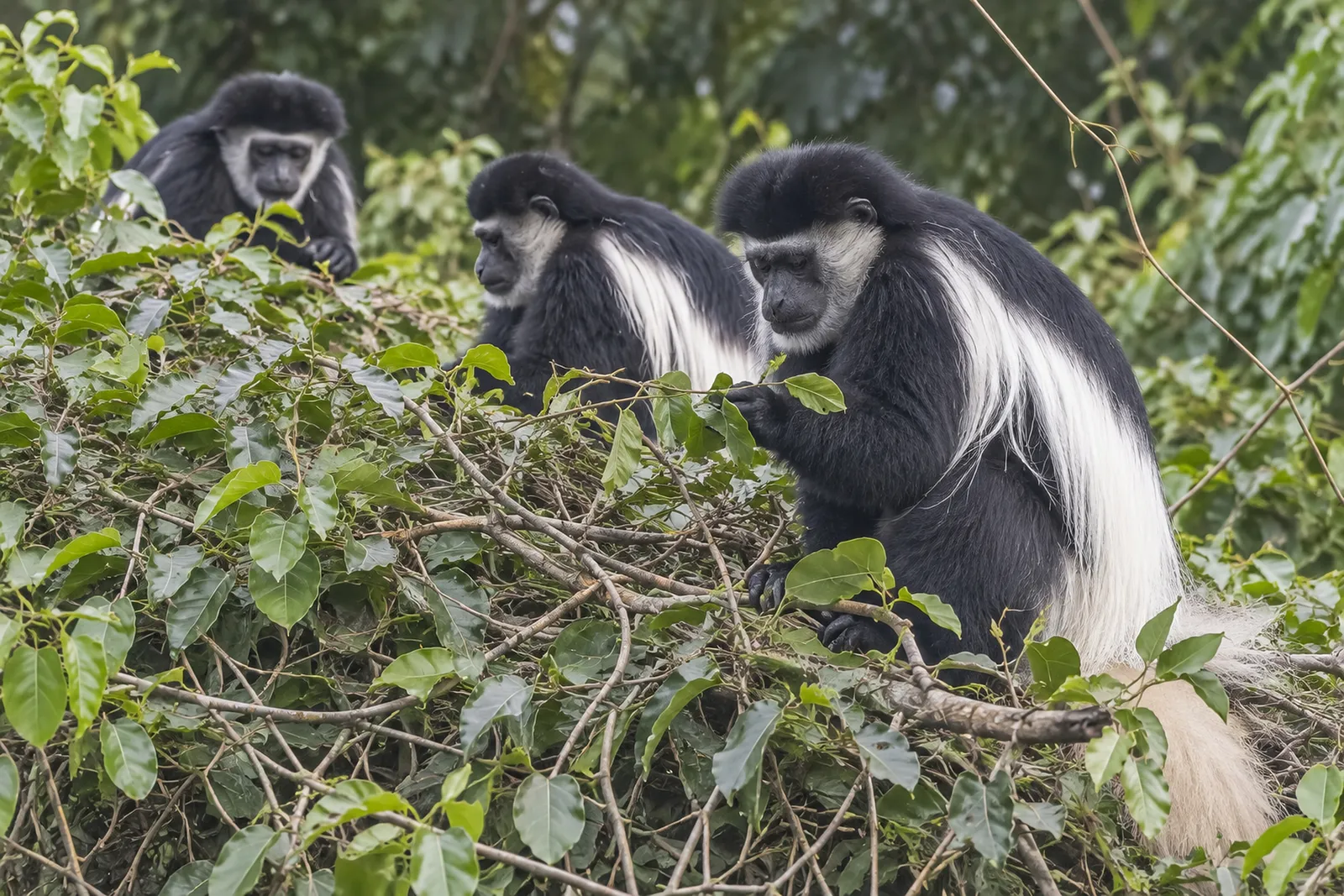
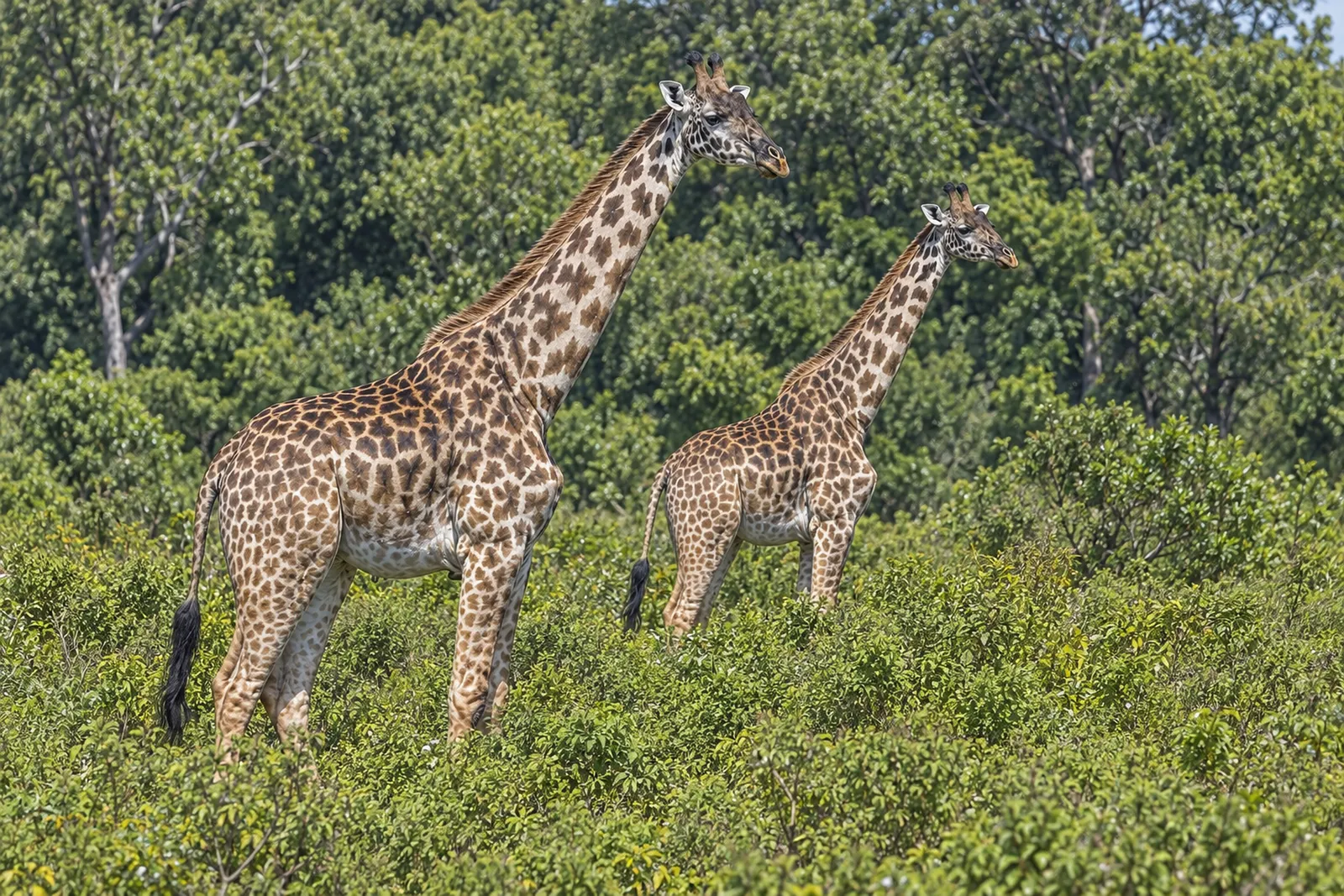
Even without the migrating herds, the Serengeti would be full: all of the Big Five live here, and lions are often seen on the kopjes, the grey rocky outcrops on the plain. Leopards like the trees along the rivers, cheetahs the open grassland, and then there are hyenas, giraffes and more bird species than fit into one holiday.
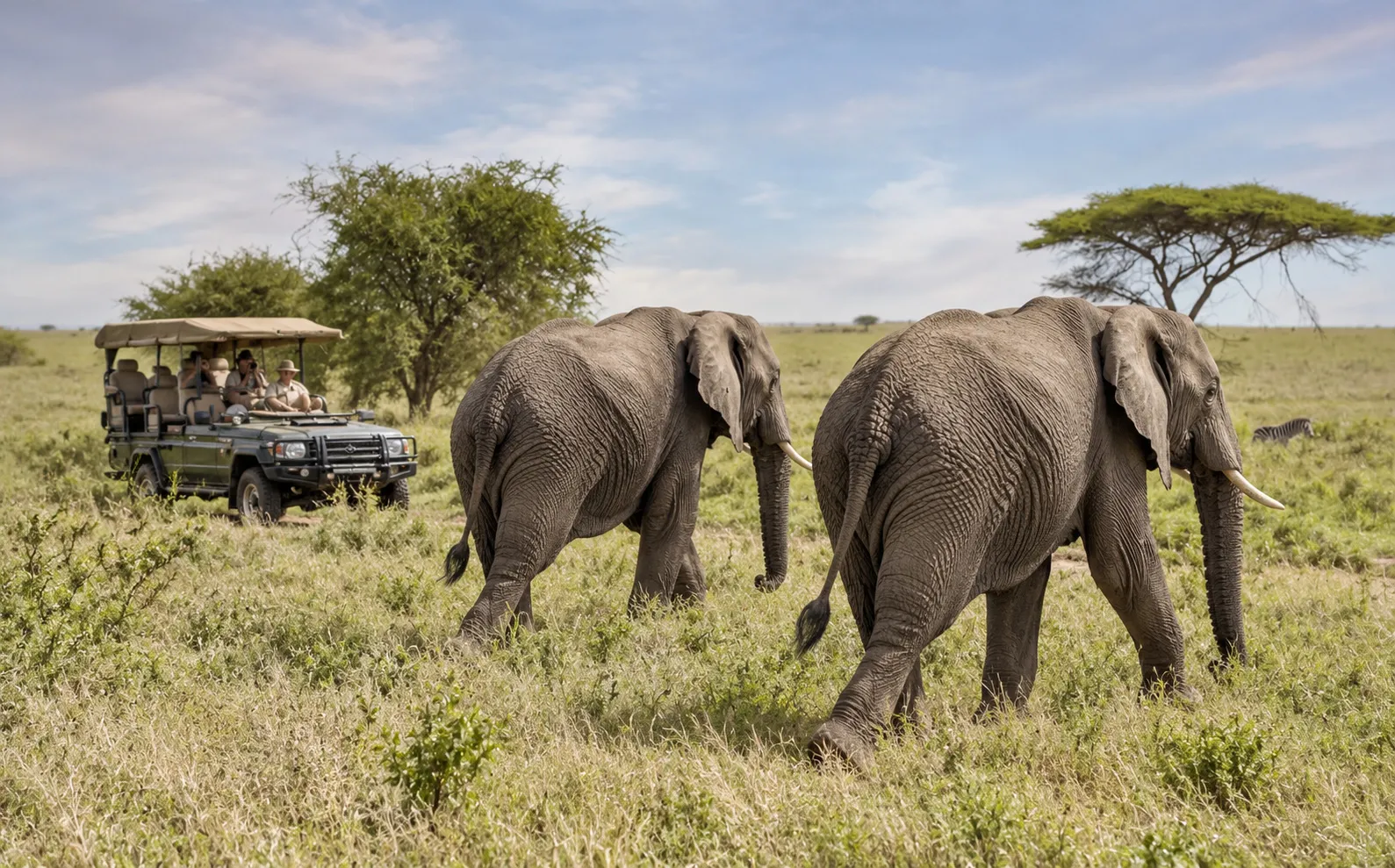
You travel in a safari vehicle, privately with your own guide. As an option, you can plan in a hot-air balloon flight at sunrise: about 45 to 60 minutes over the savannah, followed by breakfast in the bush. It is not included in the tour price; just let us know, and it will appear in your quote with its price.
You see the most when it is dry: between June and October and from late December to February. If you want to experience the calving season in the south, travel in January or February; for the Mara crossings in the north, July to September is the usual time. Most of the rain falls from March to May, when the park is green and empty and some camps take a break. No season is the wrong one: the central Serengeti always works, and all that changes is where the most is happening.
Our fly-in routes land at Seronera; you can also fly in directly from Zanzibar.
For international visitors, the park fee is around 60 to 80 USD per person per day, depending on the season. On top of that come fees for the vehicle and for overnight stays in the park (as of August 2026, subject to change by the park authority). If you book with us, there is no need to do the maths: the fees are already included in your quote.
By plane into the central Serengeti and back: two travel days full of game drives without a long drive to get there, from Arusha City or Zanzibar.
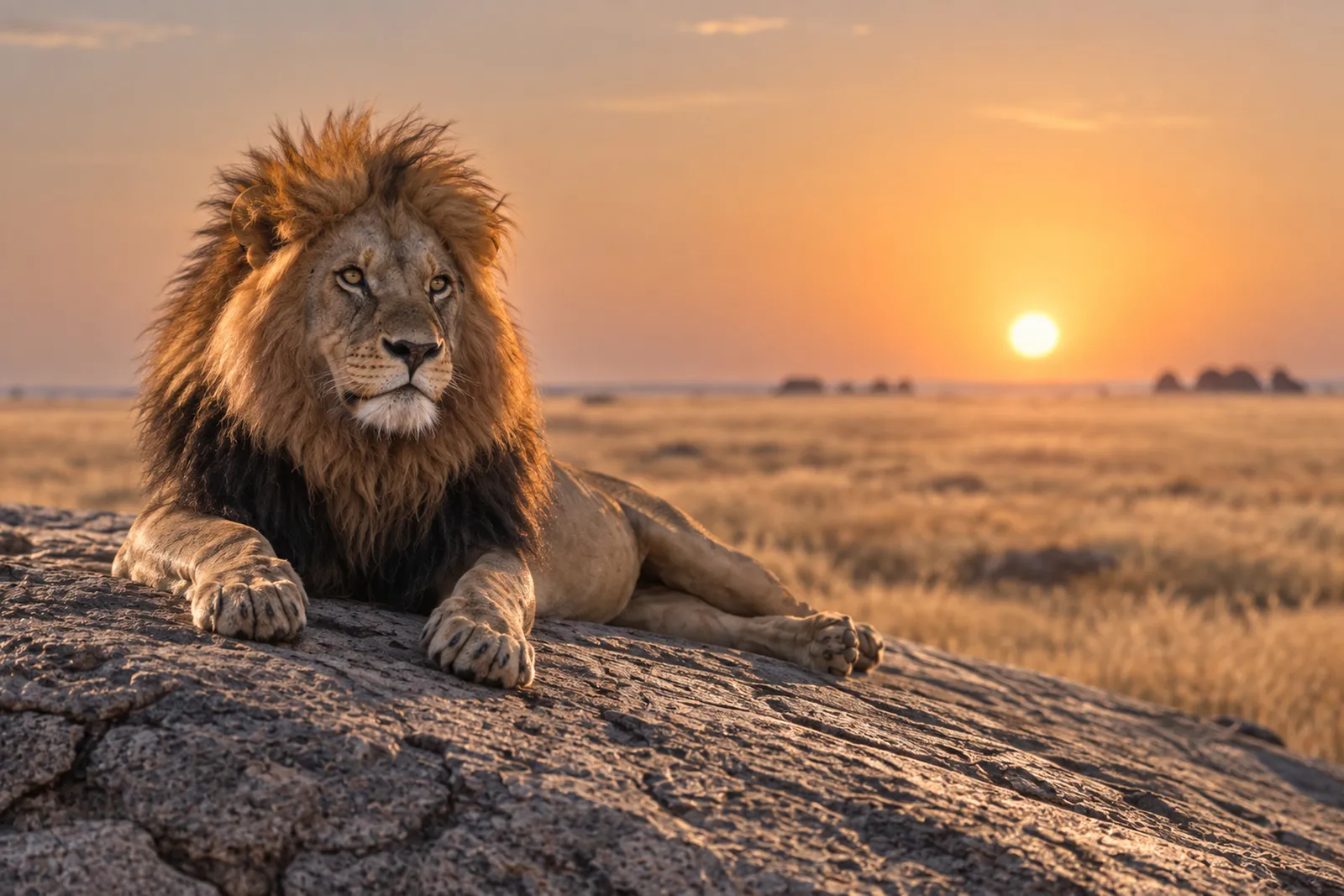
Three days in the central Serengeti with arrival and departure by plane, two nights in the park and game drives around Seronera. From Arusha City or Zanzibar.
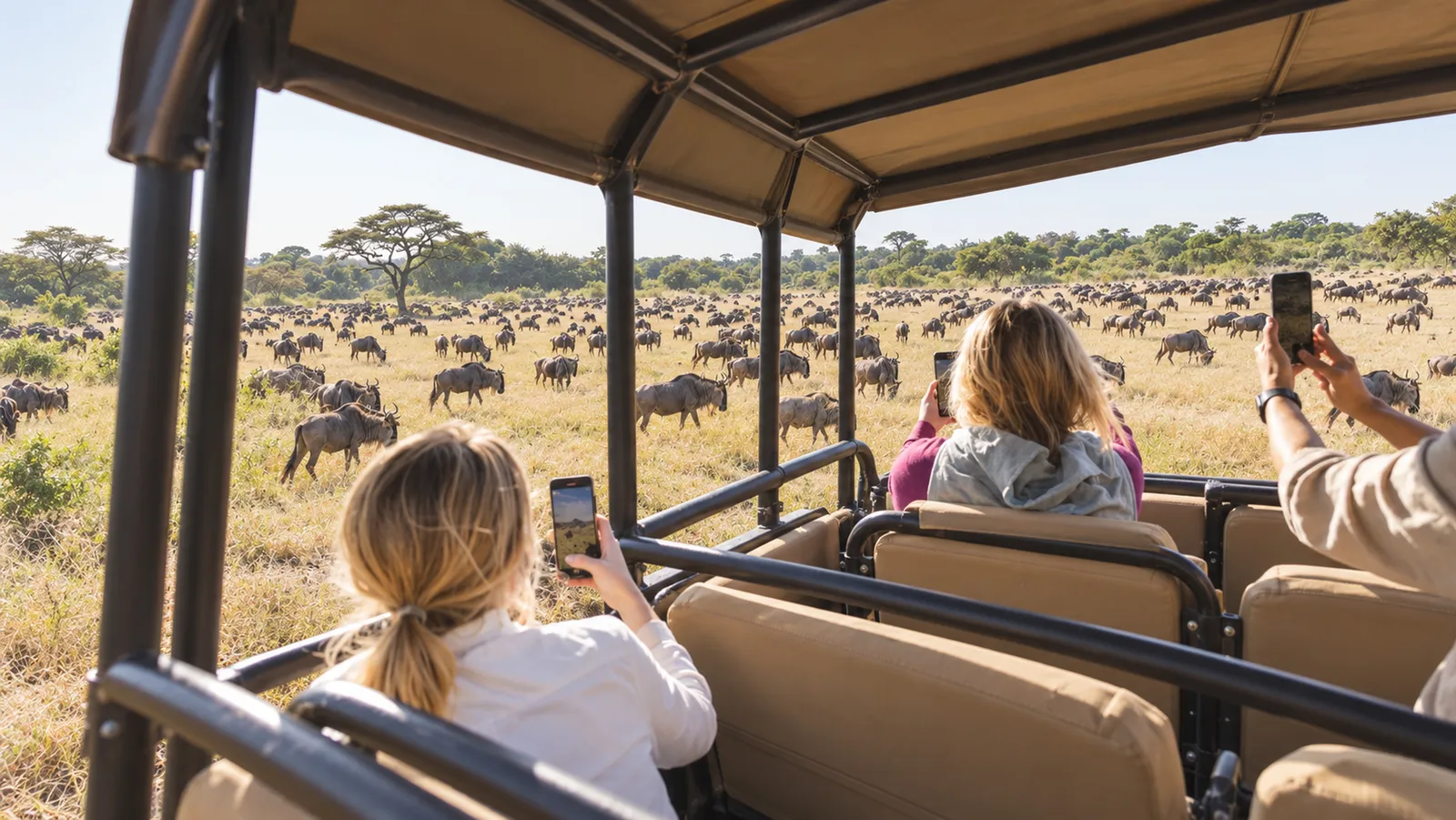
Fly into the Serengeti, return via the Ngorongoro Crater: three safari days with two overnight stays, from Arusha City or Zanzibar.
Four travel days and three nights in the heart of Serengeti National Park, flying in and out by light aircraft, with game drives from Seronera to the kopjes.
Four days from Arusha City: elephants in Tarangire, two days in the central Serengeti and finally the Ngorongoro Crater. Three nights, privately guided.
The great northern circuit in five days: from Tarangire via Lake Manyara into the Serengeti and finally down into the crater. Four nights, privately guided.
Five travel days, three of them in the Serengeti: a start in Tarangire, a finish in the Ngorongoro Crater, four nights from Arusha City.
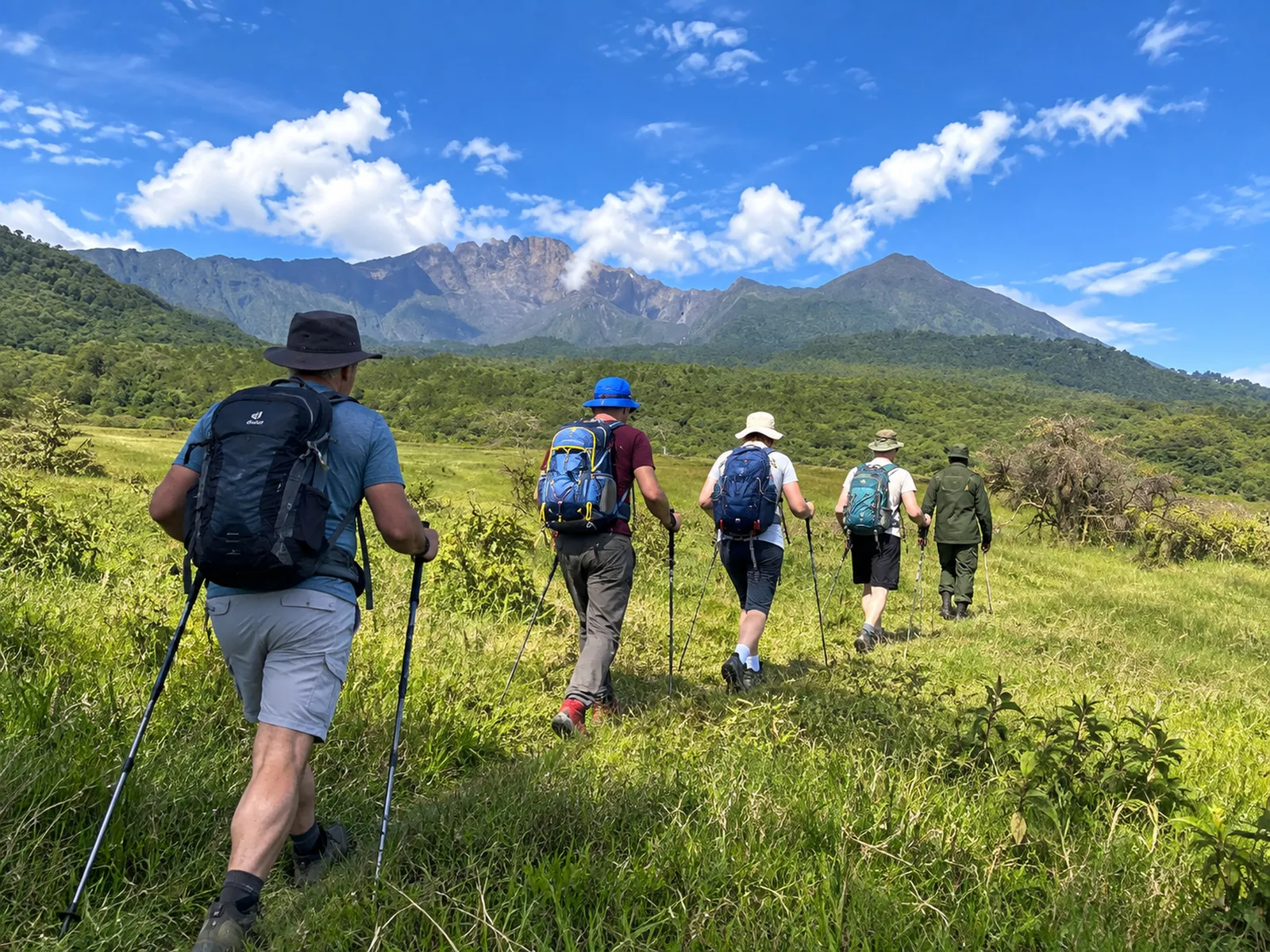
Six days right across the north, from the Momella Lakes to the crater floor, with two full days in the Serengeti and five nights.
Six days with the focus on the Serengeti: three days in a row in the park, framed by Arusha National Park, Tarangire and the Ngorongoro Crater.
Seven days, the whole of the north: first Arusha National Park, Tarangire and Manyara, then three Serengeti days, and finally the crater.
Seven days, Serengeti first: fly in, stay three days, then back via the crater, Manyara and Tarangire all the way to Arusha National Park.
We put your route together — free of obligation and in person. We reply the same day, usually faster on WhatsApp.

Prefer to talk? Dominic Dreiner is happy to help.
Alle Preise sind unverbindliche Richtpreise pro Person bei zwei gemeinsam reisenden Personen, einschließlich der in der Leistungsübersicht genannten Leistungen und ohne Flüge nach Tansania. Bei größeren Gruppen sinkt der Preis pro Person. Der endgültige Preis richtet sich nach Reisezeitraum, Gruppengröße, gewählten Unterkünften und Verfügbarkeit; er wird Ihnen im individuellen Angebot verbindlich genannt. Angebote sind bis zur abschließenden Verfügbarkeitsprüfung freibleibend. Es gelten unsere AGB.