
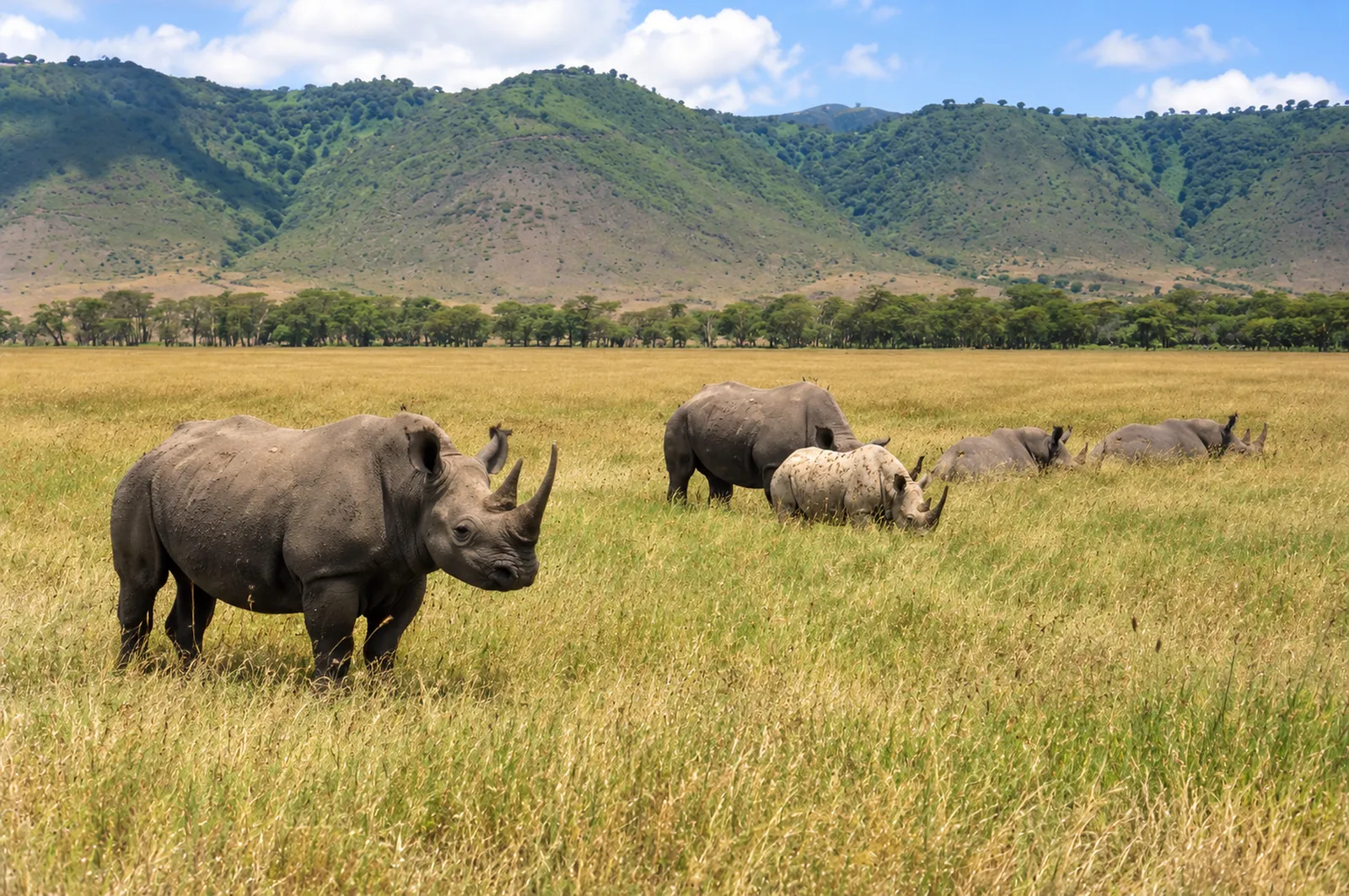
Day Trip Ngorongoro Crater
A day in the Ngorongoro Crater with no overnight stay: down into the crater to the Big Five, privately guided, from Arusha City or with a flight from and to Zanzibar.
1 dayCalculate the price
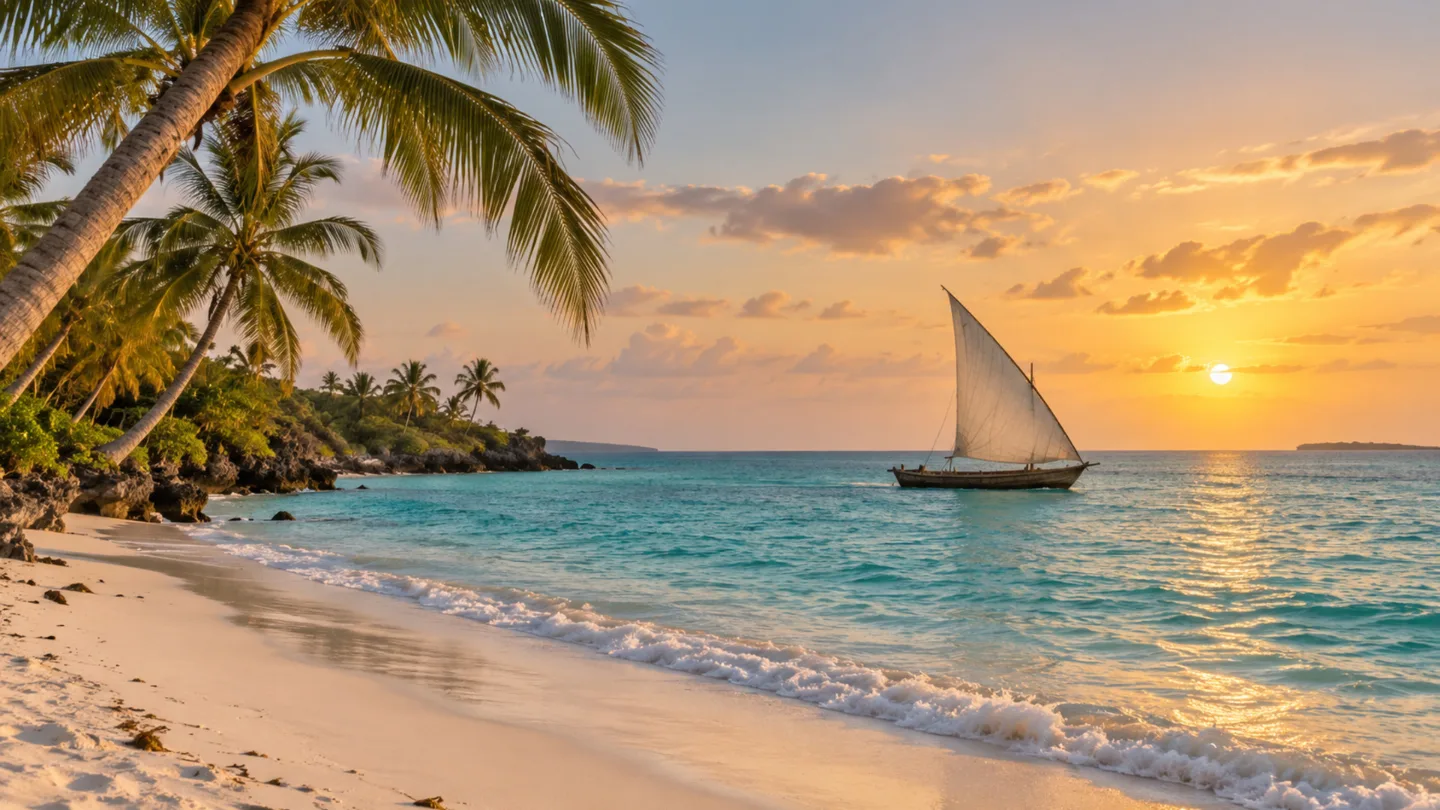
Around 80 minutes' flight from Arusha, and you are standing on the shores of the Indian Ocean.
Put your safari together in the trip planner.
Around 80 minutes' flight from Arusha, and you are standing on the shores of the Indian Ocean. Zanzibar is the classic way to wind down after a safari: Stone Town with its narrow alleys (a UNESCO World Heritage Site since 2000), spice farms in the island's interior and coral reefs off the coast.
Strictly speaking, Zanzibar is an archipelago, 25 to 50 kilometres off the coast of Tanzania. When most people say Zanzibar, they mean Unguja, the main island; its greener sister island Pemba is hilly, quiet and popular with divers. Then there are small islands and sandbanks such as Mnemba for day trips.
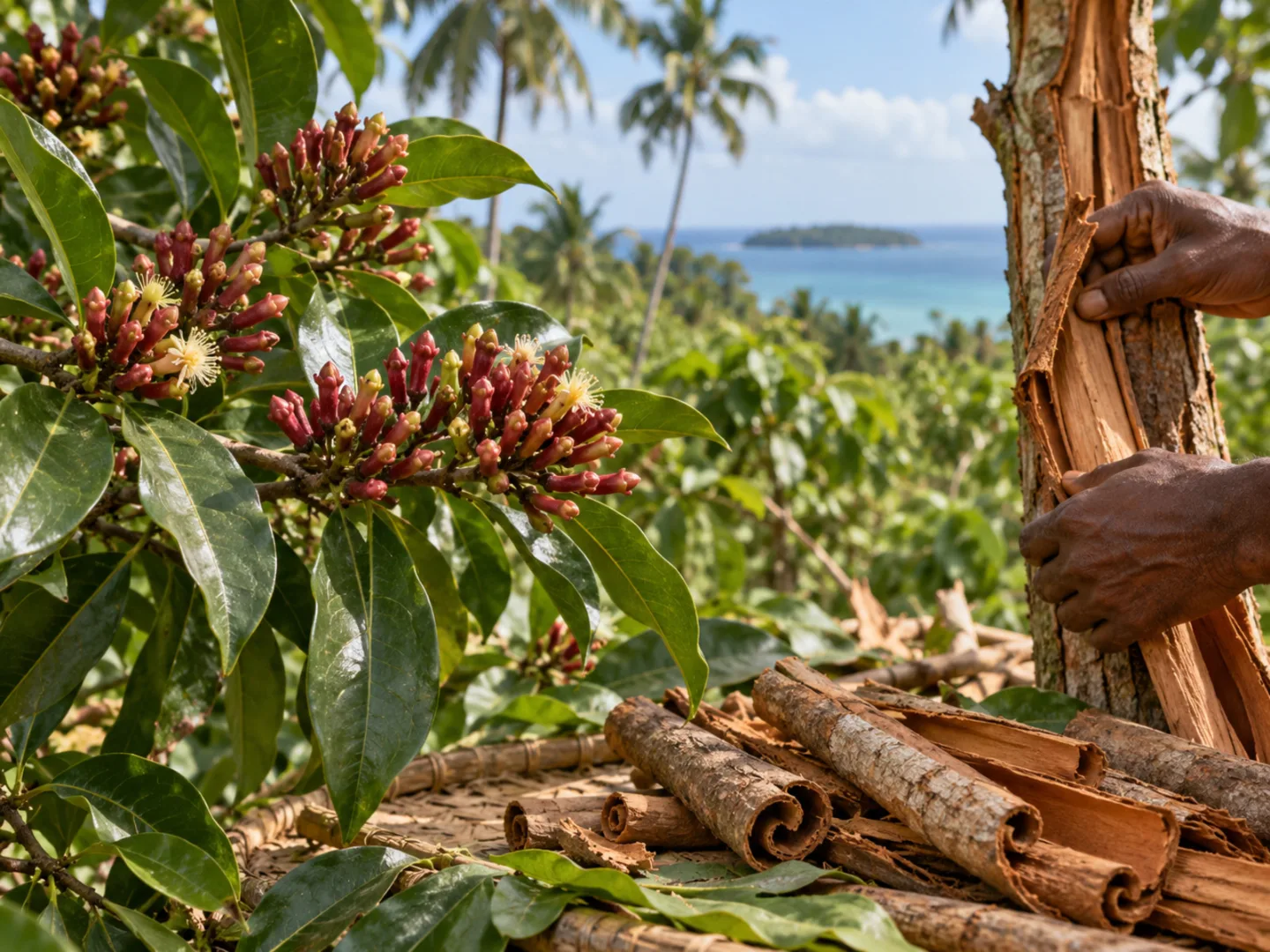
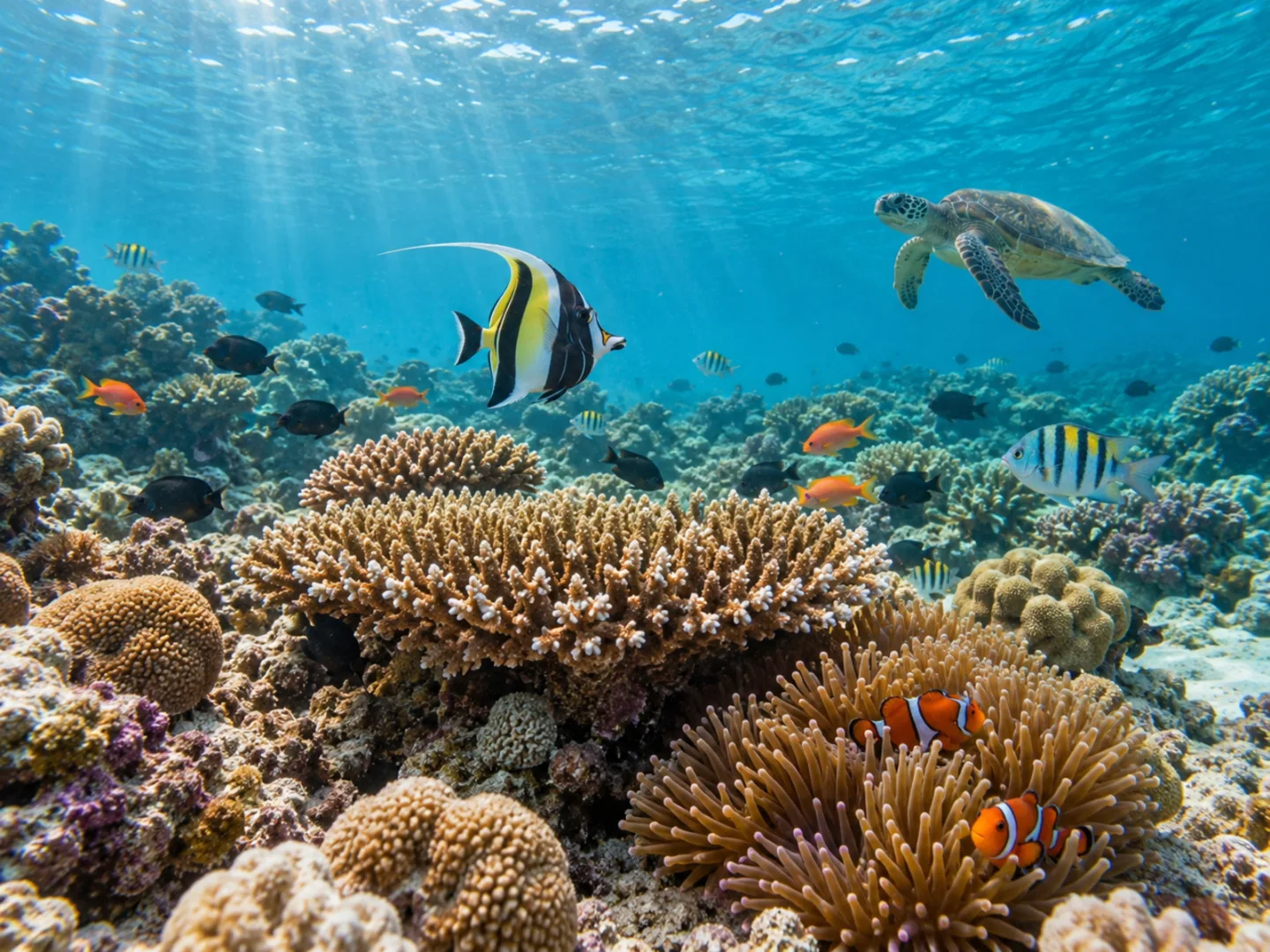
Unguja is the main island and the one developed for tourism, with Stone Town, the well-known beaches and the airport. Pemba, the “green island”, has hills full of clove plantations, very little bustle and, offshore, dive sites for advanced divers.
The small neighbours are worth a day trip: the reef around Mnemba Island is the best-known snorkelling spot, and Prison Island with its giant tortoises lies just off Stone Town.
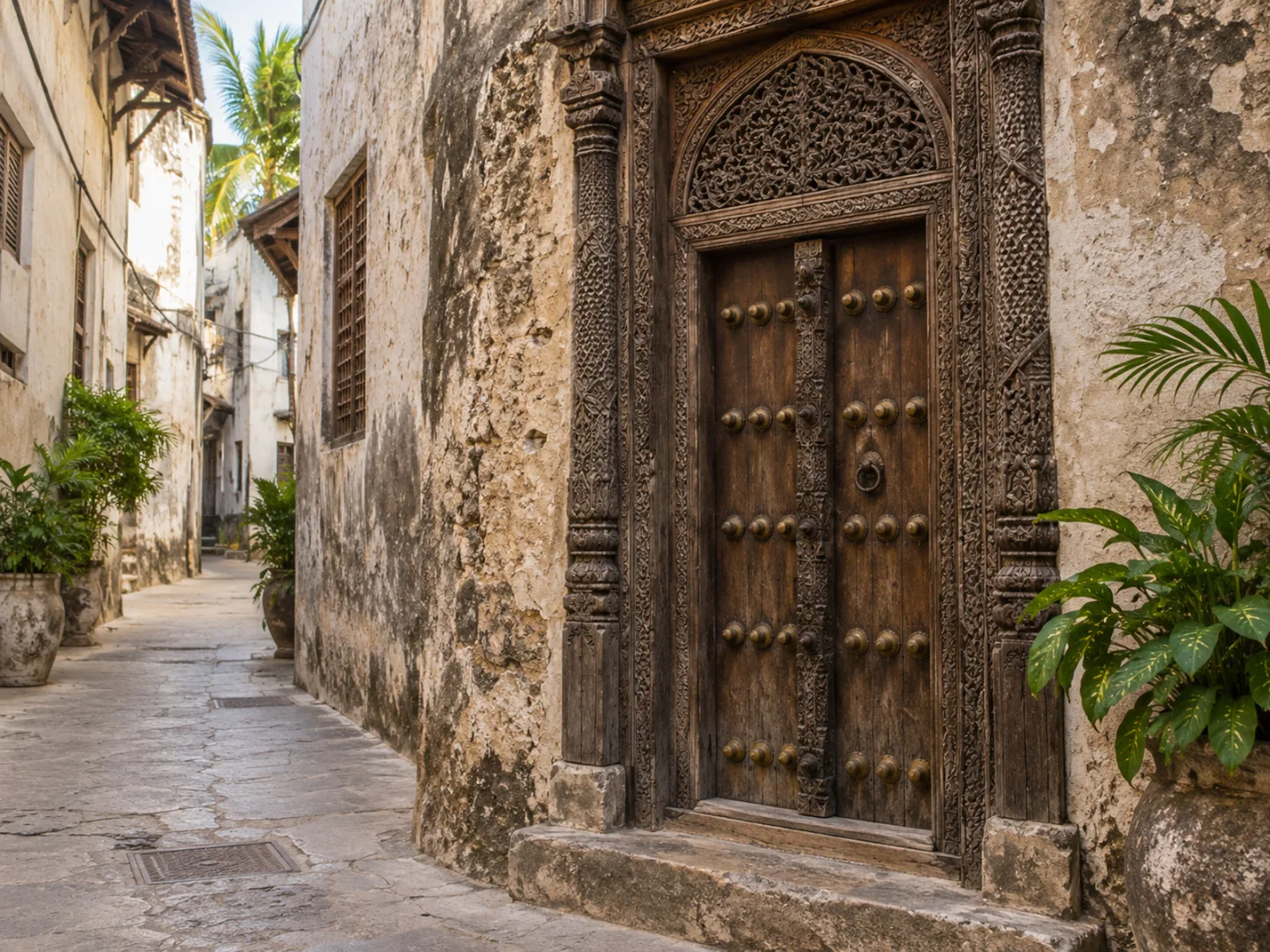
Stone Town has been a UNESCO World Heritage Site since 2000: winding alleys, intricately carved wooden doors, bazaars and, in the evening, the market in the Forodhani Gardens. Half a day with a guide is enough for a first overview, though many end up staying longer.
When it comes to beaches, the tide decides. In the north around Nungwi and Kendwa you can swim all day, while on the east coast the sea retreats a long way at low tide; the exposed seabed then becomes a walkway full of starfish. Kitesurfers head for Paje, snorkellers tend to go to Matemwe.
Underwater, the archipelago has two faces: the Mnemba reef for relaxed snorkelling and diving, and the walls off Pemba for the experienced. On land, Jozani Forest protects the Zanzibar red colobus, a monkey found only on Zanzibar.
And then there are the spices that gave the islands their nickname. On a spice tour you see how cloves, cinnamon, vanilla and nutmeg grow, and at the end you guess what you have just crushed. The hit rate is usually lower than you would think.
You can swim almost any time, because it never gets cold on Zanzibar; the annual average is around 27 °C. The most reliable months are June to October, plus the hot, dry weeks of January and February. Most of the rain falls between March and May, often as a short, heavy shower with sunshine afterwards; in November and December there are occasional showers.
Any of our safari routes can start or finish on Zanzibar; we build the flight into the plan.
Since October 2024, Zanzibar has required mandatory inbound travel insurance for international visitors (44 USD per person, as of 2024); since 1 October 2026, the requirement has also applied on the mainland. One policy covers the whole trip, and it is taken out where you first enter the country. On top of that, as for all of Tanzania, you need a visa (50 USD, as of March 2024). We check both for you when we prepare your quote.
A day in the Ngorongoro Crater with no overnight stay: down into the crater to the Big Five, privately guided, from Arusha City or with a flight from and to Zanzibar.
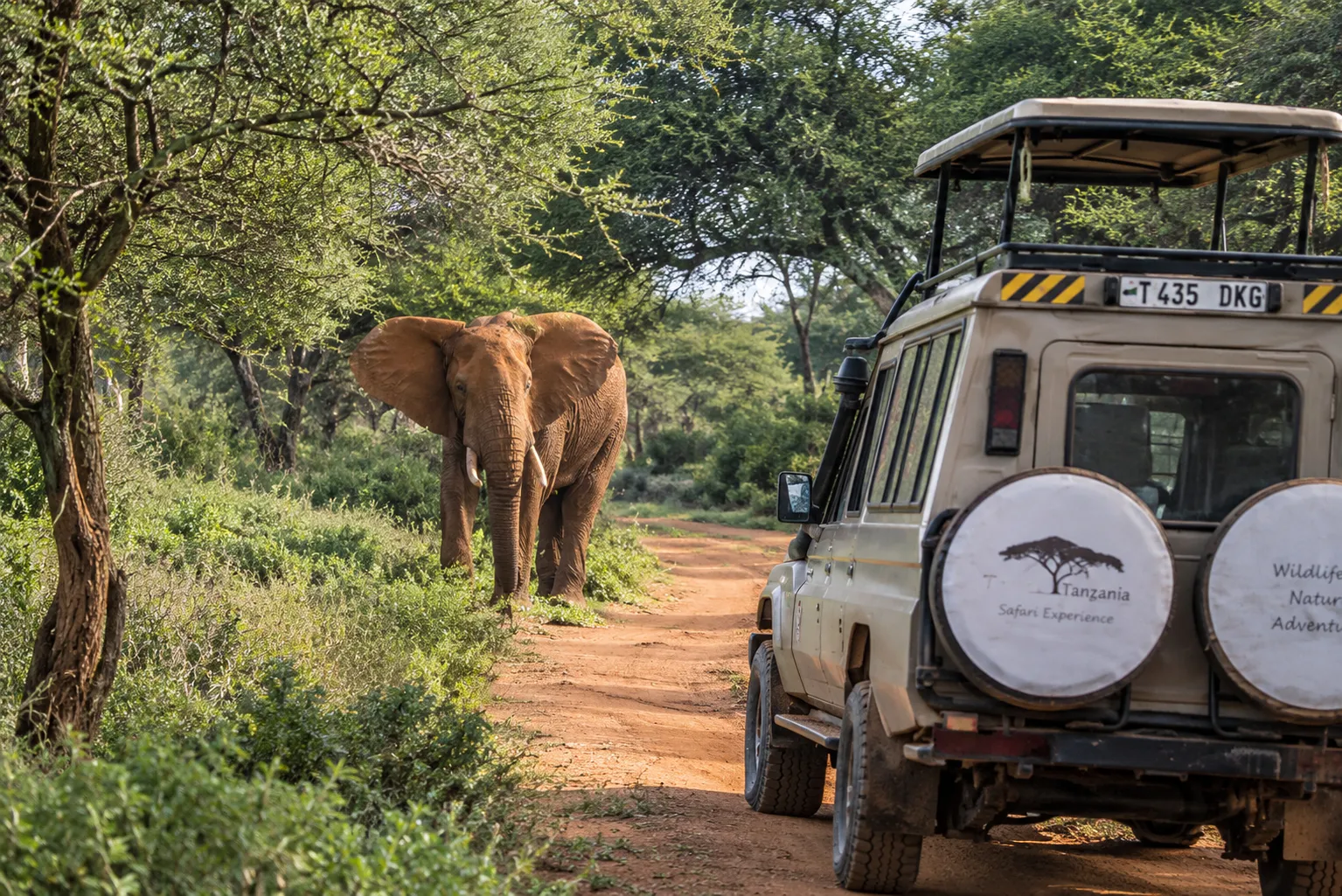
A day of game drives in Tarangire with no overnight stay: elephants and baobabs, privately guided from Arusha City, with an optional Zanzibar flight at the start or end.
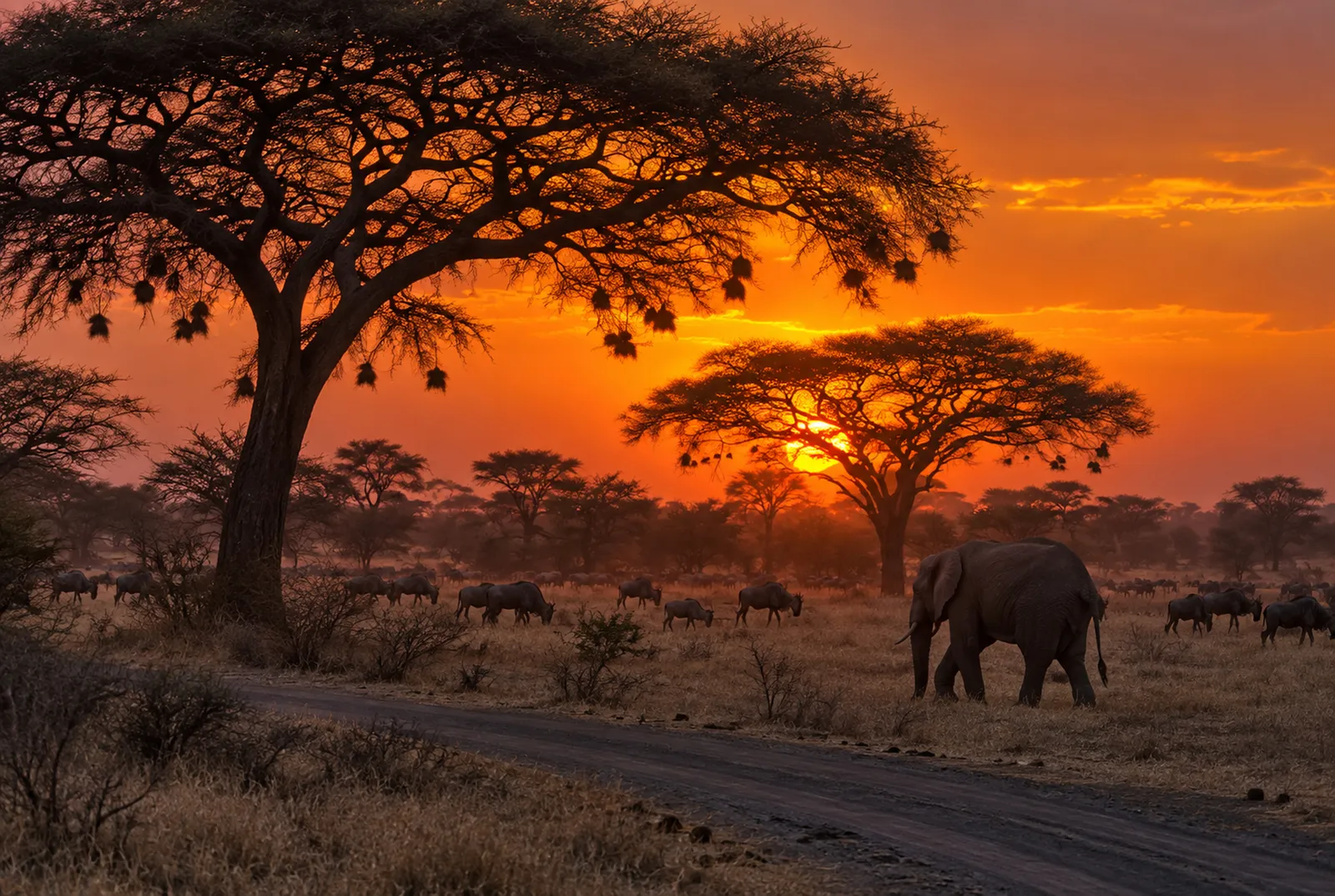
By plane into the central Serengeti and back: two travel days full of game drives without a long drive to get there, from Arusha City or Zanzibar.
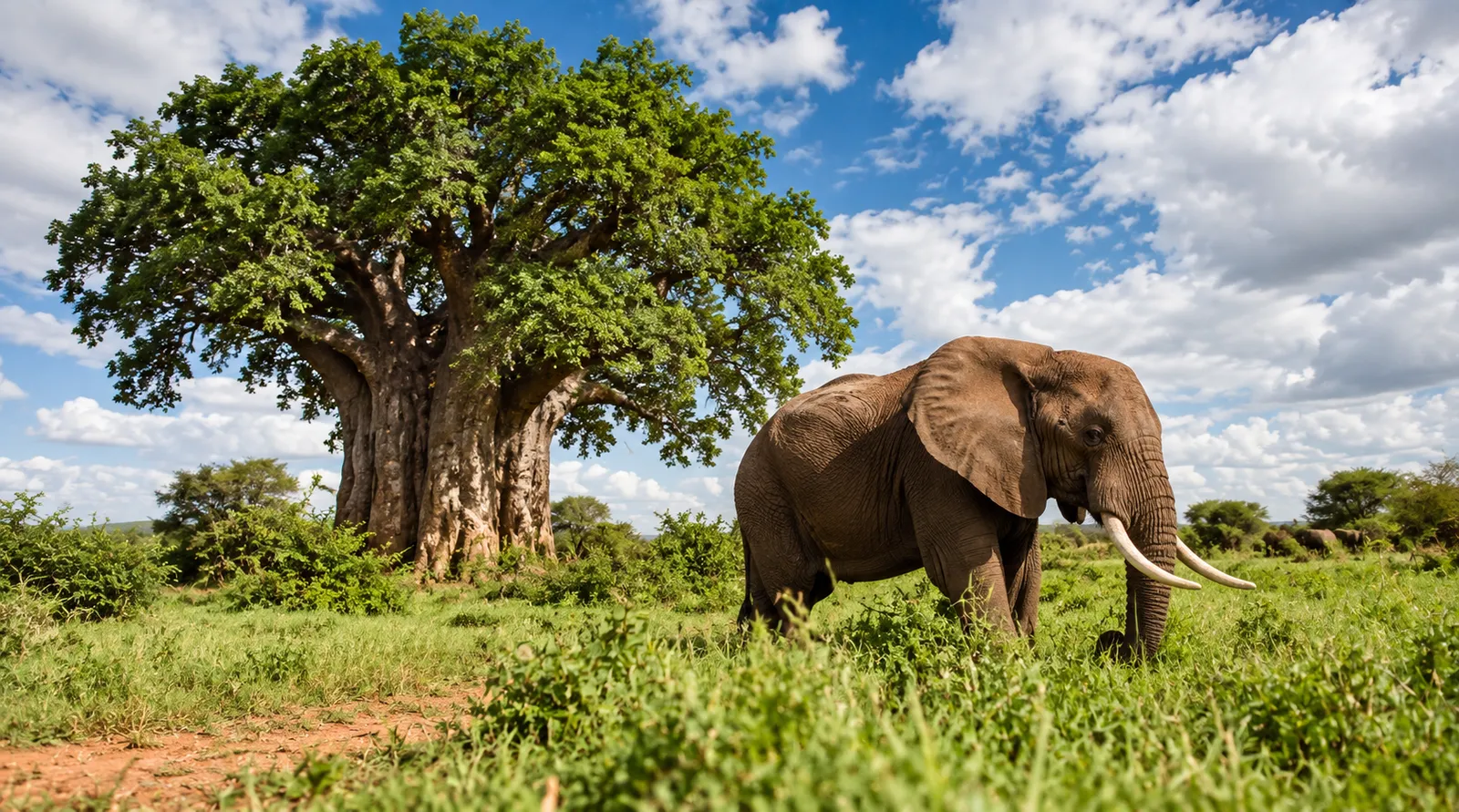
Compact two-day safari from Arusha City: elephants on the Tarangire River, then down to the Big Five in the Ngorongoro Crater. One overnight stay, privately guided.
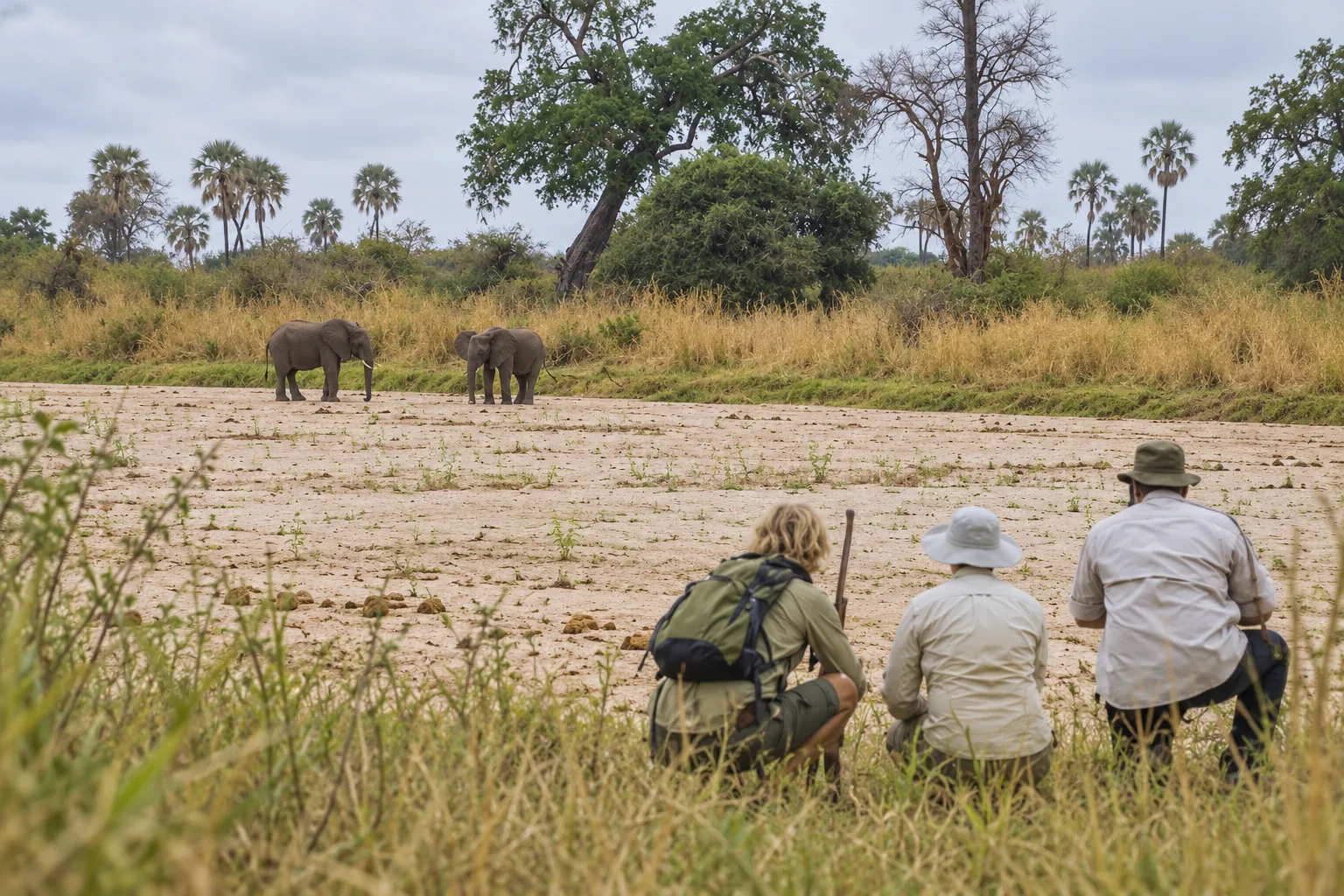
Two privately guided days: first to the elephants of Tarangire, then into the groundwater forest at Lake Manyara, with one overnight stay, from Arusha City.
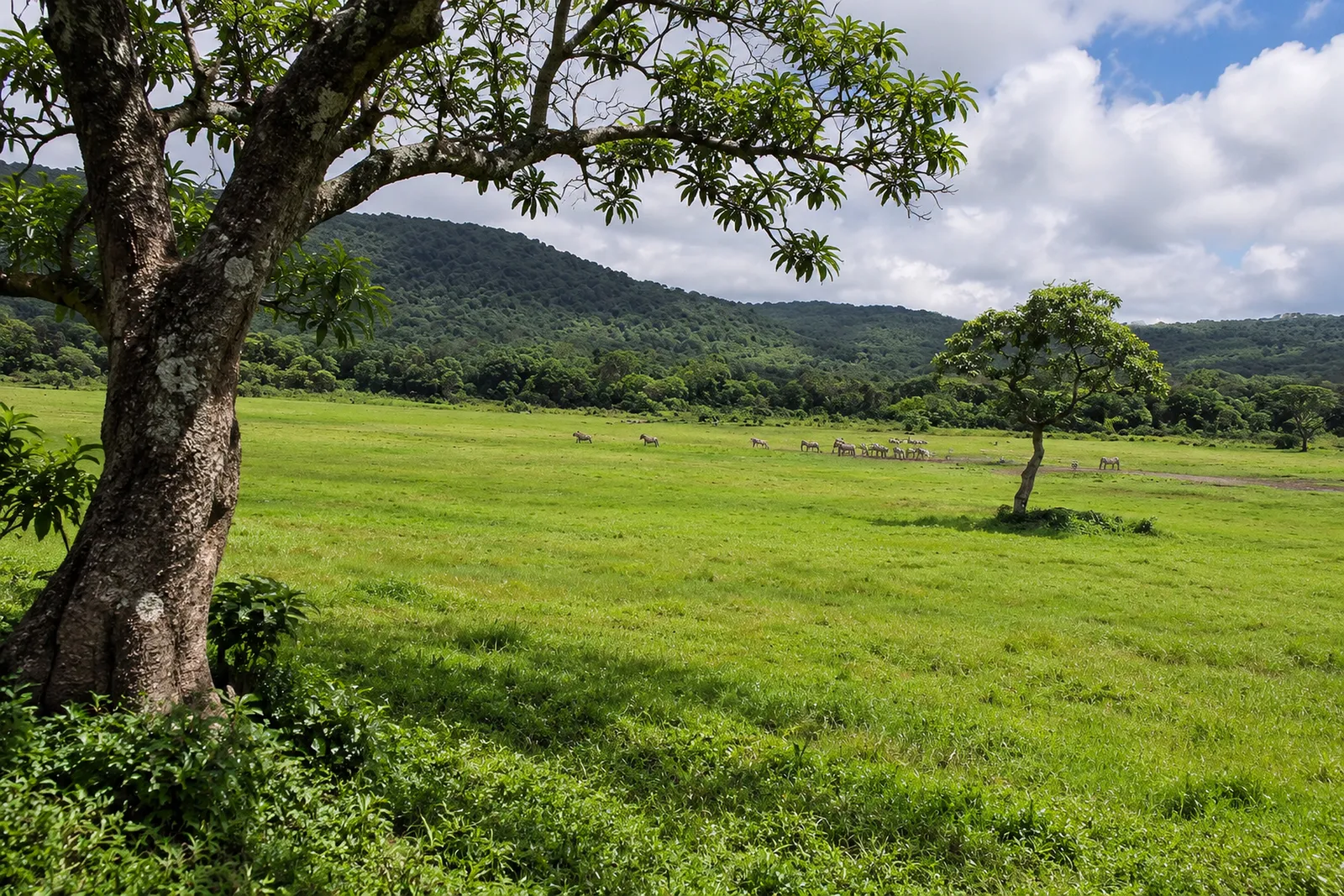
Three days through Arusha National Park, Tarangire and Lake Manyara: three landscapes in three days, with two nights on the road, from Arusha City.
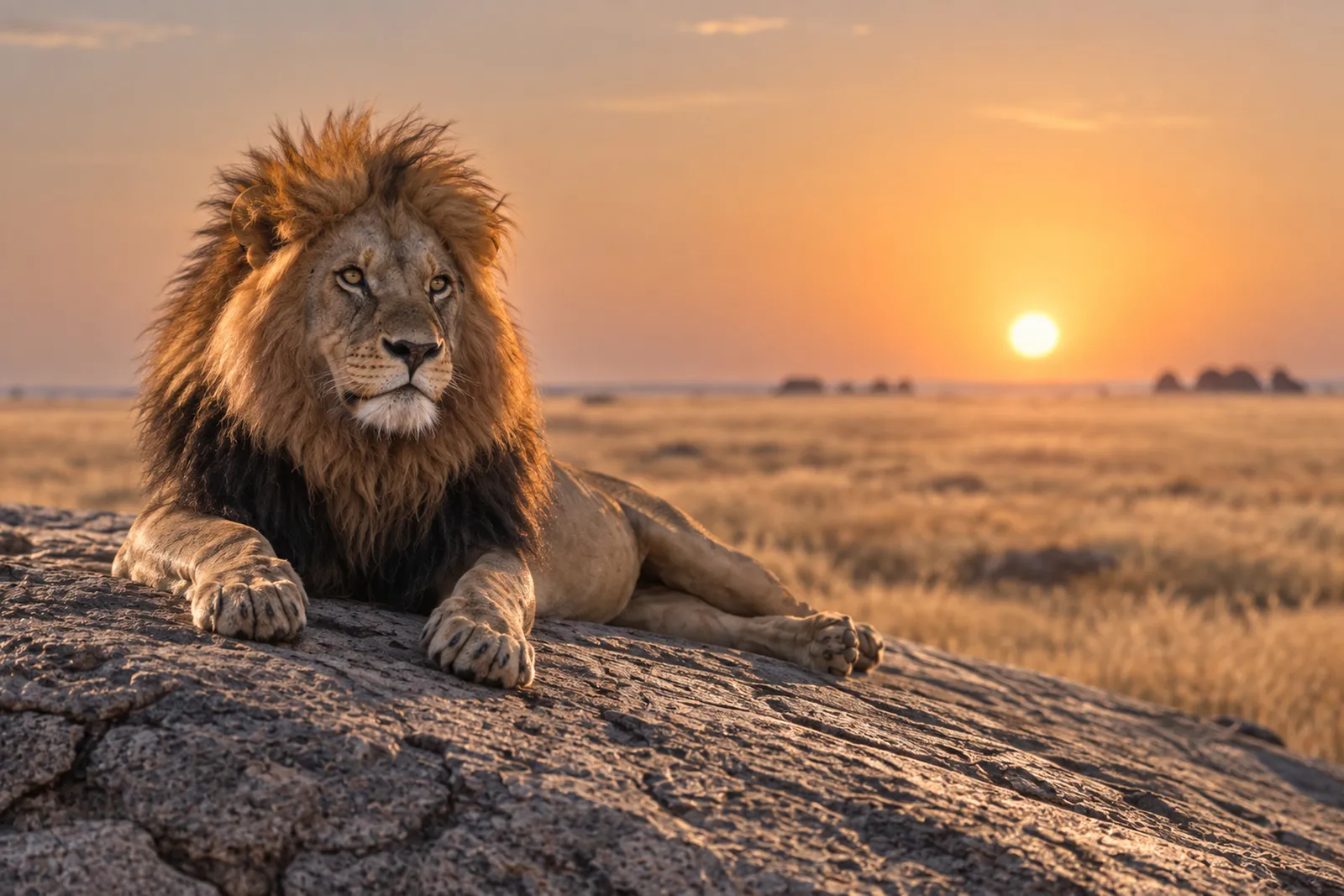
Three days in the central Serengeti with arrival and departure by plane, two nights in the park and game drives around Seronera. From Arusha City or Zanzibar.
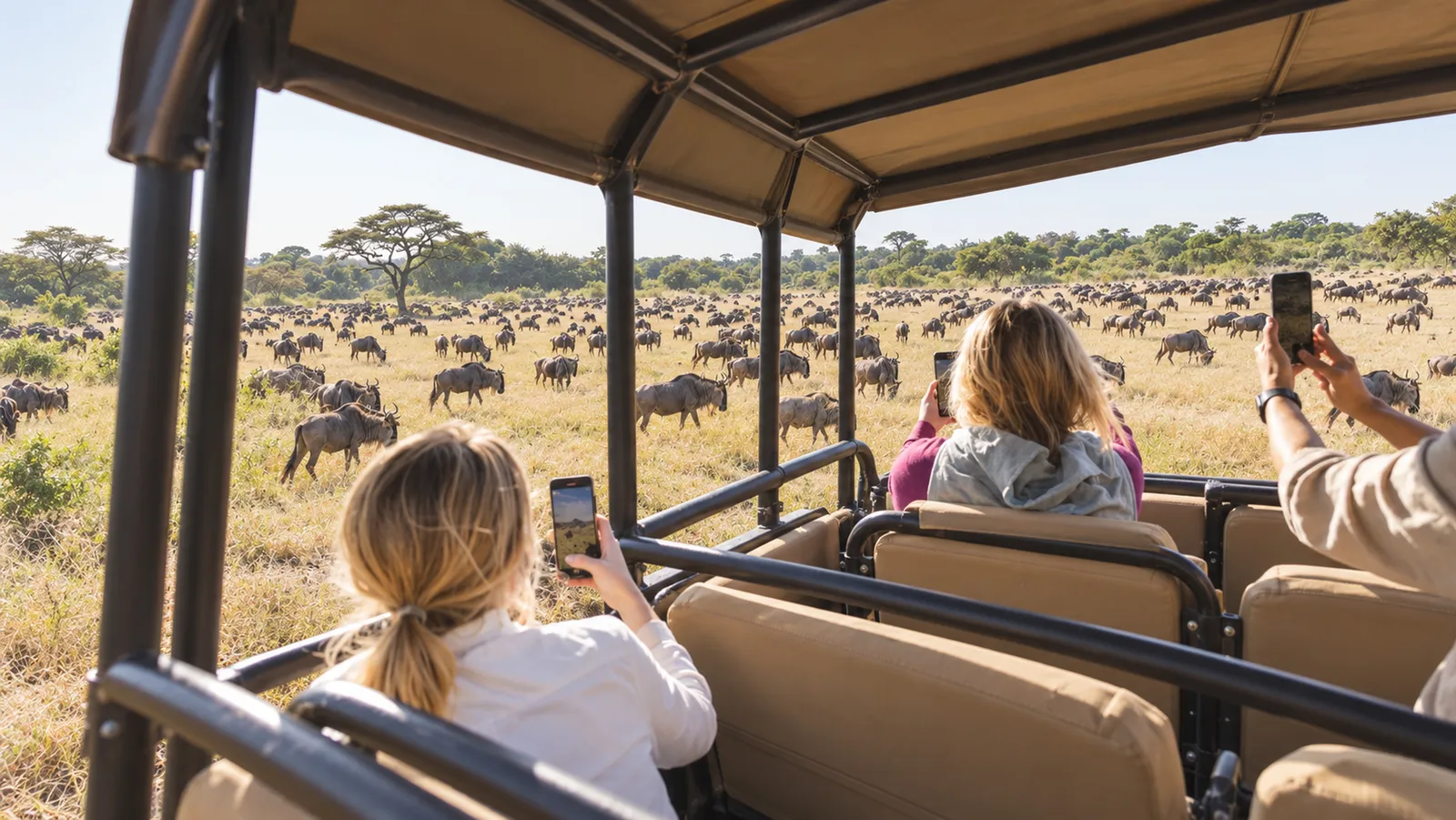
Fly into the Serengeti, return via the Ngorongoro Crater: three safari days with two overnight stays, from Arusha City or Zanzibar.
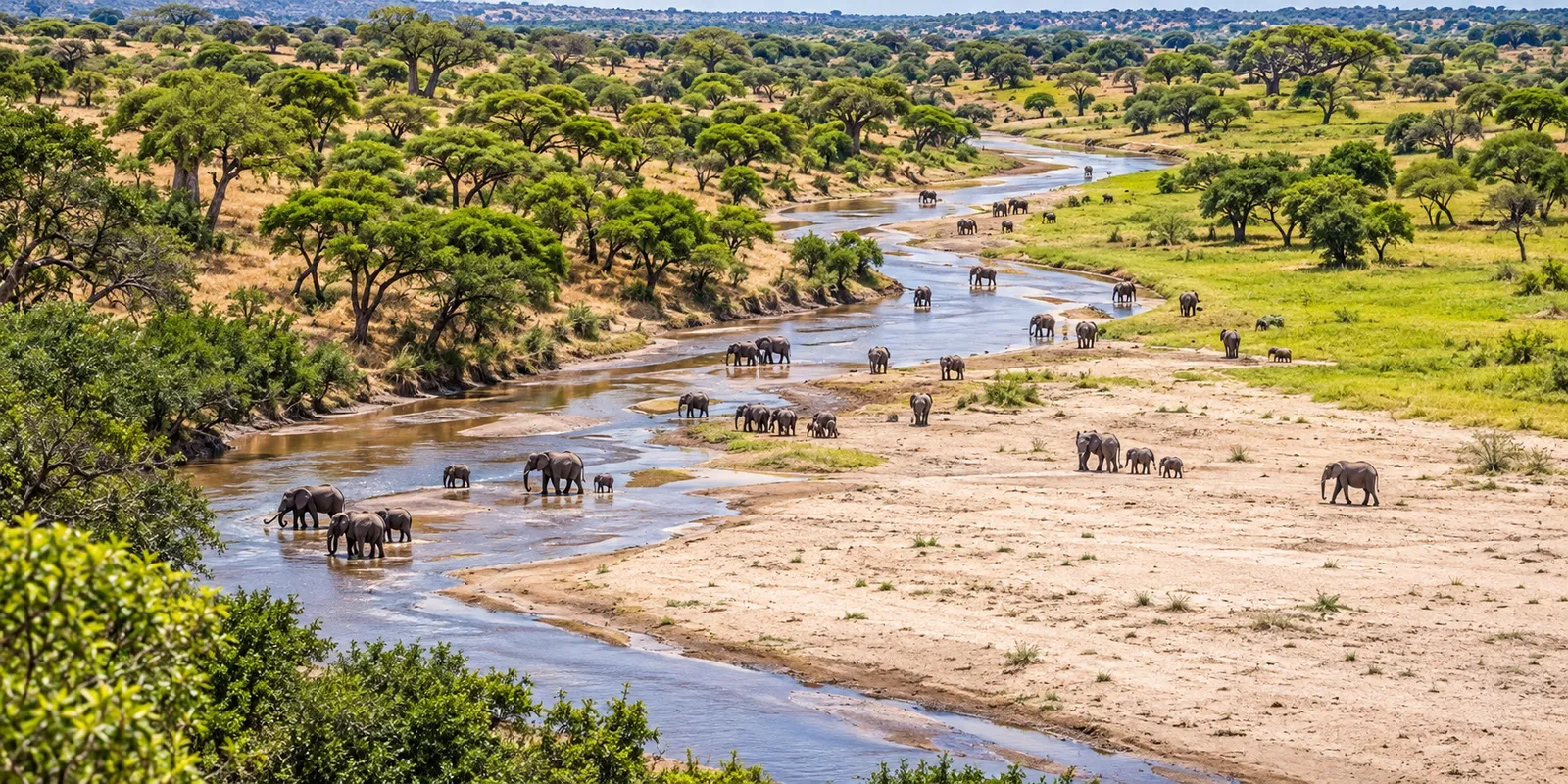
Three days on the northern route from Arusha City: Tarangire, Lake Manyara and the Ngorongoro Crater, with two overnight stays and a Big Five finale.
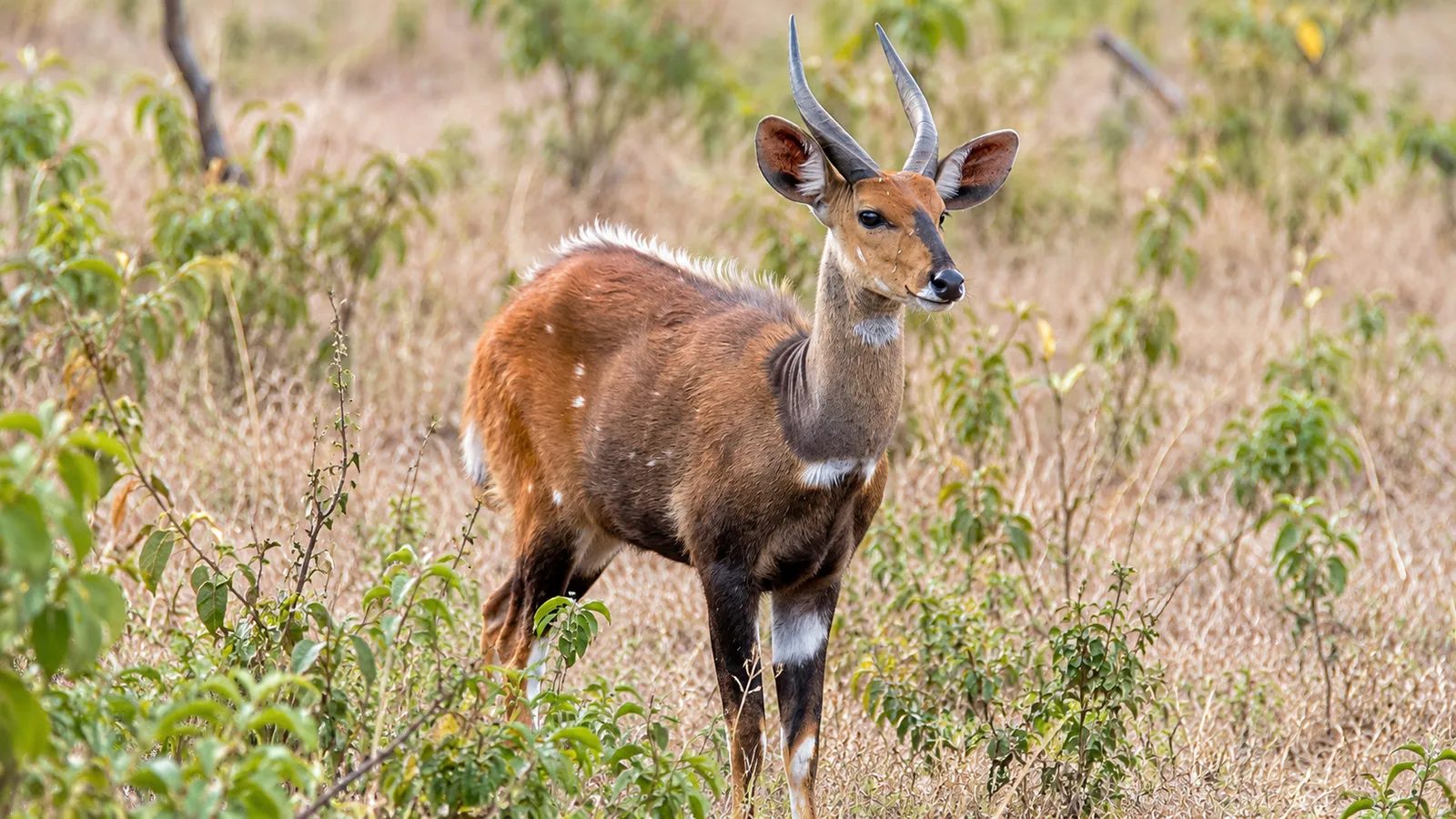
Four days, four parks: from Arusha National Park via Tarangire and Lake Manyara down into the Ngorongoro Crater, with three nights from Arusha City.
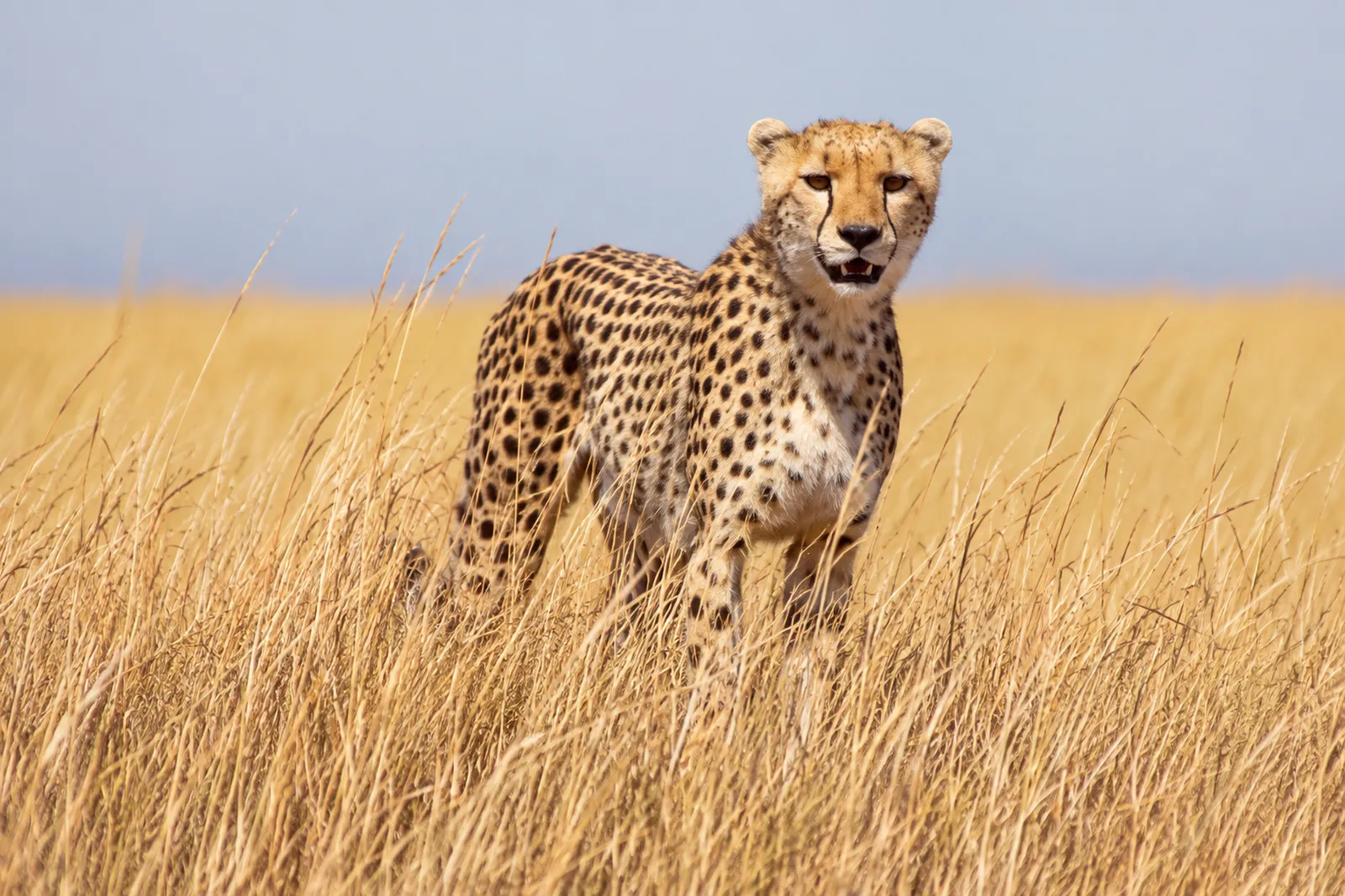
Four travel days and three nights in the heart of Serengeti National Park, flying in and out by light aircraft, with game drives from Seronera to the kopjes.
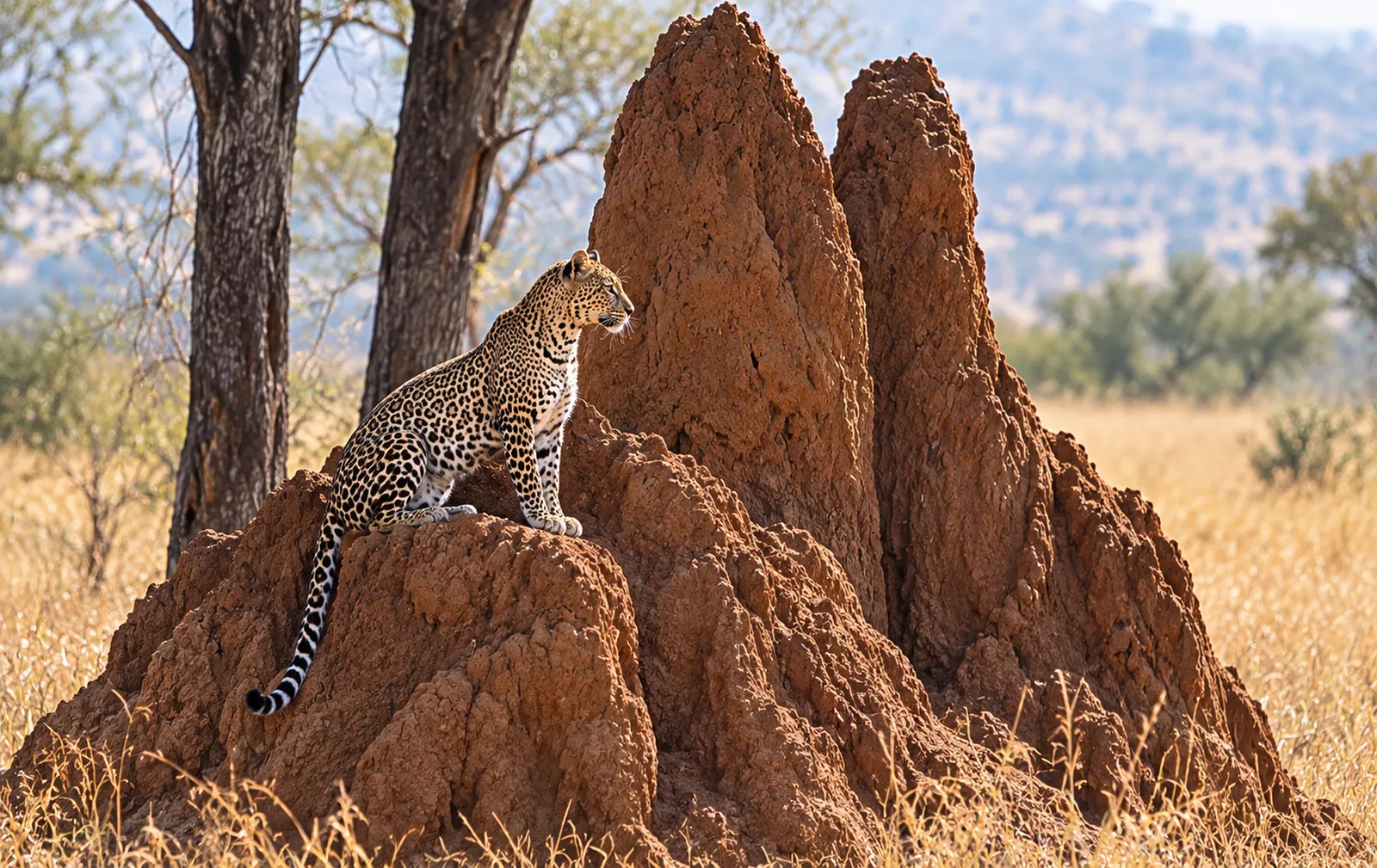
Four days from Arusha City: elephants in Tarangire, two days in the central Serengeti and finally the Ngorongoro Crater. Three nights, privately guided.
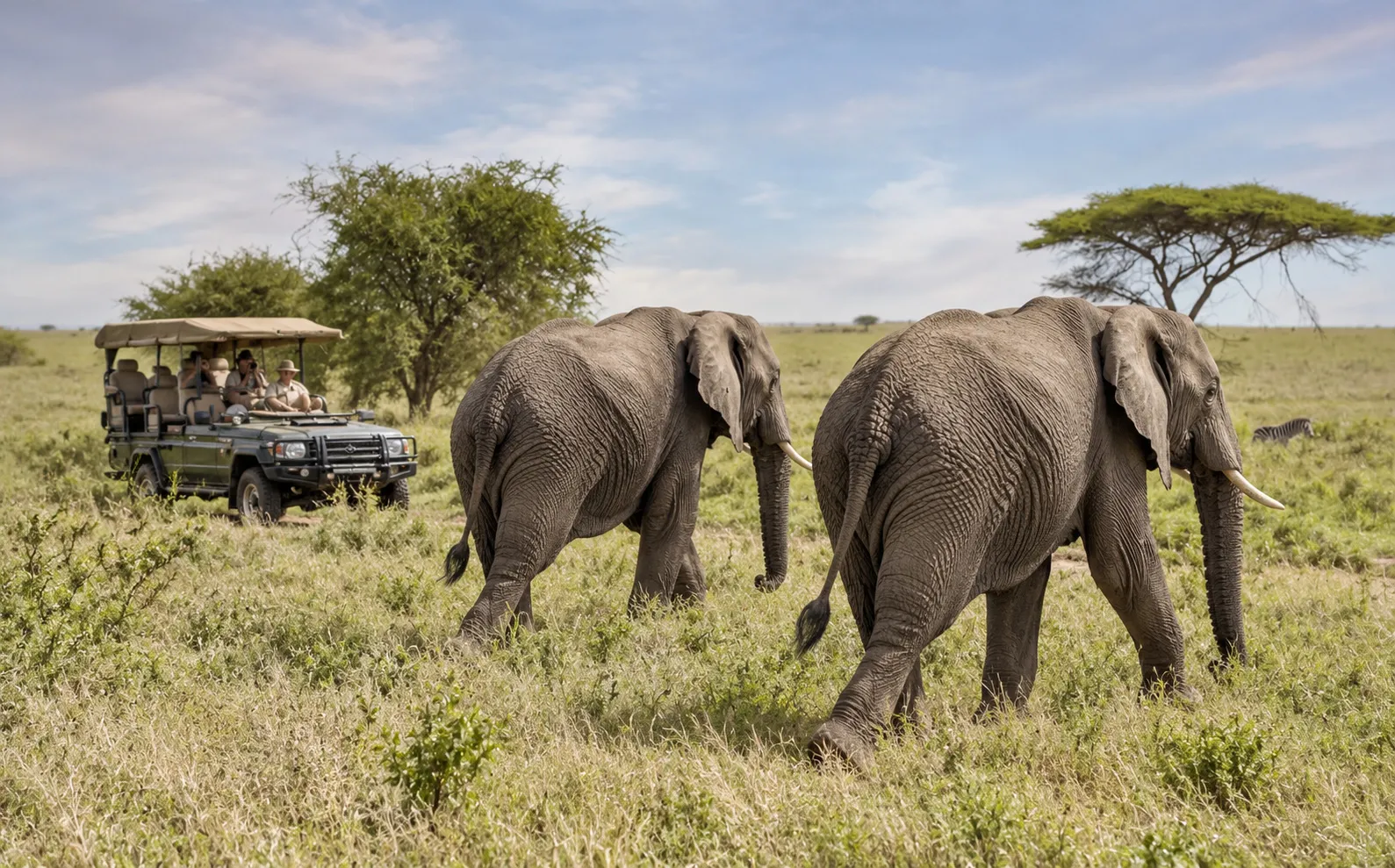
The great northern circuit in five days: from Tarangire via Lake Manyara into the Serengeti and finally down into the crater. Four nights, privately guided.
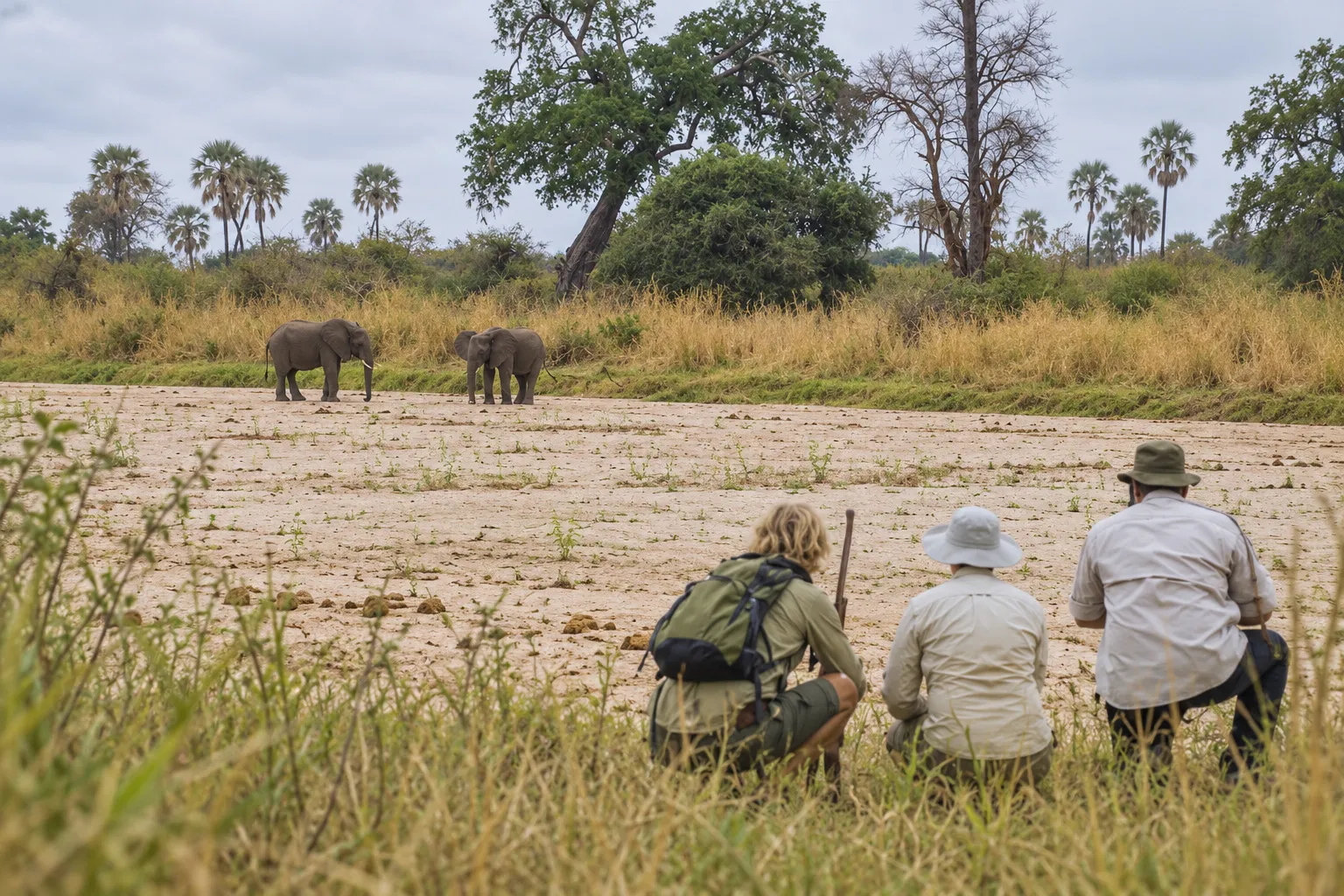
Five travel days, three of them in the Serengeti: a start in Tarangire, a finish in the Ngorongoro Crater, four nights from Arusha City.
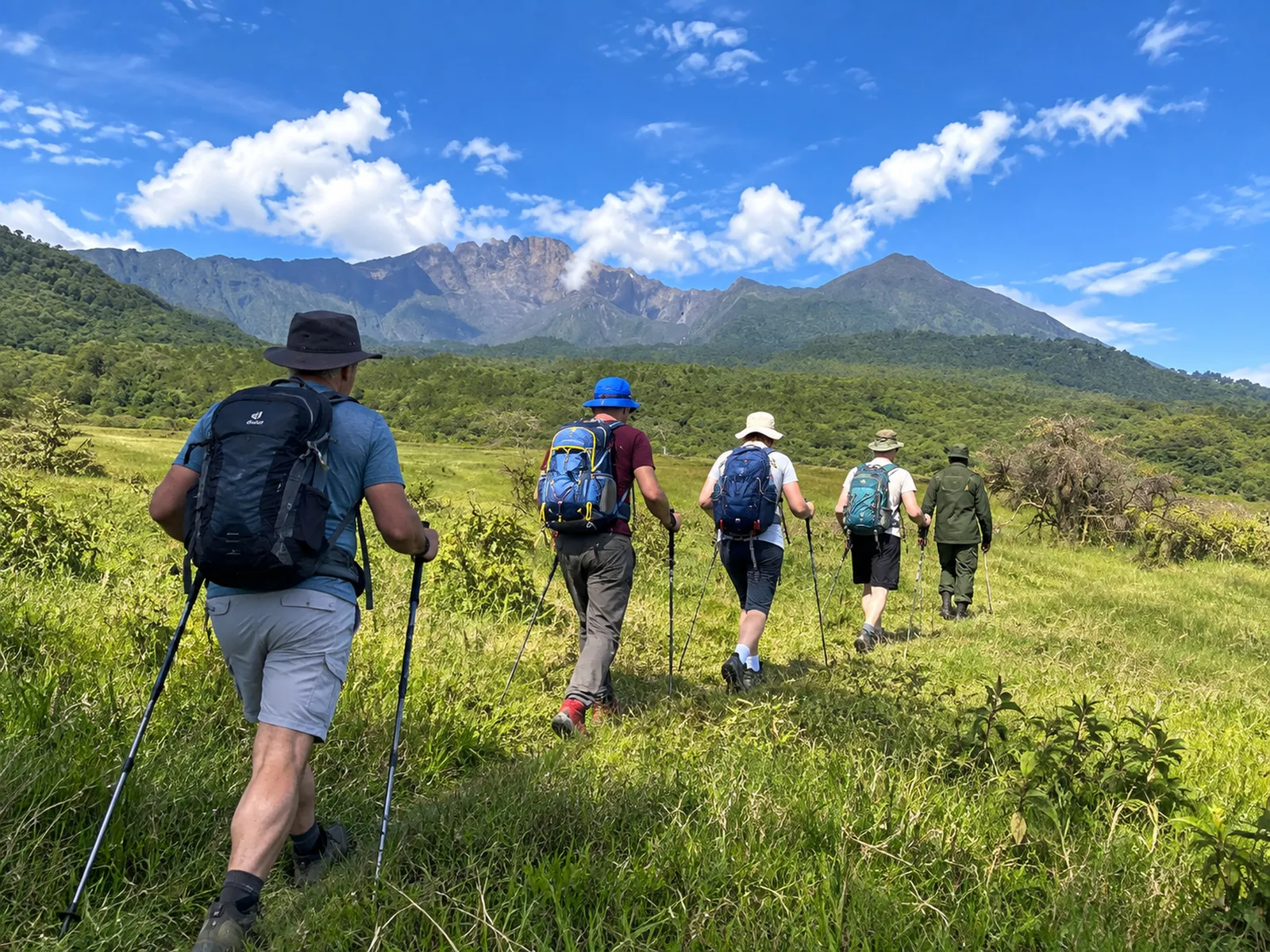
Six days right across the north, from the Momella Lakes to the crater floor, with two full days in the Serengeti and five nights.
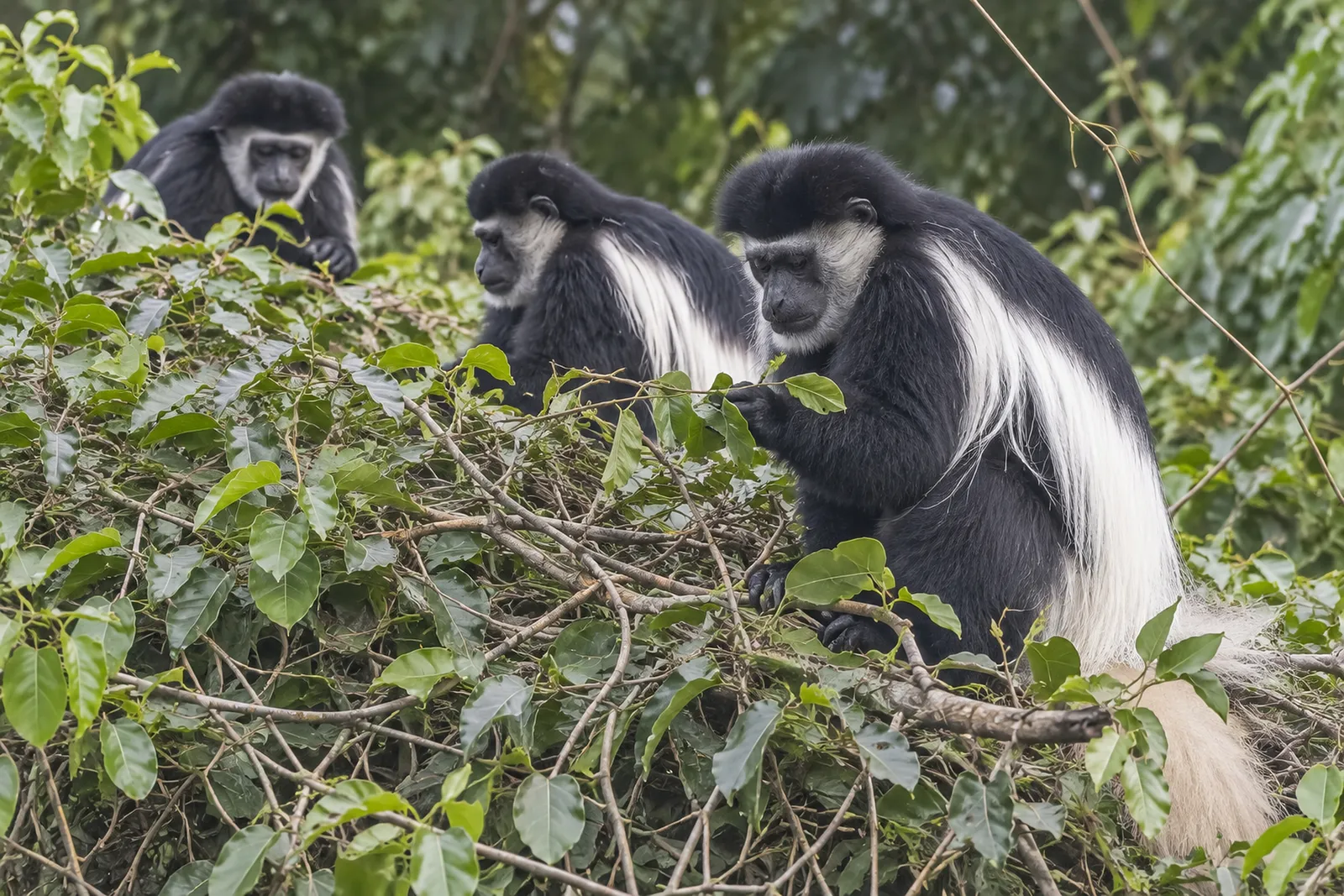
Six days with the focus on the Serengeti: three days in a row in the park, framed by Arusha National Park, Tarangire and the Ngorongoro Crater.
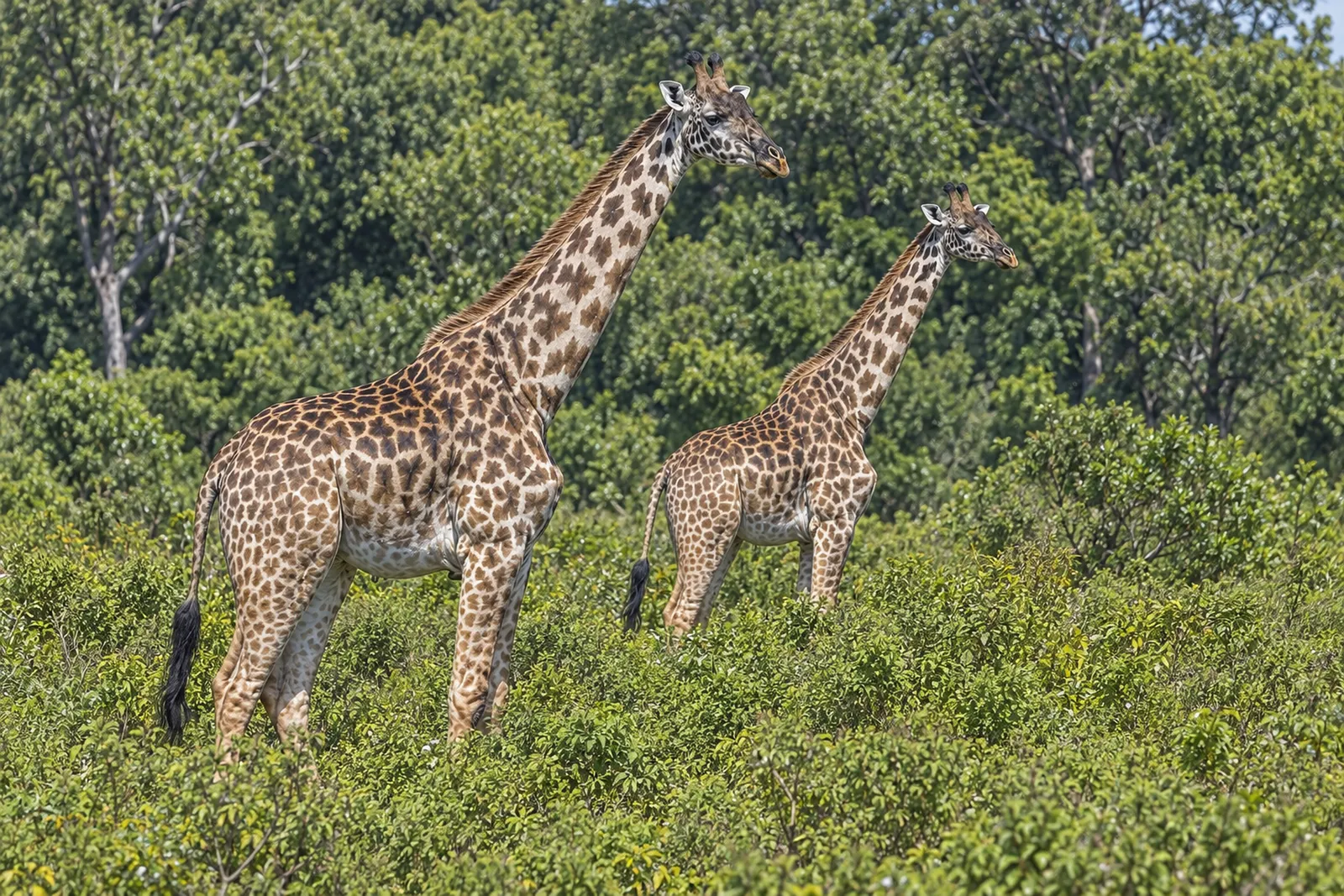
Seven days, the whole of the north: first Arusha National Park, Tarangire and Manyara, then three Serengeti days, and finally the crater.
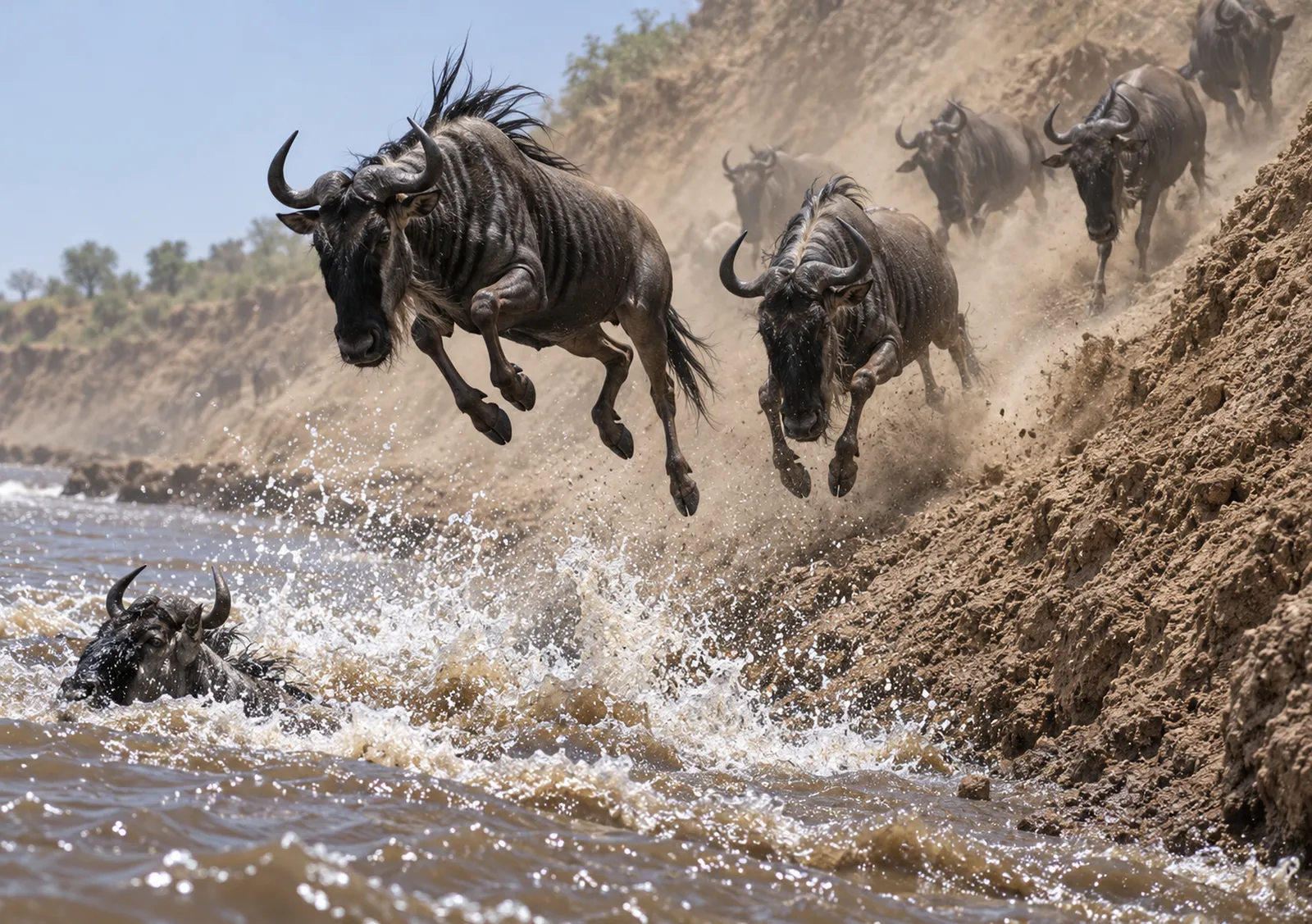
Seven days, Serengeti first: fly in, stay three days, then back via the crater, Manyara and Tarangire all the way to Arusha National Park.
We put your route together — free of obligation and in person. We reply the same day, usually faster on WhatsApp.

Prefer to talk? Dominic Dreiner is happy to help.
Alle Preise sind unverbindliche Richtpreise pro Person bei zwei gemeinsam reisenden Personen, einschließlich der in der Leistungsübersicht genannten Leistungen und ohne Flüge nach Tansania. Bei größeren Gruppen sinkt der Preis pro Person. Der endgültige Preis richtet sich nach Reisezeitraum, Gruppengröße, gewählten Unterkünften und Verfügbarkeit; er wird Ihnen im individuellen Angebot verbindlich genannt. Angebote sind bis zur abschließenden Verfügbarkeitsprüfung freibleibend. Es gelten unsere AGB.